


Post by Jorean Guardian, an undergraduate senior pursuing a Bachelor’s of Science in Psychology with an Interdisciplinary Neuroscience minor at Portland State University.
Spring is the season for fresh starts, new growth and new perspectives.
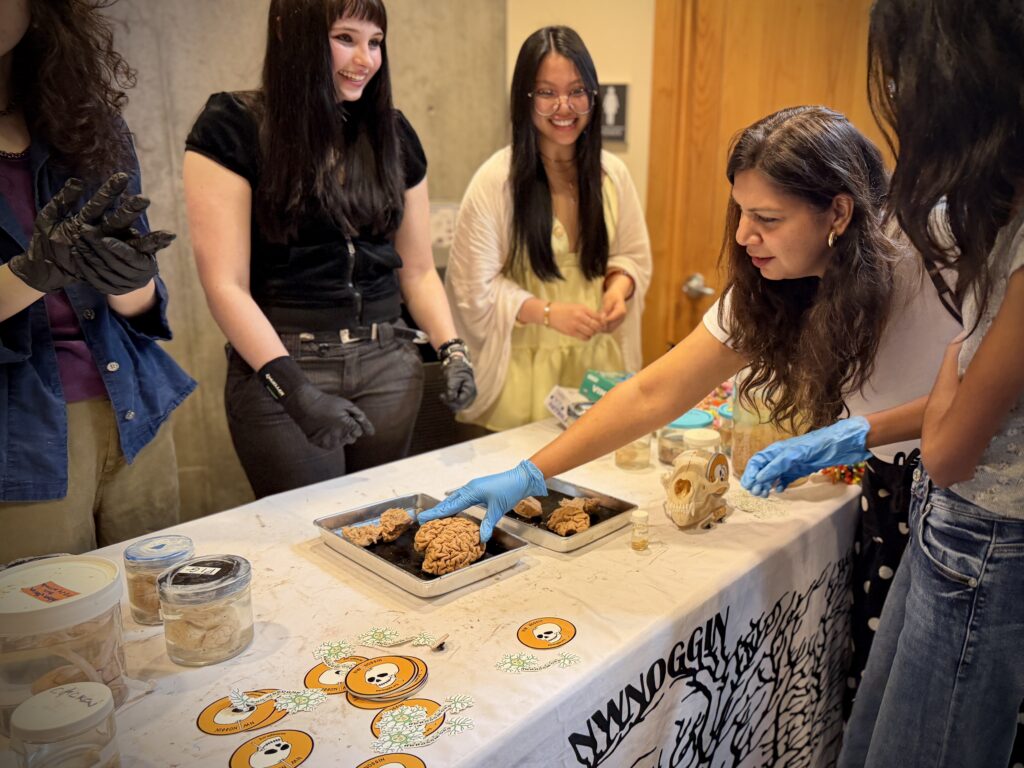
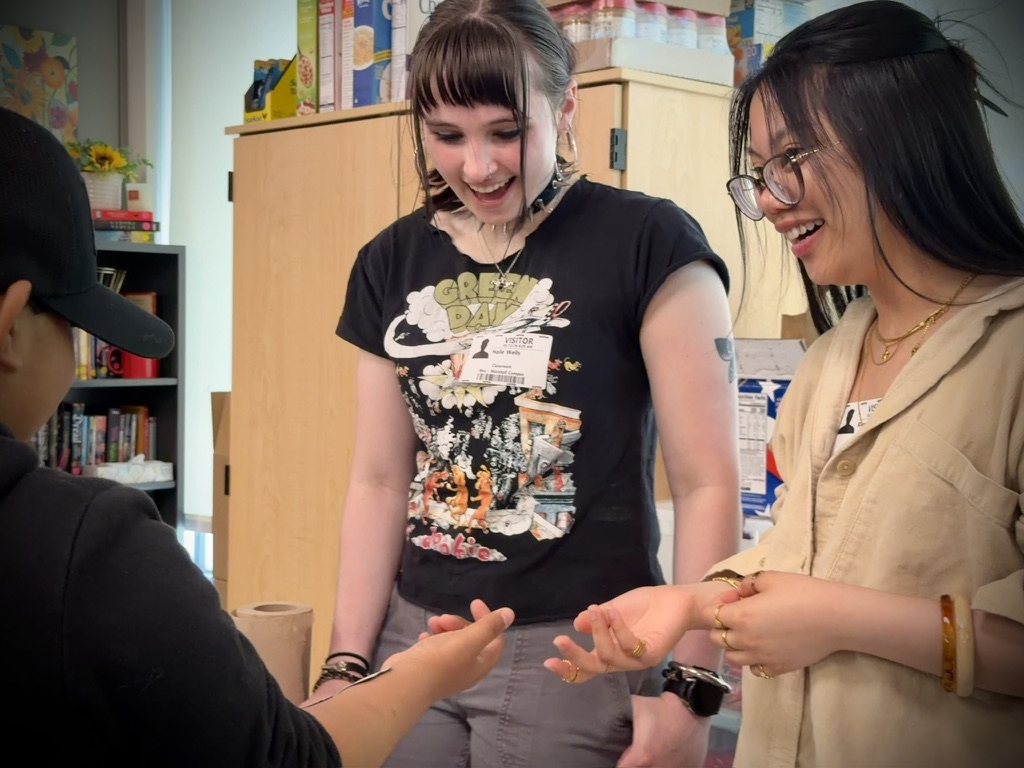
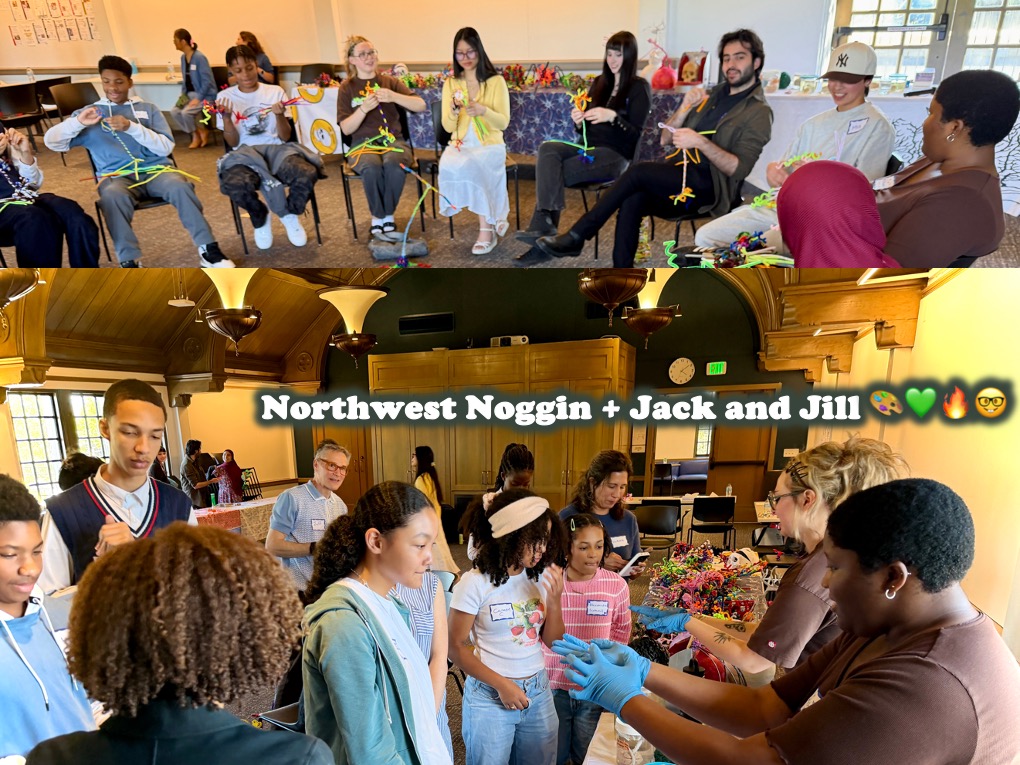
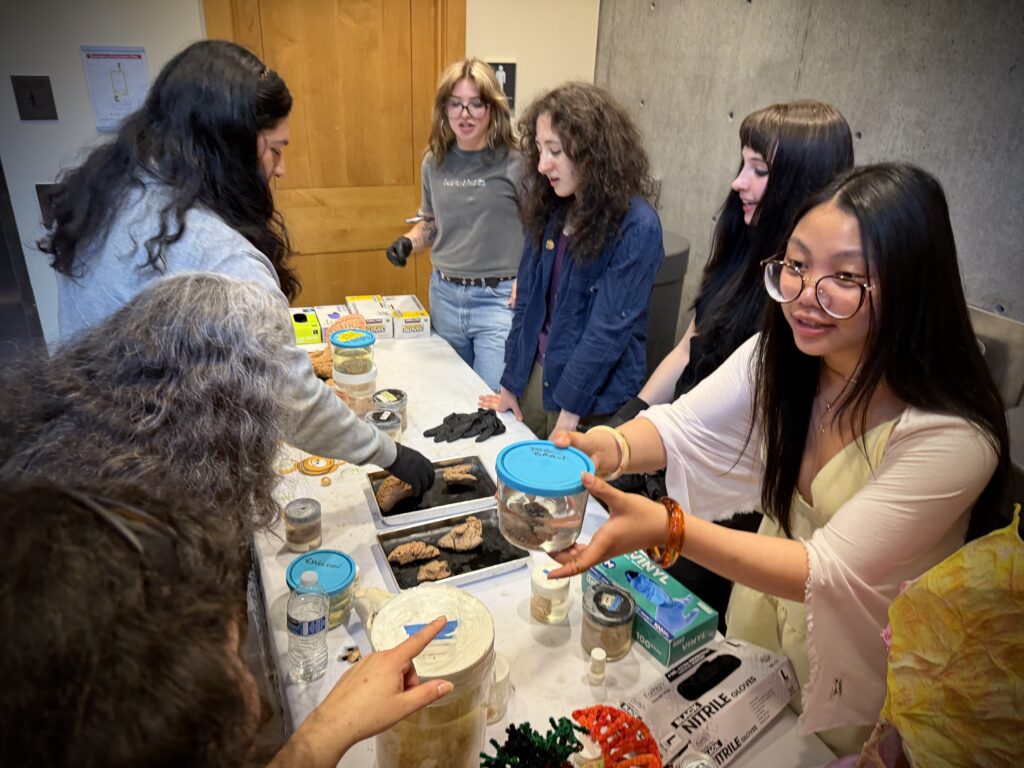
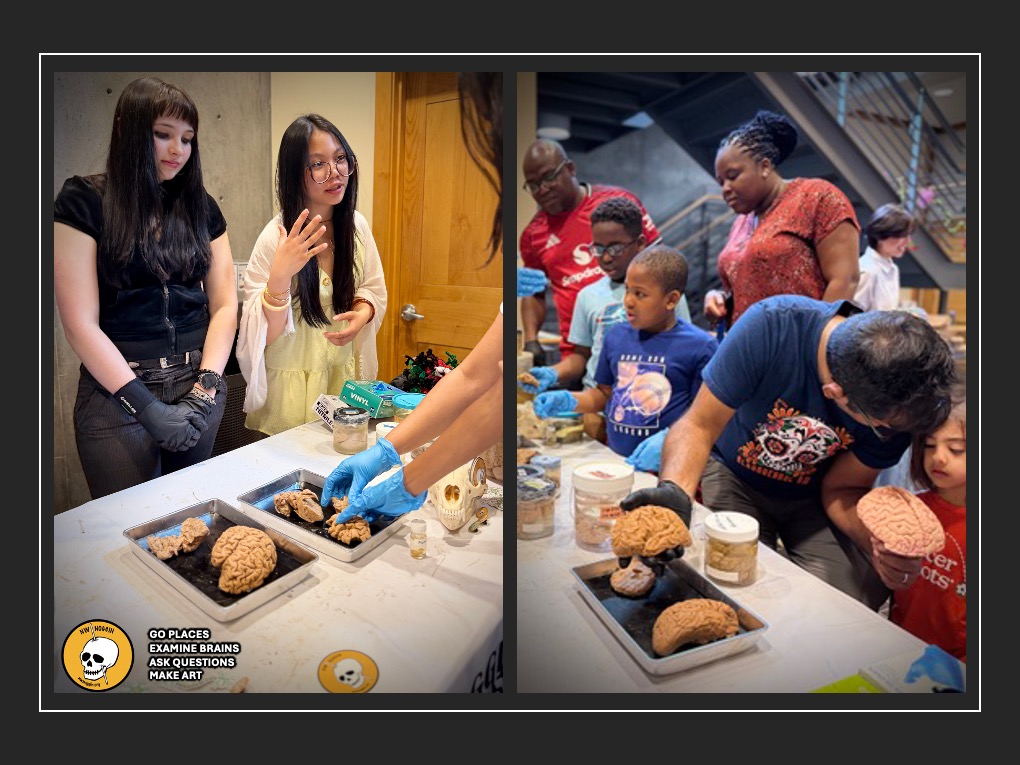
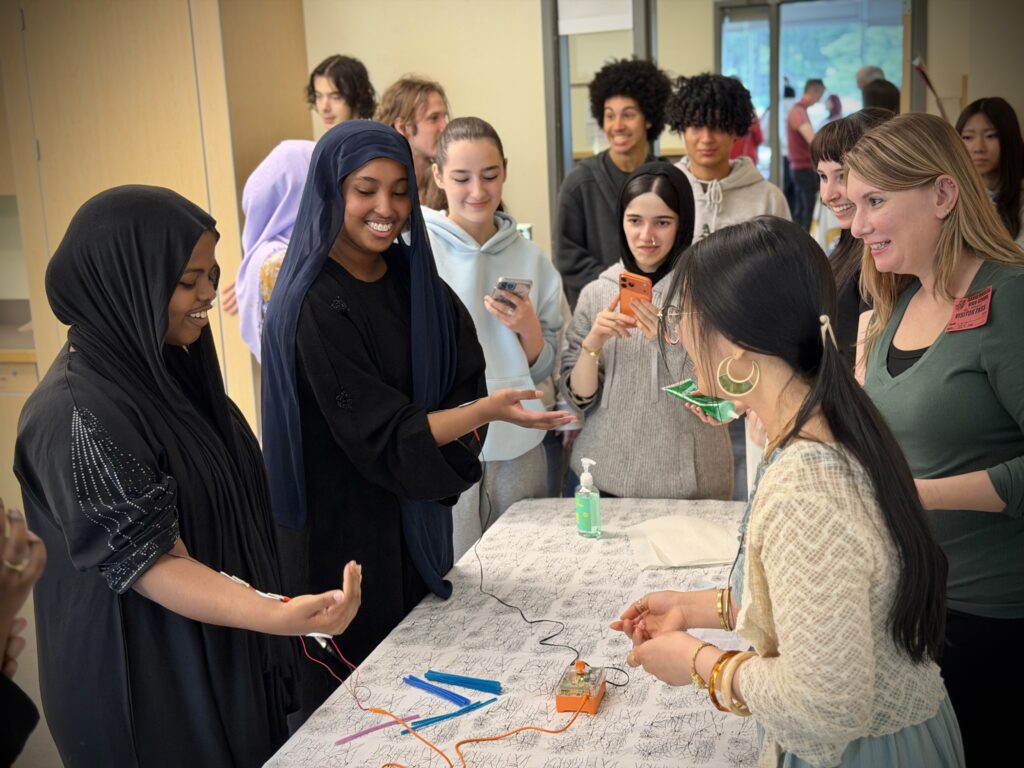
This spring we were able to share new information and stories with students through a deep dive into neuroscience. Northwest Noggin collaborated with volunteers studying different parts of the brain, and we visited public schools, community organizations and festivals. We were all able to share our knowledge by looking at real brains and anatomical models, and created our own brain cells from pipe cleaners, plants and ink. My particular interest is in psychology; so displaying these items and diving into the brain’s psyche with curious community members was particularly fun.
MAKE YOUR OWN: Pipe Cleaner Brain Cells!
MAKE YOUR OWN: Brain Cell Gel Prints
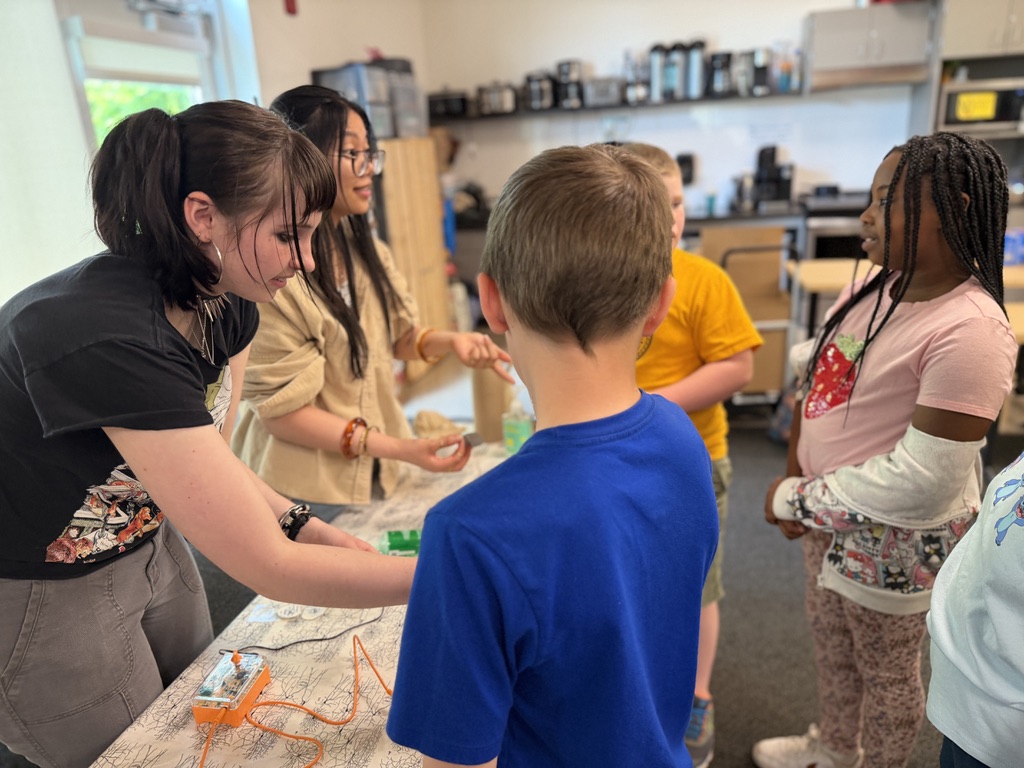
LEARN MORE: Brain Hacking is Electric!
LEARN MORE: Noggin Bloggin
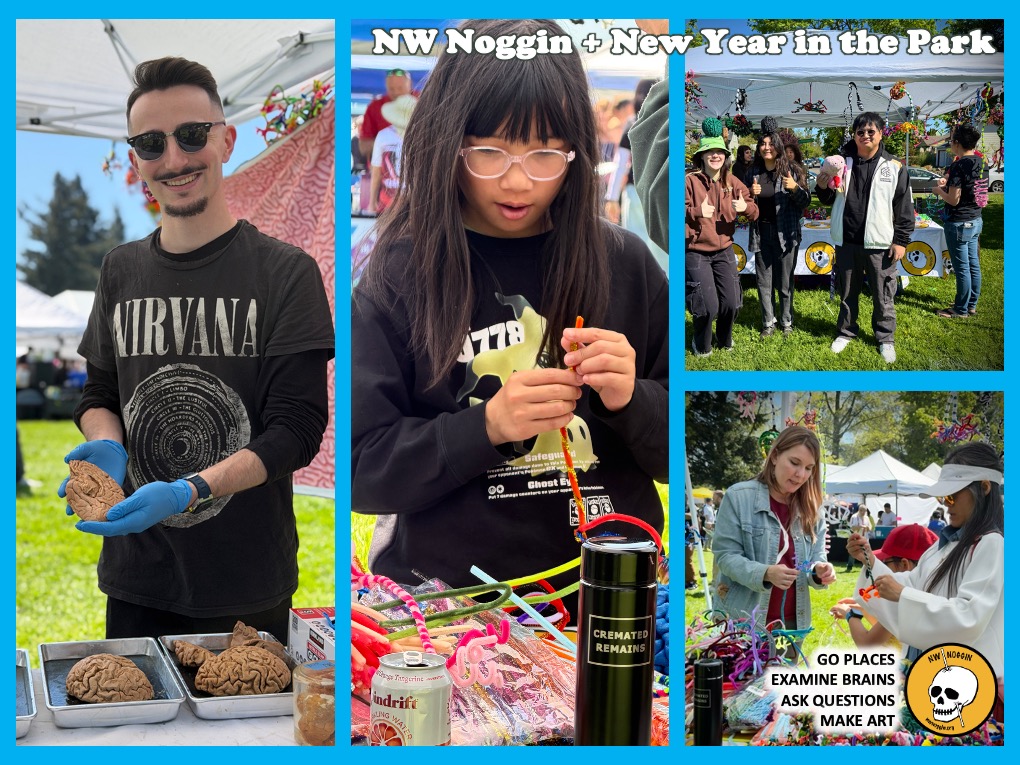
One of our outreach events happened during an annual celebration of Asian culture.
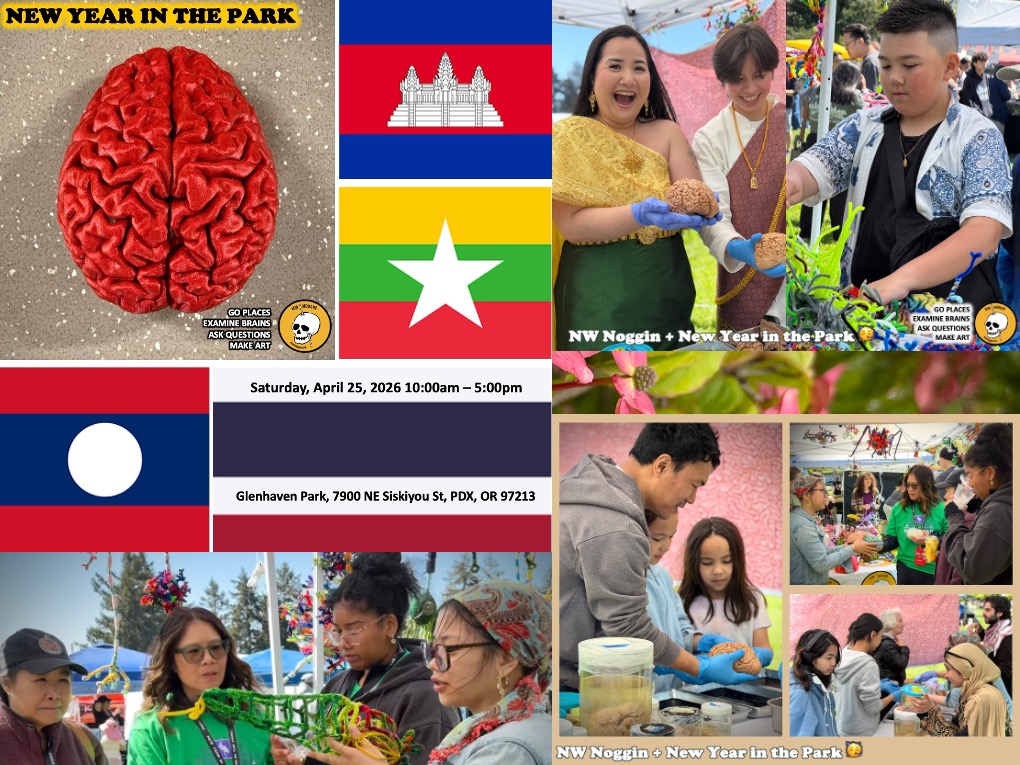
New Year in the Park celebrates Khmer, Thai, Lao and Myanmar culture, food and community, and this year many attendees were concerned about family separations and other cruel and aggressive actions by ICE. A beloved Lao-American food cart owner at Portland State had recently been abducted and detained by this violent (and deadly) federal agency.

LEARN MORE: New Year in the Park
LEARN MORE: Local Food Truck Owner Detained By ICE
LEARN MORE: PSU community rallies for beloved Lao food cart owner detained by ICE
LEARN MORE: 2025 was ICE’s deadliest year in two decades. Here are the 32 people who died in custody
LEARN MORE: Countering the Chilling Effect of ICE Raids Using Behavior Science
LEARN MORE: The Human Cost Of ICE: Stories Of Abuse And Neglect
LEARN MORE: Portland Food Cart Owner Detained by ICE
LEARN MORE: Migra Whistle
People were looking out for each other this New Year, and the celebration was joyous!
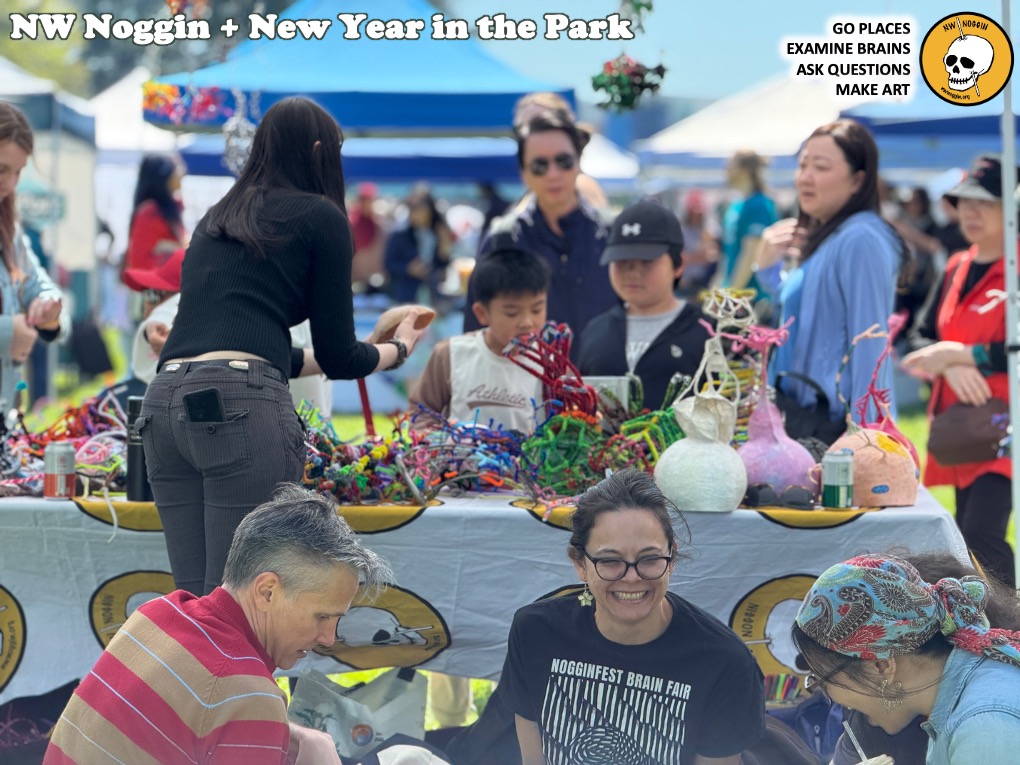
The booths around us were filled with culture, food, colorful clothing and exciting performances.
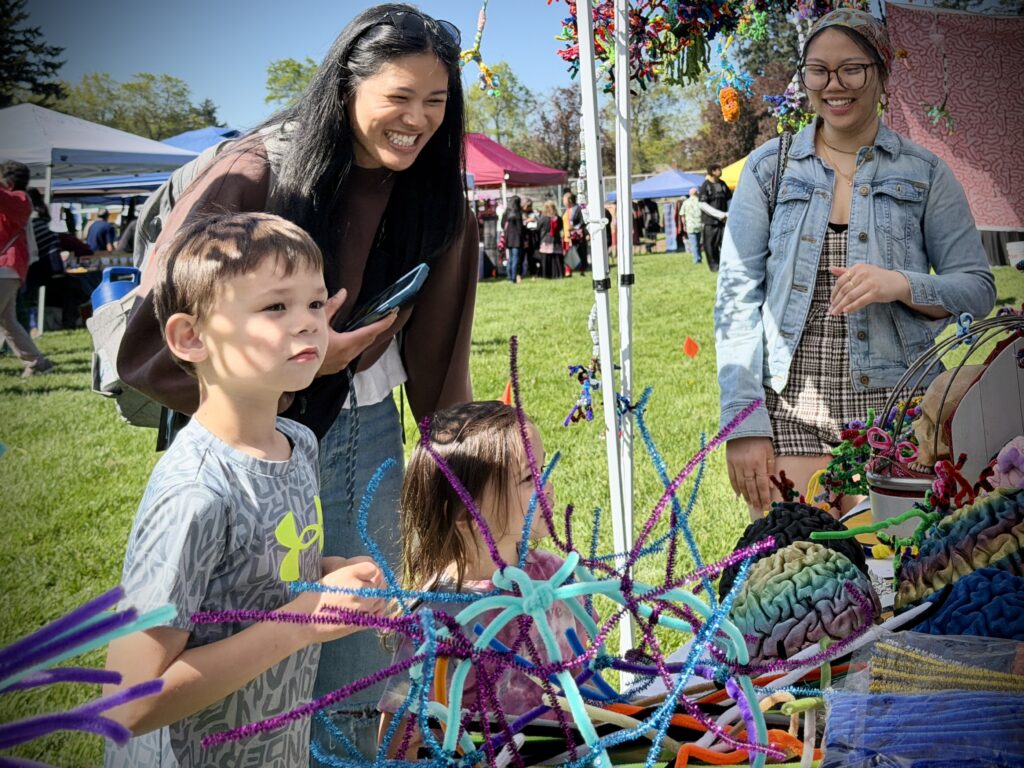
Though our educational booth felt a little out of place at first (“wait what – real brains?!”), curious people of all ages approached us with tons of questions. One question made me realize that their curiosity was equalled by my own. Questions we answered from previous events had focused on education (for example, “Does the brain bleed?” or “Does the neuron have to curl at the end?”).
But to me, this child’s question was special.
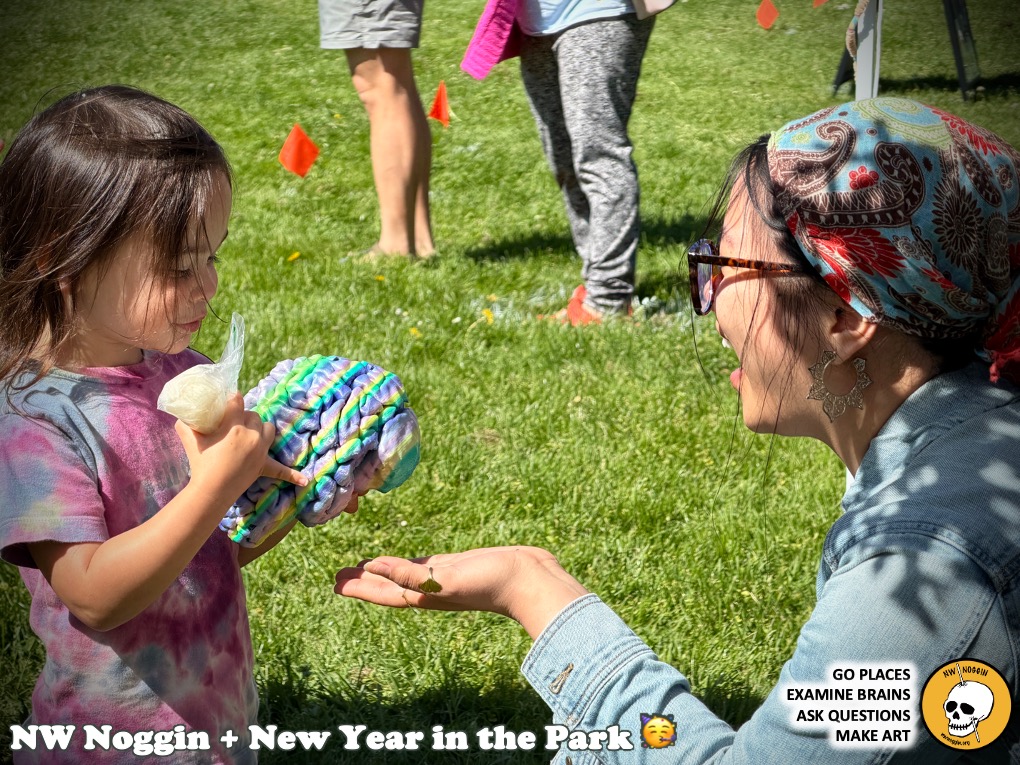
The question that caught my attention at this lively cultural celebration was: Why do we need to learn about this?
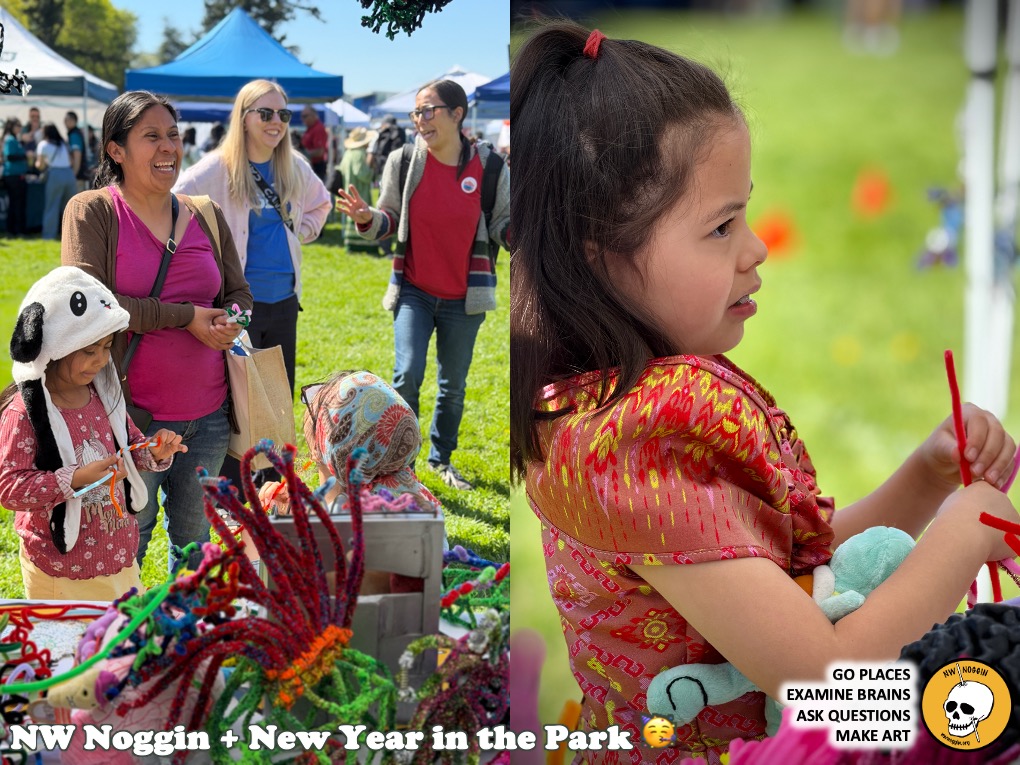
Though the question could have come from a place of boredom, I was genuinely intrigued.
My first thought was there is no requirement for anyone to learn about anything. Out of context this sounds ridiculous and it is. The truth is that the brain decides to learn because its curiosity about something beyond comprehension is piqued. What motivates you is perhaps different than what motivates me. The reason to learn is up to the individual as all brains are wired differently.
LEARN MORE: The knowns and unknowns of boredom: a review of the literature
LEARN MORE: Psychological time as information: the case of boredom
LEARN MORE: Boredom is the root of all evil—or is it?
LEARN MORE: What contributes to individual differences in brain structure?
LEARN MORE: How Does the Brain Make Decisions?
I responded with encouragement, and she proceeded to explain a little more about what she meant.
She wondered why the brain does not know things about itself already, similar to how we know about our personality and preferences. Why does the brain have to learn about itself? Why does it not already know? I was intrigued by where our conversation was going, but her family whisked her away for lunch before we could discuss anything further.
That conversation reminded me a lot of my time as a preschool teacher.
My students would ask me very similar questions. “Why do you like the color green?” “Why does she not like her spaghetti?” I usually responded by asking them to describe their own preferences. Why did THEY like some things, but not others? Why did some things interest them, and make them excited and curious?
So why do we have preferences?
My response was partly rooted in not wanting to dive too deep with three year olds (so many questions!), but it also stemmed from my own lack of knowledge about the brain. My classes on psychology and neuroscience at Portland State have offered me more in depth information and insight into how the brain works. Preferences can stem from prior experiences that made your brain happy. Situations that recall what you know to be satisfactory can make you gravitate towards something similar.
LEARN MORE: Cognitive and neural principles of a memory bias on preferential choices
LEARN MORE: Where do our preferences come from? How hard decisions shape our preferences
LEARN MORE: Neural mechanisms of food preference and reward processing
LEARN MORE: The processing of color preference in the brain
LEARN MORE: How expectation influences perception
LEARN MORE: Color and psychological functioning
The reason three year olds are curious about preferences is where I think things get more complex. Just as the girl from outreach pointed out: our brain should know these things – because our preferences come from our brain!
So why doesn’t “the brain” know?
The fact is: your brain does know, but just not necessarily consciously or explicitly.
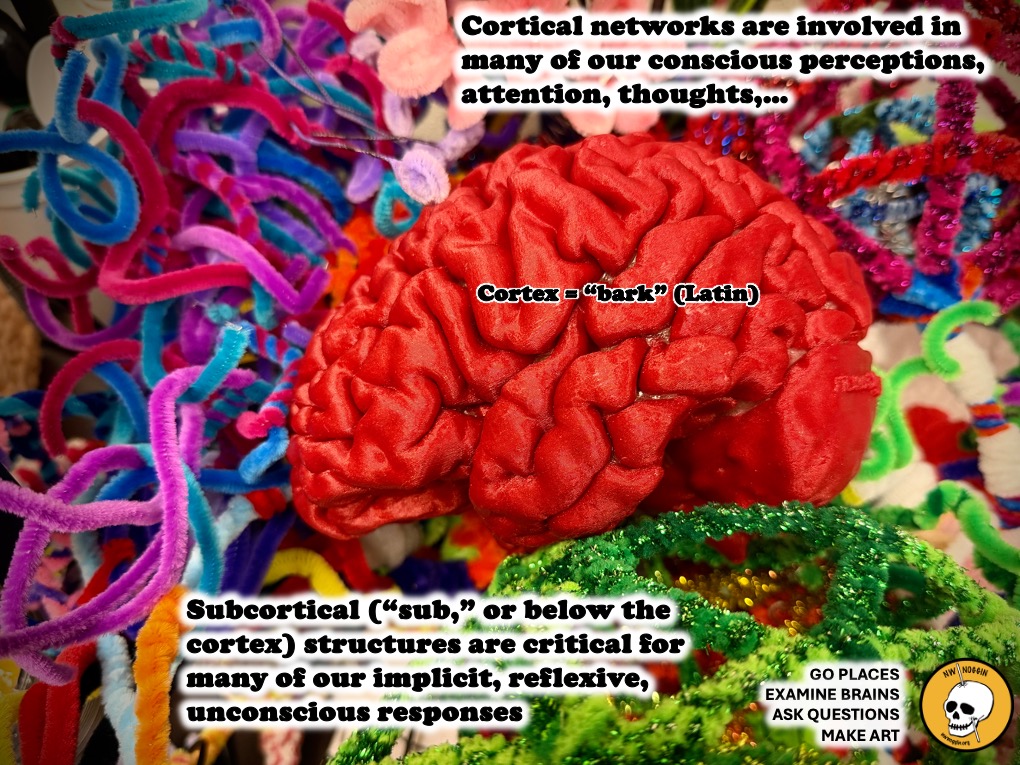
Dresp-Langley (2011) states, “Our brain learns to perceive and represent the physical world a long time before we become phenomenally conscious.” Much of what we do and respond to is rapid and reflexive, relying on evolutionarily ancient systems, often found in subcortical structures deeper in the middle of the brain, below (sub) the wrinkled outer cortex. The world is full of compelling things, and our nervous systems respond to many without our conscious awareness or attention. Yet those implicit responses will generate changes in our felt sense of ourselves and the world, and influence our behavior.
LEARN MORE: Who is in control?
LEARN MORE: The (Re)Discovery of the Unconscious: What We Have Learned from Neuroscience
LEARN MORE: Think Different: The Merits of Unconscious Thought in Preference Development and Decision Making
LEARN MORE: Unconscious influences on decision making: A critical review
LEARN MORE: Consciousness, decision making, and volition: freedom beyond chance and necessity
LEARN MORE: Navigating the complex terrain of motivated behavior: a bibliometric and neuroscientific perspective
LEARN MORE: Mapping the interconnected neural systems underlying motivation and emotion
LEARN MORE: The Neuroscience of Growth Mindset and Intrinsic Motivation
LEARN MORE: Neuroscience and Motivation
What boggles my mind is why our brains ask questions like this. What about a three year olds’ experience in life made them wonder about the origin of preferences – and why the brain doesn’t necessarily know, consciously, what it knows? I loved the curiosity in her question. We all wonder, and seek out and sometimes find (or create) our own answers.
But why do we wonder why?
Curiosity itself is something to wonder about. It’s also the subject of neuroscience research!
That girl from outreach, the three year olds in my classroom, and my fellow volunteers and I are all curious about the world around us. One reason we seek answers can be attributed to survival. Kidd and Hayden (2015) note that, “the most popular theory about the function of curiosity is to motivate learning.” Learning about the world actually keeps us alive, or as Gottlieb (2024) puts it, “to encourage living things to explore their world in ways that help them survive.”
LEARN MORE: The psychology and neuroscience of curiosity
LEARN MORE: Brain-Imaging Study Reveals Curiosity as it Emerges
LEARN MORE: Neural Representations of Sensory Uncertainty and Confidence Are Associated with Perceptual Curiosity
LEARN MORE: Probing Perceptual Uncertainty to Examine the Relationship between Curiosity and Confidence
Research exploring the intricacies of curiosity and the brain are ongoing.
However, what I observed, shared and discovered during this outreach means a lot to me. I love seeing where curiosity can lead.
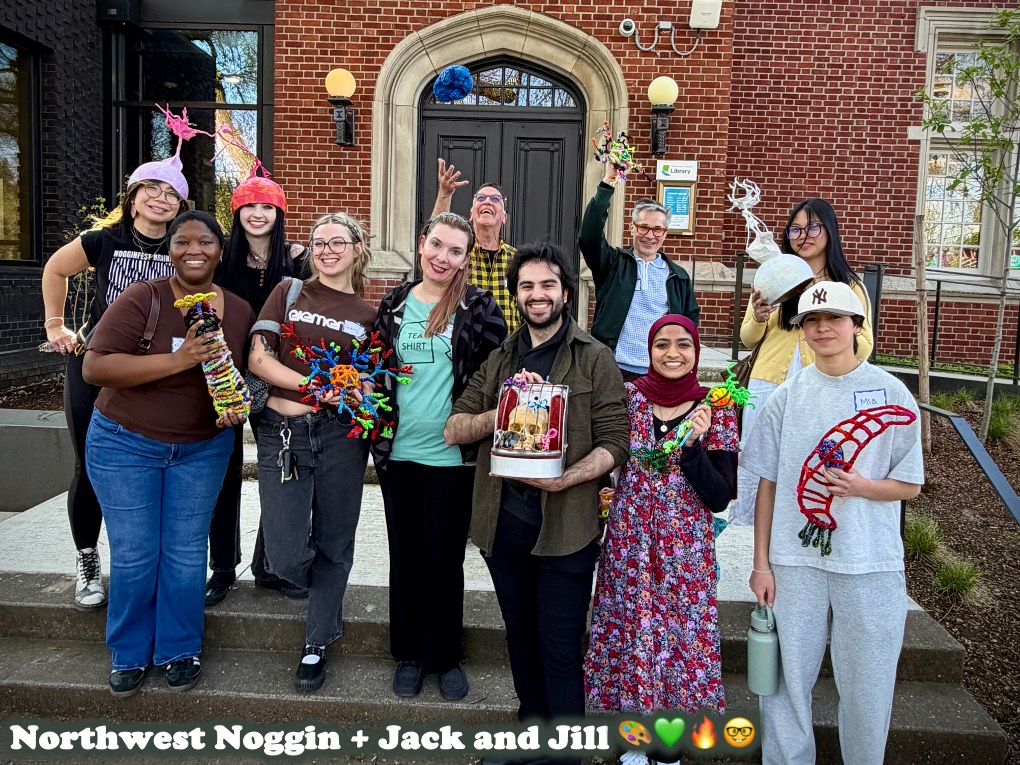
It was all of us volunteers sitting in public classrooms and learning about incredible student interests. It was the people of all ages wondering what we knew and were still finding out about our brains and behavior through this ongoing neuroscience research. It was letting our driving curiosity turn into into new stories, more knowledge, great art – and shared community.
Why do we need to learn about this? We need to learn about this because our brains, through learning and discovery, and our individual experiences, preferences, curiosities and consciousness, make us who we and our communities are.