


Post by Charlie Kelley, undergraduate in Speech and Hearing Sciences with a minor in Interdisciplinary Neuroscience at Portland State University.
About me
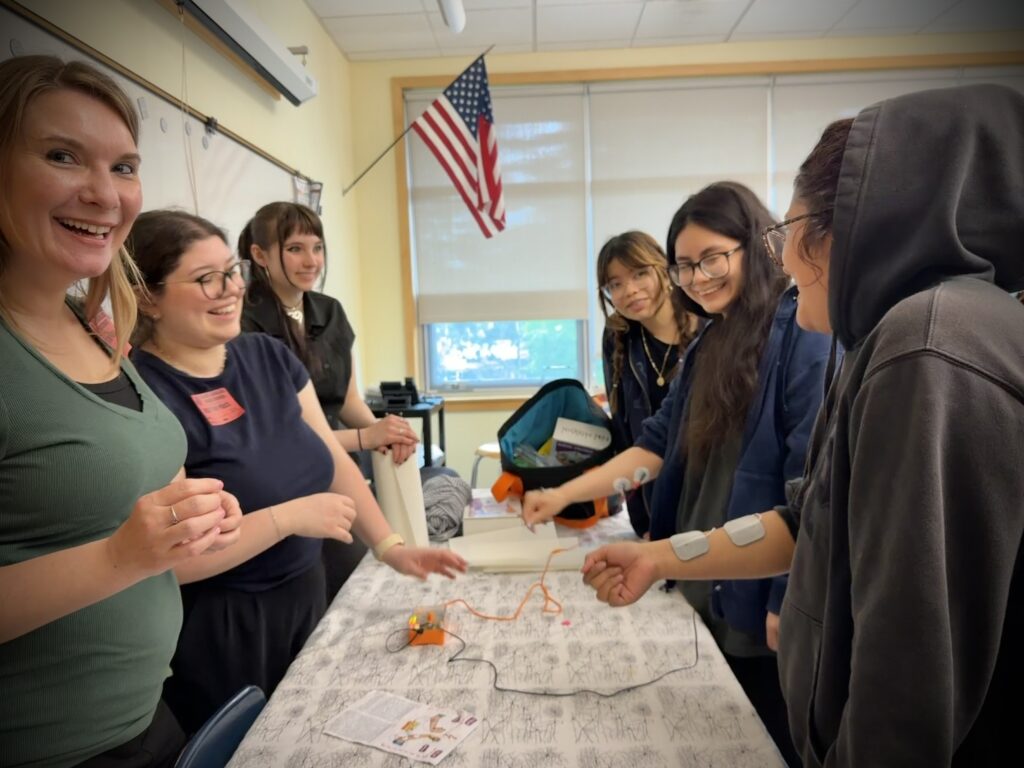
Hello, my name is Charlie. I am a first-generation nontraditional student at Portland State University. My academic interests center around communication, recovery from brain injury and emotional regulation, while helping people reconnect with their voices after trauma or neurological change.
Through neuroscience outreach, clinical speech-language pathology experiences, and working with children, I have become increasingly interested in the relationship between communication, emotional regulation, and human connection.
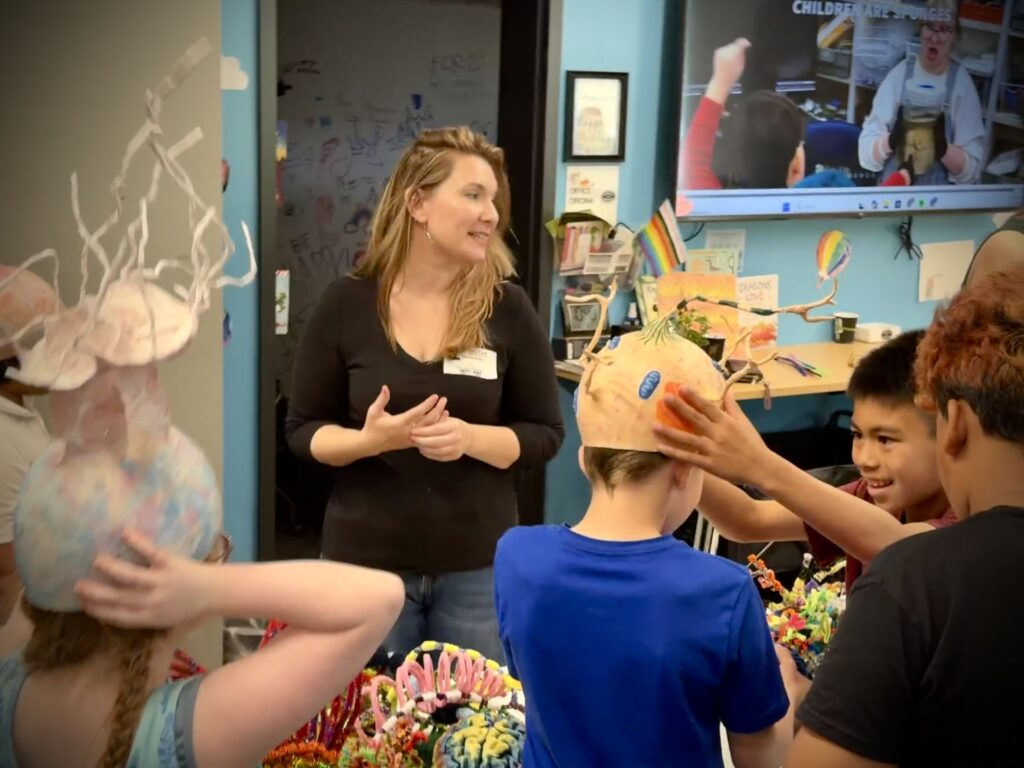
Outreach has shown me that neuroscience becomes most meaningful when people can connect scientific concepts to their own lives and experiences. Whether discussing aphasia with brain injury survivors or helping children identify their own emotions through creative activities, I have learned that communication is about far more than words alone. It is also about identity, belonging, and feeling understood.
LEARN MORE: Social connection as a critical factor for mental and physical health
LEARN MORE: Voice phenomenology as a mirror of the past
LEARN MORE: Voice Disorders
LEARN MORE: Belonging: a review of conceptual issues, an integrative framework, and directions for future research
LEARN MORE: Belonging: An Essential Human and Organizational Need
Why Speech-Language Pathology?
My educational path has not been linear.
I originally began college studying early childhood education before realizing my curiosity stretched far beyond how communication begins. I became intrigued with how communication can also be lost, reshaped, and rebuilt.
That realization led me towards both speech-language pathology and neuroscience. To me, the two disciplines naturally complement one another. Speech-language pathology focuses on human connection, while neuroscience helps explain the systems working behind the scenes that make communication possible.
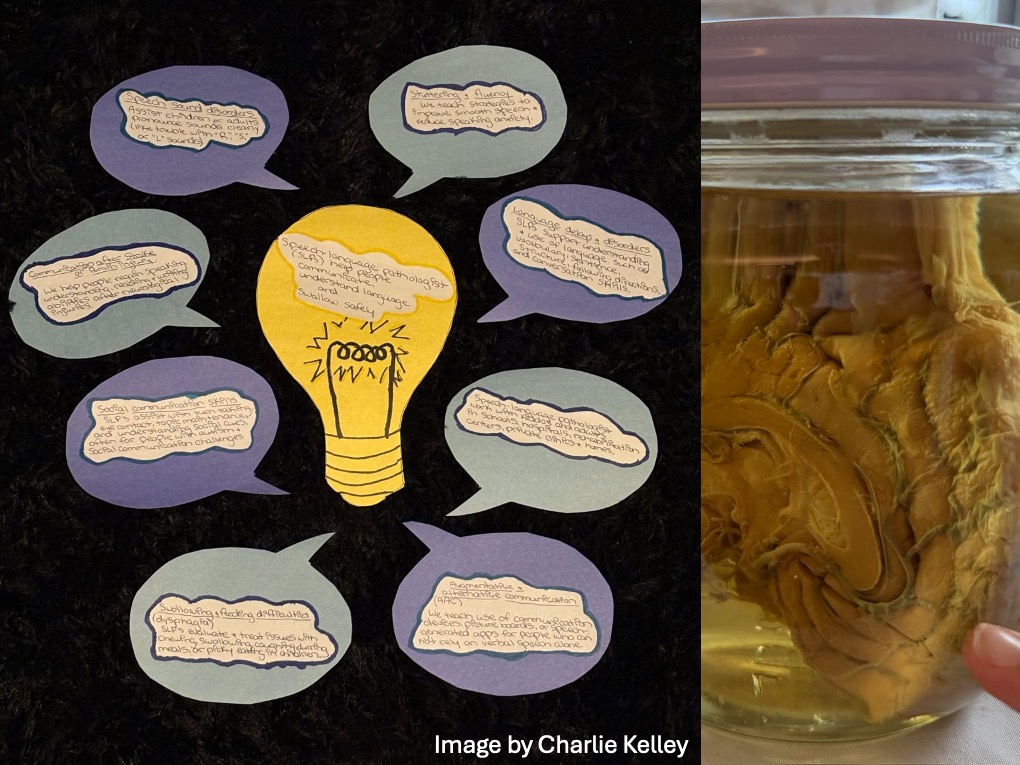
I now hope to work with adults recovering from stroke and/or brain injury after graduate school.
Growing up with an unaddressed speech impediment, I understand firsthand how difficult it can feel when your voice is not easily understood. My family did not always have access to educational or therapeutic resources, and because of that, I often spoke less and made myself smaller. Over time, I realized how deeply communication affects confidence, relationships, and a person’s sense of belonging. My experiences contribute to my personal why.
LEARN MORE: Communication disorders: A complex population in healthcare
LEARN MORE: Advances in Specific Language Impairment Research and Intervention
LEARN MORE: Quick Statistics About Voice, Speech, Language
Learning Through Aphasia and Human Connection
One of the most meaningful experiences in my education came through volunteering with Brain Injury Connections Northwest. I was paired with a kind man living with aphasia, a communication disorder commonly caused by stroke or brain injury.
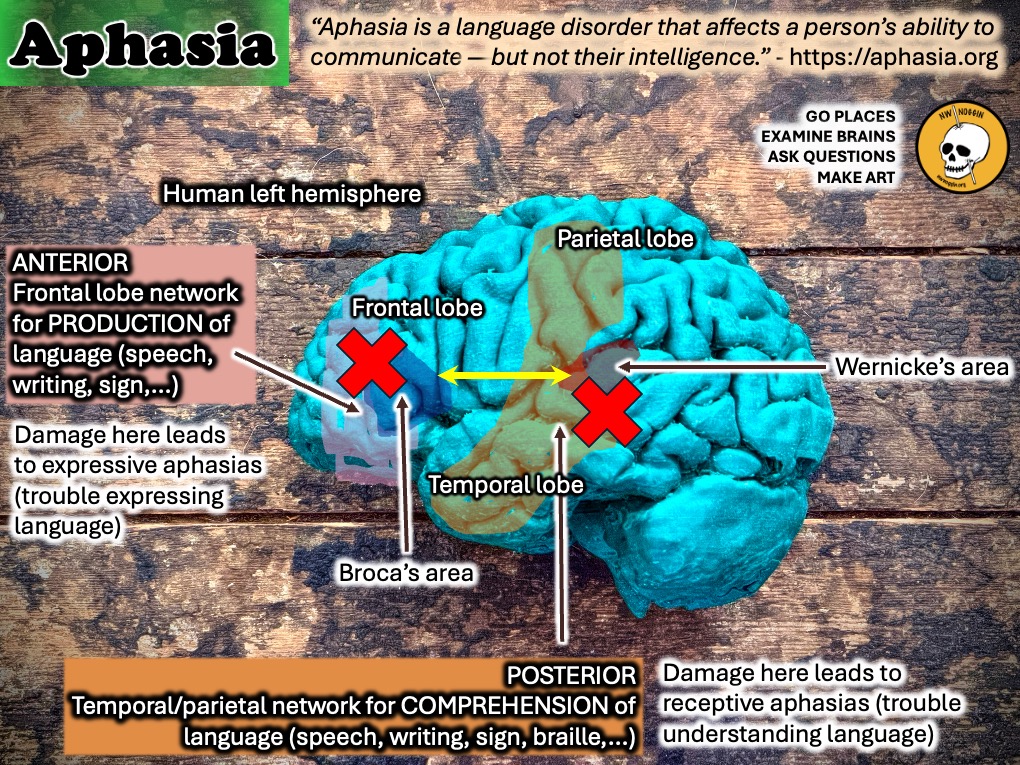
During our weekly Zoom conversations, we exchanged gardening tips, discussed favorite recipes, and talked openly about the frustrations that can come with communication breakdowns. Some dialogue flowed easily, while others required patience and pauses. Those moments taught me that communication is far more than words alone. It also lives in persistence, empathy, and the willingness to stay present even when expression becomes difficult.
When either of us had particularly stressful days, our conversations often shifted toward emotional regulation and the brain’s response to stress. These discussions naturally led me to become intrigued with the relationship between the amygdala and prefrontal cortex.
LEARN MORE: Aphasia
LEARN MORE: What is Aphasia?
LEARN MORE: National Aphasia Association
LEARN MORE: Code Switching and the Bilingual Brain
LEARN MORE: Neuroanatomy: The Basics
Cortex and conversation
Conversation is essentially a partnership between emotion and control inside the brain.
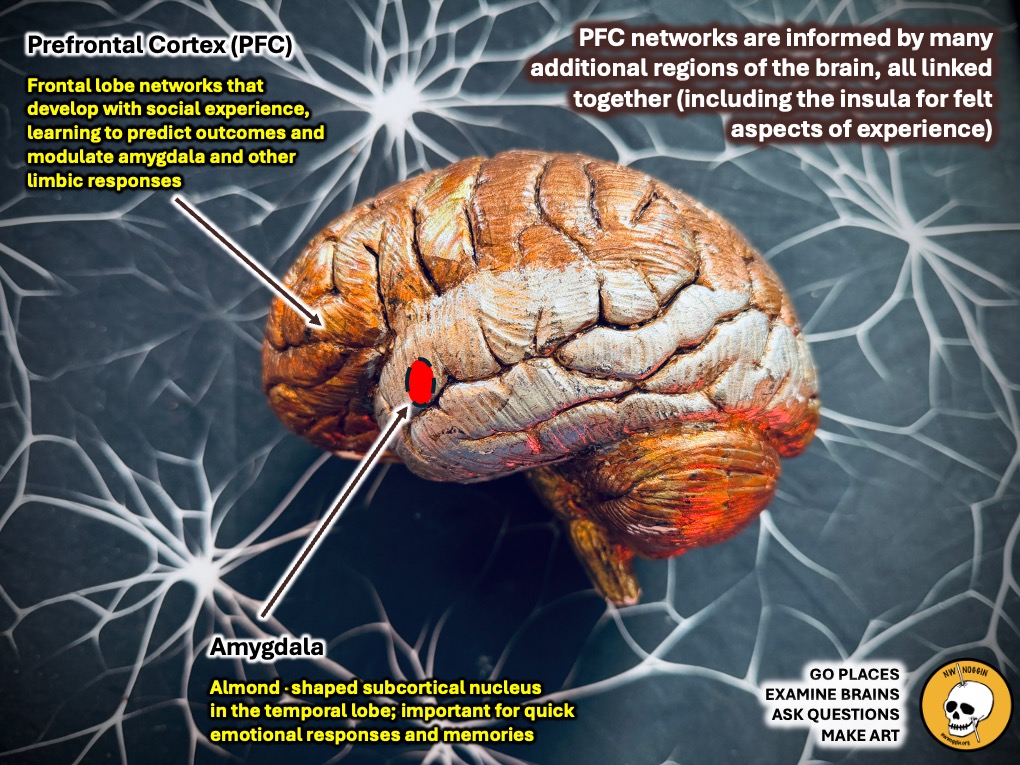
The amygdala is the fast emotional system.
It continuously scans for meaning in social environments, gauging social cues, including tone, facial expressions, approval, tension, humor, rejection, confidence, threat, and connection. The amygdala can directly impact your autonomic nervous system, perhaps increasing your sympathetic, “fight or flight” responses. It can provoke a stress response from your hypothalamus, leading to stress hormone release from your pituitary glad. And it also informs your cortex, leading to strong feelings.
Amygdala reactions enrich our conversations by adding emotional energy and instinct. That’s why certain comments can instantly make you feel relaxed, excited, defensive, awkward, or engaged before you’ve even fully thought about them.
LEARN MORE: Understanding Emotions: Origins and Roles of the Amygdala
LEARN MORE: Discovering how the amygdala shapes human behavior: From lesion studies to neuromodulation
LEARN MORE: Fear, anxiety and the functional architecture of the human central extended amygdala
The prefrontal cortex (or PFC) is the head honcho of our executive system.
It helps organize thoughts, regulate emotions, choose words carefully, read the room, and decide how to respond. It’s what allows someone to stay composed, thoughtful, persuasive, funny, or confident, even under pressure. Your PFC develops where you do, in response to your personal history and experiences, forming network connections with other brain areas involved in perception (Who is here? What is here? How do I feel?), memory (Who are these folks? What happened before in similar circumstances?), attention (What’s important to me? What’s grabbing my focus here?), action (How do I react? What do I say?) and more.
LEARN MORE: The role of prefrontal cortex in cognitive control and executive function
LEARN MORE: Executive control and decision-making in the prefrontal cortex
LEARN MORE: Prefrontal connectomics: from anatomy to human imaging
LEARN MORE: PFC, Executive Functions, and Decision-Making
What is perceived as “good” conversation depends on these systems working together.
An overactive amygdala without PFC regulation can lead to anxious, reactive, defensive, or scattered speech. Excessive PFC suppression creates too much control without emotional engagement, and speech can sound flat or robotic. The “ideal” conversational style usually comes from balance: emotionally aware but mentally steady.
LEARN MORE: Who is in control?
LEARN MORE: Prefrontal–amygdala circuits in social decision-making
LEARN MORE: Prefrontal function and cognitive control: from action to language
LEARN MORE: Prefrontal Cortex: Role in Language Communication during Social Interaction
LEARN MORE: The prefrontal operculum, a human-specific hub for the cognitive control of speech
LEARN MORE: Amygdala Circuit Substrates for Stress Adaptation and Adversity
In other words, conversations aren’t just “talking.”
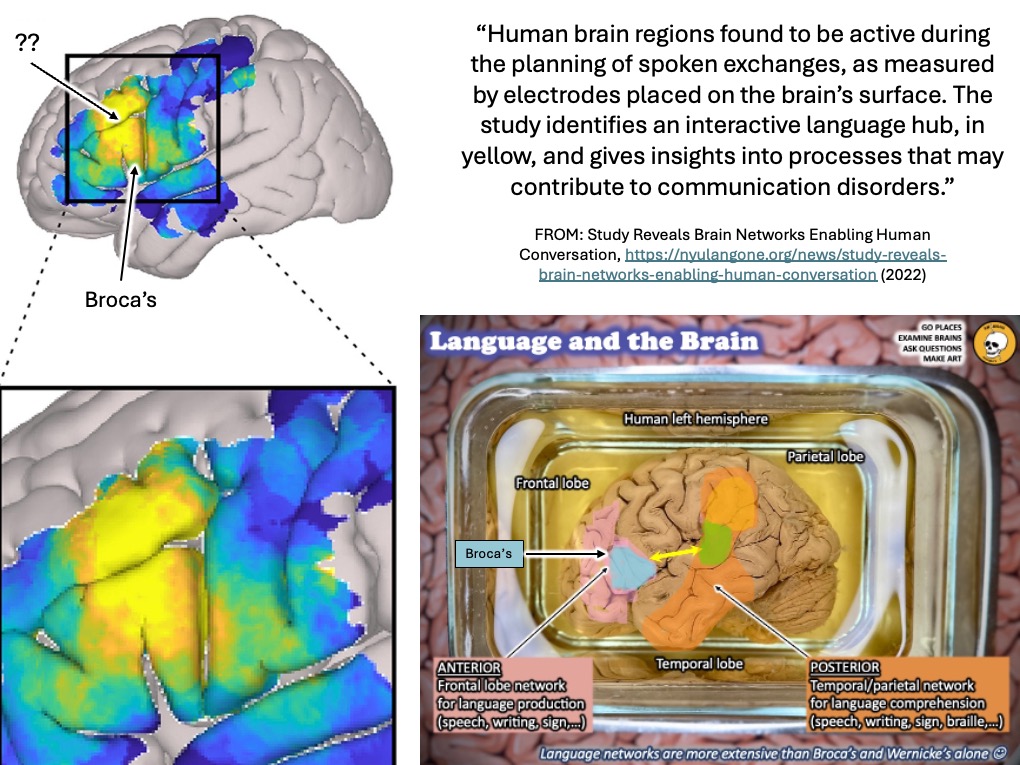
IMAGE SOURCE: Study Reveals Brain Networks Enabling Human Conversation
Conversations require emotional processing, prediction, memory, language, social awareness, and self-regulation all working in unison. Human communication is one of the most neurologically complex things the brain does, and when those systems synchronize, people naturally come across as calm, engaging, sharp, and socially connected.
This is how it looks in real time.
- The brain detects emotional and social meaning.
- An idea is formed given the stimulus.
- Language regions organize words and structure.
- Motor systems produce speech.
- Feedback systems monitor reactions and adjust accordingly.
Conversations unfold incredibly fast. All of this occurs in a matter of milliseconds!
LEARN MORE: Study reveals brain networks critical for conversation
LEARN MORE: Conversational content is organized across multiple timescales in the brain
LEARN MORE: Natural language processing models reveal neural dynamics of human conversation
LEARN MORE: A speech planning network for interactive language use
The Brain Under Stress
Conversations with both children and my aphasia partner brought increasing awareness to how strongly emotions influence communication. Moments of frustration, embarrassment, or stress often appeared before more considered, conscious processing had time to catch up, which led me to become engrossed by the relationship between the amygdala and prefrontal cortex.
One topic that draws my focus is how the brain responds to stress and emotion in real time.

Understanding the interaction between these important brain regions has helped me both academically and personally. I often see these systems at work during emotionally overwhelming moments, especially in classrooms with children or when speaking with individuals navigating communication challenges.
LEARN MORE: Amygdala-prefrontal connectivity during emotion regulation
LEARN MORE: The role of prefrontal cortex in cognitive control and executive function
LEARN MORE: The amygdala and the prefrontal cortex: The co-construction of intelligent decision-making
LEARN MORE: Functional connectivity between the amygdala and prefrontal cortex underlies processing of emotion ambiguity
Working With Children and Emotional Regulation
Outside of PSU, I work mornings and afternoons with children in an elementary after school program through Right At School. This job constantly reminds me how important communication tools are during childhood development.
I frequently see children become frustrated when they cannot fully express themselves, explain emotions, or communicate needs clearly. When these moments happen, I try to step in with patience, guidance – and a little neuroscience.
I enjoy helping kiddos understand emotional regulation in age-appropriate ways by introducing concepts connected to the frontal lobe and self-regulation skills. Although the prefrontal cortex requires significant life experience through adolescence and adulthood to organize effectively, children can still begin building healthy coping strategies early in life.
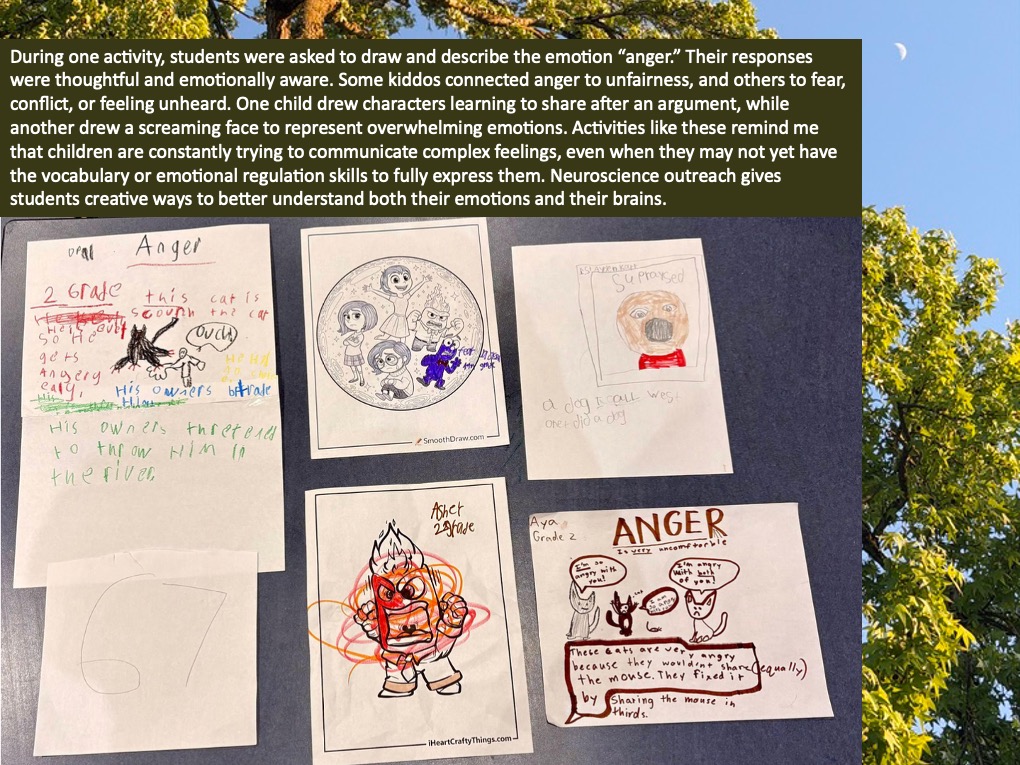
Many of the children associated anger with immediate reactions and conflict, which mirrored our discussions about how the amygdala responds quickly during moments of stress or frustration.
LEARN MORE: A Guide to Executive Function
LEARN MORE: Development of the frontal lobe
LEARN MORE: Emotional regulation in early childhood
LEARN MORE: Children’s Emotional Development Is Built into the Architecture of Their Brains
LEARN MORE: Development of Emotion Regulation in Typically Developing Children
Noggin’ Northwest and Making Neuroscience Fun
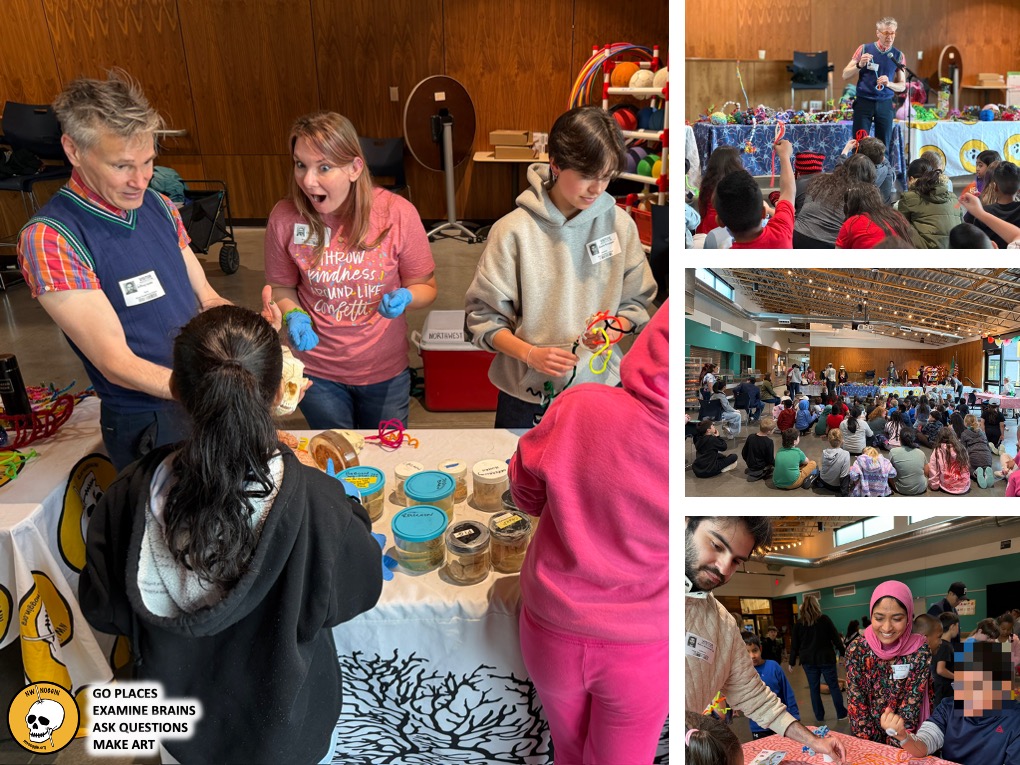
As a volunteer with Noggin’ Northwest, I participate in neuroscience outreach events at K-12 public schools.
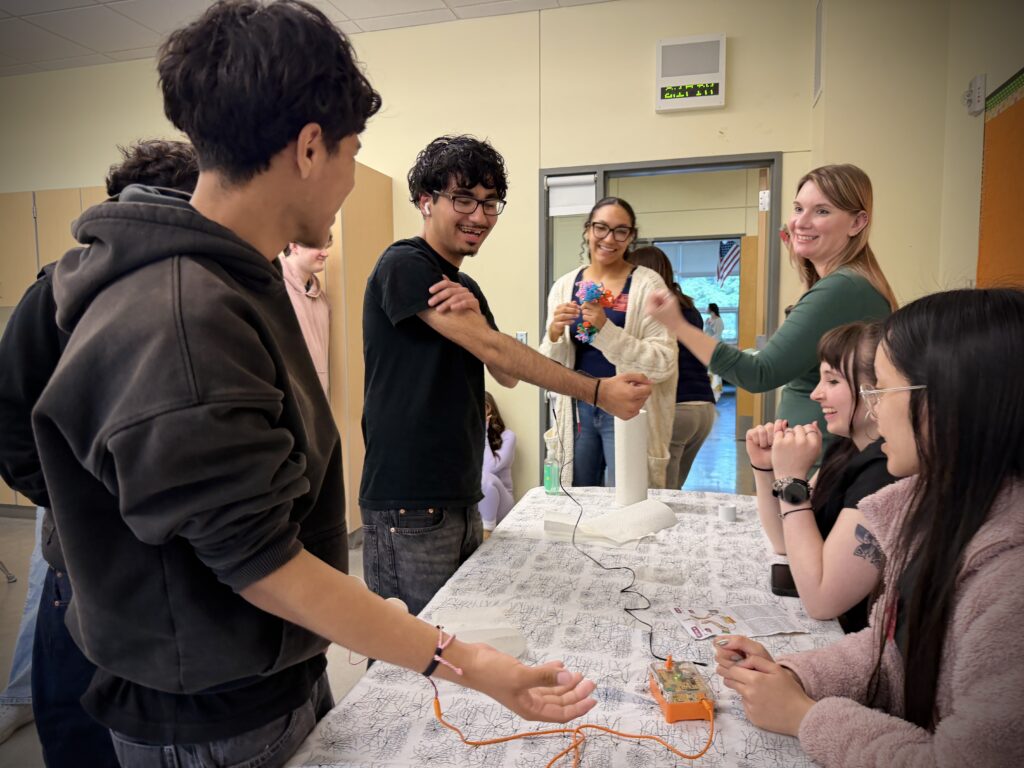
One of my favorite moments during outreach happened when I recognized several students from my before-and-after-school program attending our events. Watching their excitement while building neurons from pipe cleaners and asking questions about the brain reminded me how powerful hands-on learning can be.
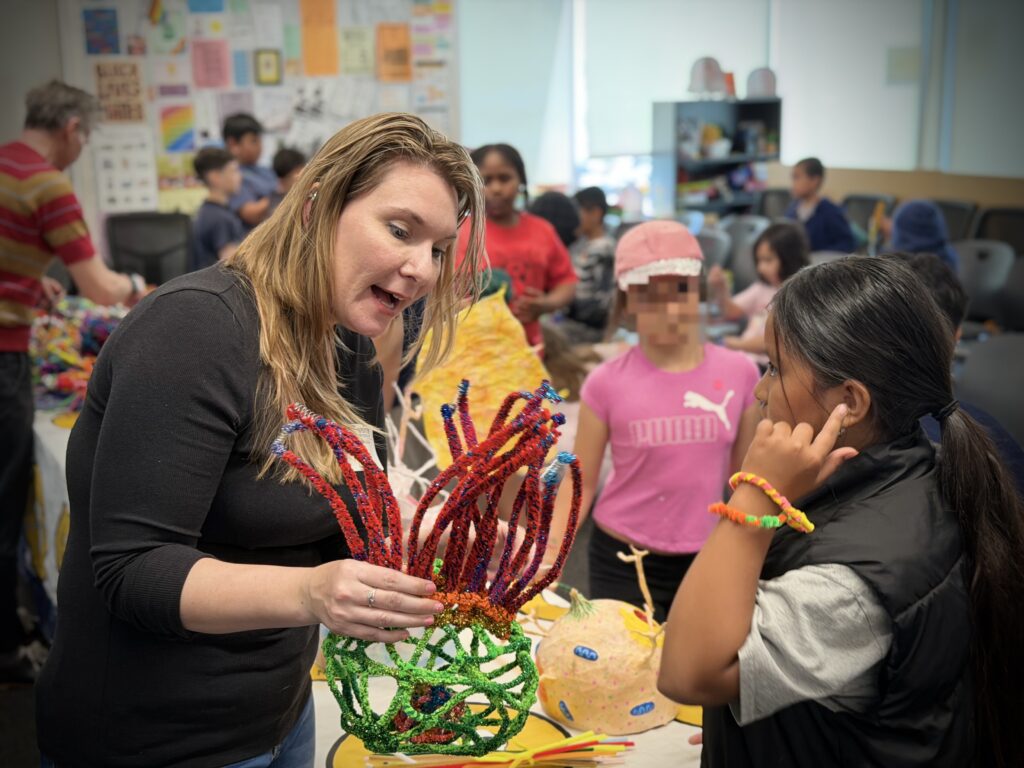
LEARN MORE: STEAM Art Projects
Children are naturally curious.

Some of their questions have completely stumped me, and left me at a loss for conversation.
Those moments remind me that neuroscience is constantly evolving and that learning should stay interactive, creative, and fun. I strongly believe experiences matter more than “stuff.” Hands-on activities, curiosity, and enthusiasm build confidence and create lasting memories connected to learning, and help that relationship between our amygdala and PFC develop effectively.
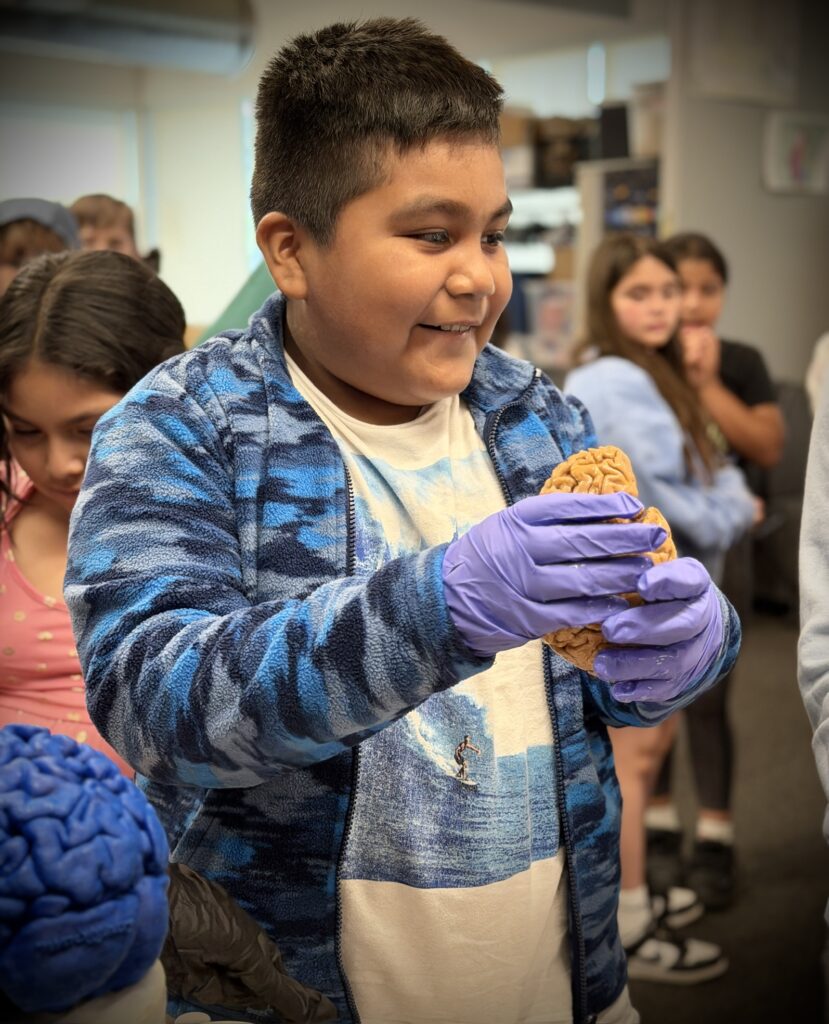
Outreach showed me that learning is most impactful when it it personal, engaging, and connected to real human experiences. Whether through neuroscience activities and art making or conversations with individuals living with aphasia, I‘ve learned that communication is deeply tied to confidence, identity, and emotional wellbeing.

These experiences continue to shape my academic goals and the kind of speech-language pathologist I hope to become. I want to help people feel heard, understood, and empowered to communicate in ways that feel authentic to them.