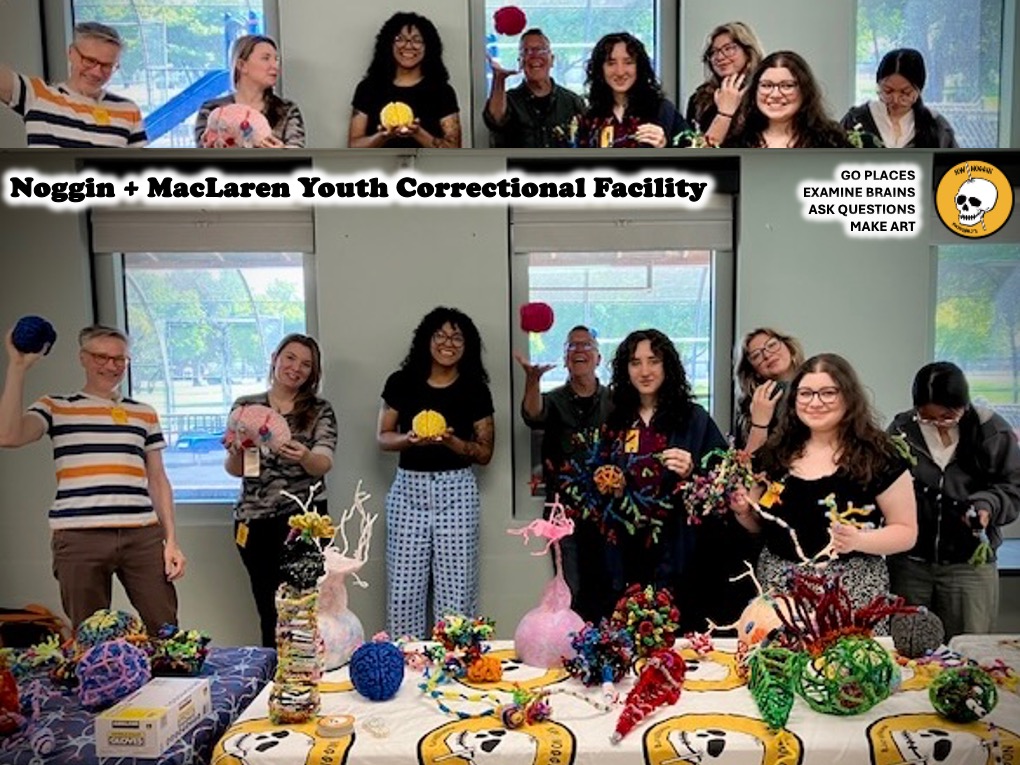
Post by Sofia Romero, a Portland State University senior graduating Fall 2026 with a Bachelor of Science in Public Health Studies: Pre Clinical Health Science, and a double minor in Interdisciplinary Neuroscience and Psychology.
Going into outreach, I was really nervous about questions I’d be asked – and if I could answer them.
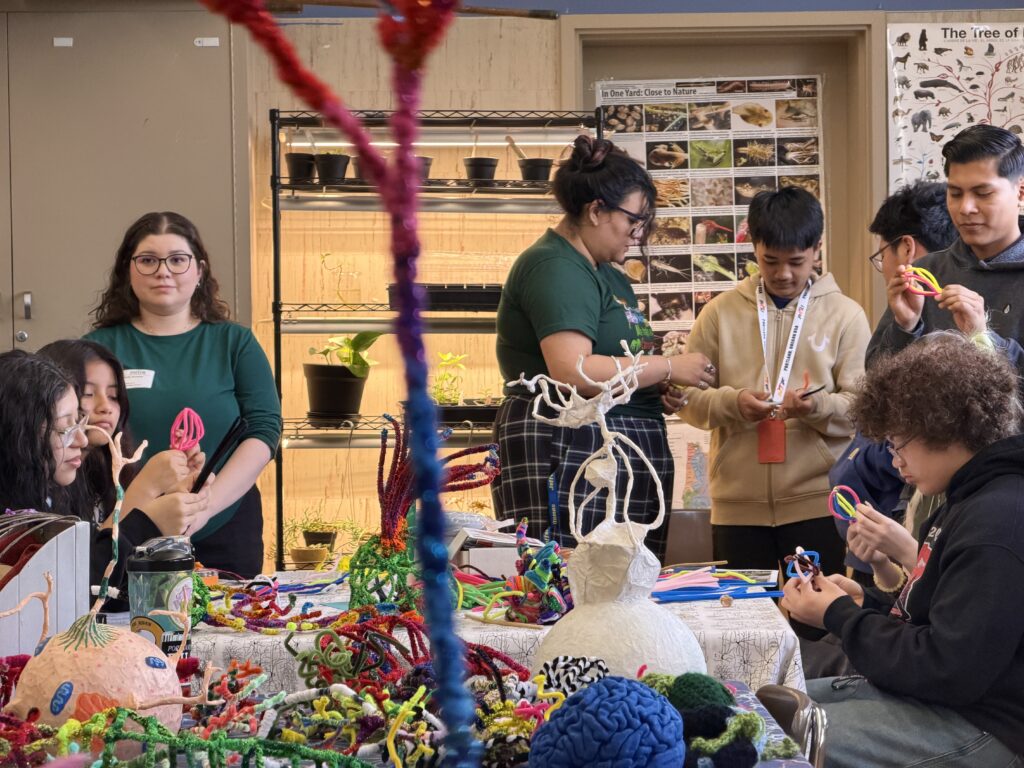
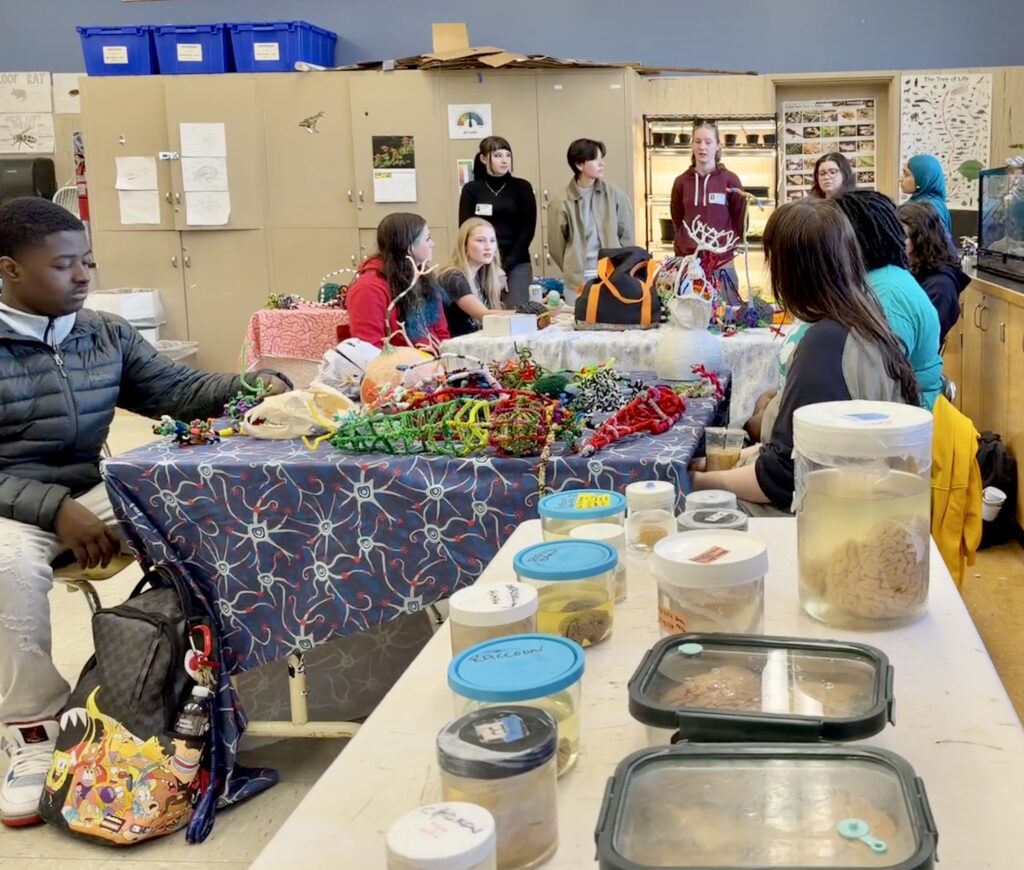
My first visit started at 8:30am at Jefferson High School and the room was filled with quiet teenagers after we asked: “What do you know, or what would you like to know about the brain and neuroscience?” Sure, it was early, but that moment brought me back to being in school, where speaking up felt daunting even if I was really curious about something.
LEARN MORE: Schools shift as evidence mounts that later start times improve teens’ learning and well-being
LEARN MORE: Morning brain: real-world neural evidence that high school class times matter
LEARN MORE: Hey Vancouver: Let Kids Sleep!
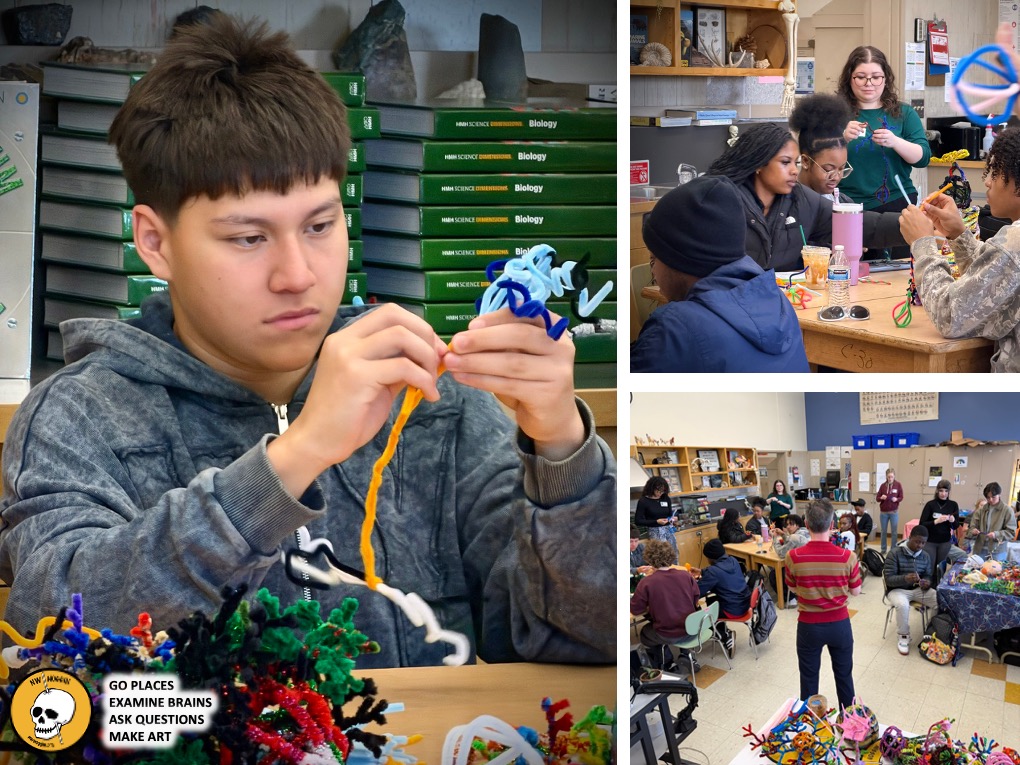
With little feedback, we moved on to a more interactive part of outreach – making pipe cleaner neurons!
MAKE YOUR OWN: Pipe Cleaner Brain Cells!
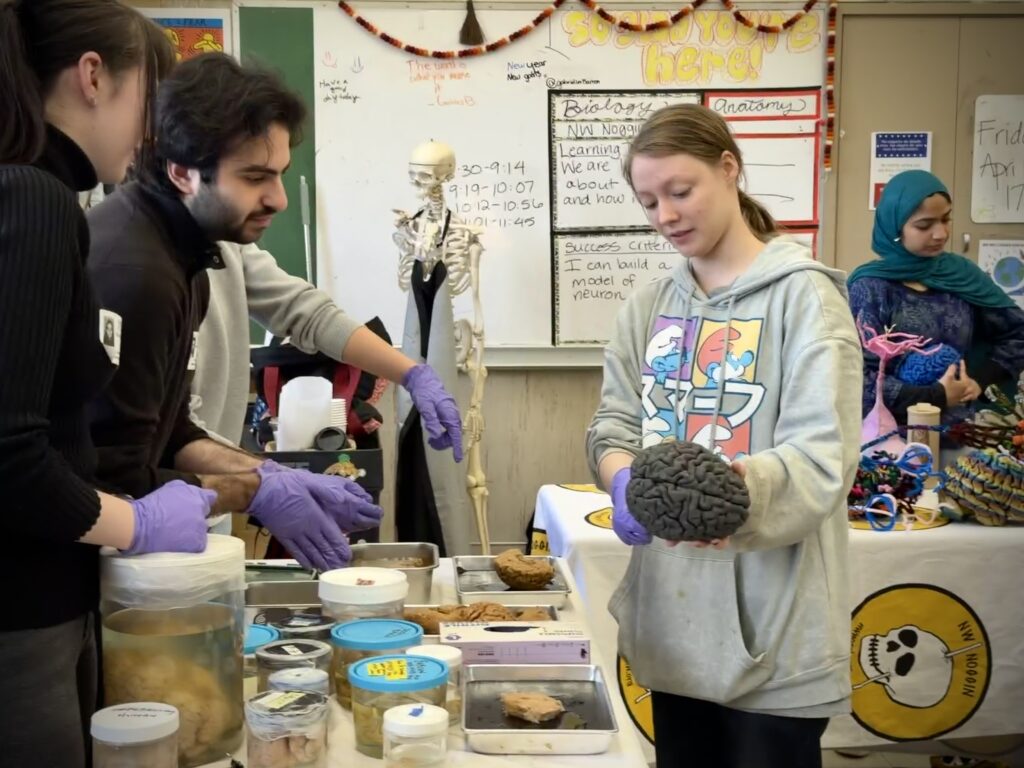
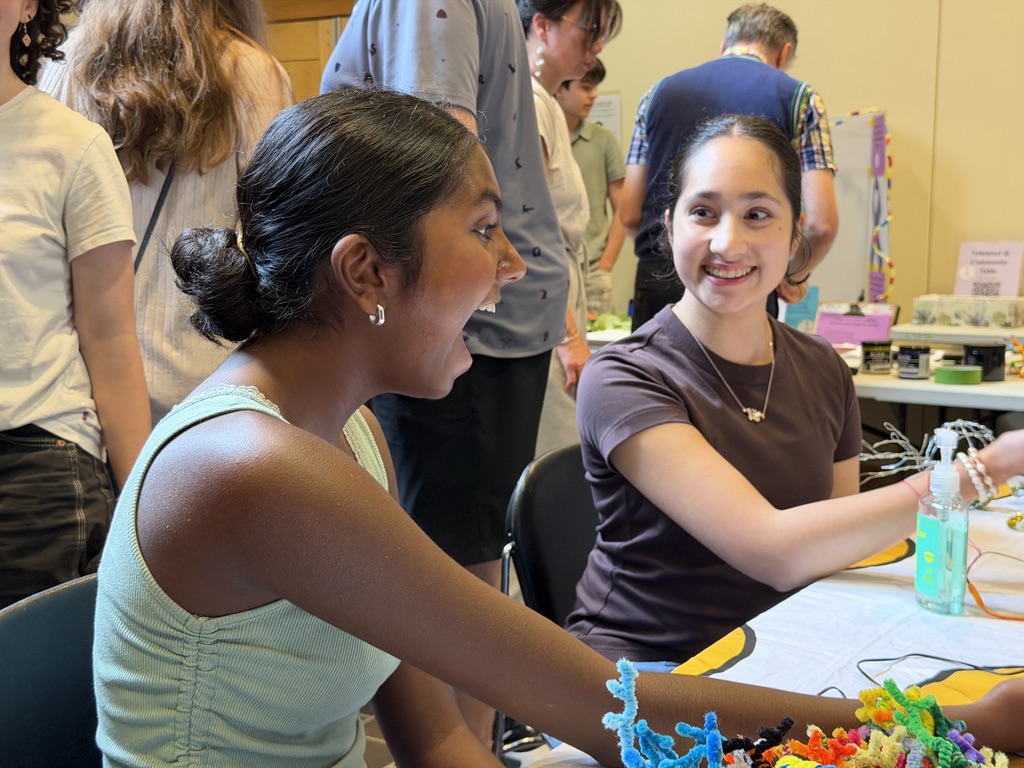
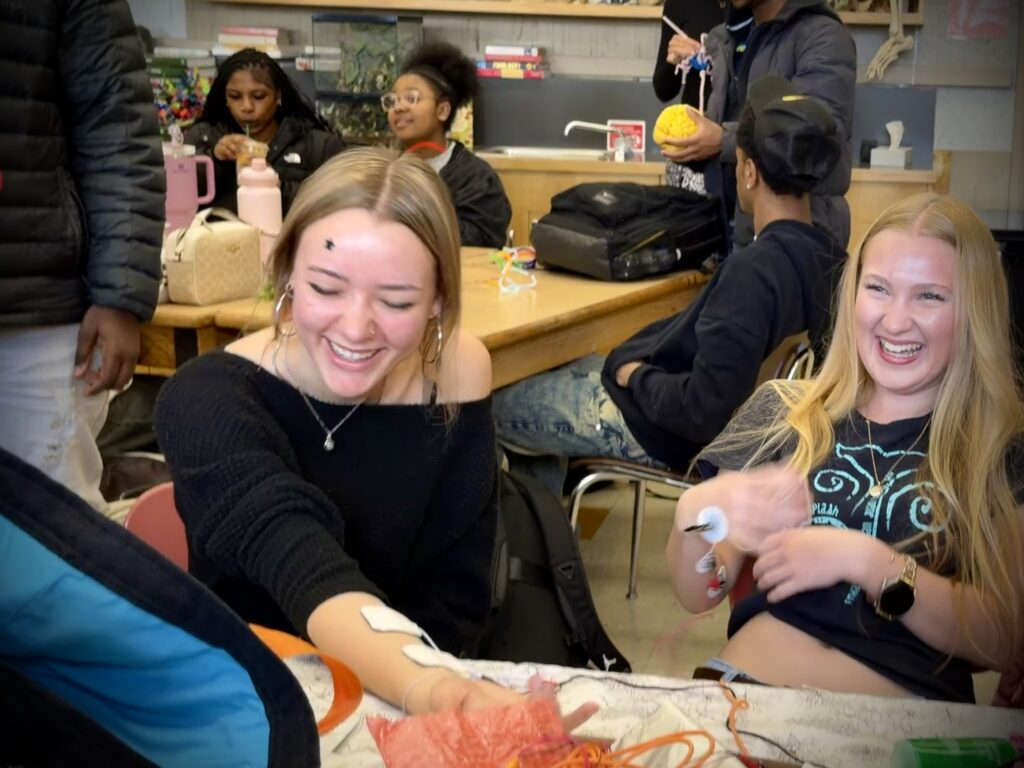
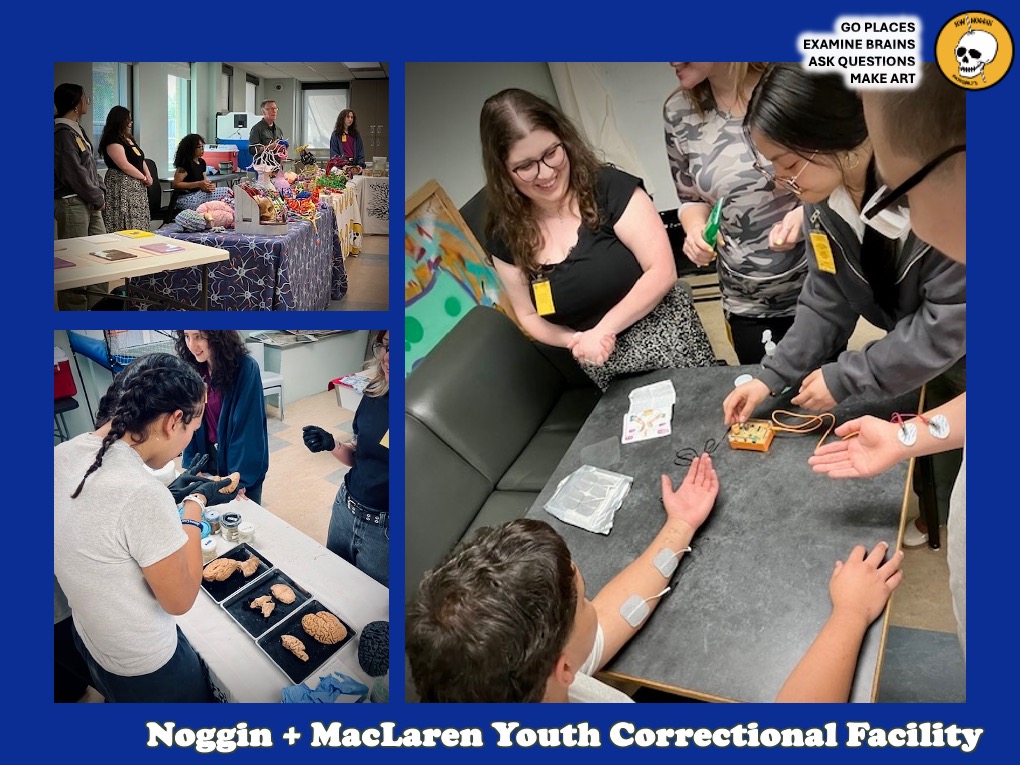
Slowly, chatter began to rise, and the awkwardness began to dissipate. After finishing our brain cells, we introduced the stations that students could join. These included holding a real brain, looking at noggin and neuron/glia models and a real human skull, and trying out the Human-to-Human Interface from Backyard Brains, where you could control your friend’s arm movement.
LEARN MORE: Brain Hacking is Electric!
And BOOM! Conversation, laughter, ew’s, and aw’s quickly filled the room. I was struck by how much the energy shifted when the students were actually able to experience and participate – and not just listen.
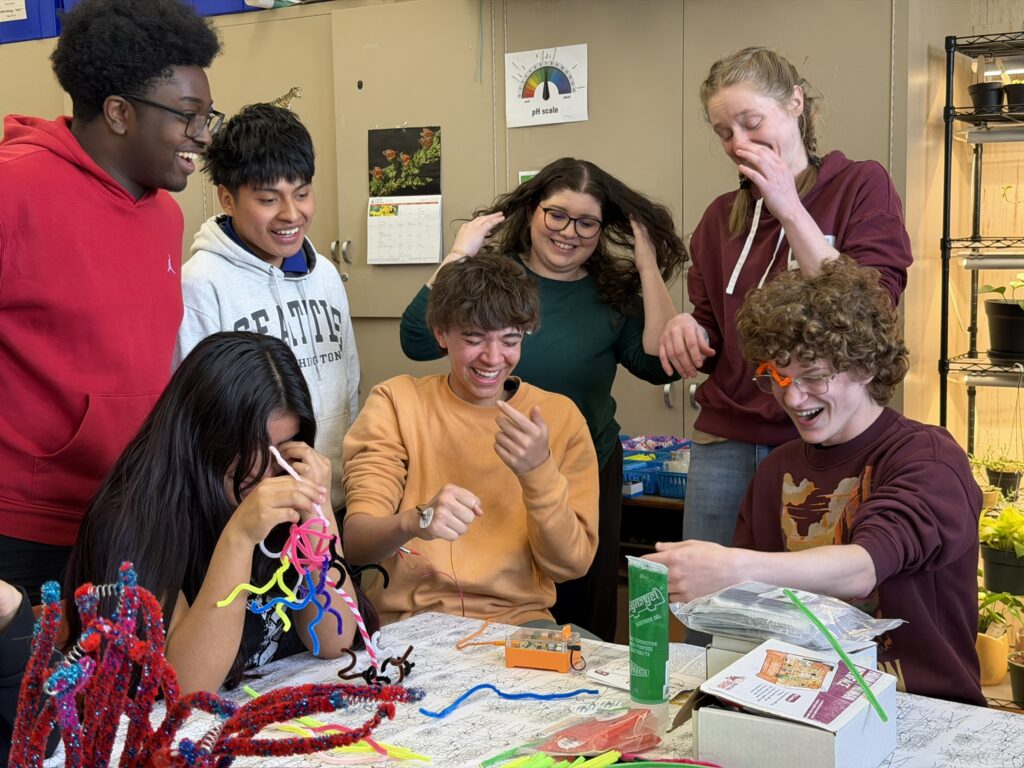
I was at the Human to Human electrode station when the questions started to pour in, “OMG, how is it doing that?!…” “Electrical signals, is it going to electrocute me?!”… “Can I make him punch himself?” Suddenly everyone wanted to know more about nerves and muscles and anatomy and how electricity from a 9V battery could move an arm.
LEARN MORE: Brain Hacking is Electric!
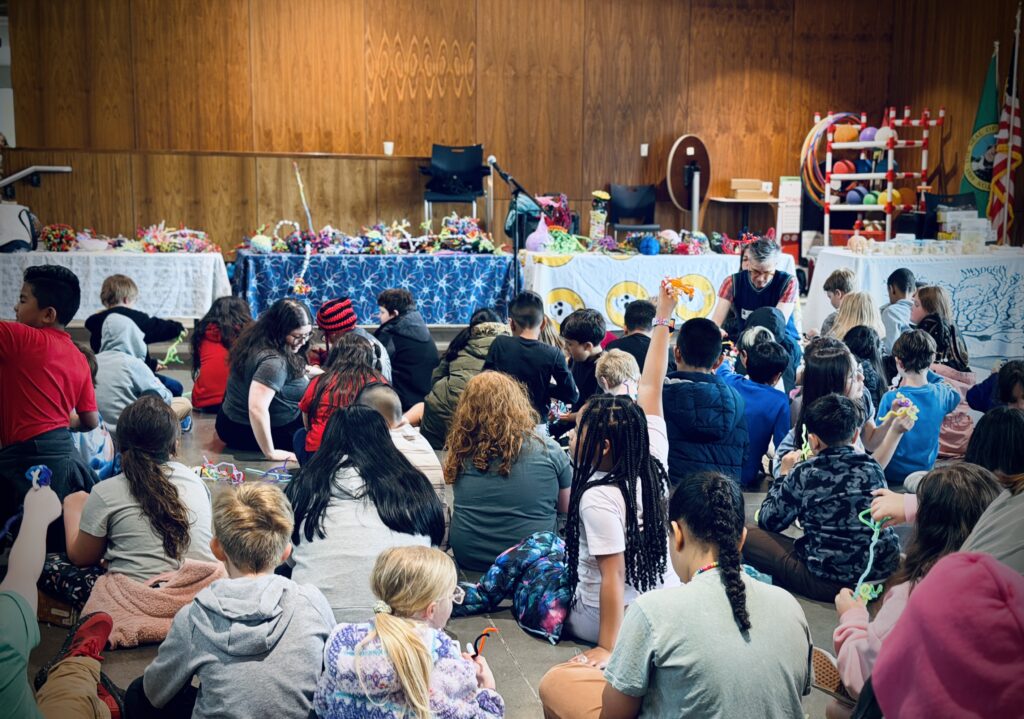
These teenage reactions were not dissimilar to those of the 3rd grade students I met at MLK Elementary. When we started making pipe cleaner neurons, I found myself a little spot amongst the students. Their excitement was palpable.
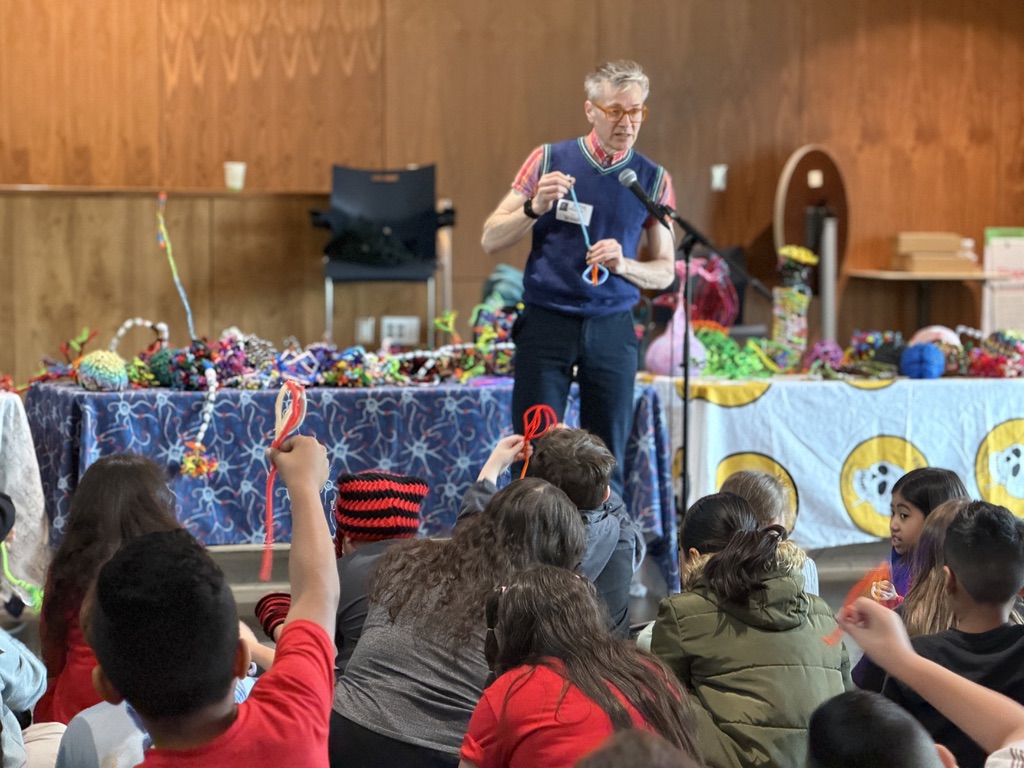
Two students pointed out that their neurons were starting to look like “those spider germs.” Bacteriophages?! I was astonished at that connection and saw the wheels turning in their heads as they created their cells.
LEARN MORE: A Century of Bacteriophages: Insights, Applications, and Current Utilization
As soon as they were released to the stations, another BOOM moment.
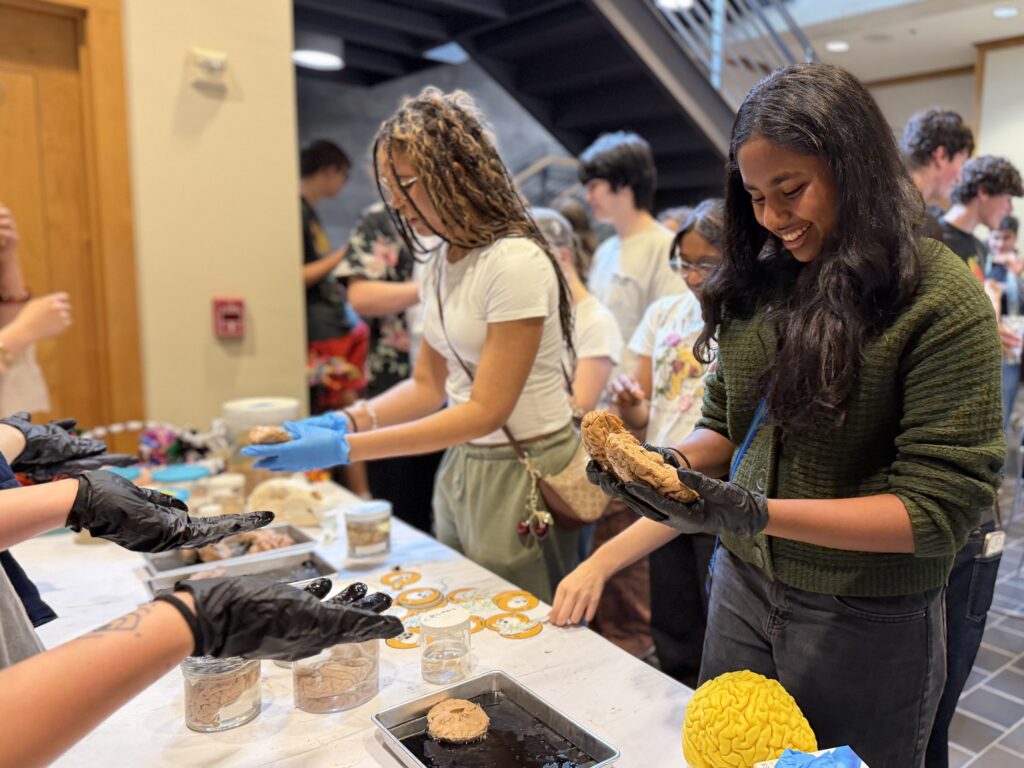
The chaos, the curiosity, the energy! At the brain-holding station, my favorite thing to ask was “Does it feel like you thought it would?” I was surprised that most of the time, the answer was no. “I thought it’d be squishier,” “I thought it’d be harder,” “I thought it would be bumpier.” Their pre-existing ideas were challenged and updated by touching, looking, questioning and exploring the brains on their own.
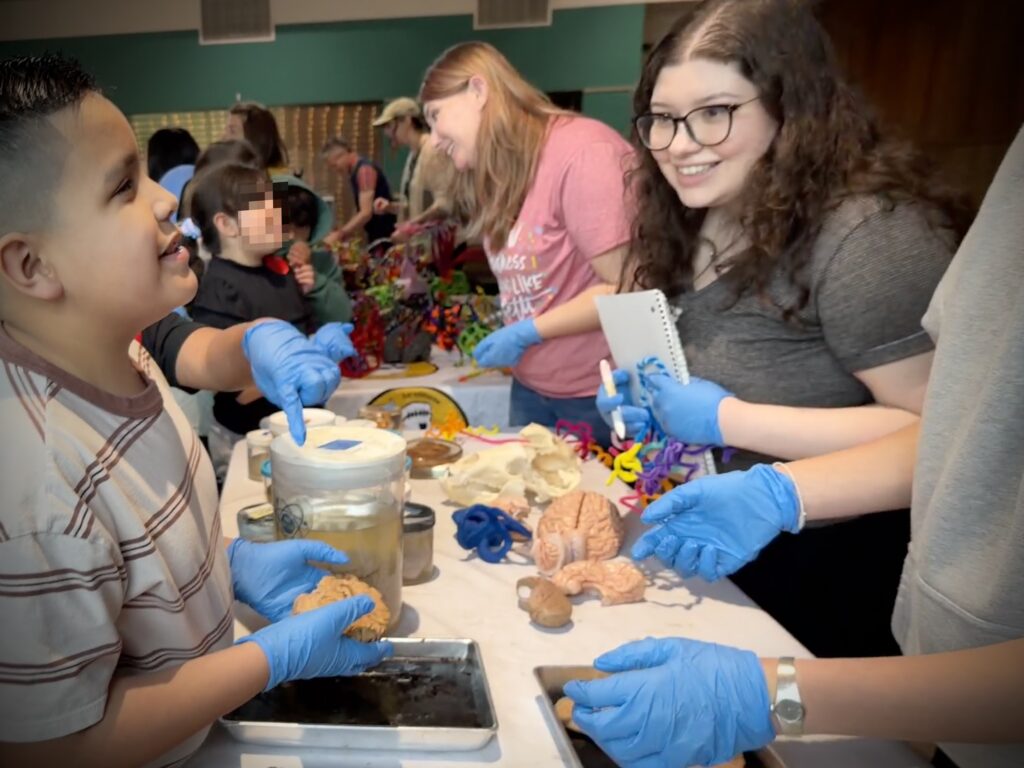
These observations reminded me of moments in my own childhood.
When I petted the slimy stingrays at the aquarium. When I dissected a frog, and its skin was so tough to cut through. When a roly-poly walked over my hand and tickled, then balled up hard as a rock. These are the experiences that I remember most, not the moments when I was staring at a classroom blackboard.
It made me wonder, why does learning by doing feel so much more impactful?
Let’s Start From the Beginning
At Marshall Elementary, the Northwest Noggin website was on the screen behind us, which periodically showed an image of a past post titled “Children Are Sponges.”
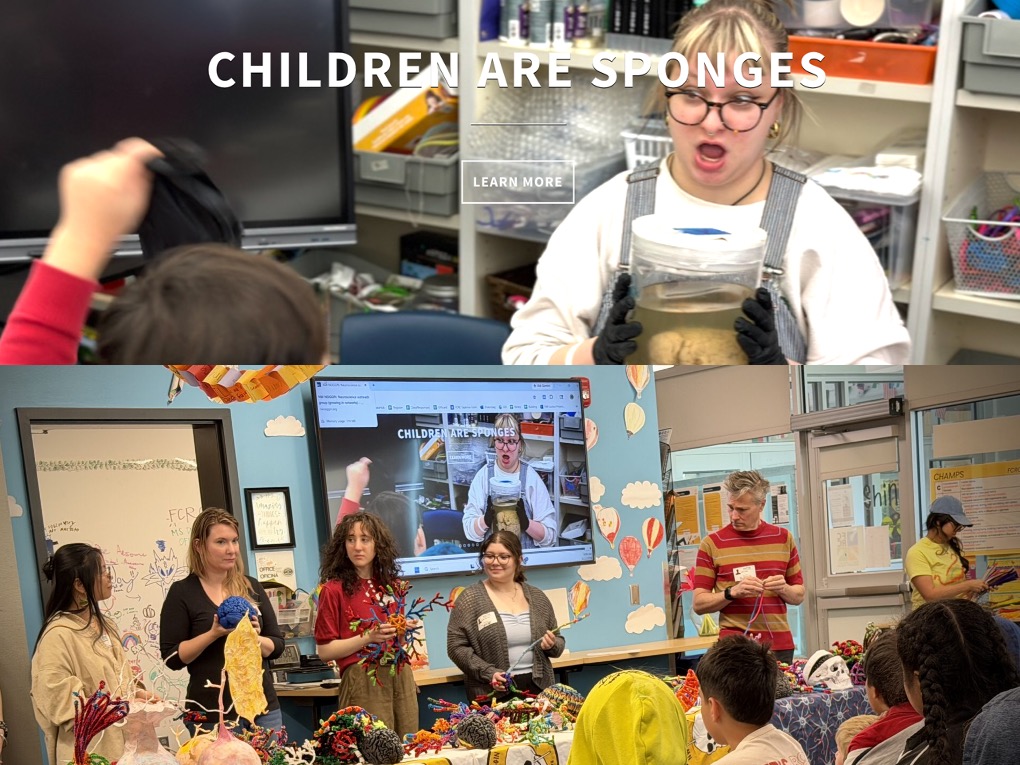
Lo and behold, that was our first student question of the day! “Why ARE children like sponges?” It’s a great place to start, and I reflected on a good way to answer.
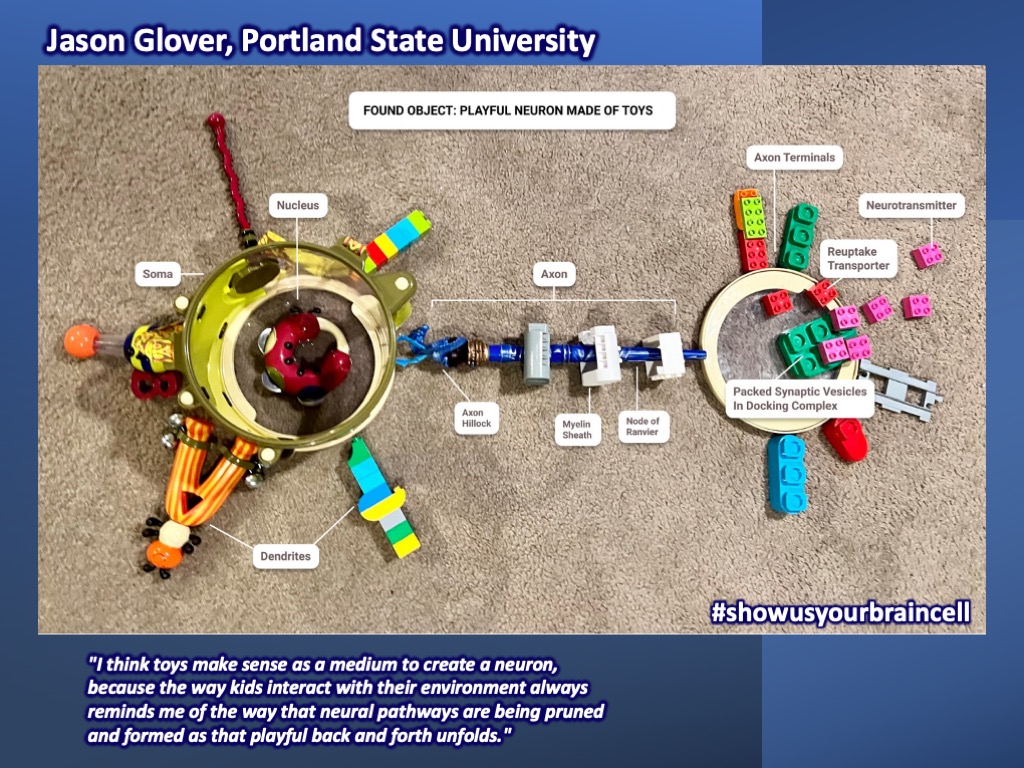
Neurons are the specialized cells that receive, process, and transmit information, serving as the functional units of our nervous system. Communication between neurons occurs at a small gap, called a synapse, located between the axon terminal of a presynaptic neuron and the dendrites of a postsynaptic neuron.
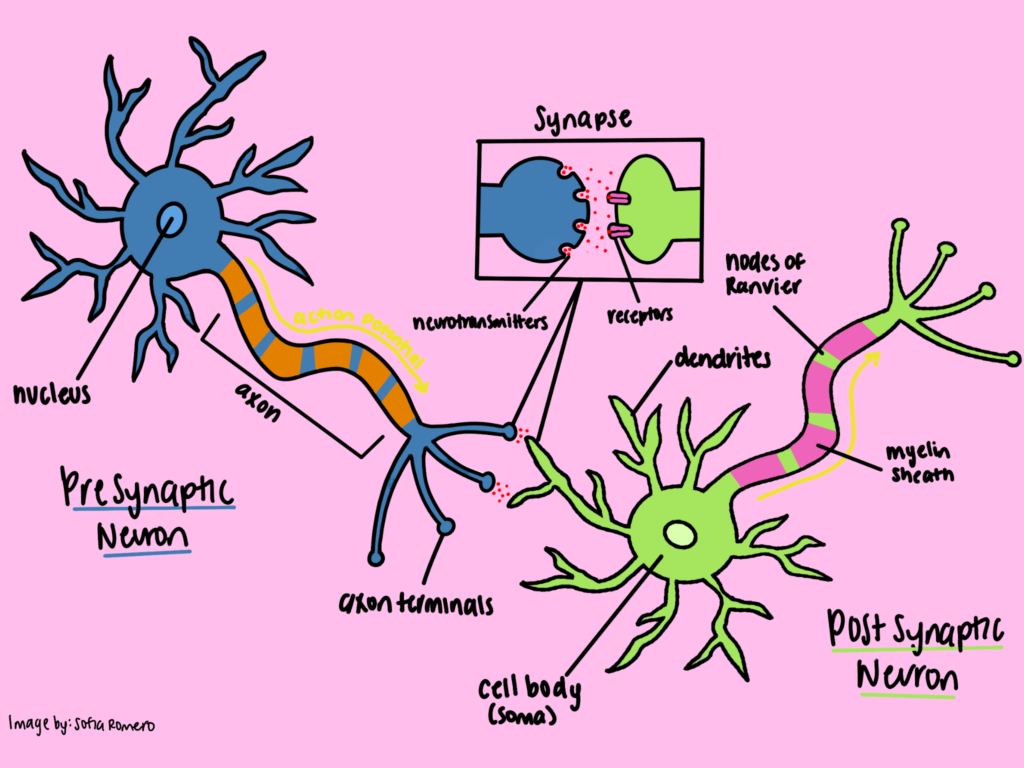
This communication can be activated by incoming sensory information, causing the presynaptic neuron to send an electrical signal, called an action potential, down its axon, triggering the release of neurotransmitters, which act as the chemical messengers between neurons. Neurotransmitters then cross the synapse and bind to receptors on a neighboring neuron. If enough excitatory signals are received, that neuron generates its own electrical signal and releases neurotransmitters at the next synapse.
This electrochemical signaling continues, reverberating throughout the relevant neural networks in our brains.
Amazingly, it is estimated that as newborn babies, we have well over 100 billion neurons – perhaps more than 150 billion! Our brains essentially overshoot the number we’ll need in adulthood, anticipating the diverse experiences we will encounter as we grow and develop. There is so much to learn as a child, so this overabundance serves as a catch-all for the influx of sensory information we receive as young children. Experience creates synaptic connections that make up our neural networks, but not all synapses are created equal. The more we engage a pathway, the stronger it becomes.
The strength and specificity of these pathways is influenced by how the experience itself engages the brain.
Conversely, connections that are rarely revisited weaken over time and eventually get eliminated altogether through a process called synaptic pruning. In addition, many neurons – billions of them – die during childhood and adolescent development. This biological adaptation helps us develop stronger, more efficient neural networks attuned to the experiences we have, while eliminating the underutilized ones. This is why, by adulthood, we are left with around 86 billion neurons!
LEARN MORE: The Principles of Nerve Cell Communication
LEARN MORE: Core Concept: How synaptic pruning shapes neural wiring during development and, possibly, in disease
LEARN MORE: Topological turning points across the human lifespan
LEARN MORE: Scientists identify five ages of the human brain over a lifetime
LEARN MORE: How are Synapses Like Trees? An Introduction to Synaptic Pruning
LEARN MORE: Visualizing synaptic pruning in the mammalian brain
LEARN MORE: Molecular mechanisms of synaptogenesis
While reflecting on that student’s question, I searched for a way to visualize what all of this looks like in the brain.
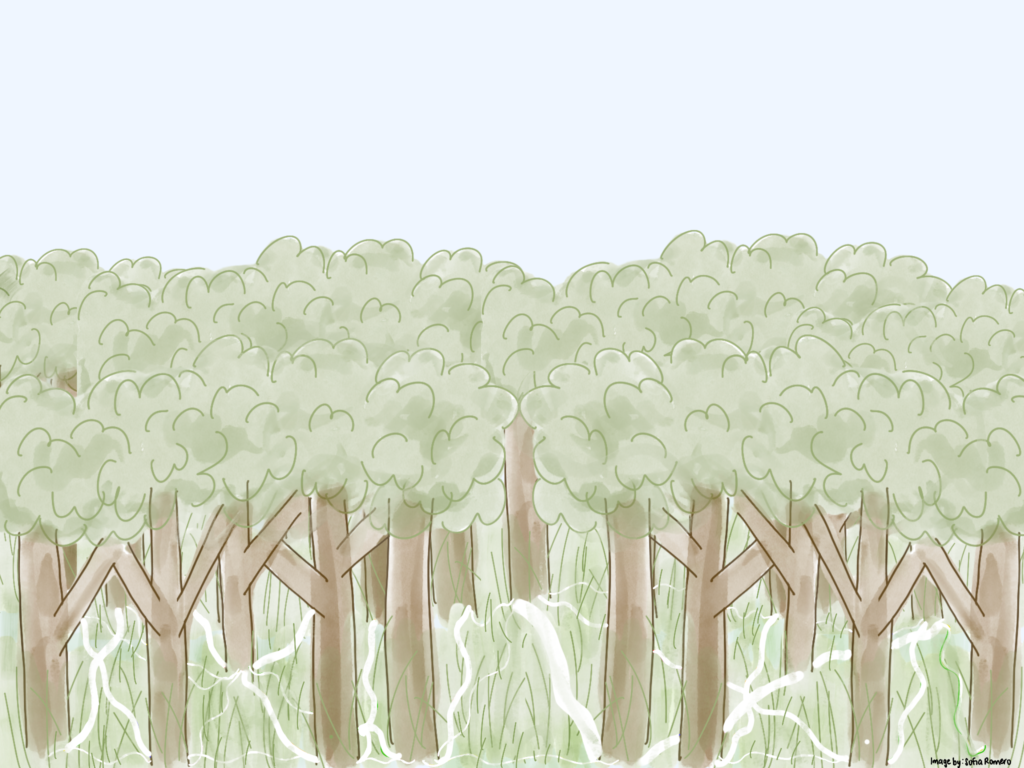
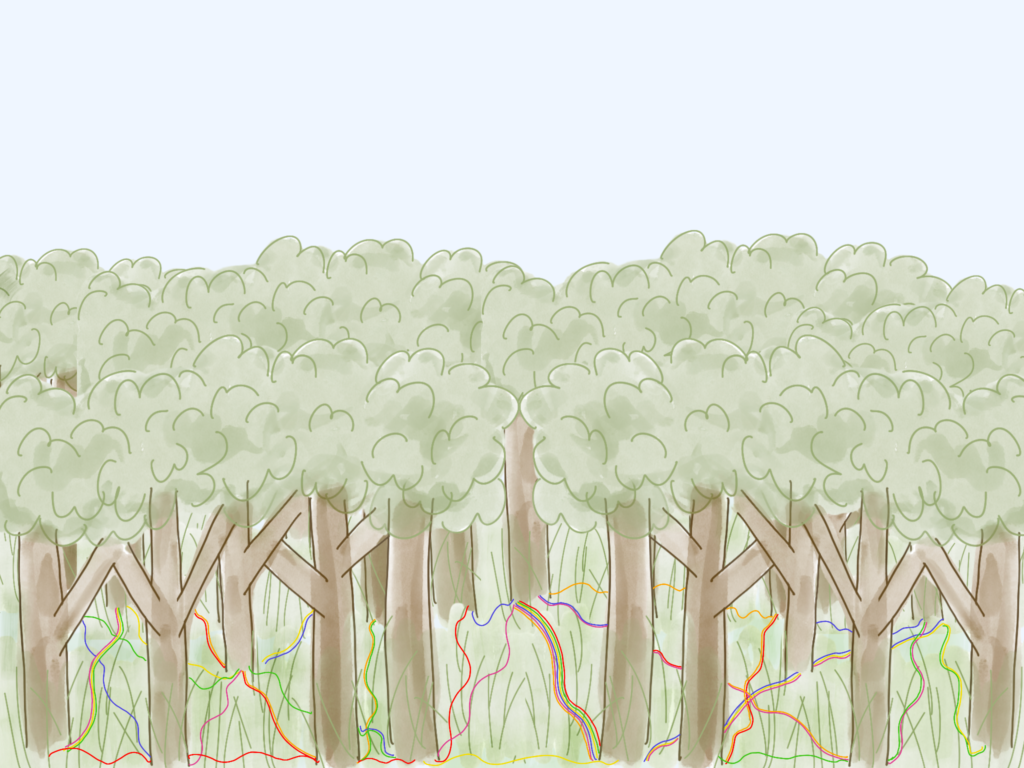
Children certainly soak up new information and experiences, like sponges soak up water. But the analogy I kept returning to was that of a newborn noggin as a wild, overgrown forest with countless possible paths.
Every experience, from touching to hearing to seeing and beyond, will carve its own little trail through the forest. The more often a trail is used, the clearer and quicker it is to travel, while one-off paths eventually disappear beneath new growth. In this analogy, our neurons are the trees, synapses are pathways connecting them, and experiences determine which trails become well-worn roads and which eventually fade away.
LEARN MORE: Exploring the underground connections between trees
LEARN MORE: Mycorrhizal Networks Facilitate Tree Communication, Learning, and Memory
LEARN MORE: The Whispering World of Plants: ‘The Wood Wide Web’
A Multi-Sensory Approach
Now, I want to dive deeper into a statement I made earlier – that the strength, extent and specificity of neural pathways are all influenced by how experience itself engages the brain. Reflecting on the outreach events, I think this helps explain the dramatic energy shift (BOOM!) I mentioned before.
LEARN MORE: Multisensory Integration and the Society for Neuroscience: Then and Now
Let’s take a popular NW Noggin experience: a student holding a brain specimen for the first time.
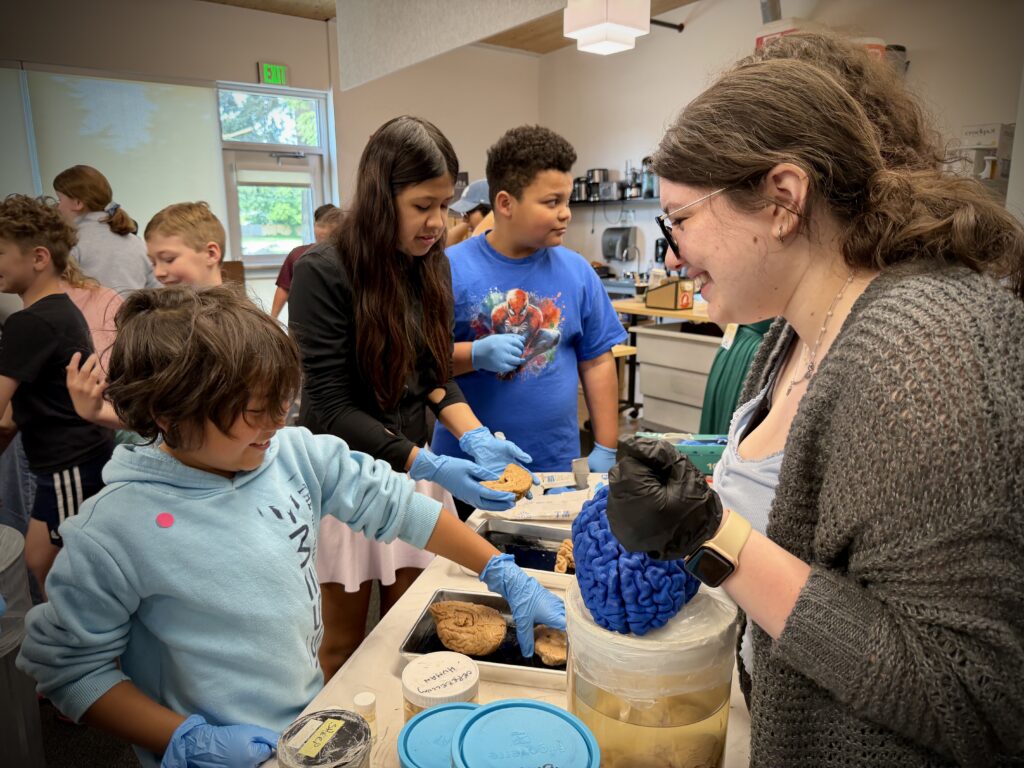
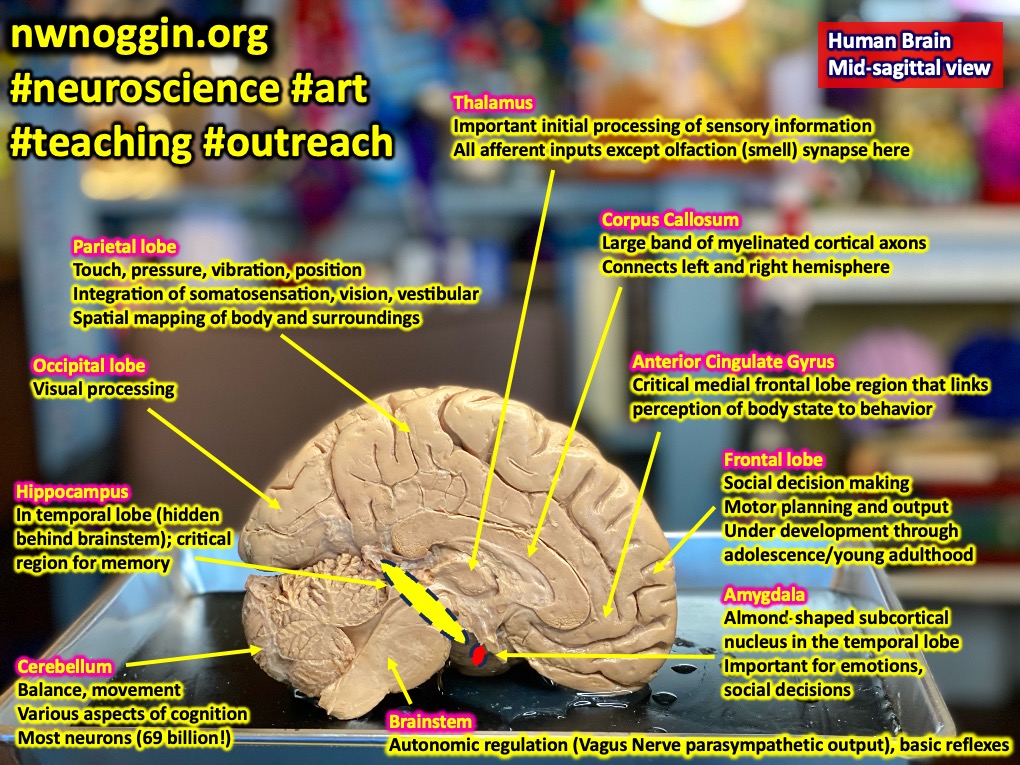
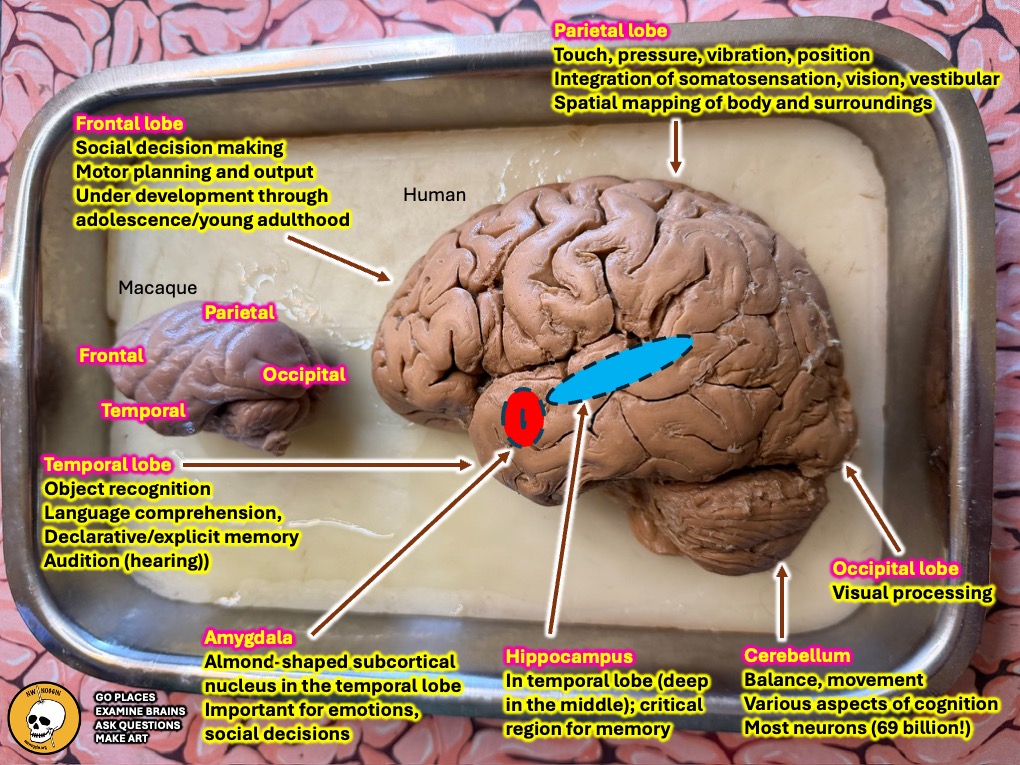
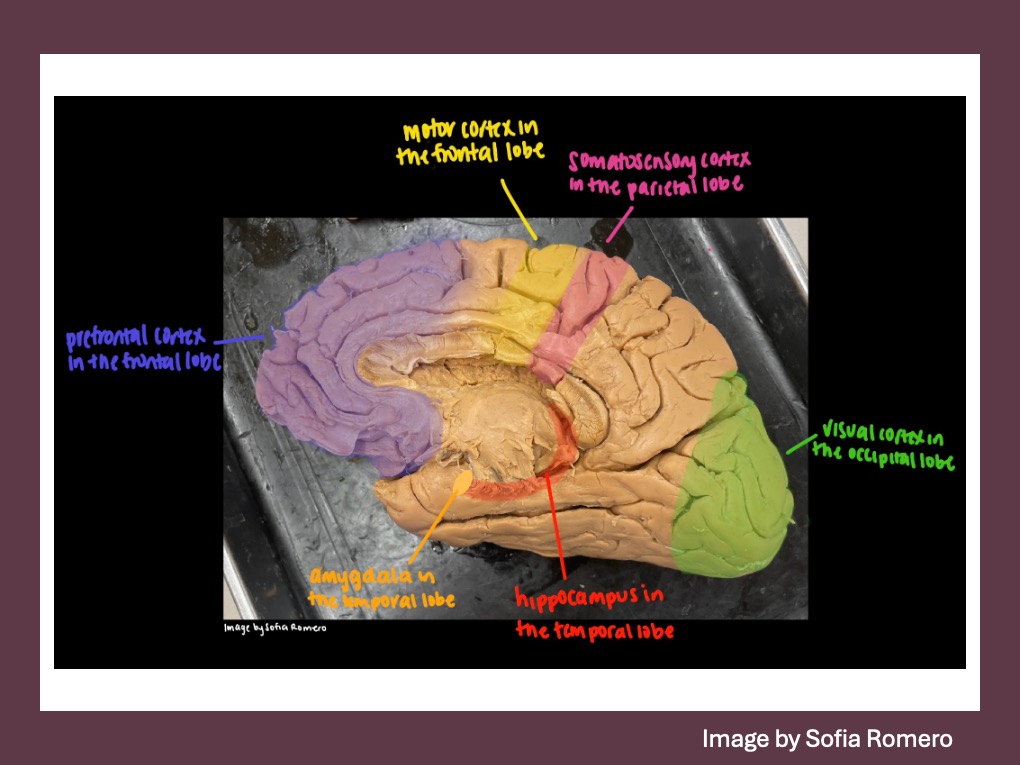
The visual cortex processes what the brain looks like. The somatosensory cortex processes its texture, weight, and temperature. Motor regions coordinate hand and finger movements. The prefrontal cortex compares the experience to existing expectations, while emotional centers such as the amygdala and nucleus accumbens respond to novelty, excitement, or surprise. Rather than functioning independently, these regions become active together during the experience.
This multimodal engagement strengthens the memory of the experience.
But why does memory matter?
While it might seem obvious, memory and learning are deeply interconnected. Learning includes acquiring new knowledge, but memory is the mechanism by which we are able to store, use, and build upon this information, making it a central piece of this puzzle. Each time we gain new information or practice a skill, we are modifying neural networks in ways that make it easier to access and apply that knowledge in new situations. The stronger and more interconnected a memory is, the more effective this process becomes. This is why experiences that create rich, durable memories often lead to more effective learning.
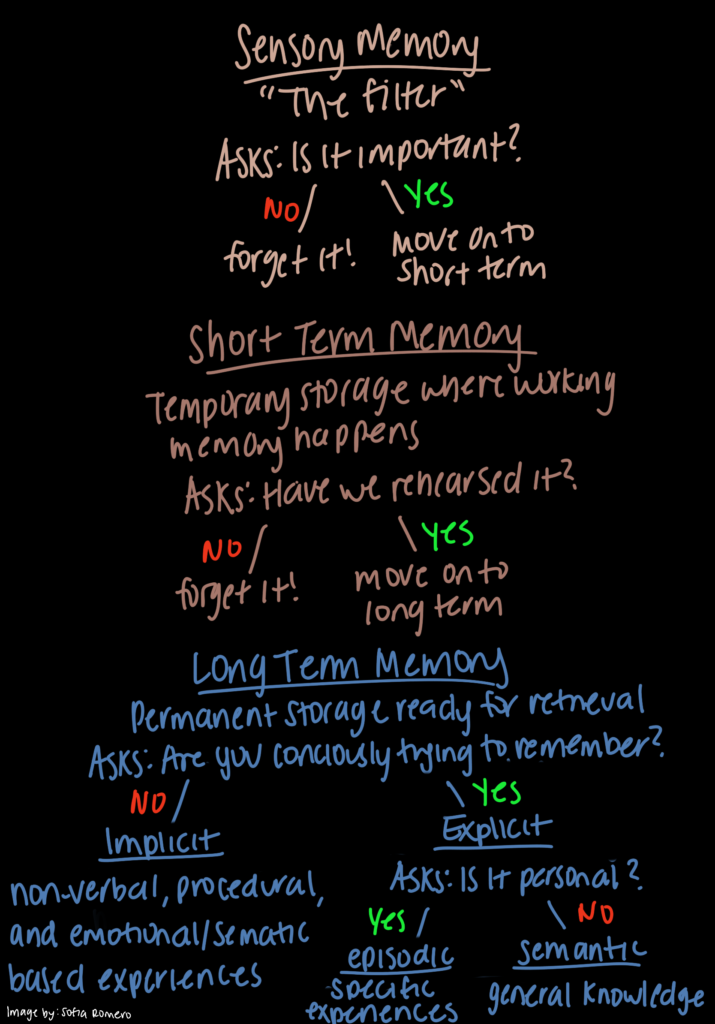
There are three main stages to memory: sensory, short-term/working, and long-term. Depending on the sense, sensory memory processes information in 0.2-2 seconds, quickly holding details worth remembering. Information is then held in short term memory for further processing. In this step, we can temporarily hold an average of 5-7 items of information, like the names of the main lobes of the brain, for approximately 15-30 seconds, or longer if we’re motivated and pay attention.
Short term memory is also called working memory, because we manipulate that information we’re working with, like pointing out the same lobes on different brain specimens, to further solidify and retain it.
Experience is then transferred to longer term memory.
Long term memory is further subdivided into implicit and explicit memory. Implicit memory is our memory for habits and skills. It’s largely unconscious and stems from procedural, repeated activities like tying your shoelaces, or practicing the flute. Explicit memory, in contrast, is conscious, and includes both episodic memory for specific personal experiences, like remembering the first time you held a human brain, as well as semantic memory for facts and concepts, like what those lobes are called.
Although these forms of memory serve different functions, they often work together during learning. A hands-on neuroscience activity may create an episodic memory of holding a brain, strengthen semantic understanding of brain anatomy, and even reinforce procedural skills involved in scientific observation. The more connections that can be made between these different forms of memory, the more accessible learning becomes. I like to think of this process through a flow chart. Each step asks a different question to determine where the information will end up.
LEARN MORE: Stages Of Memory- Sensory, Short-Term, And Long-Term Memory
LEARN MORE: Modulation of working memory function by motivation through loss‐aversion
LEARN MORE: Déja Vu, Dreams, and Mechanisms of Memory
LEARN MORE: When I Grow Up: Learning, Memory, and LTP
LEARN MORE: Harnessing the Senses to Improve Memory
Where in the brain is all of this happening?
The graphic below illustrates only one element of our brain holding example.
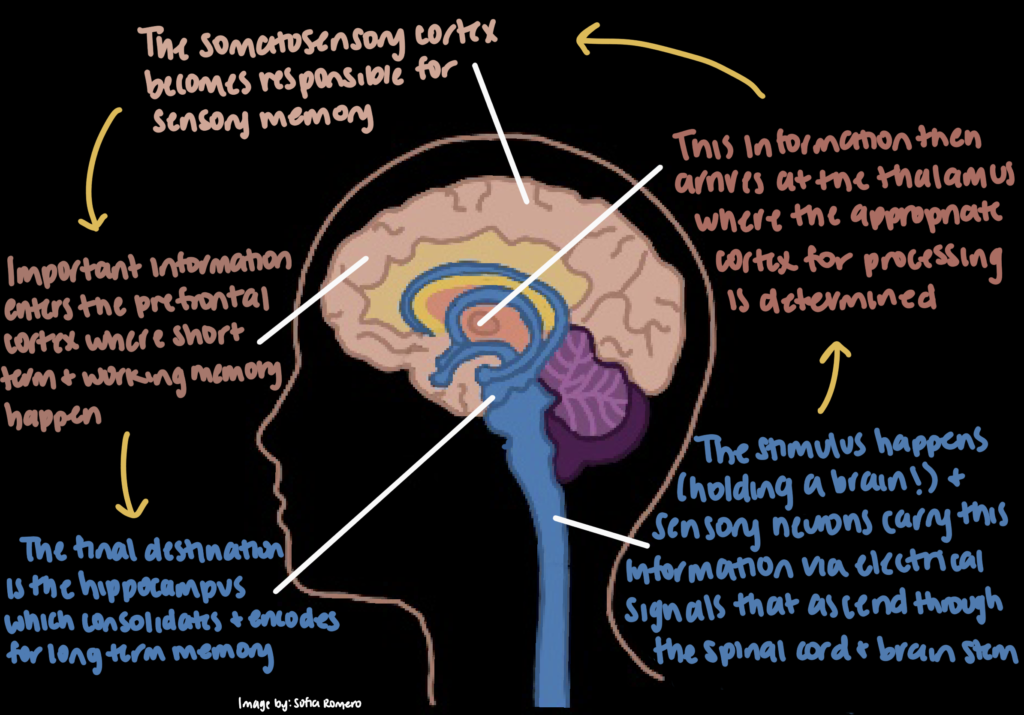
The pathway is for somatosensory aspects of the experience, including the weight, temperature, and texture of the brain, but remember: information from many senses is processed rapidly in this way all at once. The hippocampus, deep in our medial temporal lobes, acts to integrate all these different pathways of information into a cohesive longer term memory. It helps tie all the explicit, conscious aspects of that brain wrangling experience with past memories that have something in common. At the cellular level, neurons representing the visual, sensory, emotional, and cognitive aspects of the experience co-activate repeatedly, which prompts the synapses connecting those networks to change strength through processes such as long-term potentiation.
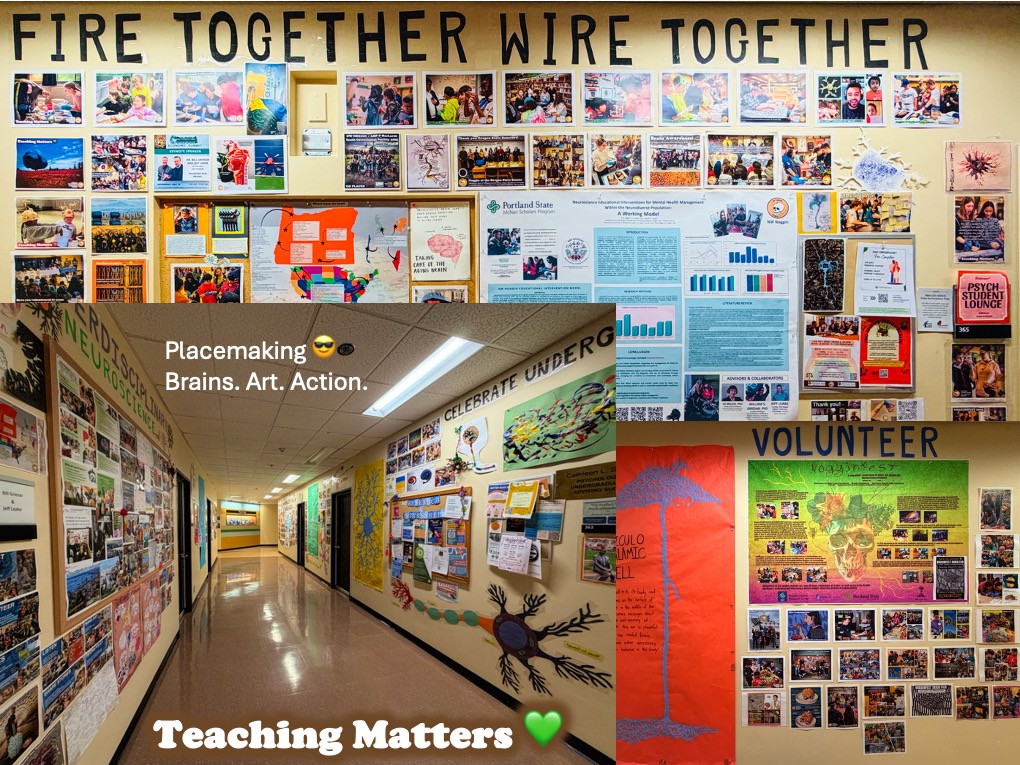
This is the idea behind the foundational Hebbian learning model: “neurons that fire together wire together.”
LEARN MORE: Neuroanatomy, Somatosensory Cortex
LEARN MORE: The role of Hebbian learning in human perception
LEARN MORE: The hippocampus supports multiple cognitive processes through relational binding and comparison
LEARN MORE: Long-term potentiation in the hippocampus: From magnesium to memory
LEARN MORE: Interplay of hippocampal long-term potentiation and long-term depression in enabling memory representations
Returning to my analogy, activation of each sensory system creates its own trail through the forest.
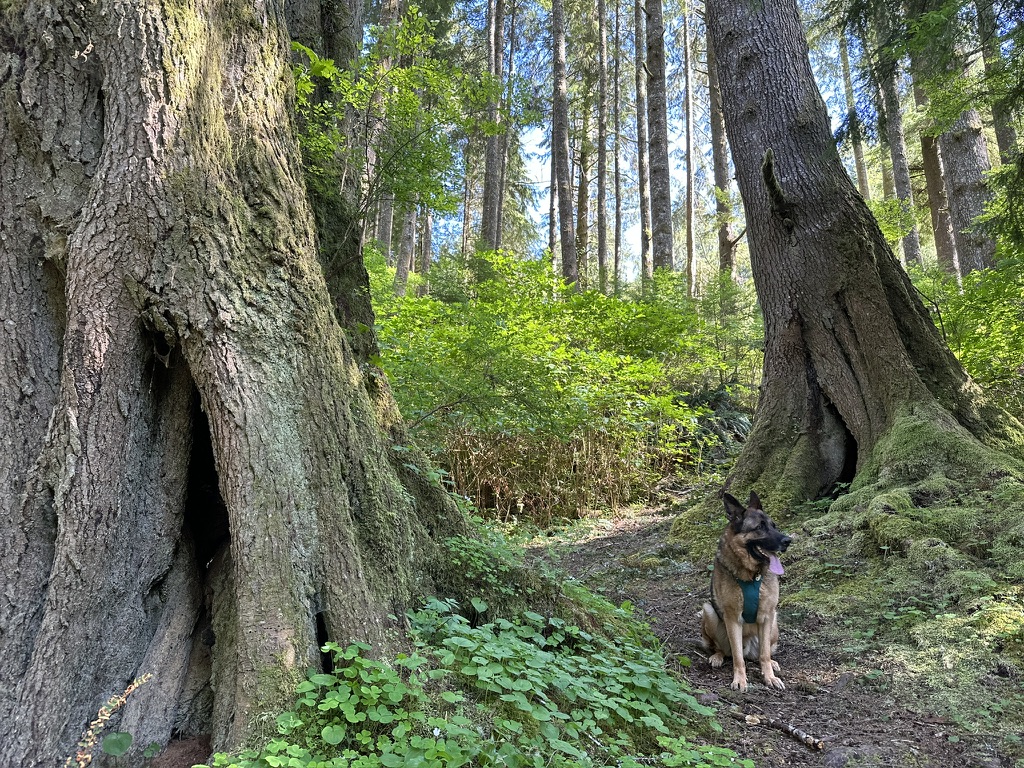
The hippocampus helps support the synaptic intersections between those trails, linking what was seen, felt, discussed, and emotionally experienced into a connected network. Important intersections are strengthened (through processes like long term potentiation, or LTP) or weakened (through processes like long term depression, or LTD), transforming them into well-traveled roads that are easier to revisit later. The result is a richer and more resilient memory with multiple routes available for retrieval.
So What Does This Have To Do With Outreach?
The observation that the doing part of the experience was the most effective isn’t just my opinion.
I learned that our neurobiology actually offers insight as to why this is the case. And if the neuroscience of learning finds that experience matters, then education should provide students with more opportunities to actively engage in the classroom.
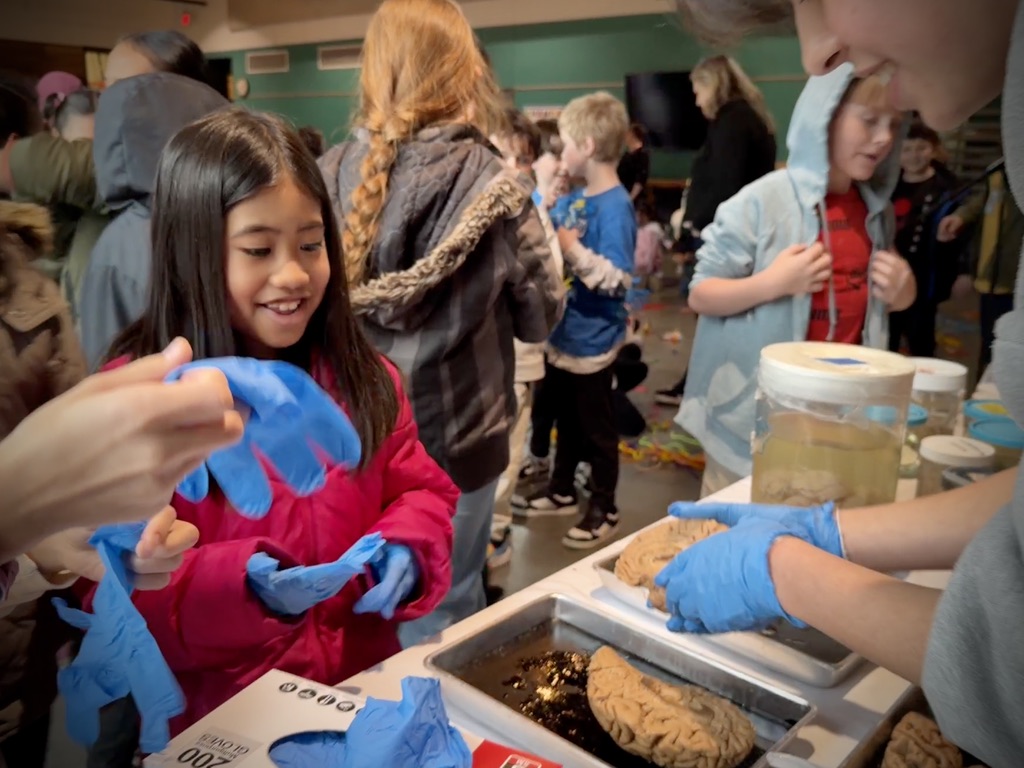
Hands-on activities, experimentation, discussion, movement, and exploration do more than make learning fun.
These participatory, multi-sensory, student-driven activities engage multiple neural systems, create richer networks of associations, and provide more opportunities for relevant pathways to be strengthened and maintained. Research in Psychology offers additional support for hands-on learning. David Kolb’s Experiential Learning Theory explores how experience cultivates curiosity, agency, and self-evaluation which are essential pillars of learning.
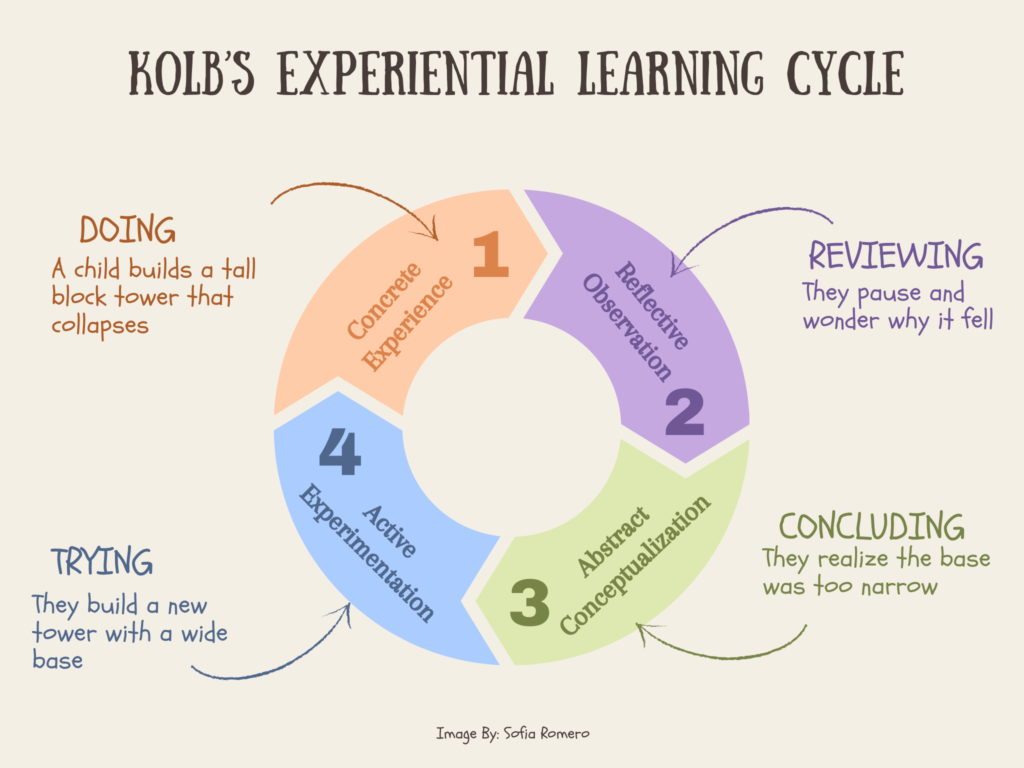
LEARN MORE: Kolb’s Learning Cycle
LEARN MORE: The neuroscience of active learning and direct instruction
Learning by doing works because the brain is not just a passive receiver of information, it is an active builder.
In my experience both with NW Noggin and as a mentor for the MAPS Eco-Explorer this quarter, I have seen these ideas play out in real-time. The laughter, questions, excitement, and moments of surprise that filled those classrooms were more than signs of engagement. They were evidence of brains at work, carving and connecting trails through their neural forests, one hands-on experience at a time.