



- This event has passed.
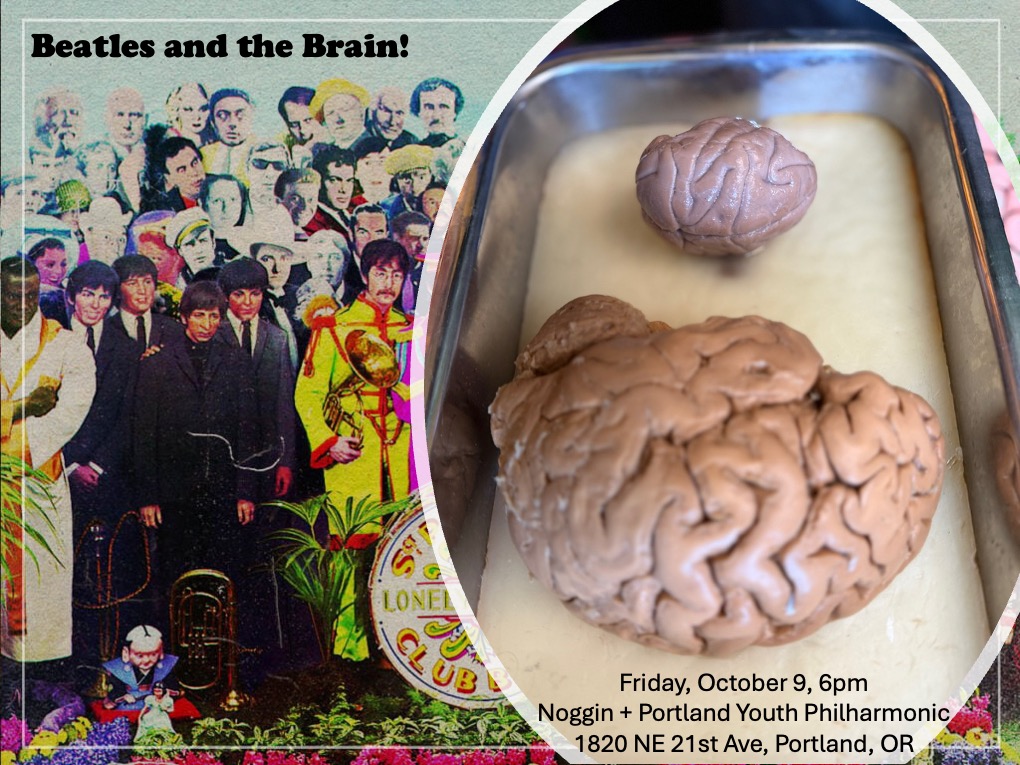
Beatles and the Brain!
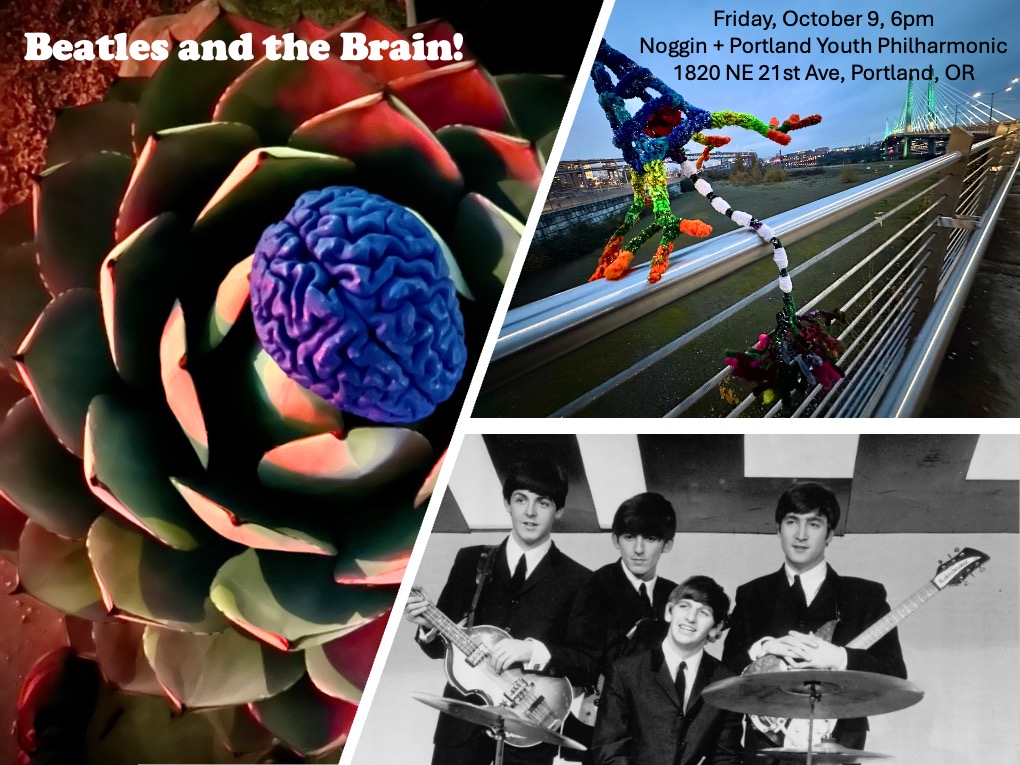
WHAT: Beatles and the Brain!
We did it!!!
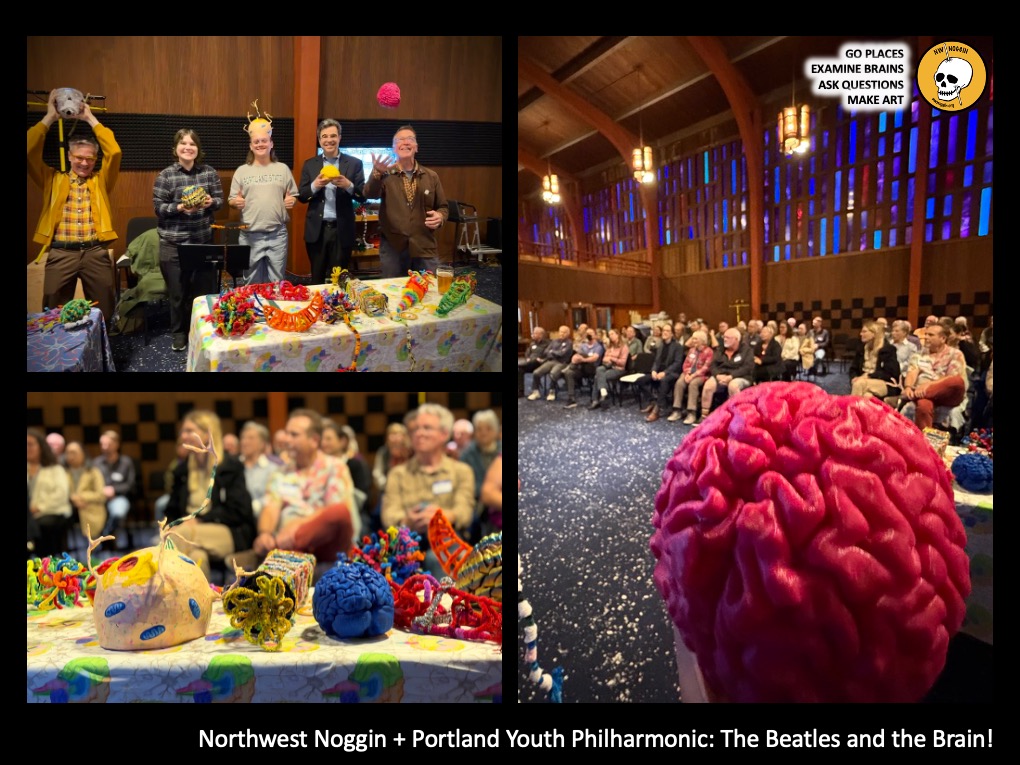
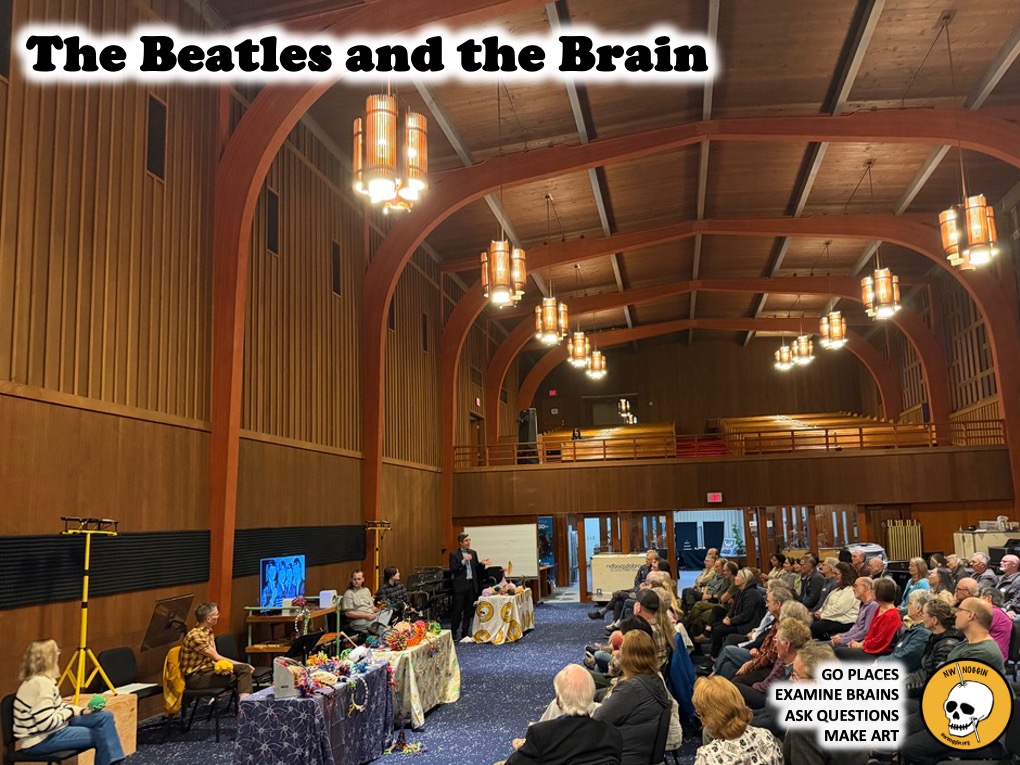
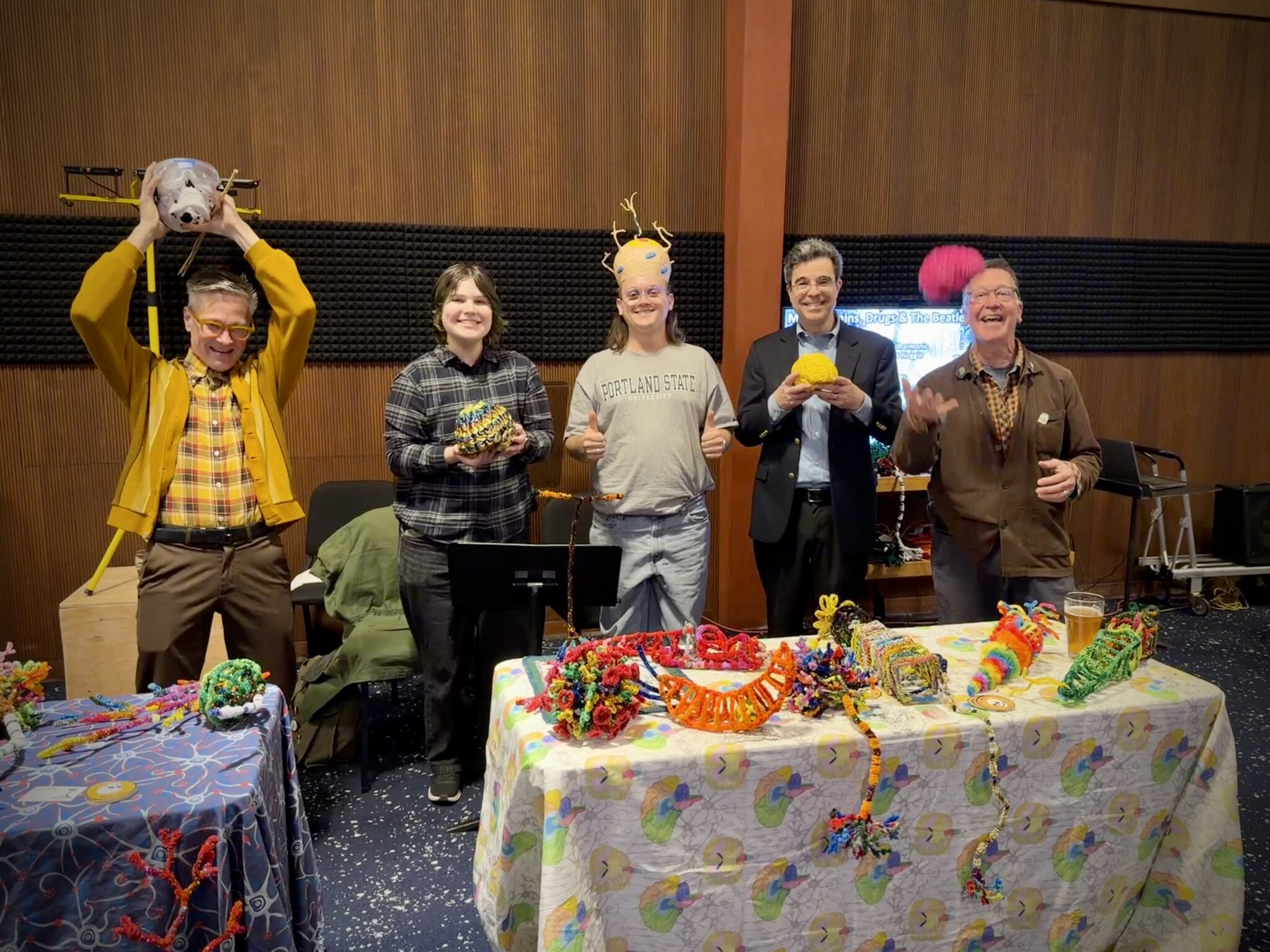
WHERE: Portland Youth Philharmonic, 1820 NE 21st Ave, Portland, OR 97212
WHEN: Friday, October 9, 6:00pm – 8:00pm
CONTACT: David Hattner, Musical Director, Portland Youth Philharmonic
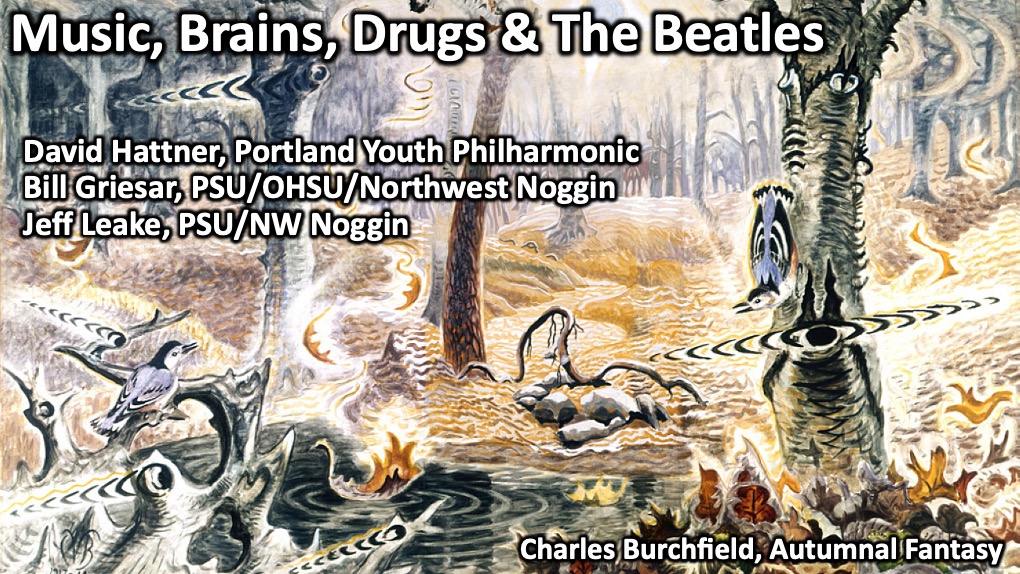
How do the substances we consume influence our experience, and our creative work? We’ll explore the impacts of drugs (including Preludin, cannabis, and psychedelics) on the musical journey of The Beatles with David Hattner, the Musical Director for the Portland Youth Philharmonic!
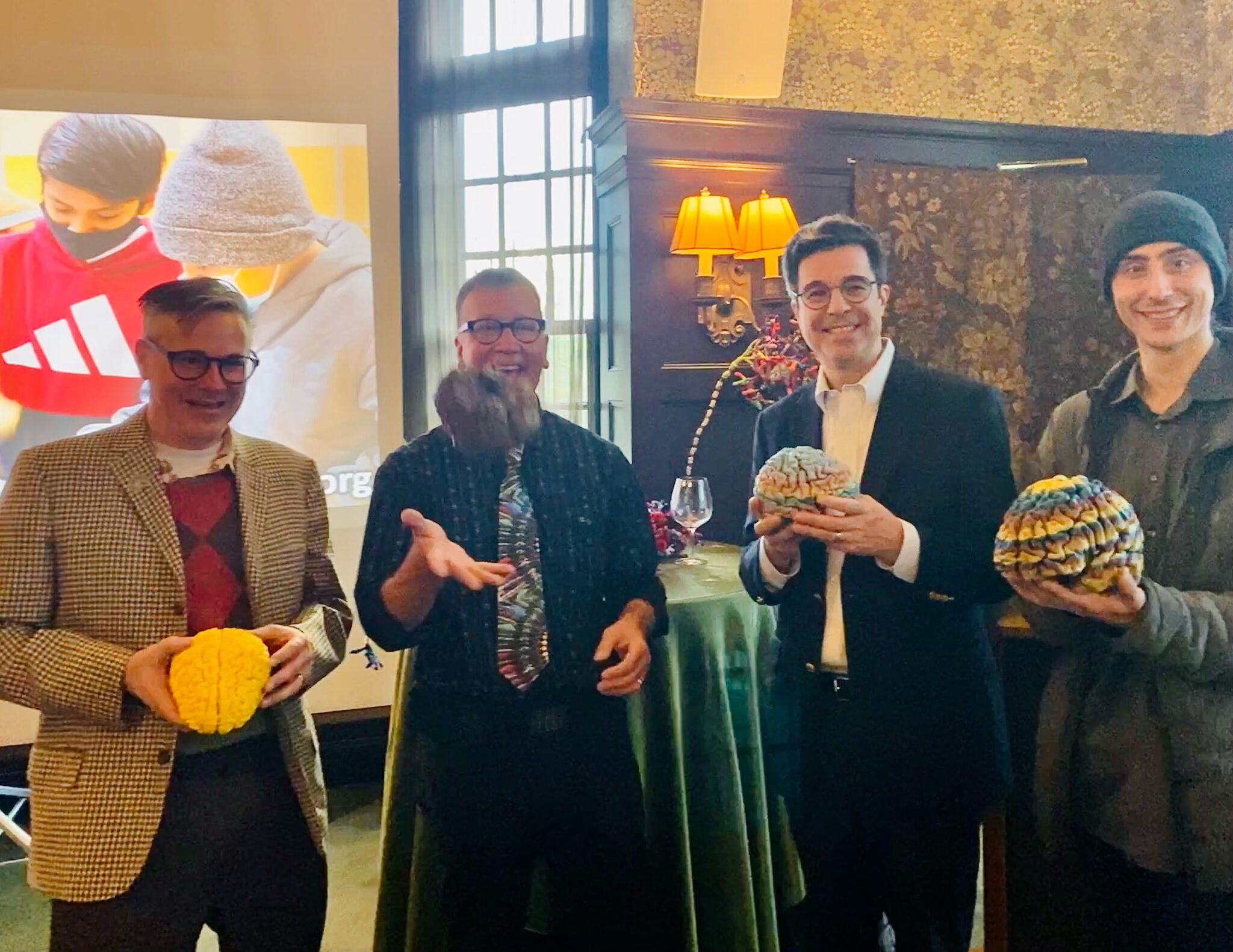
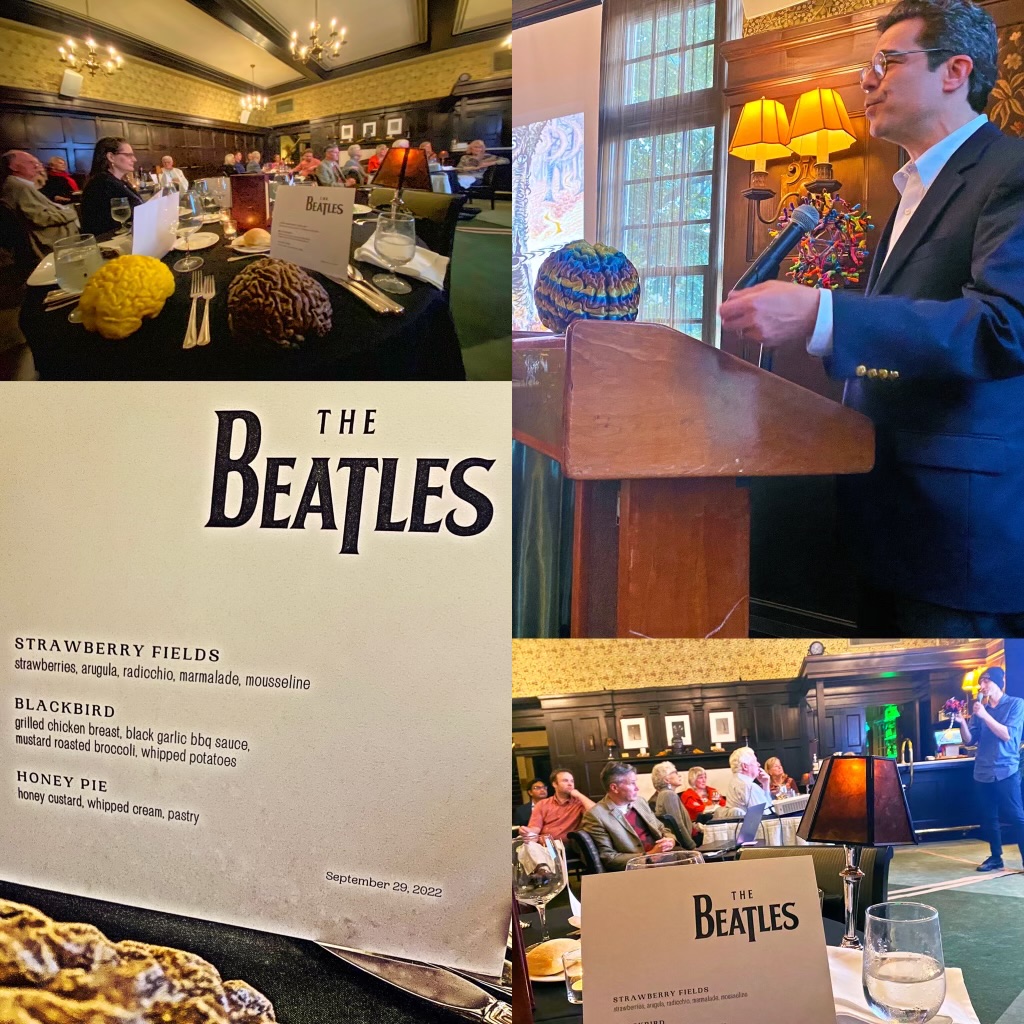
Check out what we did last time in 2022!
Brains, The Beatles, Television & Art
COMMITTED PARTICIPANTS **FULL
1. Bill Griesar, NW Noggin, PSU, OHSU
2. Jeff Leake, NW Noggin, PSU
3. Terra Andrews, PSU
4. Hunter Jess, PSU
5. Muna Qadan, PSU
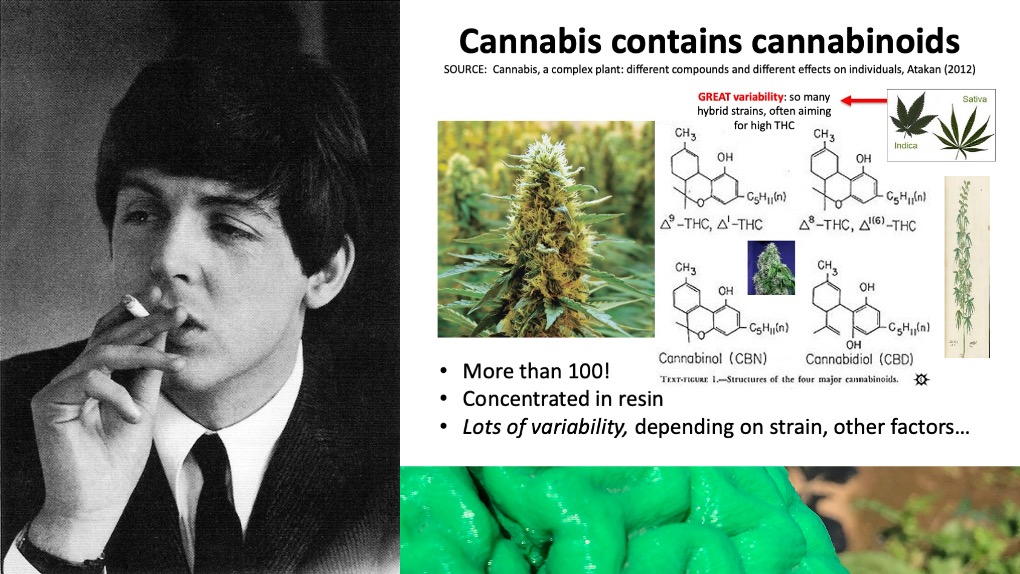
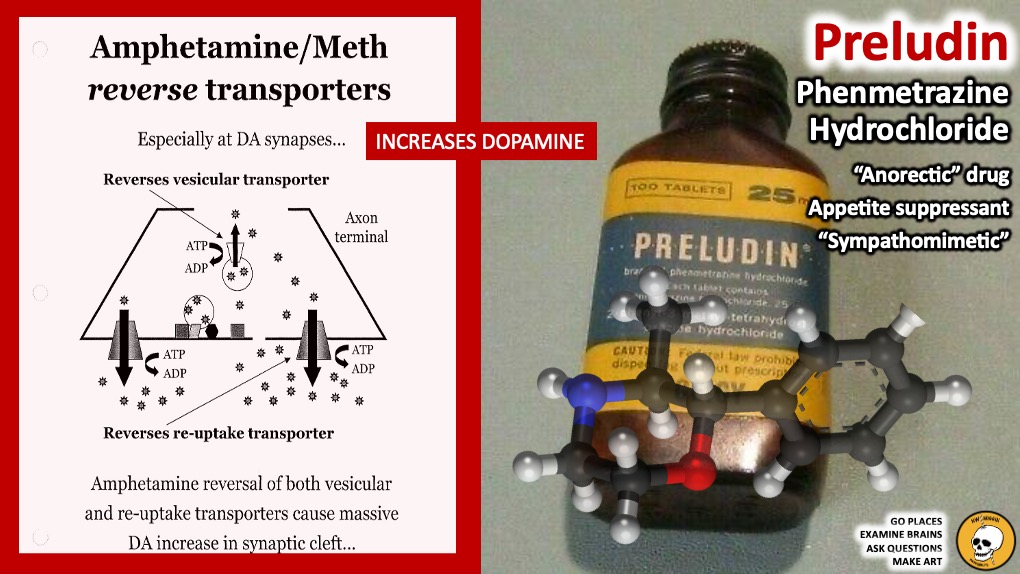
PRESENTATION SLIDES (*.pdf): Brains_Beatles_Music_Drugs_2026
PRESENTATION SLIDES (*.ppt): Brains_Beatles_Music_Drugs_2026
Some relevant research!
Spontaneous and deliberate creative cognition during and after psilocybin exposure
Creativity is an essential cognitive ability linked to all areas of our everyday functioning. Thus, finding a way to enhance it is of broad interest. A large number of anecdotal reports suggest that the consumption of psychedelic drugs can enhance creative thinking; however, scientific evidence is lacking. Following a double-blind, placebo-controlled, parallel-group design, we demonstrated that psilocybin (0.17 mg/kg) induced a time- and construct-related differentiation of effects on creative thinking. Acutely, psilocybin increased ratings of (spontaneous) creative insights, while decreasing (deliberate) task-based creativity. Seven days after psilocybin, number of novel ideas increased. Furthermore, we utilized an ultrahigh field multimodal brain imaging approach, and found that acute and persisting effects were predicted by within- and between-network connectivity of the default mode network. Findings add some support to historical claims that psychedelics can influence aspects of the creative process, potentially indicating them as a tool to investigate creativity and subsequent underlying neural mechanisms.
Inspired by Mary Jane? Mechanisms underlying enhanced creativity in cannabis users
Previous research suggests cannabis may enhance some aspects of creativity, although the results remain somewhat equivocal. Moreover, it is unclear whether differences in cannabis users’ personalities may account for any potentially beneficial effects of cannabis on creativity. This study was designed to examine whether sober cannabis users demonstrate superior self-reported and objective creativity test performance relative to non-users, and to determine whether any of the Big 5 personality domains underlie these effects. A sample of sober cannabis users (n = 412) and non-users (n = 309) completed measures of cannabis consumption, personality, self-reported and objective creativity. Relative to non-users, sober cannabis users self-reported higher creativity, and performed significantly better on a measure of convergent thinking. Controlling for cannabis users’ higher levels of openness to experience abolished these effects. Therefore, while cannabis users appear to demonstrate enhanced creativity, these effects are an artifact of their heightened levels of openness to experience.
Cannabis use does not increase actual creativity but biases evaluations of creativity
In this research, we examine the effects of cannabis use on creativity and evaluations of creativity. Drawing on both the broaden-and-build theory and the affect-as-information model, we propose that cannabis use would facilitate more creativity as well as more favorable evaluations of creativity via cannabis-induced joviality. We tested this prediction in two experiments, wherein participants were randomly assigned to either a cannabis use or cannabis abstinence condition. We find support for our prediction that cannabis use facilitates joviality, which translates to more favorable evaluations of creativity of one’s own ideas and others’ ideas. However, our prediction that cannabis use facilitates creativity via joviality was not supported. Our findings suggest that cannabis use may positively bias evaluations of creativity but have no impact on creativity. Implications for theory and practice are discussed.
Exploring the interaction between cannabis and music
Cannabis use has long been associated with enhanced music experiences, yet scientific research on its effects on auditory perception remains limited. This convergent mixed-methods self-report study investigated how recreational cannabis users experience auditory stimulation and music in particular. A total of 104 participants completed an online questionnaire, 15 of which were selected to participate in an optional semi-structured interview. Quantitative analyses showed that listening to music was the most commonly reported activity while high, indicated by 45% of participants. Participants reported significantly greater hearing sensitivity (p < 0.001) and state absorption in music (p < 0.001) while high compared to sober. Higher trait absorption in music was associated with greater state absorption in music while high. Qualitative thematic analysis identified four main themes: (1) altered cognitive processes and reinterpretations, (2) auditory perceptual effects from new sensations to sensory overload, (3) emotional openness, sensitivity, and regulation, and (4) embodiment, immersion, and out-of-body dissociation. This study provides a novel theoretical framework to understand the complex interactions between cannabis and musical experience.
Music is deeply rooted in the human experience as well as a fundamental part of psychedelic-assisted therapies (PAT) and entheogenic ceremonies. Although a large body of research exists highlighting the importance of music from rehabilitative, psychological, neurobiological, anthropological, religious, and sociological contexts, there is limited scientific literature regarding the specific relevance of music in PAT and indigenous entheogenic ritual as a means of enhancing clinical outcomes. As demand for mental health services continues to grow and awareness of the medicinal benefits of psychedelic substances to treat mental and neurological conditions increases, a new wave of interest has emerged to support the development of care models, including how music is used during PAT. Music is a reliable cornerstone in therapeutic and ritualistic spaces using psychedelics, however there is still an immense opportunity to cultivate PAT models with interdisciplinary, evidence-informed perspectives and thoughtful analysis of music use in treatment. To contribute to this development, this review evaluates neuroscientific, psychological, and anthropological research on the neural and cognitive underpinnings of music as well as music use with psychedelics both in modern research settings and indigenous entheogenic ceremonies. In addition, personalized approaches to music protocols in PAT, how music use in traditional rituals may help inform best practices, and the need for researchers to specify music protocols in treatment models are detailed. Consideration of carefully respecting the bridging of indigenous practices and current medical models is discussed to highlight areas for future development.
Studies dating back to the 1950s have found that music is a central component of physical and spiritual healing in ceremonies using psychedelics.1 Similarly, individuals who experience psychedelic-assisted therapies (PAT) often describe music as a significant influence in their overall experience2 and will use music to process emotions and recall feelings in the post-PAT integration process.3 Music has been found to help create a safe and supportive environment during both PAT sessions and entheogenic ceremonies,4 facilitating emotional processing, self-reflection, and influencing sustained changes in behavior.5Research shows that psychedelics are critical modulators of emotions evoked through music listening6 and can concurrently enhance perceived meaningfulness of music.7 Furthermore, those who create music in ceremonial environments are traditionally revered for their imperative value and influence in the therapeutic process.8
Creative behaviors are among the most complex that humans engage in, involving not only highly intricate, domain-specific knowledge and skill, but also domain-general processing styles and the affective drive to create. This study presents structural imaging data indicating that musically creative people (as indicated by self-report) have greater cortical surface area or volume in a) regions associated with domain-specific higher-cognitive motor activity and sound processing (dorsal premotor cortex, supplementary and pre-supplementary motor areas, and planum temporale), b) domain-general creative-ideation regions associated with the default mode network/DMN (dorsomedial prefrontal cortex, middle temporal gyrus, and temporal pole), and c) emotion-related regions (orbitofrontal cortex, temporal pole, and amygdala). These findings suggest that domain-specific musical expertise, default-mode cognitive processing style, and intensity of emotional experience might all coordinate to motivate and facilitate the drive to create music.
The functional imaging literature has indeed implicated the DMN in musically creative behavior—at least improvisation13 (which, because it is instantaneous, is more easily studied in the scanner than are drawn-out processes like orchestral scoring and songwriting). Limb and Braun14, for instance, had professional jazz pianists improvise while in the scanner, finding that improvisation (compared with exact replication of a melody or scale) correlated with enhanced activity in medial prefrontal regions (MPFC) and diminished activity in lateral prefrontal regions (LPFC). In a related study from the same laboratory, Liu et al.15 compared improvised vs. memorized rap performances by professional freestyle artists, again finding significant activation in the MPFC, which was in turn negatively correlated with activity in dorsolateral prefrontal cortex (dLPFC). Supporting these findings, Pinho et al.16 studied trained pianists with more vs. less experience improvising (compared to playing classically), finding that, during an improvisation, experienced improvisers showed reduced activity in right-hemisphere regions implicated in top-down cognitive control, such as the dLPFC and inferior frontal gyrus (IFG). At the same time, these musicians showed increased functional connectivity in numerous prefrontal, premotor, and motor regions.