Post by Conner Corbett, a former Portland State University Psychology student and Neuroscience Club member. He currently serves as a Resource Council Member for National and International Outreach for NW Noggin. He is now at the University of Memphis, fulfilling a PhD in the School of Communication Sciences and Disorders, on the neuroscience track. He studies Event Related Potentials (ERP’s), a form of electrophysiology that monitors brain activity in response to stimuli. ERP’s are widely used in cognitive neuroscience and perception research. Conner is looking at various pathologies that may alter ERP’s.
LEARN MORE: The Dollywood Foundation
LEARN MORE: Briefing Chat: How Dolly Parton left her mark on science
LEARN MORE: Art by Jeff Leake
I was very excited when I first learned about a program at the University of Memphis School of Communication Sciences and Disorders where I get to study a topic that nicely blends my areas of interest and past experiences across hearing science and behavioral neuroscience. Through this unique program, I could choose to focus on speech science, hearing science or the new neuroscience track.
Given my background in Portland, where I was split between the Portland VA Medical Center and Oregon Health & Science University (OHSU), where I worked on a brain injury hearing study and in a behavioral neuroscience lab that studied the molecular mechanisms of memory, respectively – the neuroscience route felt like the perfect fit.
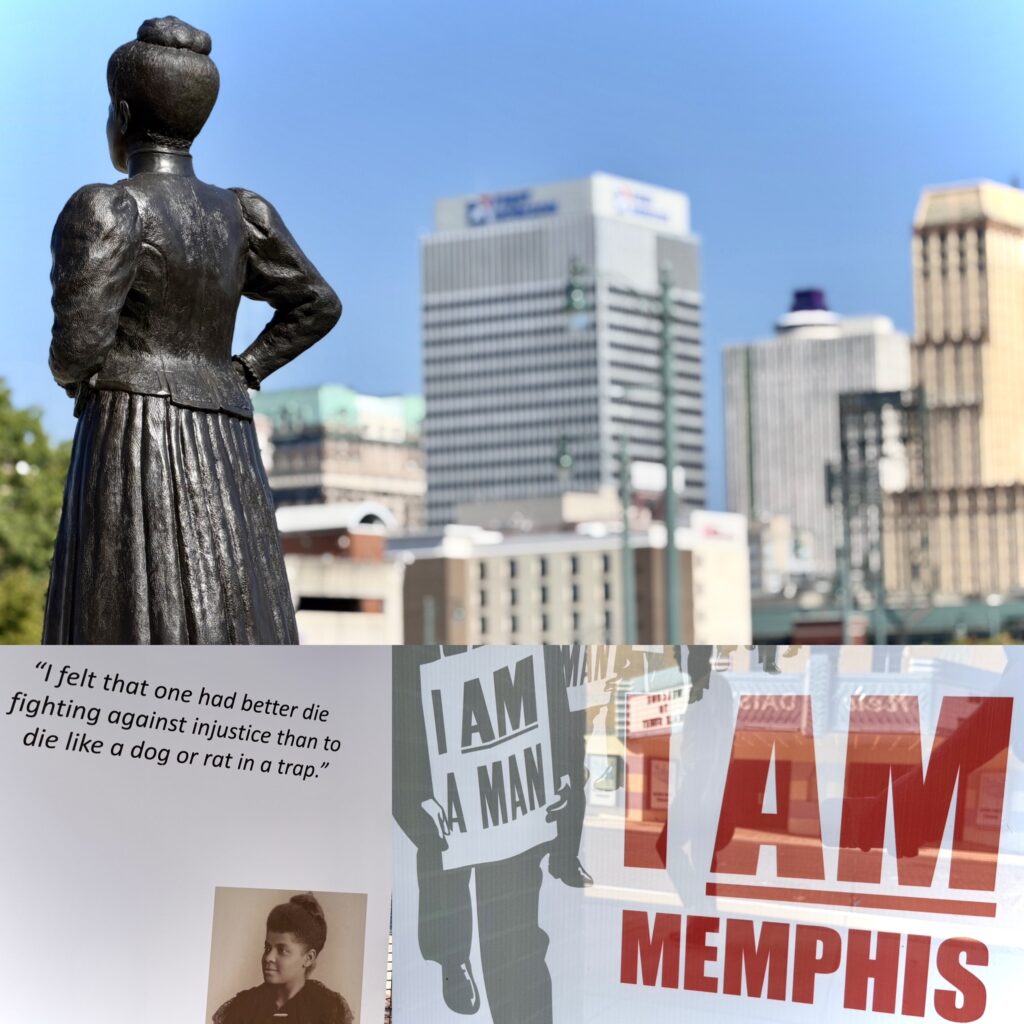
When I first moved to Memphis, I was immediately enthusiastic about how this city represents a place of resilience. I see strong community in many different domains, and a thirst for growth, knowledge, and progression.
“If it’s us vs the billionaires, my bet is on people power.” —Justin J. Pearson
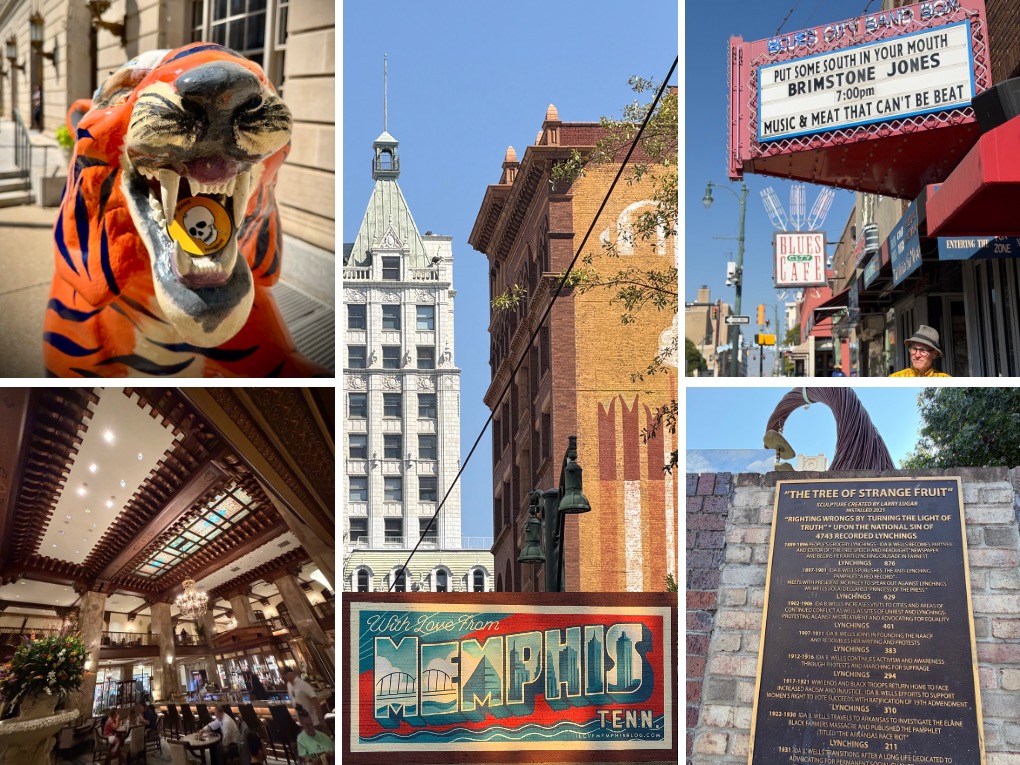
LEARN MORE: Memphis Travel
LEARN MORE: National Civil Rights Museum
LEARN MORE: Ida B Wells: Forced Into Exile to Give Up Her Beloved Memphis
LEARN MORE: We Are Memphis
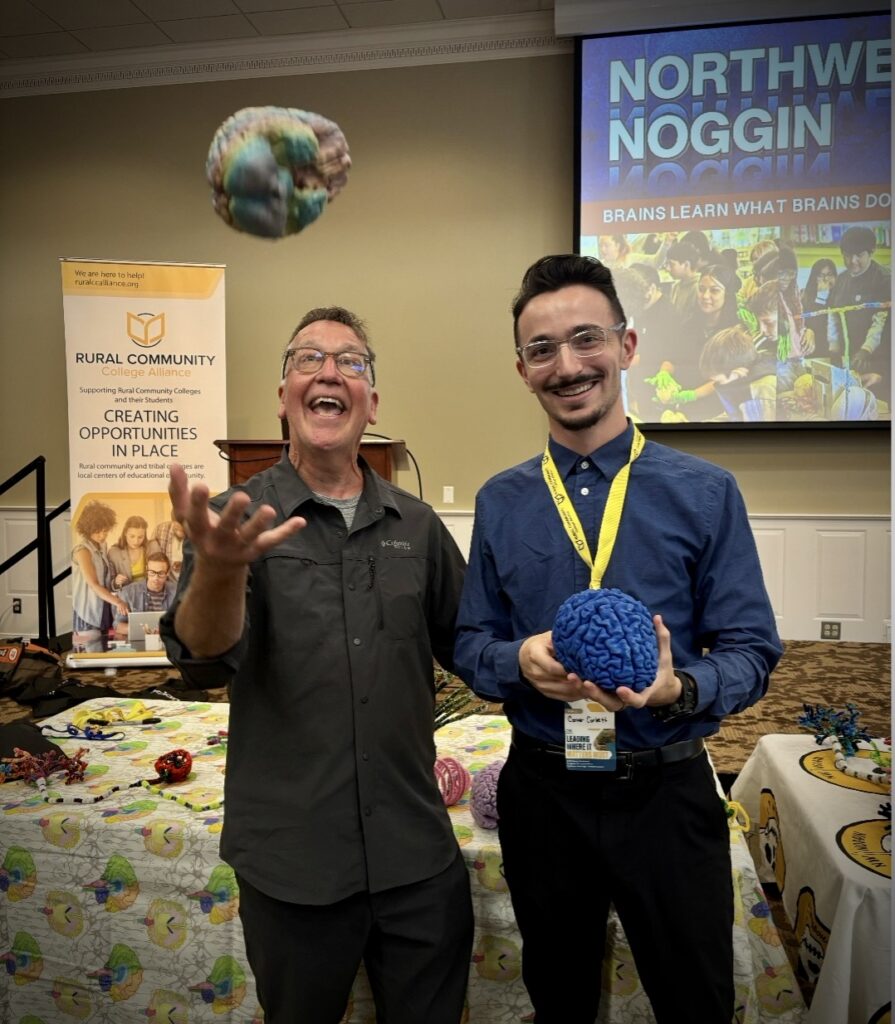
I was eager to learn that Northwest Noggin was coming to nearby Senatobia, Mississippi for the Rural Community College Alliance/American Technical Education Association conference to give the keynote speech on the importance of hands-on scientific community outreach, paired with creative teaching, and the cons of defaulting to AI for teaching and learning.

AI and the Brain
As I passed out pipe cleaners to the tables of faculty prior to the presentation, I was met with many uncertain and curious looks. Folks didn’t seem interested in whatever it was we were about to ask them to do with the pipe cleaners. This demeanor changed by the end of the presentation, and by that point folks were asking for MORE pipe cleaners.
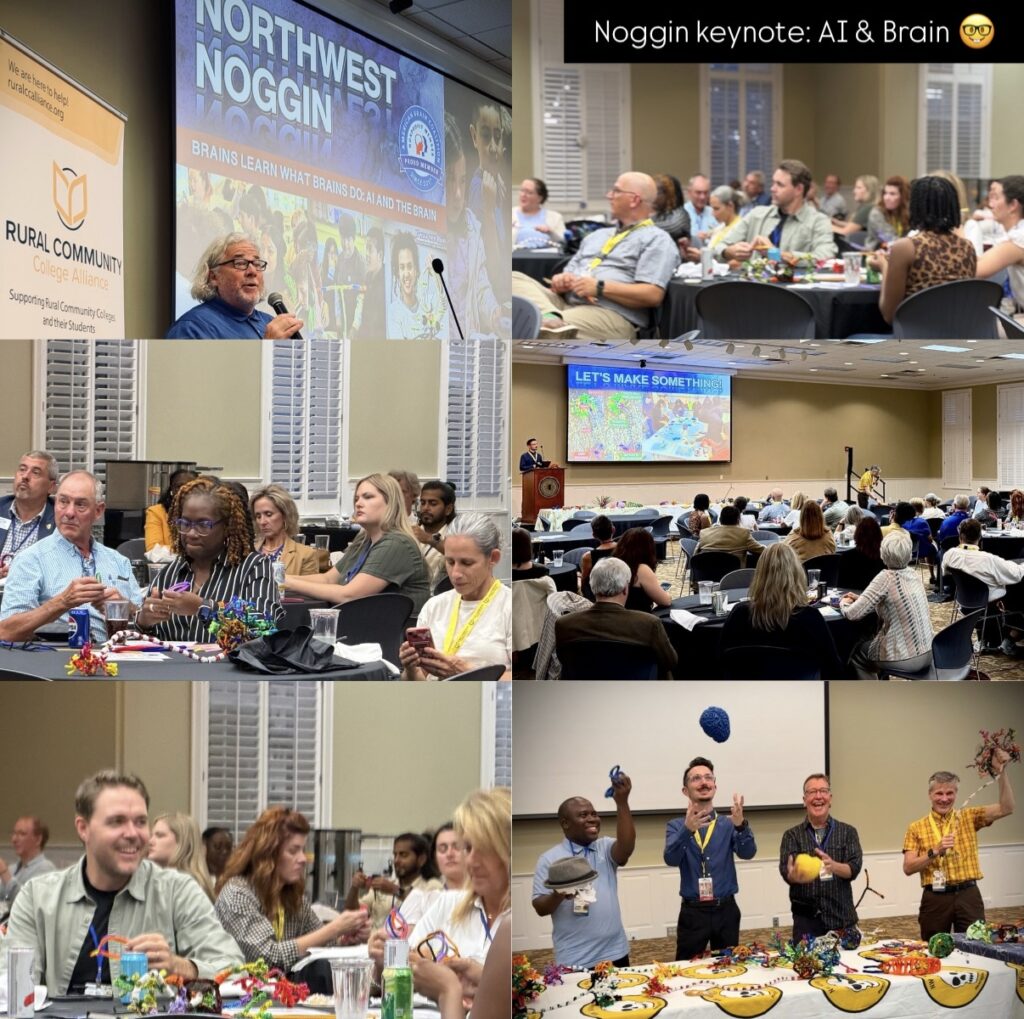
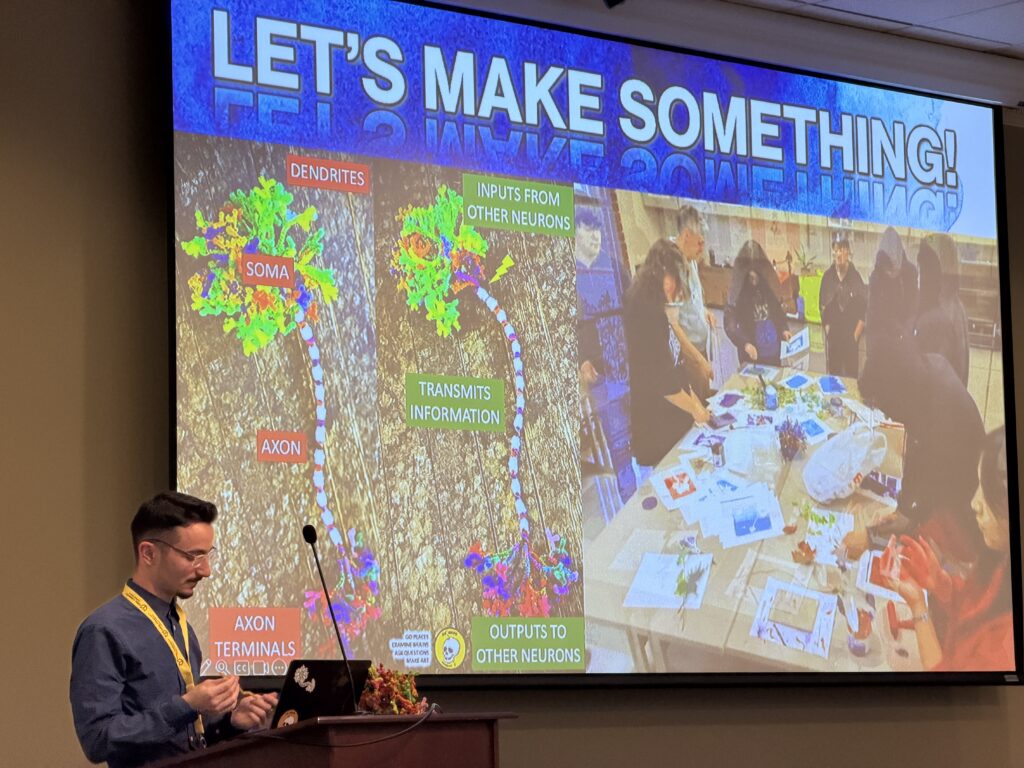
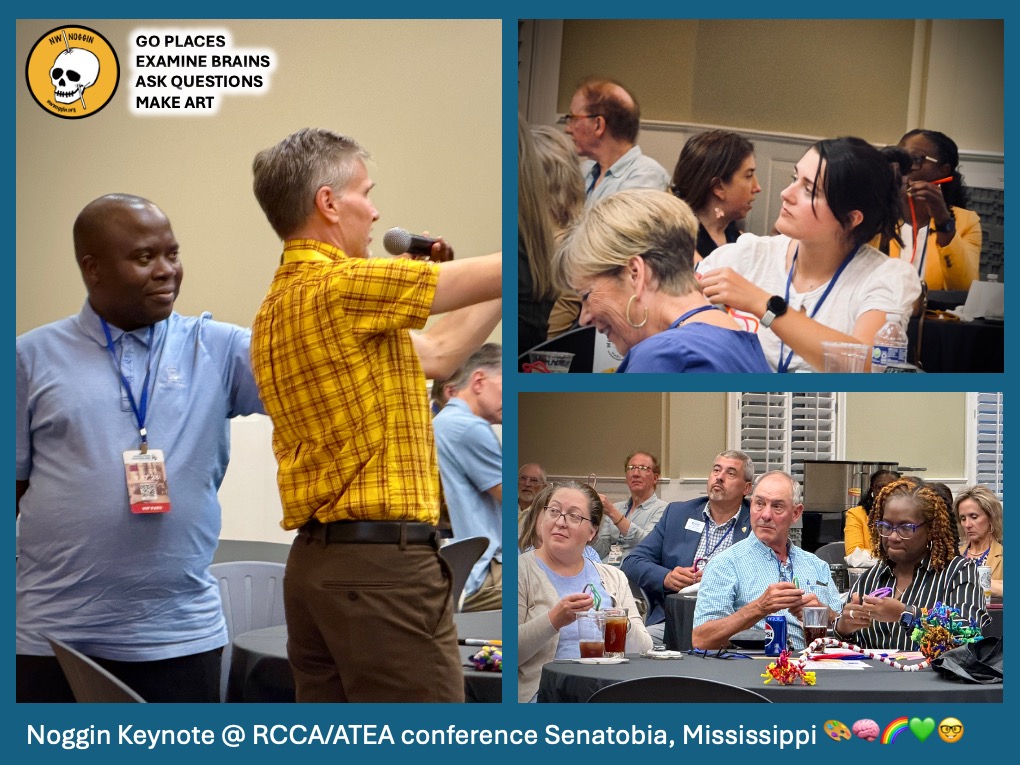
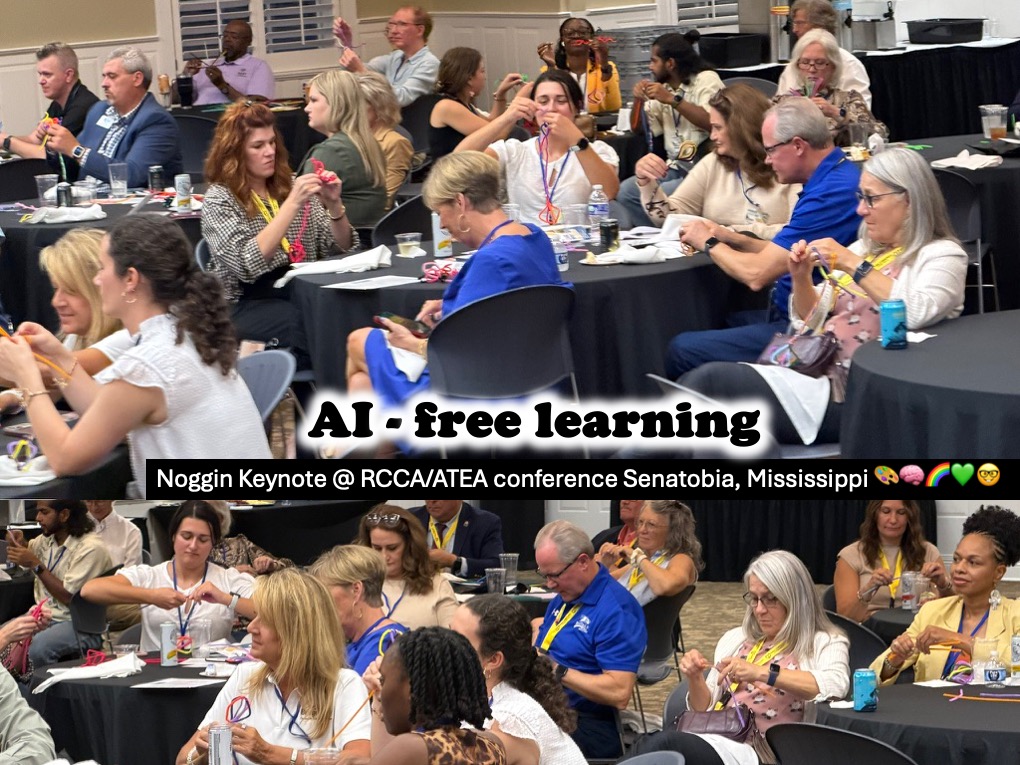
LEARN MORE: Noggin Keynote: AI and the Brain
LEARN MORE: Rural Community College Alliance
LEARN MORE: American Technical Education Association
LEARN MORE: Is AI bad for brains?
MAKE ART: Pipe Cleaner Brain Cells!
Outreach to Public Schools!
Attending this event alongside NW Noggin felt extra special, given that I am no longer in Portland to attend the local events. Leaving Portland was not easy, but one thing that brought me comfort was that despite the nearly 2,000 miles of distance between Portland and Memphis, I still held a position with the NW Noggin community as a resource council member.
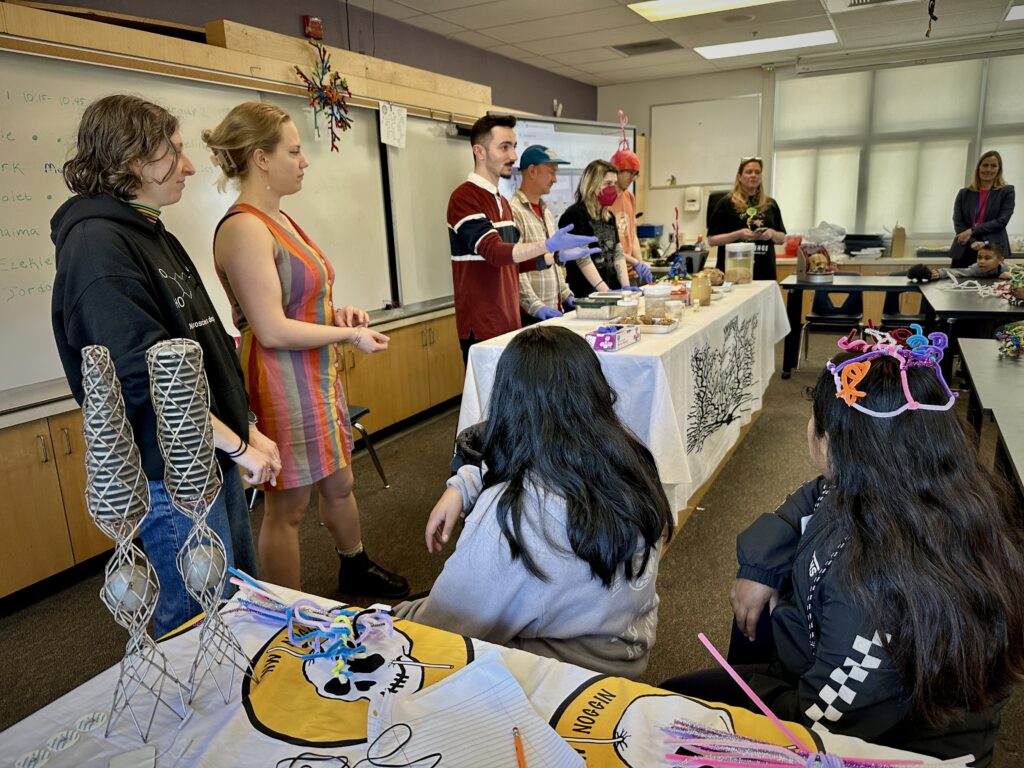
To live up to this position, we decided to organize a school outreach here in Memphis, Tennessee!
LEARN MORE: Northwest Noggin All Volunteer Outreach
Having started with no specimen, pipe cleaners, or even a team of volunteers, I began reaching out to my fellow graduate students across the school of CSD, Psychology, and Behavioral Neuroscience.
I quickly learned that the community here is ready to help when one needs it.
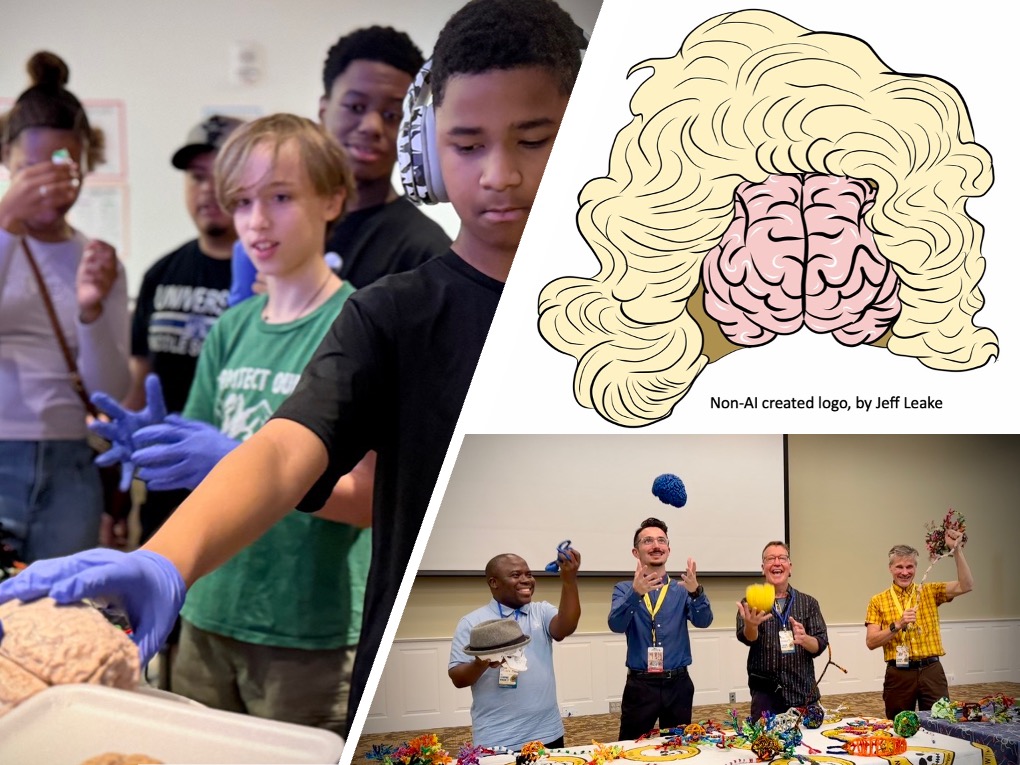
My fellow students offered to bring real brain specimens, sliced brains displayed on microscopy slides, a presentation on their labs exciting research, and the willingness to show up and engage with students. Before we knew it, we had an awesome outreach upon us at the University Middle School.
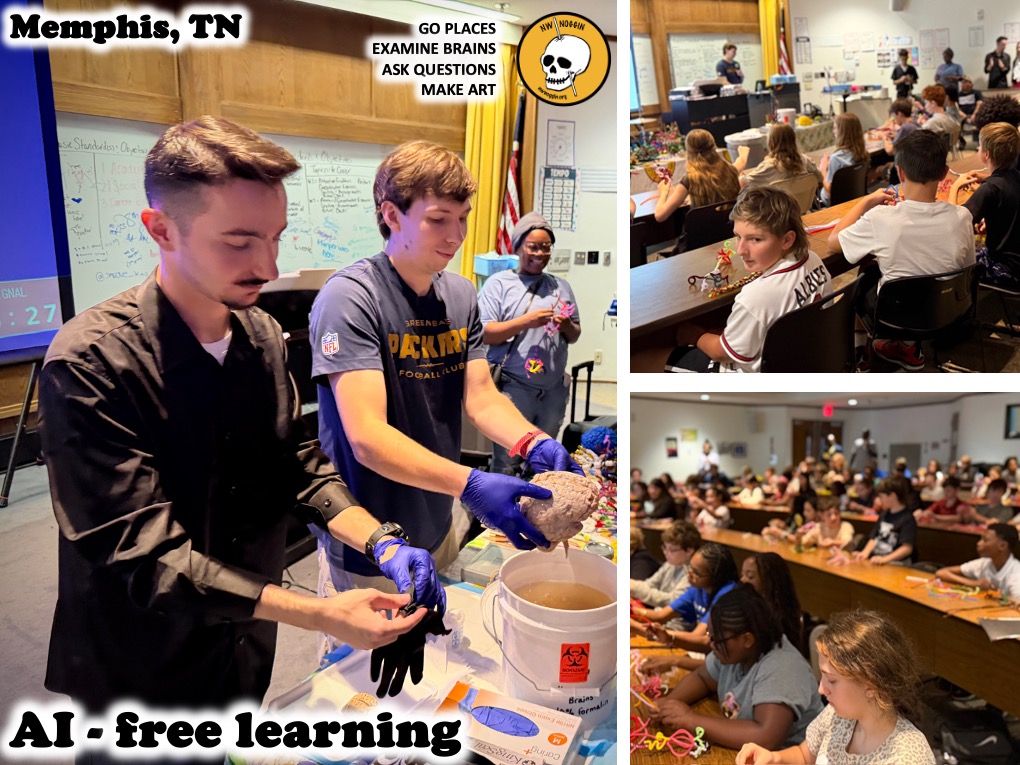
In honor of the recent passing of legend Dolly Parton, we dedicated this event entitled “Dolly Noggin in the South,” as we weren’t in the Pacific Northwest anymore.
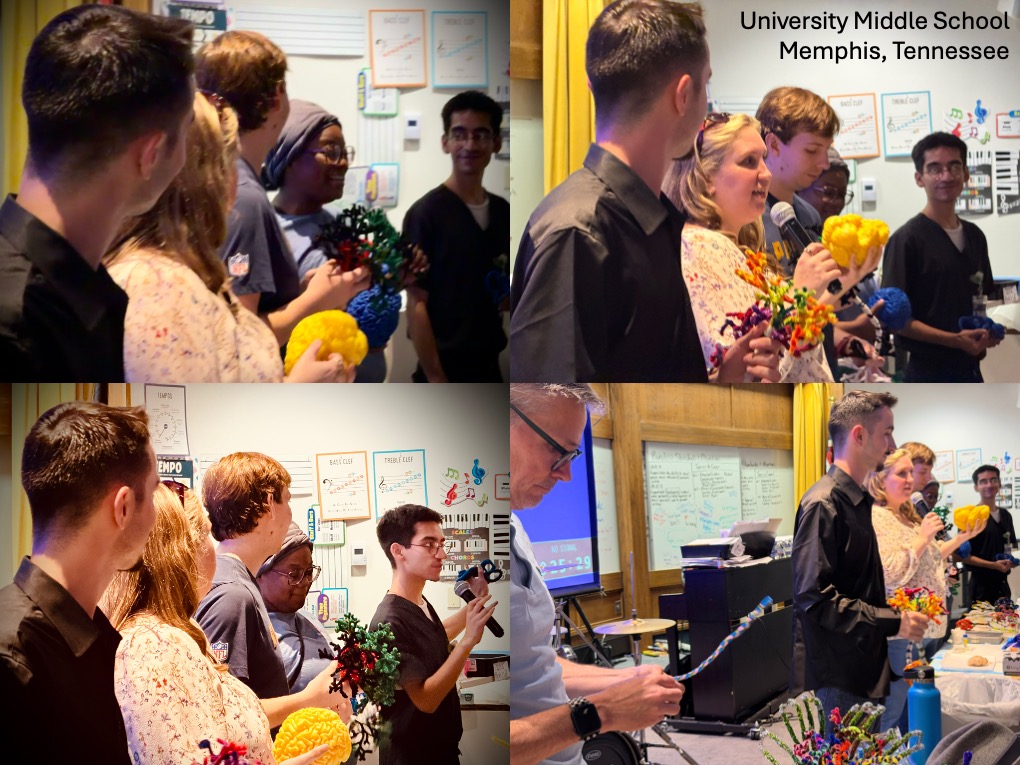
“Why would someone faint when they stand up quickly? How does hitting your head impact your brain? Why do loud noises hurt your ability to hear? Why do we make bad decisions?”
The middle school students asked questions about concussions, fainting, sleep, and memory. There was enthusiasm shared across the auditorium with students, teachers, staff and the principal as we guided the students to create a neuron out of pipe cleaners and identify the different anatomical components and how they relate to these different neuro topics we had discussed.
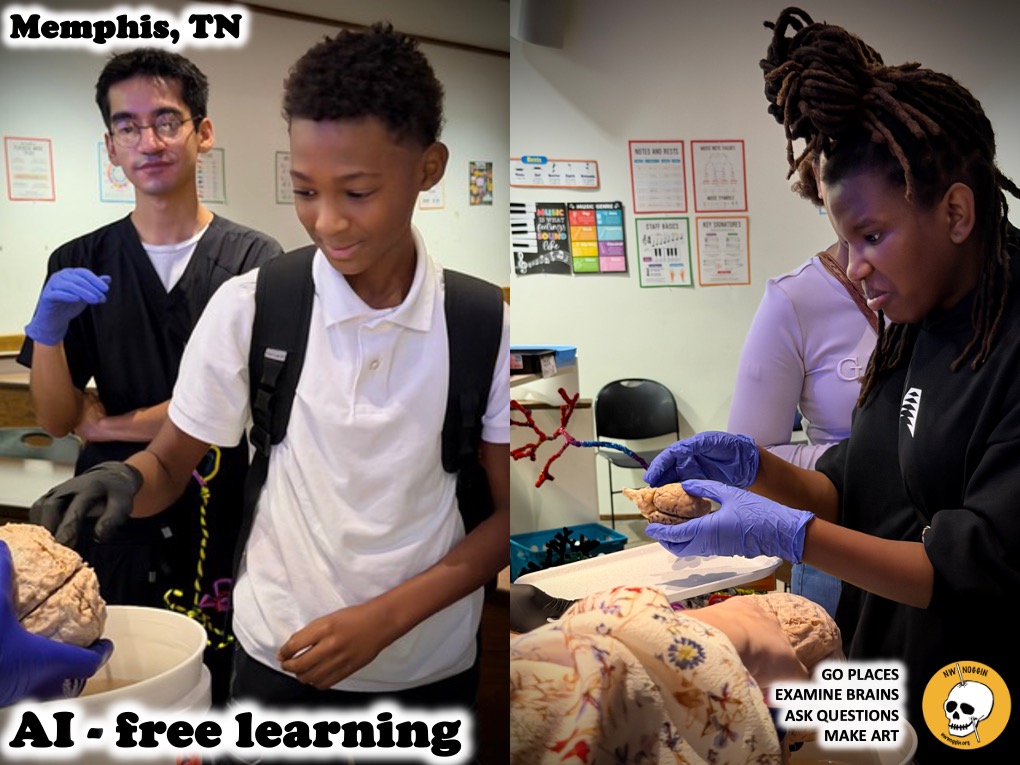
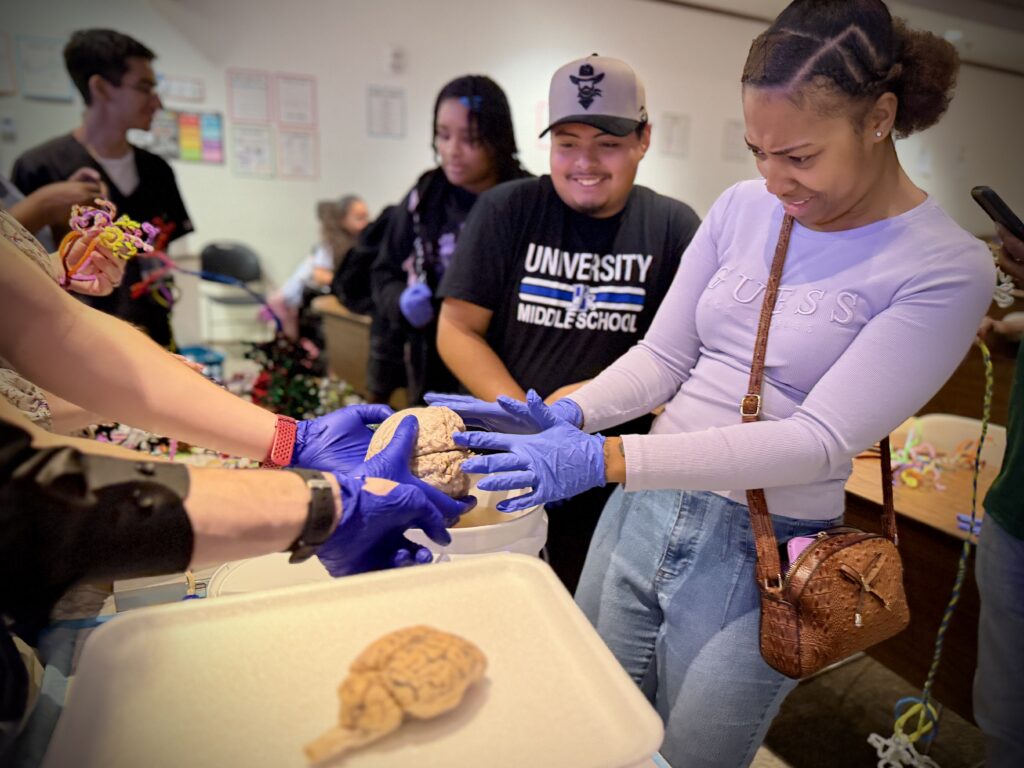
It was a first-time experience for the majority of the graduate students with us, and yet they already seemed like pros at assembling neurons and helping the students create theirs.
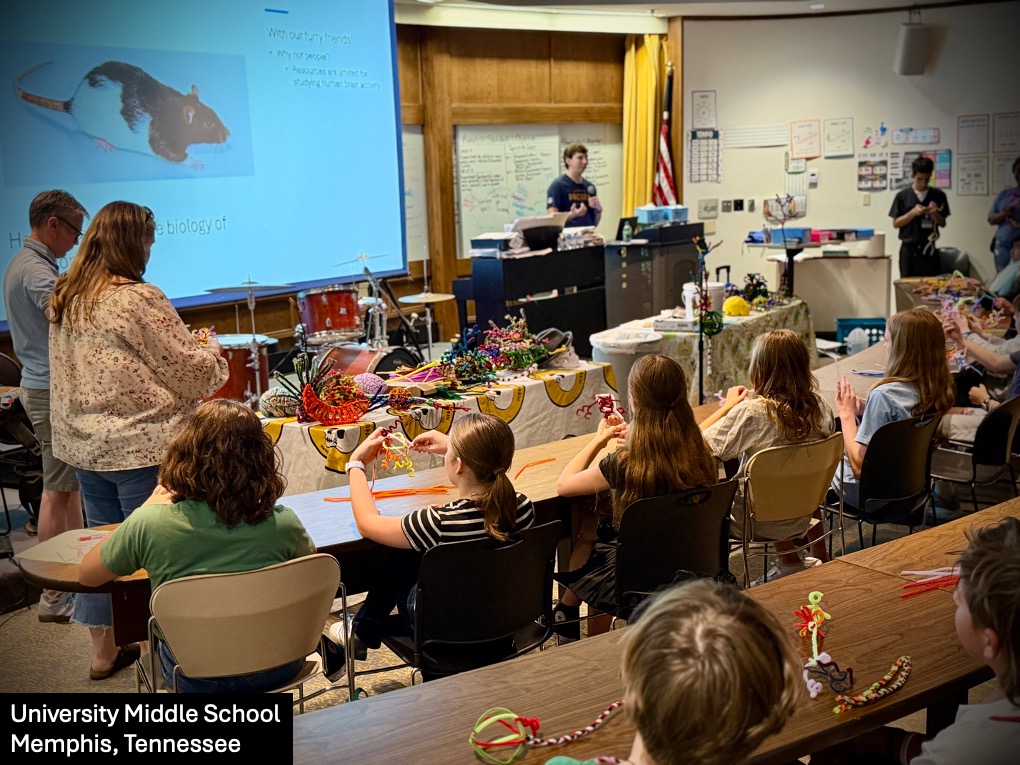
“It was AMAZING! Thank you for sharing this incredible experience with our students! It was really cool to see the Northwest Noggin team merge with the U of M crew that Conner recruited. Thanks for taking time out of your conference visit to come teach our students about their brains AND to help forge what I hope to be the foundation of Midsouth expansion of Noggin (Dolly Noggin). If y’all make it back this way, please reach out.”
-Joy Gilliam, Executive Director | University Middle School
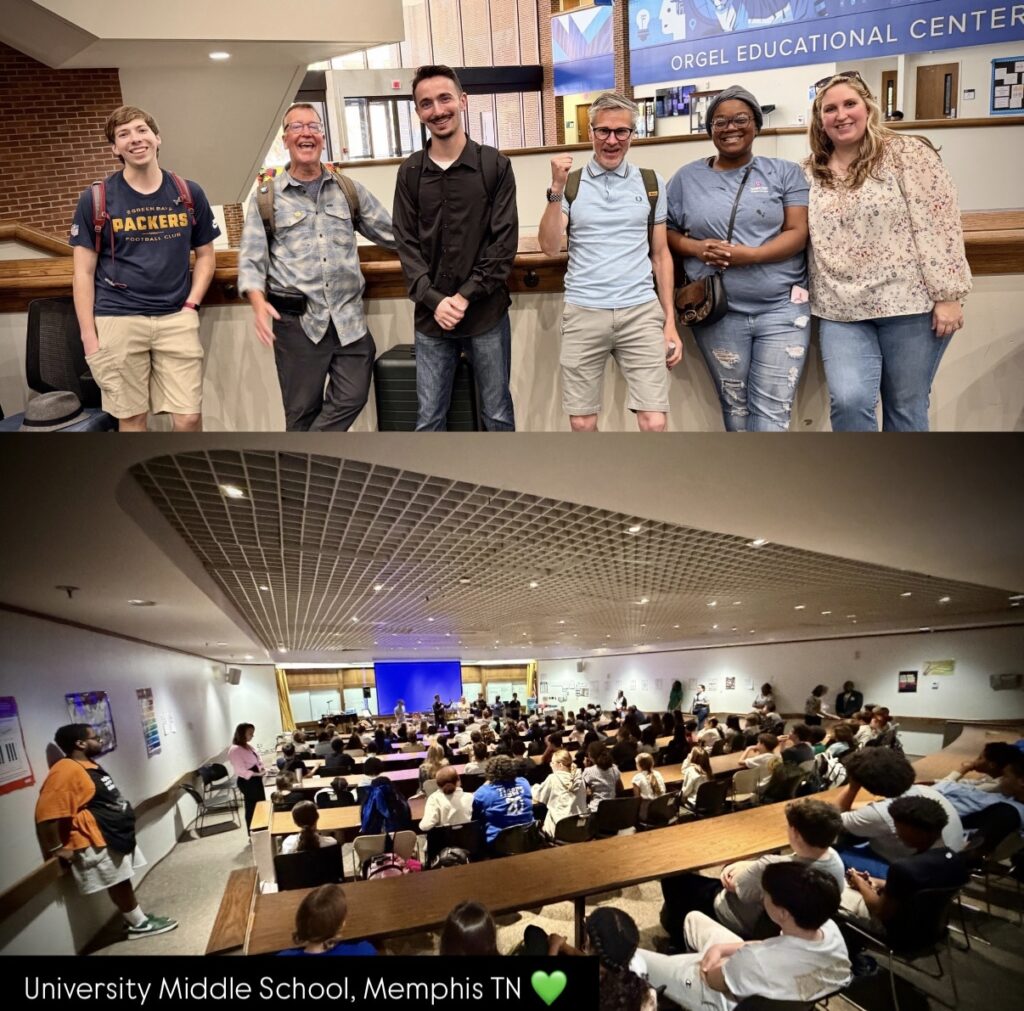
This event created a new foundation for outreach out here in the south and we are looking forward to growing in networks out here for our new Dolly Noggin Chapter. Thank you to my fellow graduate students Leo Manriquez and Micah Mbewe from the school of Communication Sciences and Disorders, and Zach Mikkelson, Rebecca Crenshaw and Shay Lowe from Experimental Psychology/Behavioral Neuroscience!