Post by Ameru Mohammed Zaki, a senior at Portland State University pursuing majors in Biology and General Science with minors in Chemistry and Interdisciplinary Neuroscience. Ameru is on the Pre-Medicine track at PSU.

As a first-generation Iraqi college student, I am interested in research that supports underserved populations, especially communities affected by war, displacement, and limited access to healthcare. My current research interests focus on neuroscience, trauma, PTSD, and the long-term neurological and physiological impacts of war on Iraqi civilian populations.
I hope to examine how chronic war exposure, environmental neurotoxicants, and trauma-related stress may interact to affect stress regulation, brain health, and long-term mental health outcomes to create a more civilian-focused framework.
LEARN MORE: Divergence of military and civilian trauma research priorities
LEARN MORE: When the press amplified false claims about Iraq, it failed its highest duty — and fueled a war
LEARN MORE: Effects of war pollution on Iraqi children: Neurodevelopmental disorders and birth defects
LEARN MORE: Civilians Killed & Displaced
My interest in cultural preservation and history also informed my capstone research on a Qur’an leaflet, which will be published as part of the Medieval Portland project. After graduation, I plan to attend medical school, with a specific interest in anesthesiology and patient advocacy.
LEARN MORE: Medieval Portland
“When was the brain first studied?”

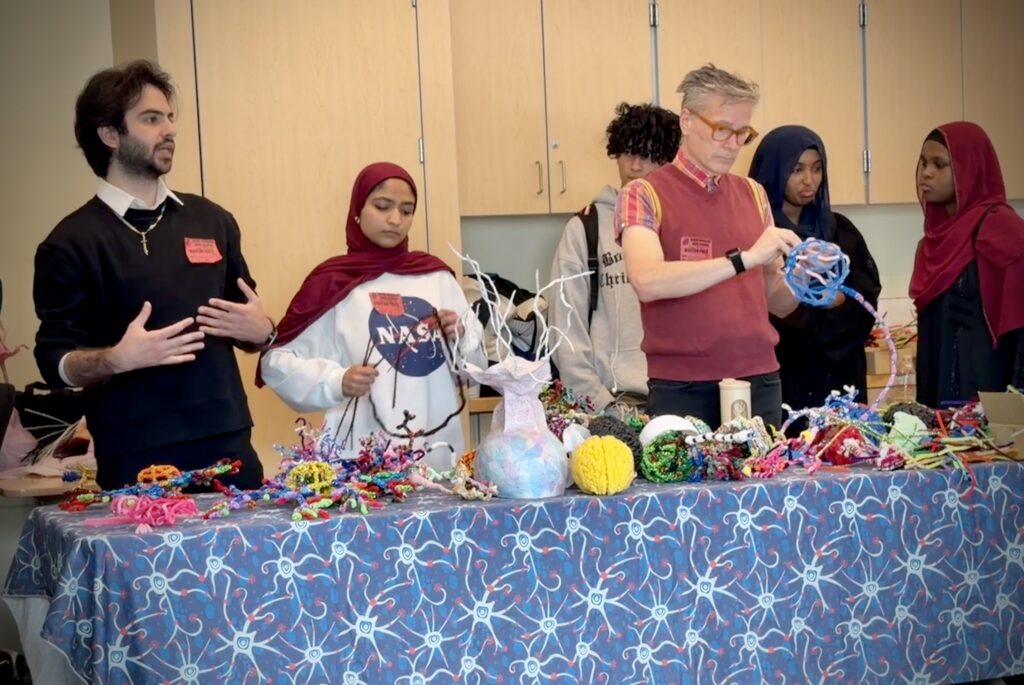
That question first came up during a Northwest Noggin outreach visit to Portland’s Jefferson High School.
I remember the question immediately catching my attention because it connected my love for neuroscience with my identity as someone from the Middle East. I felt a sense of pride thinking about the long scientific legacy of my region. I immediately thought of Ibn Al-Haitham, an Islamic Golden Age scholar who is considered to be the father of optics and despite it being my first outreach event and being relatively shy I was excited for the opportunity to teach about his legacy.
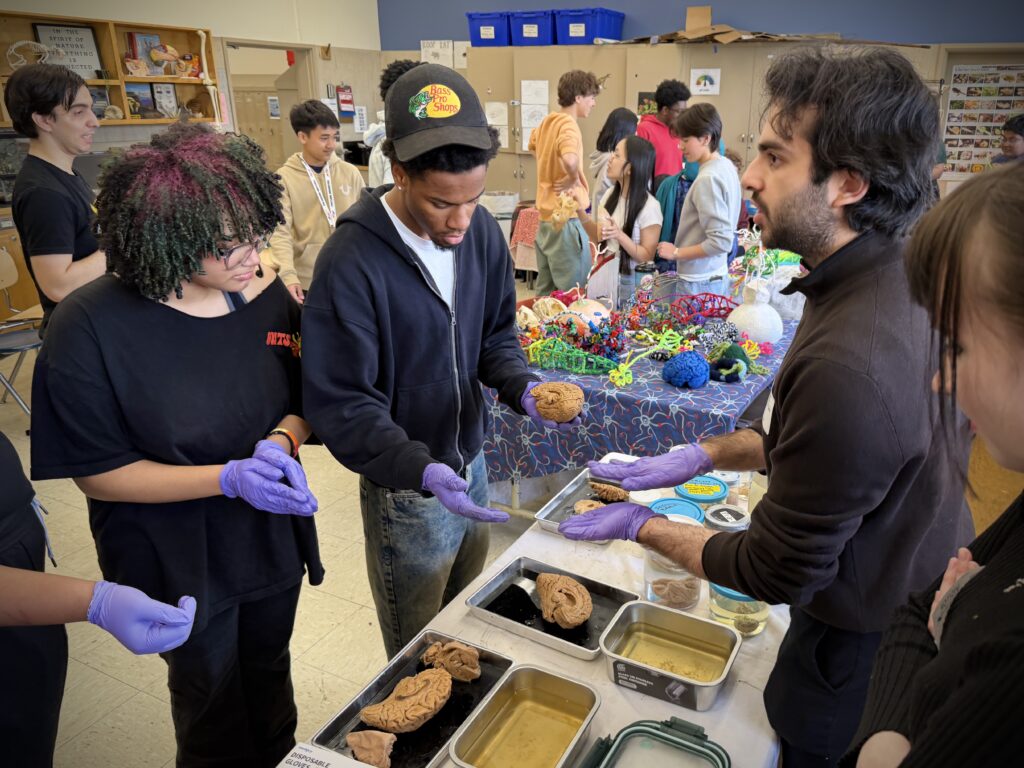
This was quickly followed by the realization that many people do not know how deeply the Middle East and North African region contributed to early medicine, anatomy, psychology, vision science, and clinical observation, as well as its history of the early study of the brain, sensation, and consciousness, sparking my interest to write this blog about the history of neuroscience in the non-western world.
LEARN MORE: Historical Depictions of the Brain: The Origins from the Non-Western World
LEARN MORE: Islamic Medical Manuscripts at the National Library of Medicine
LEARN MORE: Know Thy Self: A History of Ancient Neuroscience
The conversation surrounding the history of neuroscience usually traces back to ancient Greece before dramatically shifting toward Renaissance Europe and modern Western science. This narrative overlooks the immense medical and intellectual contributions outside of the Western sphere.
One such region that is overlooked is the Middle East, a region that has investigated the brain, consciousness, sensation, trauma, and even mental illness for thousands of years. Physicians and scholars throughout the region were already studying the field of neuroscience long before it existed as a formal academic discipline.

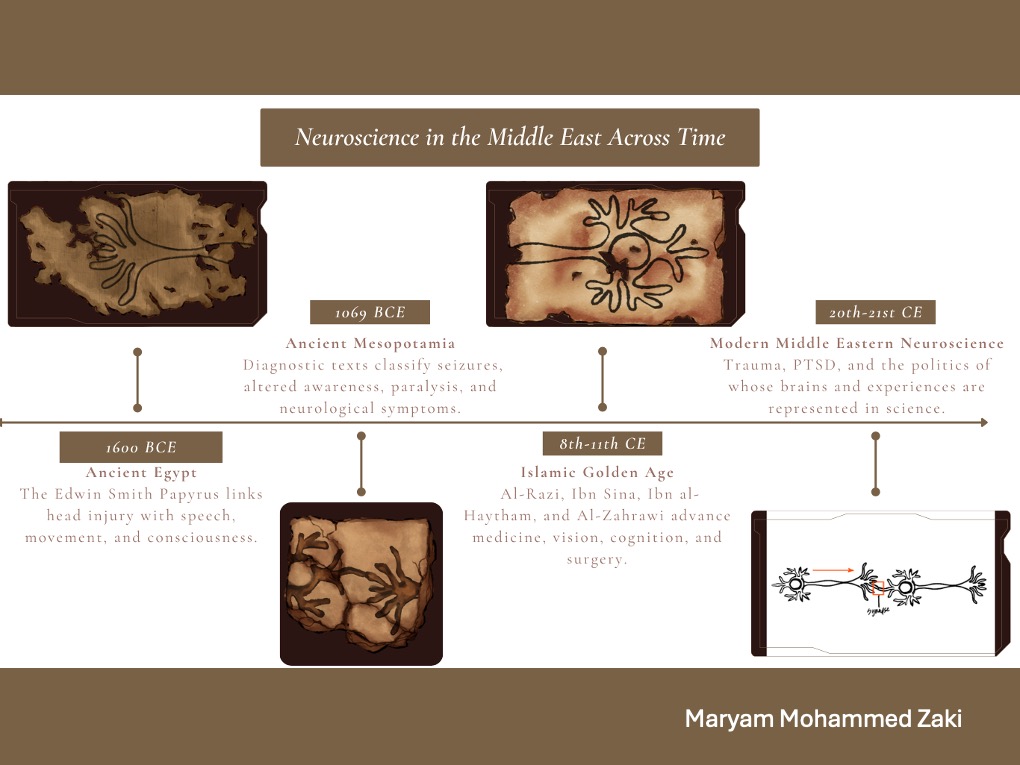
The history of neuroscience in the Middle East stretches from the surgical writings of ancient Egypt to the diagnostic systems of old Mesopotamia through the hospitals and scholars of the Golden Age of Islam. It’s a region of scholarly endeavors that continues to occupy a significant place in neuroscience even to this day, as well as experiencing the neurological and psychological consequences of war, from displacements to chronic stress and other traumas.
The Middle East is deeply connected to the field of neuroscience.

LEARN MORE: The Development of Science and Technology in the Muslim World
LEARN MORE: Islamic Medical Manuscripts at the National Library of Medicine
LEARN MORE: One scientist’s journey from the Middle East to MIT
LEARN MORE: Islamic Medicine in the Middle Ages
Ancient Egypt
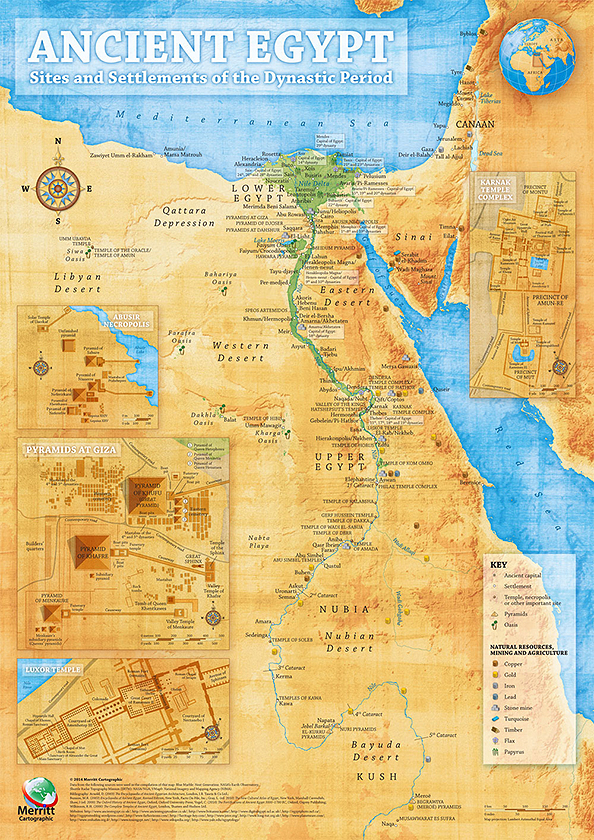
IMAGE SOURCE: Map of Ancient Egypt (Egypt Museum)
One of the earliest known medical texts can actually be observed in the Edwin Smith Papyrus.
This papyrus is an ancient Egyptian medical manuscript dating to approximately 1600 BCE, and likely derived from even older sources from centuries earlier. Unlike many surviving medical writings from antiquity that focused heavily on spiritual healing, incantations, or magical intervention, the Edwin Smith Papyrus approached injury through structured clinical observation and practical medicine. Rather than attributing illness entirely to supernatural causes, Egyptian physicians carefully documented physical trauma and its physiological consequences in a manner that resembles early forms of clinical case analysis.
The papyrus contained approximately forty-eight documented injury cases, many involving severe trauma to the head, neck, and spine. Egyptian physicians described skull fractures, spinal injuries, speech impairment, paralysis, sensory dysfunction, seizures, and altered states of consciousness with remarkable detail for the time period. Each case typically followed a structured format involving examination, diagnosis, prognosis, and treatment recommendations. This organization resembles surprisingly early forms of medical charting and clinical reasoning still used in medicine today.
It is particularly remarkable how the papyrus contained descriptions connecting injuries to one side of the head with paralysis or dysfunction on the opposite side of the body.
Although ancient Egyptian physicians possessed no understanding of neurons, cortical pathways, or modern neuroanatomy, these observations strongly resemble an early recognition of contralateral neurological control, one of the central organizational principles of the nervous system. The papyrus also included some of the earliest recorded descriptions of the meninges surrounding the brain, cranial sutures, and fluid leakage associated with traumatic head injury, likely corresponding to cerebrospinal fluid exposure following skull fractures.
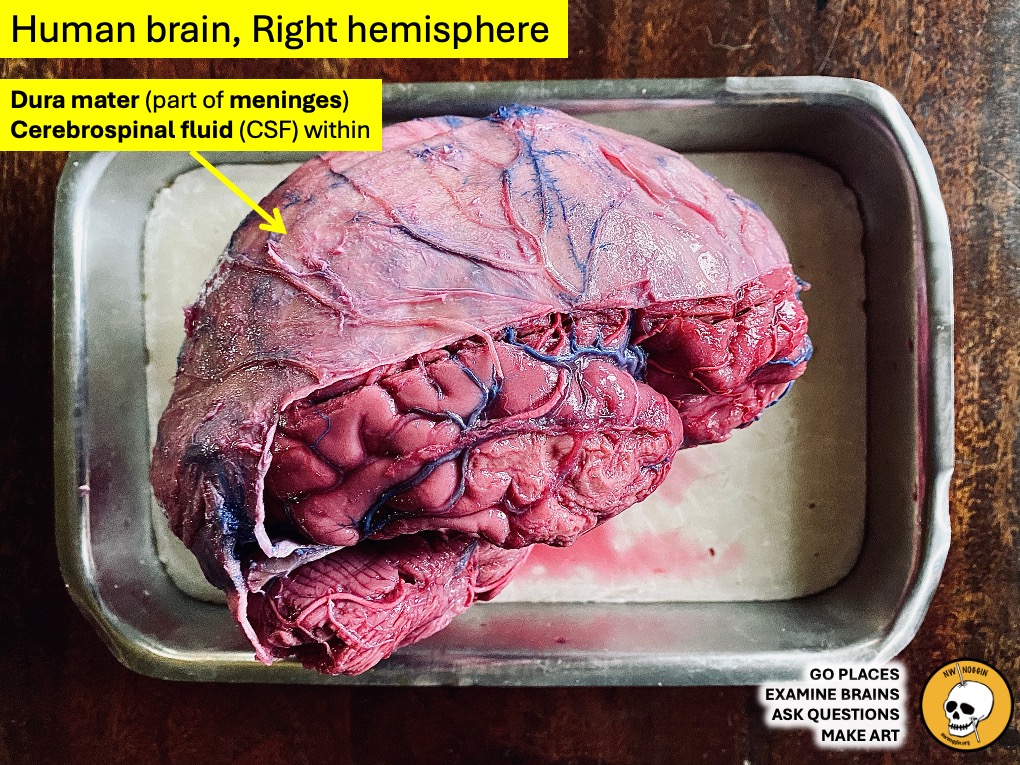
Equally important is the manner in which these cases were documented. The physicians emphasized direct physical examination through observation, palpation, and symptom analysis rather than relying solely on “spiritual” interpretation.
This methodological approach represented a significant intellectual development because it suggested that injuries affecting movement, speech, sensation, or consciousness could be systematically studied through the body itself. In many ways, the Edwin Smith Papyrus reflects one of humanity’s earliest surviving examples of empirical neurological medicine.
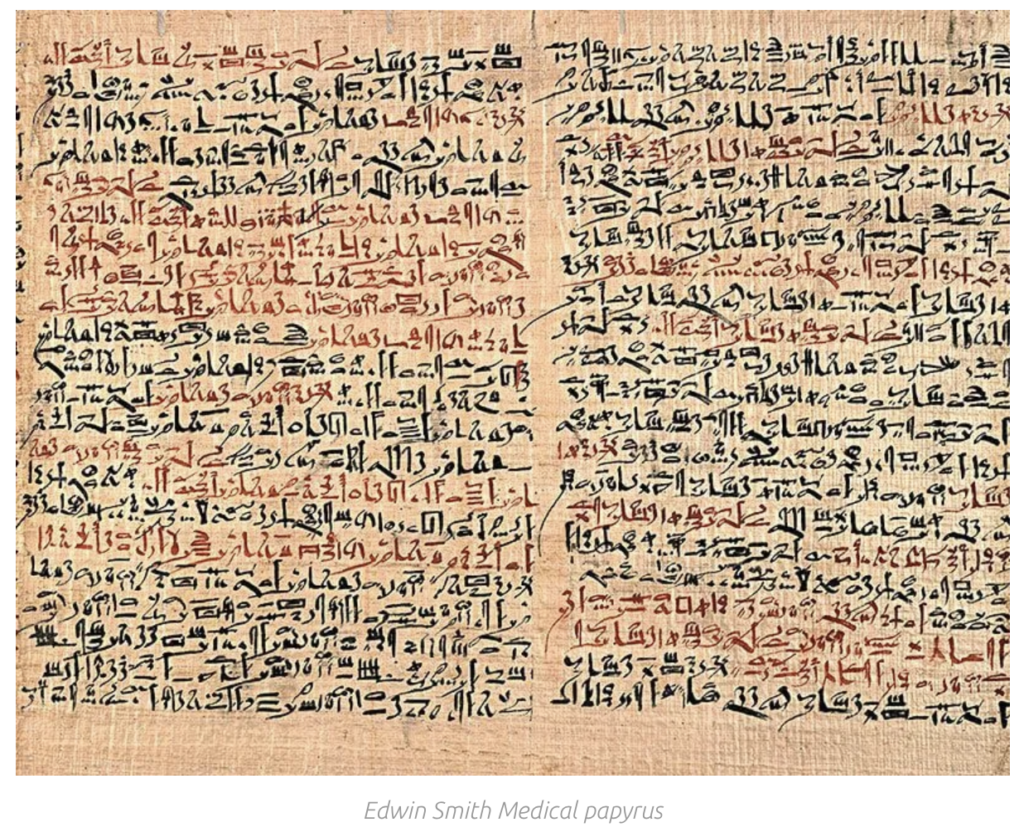
IMAGE SOURCE: Edwin Smith Medical papyrus
LEARN MORE: The Edwin Smith Surgical Papyrus
LEARN MORE: The Edwin Smith Papyrus: Updated Translation of the Trauma Treatise and Modern Medical Commentaries
LEARN MORE: The Edwin Smith Papyrus: A Clinical Reappraisal of the Oldest Known Document on Spinal Injuries
LEARN MORE: Spinal Cord Injury—Past, Present, and Future
LEARN MORE: Decision-making in head injury management in the Edwin Smith Papyrus
Cranial surgery: Different tools, similar question
Modern neurosurgery now relies upon anesthesia, sterile technique, and neuroimaging, yet both ancient approaches and contemporary cranial surgery ultimately reflect the same fundamental medical question: how can physicians intervene when the injury occurs within the skull itself?
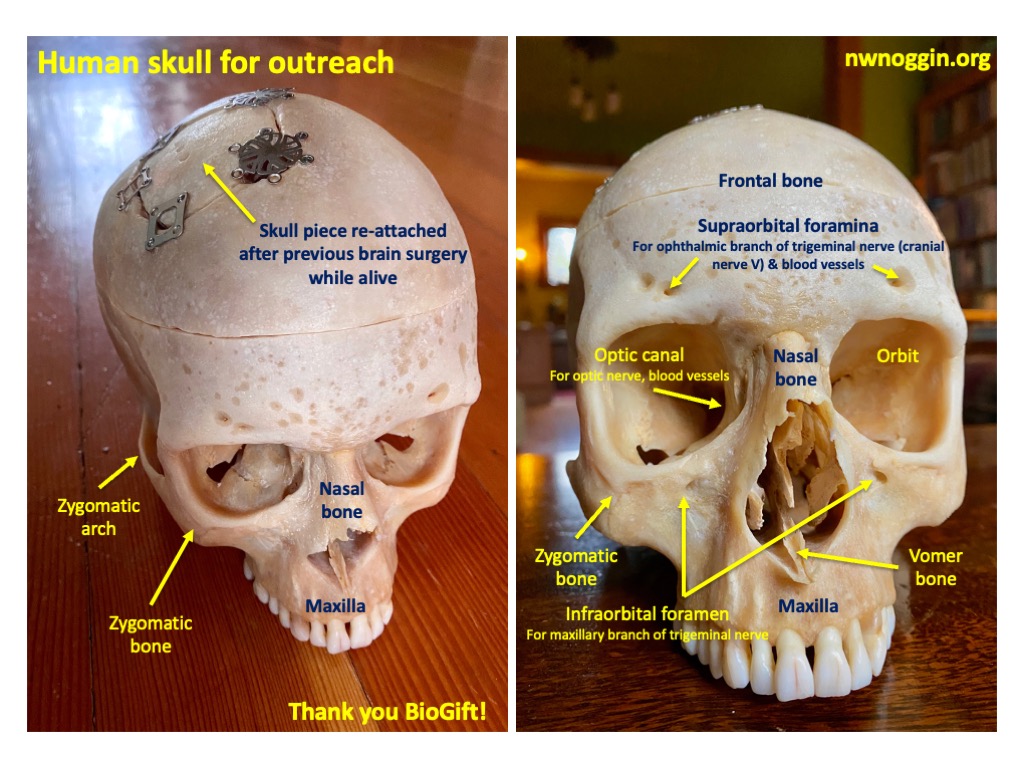
The ancient world practiced forms of cranial surgery known as trepanation, a procedure involving drilling, scraping, or cutting openings into the skull. Archaeological evidence suggests that trepanation existed in multiple ancient societies, including regions connected to the broader Middle East and North Africa. What makes trepanation particularly remarkable is the evidence of survival observed in many excavated skulls.
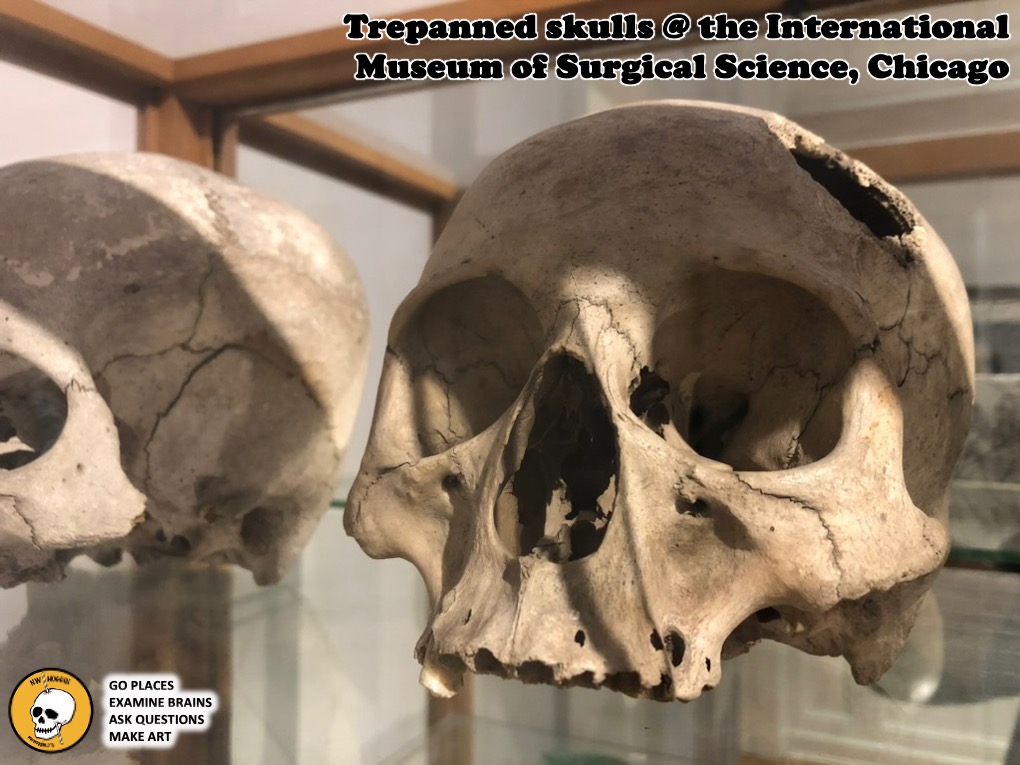
Signs of bone healing around the openings indicate that some individuals survived long after the procedure, suggesting unexpectedly advanced surgical skill and postoperative care. Even when intertwined with spiritual or ritualistic beliefs, trepanation still reflects an emerging recognition that disorders involving consciousness, sensation, pain, or behavior were connected to the head itself. In this sense, ancient cranial surgery represents one of the earliest intersections between medicine, trauma care, and humanity’s developing understanding of the nervous system.
LEARN MORE: Ancient Legacy of Cranial Surgery
LEARN MORE: The mystery of prehistoric trepanations: Is neurosurgery the world eldest profession?
LEARN MORE: Cranial Surgery in Antiquity: The Size of Trepanations During the Neolithic Period
LEARN MORE: The Air of History Early Medicine to Galen (Part I)
Ancient Mesopotamia
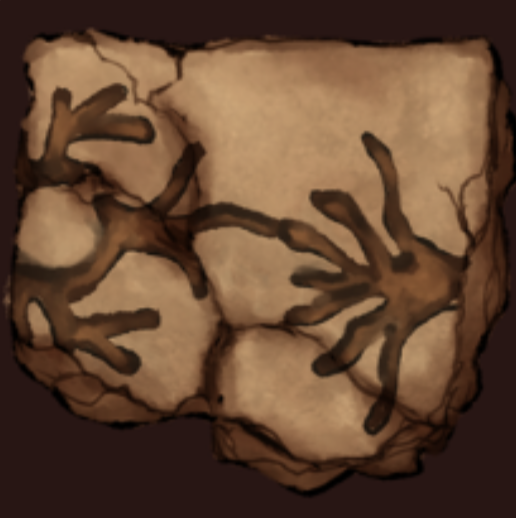
If ancient Egypt helps us discover early neuroanatomical observation, Mesopotamia helps us see the early roots of neurological diagnosis.
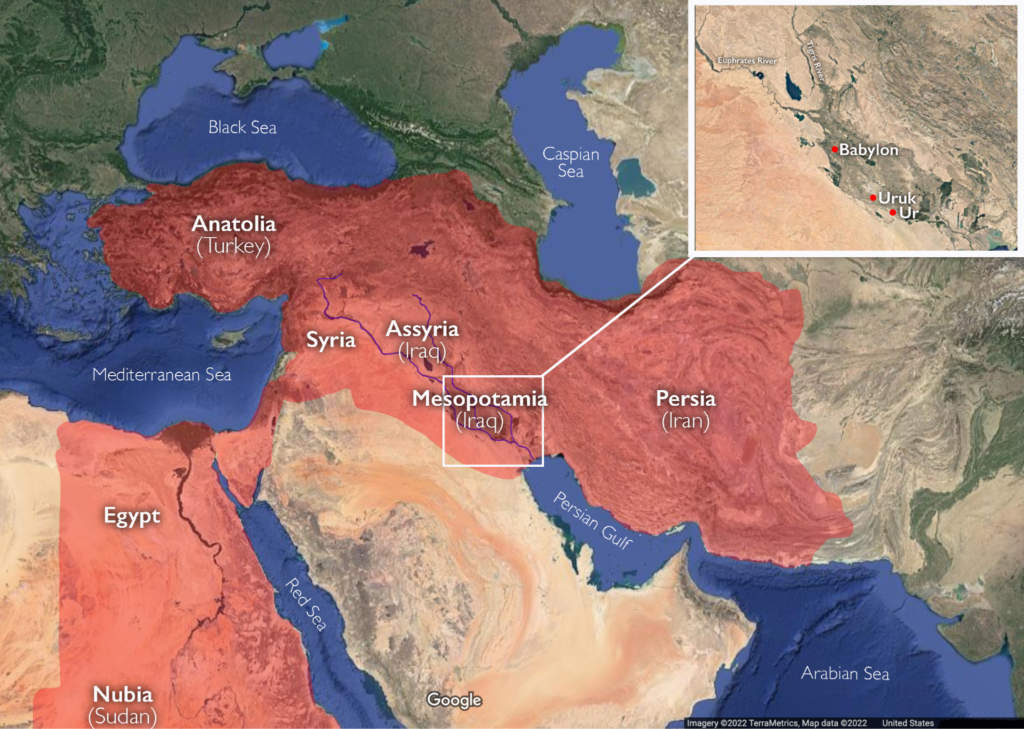
IMAGE SOURCE: Ancient West Asia: cradle of civilization
The origins of neurological diagnostics can be traced back to Mesopotamian civilizations, where they developed highly organized systems of diagnosis and symptom classification. Babylonian and Assyrian physicians have documented conditions resembling epilepsy, paralysis, stroke, psychosis, and altered states of consciousness through cuneiform medical texts.

LEARN MORE: The History of Epilepsy: From Ancient Mystery to Modern Misconception
LEARN MORE: Translation and Analysis of a Cuneiform Text Forming Part of a Babylonian Treatise on Epilepsy
LEARN MORE: Stroke in Ancient Mesopotamia
LEARN MORE: Epilepsy in Babylonia
One of the most significant examples of this tradition is the Diagnostic Handbook of Esagil-kin-apli, compiled around 1069 BCE. This text organized illnesses according to recognizable symptom patterns, behavioral manifestations, and prognostic expectations, making it one of the earliest known diagnostic manuals in human history.
The handbook reflected an increasingly sophisticated attempt to distinguish illnesses based upon observable physical and behavioral signs rather than viewing all disease as entirely unpredictable or mystical in nature. Physicians categorized symptoms, monitored disease progression, and attempted to predict outcomes based on prior cases and recognizable patterns. In many ways, this represented an early precursor to clinical neurology, where diagnosis depends heavily upon identifying consistent symptom presentations associated with specific neurological conditions.
Among the conditions receiving particular attention within Mesopotamian medicine was epilepsy. Seizures occupied a uniquely important place because they appeared deeply connected to consciousness, behavior, bodily control, and sudden alterations in awareness. To ancient observers, epilepsy could appear both physically dramatic and psychologically mysterious, making it one of the earliest neurological disorders to receive extensive documentation.
Mesopotamian physicians carefully described seizure activity, including convulsions, muscle rigidity, collapse, involuntary movements, vocalizations, altered awareness, confusion, and recurrence patterns. Some descriptions even appear to distinguish between different seizure presentations, suggesting an early recognition that epilepsy was not a single uniform condition but rather a collection of related neurological phenomena. Physicians also documented post-seizure confusion and behavioral changes, demonstrating attention to both the immediate and lingering effects of altered brain states.
LEARN MORE: Rare, But Not Invisible
LEARN MORE: Historical documents on epilepsy: From antiquity through the 20th century
In many ways, Mesopotamian medicine established some of the earliest conceptual foundations for neurological diagnosis. Modern neurology still relies heavily upon observing behavioral changes, motor dysfunction, altered awareness, speech disturbances, and sensory abnormalities in order to identify disorders of the nervous system. Although separated by thousands of years and vastly different scientific frameworks, Mesopotamian physicians were already engaging in one of the most fundamental practices of neuroscience: carefully observing how changes within the body alter consciousness and behavior.
The significance of Mesopotamian medicine, therefore, extends beyond simple historical curiosity. These early diagnostic traditions demonstrate that humanity’s effort to systematically understand disorders of the brain and nervous system began far earlier than is often acknowledged. Even within societies deeply shaped by spiritual cosmologies, ancient physicians were laying the groundwork for clinical observation, neurological categorization, and the eventual emergence of neuroscience itself.

LEARN MORE: Ancient surgeons: A characterization of Mesopotamian surgical practices
LEARN MORE: Threads for Esagil-kīn-apli. The Medical Diagnostic-Prognostic Series in Middle Babylonian Nippur
LEARN MORE: Medicine And Medical Education In Ancient Mesopotamian Civilizations
LEARN MORE: Introduction to Mesopotamian medicine
Islamic Golden Age
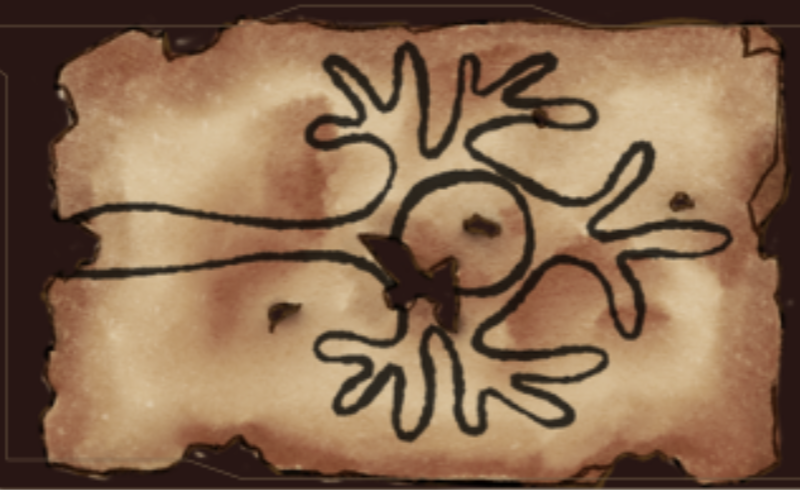
The Islamic Golden Age, spanning approximately from the eighth through the fourteenth centuries, transformed medicine and scientific inquiry throughout the Middle East and established one of the most intellectually vibrant scientific environments in human history.
LEARN MORE: The Islamic Golden Age: A Story of the Triumph of the Islamic Civilization
During this period, cities such as Baghdad, Damascus, Cairo, Córdoba, and Samarkand became major centers of scholarship where physicians, philosophers, mathematicians, and scientists worked across disciplines through interdisciplinary means, blending the different fields through Scientific inquiry that allows scholars to approach questions regarding consciousness, sensation, emotions, cognition, and diseases from multiple perspectives simultaneously.
At the center of this intellectual flourishing stood the House of Wisdom in Baghdad, founded during the Abbasid Caliphate. The House of Wisdom functioned as a research institute where scholars translated works from Greek, Persian, Indian, Egyptian, and Mesopotamian traditions into Arabic. Vast amounts of scientific and philosophical knowledge were preserved that may have otherwise been lost during periods of political upheaval in Europe and the Mediterranean.
The Islamic Golden Age should not be remembered as a passive bridge between Greece and Europe.
Scholars of the Islamic Golden Age did far more than merely preserve earlier knowledge. Islamic scholars would often refine, critique, and also expanded on earlier medical theories through direct observation and experimentation. Medicine increasingly shifted toward systematic clinical practice while shifting away from purely philosophical speculation toward structured investigation grounded in patient observation, prognosis, and empirical reasoning.
“The doctor’s aim is to do good, even to our enemies, so much more to our friends, and my profession forbids us to do harm to our kindred, as it is instituted for the benefit and welfare of the human race, and God imposed on physicians the oath not to compose mortiferous remedies.” – Al-Razi
Among the most influential physicians of this era was Al-Razi, known in Europe as Rhazes.
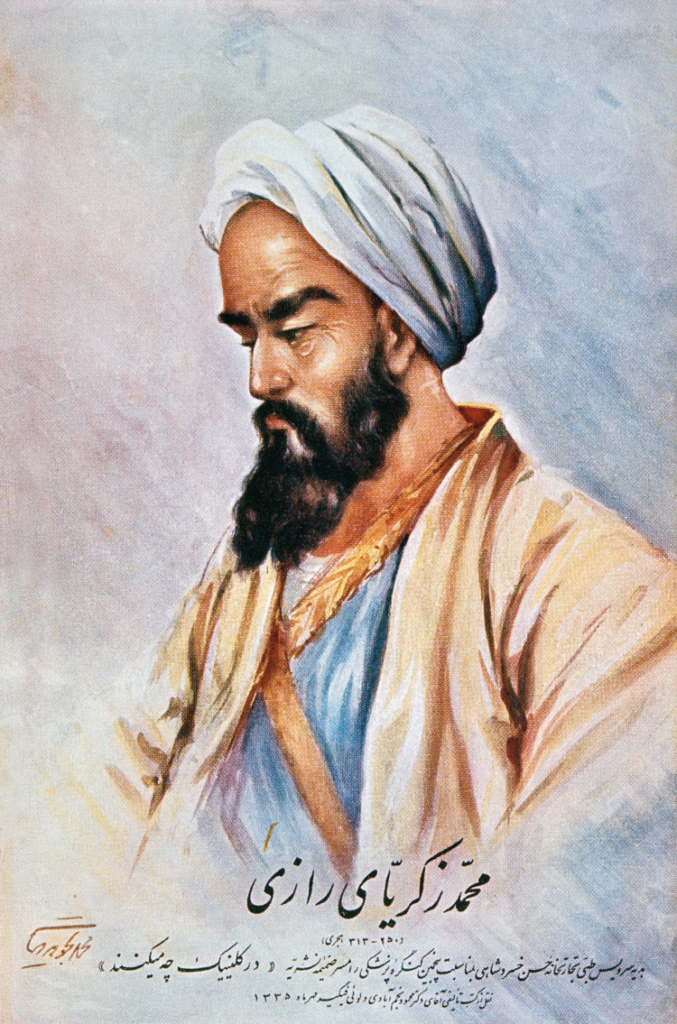
IMAGE SOURCE: Abu Bakr Muhammad Ibn Zakariya Al Razi (Rhazes): Philosopher, Physician and Alchemist
Al-Razi emphasized evidence-based medicine and direct clinical observation centuries before such approaches became central to modern scientific methodology. Al-Razi rejected blind adherence to earlier authorities and argued that physicians should prioritize careful observation of patients and clinical outcomes.
Al-Razi documented numerous neurological and psychological conditions, including paralysis, sensory dysfunction, cranial trauma, cognitive impairment, and mood disturbances. Importantly, he attempted to distinguish neurological disorders from psychiatric illnesses at a time when many societies continued interpreting such conditions primarily through supernatural or spiritual frameworks. His writings reflect an increasingly medicalized understanding of disorders affecting cognition and behavior.
Al-Razi’s most important medical work, Kitab Al-Hawi, known in Europe as Liber Continens, was a massive medical encyclopedia that combined earlier Greek and Roman medicine with his own clinical observations, case histories, and treatment methods to document illness, teach students, compare treatments, and connect symptoms with physical causes.
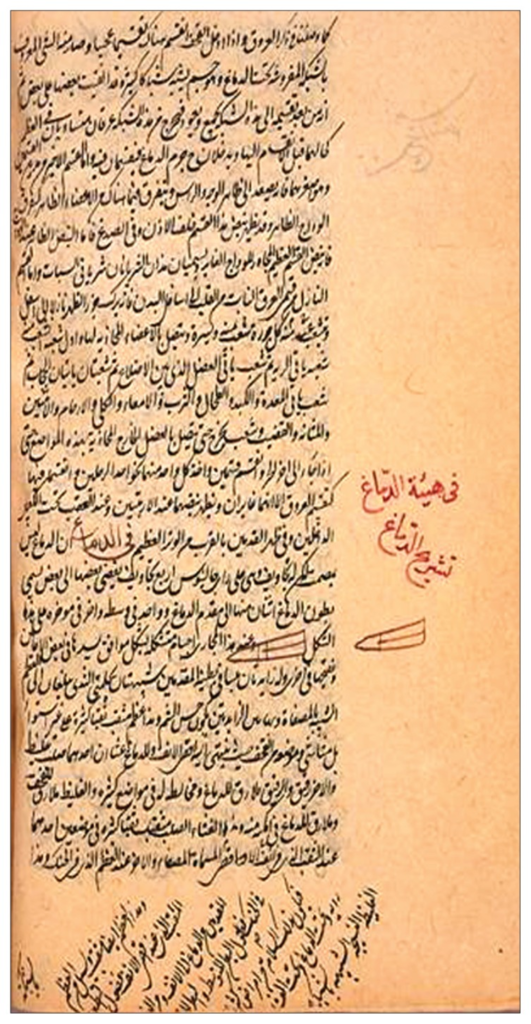
IMAGE SOURCE: Abu Bakr Muhammad Ibn Zakariya Al Razi (Rhazes): Philosopher, Physician and Alchemist
Al-Razi made important contributions to neurology and neuroanatomy. He described nerves as having either motor or sensory functions and discussed seven cranial nerves and thirty-one spinal nerves. He also classified spinal nerves into cervical, thoracic, lumbar, sacral, and coccygeal groups.
In his clinical reports, he demonstrated an impressive ability to connect the location of a lesion in the nervous system with the symptoms a patient experienced. Developing an early form of applied neuroanatomy, using clinical signs to reason about where damage may have occurred in the body. His work also included descriptions of neurological conditions such as paralysis, sensory dysfunction, numbness, cranial trauma, headache, epilepsy, and cognitive impairment. He is credited with clearly distinguishing concussion from other neurological conditions.
Al-Razi was also significant in the history of mental healthcare. While serving as director of the main hospital in Baghdad, he established a special section for patients experiencing mental illness. He treated patients with respect, care, and empathy, and some accounts describe patients receiving money after discharge to help support their immediate needs. This represents one of the earliest recorded examples of psychiatric aftercare.
LEARN MORE: Razi: Critical Thinker, and Pioneer of Infectious Disease and Ophthalmology
LEARN MORE: A Trio of Exemplars of Medieval Islamic Medicine: Al-Razi, Avicenna, and Ibn Al-Nafis
LEARN MORE: Qualifying and quantifying medical uncertainty in 10th-century Baghdad: Abu Bakr al-Razi
LEARN MORE: Development of Obstetric Practice During the Early Islamic Era
LEARN MORE: Rhazes: His career and his writings
LEARN MORE: Abu Bakr al-Razi
LEARN MORE: Bayt al-Hikmah: House of Wisdom
LEARN MORE: Islamic Medical Manuscripts: Medieval Islam
LEARN MORE: Al-Razi and Islamic Medicine in the 9th Century
LEARN MORE: Abu Bakr Muhammad Ibn Zakariya Al-Razi (Rhazes) (865–925)
LEARN MORE:Abu Bakr Muhammad Ibn Zakariya Al Razi (Rhazes): Philosopher, Physician and Alchemist
“Absence of understanding does not warrant absence of existence” – Ibn Sina
Ibn Sina is another important figure in the history of neuroscience, whose work, The Canon of Medicine, shaped medicine across both the Islamic world and Europe for centuries. Ibn Sina strongly argued that the brain, rather than the heart, functioned as the central organ responsible for cognition, sensation, emotion, and voluntary movement.
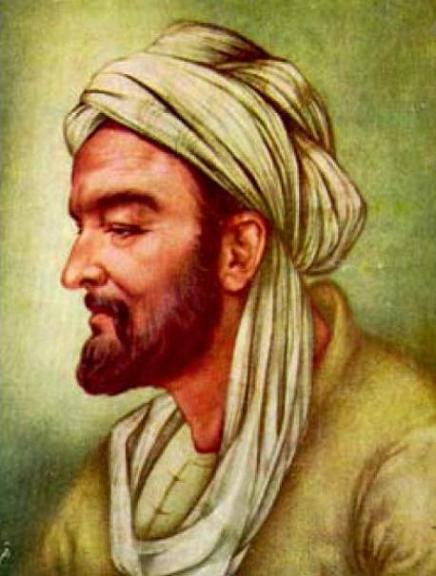
IMAGE SOURCE: Ibn Sina’s The Canon of Medicine
This represented a profound conceptual shift away from earlier heart-centered theories inherited from portions of Greek and ancient medical traditions. He described epilepsy, stroke, vertigo, paralysis, tremors, traumatic brain injury, meningitis, and mood disorders with impressive clinical detail.
LEARN MORE: Brain beats heart: a cross-cultural reflection
Particularly significant were Ibn Sina’s theories regarding cognition and mental faculties. He proposed that different psychological processes, such as memory, imagination, reasoning, perception, and emotional interpretation, corresponded to distinct internal faculties associated with the brain. Although framed philosophically rather than neurologically, these theories resembled early forms of functional localization, the idea that different brain regions or systems specialize in different cognitive functions.
LEARN MORE: Localization of Brain Function
His discussions of memory, imagination, perception, and sensory integration anticipated later conversations within cognitive neuroscience regarding distributed information processing and specialized neural systems. Ibn Sina also explored how emotional states could influence physical health, an idea that aligns surprisingly well with modern understandings of neuropsychiatry, psychosomatic medicine, and stress physiology.
Ibn Sina’s framework was not neuroscience in the modern laboratory sense, but it moved medicine closer to a brain-centered model of cognition, sensation, memory, and voluntary action.
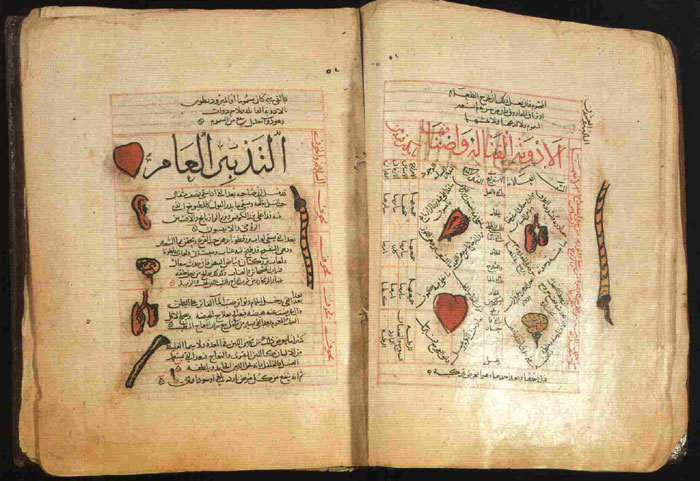
IMAGE SOURCE: Ibn Sina’s The Canon of Medicine
LEARN MORE: The Canon of Medicine
LEARN MORE: Ibn Sina’s Canon of Medicine: 11th century rules for assessing the effects of drugs
LEARN MORE: Avicenna and clinical experiences in Canon of Medicine
LEARN MORE: Ibn Sina (Avicenna): The Prince of Physicians
LEARN MORE: The Place of Avicenna in the History of Medicine
“If learning the truth is a scientist’s goal, then he must make himself the enemy of all that he reads” – Ibn al-Haytham
The Islamic Golden Age also transformed humanity’s understanding of sensation and visual perception through the groundbreaking work of Ibn al-Haytham, often regarded as one of the founders of the scientific method.
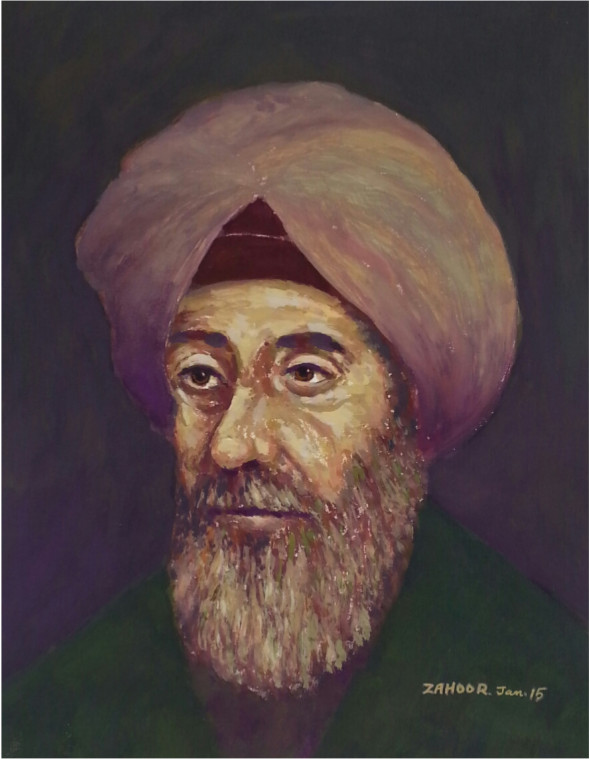
IMAGE SOURCE: Ibn Al Haytham Optics II – Life and Achievements
In his Book of Optics, Ibn al-Haytham challenged earlier Greek theories that suggested vision occurred because rays emanated outward from the eyes. Through experimentation involving mirrors, lenses, light refraction, and camera obscura principles, he demonstrated that vision occurred when light entered the eyes from external objects before being processed internally.
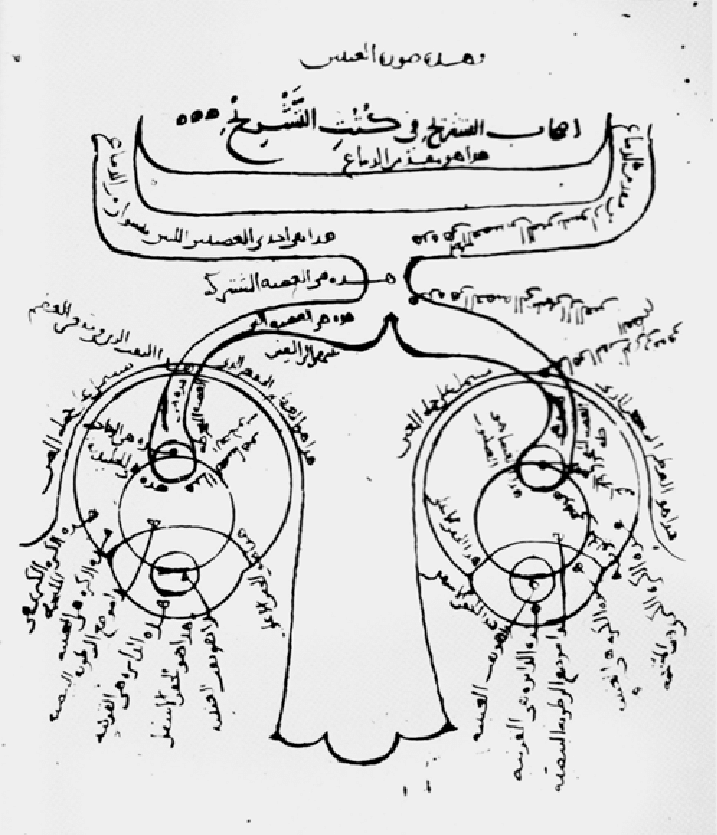
Diagram of the human visual system
IMAGE SOURCE: Ibn al-Haytham and the origins of modern image analysis
More importantly, Ibn al-Haytham’s work was revolutionary not only because of his theories of vision, but because of his insistence on experimentation itself. Rather than accepting inherited authority unquestioningly, he emphasized observation, testing, and evidence as necessary parts of scientific inquiry. Ibn al-Haytham argued that visual perception did not occur solely within the eyes themselves, but rather through interpretation within the brain. This distinction represented one of the earliest scientific frameworks connecting sensory input to cognitive processing. In many ways, his work laid conceptual foundations for sensory neuroscience, visual cognition, and the scientific study of perception.
LEARN MORE: Ibn Al-Haytham: father of modern optics
LEARN MORE: Ibn al-Haytham, the Arab who brought Greek optics into focus for Latin Europe
LEARN MORE: Ibn al-Haytham’s ground theory of distance perception
LEARN MORE: Ibn al-Haytham’s scientific method
“The physician should not covet wealth, but serve out of compassion…” – Al-Zahrawi
Neurosurgical advances also emerged during this era through physicians such as Al-Zahrawi, whose surgical encyclopedia Al-Tasrif became one of the most influential surgical texts in medieval medicine.
His encyclopedia described surgical procedures involving skull fractures, cranial trauma, cauterization, spinal injuries, and neurological complications resulting from wounds or accidents. He designed numerous surgical instruments and emphasized careful anatomical knowledge, operative precision, and postoperative care. His work significantly influenced both Islamic and European surgery for centuries.
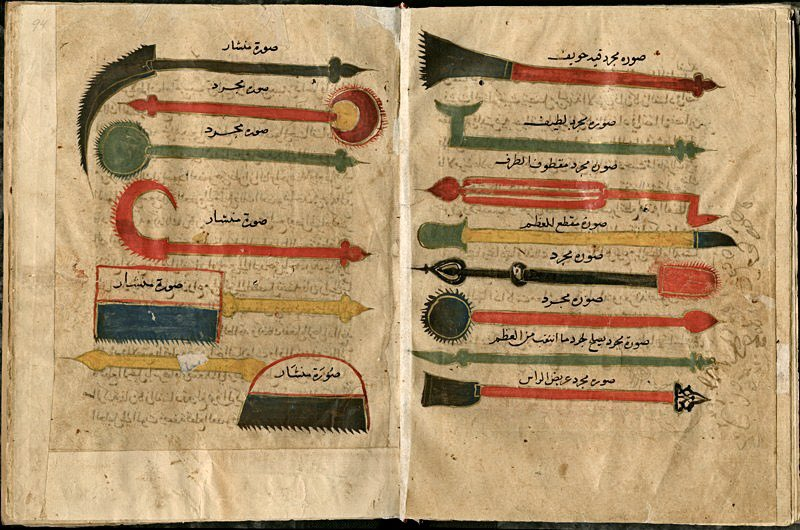
Illustration of Al-Zahrawi’s Surgical Instruments
IMAGE SOURCE: The “Father of Surgery” Abu al-Qasim al-Zahrawi
At the same time, hospitals known as bimaristans became some of the most advanced healthcare institutions in the medieval world. These hospitals included pharmacies, organized wards, medical education systems, and forms of psychological treatment. Some institutions even maintained sections dedicated to mental illness, where patients experiencing melancholia, mania, or emotional distress received structured care.
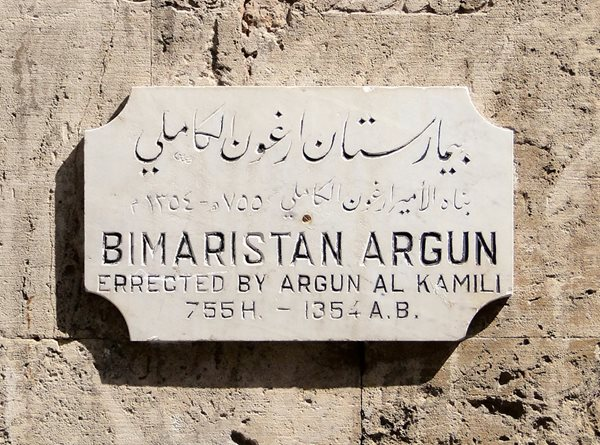
IMAGE SOURCE: The Islamic Roots of the Modern Hospital
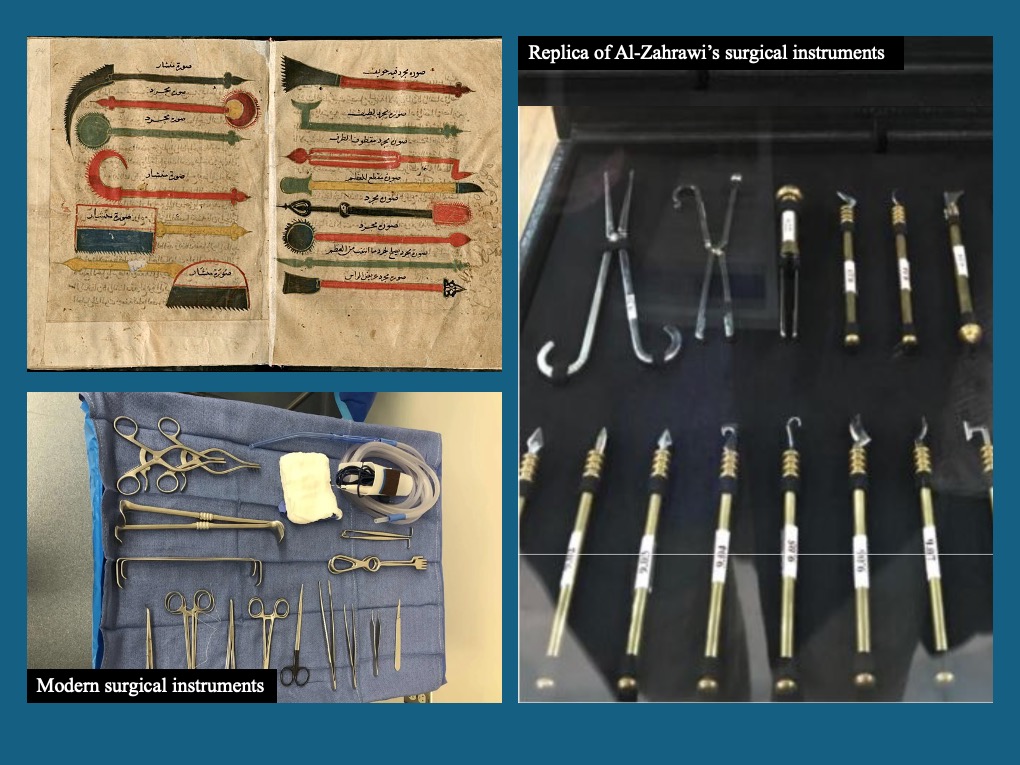
IMAGE SOURCES: Al-Zahrawi replica instruments; Modern surgical instruments
LEARN MORE: Jundi-Shapur, Bimaristans, and the Rise of Academic Medical Centres
LEARN MORE: The Islamic Roots of the Modern Hospital
LEARN MORE: Approaches from the Islamic Golden Age
This holistic integration of medicine, psychology, philosophy, and caregiving became one of the defining characteristics of neuroscience during the Islamic Golden Age. Scholars did not sharply separate the mind from the body or cognition from physiology in the same way many later scientific traditions would. Instead, they approached consciousness, sensation, memory, emotion, and illness as interconnected phenomena requiring interdisciplinary understanding.
LEARN MORE: Abu Al Qasim Al Zahrawi (Albucasis): Pioneer of Modern Surgery
LEARN MORE: El Zahrawi (936–1013 AD), the Father of Operative Surgery
LEARN MORE: Educational Paradigms in Islamic Medical History: A Review
LEARN MORE: The Golden Age of Islamic Medicine: Pioneering Innovations and Enduring Legacies in Global Healthcare
LEARN MORE: Islamic Medicine in the Middle Ages
Modern Neuroscience in the Region
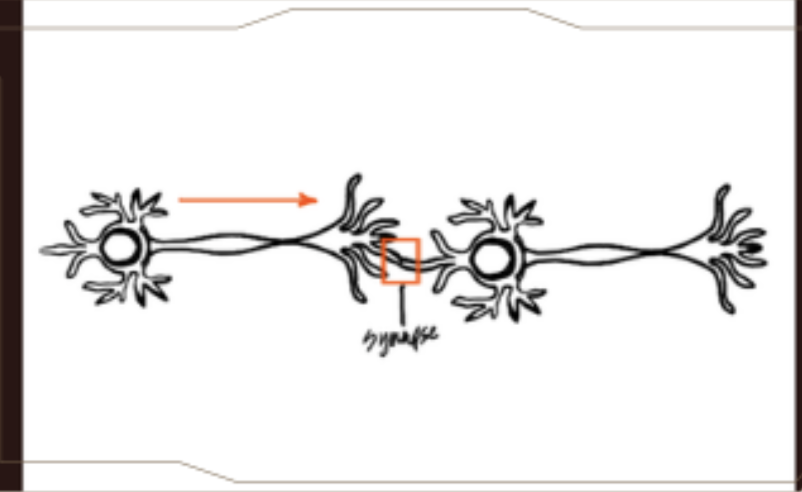
Despite these immense contributions, the history of neuroscience in the Middle East became increasingly marginalized within many Western scientific narratives. Scientific advancement is often remembered through political power, colonial influence, and institutional dominance rather than through equal historical recognition.
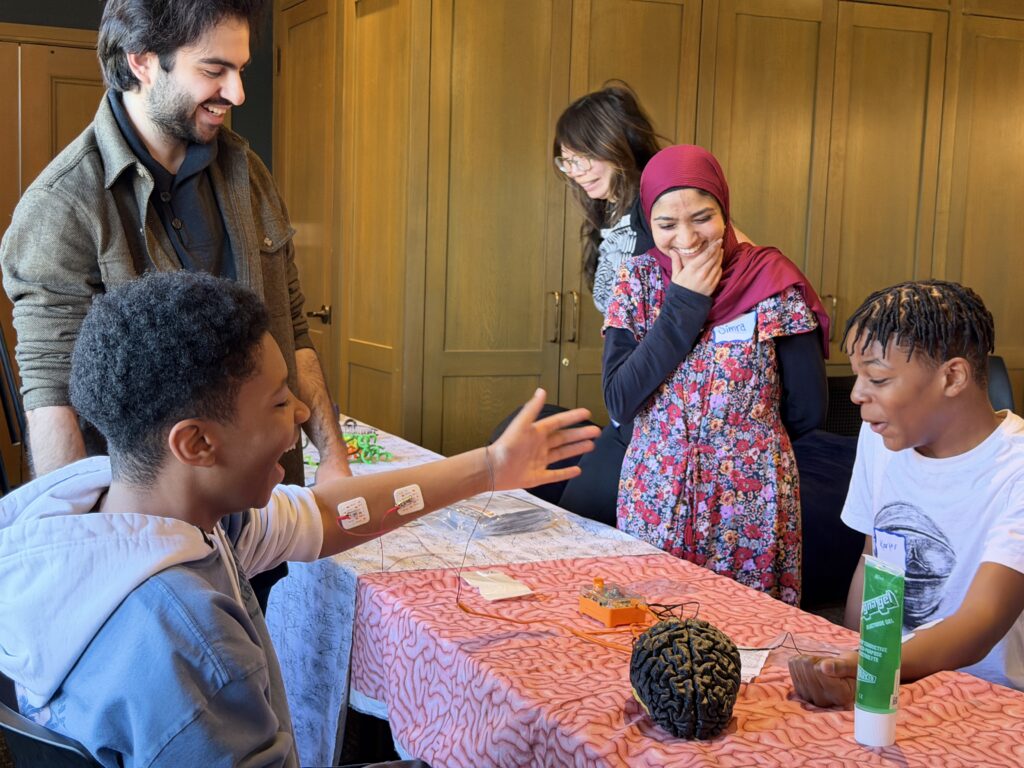
As European empires expanded and scientific institutions became concentrated within the West, the intellectual contributions of Middle Eastern scholars were frequently reduced to the role of “preservers” of knowledge rather than innovators themselves.
A clear example of this can be seen in mathematics, which illustrates how scientific memory can be shaped by naming and power. Concepts often taught as if they emerged from Europe had deeper roots across the ancient and medieval Middle East. The relationship now called the Pythagorean theorem, for example, was known and used well before Pythagoras; Old Babylonian tablets such as Plimpton 322 contain Pythagorean triples more than a thousand years before the Greek tradition associated the theorem with his name. Similarly, the algebraic methods behind solving quadratic equations were systematized by Al-Khwarizmi, whose work on al-jabr helped give us the word “algebra,” yet students today usually learn the result as the impersonal “quadratic formula” rather than through his intellectual legacy. Even the binomial coefficients commonly arranged in “Pascal’s triangle” were studied centuries earlier by Islamic and Chinese mathematicians, including Al-Karaji and Omar Khayyam, before later European naming conventions became dominant. Erasure does not always happen by denying a discovery outright; sometimes it happens more quietly, when the names attached to knowledge obscure the civilizations and scholars who helped build it.
Yet these scientific traditions across the Middle East and North Africa continued to evolve, adapt, and persist through physicians, scholars, researchers, and healthcare workers into modernity. Understanding this continuity is essential for ensuring historical accuracy and continuing the task of decolonizing neuroscience itself.
LEARN MORE: al-Khwārizmī
LEARN MORE: The Plimpton 322 Tablet and the Babylonian Method of Generating Pythagorean Triples
LEARN MORE: Mathematical Treasure: The Rhind and Moscow Mathematical Papyri
The legacy of Middle Eastern neuroscience did not end with the Islamic Golden Age.
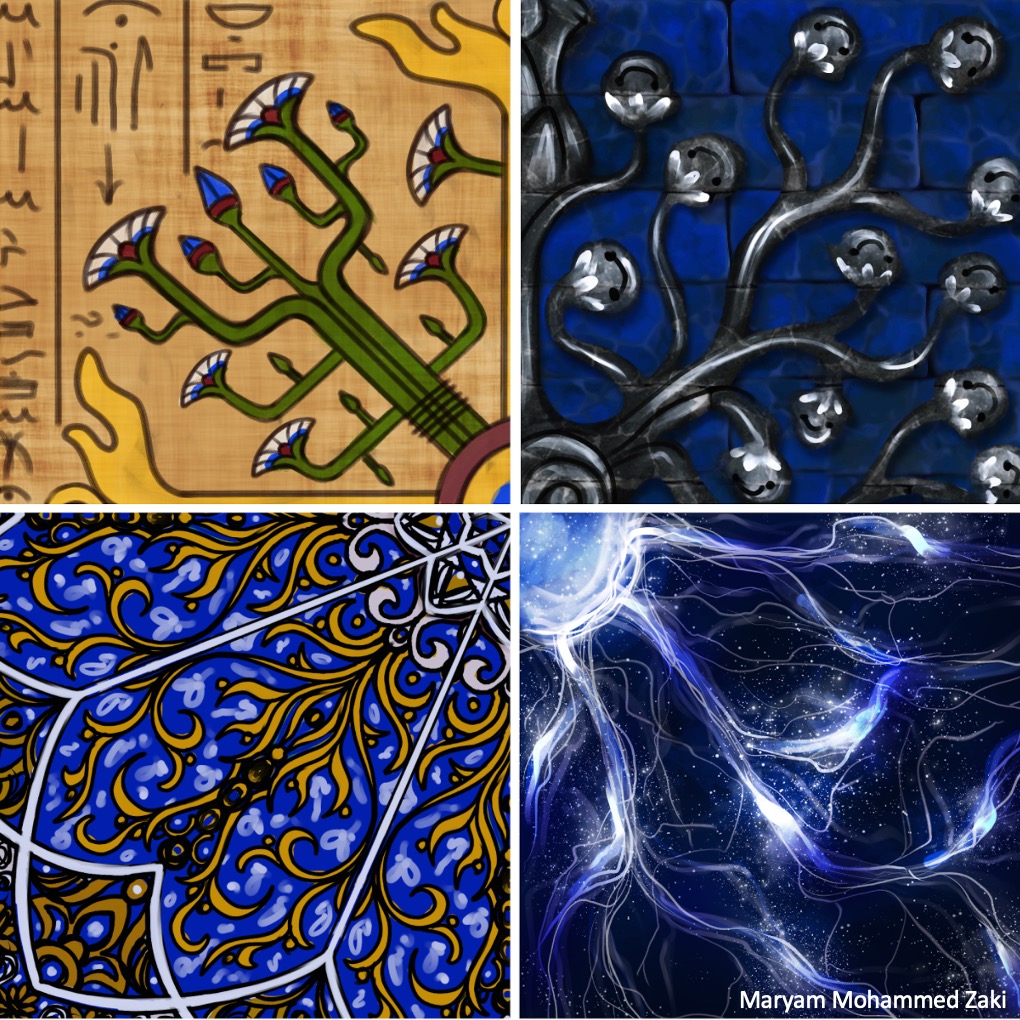
Although modern discussions of the region often begin with conflict, occupation, and instability, this framing risks overlooking the scientists, physicians, psychologists, and researchers who continue to produce knowledge across the Middle East today.
To understand modern neuroscience in the region, we must begin not with damage, but with brilliance: the ongoing intellectual work of people studying the brain under conditions that often make research difficult, underfunded, or politically constrained.
Across the region, researchers continue to work in fields such as neurogenetics, epilepsy, neurodegenerative disease, neurodevelopment, psychiatric neuroscience, computational neuroscience, trauma research, neuroengineering, and cognitive science. This scientific work matters because it challenges the assumption that knowledge primarily flows from Europe or North America outward into the rest of the world. In reality, neuroscience has always been shaped by many intellectual traditions, and the Middle East continues to be a site of scientific production rather than merely a site of scientific extraction.
This point is especially important because discussions of science in the Middle East often become trapped between two incomplete narratives. One narrative remembers the region only through its past, especially through the Islamic Golden Age, as if Middle Eastern scientific brilliance ended centuries ago. Another narrative focuses almost entirely on modern conflict, presenting the region mainly through instability, destruction, and humanitarian need. Both narratives miss the larger truth: the same region that helped shape early medicine, optics, surgery, and theories of cognition continues to produce scientists and clinicians whose work expands modern neuroscience today.
For example, researchers throughout North Africa and the Middle East have contributed to studies of schizophrenia, mood disorders, neurodevelopmental disorders, epilepsy, Alzheimer’s disease, stroke, traumatic brain injury, and the genetic basis of neurological and psychiatric illness. This work is particularly important because much of neuroscience and psychiatric genetics still relies heavily on Western populations, limiting how well scientific conclusions can represent humanity as a whole. Expanding neuroscience research within Middle Eastern populations is therefore not only a regional concern but a global scientific necessity.
This is where the modern Middle East becomes central to decolonizing neuroscience. Decolonization does not simply mean adding Middle Eastern names to a Western timeline. It means challenging the structure of knowledge itself: whose brains are studied, whose suffering is funded, whose data becomes visible, whose institutions receive support, and whose communities are treated as intellectual partners rather than passive research subjects.
This is especially clear in Palestine.
Palestinian scientists, physicians, psychologists, psychiatrists, and healthcare workers continue producing knowledge and providing care despite severe structural barriers. Their work on childhood trauma, PTSD, emotional regulation, chronic stress, and stress-related neuropsychological outcomes demonstrates that Palestinians are not only subjects of trauma research but active contributors to scientific and clinical knowledge.
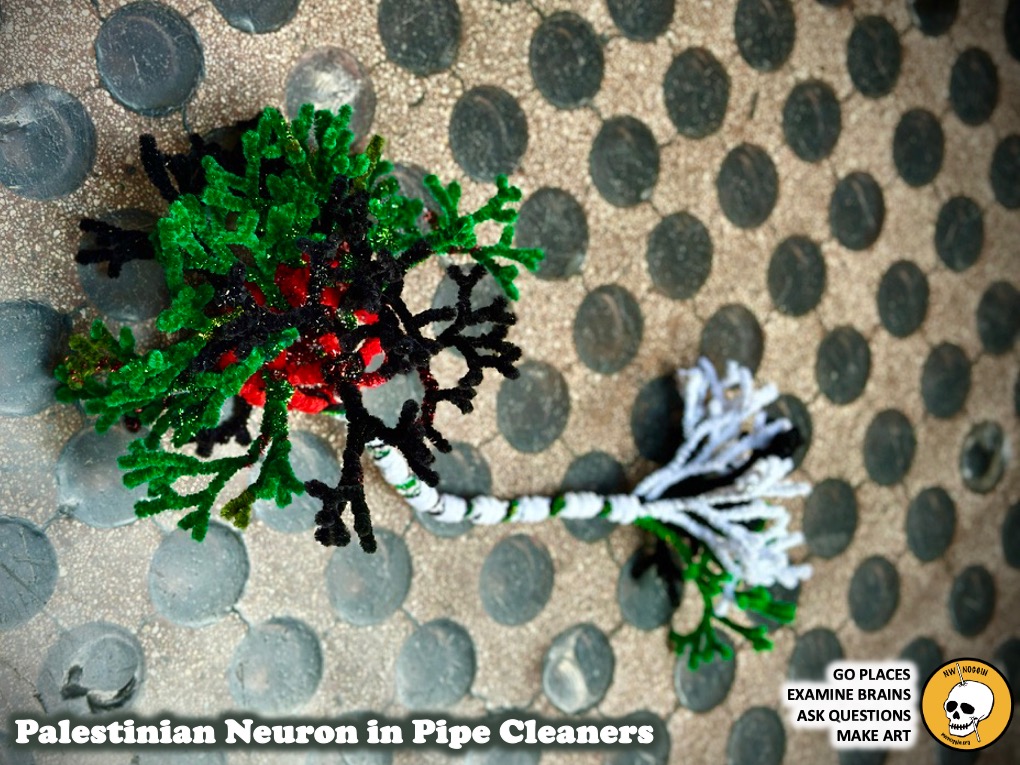
The Palestinian context also reveals how neuroscience intersects directly with occupation, colonialism, and structural violence. Chronic exposure to displacement, restricted movement, military violence, loss, uncertainty, and destruction of infrastructure can shape the nervous system through repeated activation of stress pathways. In children, especially, prolonged activation of the hypothalamic-pituitary-adrenal (HPA) axis may affect emotional regulation, memory processing, fear responses, executive functioning, and neurodevelopment.
But the key point is not only that Palestinian trauma should be studied. The deeper point is that Palestinian scholars, clinicians, and communities must be recognized as knowledge producers in understanding trauma, resilience, and survival.
Iraq offers another important example. Iraqi researchers and physicians continue working within healthcare systems shaped by decades of sanctions, invasion, insurgency, infrastructure collapse, and environmental contamination. Neuroscience research connected to Iraq increasingly involves PTSD, civilian trauma, neurodevelopment, environmental neurotoxicity, traumatic brain injury, and the long-term neurological consequences of war. This matters because Iraqi civilians remain underrepresented in global trauma neuroscience compared with Western military populations, even though Iraqi civilians have endured prolonged exposure to war and displacement. Your draft already identifies this imbalance as a power issue within scientific research.
This imbalance forces an important question: whose trauma becomes scientifically important?
Much of modern trauma neuroscience has historically centered on Western soldiers and veterans, while comparatively less attention has been given to civilians in countries where those wars were fought. Decolonizing trauma neuroscience means expanding the frame beyond military-centered research and asking how war affects children, families, caregivers, refugees, disabled civilians, and communities living with the long-term consequences of violence.
At the same time, it is important not to reduce Palestine, Iraq, or the broader Middle East only to trauma.
Doing so would repeat the very problem decolonial scholarship tries to challenge. The region’s modern neuroscience also includes work in clinical neurology, epilepsy treatment, psychiatric genetics, neurodevelopmental disorders, neurodegenerative disease, stroke rehabilitation, artificial intelligence, brain-computer interfaces, and computational approaches to brain research. The point is not that Middle Eastern neuroscience exists only because of conflict. The point is that scientific brilliance continues despite conflict, and that political violence often suppresses infrastructure without eliminating intellectual creativity.
Imperialism and colonialism not only affect borders, economies, and political systems. They also affect laboratories, hospitals, universities, funding priorities, archives, citation networks, and the kinds of questions that become legitimate within science. When war, sanctions, occupation, or colonial domination weaken scientific institutions, they also shape what research can be done and whose work becomes visible internationally.
A decolonial approach to neuroscience, therefore, asks us to recognize two truths at once. First, Middle Eastern scientists continue to produce important knowledge about the brain, behavior, trauma, development, and disease. Second, the conditions under which many of them work are shaped by global political histories that cannot be separated from science. Recognizing both truths allows us to avoid portraying the region either as a romantic memory of the Islamic Golden Age or as a modern site of suffering without agency.
LEARN MORE: Prevalence of Traumatic Events and PTSD Symptoms Among Secondary School Students in Baghdad
LEARN MORE: Toxicity Studies on Depleted Uranium in Primary Rat Cortical Neurons
LEARN MORE: Posttraumatic Stress Disorder Post-Iraq and Afghanistan
LEARN MORE: Decolonising Global Health Research: Shifting Power for Transformative Change
LEARN MORE: Developing an Agenda for the Decolonization of Global Health
LEARN MORE: Decolonizing Global Health: An Agenda for Research
Modern neuroscience in the Middle East is a story of continuity.
The same region that produced ancient trauma observations, Mesopotamian diagnostic systems, Islamic hospitals, Ibn Sina’s brain-centered medicine, Ibn al-Haytham’s theory of visual perception, and Al-Zahrawi’s surgical innovation continues to contribute to neuroscience today. Its modern scientists and clinicians work under uneven and often difficult conditions, but their work remains part of a much longer intellectual tradition: understanding the brain not only as an organ of cognition, but as an organ shaped by history, environment, violence, care, memory, and survival.