


Post by Emma Marshall, who is majoring in Psychology and minoring in Interdisciplinary Neuroscience at Portland State University. Emma is a Research Assistant in the Healthy Balance Lab at PSU, led by Dr. Jensine Paoletti-Hatcher.
The work that brought me here
One afternoon in my first semester of high school, I walked down to a new taco restaurant and put my name in for a position. Two weeks later, I was the newest host on opening night, and I eventually worked my way from Host to Expo to Server. This restaurant, Mojo Taqueria in Lyons, Colorado, is where I learned most of the customer service and job management skills I still use today.
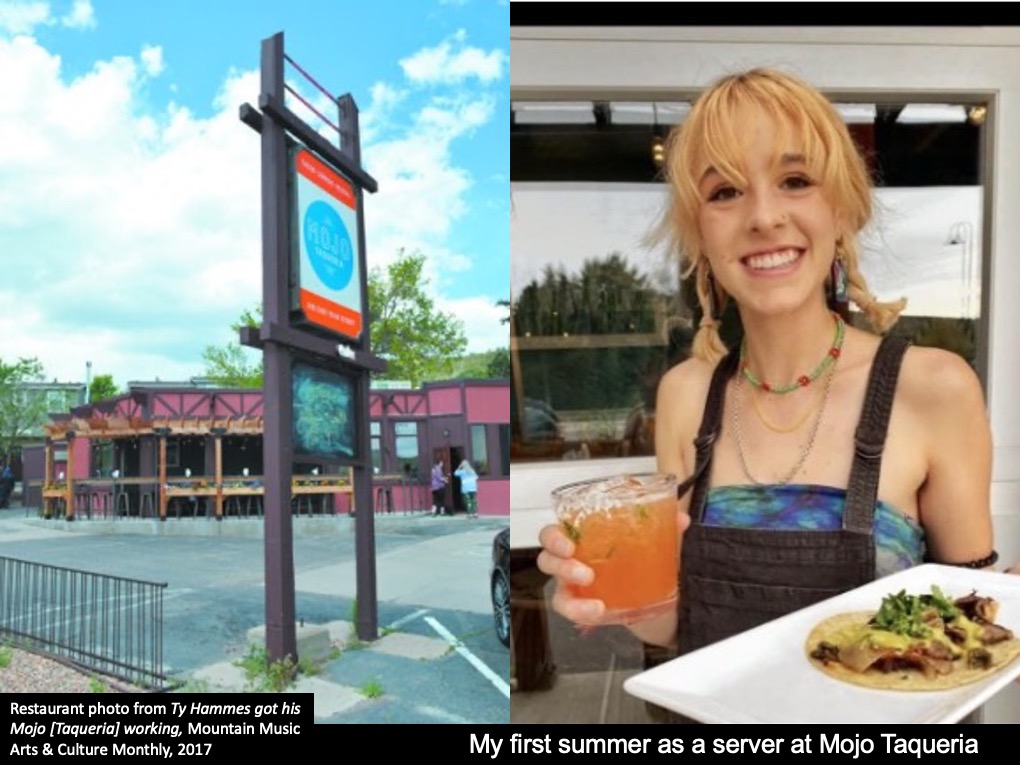
LEARN MORE: Ty Hammes got his Mojo [Taqueria] working
LEARN MORE: What Does an Expo Do in a Restaurant?
The skills and lessons managers, owners, and other knowledgeable servers taught me have shaped who I am in the workforce, from various jobs during and since my time at Mojo Taqueria, and I am very grateful for this experience.
I have also continued to learn and grow through new experiences, expanding my knowledge and abilities. Now I use my service skills each Saturday as a Bridal Stylist, my college job, selling wedding dresses to brides from every walk of life, as well as interacting with participants in the research space. I’ve learned that as I continue to navigate research expectations, even skills that come easily to me, such as picking up the phone or cold calling, can be useful and help build my confidence in this new workplace.
LEARN MORE: How to Become a Bridal Stylist (From Sketches to Sparkles)
Finding a lab is challenging
I began looking for an internship in a research lab in January 2025, but I immediately faced obstacles. Multiple research and internship programs were suddenly defunded, and research as a whole slowed to a pause for many. Studies that continued and summer internship programs funded outside the National Institutes of Health (NIH) became even more competitive than they already were.
LEARN MORE: Cancellation of NIH summer internships disrupts ‘vital’ training program for U.S. scientists
LEARN MORE: Young scientists see career pathways vanish as schools adapt to federal funding cuts
LEARN MORE: What is happening to the US National Institutes of Health?
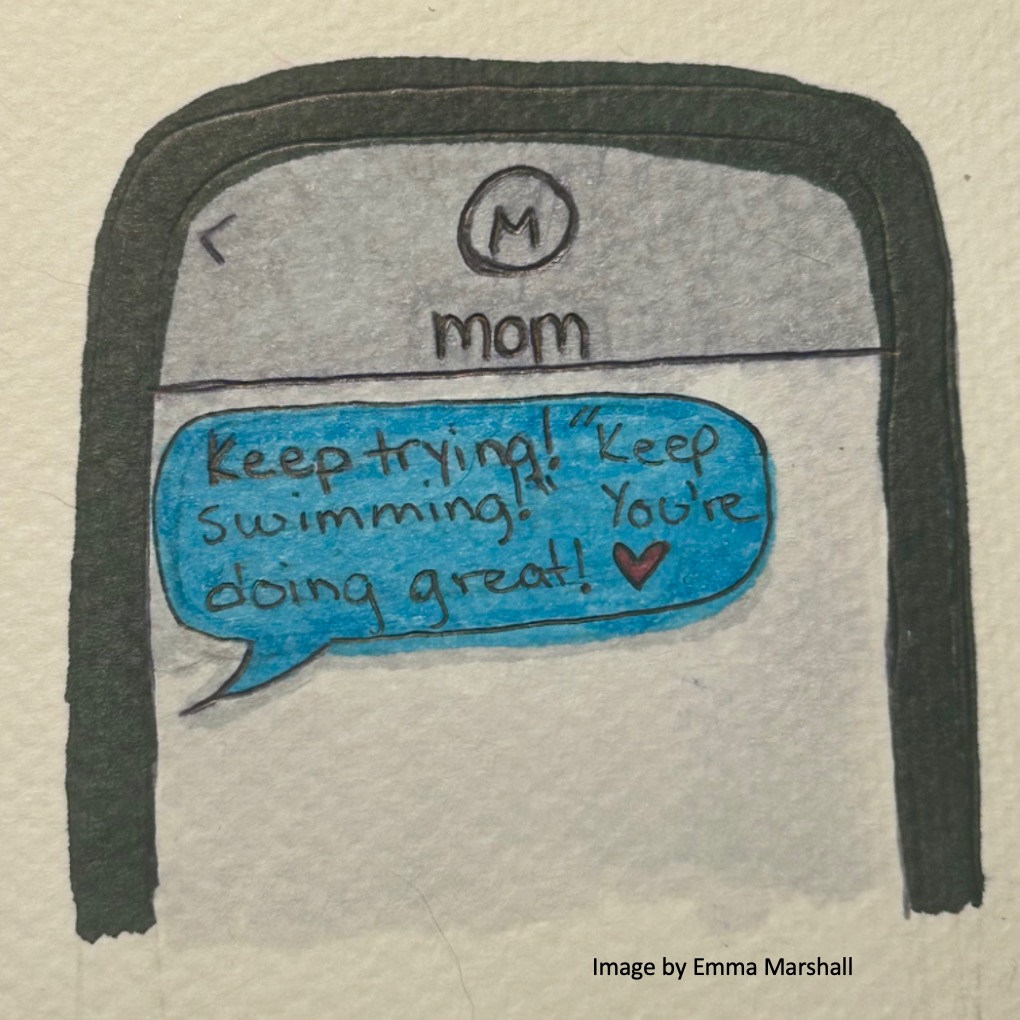
My search was long and incredibly discouraging at times, but as my mom always says (quoting Dory from Finding Nemo), “‘Just keep swimming.’ Keep trying,” and I did, though I grew more and more afraid that I was too unqualified for an available job.
LEARN MORE: Undergrad Research 101: How to Find an Undergraduate Research Opportunity
LEARN MORE: Introduction to the special issue: Resilience and perseverance for human flourishing
LEARN MORE: How the brain decides when to stick at it, give up or try something new
After months of searching, applying, and reaching out to principal investigators, I finally found a place at the Healthy Balance Lab at Portland State University. The ECHO study (Examining Caregivers’ Health and Occupations) examines the combined impact of unpaid dementia caregiving and paid work using psychological measures (e.g., surveys), and also biological measures, including heart rate, chemicals called cytokines involved in inflammation, and the Epstein-Barr virus.
LEARN MORE: Healthy Balance Lab
LEARN MORE: ECHO STUDY – Are you a dementia caregiver?
Biological Measures in the ECHO study
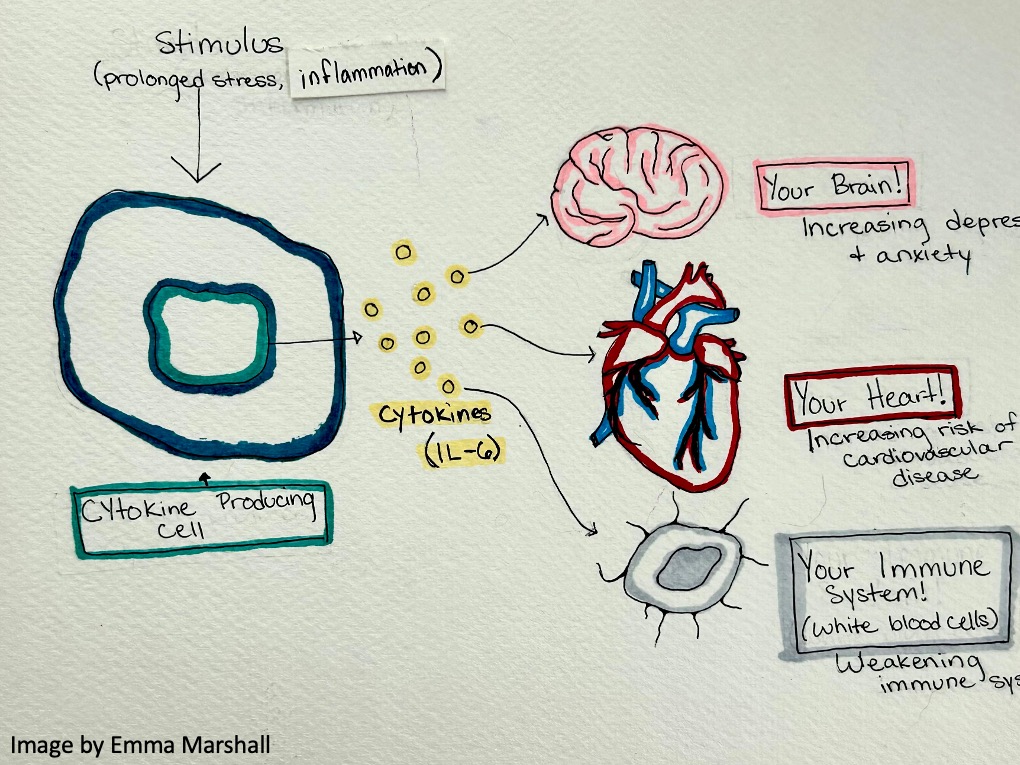
Cytokines are immune system molecules that influence and are influenced by inflammation, which is related to stress. The various cytokines (along with the Epstein-Barr virus) can be measured and recorded from small blood samples and reveal the level of stress in the body.
LEARN MORE: Stress and chronic illness: The inflammatory pathway
LEARN MORE: Cytokines, stress and depressive illness: brain‐immune interactions
LEARN MORE: Epstein-Barr Virus (EBV): Biology and Clinical Disease
LEARN MORE: Linking Stress to Inflammation
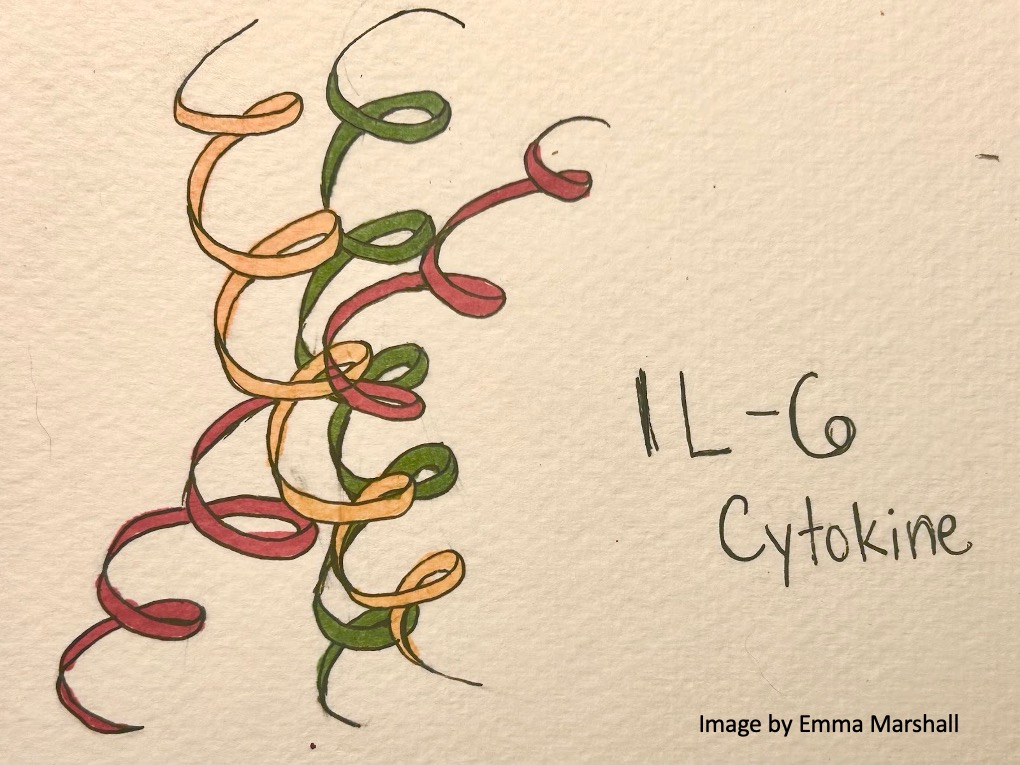
In the ECHO study, the first two cytokines we are looking for in the blood are interleukin-6 (IL-6) and interleukin-10 (IL-10). IL-6 is a pro-inflammatory cytokine that can become more prevalent with prolonged stress.
IL-10, on the other hand, is an anti-inflammatory cytokine that counteracts the effects of pro-inflammatory cytokines. In high levels of long-term stress and depression, the IL-10 levels decrease. With IL-6 increasing and IL-10 decreasing, an individual is at a higher risk of inflammation and lower immune system functioning, along with depression, anxiety, and other adverse health outcomes.
LEARN MORE: Chronic stress and age-related increases in the proinflammatory cytokine IL-6
LEARN MORE: Prolonged Restraint Stress Increases IL-6, Reduces IL-10
Another chemical marker of inflammation we look for in the blood is C-reactive protein.
This protein has been linked to both stress and cardiovascular disease when its levels are increased. This protein also interacts closely with the IL-6 cytokine during periods of elevated stress.
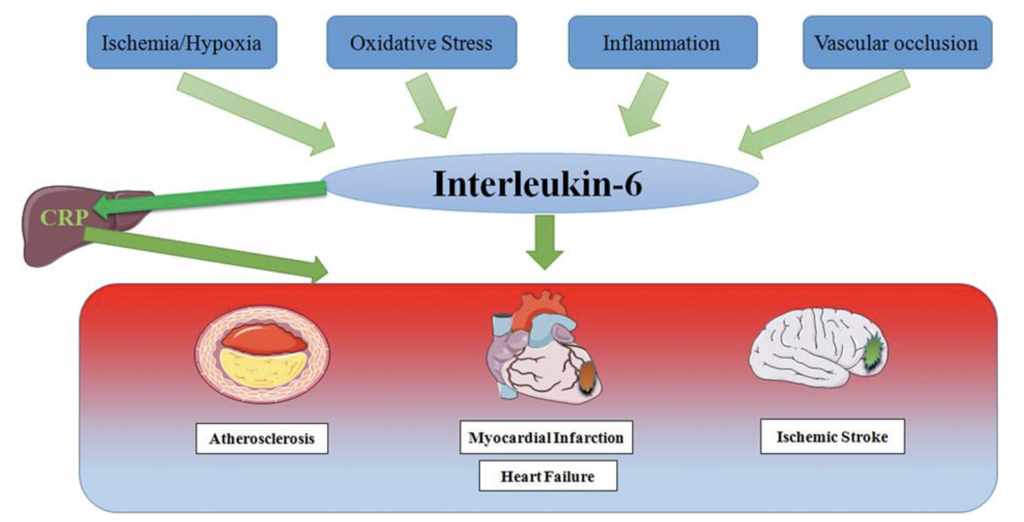
Graphic from Interleukin-6: A Novel Target for Cardio-Cerebrovascular Diseases by Su Jian-Hui et. al. (2021). The diagram shows how inflammation affects IL-6, which interacts with C-reactive protein, and ultimately impacts health and wellness.
We also look at tumor necrosis factor alpha (TNF-α) levels, yet another cytokine involved in inflammation. TNF-α levels increase with rising anxiety and stress, which can further impact other neurotransmitters and cytokines.
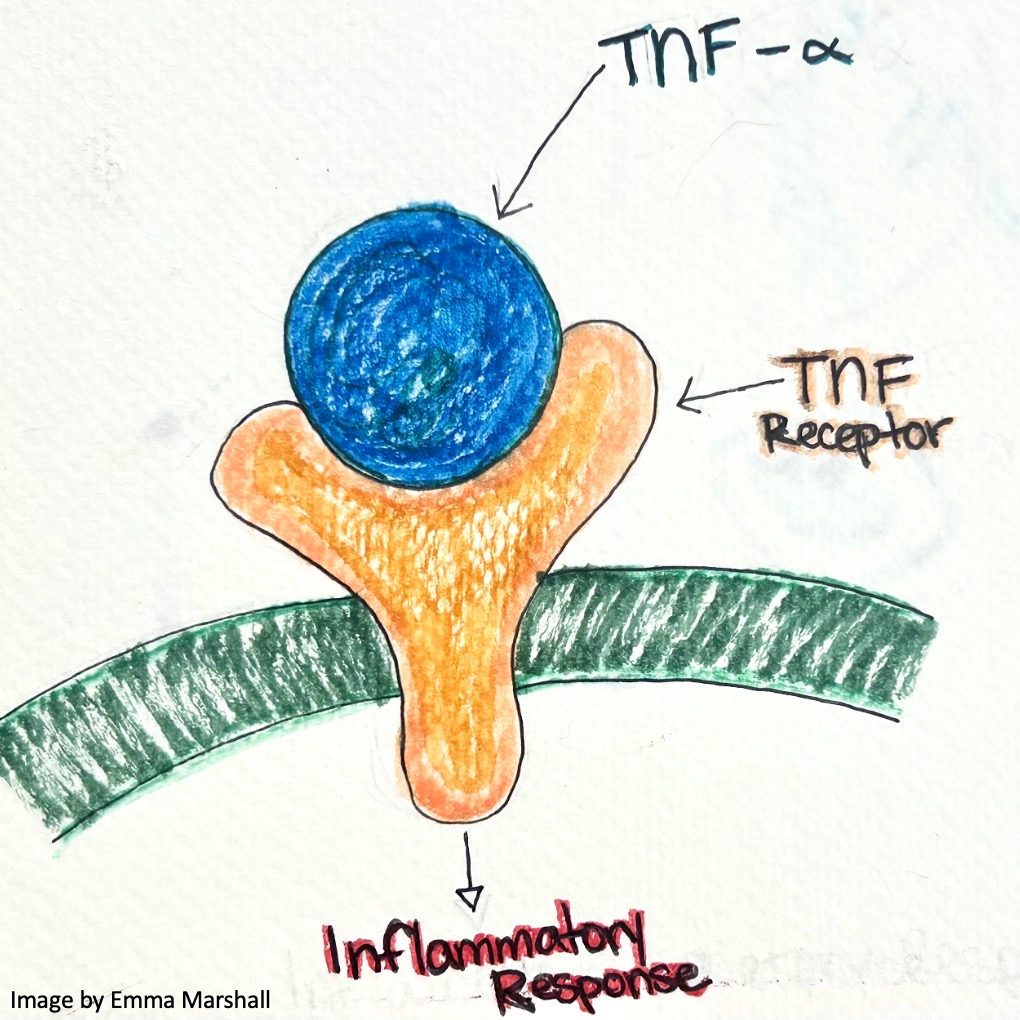
LEARN MORE: Sustained TNF signaling is required for the synaptic and anxiety-like behavioral response to acute stress
Our final biological measure is the Epstein-Barr virus.
This virus is very common and remains dormant in many people throughout their lives, but can be reactivated by chronic psychological stress. When reactivated, we can expect to see higher levels of the virus circulating in the blood.
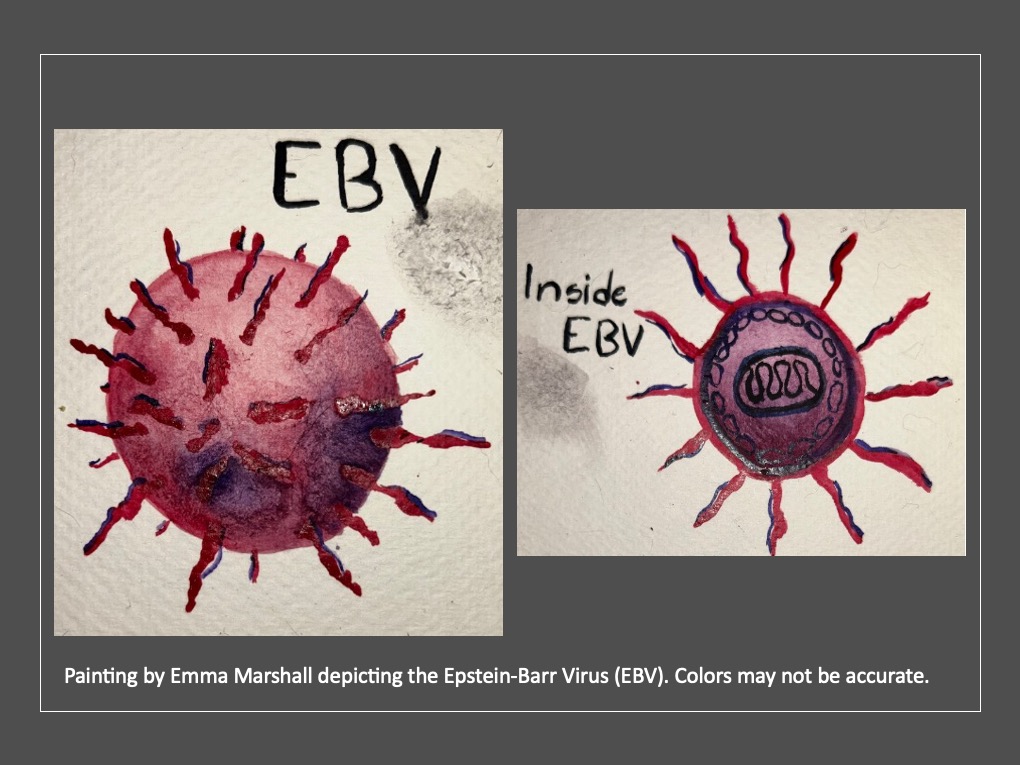
Epstein-Barr virus infection is not only associated with stress, but has been linked to the development of a number of neurological disorders, including Parkinson’s disease, multiple sclerosis, and Alzheimer’s.
LEARN MORE: Stress-Induced Epstein-Barr Virus Reactivation
LEARN MORE: Host control of persistent Epstein–Barr virus infection
LEARN MORE: Epstein–Barr Virus History and Pathogenesis
LEARN MORE: Epstein-Barr Virus and Neurological Diseases
My first lab meeting
I was ecstatic to participate in the lab and learn everything I could from Dr. Paoletti-Hatcher and the other research assistants. I was also incredibly nervous, not knowing what to expect or if I would succeed.
The lab space for the Healthy Balance Lab was immediately inviting, calming my nerves as I joined my first weekly lab meeting and met the other RAs for the first time. Every member of the lab was warm and welcoming, and met me with a smile, easing my initial intimidation as the ‘newbie’. The meeting continued, with discussions of research progress, administrative tasks, and more.
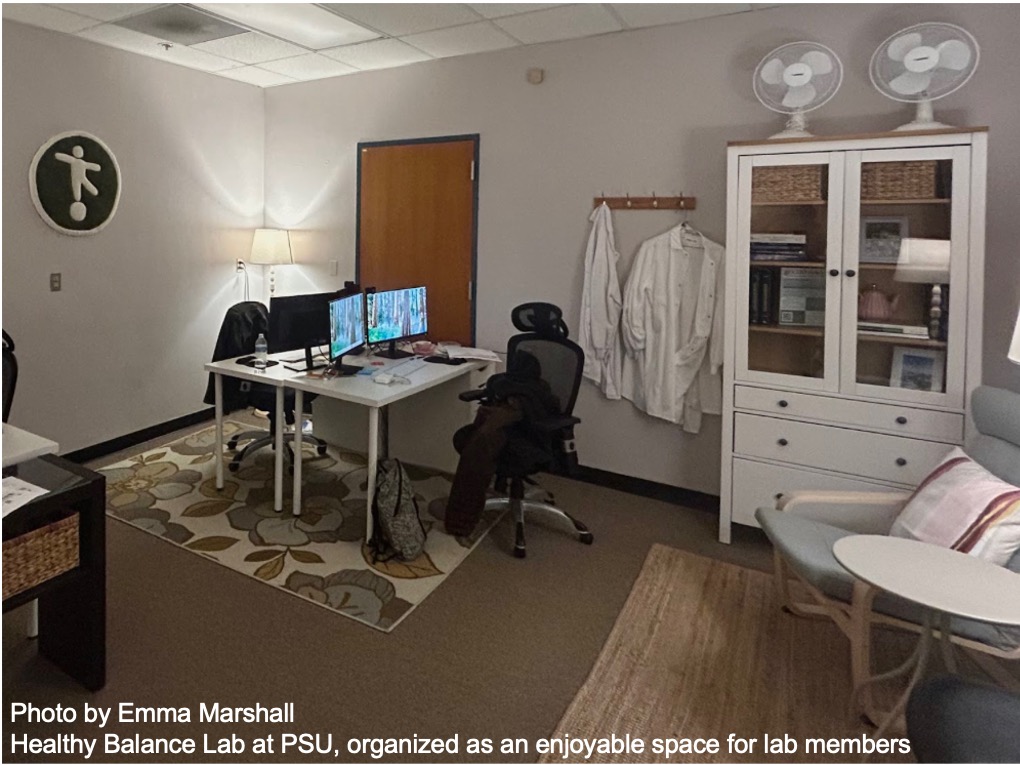
In this meeting, I discovered how my experience in the service industry may bleed over (helpfully!) into lab work, adding relevant qualifications that I did not know I had.
Empathy matters in research
The warm welcome I felt at my first lab meeting is consistently reflected in the actions and protocols of the Healthy Balance Lab. Dr. Paoletti-Hatcher, our principal investigator, was a former dementia caregiver while in graduate school. This direct experience informs our research, as she knows firsthand how difficult caregiving and work can be.
The ECHO study is completely remote, and includes participants from across the United States. We are gathering biological measures remotely, including body measurements and blood samples, and guiding someone through these steps can be mentally and physically challenging.
We collect data using both a survey and an online Zoom visit that leads participants through each biological measurement. While the meeting helps us gather information, it also adds an important personal element to the research. We make sure to offer kind encouragement, answer any questions, and express our gratitude.
During a Zoom visit, the RA instructs the participant to collect blood by pricking a finger and letting the blood drop onto a card, which is then sent back to our wet lab. Intentionally pricking your finger to draw blood can be scary, and it is our job to reassure the participant and offer support.
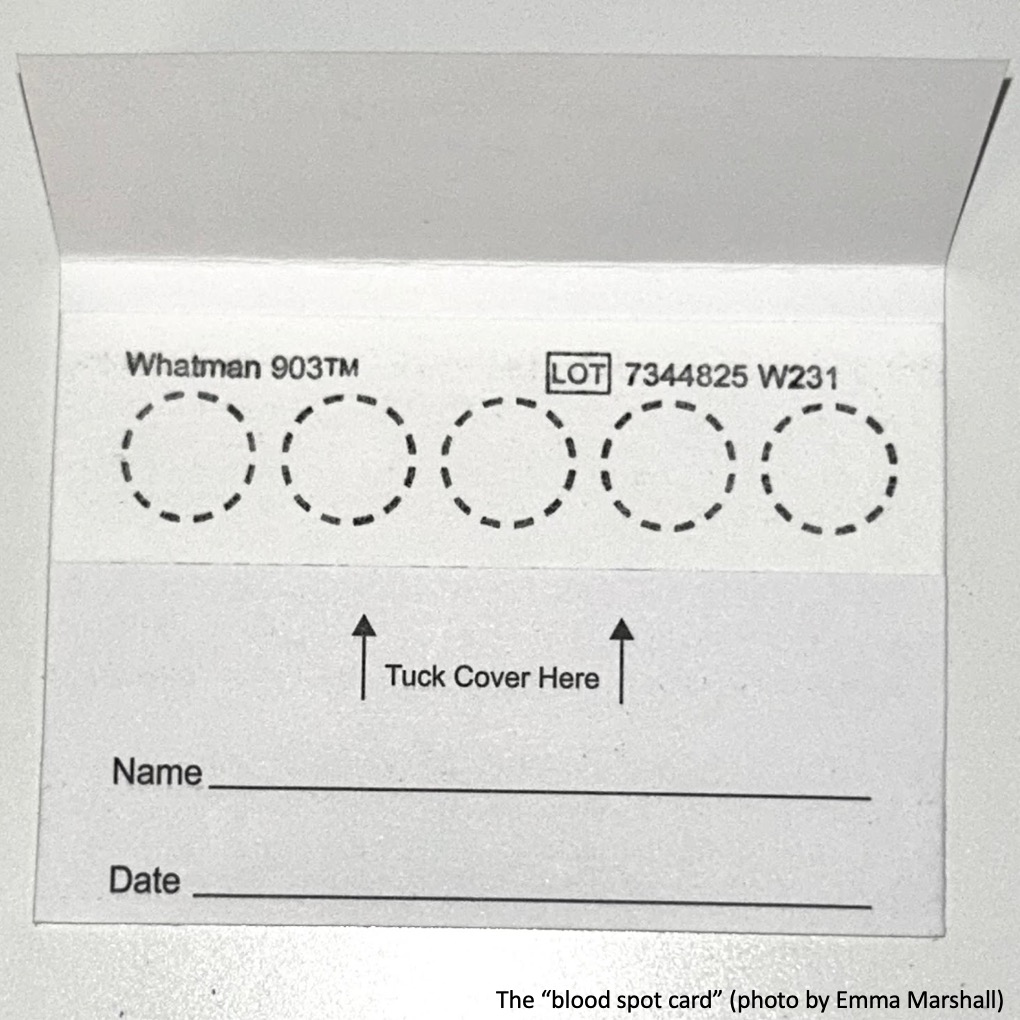
We have all tried the collection ourselves and can relate to how daunting the prick can seem at first. We can also assure people that it is overall a quick and painless experience. Knowing and explaining why we require a sample in a concise, easy-to-understand way can benefit both the researcher and the participants’ experience in the study.
I want to be kind and understanding, connect with and minimize challenges for people I’m working with. Selling wedding dresses taught me to measure clients’ bodies gently and clearly to determine the best dress size for the bride, and I was able to share this unique knowledge, contribute something to the lab meeting, and gain a better sense of belonging in this space.
We take all participant feedback into account to improve the experience, asking them to provide their thoughts on the study’s structure and interactions during our Zoom visit. Whenever possible, we adjust our study accordingly so each future participant has a good experience.
With Dr. Paoletti-Hatcher’s guidance, we approach each participant with empathy, ensuring they feel seen, and that our study does not add unnecessary stress. When study participants lose those they care for, we always offer our condolences and thank them for their prior involvement, acknowledging the hardships that come with caring for a loved one.
LEARN MORE: ‘We Had No Idea What Was Coming’: Caring for My Aging Father
The personal visits in this research require me to draw on my knowledge of customer service, providing hospitality, and offering grace and kindness in our short time together. Many caregivers have expressed gratitude for the care we provide.
Empathy in the Healthy Balance Lab does not end here. We also approach each other with kindness and grace. This has allowed me to comfortably learn how research proceeds, ask questions, request help, and share my opinions and ideas. Our lab feels and acts like a team, making the research space inviting and encouraging, allowing for growth with welcome support and kindness.
Everything always comes full circle
Although I lacked lab experience before joining the Healthy Balance Lab, I am grateful for the relevance of my prior work experiences, which have helped me thrive. Restaurant and retail tasks, including customer service and care, created a foundation of skills to build on, and I initially underestimated the knowledge I had to offer, and let the challenge of finding a place in research hinder my spirits.
PARTICIPATE IN RESEARCH: Are you a dementia caregiver?
Yet in an environment as stressful as STEM research, the empathetic, growth-encouraging Healthy Balance Lab provides space for new and current researchers, fosters our purpose and self-worth, creates a happy and meaningful experience for each study participant, and encourages inclusion, engagement and focus on the process of discovery.