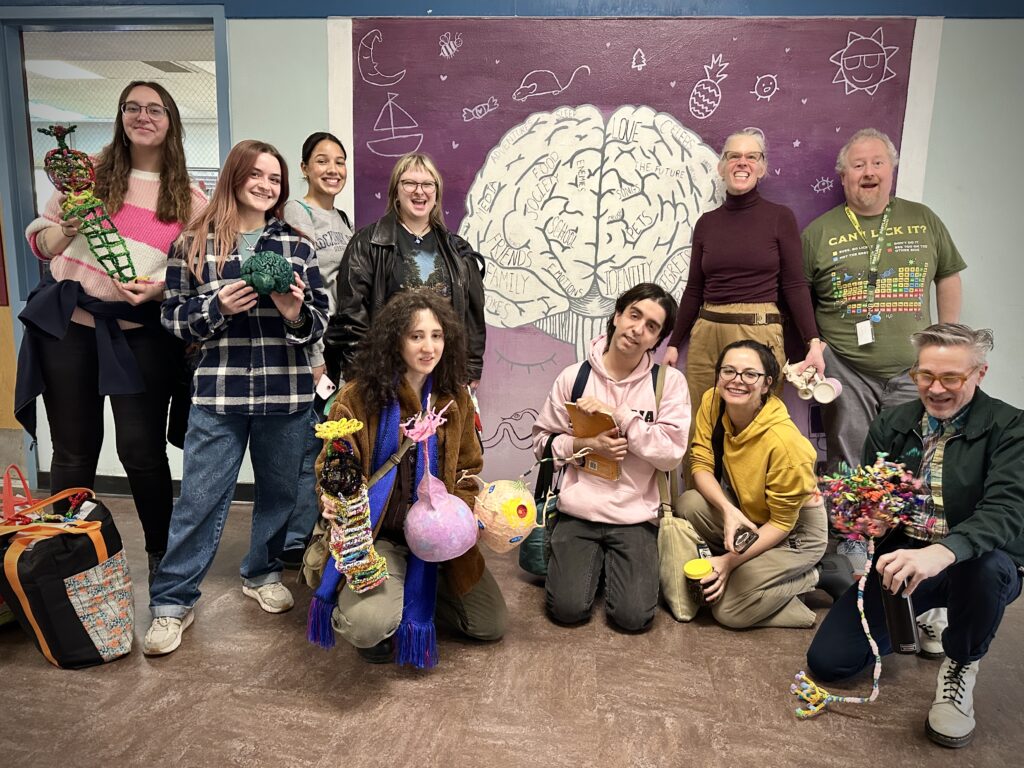
Post by Bee Conn, a pre-med senior at Portland State University, pursuing a Bachelor of Science in Biology, Philosophy, Psychology, and Science, with a minor in Interdisciplinary Neuroscience. Bee is a General Officer of the Interdisciplinary Neuroscience Association.
The Break
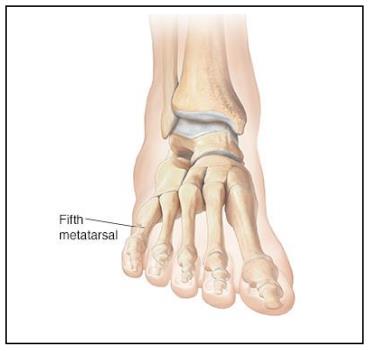
During finals week last fall, I sprained my ankle so badly that I ended up fracturing a bone on the outside of my foot called the fifth metatarsal. I was fitted with a walking boot, sent home with instructions to rest, ice, elevate and compress (a.k.a. RICE), and began physical therapy a few weeks later. At first, I thought the hardest part of recovery would be rebuilding the bone and muscle I’d lost.
I was wrong.
LEARN MORE: RICE Method for Injury
LEARN MORE: Is it the End of the Ice Age?
LEARN MORE: Orthotic Walking Boots for Patients with Fractures or Ligament Injuries
LEARN MORE: Fifth metatarsal fractures: an update on management, complications, and outcomes
LEARN MORE: Aircast walking boot and below-knee walking cast for avulsion fractures of the base of the fifth metatarsal
What surprised me the most was that the real challenge of recovery wasn’t just physical, it was neurological. Even after the swelling went down and my bone began to heal, walking seemed impossible. It no longer felt automatic. Every step I took had to be meticulously thought through, making movement feel exhausting. My balance felt entirely unfamiliar and learning to trust my foot again took far more effort than I expected.
Recovery, I learned, wasn’t just about healing a bone. It was about retraining my brain.
What Is Bone, Really?
When we think of bones, we usually picture solid structures that support the body, protect vital organs, and allow us to move. But bones are far from passive or unchanging. They are living tissue and the largest endocrine organ in the human body, constantly sensing, adapting, and communicating with the nervous system. This ongoing dialogue shapes how our bodies respond to stress, recover from injury, and stay active in everyday life.
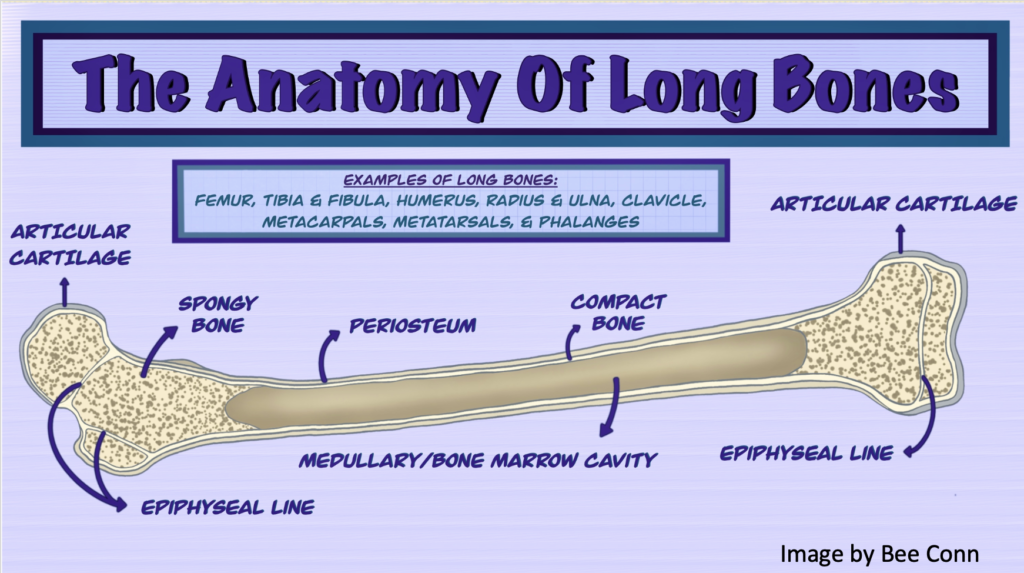
Embedded throughout every bone is a dense network of specialized cells called osteocytes, which make up about 90% of all bone cells. These cells act as mechanical sensors, detecting and responding to pressure, strain, and damage inside the bone. In response to these forces, they help regulate bone remodeling by directing where bone should be strengthened, maintained, or repaired, allowing the skeleton to adapt to changing physical demands.
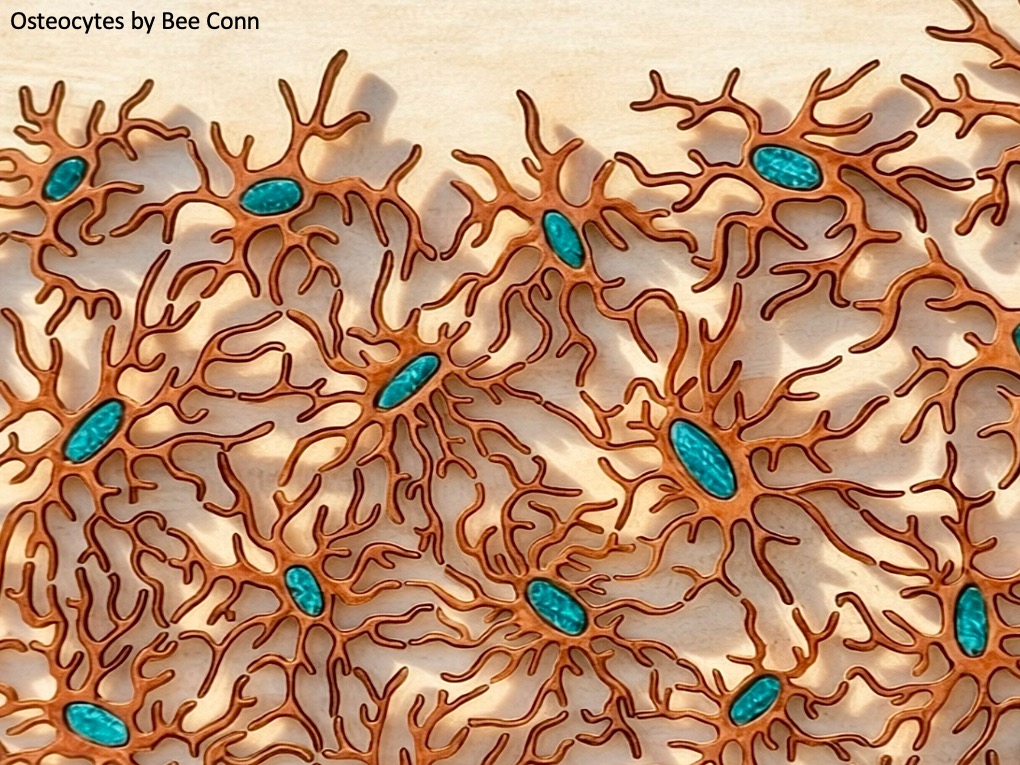
“Osteocytes are the most abundant cell type in bone and are distributed throughout the mineralised bone matrix forming an interconnected network that ideally positions them to sense and to respond to local biomechanical and systemic stimuli to regulate bone remodelling and adaptation. The adaptive process is dependent on the coordinated activity of osteoclasts and osteoblasts that form a so called bone multicellular unit that remodels cortical and trabecular bone through a process of osteoclast-mediated bone resorption, followed by a phase of bone formation mediated by osteoblasts.” – The osteocyte: key player in regulating bone turnover
LEARN MORE: Osteoblasts in Bone Physiology—Mini Review
LEARN MORE: Cortical or Trabecular Bone: What’s the Difference?
LEARN MORE: Bone remodeling: an operational process ensuring survival and bone mechanical competence
LEARN MORE: Bone remodeling: A tissue-level process emerging from cell-level molecular algorithms
Osteocytes don’t work alone.
They are interconnected to one another through long, branching projections, called dendritic processes, forming extensive communication networks inside the bone that closely resemble neural networks. They also are situated among sensory and sympathetic nerve fibers throughout bone and bone marrow, placing them in the perfect position to act to share information with the nervous system and receive signals in return.
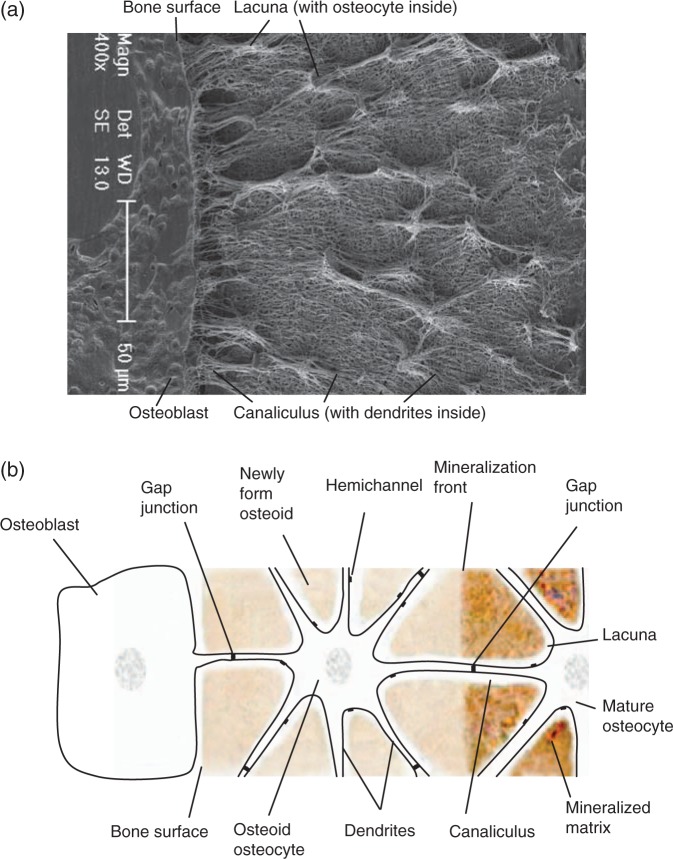
IMAGE SOURCE: Advancing Our Understanding of Osteocyte Cell Biology
When something changes in the bone’s internal environment, due to increased load, stress, or injury, osteocytes relay this information to nearby sensory afferent nerves via chemical signaling. Signals are conducted through peripheral nerves to the spinal cord for reflexive responses and ultimately ascend to the brain. This leads to skeletal interoception, allowing the brain to monitor the skeleton’s internal physiological state.
“Interoception refers to the representation of an organism’s internal states, and includes the processes by which it senses, interprets, integrates, and regulates signals from within itself.” –The Emerging Science of Interoception
In the brain, this sensory information is interpreted in regions involved in interoception and regulation. The insula (or insular cortex), integrates sensory signals from emotionally salient inputs (e.g., injury, temperature, itch) with other somatosensory information (e.g., body position, touch, pressure), helping the brain generate an awareness of internal body states and feelings.
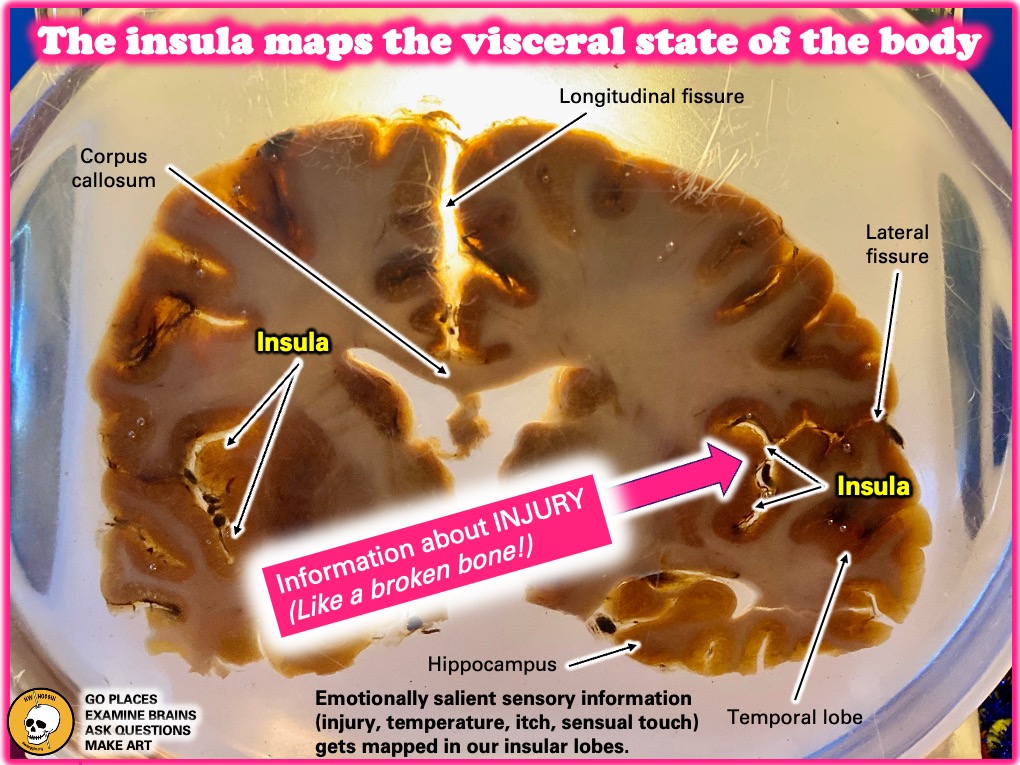
The hypothalamus receives instructive signals from the insula (and direct inputs from the body) and helps coordinate the brain’s response, regulating bone metabolism and homeostasis through autonomic and endocrine pathways. Osteocytes can then respond to these signals, adjusting bone remodeling, repair, or formation as needed.
Frontal lobe networks involved in attention, memory and social decision making are also informed by insular mapping. Together, these networks allow the nervous system to continuously track the internal state of the skeleton, by monitoring load, stress, and damage, while quietly maintaining healthy and adaptive bones, and informing complex “executive” decisions about what we do next.
LEARN MORE: Osteology (Bone Anatomy) – Medscape
LEARN MORE: Bone-brain interaction: mechanisms and potential intervention strategies of biomaterials
LEARN MORE: Bidirectional Interaction Between the Brain and Bone in Traumatic Brain Injury – PMC
LEARN MORE: Skeletal interoception in bone homeostasis and pain
LEARN MORE: Skeletal interoception in osteoarthritis
What Happens/Changes When A Bone Breaks?
A fracture doesn’t just damage tissue and structure.
It also loudly interrupts the quiet, constant conversation between your bones and your brain.
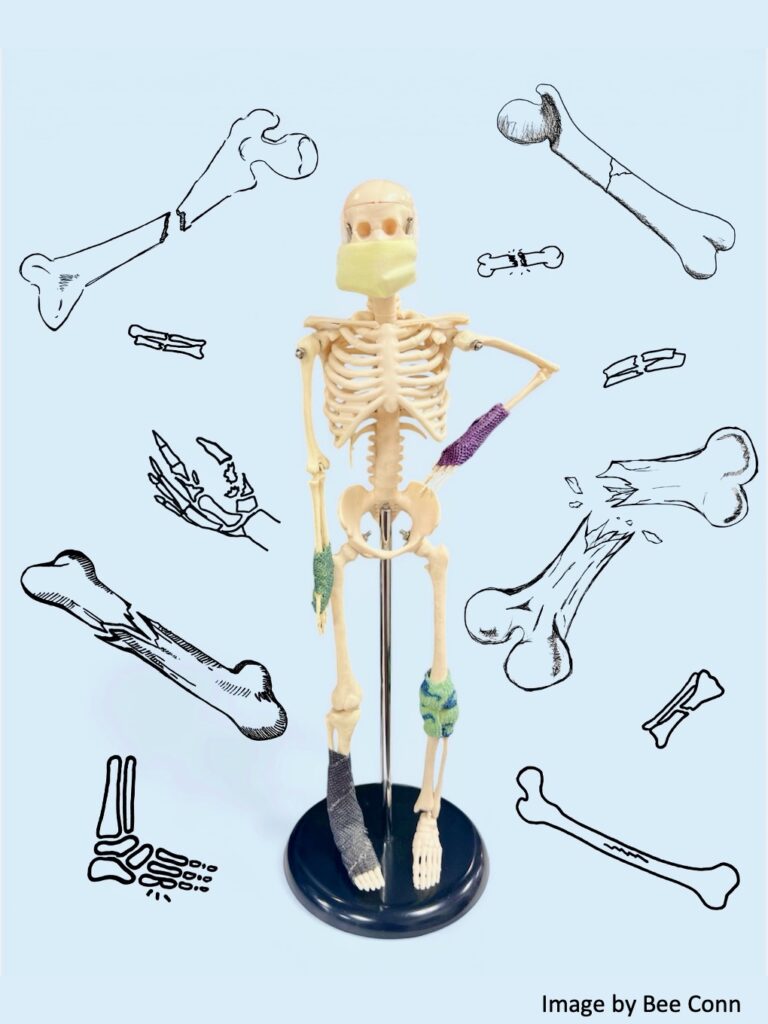
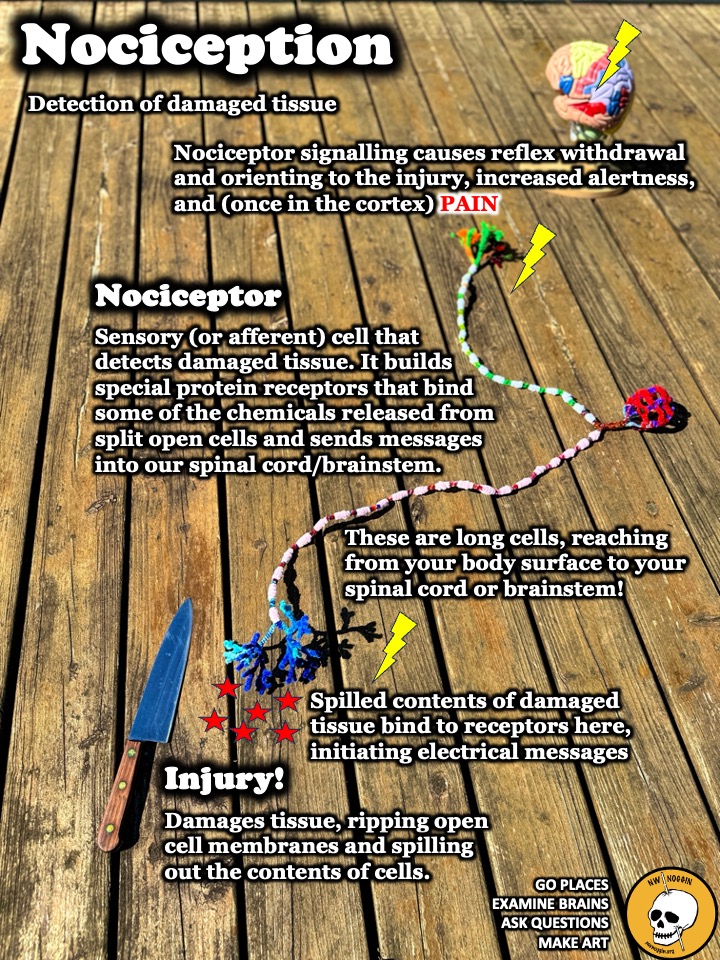
When a bone breaks, nearby osteocytes respond. These cells sense the sudden change in strain and damage and send urgent signals to specialized sensory nerves called nociceptors. Nociceptors can detect broken tissue directly, sending messages to alert the nervous system that something is wrong. These responses also trigger swelling and inflammation, while initiating repair and activating protective mechanisms that limit movement and prevent further injury.
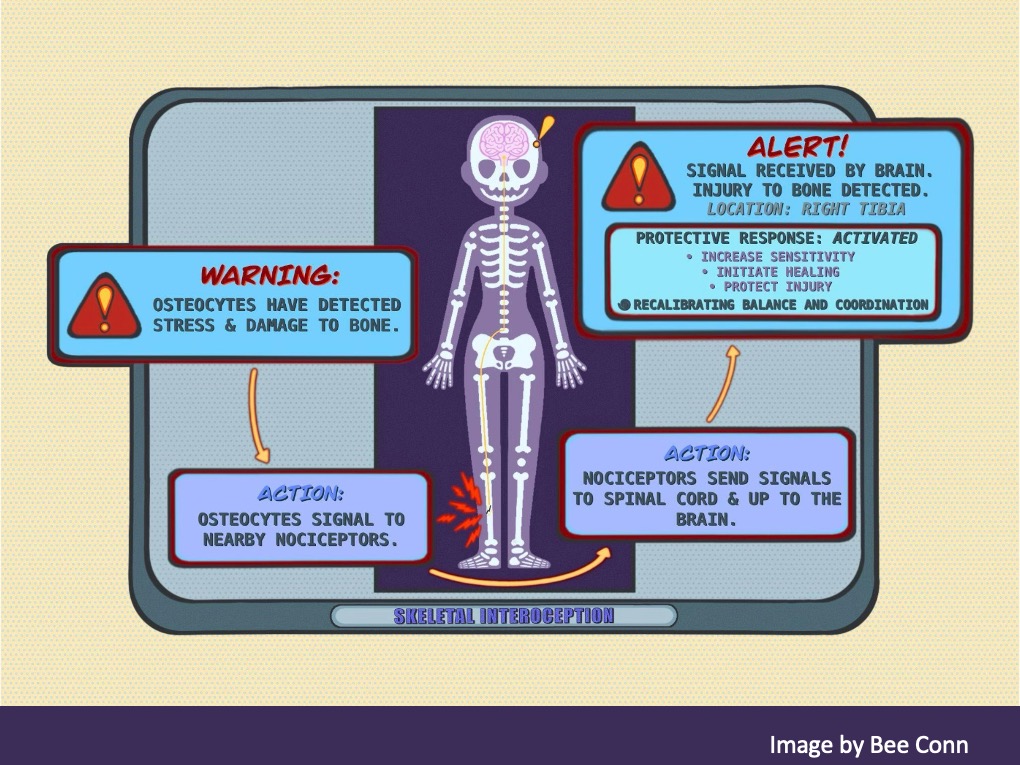
This response is not just localized to the site of the fracture. Rather, changes in neural signaling following the injury also influence how the brain perceives the injured limb (ouch! you feel pain) and plans future movements, ultimately affecting balance, coordination, and motor control during recovery.
LEARN MORE: Bone-brain interaction: mechanisms and potential intervention strategies of biomaterials
LEARN MORE: The osteocyte: key player in regulating bone turnover
Pain As Protection
Pain is not just a side effect of injury – it is information critical for recovery.
Although difficult to appreciate in the moment, pain provides priceless insight into the body’s internal state, signaling that something is wrong and needs attention. Immediately after a bone breaks, skeletal interoception is updated, activating protective responses throughout the body. Pain is protective, and tells us to slow down, avoid further injury, and allow healing.
Perceiving pain involves multiple regions in the brain.
Remember that a key cortical area is the insula, which plays a central role in interoception.
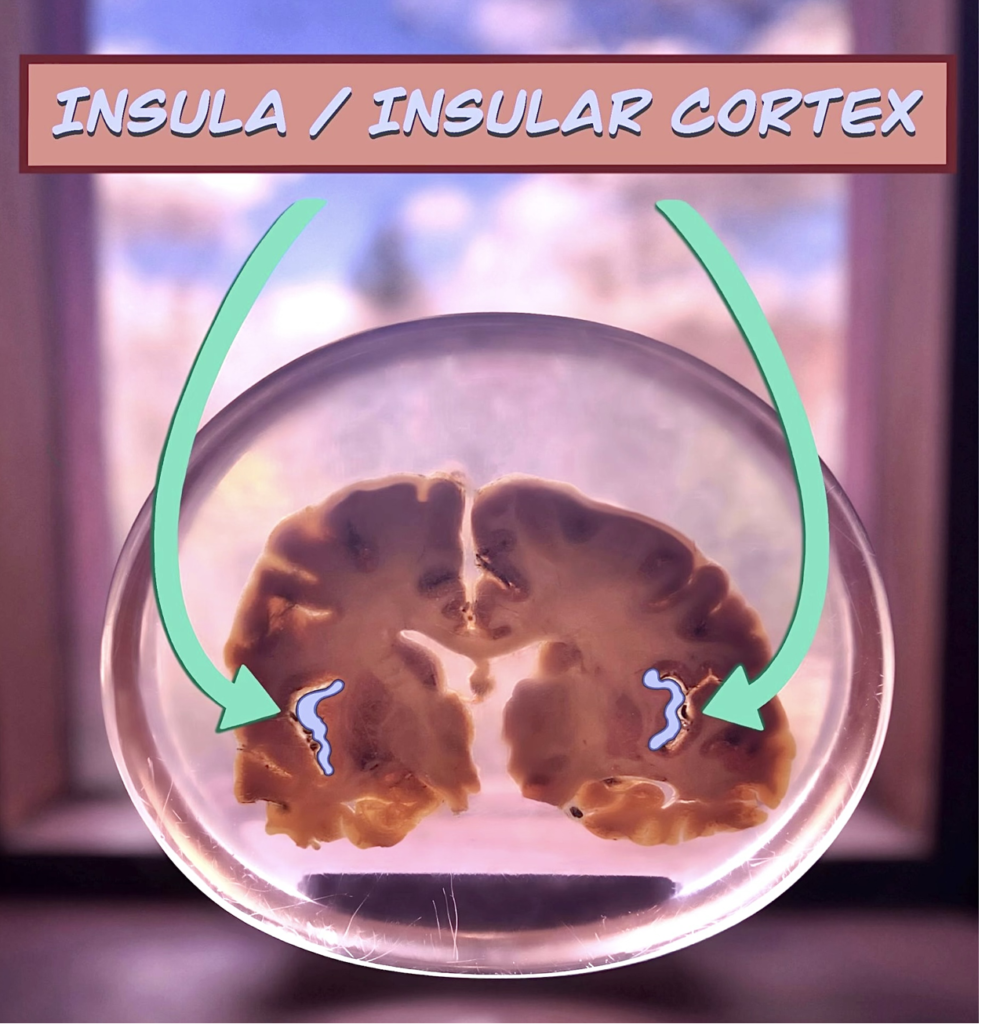
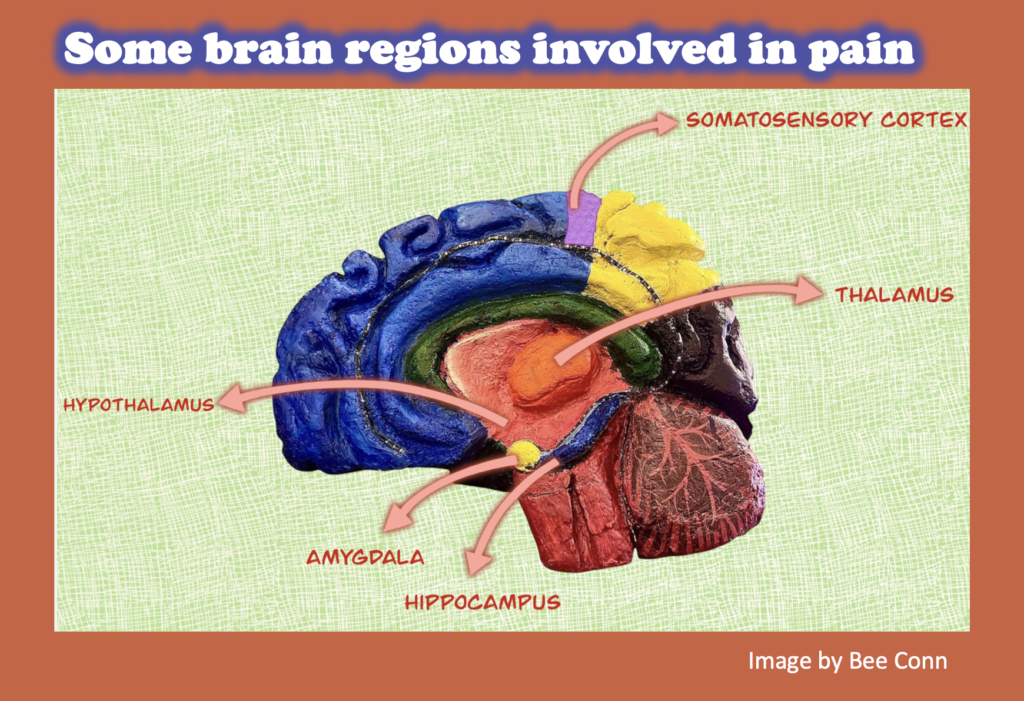
The insula receives direct input from our nociceptors, those sensory neurons that detect injuries like a broken bone, and integrates sensory, emotional, and cognitive information about pain into a map of the body’s internal state. The insula further communicates with the hypothalamus to regulate physiological responses that maintain the body’s internal balance while responding to injury.
The amygdala and hippocampus also process the emotional and memory-related aspects of pain. By linking current sensory information with past experiences, they help generate emotional responses such as fear or anxiety and motivate protective behaviors that help prevent further damage.
During recovery, learning to listen to and respond appropriately to these signals is crucial. Pain is not just a warning, it is a direct line of communication with the body, urging you to protect the injured area while setting the stage for a smooth recovery.
LEARN MORE: The Neuroscience of Touch and Pain
LEARN MORE: An Overview of Pathways Encoding Nociception
LEARN MORE: The Role of the Insula in Chronic Pain and Associated Structural Changes
LEARN MORE: How Our Brains Interpret Pain
Immobilization: Use It Or Lose It
It’s hard to imagine suddenly hitting pause on your daily life without warning, but when a bone breaks, rest isn’t optional, it’s essential. Again, use of the R.I.C.E. method (rest, ice, compression, elevation) helps protect the bone, reduce swelling, manage pain, and set the stage for effective healing.
But immobilization comes at a cost.
When a fractured bone is used less, muscles weaken and motor pathways in the spinal cord and brain start reorganizing due to reduced input from the immobilized limb. Proprioception, the awareness of your limb’s position and movement in space, is impacted and coordination might decline. That’s why, even after a bone has healed, walking or maintaining balance can feel surprisingly challenging.
During immobilization and healing, the nervous system adapts and essentially learns not to use the injured limb as it normally would. While in the short term, this prevents further injury, it also means that recovery is not just about rebuilding bone or muscle, it’s about retraining your brain.
LEARN MORE: Managing Fractures and Sprains
LEARN MORE: Proprioception: What It Is, How To Improve It & Disorder
LEARN MORE: WHAT IS THE ROMBERG TEST? – Sportsmedtexas
LEARN MORE: RICE Method: Rest, Ice, Compression, & Elevation
Wait… How Do I Walk Again?
It was hard not to get frustrated with myself as I struggled to do things that used to feel effortless. Understanding how somatosensation, proprioception, and interoception collaborate did help me reframe the mission at hand. The loss of muscle, difficulty balancing, and hypersensitivity to pressure and pain didn’t mean that I wasn’t healing, but that I needed time to relearn how to coordinate movement.
Physical therapy helped too.
Physical therapy retrains the nervous system to send accurate signals to the muscles, improving proprioception, and relies on neuroplasticity to forge new neural pathways that restore coordination, balance, and strength. Every physical step depends on a synchronized conversation between nerves, muscles, and bones, making recovery a process of re-syncing those conversations as much as rebuilding tissue.
LEARN MORE: WHAT IS THE ROMBERG TEST? – Sportsmedtexas
Recovery Looks Different For Everyone
It was hard not to compare my recovery timeline to others with similar injuries, until I dove deep into what makes healing such an individualized process. Every journey of recovery is unique, just as every brain and body are unique.
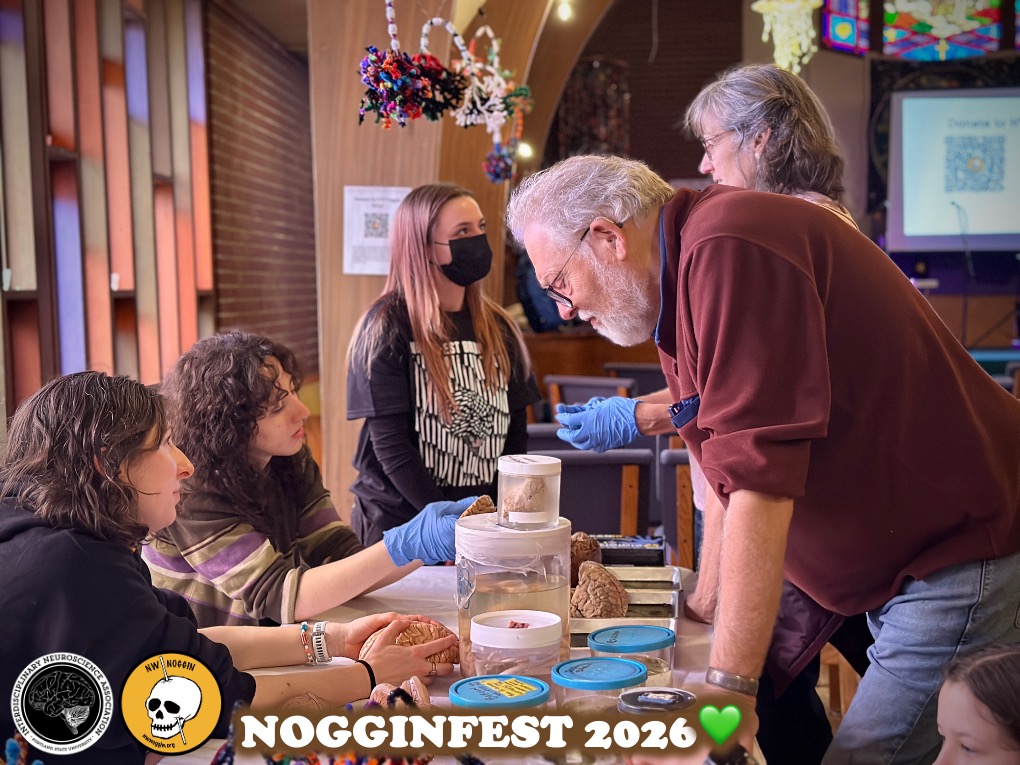
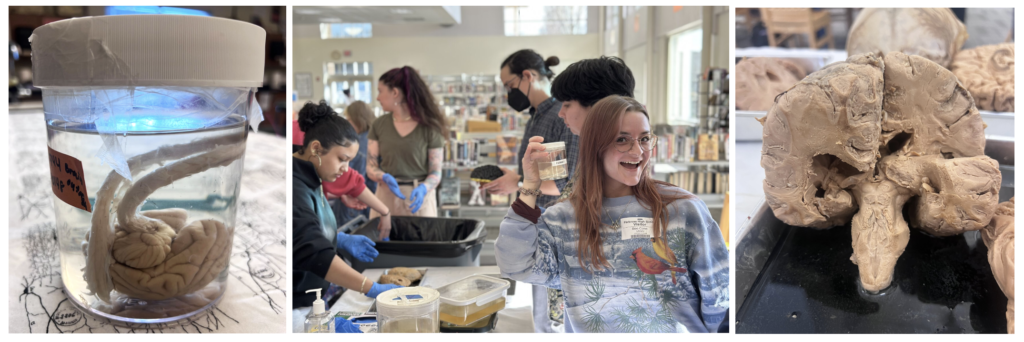
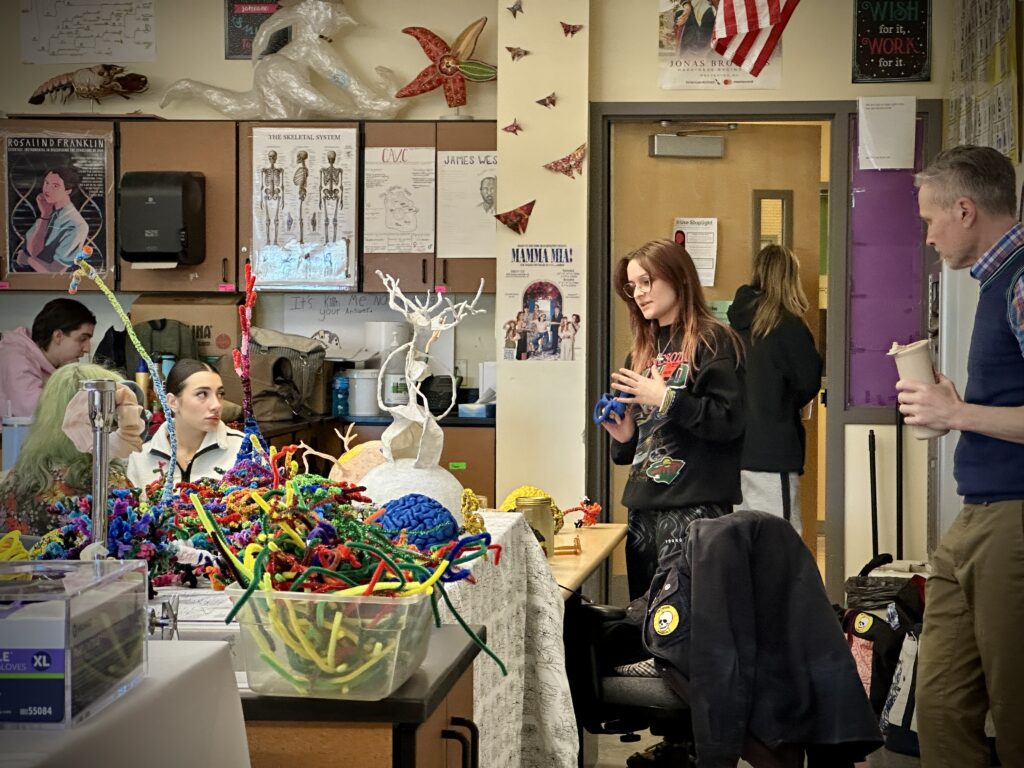
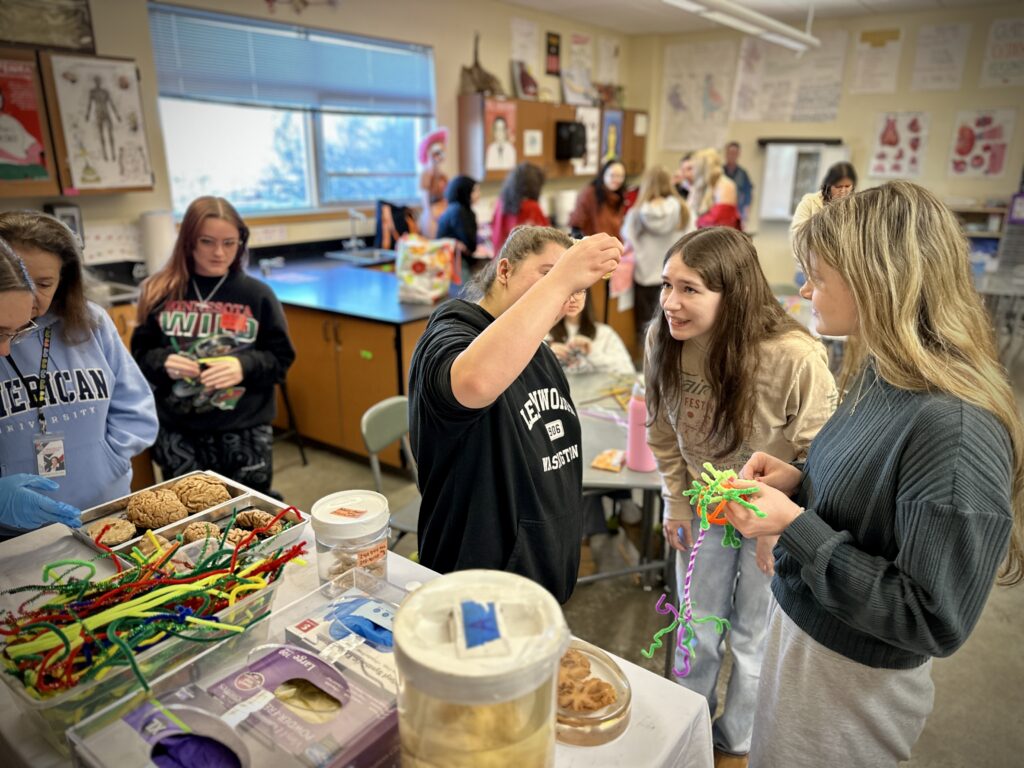
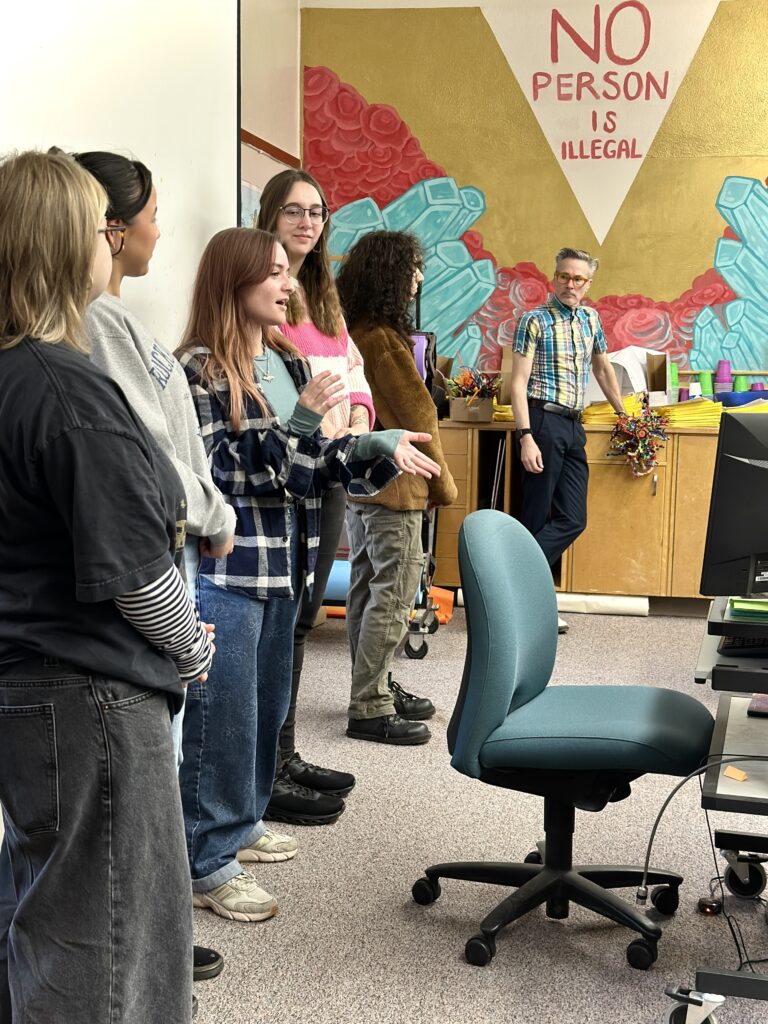
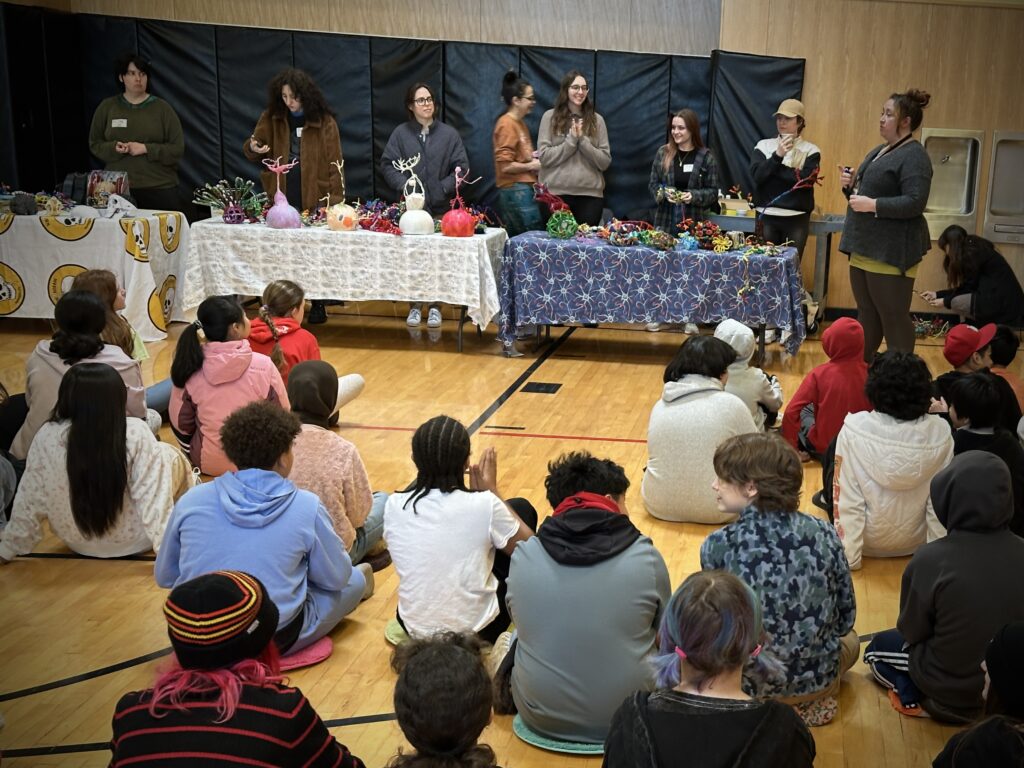
During our outreach visits I had the opportunity to talk with students about their current or past injuries, what their recoveries looked like, and how they experienced the process firsthand. These conversations made it clear to me that no two stories of recovery are the same.
One thing that stood out was the resilience of the students. Many shared stories of broken ankles, wrists, or clavicles, yet they described quickly bouncing back to their everyday routines.
Part of that resilience comes from age. Children and adolescents tend to heal and recover faster than adults because their bodies are still developing and their nervous systems are highly adaptable. Through their high level of neuroplasticity, their brains can reorganize and create new neural pathways, helping to restore coordination and movement more efficiently after an injury.
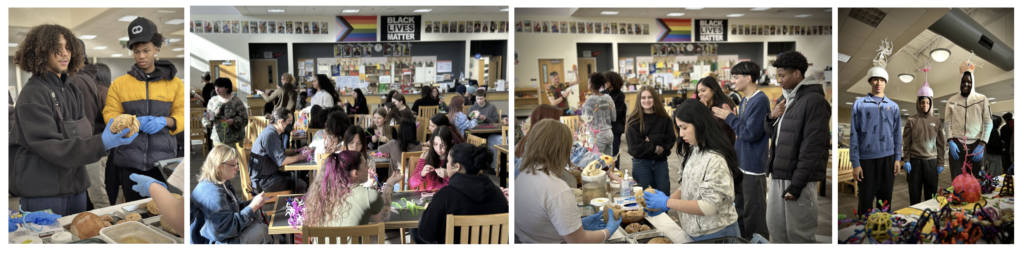
However, some students also shared stories of recurring injuries, like breaking an ankle in the same spot multiple times over the years, despite having a quick initial recovery.
These experiences highlight an important aspect of healing – even after the bone has healed, the nervous system is still busy adapting. Before the neural pathways for somatosensation (touch, pressure), proprioception (body position), and interoception (internal body awareness) are fully recalibrated, the sensory signals that the brain receives may not be entirely accurate. During this time, this gap in body awareness can increase the risk of re-injury, as the body and brain are not yet fully in sync.
LEARN MORE: Fracture healing research: Recent insights
LEARN MORE: Methods to accelerate fracture healing
Recovering from a fracture is more than just repairing a broken bone, but relies on restoring the dialogue between your bones, muscles, nerves and brain. Thankfully bones remodel, pathways rewire, and interoception, proprioception, balance, and coordination gradually return to their original state.