


Post by Zulyed Guerra, an undergraduate pursuing a degree in Public Health: Pre Clinical Health Sciences with a minor in Interdisciplinary Neuroscience at Portland State University.
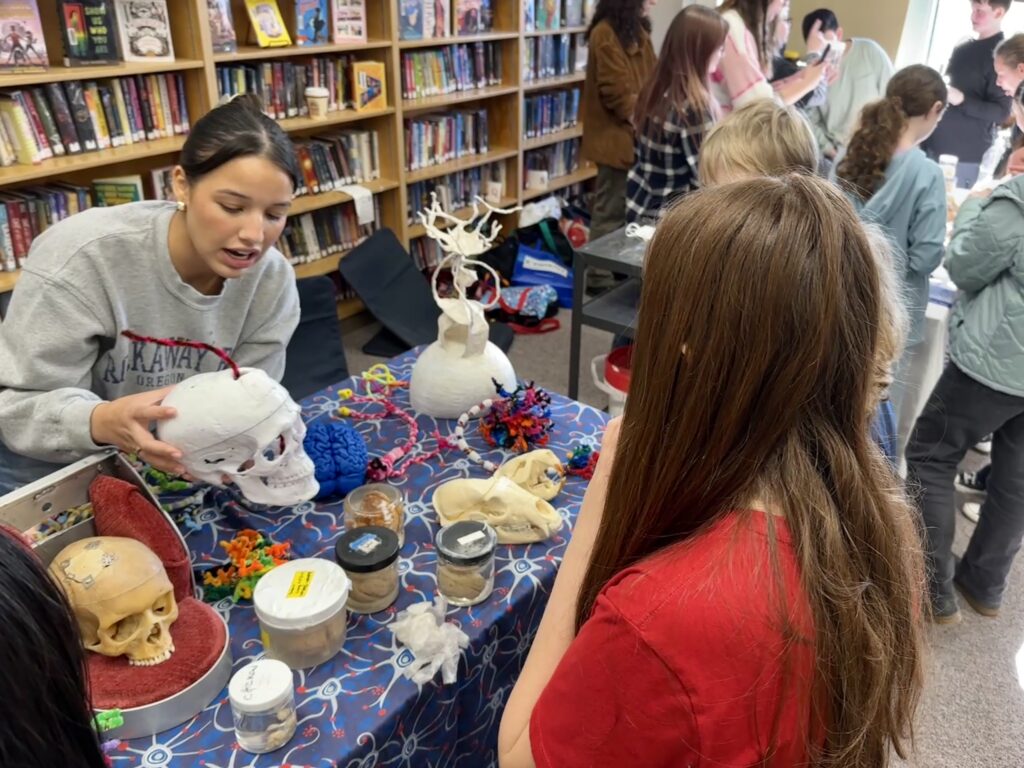
I grew up speaking Spanish at home and English at school, constantly moving between two languages and two cultural spaces. At the time, I had no idea that what I did had a name, which is code-switching.
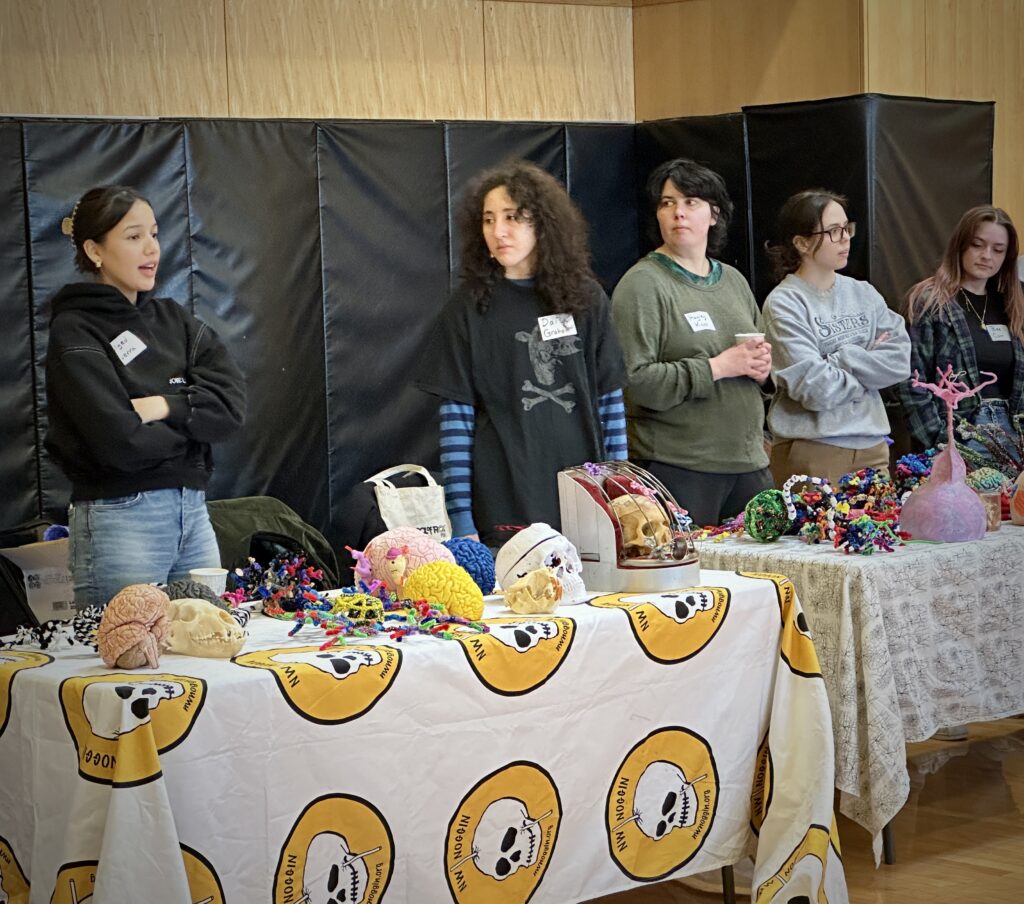
Crecer entre dos idiomas también significa crecer entre dos formas de ver el mundo.
El Español era el idioma de mi familia y mi cultura mientra que el Inglés era el idioma de la escuela y del espacio público. Muchos niños que aprenden dos idiomas simultáneamente recurren al cambio de código, aunque no se den cuenta.
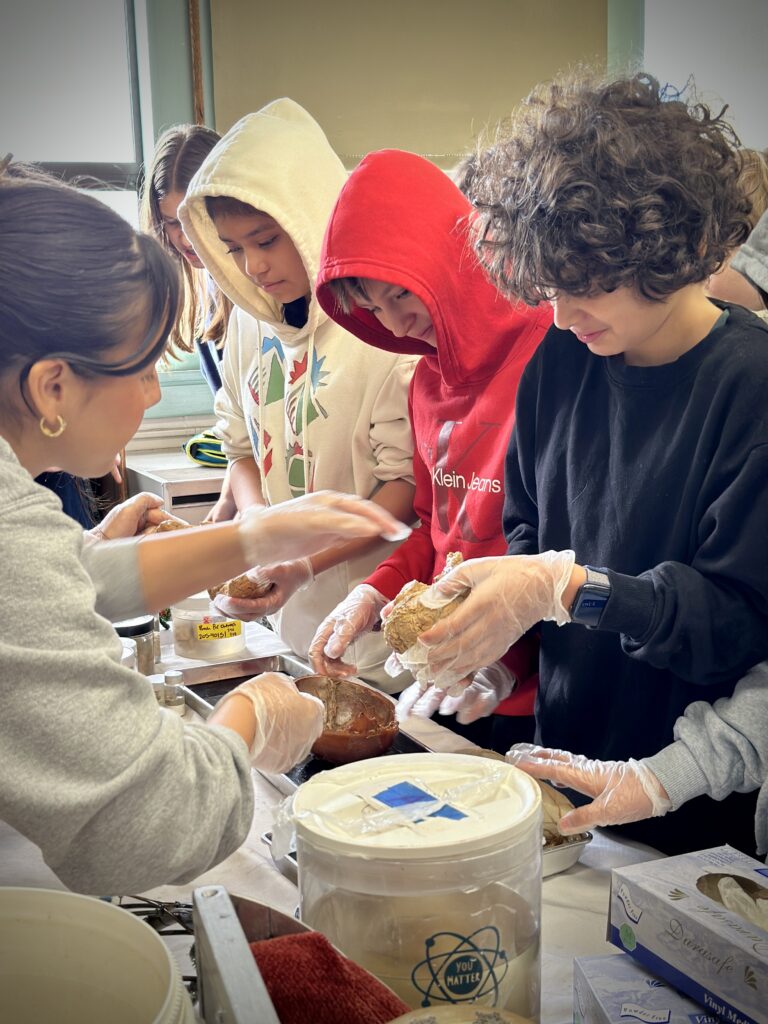
Long term, I hope to work with communities that face disparities in our healthcare system, particularly those who do not have access to care in their own language. Language is so more than communication, and it can significantly affect trust and health outcomes.
LEARN MORE: Implications of Language Barriers for Healthcare: A Systematic Review
LEARN MORE: Meeting the needs of patients with non‐English language preference in hospitals
LEARN MORE: Practicing Cultural Competence and Cultural Humility in the Care of Diverse Patients
What is Code Switching?
Have you ever noticed yourself changing the way you speak depending on who you are talking to?
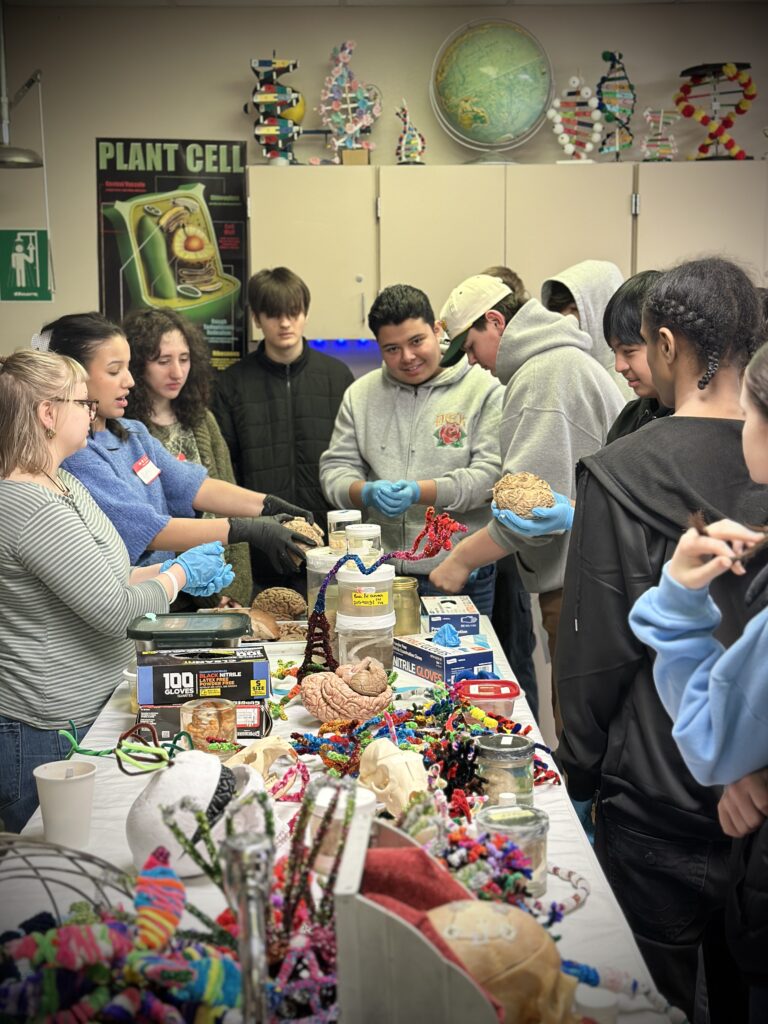
Maybe your tone is more formal when speaking to a teacher or more relaxed and full of slang when talking with your friends. You might even switch between languages depending on the setting you’re in. This is called code-switching.
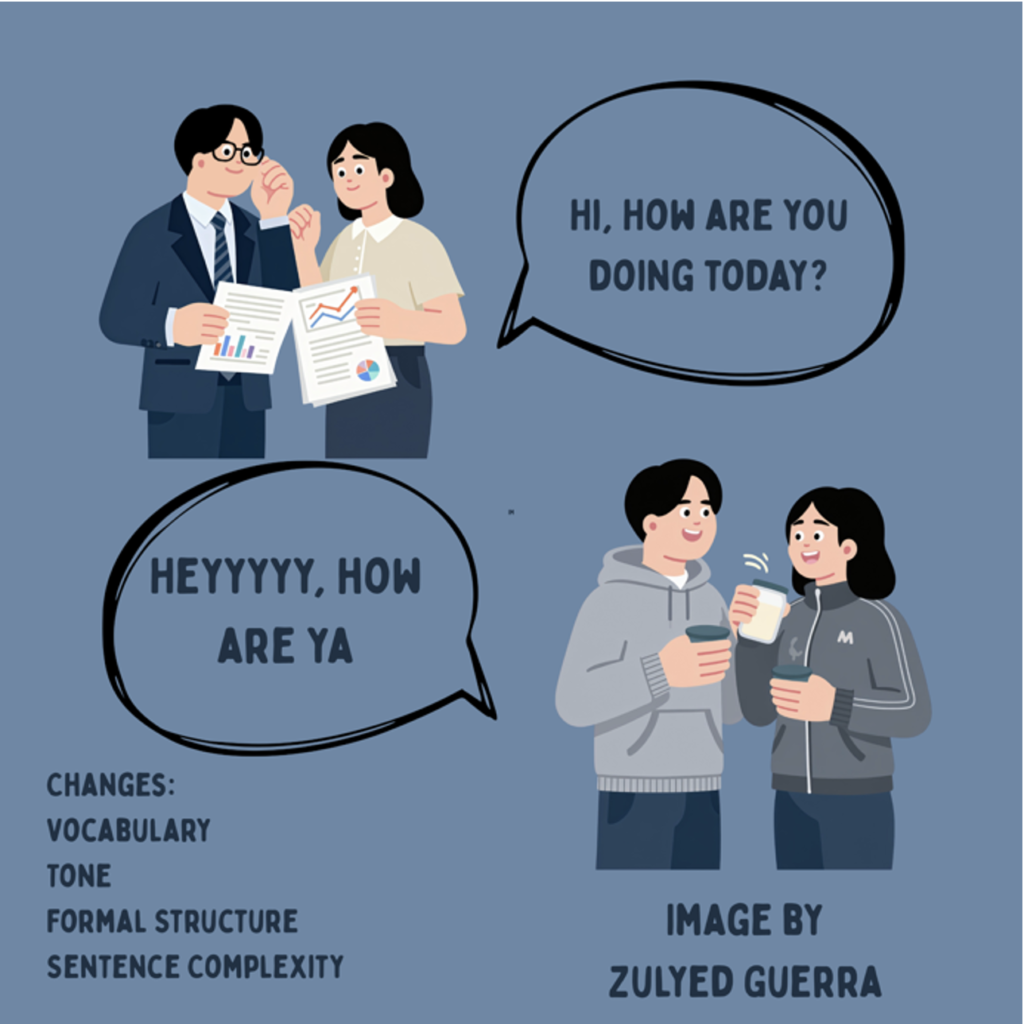
Code switching is the change of language, tone, vocabulary, or even behavior based on the environment you are in. These shifts are not random, and they reflect the brain’s ability to adapt communication based on who you surround yourself with, societal expectations and your environment.
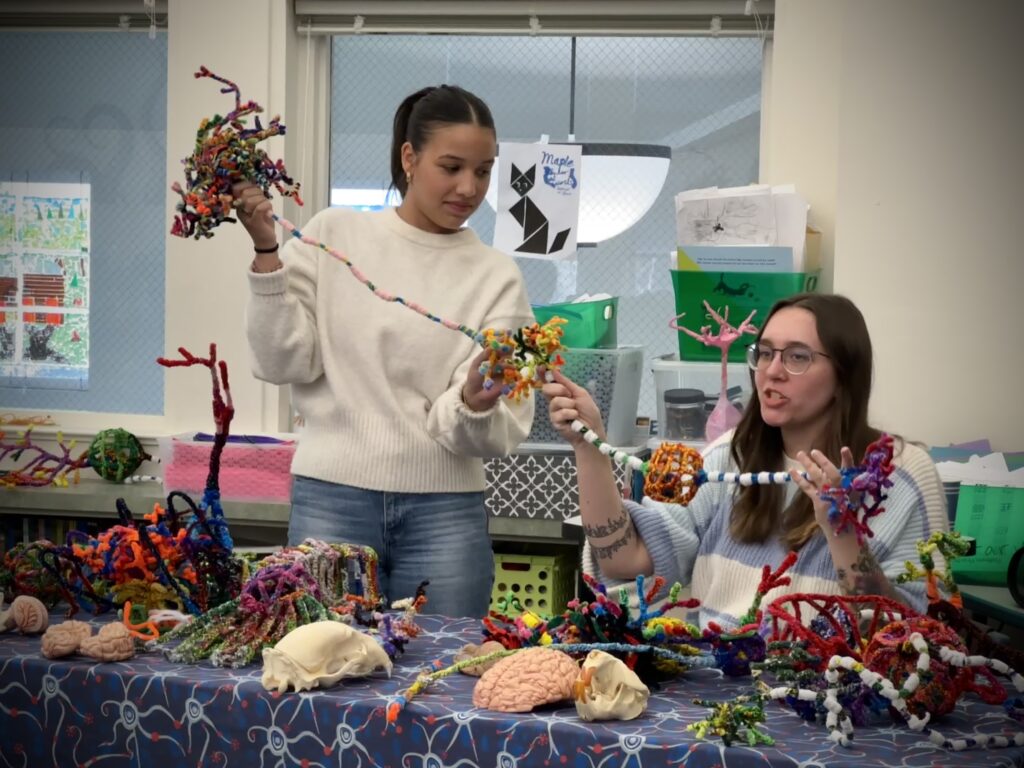
Cambiamos la form en que hablamos dependiendo de con quién estamos y dónde estamos. A veces cambiamos de idioma sin pensarlo. Nuestro cerebro aprende a adaptarse rápidamente a diferentes personas, espacios y expectativas sociales.
LEARN MORE: Let’s Talk About Code-Switching
LEARN MORE: Darin Johnson breaks down what code switching is
LEARN MORE: Behavioral and Neurophysiological Approaches to Code-Switching
LEARN MORE: Departing from Doctor-Speak: a Perspective on Code-Switching in the Medical Setting
LEARN MORE: Effect of Code-Switching Experience on the Neural Response to a Sentential Code Switch
The Neuroscience of Code Switching
Language is not controlled by one single area of the brain.
It involves networks of regions that work together to produce and understand speech.
El lenguaje depende de varias regiones del cerebro que trabajan juntas al mismo tiempo para comprender y producir palabras.
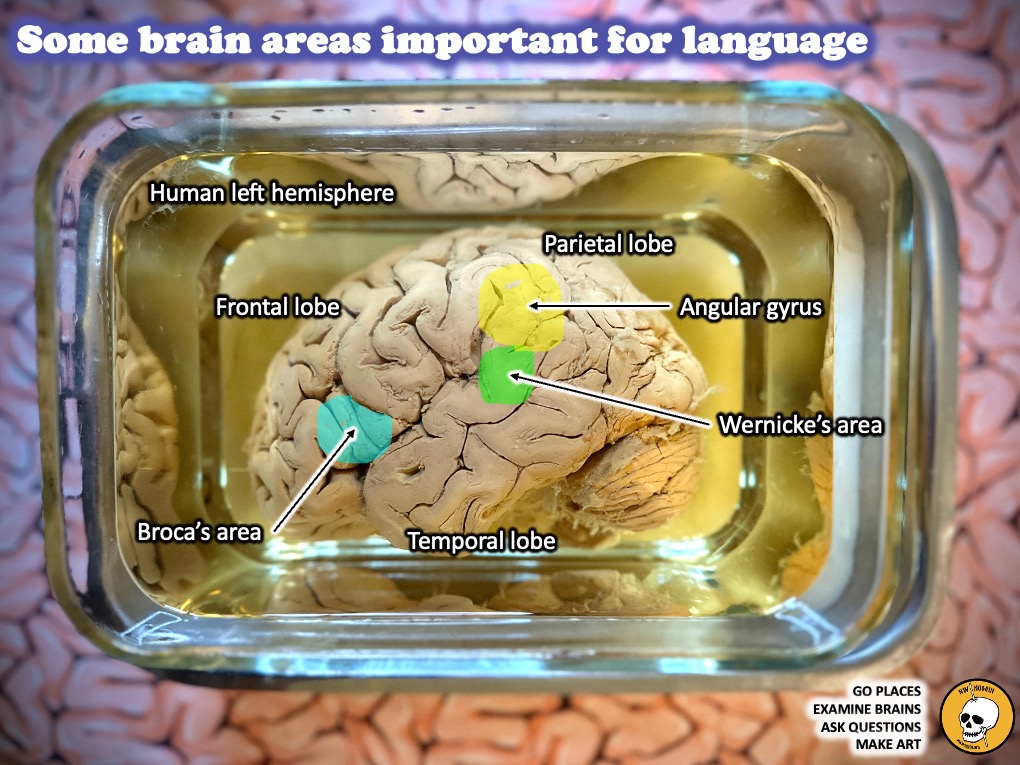
Broca’s area is a region located in the left hemisphere of the brain, and it’s part of an extensive frontal lobe network of linked cortical areas responsible for speech, signing, writing and other forms of language expression. The ventral sensorimotor cortex is another motor region that helps execute physical movements required for articulation during speech production.
This “anterior” (towards the front of the brain) network allows us to form grammatically structured sentences and express our thoughts in both languages.
Wernicke’s area is located in the posterior superior temporal lobe, and it’s part of another distributed cortical network across temporal and parietal regions involved in understanding what is spoken, written or signed. The superior temporal gyrus helps recognize and analyze acoustic patterns and contributes to our perception of speech. The angular gyrus in the parietal lobe also plays a role in understanding. These areas allow us to associate words with sensory information, including sounds and images.
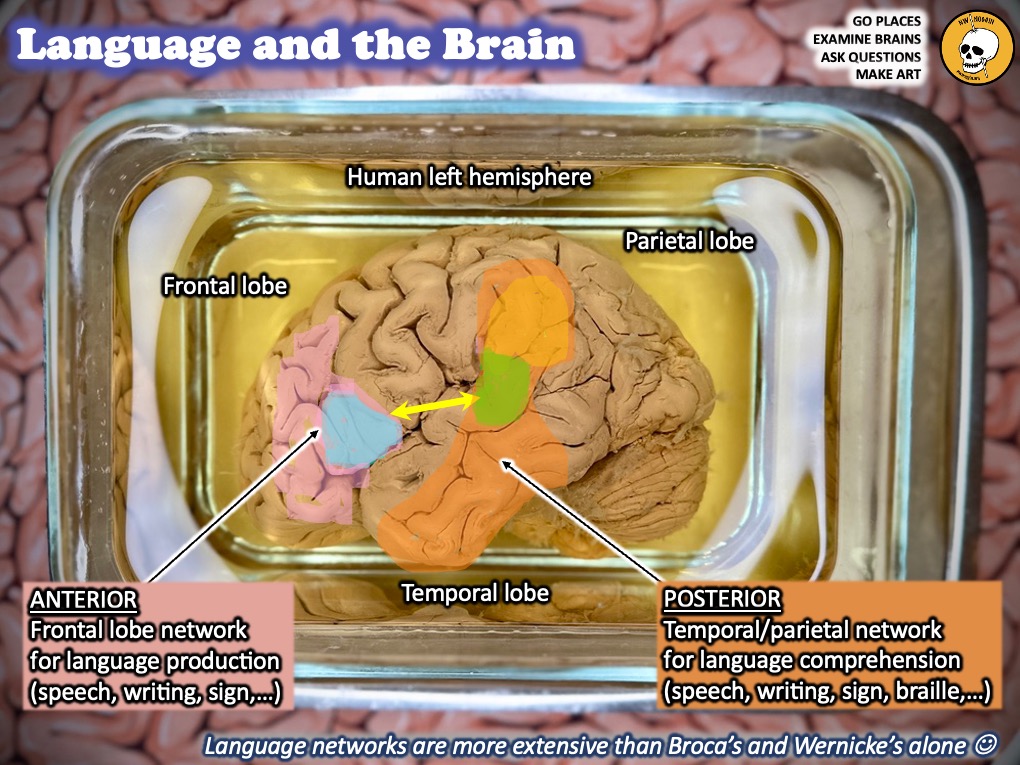
This “posterior” network (towards the back of the brain) helps us understand words and sentences, whether these are spoken, written, signed, or in Braille! This network connects to the frontal lobe expression network through neural pathways (including a large white matter cable called the arcuate fasciculus), allowing for both comprehension and expression of language.
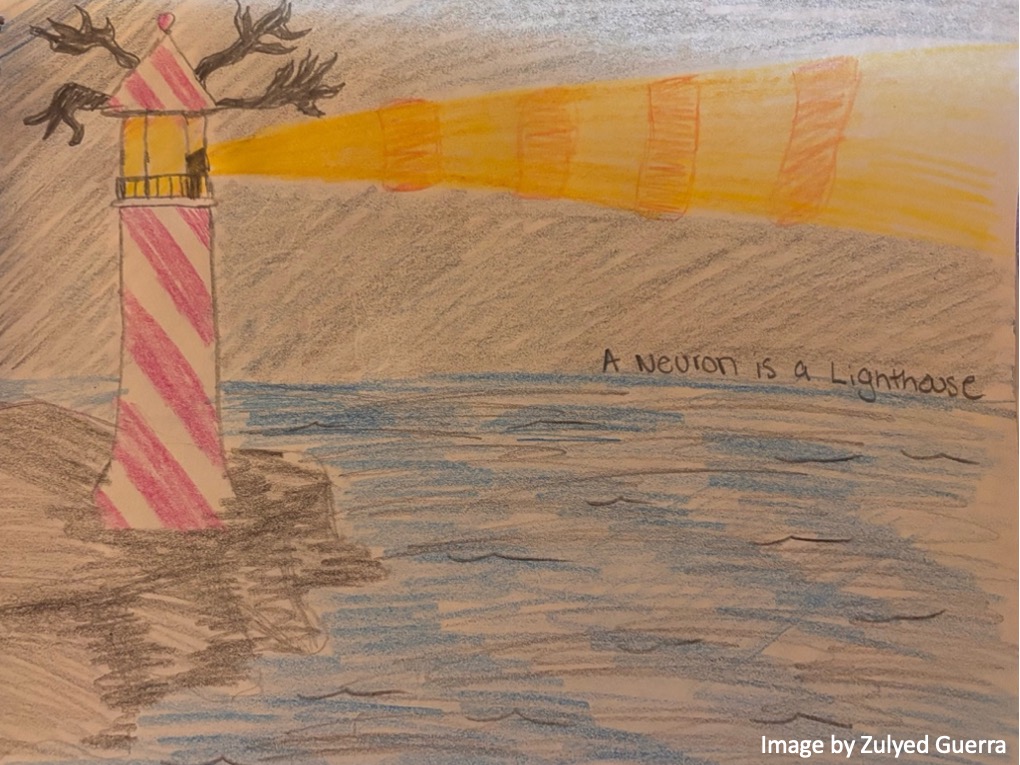
These posterior and anterior networks collectively form a highly interconnected system that supports both language comprehension (posterior) and production (anterior).
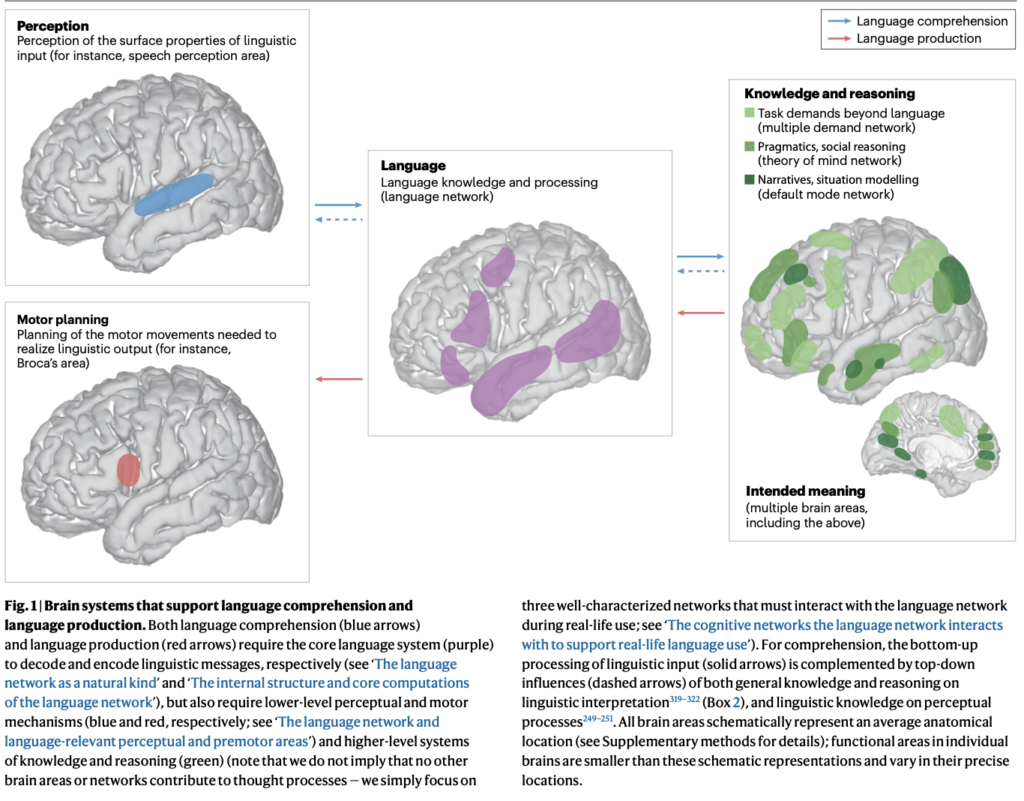
IMAGE: The language network as a natural kind within the broader landscape of the human brain
LEARN MORE: Brain structural networks underlying language
LEARN MORE: How learning to read Braille in visual and tactile domains reorganizes the sighted brain
The role of cognitive control
However, code switching is more than simply expressing and understanding a language.
It also requires cognitive control.
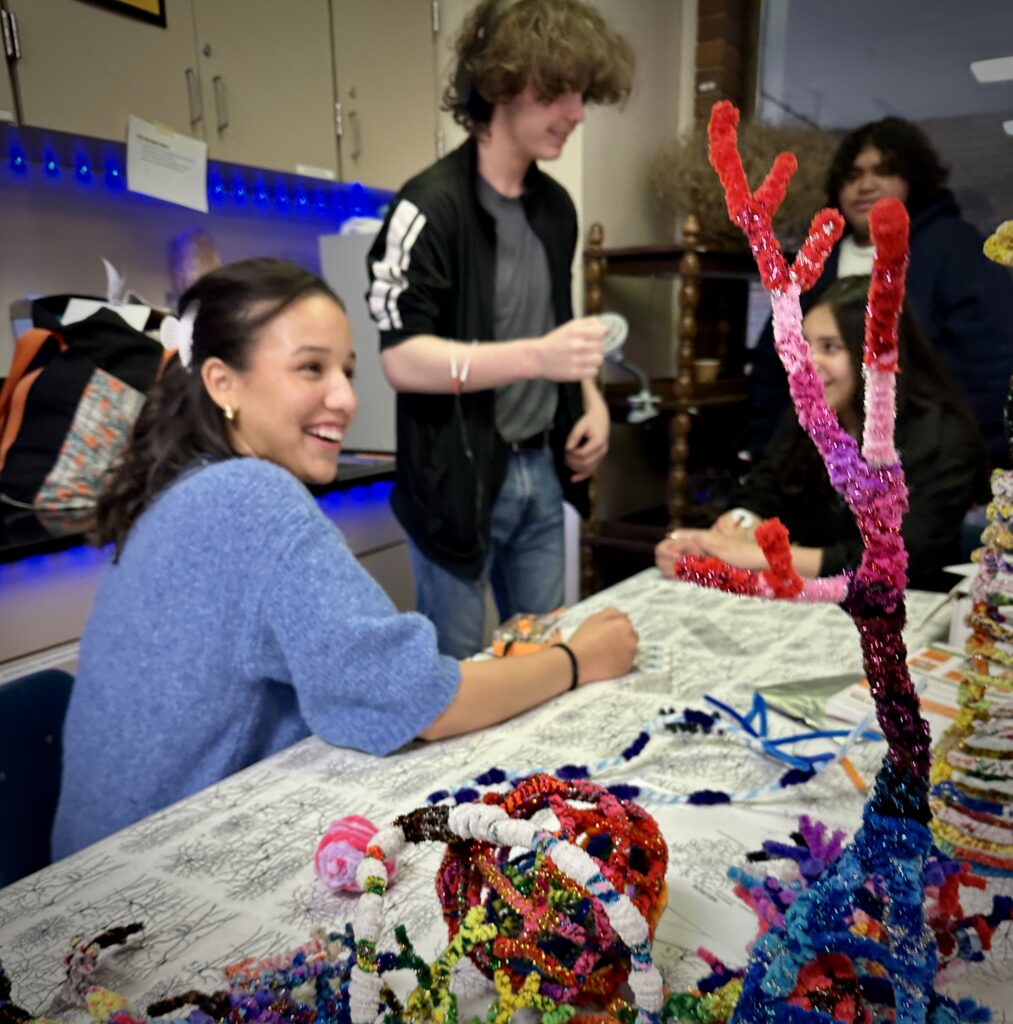
For bilingual and multilingual individuals, multiple languages are simultaneously active in the brain, even when only one language is spoken. This means that the brain is constantly managing competition between available languages. When a person switches from one language to another, several regions become more active compared to when they keep speaking in a single language.
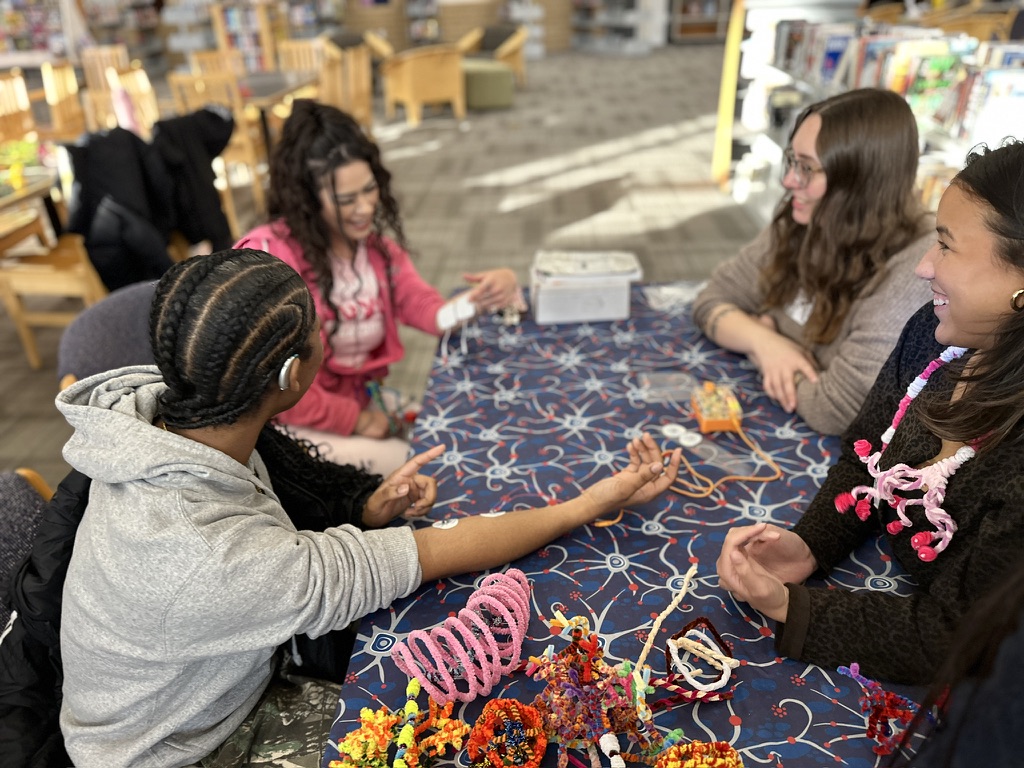
Esto significa que el cerebro siempre esta manejando dos idioma al mismo tiempo.
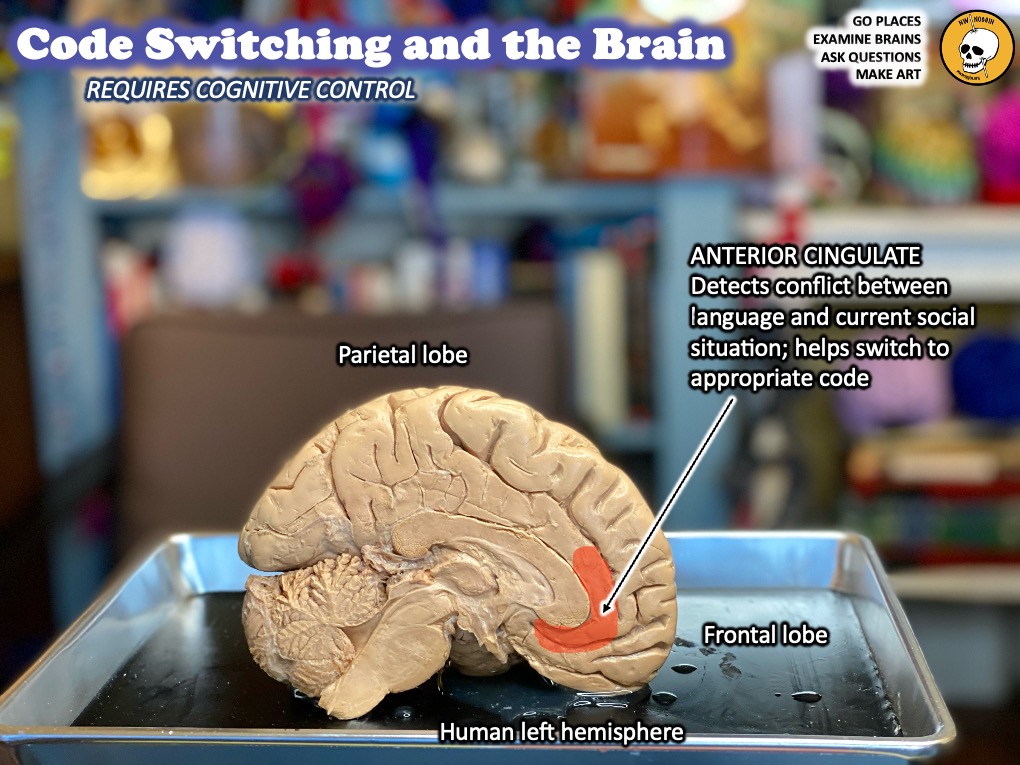
Parts of the brain that show activity when code-switching include a medial frontal lobe region called the anterior cingulate cortex, which becomes active when there is conflict between languages. The anterior cingulate helps make the switch to the more socially appropriate “code.”
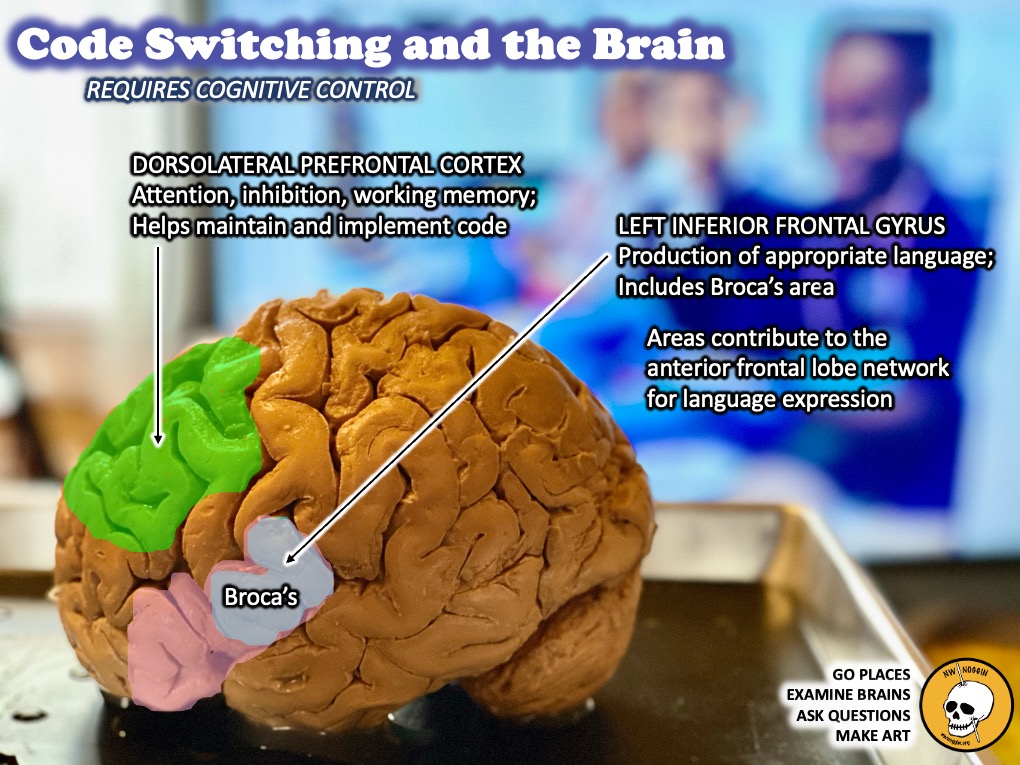
The left inferior frontal gyrus, which includes Broca’s area, helps select the appropriate language and sentence structure. The dorsolateral prefrontal cortex supports our working memory and inhibitions, which allow the speaker to suppress the language they currently don’t want to speak.
Switching languages requires greater neural resources than non-switches. Code switching places increased demands on the executive control system. The brain must inhibit one language while selecting vocabulary AND maintaining appropriate grammatical structure, all in real time.
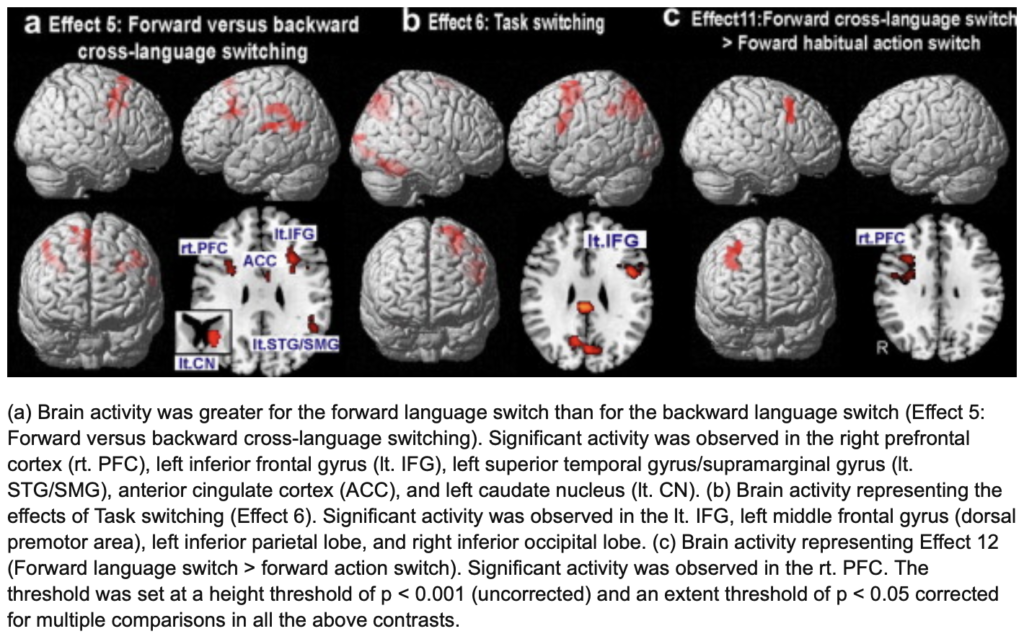
Cambiar de idioma requiere que el cerebro controle cuál idioma usar y cuál suprimir en ese momento.
IMAGE: Neural mechanism of language switch
LEARN MORE: Neural mechanism of language switch
LEARN MORE: Neuropsychology and neuroanatomy of code switching
LEARN MORE: Neural signatures of inhibitory control in intra-sentential code-switching
LEARN MORE: How Brains Seamlessly Switch between Languages
Why do we do it?
In every school I went to with Northwest Noggin, I noticed that students spoke differently to adults than they did to their peers. With adults they always spoke English, their tone was different, their posture changed, and their language tended to sound more formal.
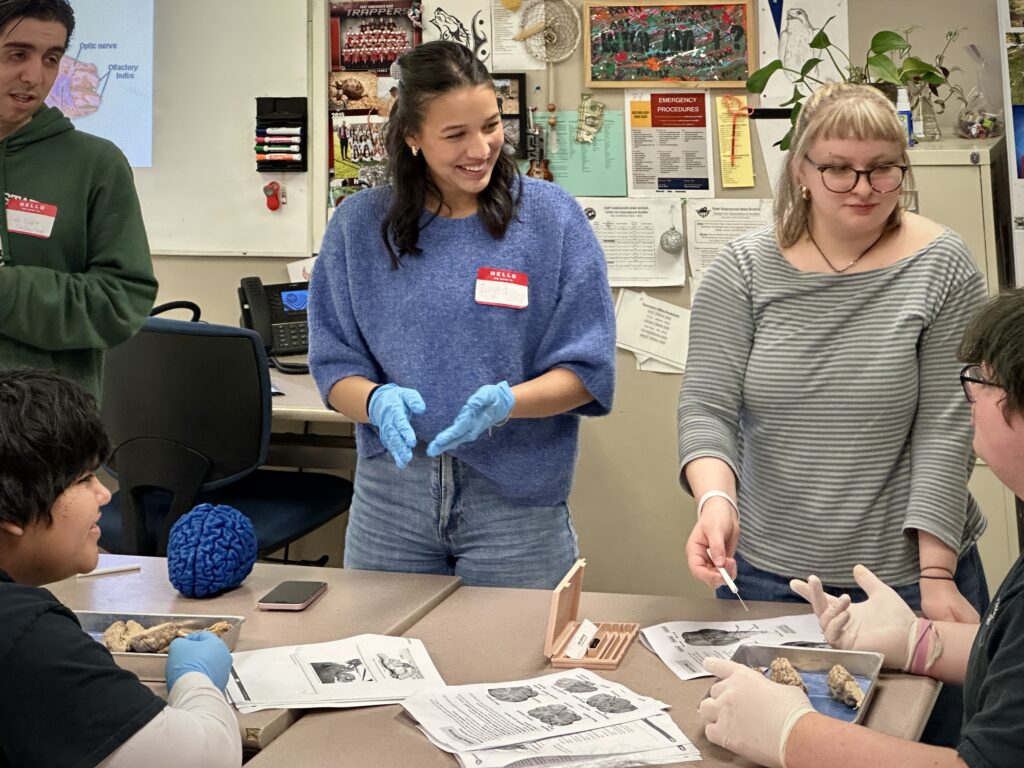
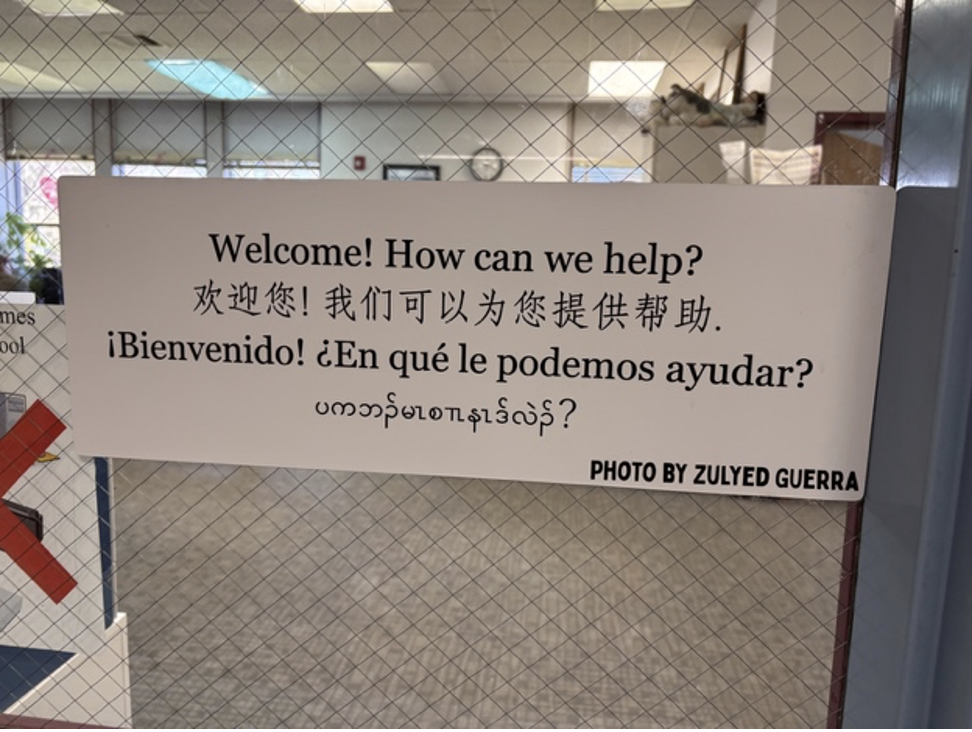
Fort Vancouver High School is a diverse southwest Washington public school where more than 35 different languages are spoken, and I noticed the multilingual dimension of code switching there.
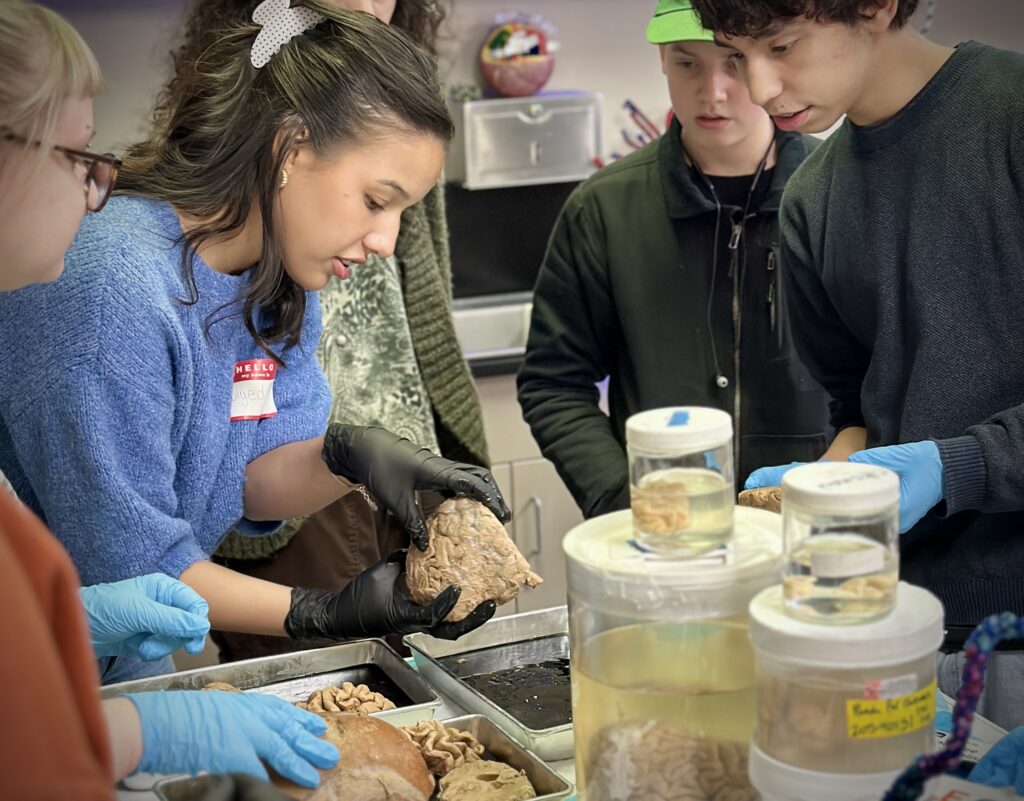
“Students speak differently with peers depending on their relationship to the teacher and classroom culture.” -Coreyanne Russell, Science Teacher @ Fort Vancouver High School
Many students effortlessly shifted into their primary language when speaking with friends. I noticed that they also seemed more relaxed and their conversations flowed naturally when speaking with the people they felt more comfortable with. When speaking to me in English I noticed how they became more cautious and restrained. This suggests why we might code-switch.
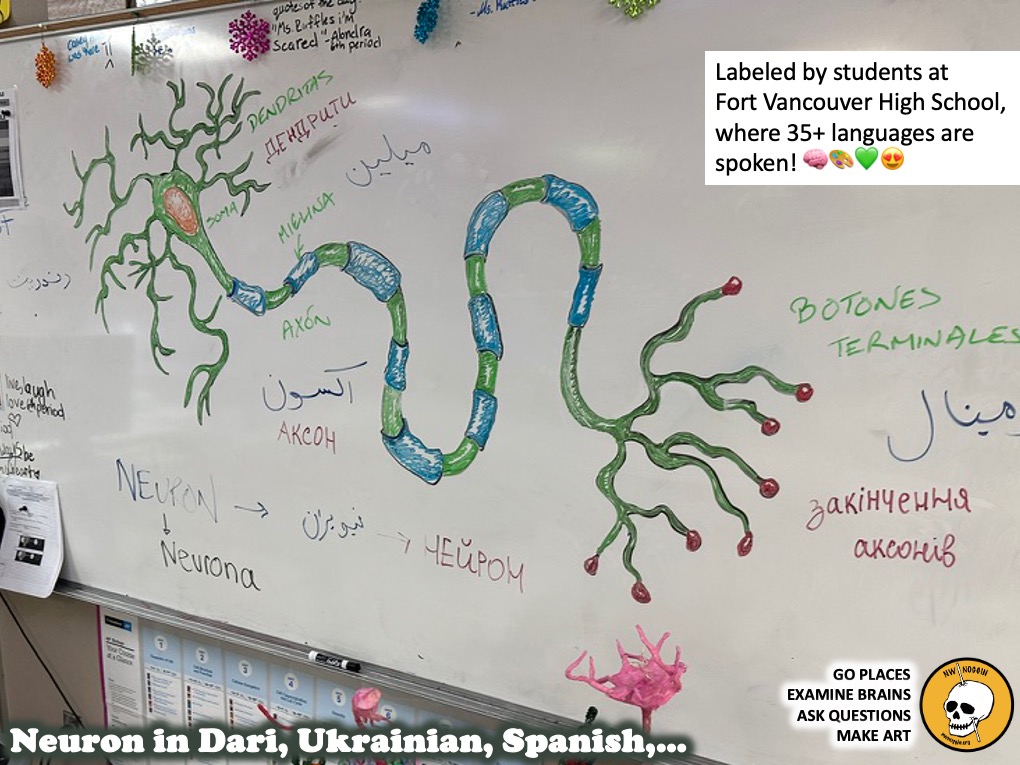
“Students consistently code switch particularly when paired with students fluent in their native language. Sometimes they will integrate multiple languages within a given sentence.” -Coreyanne Russell
Muchas personases se sienten más cómodas expresándose en el idioma que comparten con su comunidad o sus amigos.
We code switch because we want to connect and feel understood. Most of the time we don’t even realize we’re doing it. We naturally change how we speak depending on who we’re around, so we can better fit in and succeed in a particular social setting.
Muchas veces cambiamos nuestra forma de hablar sin darnos cuenta.
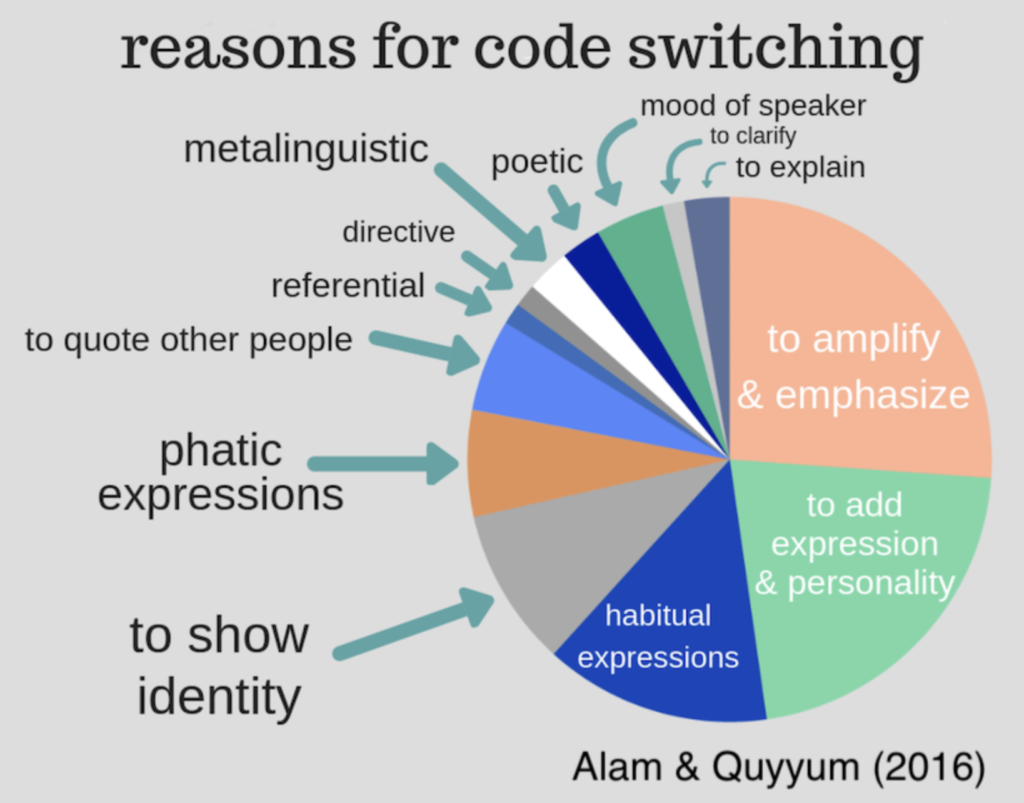
IMAGE: A Sociolinguistic Survey on Code Switching & Code Mixing
LEARN MORE: Linguistic Code-Switching: What it Is and Why it Happens
LEARN MORE: Five Reasons Why People Code-Switch
LEARN MORE: The neglected early history of codeswitching research in the United States
Did you know that your favorite social media influencers code switch too?
Influencers often code switch as a deliberate communication tool when creating content. This is not done randomly but as a strategy to increase engagement and connect with their audience. Influencers may change their tone, use certain words or include language like “we” and “you” to make their content feel more personal and relatable. Code switching also allow influencers to express their cultural identity. By adapting language and tone to match their audience, influencers encourage more interaction with their content.
LEARN MORE: Influencer Speech and Indexicality
LEARN MORE: The Analysis of Code-Switching on Comfort in Expressing True Meanings in TikTok Influencers Content
LEARN MORE: Investigating Codeswitching in YouTube Influencer’s Speech
LEARN MORE: Code Switching in the Social Media Era: A Linguistic Analysis of Instagram and TikTok
LEARN MORE: Analysis of Code-switching Phenomena in the Evolution of Social Media Language
LEARN MORE: Synapses to Shares
When code switching helps and when it hurts
Code-switching can be both helpful and harmful.
Being able to adjust how you speak or present yourself shows social awareness. It can open doors professionally and help you connect across groups. Knowing multiple languages is also a major benefit. Multilingual people can move between cultures and communities. The ability to shift between languages or communication styles and deploy effective cognitive control are beneficial skills.
At the same time, harm might come if someone feels that they must switch. When code switching is driven by fear of discrimination or linguistic racism, it can become exhausting. Over time, that stress and pressure may affect mental and even physical health.
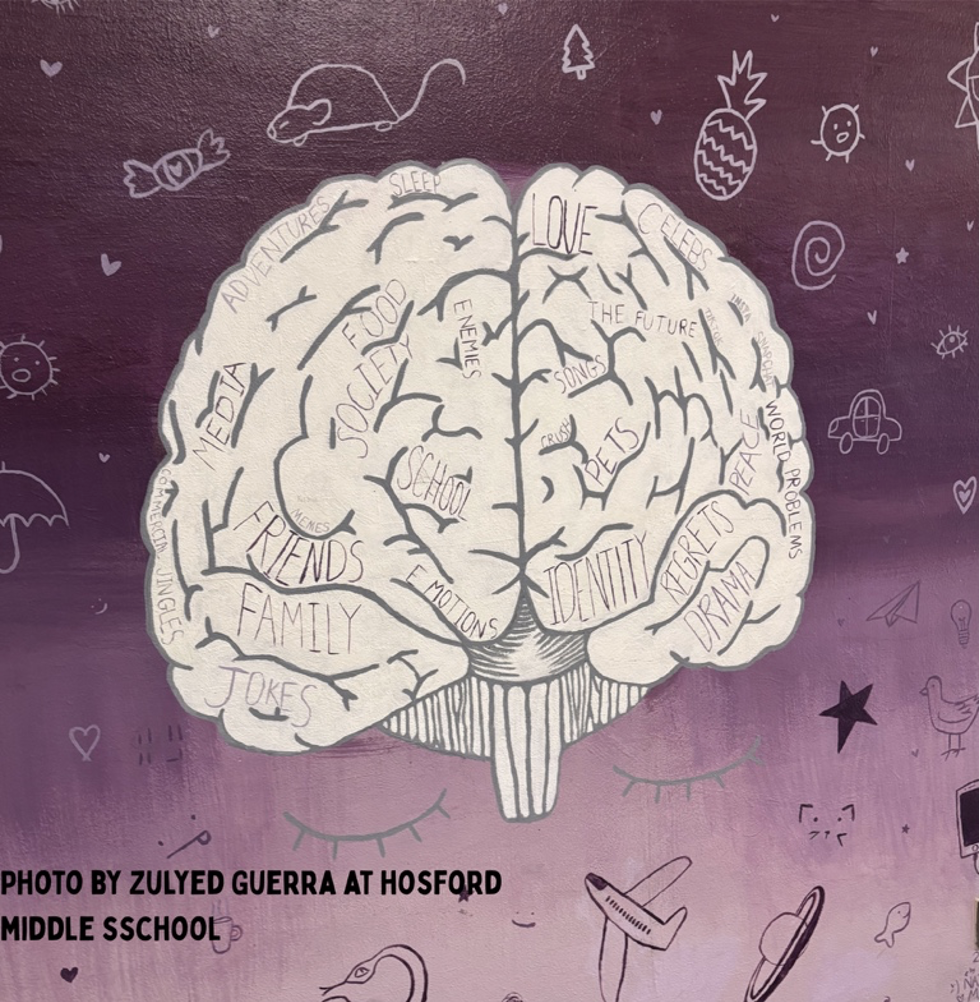
Code switching is not inherently harmful. Harm comes from a system that makes people feel their natural voice isn’t acceptable. In an inclusive society, code switching would be a choice and not a requirement.
En una sociedad más inclusiva, cambiar de código sería una opción y no una necesidad.
“As a young Black girl fascinated by neuroscience, I’ve felt this firsthand. Trimming my words in class, using a laugh that wasn’t quite mine in interviews, or double-checking my tone before answering a question — it wasn’t about trying to fit in. It was my brain, trained by experience and history, adapting on the fly. That’s what makes me curious about the science behind it — and passionate about writing it down. Code-switching isn’t about words. It’s a neuroscience story, a culture story, and a historical one. Understanding it matters — not just to reduce the stress it creates, but to imagine futures where people don’t feel like they have to split themselves in two to belong.” –Christen Nickson
LEARN MORE: The Cognitive Gymnastics: The Neuroscience of Code-Switching
LEARN MORE: Code Switch
LEARN MORE: Are there Cognitive Benefits of Code-switching in Bilingual Children?
LEARN MORE: What is Code Switching? Q&A With Darin Johnson
LEARN MORE: Let’s Talk About Code-Switching: A Double-Edged Sword
LEARN MORE: Whitened Résumés: Race and Self-Presentation in the Labor Market
LEARN MORE: To be, or not to be…Black: The effects of racial codeswitching on perceived professionalism in the workplace
LEARN MORE: Accusations of Acting White: Links to Black Students’ Racial Identity and Mental Health
LEARN MORE: Historic Scaffolds of Whiteness in Higher Education
Why this matters to me
Participating in outreach and visiting schools to share neuroscience gave me a new perspective on language and communication. I was amazed by how interested many of the students were in learning about the brain and science. Seeing their curiosity reminded me how important it is to expose young students to science early, because those experiences can inspire them to pursue careers in STEM.
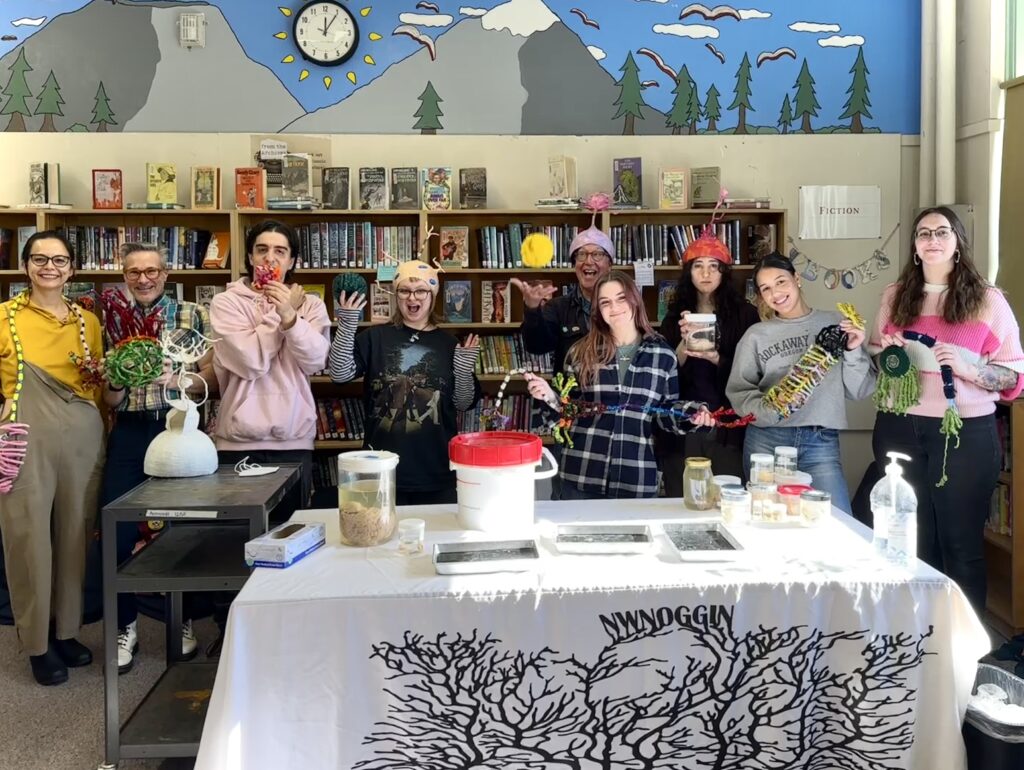
I noticed how students naturally code switched depending on who they were speaking to. Hearing students move between languages reminded me of my own experiences growing up and switching between Spanish at home and English at school.
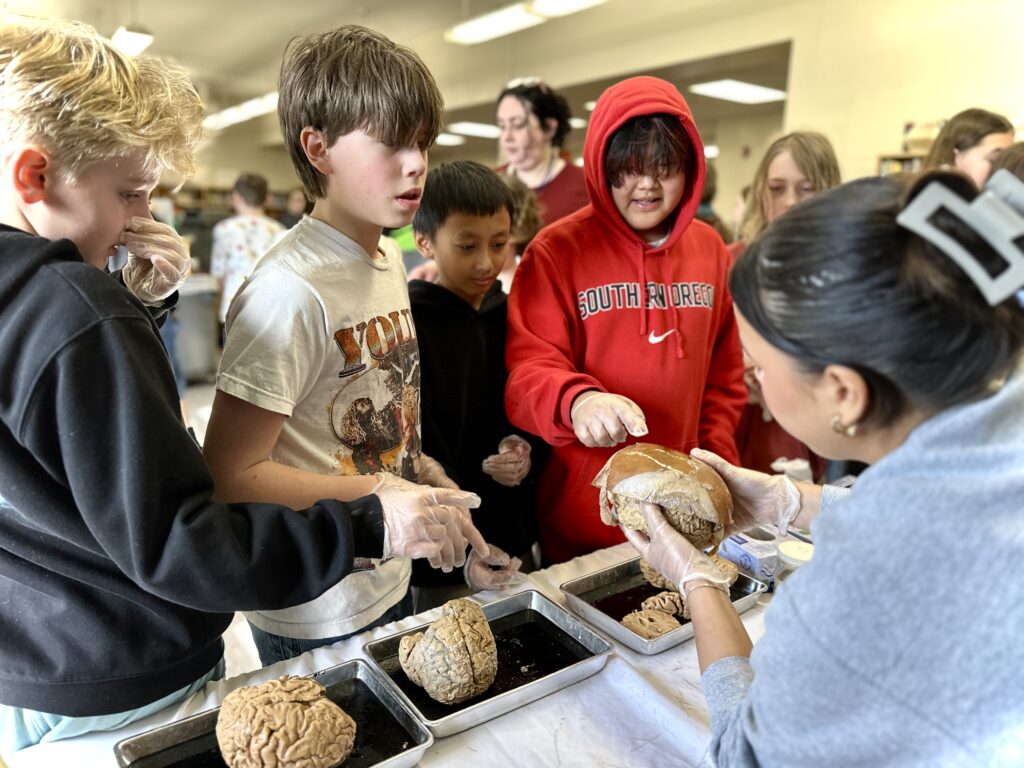
“It can be challenging for students to express feelings in a new language. One way we sometimes mitigate this is using Google Translate, particularly for students with limited English.” -Coreyanne Russell
Code switching can be a valuable skill. It shows social awareness and reveals our brains ability to adapt communication to different situations. However, it also made me think about the pressures some people feel to change the way they speak for professional opportunities. When people feel forced to hide their natural language or identity, it can be exhausting and even harmful.
This connects strongly to my interest in public health.
Language plays a critical role in healthcare access and outcomes. When patients are unable to speak their native languages with providers, they may struggle to explain their symptoms, understand medical instructions, or feel comfortable asking questions. In these situation people may feel pressure to code switch or communicate in a language they are less confident in, creating barriers to care.
Through outreach I saw how people naturally adapt their language depending on their environment. Understating this is important for fields like public health and healthcare, where language can shape access and health outcomes. I want to help create spaces where people feel comfortable communicating, by reducing barriers and improving care.
El lenguaje forma parte de como nos conectamos, aprendemos y etendemos los demás.