


Post by Cece Austin, undergraduate in Psychology and Social Science with minors in Interdisciplinary Neuroscience and Judaic Studies at Portland State University. Cece is a research assistant in Dr. Dara Shifrer‘s Career Analysts Research Lab at PSU.
As an undergraduate, gaining research experience can be daunting.
Get Involved
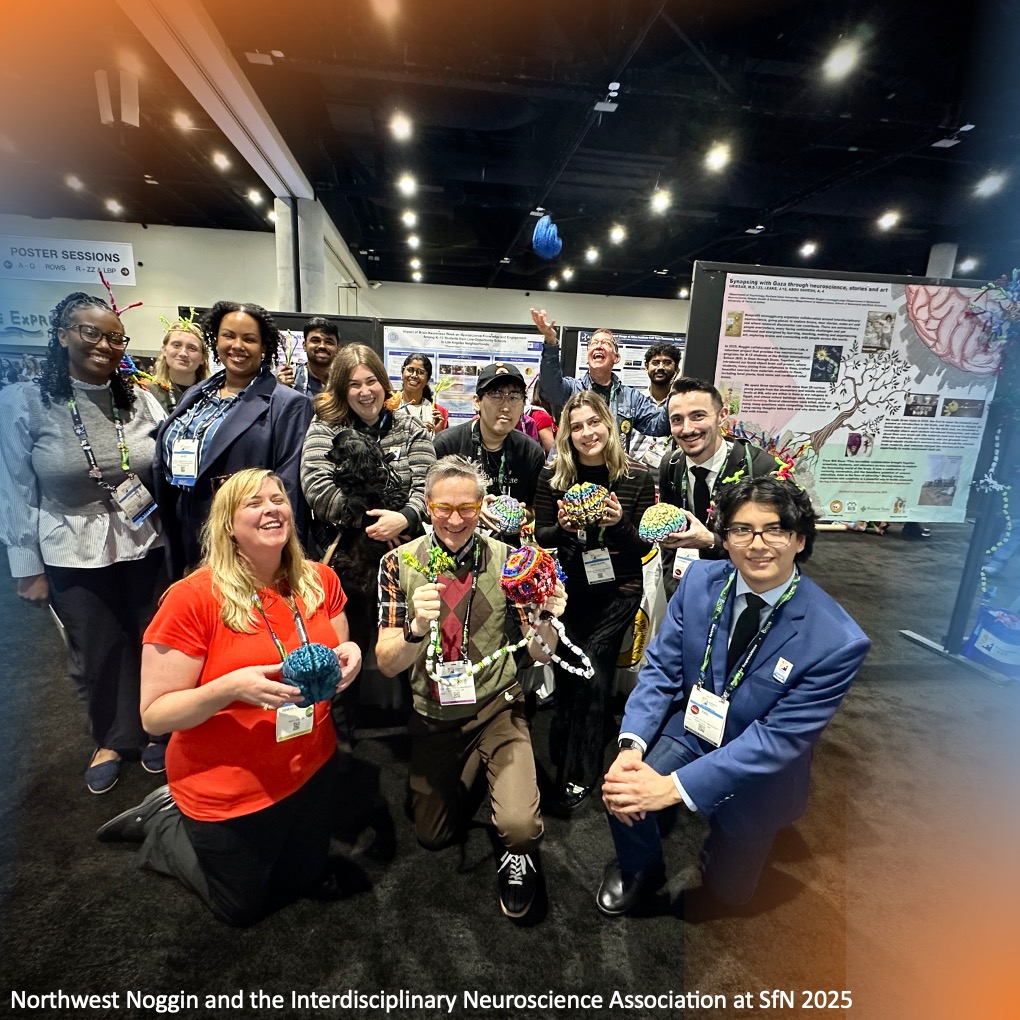
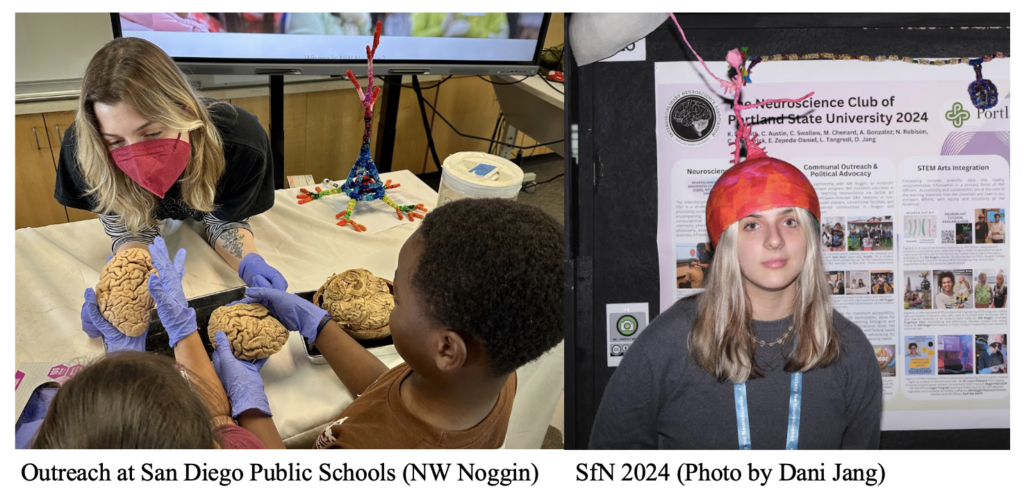
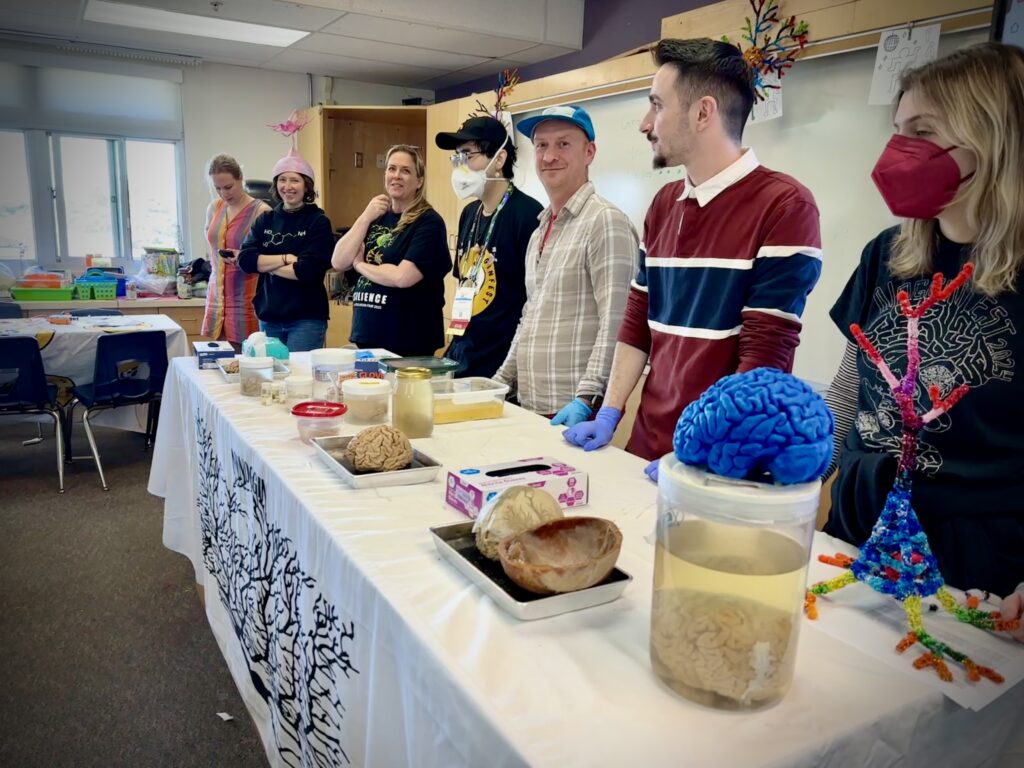
Thankfully, through my role as Vice President of PSU’s Interdisciplinary Neuroscience Association (INA), I’ve had the opportunity to participate in our club poster presentations at the Society for Neuroscience conferences in 2024 and 2025. These experiences, as well as some transformative outreach visits with Northwest Noggin, helped ignite my passion for research, as well as science education.
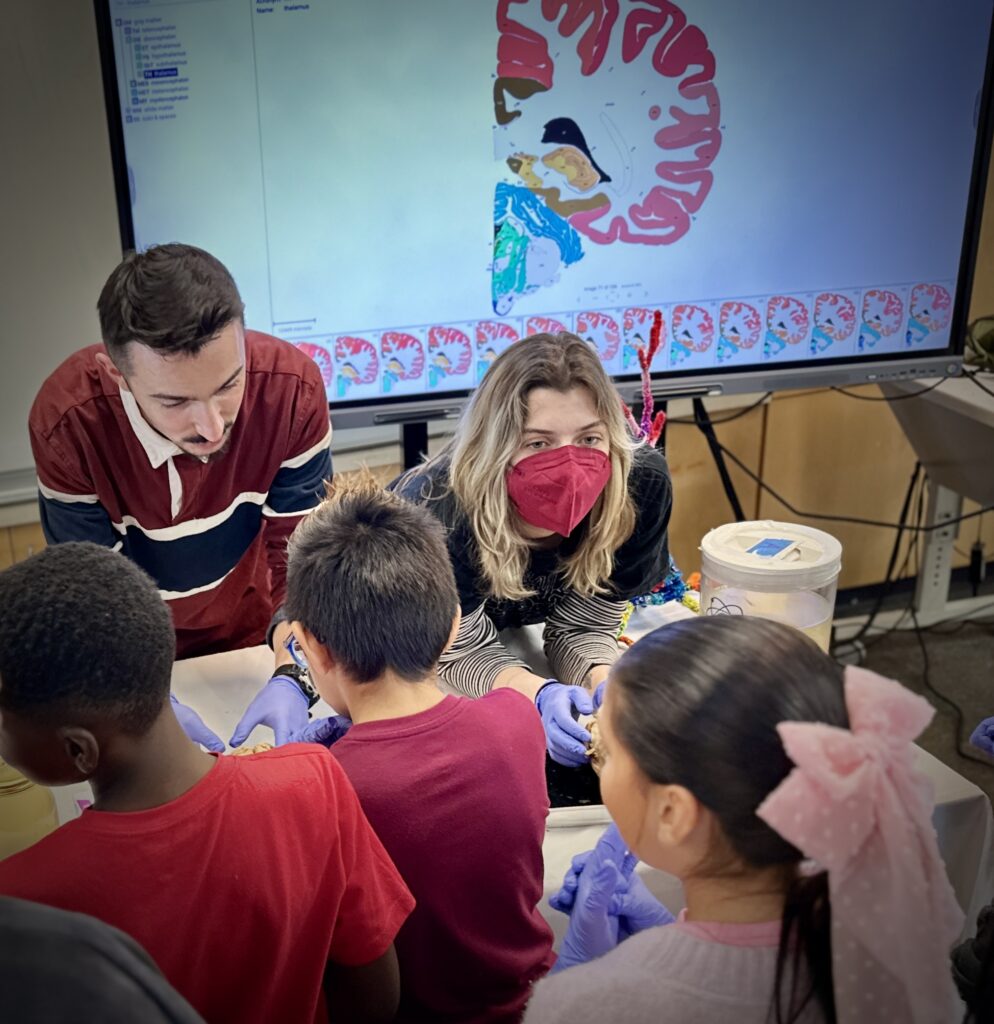
LEARN MORE: Noggin @ Schools & SfN in San Diego (2025)!
LEARN MORE: Noggin @ Society for Neuroscience in Chicago (2024)!
LEARN MORE: Noggin @ Society for Neuroscience
Before these experiences, I did not know how to write a research abstract, or have the skills to easily communicate scientific ideas. When seeking to take my last class of the interdisciplinary neuroscience minor at PSU, I opted for a “research by arrangement,” hoping to delve deeper into how science is pursued, and share my path to becoming a more competent researcher.
LEARN MORE: How to Write a Comprehensive and Informative Research Abstract
LEARN MORE: The Principles of Biomedical Scientific Writing: Abstract and Keywords
LEARN MORE: How to write a good abstract for a scientific paper or conference
Reach out
When seeking a faculty advisor for my proposed research projects, I was very nervous to reach out. I had many anxieties at the beginning of my journey. “What if I can’t find anyone? Can I do research without funding? How will I know if it’s a good fit?”
In 2025, I was accepted into The McNair Scholars program, which helps underrepresented undergraduate students complete research under the guidance of a faculty mentor. It is similar to the Honors College undergraduate thesis at PSU, and can be good preparation for undertaking a thesis.
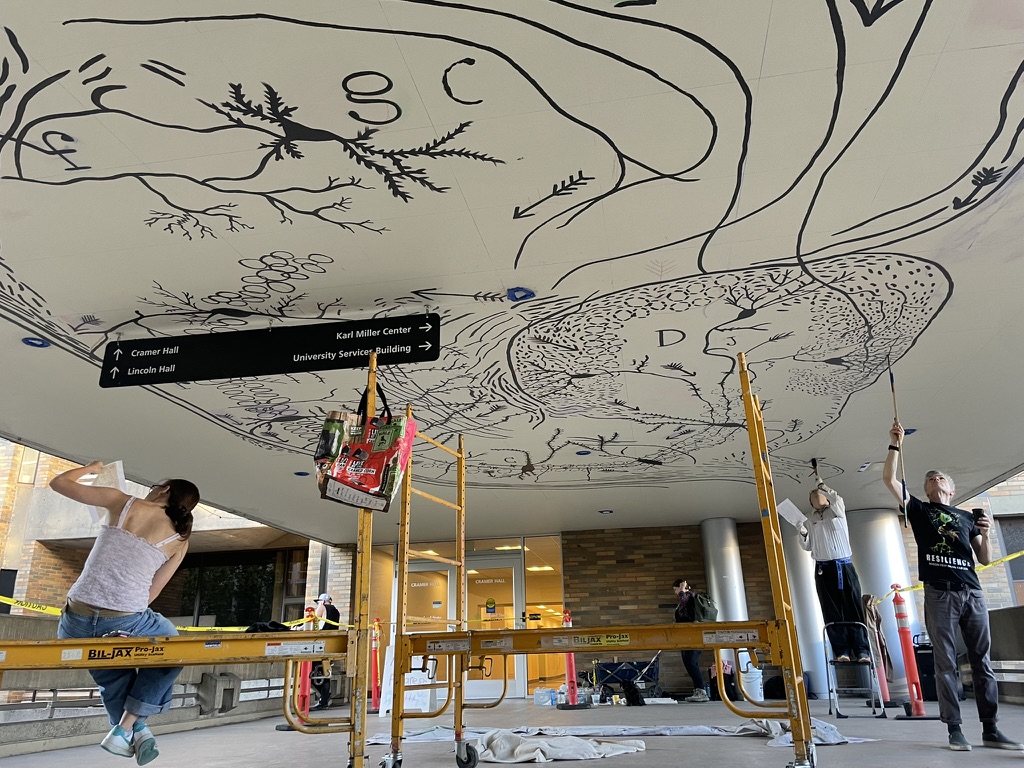
IMAGE: Hippocampus mural at Portland State University, under construction
LEARN MORE: McNair Scholars Program @ Portland State University
LEARN MORE: University Honors College @ PSU
My initial concerns were compounded by the topics I was interested in studying.
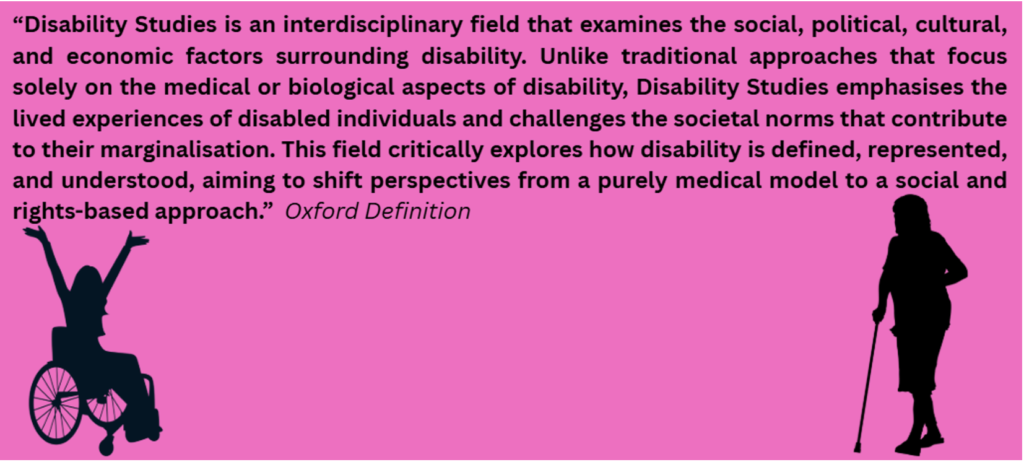
IMAGE: Oxford Disability Studies Definition (Graphic by Cece Austin)
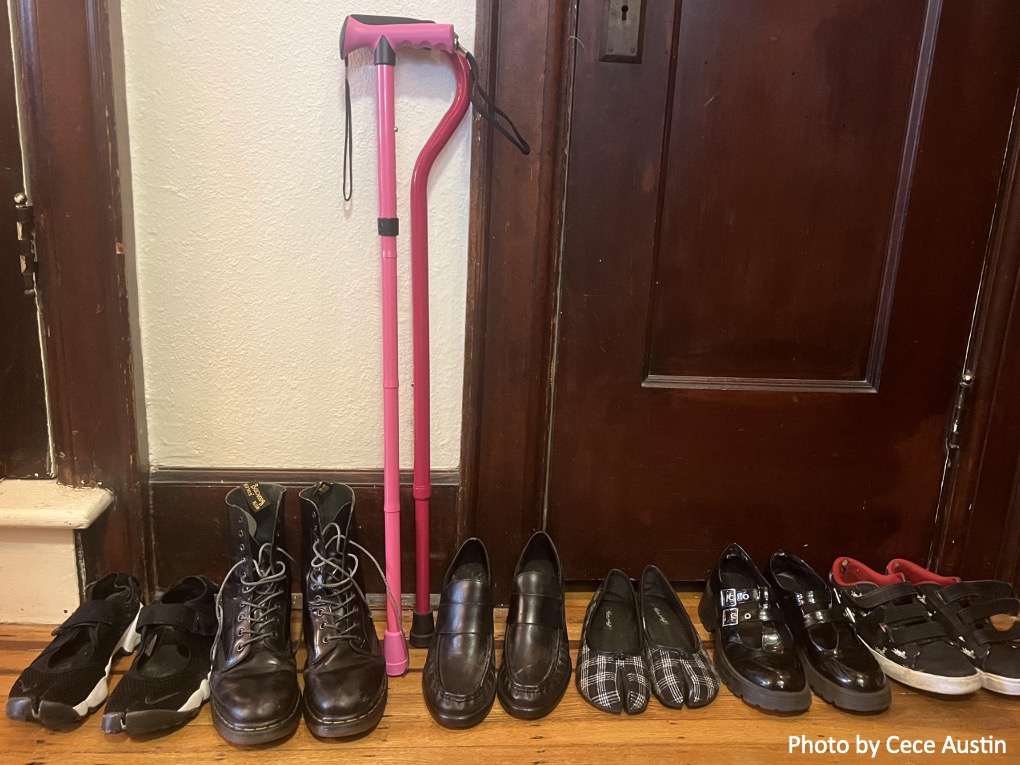
I longed to do something in Disability Studies, as my own disability had shaped many of my student experiences. While navigating a dynamic disabled experience, I noticed how I was treated very differently when using mobility aids during recovery from surgery, and I wondered if other students like me had similar experiences.
LEARN MORE: About the McNair Scholars Program
LEARN MORE: FOURTH YEAR: HONORS THESIS | Portland State University
LEARN MORE: Disability Studies: Foundations & Key Concepts
LEARN MORE: Disability Studies
For the McNair project and Honors thesis, students are encouraged to find a faculty mentor within their own academic department. For me, this was Psychology, yet I struggled to find faculty pursuing disability research. Instead of panicking, I decided to expand my search.
Thankfully I found Dr. Dara Shifrer, a Sociology professor who has done research projects on disability. As I read her work, I became inspired, and I knew I had to reach out. I had never met her before, but I sent an email. She responded warmly, and we met. She agreed to be my advisor, and I agreed to join her lab.
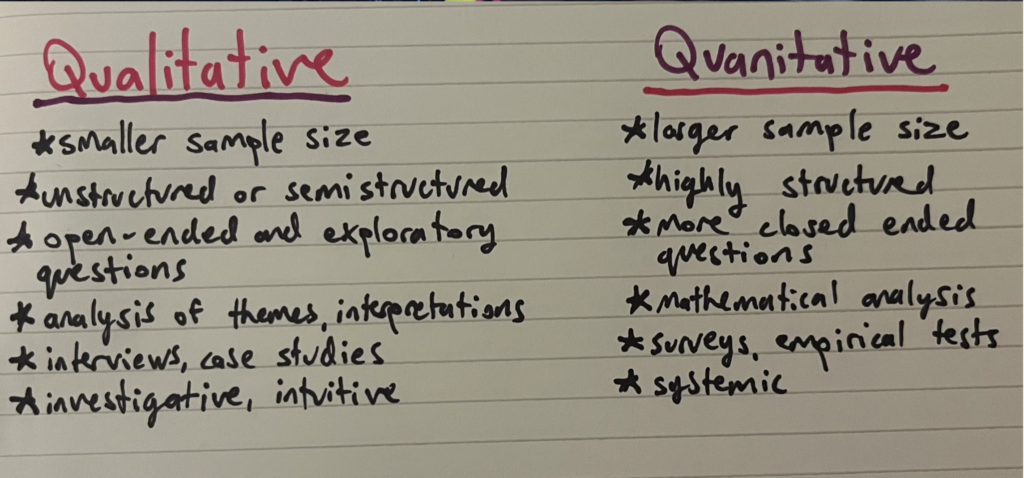
Dr. Shifrer’s lab, the Career Analysts Research Lab, has a unique format. Graduate and undergraduate students alike work on various quantitative and qualitative projects, and meet on a weekly basis to share updates and get feedback from each other.
LEARN MORE: Qualitative and quantitative research methods
LEARN MORE: Key disparities between quantitative and qualitative research methodologies
LEARN MORE: A Scientific Journey: The Value of Subjective Data
In the lab
This format was immensely helpful, as Suzy Pappas (Fly) (the graduate student I work with) and I have received helpful feedback on our developing research protocol. We recently started collecting data through interviews, after receiving Institutional Review Board (IRB) approval in January.
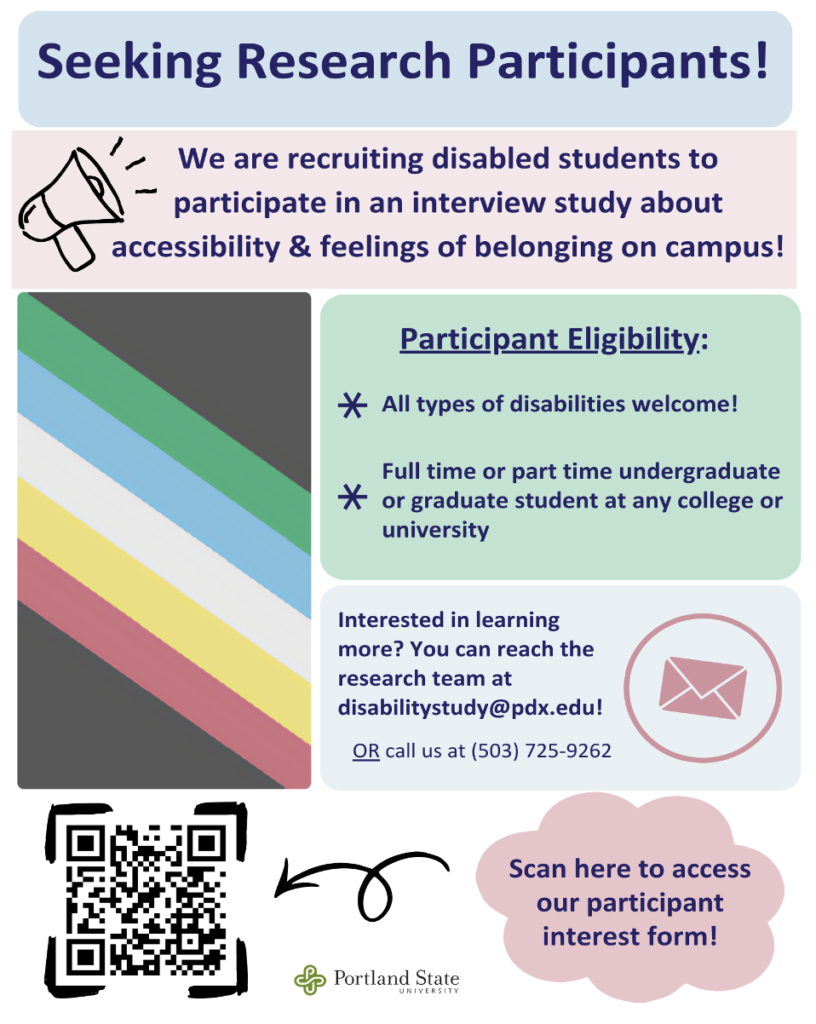
IMAGE: Study Recruitment Flier for Career Analysts (by Suzy Pappas (Fly) & Cece Austin)
LEARN MORE: Career Analysts Lab
LEARN MORE: Understanding IRBs: Roles, Responsibilities & Ethics
LEARN MORE: School-based health centers and mental health stigma before and during the pandemic
The format of Dr. Shifrer’s lab reminds me of a neural network within the brain.
Instead of working alone, we work together.
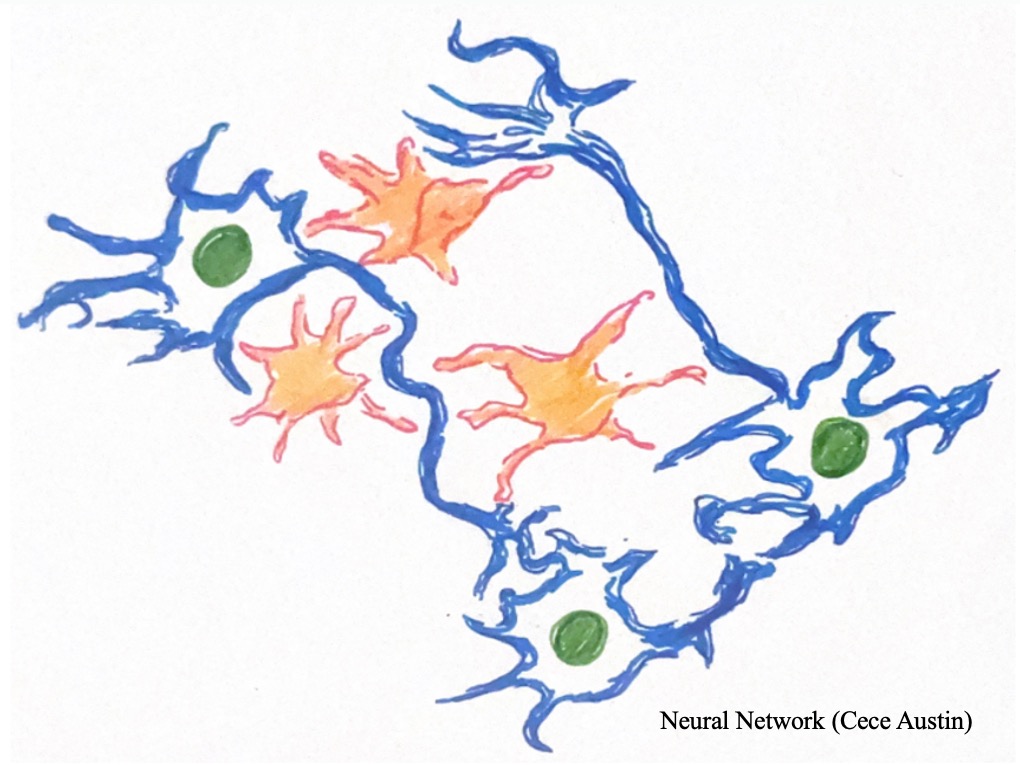
One neuron is a cell among many, and supportive cells like oligodendrocytes, astrocytes and others create a complex, multi-functioning system. Attempting to undertake a research project alone can feel daunting, if not impossible. A collaborative lab environment facilitates the success of many researchers, who work together to support each other and create more than what we could do by ourselves.
LEARN MORE: What about the glia?
For a student like me, finding the scaffolding of a supportive, structured environment was crucial to my success.
I had learned theoretical skills in my research and statistics classes, yet I lacked experience in actually applying them. And qualitative research, which would make up the bulk of my desired project, was less touched upon than its quantitative counterpart. Engaging with the Career Analysts Lab allowed me to connect with a diverse group of researchers, and not be afraid to ask questions or get feedback on things I have less experience with.
LEARN MORE: Qualitative Study
LEARN MORE: How to use and assess qualitative research methods
LEARN MORE: A Scientific Journey: The Value of Subjective Data
In our study we hope to gain insight into the diverse experiences of disabled individuals.
We are interviewing students about their experiences with a disability, especially in the university setting. Disabled students are an integral part of their communities and classroom spaces, and insights into their inclusion are core to equitable practices. We hope that our study lets students share their experiences and elevates their perspectives, contributing to improving accessibility in postsecondary disability systems.
A few weeks ago, we were able to go through our first research subject interview, which was a very exciting experience. To see the project develop from a literature review and proposal into a tangible, active, IRB-approved project has been incredibly rewarding.
In the past couple of weeks, I’ve been practicing transcript cleaning, memo’ing, and interview practice, all crucial to the qualitative methodologies used in the study. I look forward to being able to hone these skills, and begin coding and data analysis.
Transcript cleaning is the process of organizing and refining transcripts from the interviews, improving the accuracy and adding annotations about things that may not show up in just the dialogue, such as laughter and pauses. This ensures that the transcripts are as accurate to the interviewee’s statements as possible, and ready to be used in qualitative software to identify themes and common language.
In the past couple of weeks, we have conducted several interviews. I’m more comfortable with the process, and it’s been awesome to see some of our research questions and themes begin to show in the responses we receive. Working as a team allows for flexibility, giving Suzy and I the ability to expand available interview times based on our individual schedules.
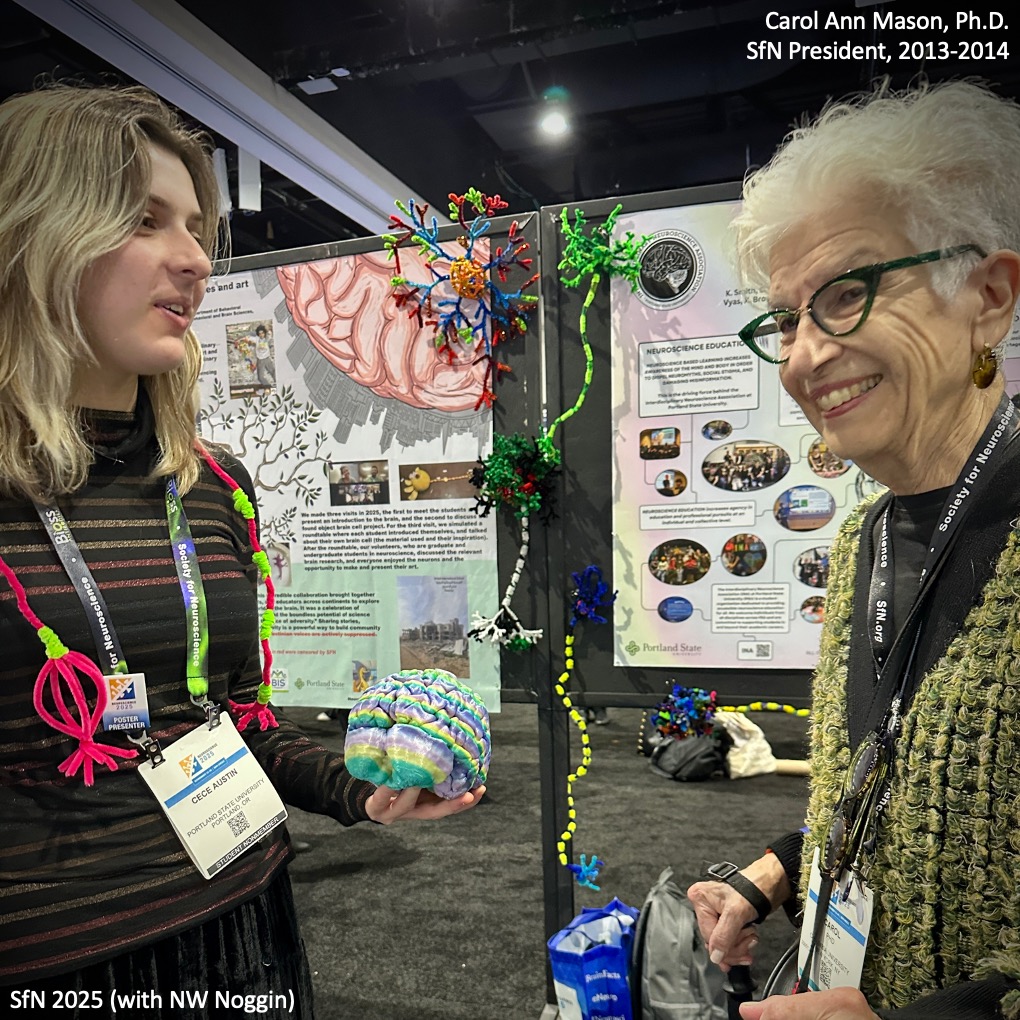
Scaffolding matters
The process of designing and participating in this project has been challenging and rewarding. Without the supportive and collaborative environment, and having a mentor who is educated on disability, this may have not been possible for me.
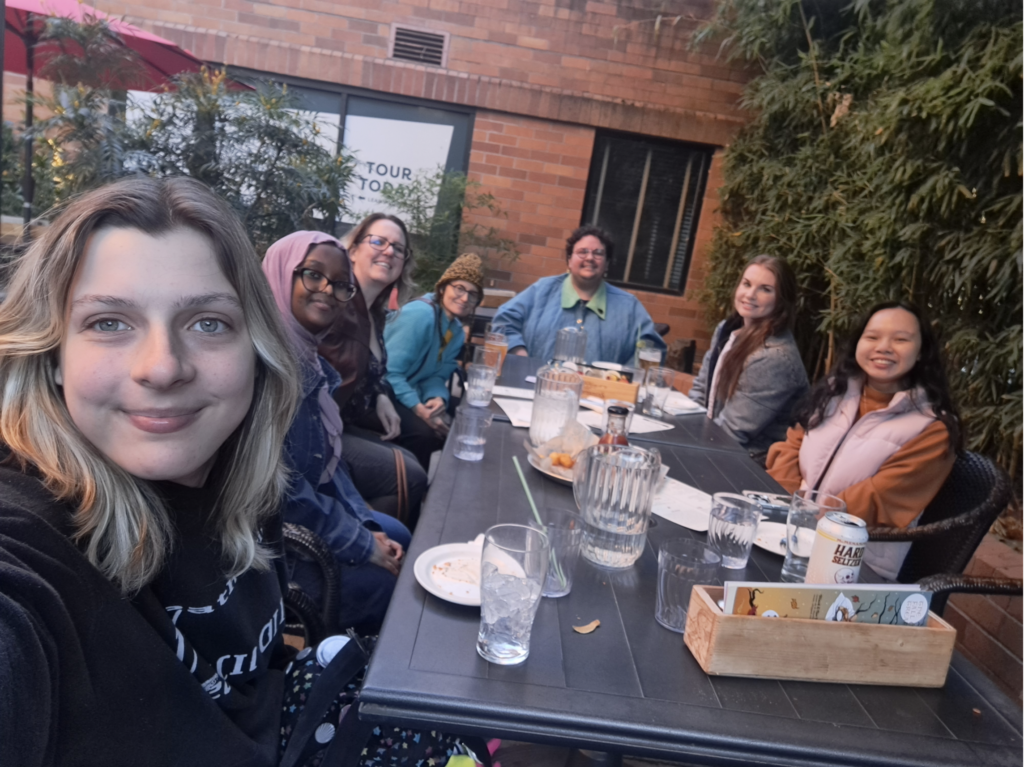
There are many invisible factors that can influence success in coursework and research. Finding an advisor and lab that provides support and scaffolding to uplift students, especially in areas where they need support, has been essential.
LEARN MORE: Developing Undergraduate Scientists by Scaffolding the Entry into Mentored Research
LEARN MORE: Improving support for young biomedical scientists