


Post by Kadi Rae Smith, President of the Interdisciplinary Neuroscience Association (INA) at Portland State University (PSU), and Conner Corbett, PSU graduate and Senior Clinical Research Assistant at Oregon Health and Science University (OHSU).
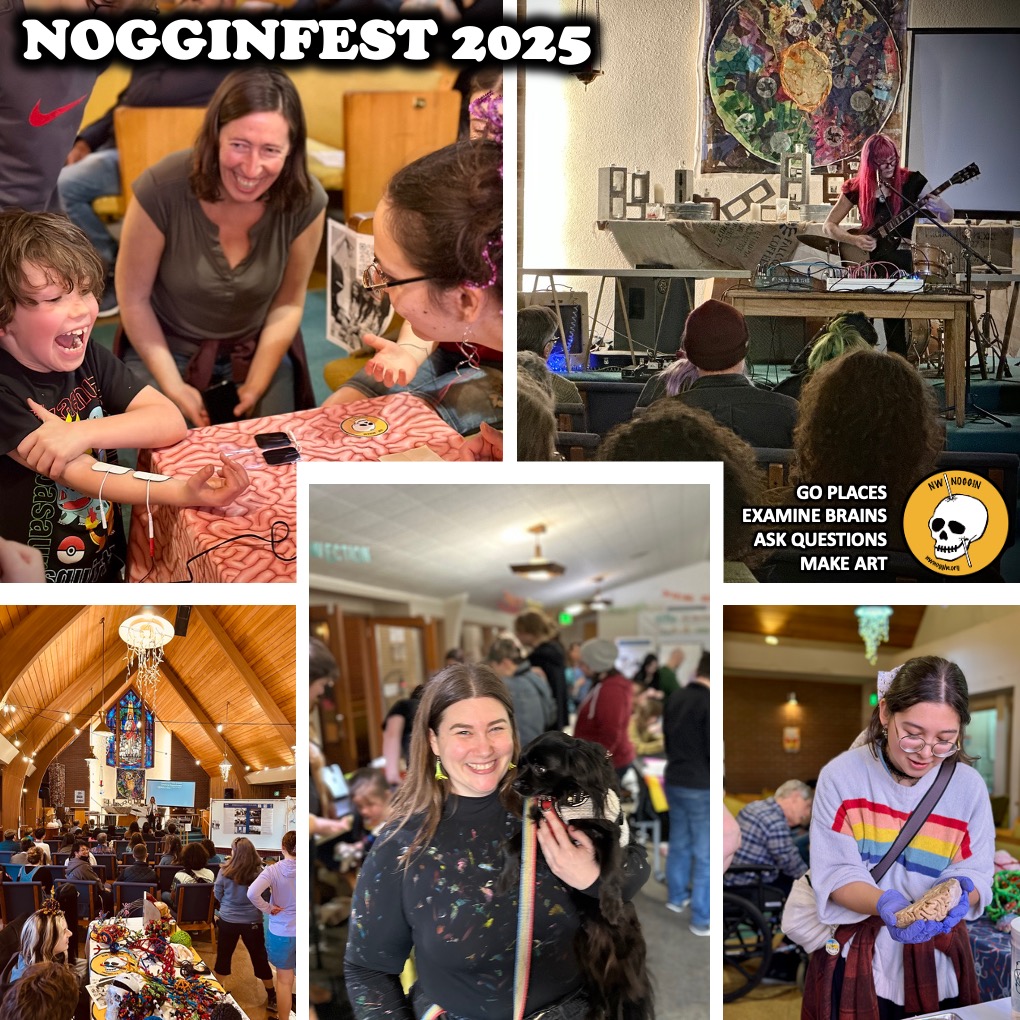
Discover Kadi Rae’s “neuron hat” art project here: Neuron Hats!
This year, the INA at PSU teamed up with NW Noggin to throw the first ever NogginFest Brain Fair; a combination of the Brain Fair that was formerly supported by both OHSU and OMSI (the Oregon Museum of Science & Industry), and NOGGINFEST, the entirely free, annual volunteer public celebration of all things art, brain and music that NW Noggin and PSU’s neuroscience students host each year.
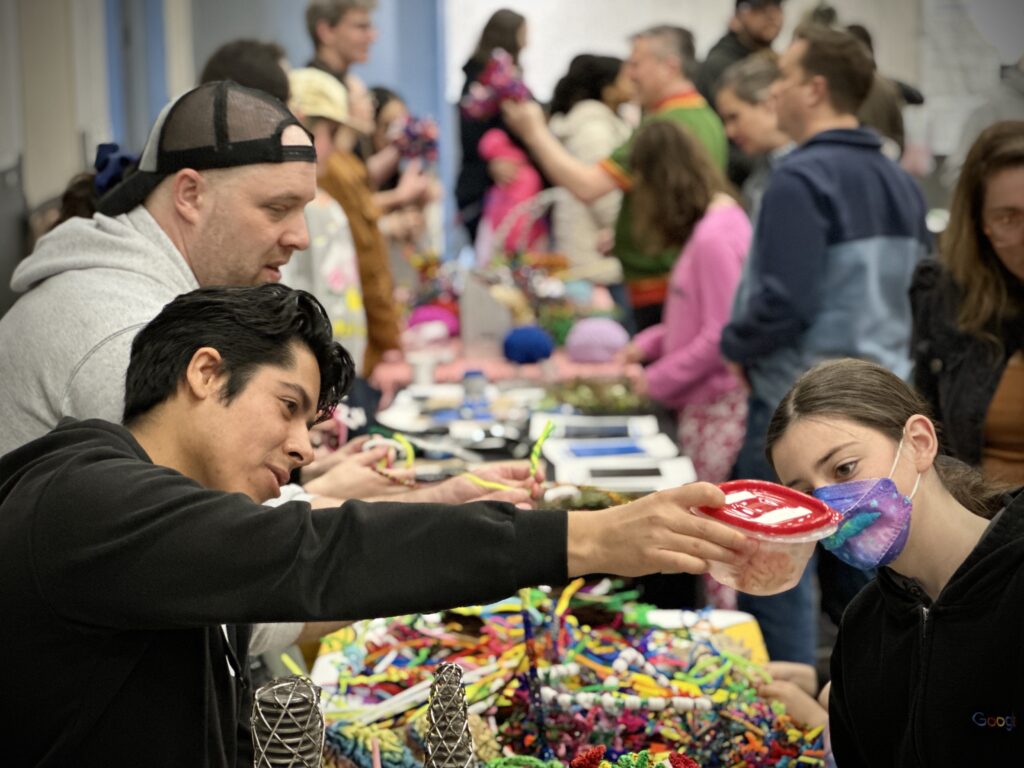
LEARN MORE: NogginFest!
LEARN MORE: Noggin Brings Brains, Volunteers, Coffee and Pizza to Brain Fair 2024
LEARN MORE: Brain Awareness for ALL
LEARN MORE: The Brains at Brain Fair
LEARN MORE: Bringing BRAINS to Brain Fair 🙂
LEARN MORE: Putting the brains in Brain Fair!
LEARN MORE: Pipe Cleaners, Gel Prints, Electrodes & Brains!
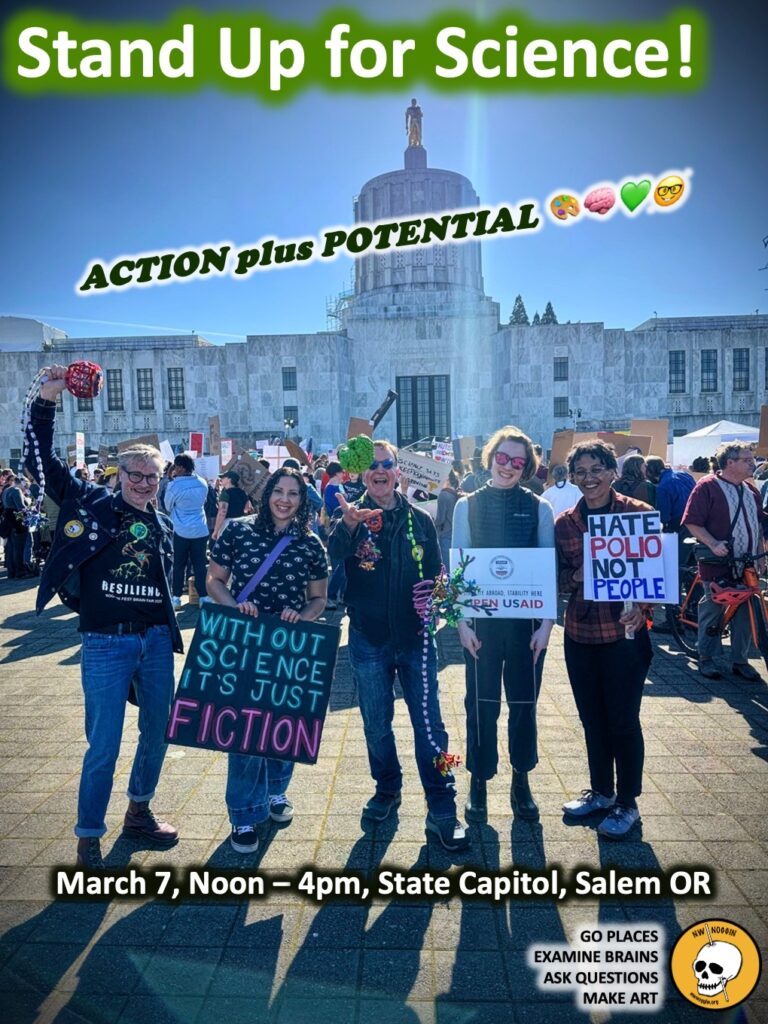
Funding for science is currently under assault by the Trump administration and their Republican collaborators in Congress, with federal investment in innovative research on the brain and trauma, PTSD, adolescent development, Alzheimer’s and other critical priorities from climate change to cancer vanishing fast.
“Persecute bookworms all you like, prohibit science, and destroy art, but sooner or later you’ll be forced to think better of it, and with much gnashing of teeth open the way for everything that is so hated by the power-hungry dullards and blockheads.” — Arkady Strugatsky
LEARN MORE: How Trump 2.0 is slashing NIH-backed research — in charts
LEARN MORE: ‘One of the darkest days’: NIH purges agency leadership amid mass layoffs
LEARN MORE: How far could Trump’s NIH funding cuts set medical innovation back? By decades, UW researchers warn
LEARN MORE: Ambitious NIH drive to solve brain mysteries faces uncertain future
LEARN MORE: Exclusive: NIH to terminate hundreds of active research grants
LEARN MORE: Stand Up for Science 2025
In addition, the popular OHSU/OMSI Brain Fair, and even the OHSU Brain Institute (OBI), were both stripped from OHSU’s budget, along with OBI’s support for the annual Society for Neuroscience Oregon/Southwest Washington Chapter Meeting, where the latest brain research was shared.
There’s still an OBI website, apparently – but it’s mostly just an Instagram hashtag now.
LEARN MORE: NW Noggin @ Society for Neuroscience
So…NW Noggin and INA picked up the mantle!
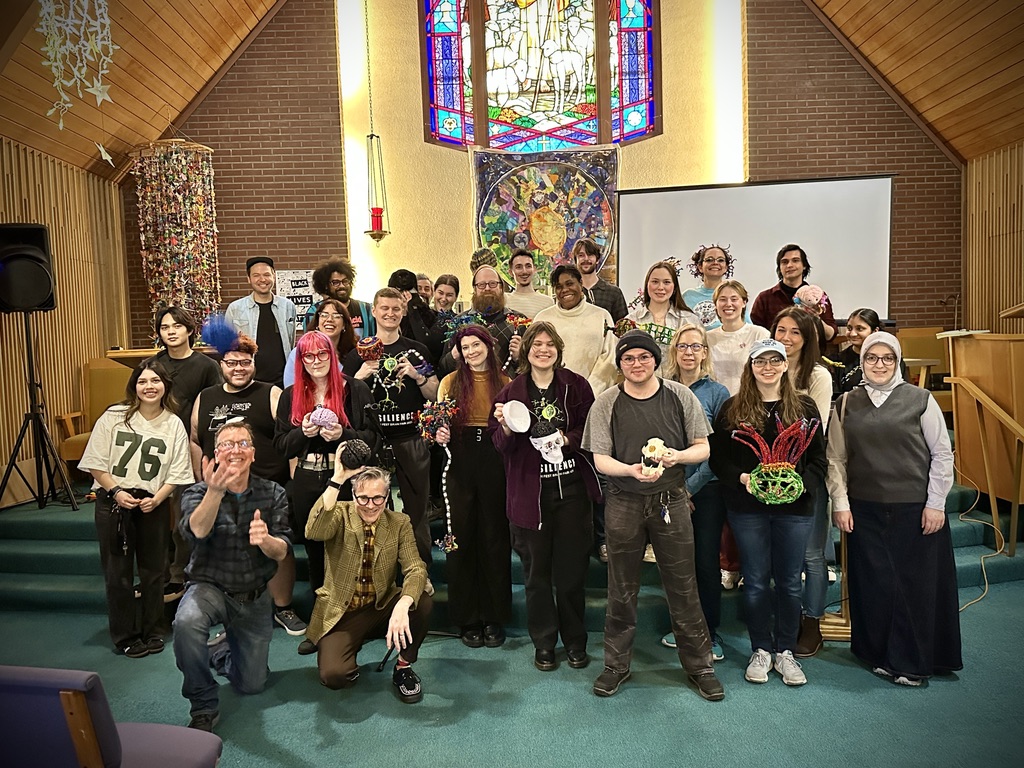
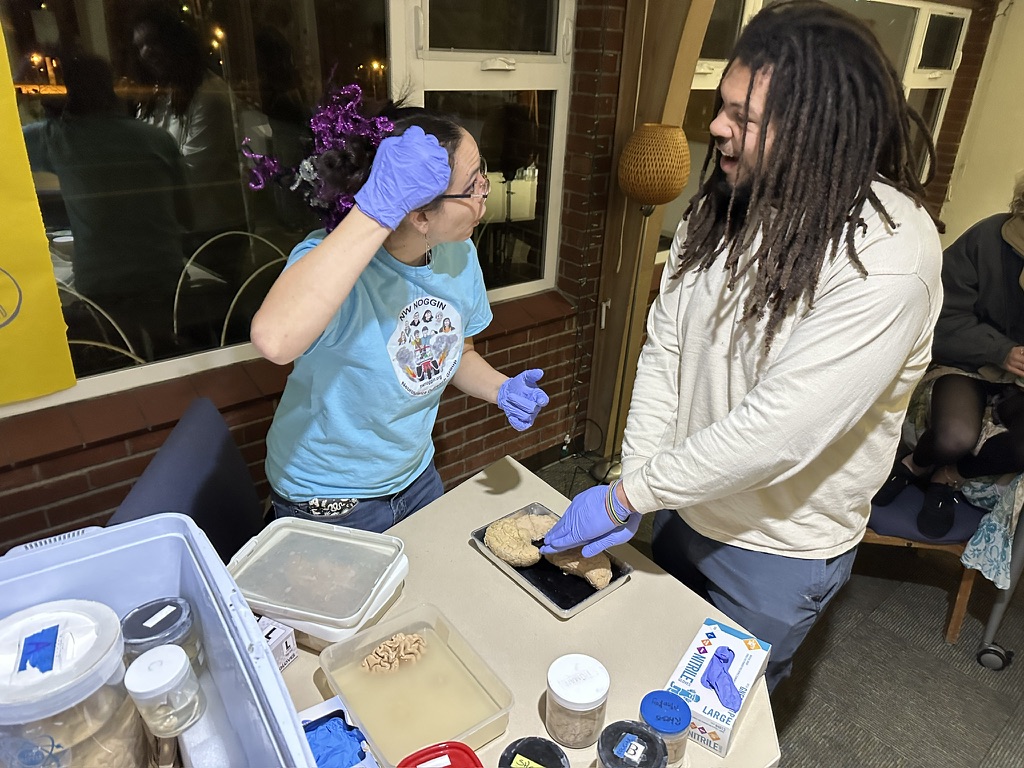
Noggin had already contributed most of the brain specimens to the OMSI Brain Fair and – fueled by our amazing volunteers from INA, OHSU and elsewhere – we collaboratively offer more FREE public outreach than any of these well-funded institutions.
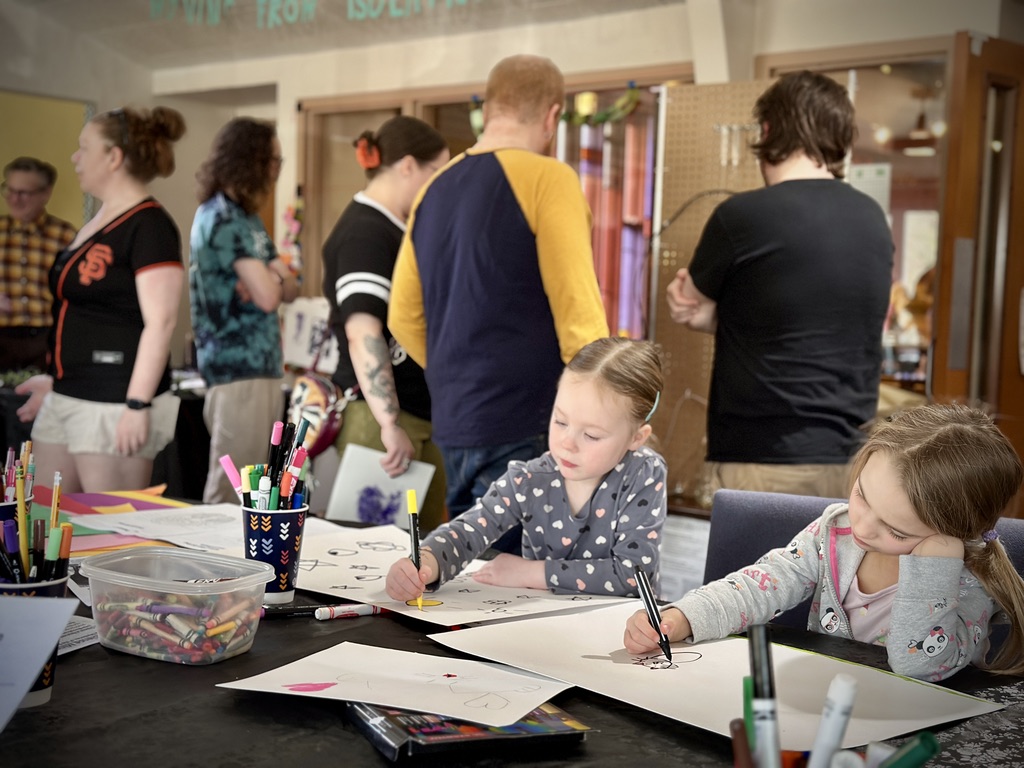
So we decided to put on this show ourselves!
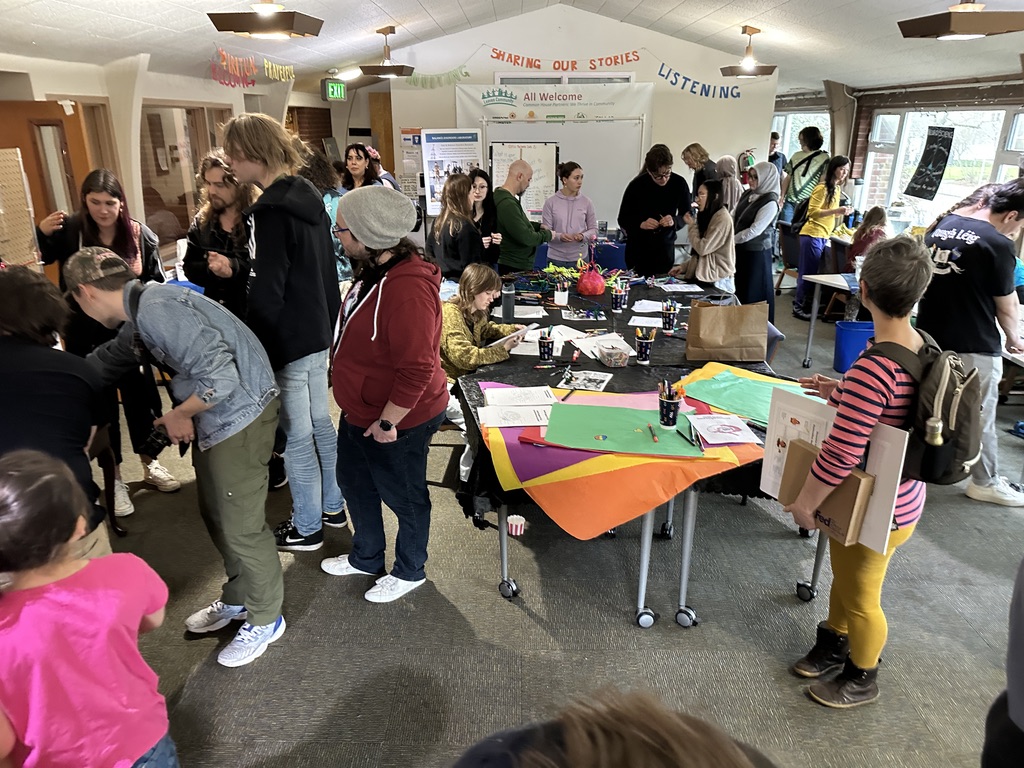
Each year, INA reaches out to our ever-expanding network of scientific and artistic collaborators with the same request: a donation of time and talents to share with the greater Portland community.
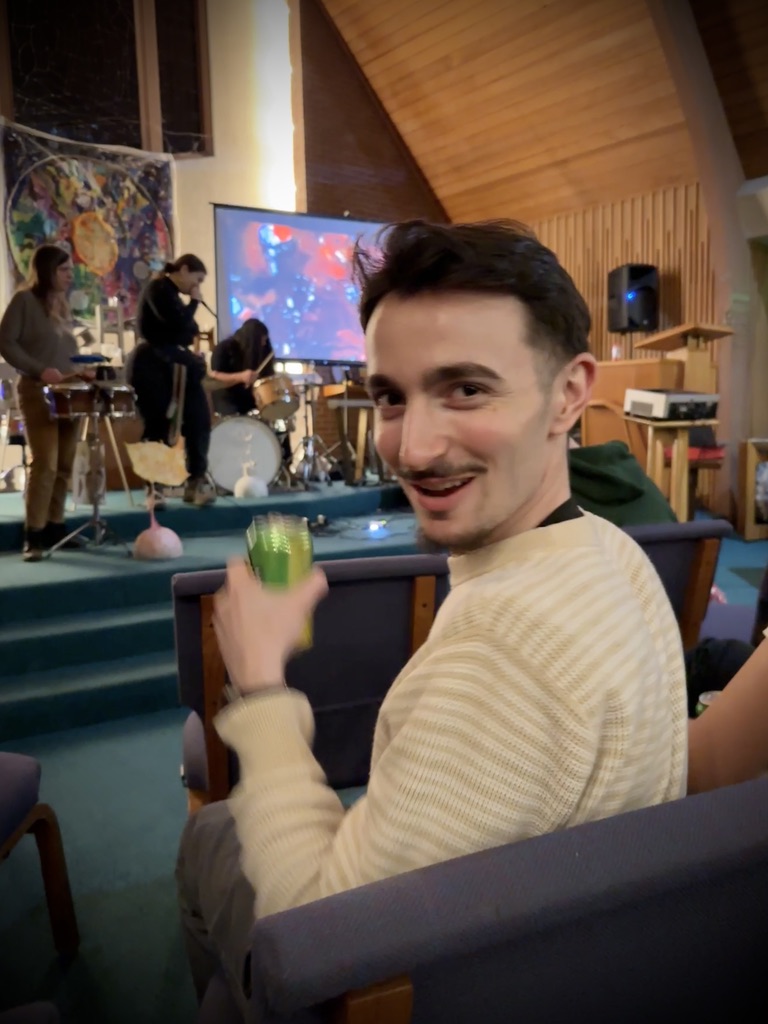
Spearheaded by INA president Kadi Rae Smith, and INA alum Conner Corbett of OHSU, the planning for NogginFest Brain Fair required a MASSIVE amount of coordination.
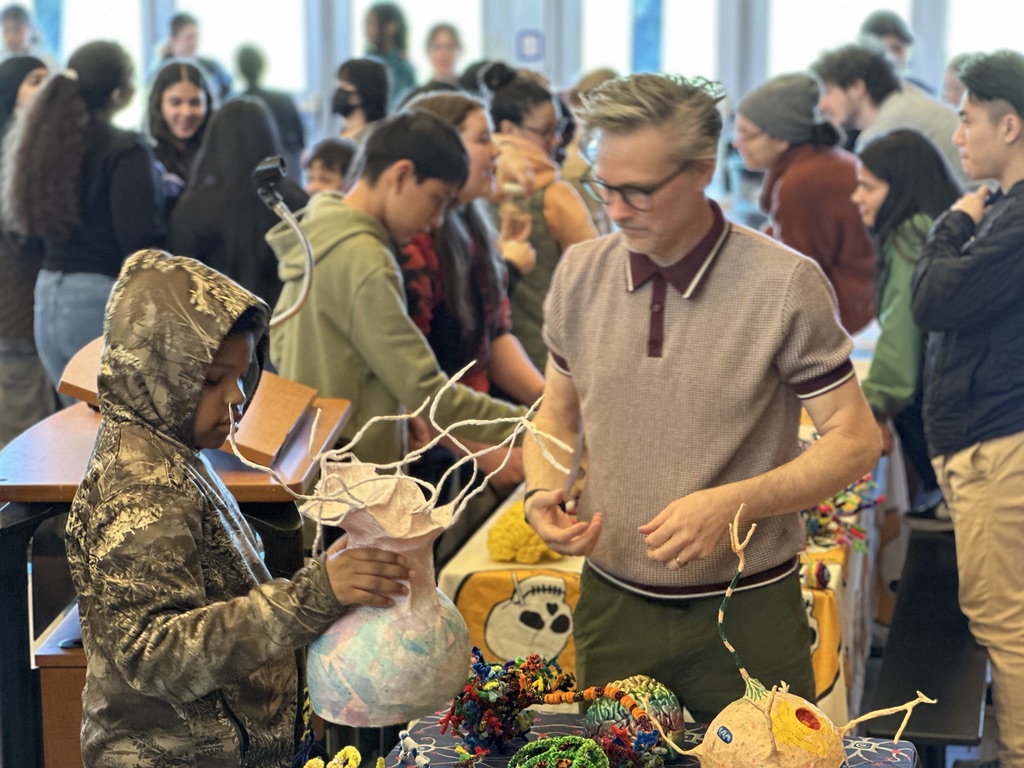
As NW Noggin is 100% volunteer powered and relies on grants and donations to cover the cost of pipe cleaners and other supplies, grant writing was an initial step towards launching this event.
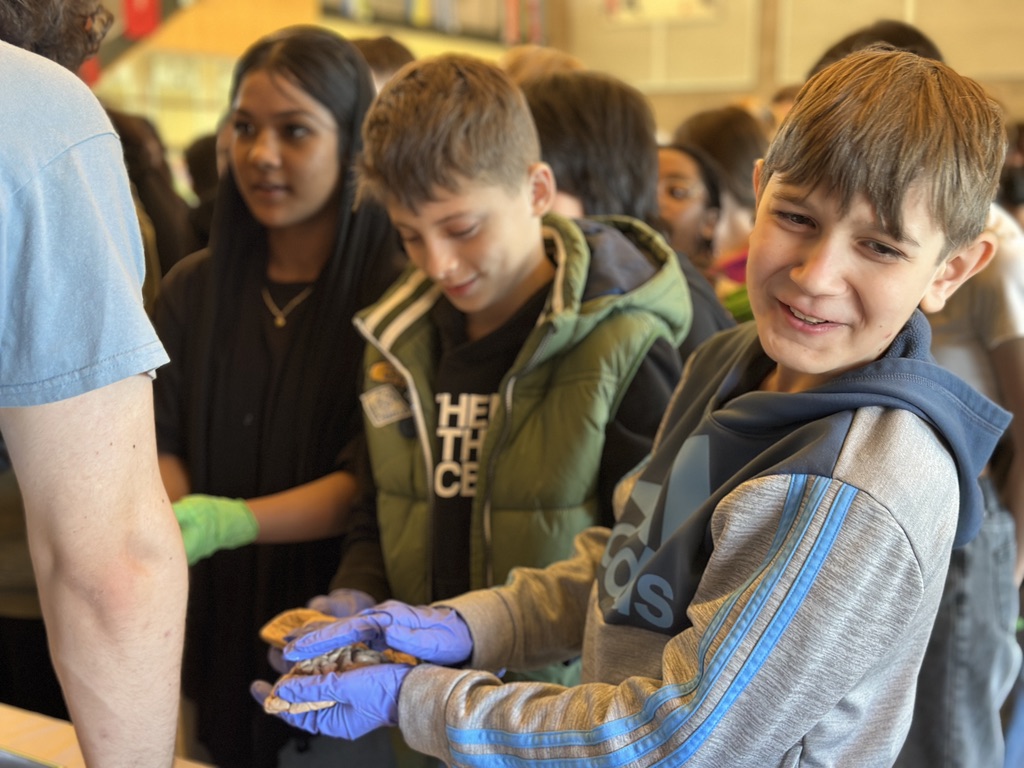
NW Noggin board members Denesa Lockwood, PhD and Bill Griesar, PhD advocated for funding from many organizations that support science education to find resources for the space and set up. The Dana Foundation and the International Brain Awareness Organization (IBRO) awarded NW Noggin a Brain Awareness grant, which funded art supplies and other festival materials.
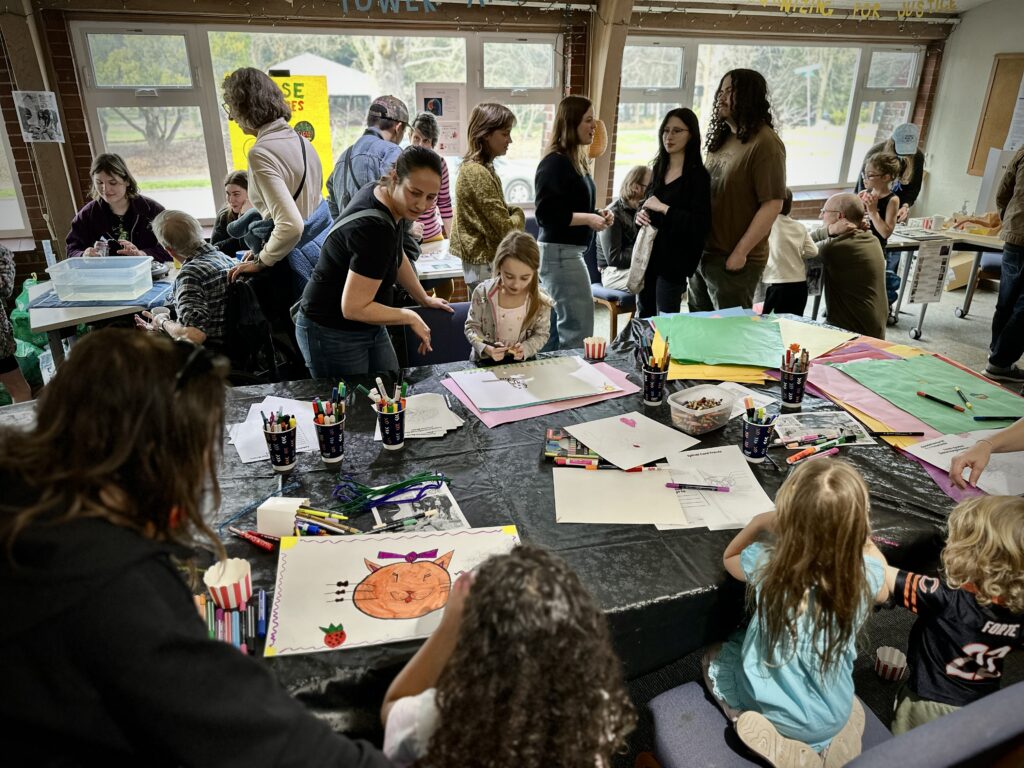
LEARN MORE: Dana Foundation/IBRO Brain Awareness Grants
Astoria’s Fort George Brewery, a long time backer of NogginFest, hosted a fundraising night and donated a percentage of their profits to help us secure a good venue. Some PSU faculty and staff made personal donations, and INA members worked long and hard gathering additional donated supplies and creating artwork for educational booths and more.
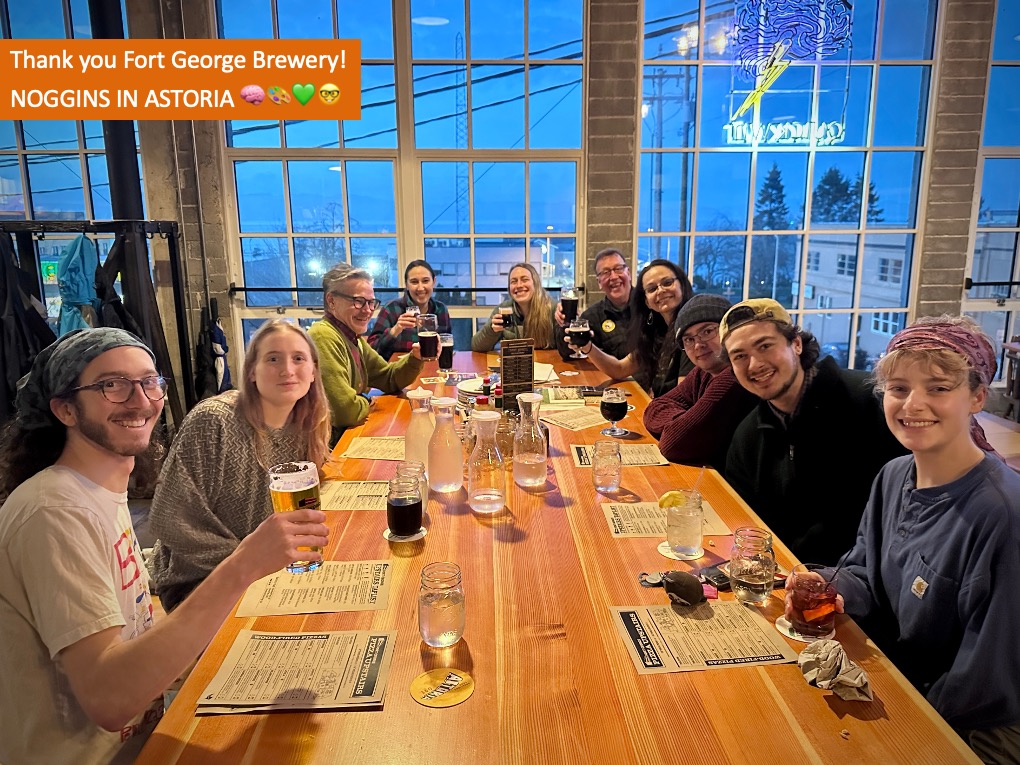
LEARN MORE: Noggin Benefit Night @ Fort George!!
LEARN MORE: Noggins in ASTORIA!
Finding a venue was a top priority.
As funding is minimal and a LOT of space is necessary to accommodate the number of attendees that NogginFest and Brain Fair averaged separately, locating a space that could accommodate even more attendees of all ages with ADA accessibility was a BIG goal.
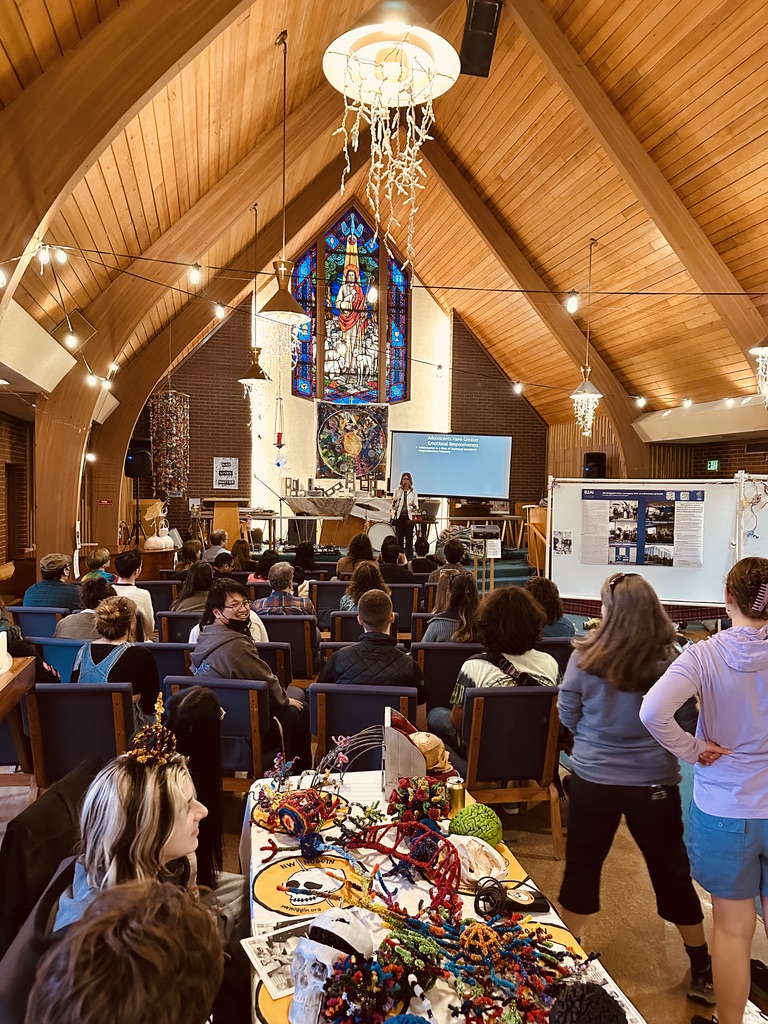
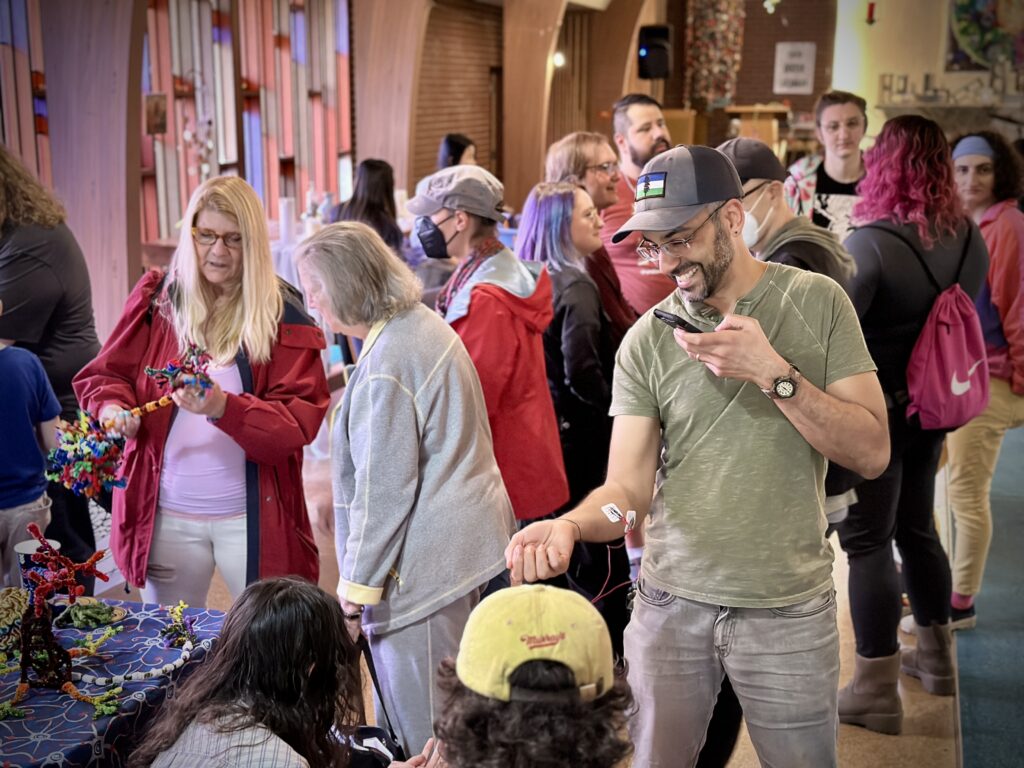
Ultimately, the Leaven Community Common House in Northeast Portland was chosen as the perfect location, as Leaven is both communal and inclusive, and their thoughtful staff even volunteered their own time to help us set up and tear down our NogginFest Brain Fair event.
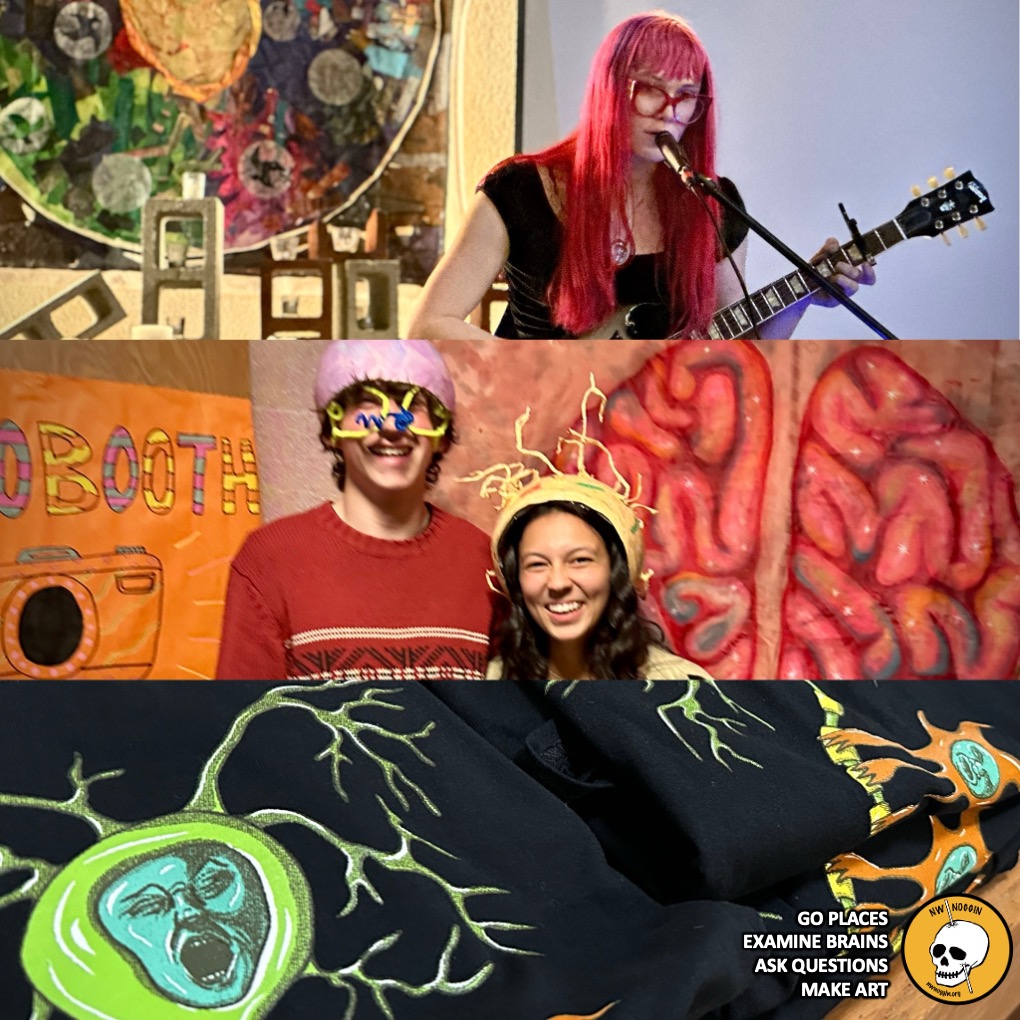
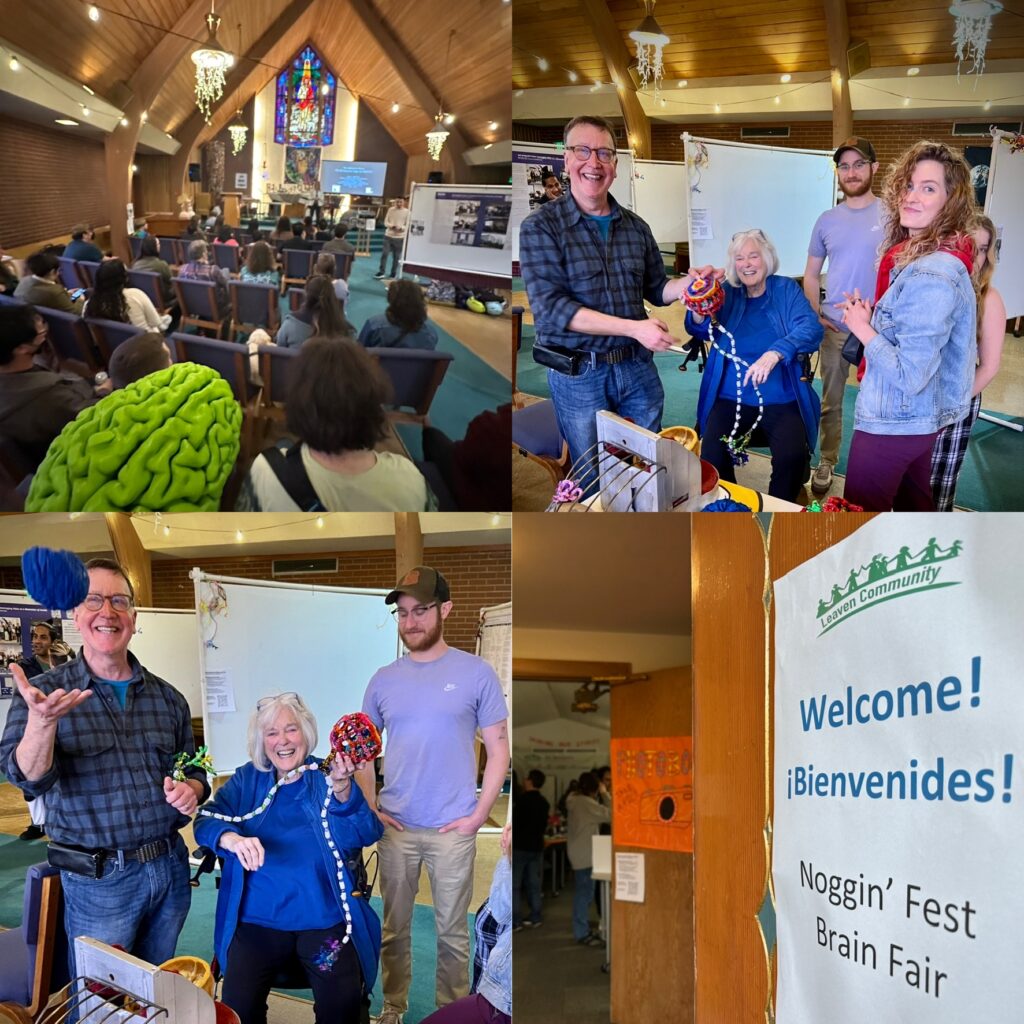
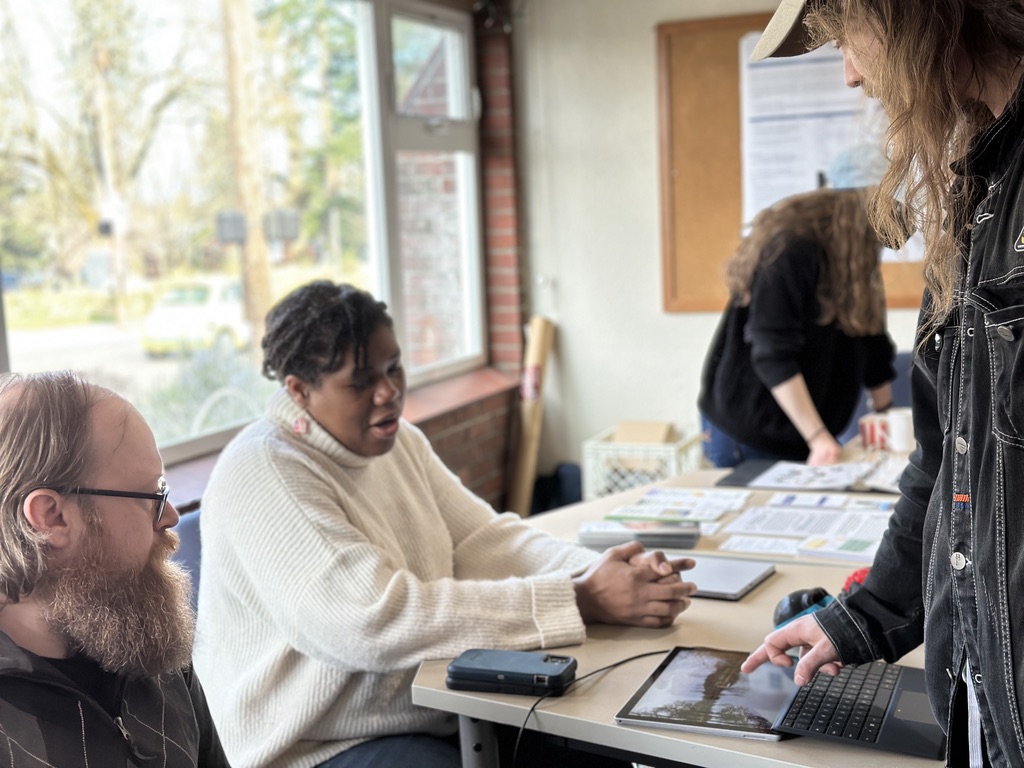
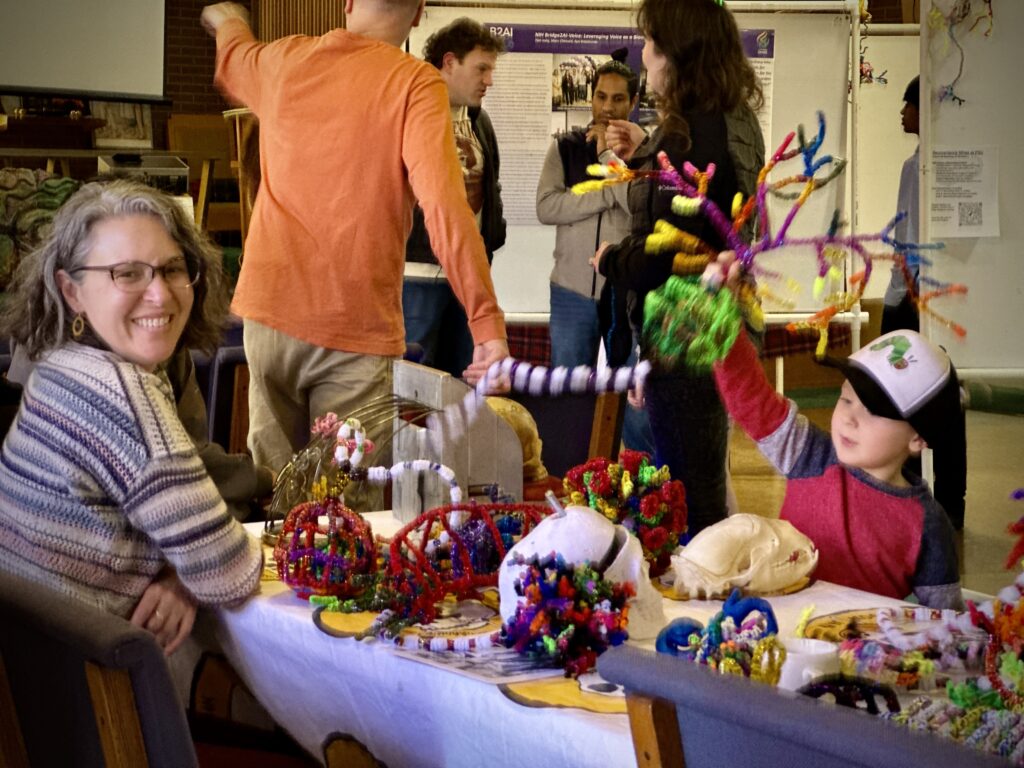
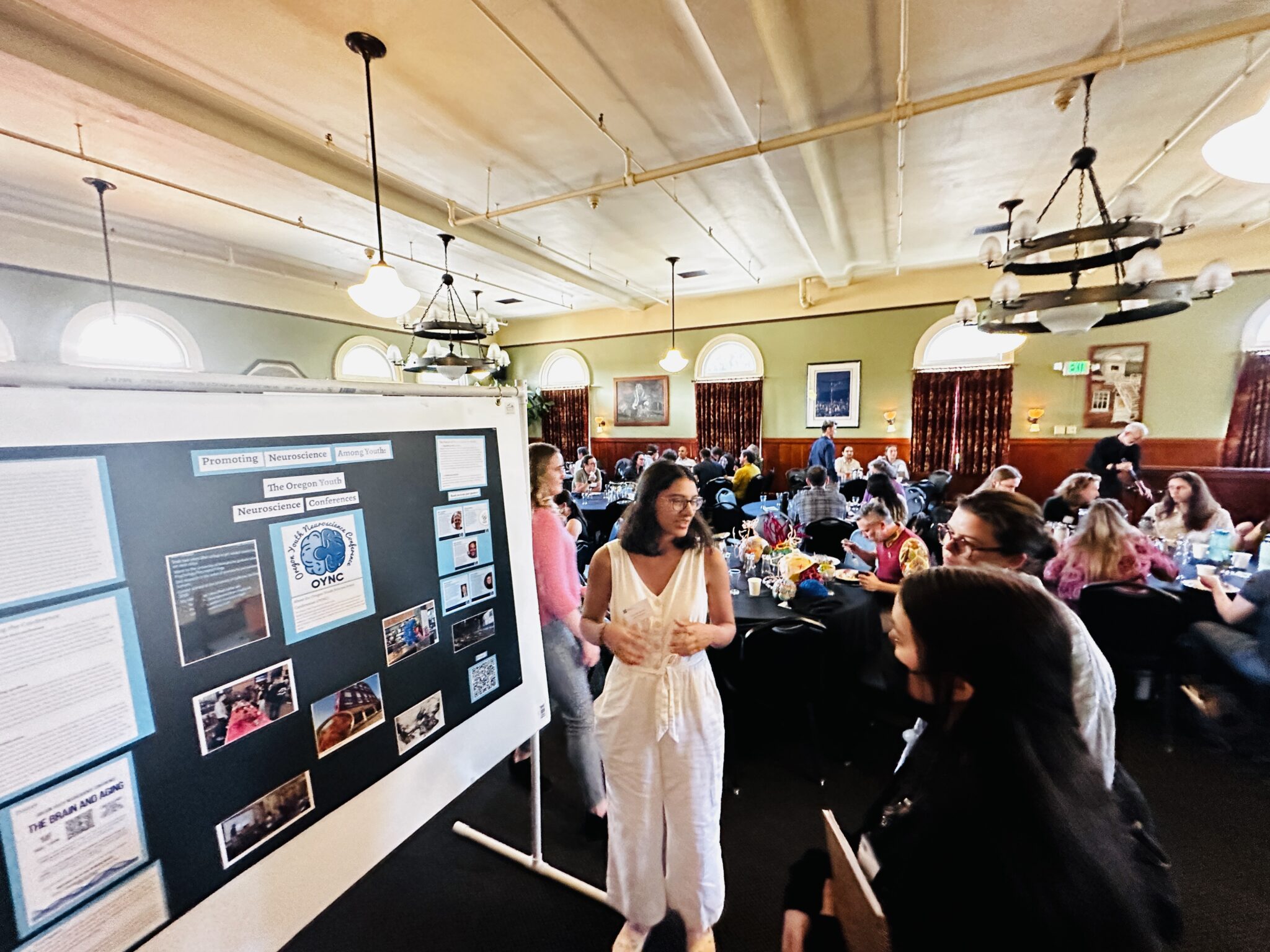
We decided that NogginFest Brain Fair should include a poster presentation session featuring scientists from all stages of their education, so we reached out not only to professionals at OHSU, Legacy, PSU and the University of Oregon, but also budding scientists from local high schools and even one from junior high. We received an overwhelming amount of interest on all fronts!
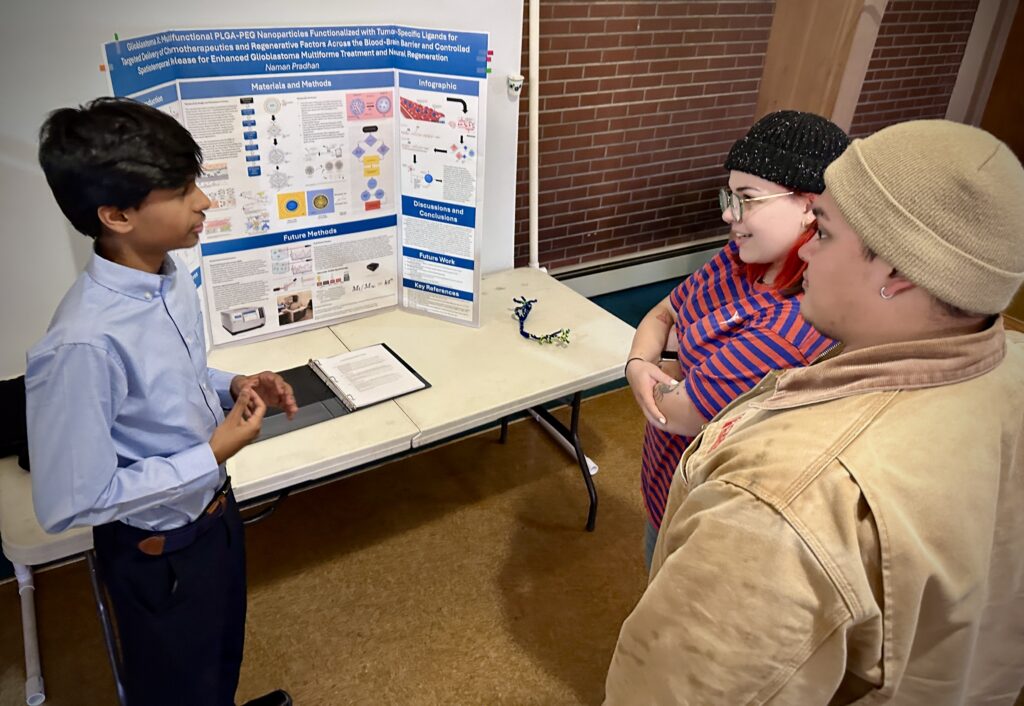
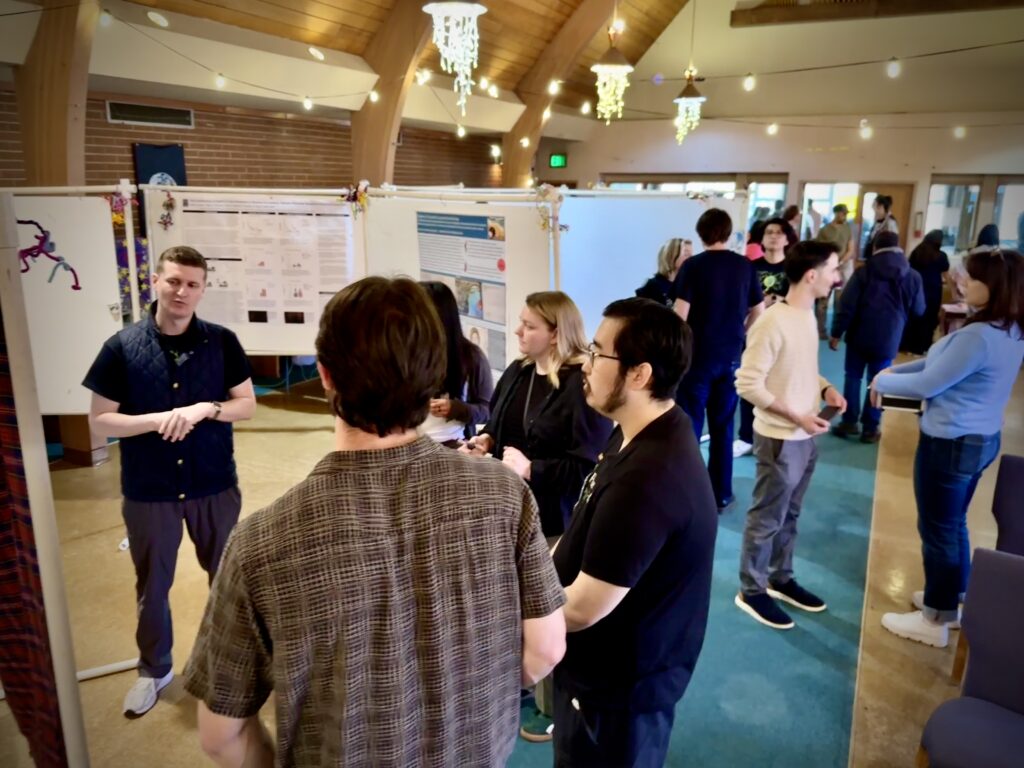
A whole lot of volunteer power is required to throw a free festival with elements ranging from real-time science experiments to take-away art projects to live music and research speakers.
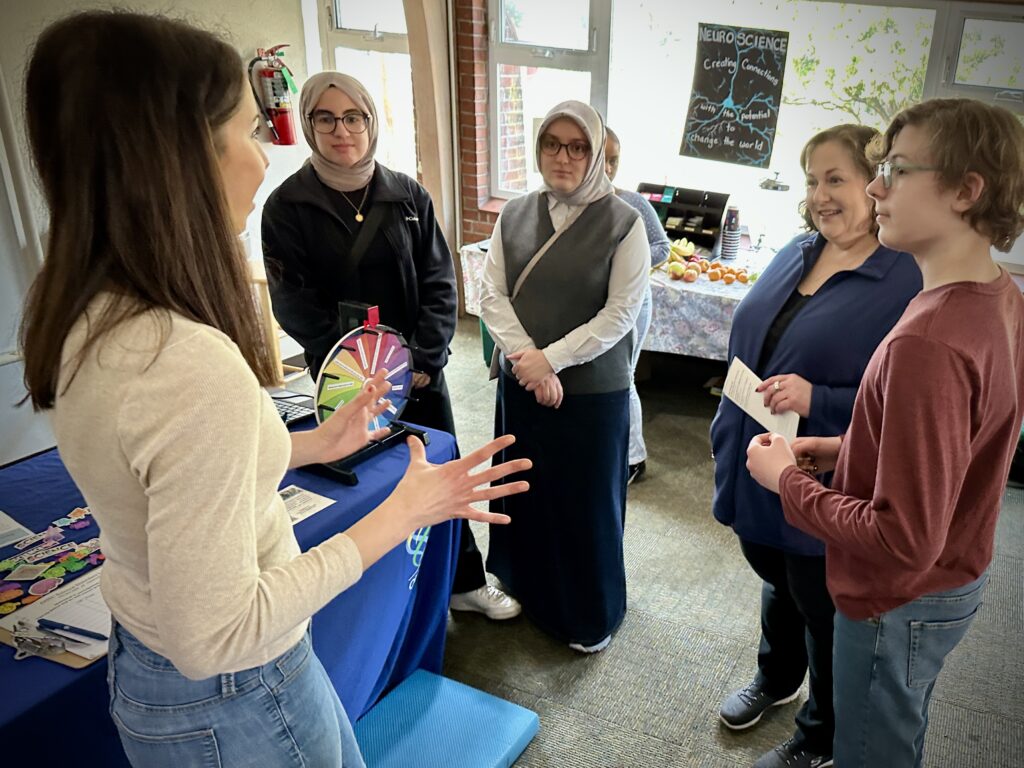
NogginFest provided a platform that organically allowed high school, college and graduate students from multiple public institutions to network and discover new opportunities in science.
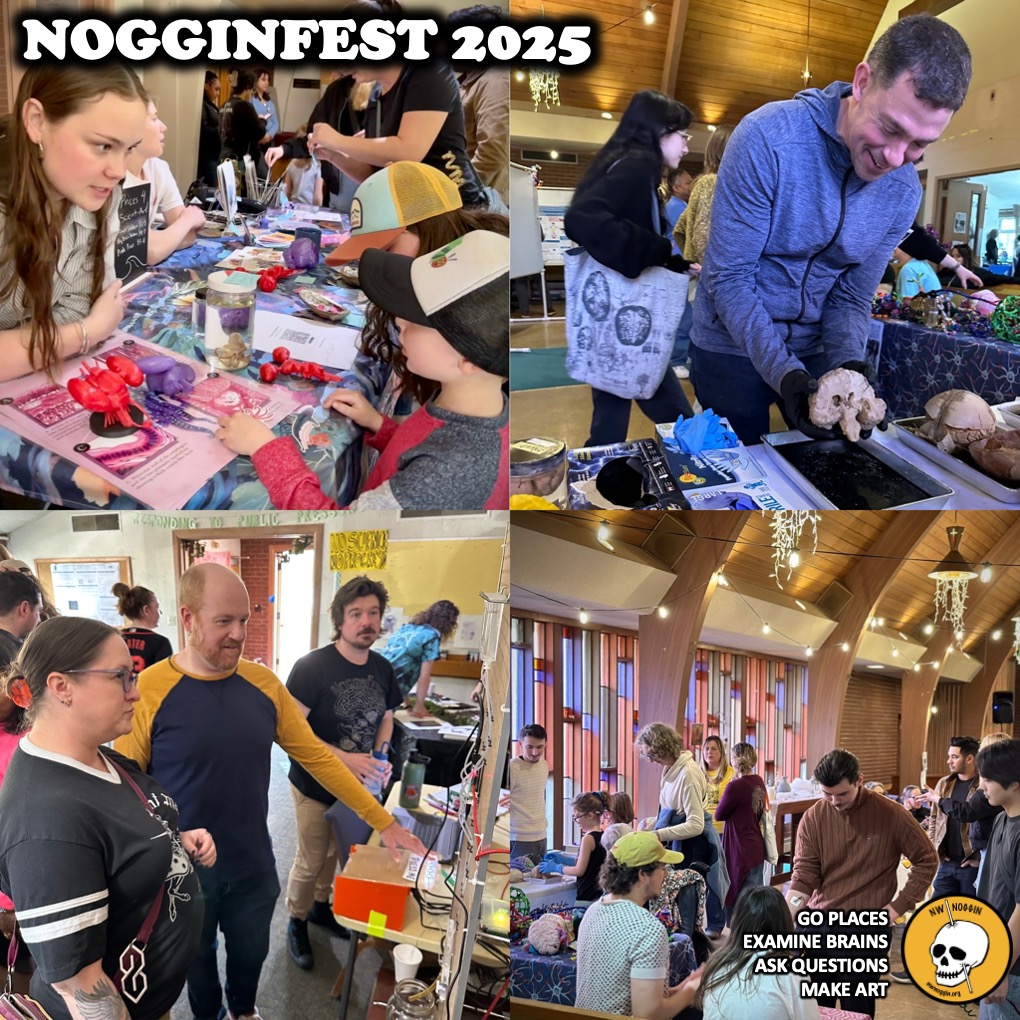
INA members from many disciplines at Portland State University (“Let Knowledge Serve”) comprised the majority of the volunteer base, accompanied by science super stars including:
Bonnie Nagel (OHSU) → Adolescent development and cognition

Randall Olson (OHSU, Lewis & Clark) → Psychedelics and neuroplasticity booth

Maggie Stojak (OHSU) → From the Balance Disorders Laboratory
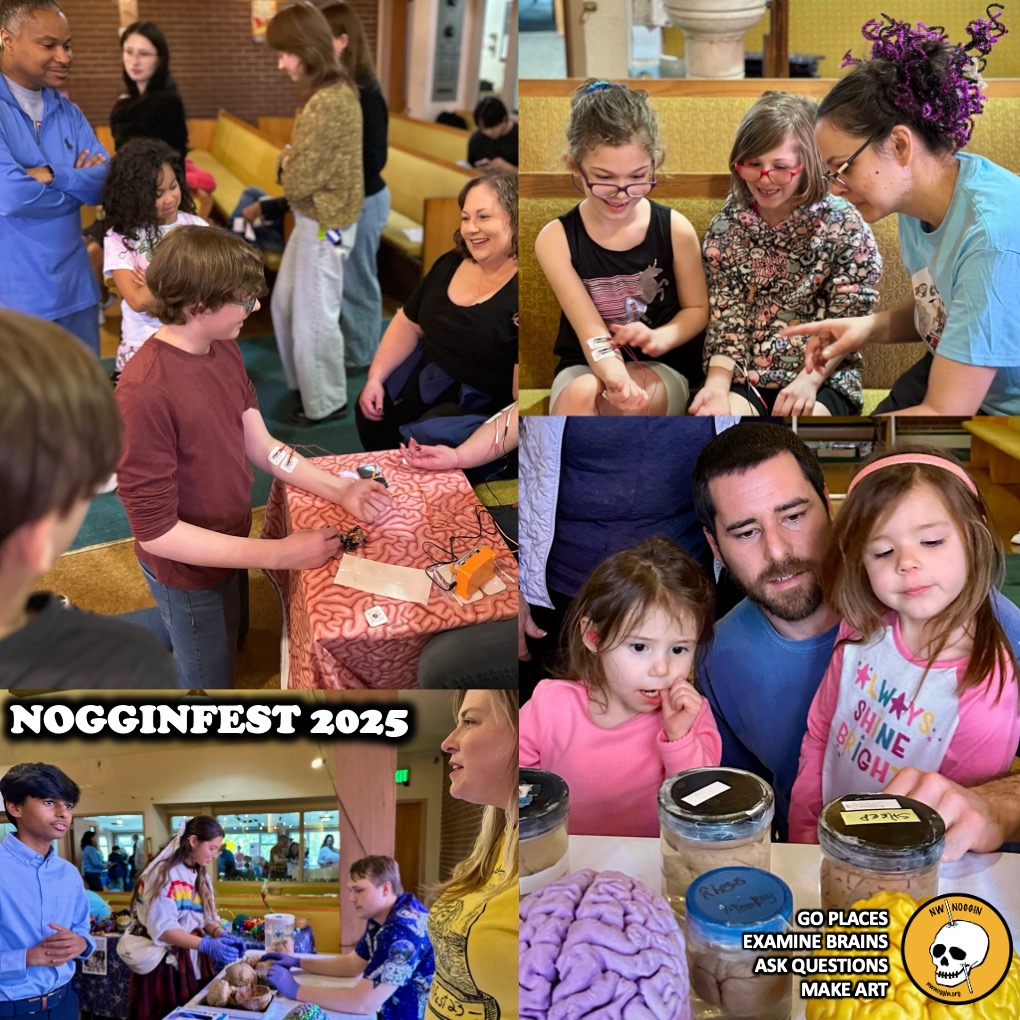
Tess Koerner → Dr. Koerner uses behavioral and electrophysiological methods to identify and understand neural mechanisms that contribute to auditory processing and speech understanding difficulties in patients who are aging or who have a history of traumatic brain injury (TBI).

Anneliese Bishop-Perdue → Octopus cognition, biology, brains!
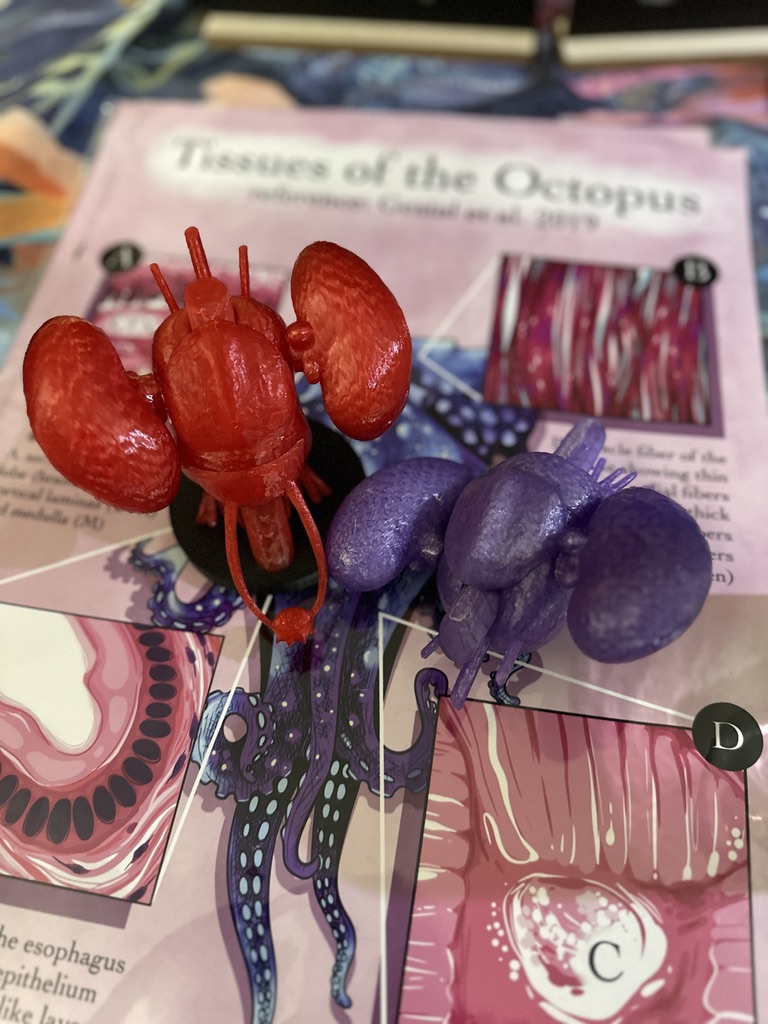
LEARN MORE: Dreams of a Scientist!
Hannah Cunningham → Sleep and cognition
Emilee Brnusak → Attachment disorders
Dan Jang & Marc Chenard → Diagnoses via AI
“What can you learn by hearing the sound of someone’s voice? When it comes to your health, your voice may have a lot to say. Turns out the voice carries indicators of your health. And this goes beyond the sound of a head cold. The voice may be an indicator of illnesses like diabetes or Parkinson’s. Researchers hope in the near future, it will be possible to screen for diseases using a cell phone. They’re building a database of voices and using artificial intelligence to do this…”
LEARN MORE: AI analysis of patient’s voice could help diagnose illness, new research shows
LEARN MORE: Bridge2AI-Voice Scholars
LEARN MORE: Bridge2AI-Voice
Nicholas Margolies → STEM accessibility and graduate school
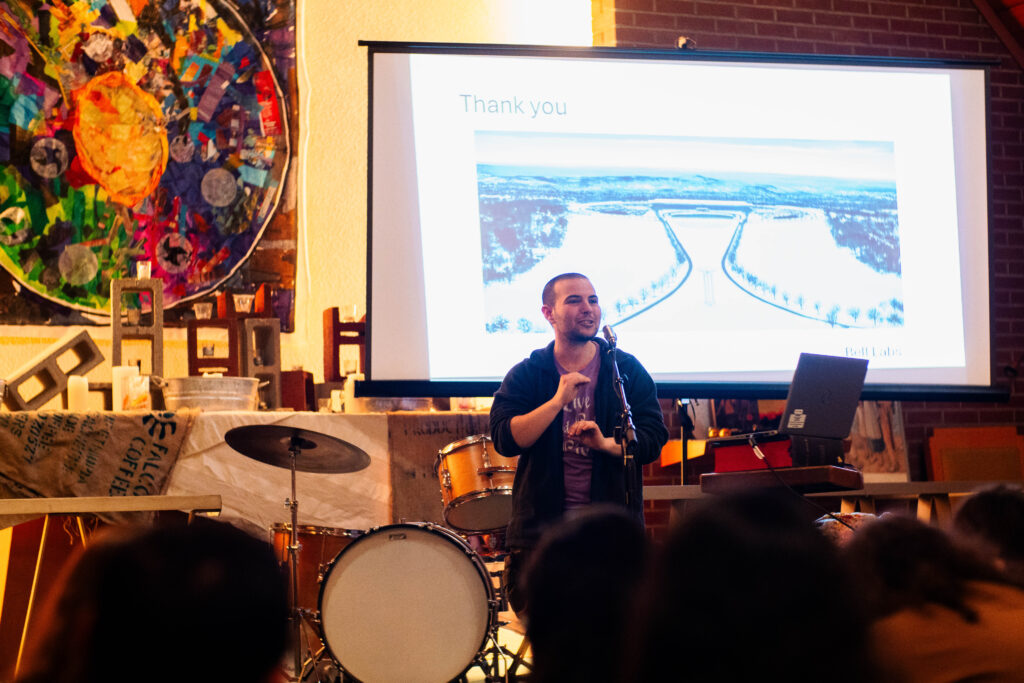
Image by KJ Kim
Avani Patel, Lauren Shin, & Olivia Sheng →
Carmen Wang →
Naman Pradhan →
One memorable and popular activity was the video otoscope that was set up at the Oregon Hearing Research Center (OHRC) station.
This device allowed people to see inside their ear in real time! While many kids were excited about this, there were also plenty of adults who lined up and had great questions about their ears. The OHRC staff shared that it was a lot of fun to engage with people of all ages.
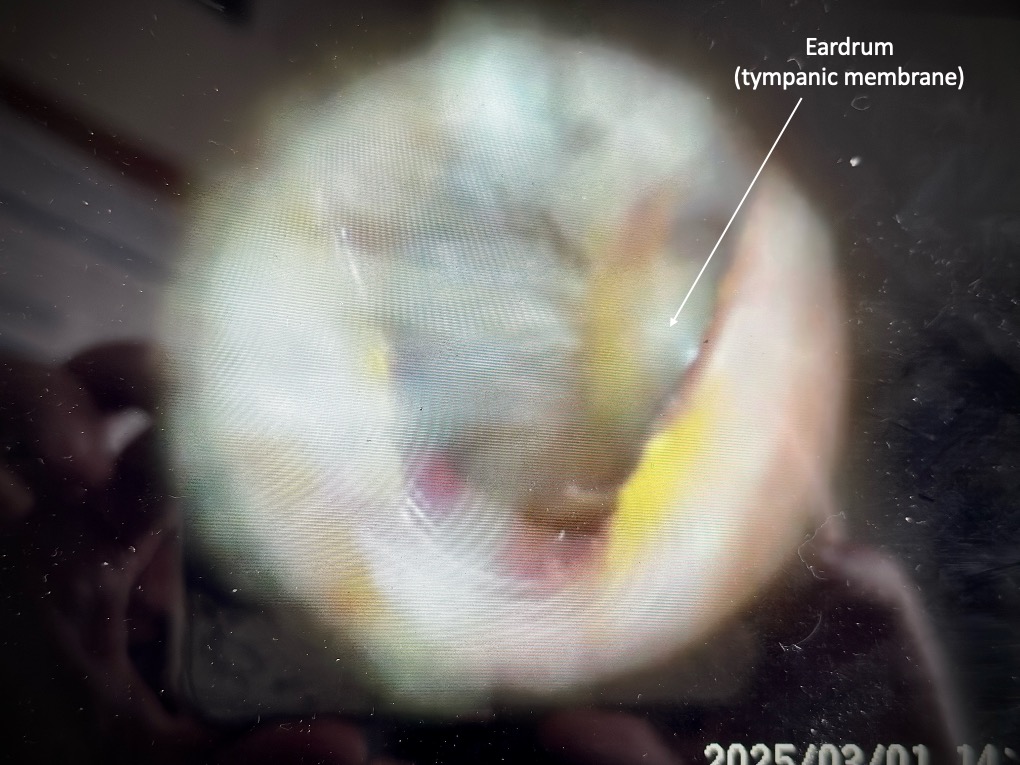
From Lauren Charney, Research Audiologist & Lab Manager at OHRC: “I learned that human brains are WAY tinier than I thought. Like the head is THIS BIG but the brain is only this big. Wild.“
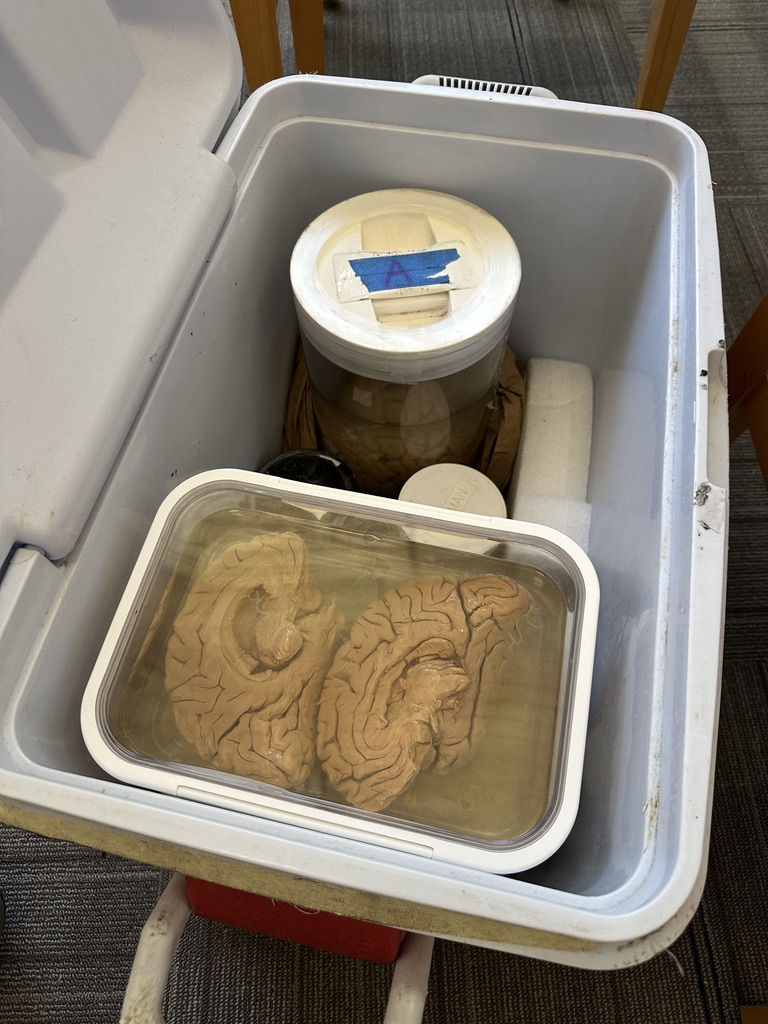
The volunteer team agreed that it would benefit the event and our community if we reserved an even BIGGER space next time. This would allow us to accommodate even more brain activity stations, spread out the poster sessions and offer more tables for art.
This year is special
This year’s NogginFest Brain Fair had an extra special impact on students, scientists, artists, and attendees by creating opportunity for unity and hope during this storm of current events.
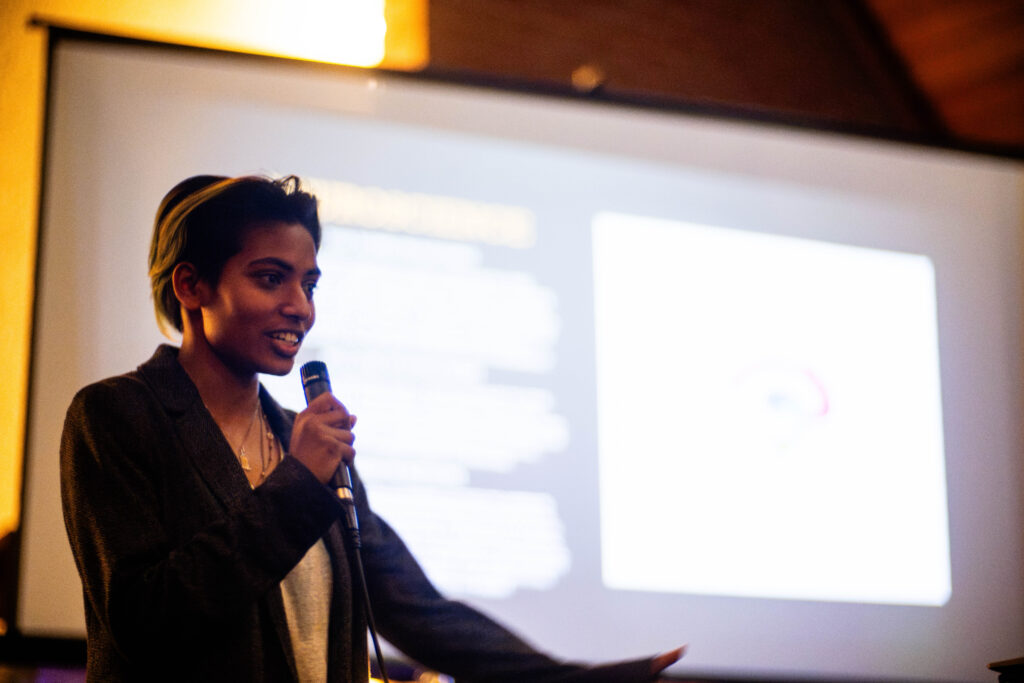
Image by KJ Kim
The threats that public science, art, education and inclusivity now face on a federal level have many concerned over the future of research, including brain research, and the potential that this chaotic Republican administration might wipe out an entire generation of future scientists.
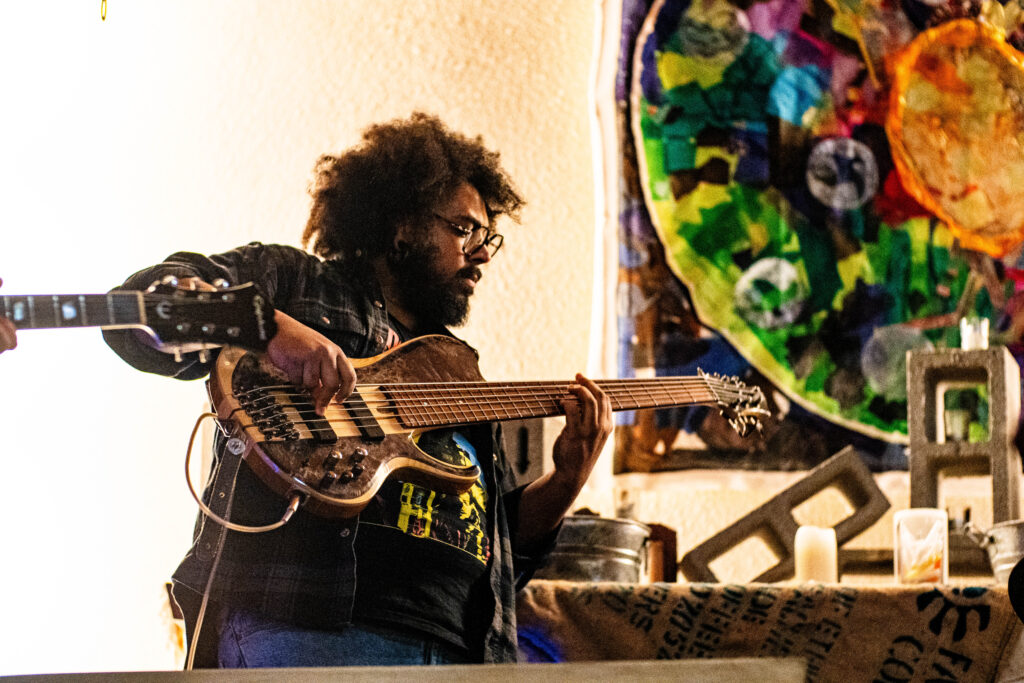
Image by KJ Kim; Cape Meares
Given current assaults on science and education, many young folks feel hesitant to follow their curiosities and pursue neuroscience and other research. What might have already seemed like a distant and inaccessible career choice may now seem impossible.
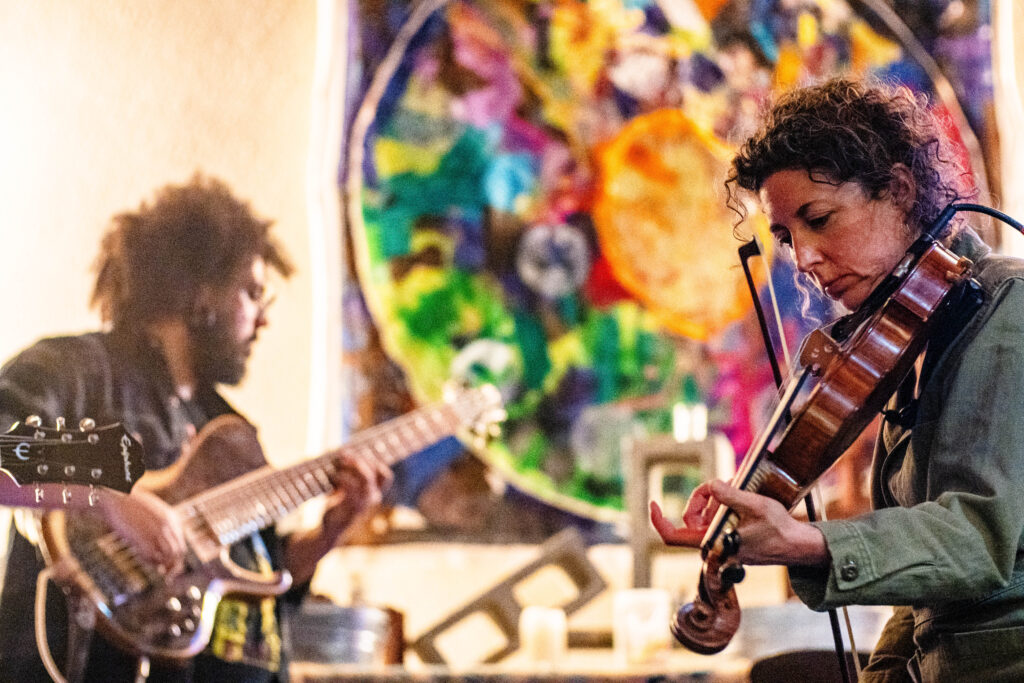
Image by KJ Kim; Cape Meares
For many people, “science” remains an abstract concept that lives out of reach in expensive textbooks, or guarded by paywalls in online journals or at high admission science museums like OMSI. Many believe that science and discovery are only pursued in university at a significant tuition cost.
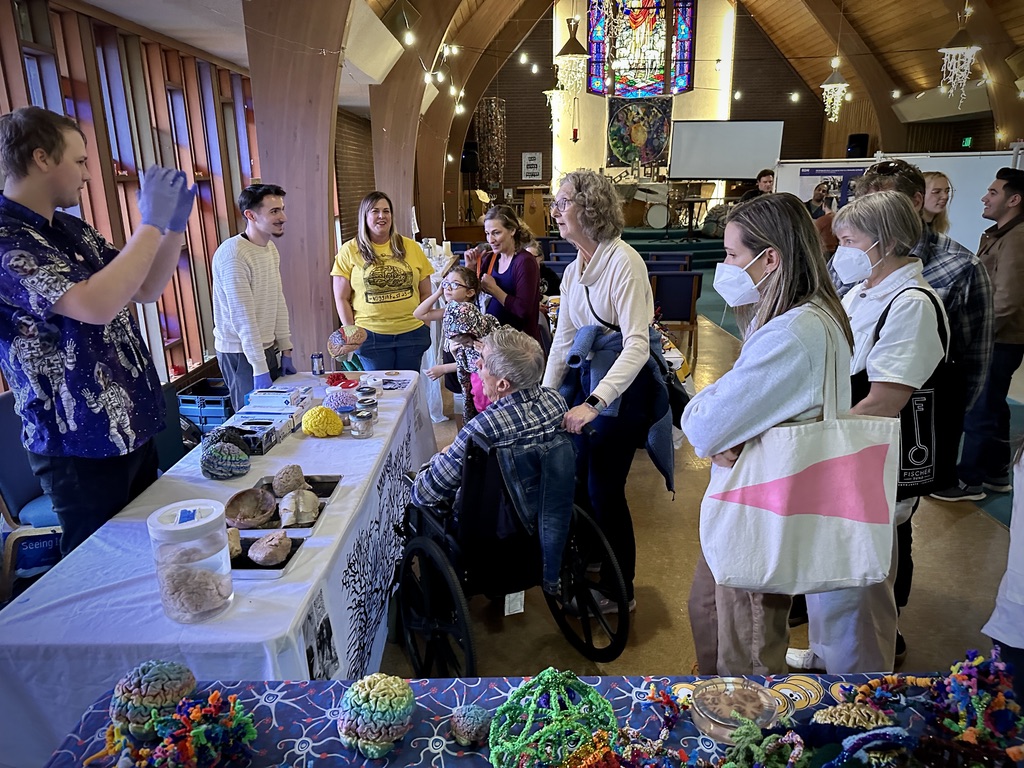
While that perception is unfortunately accurate for much of academia, this year’s NFBF allowed our community to see and discover current research from many well respected local labs, all for free.
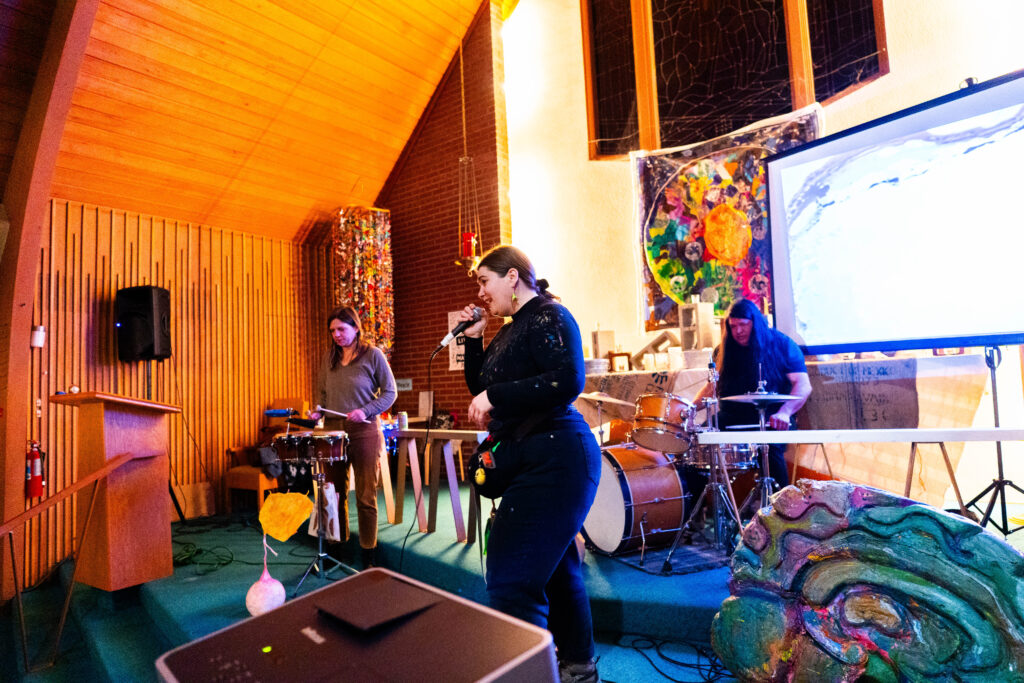
Image by KJ Kim
NogginFest Brain Fair brought together science, music, art and education accessibly, delivering a compelling, local experience that supported extensive community engagement and sparked genuine interest in young minds.
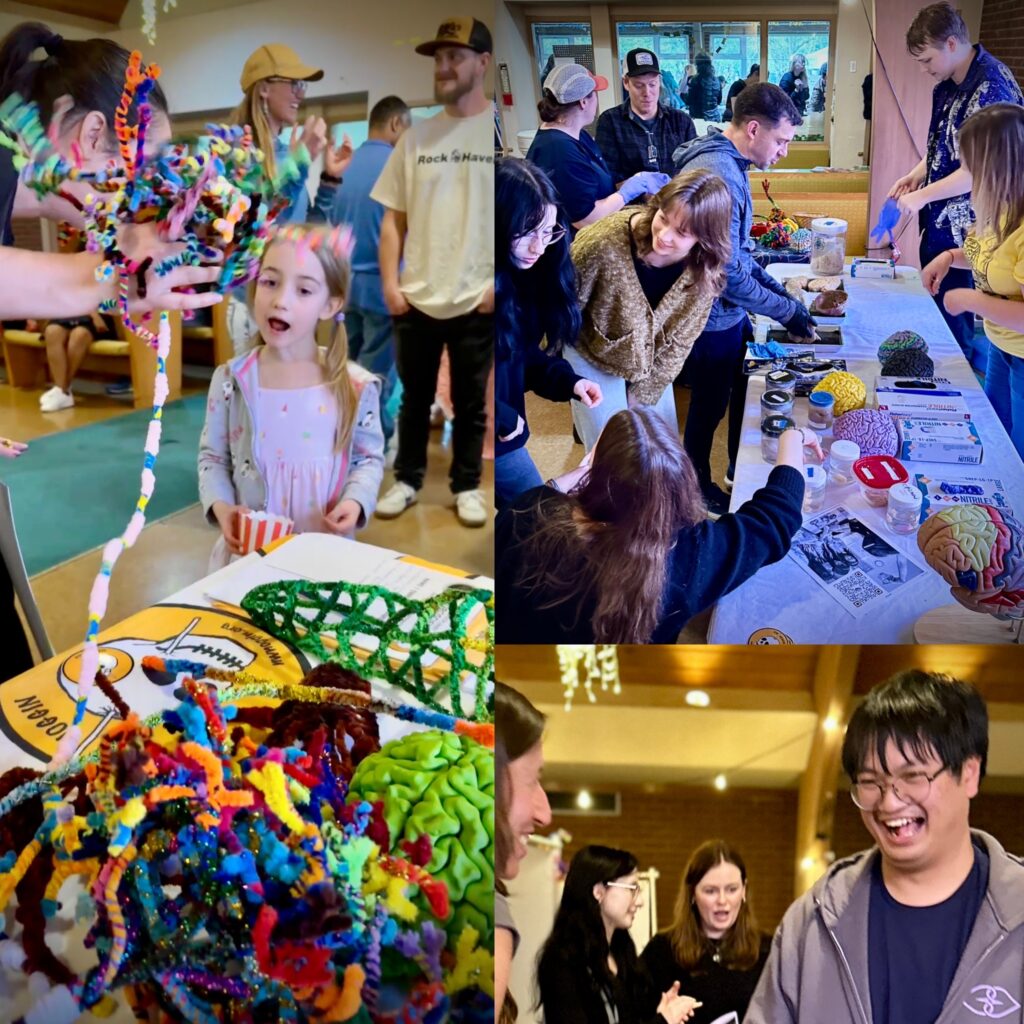
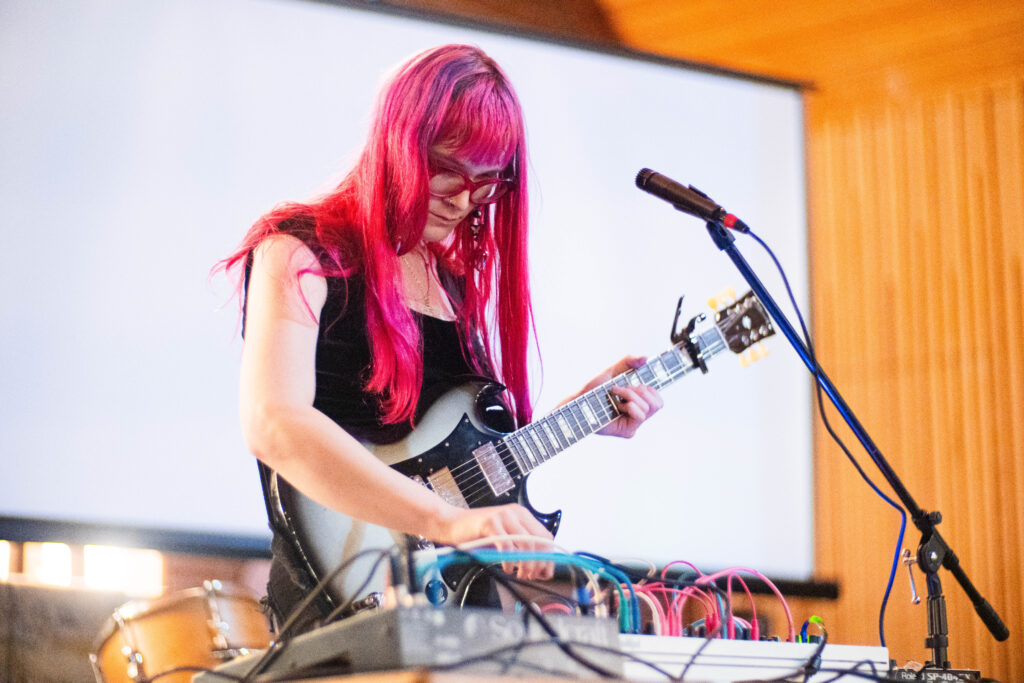
Second image by KJ Kim
And again, this event required A LOT of volunteers!
The fuel that fed these ALL VOLUNTEER efforts was a collective passion to restore science in light of budget cuts and other deeply upsetting current events. We hope that our bigger institutions, most still flush with significant resources and influence, will speak up, lift up, recognize and support grassroots efforts like ours and begin positively contributing to action that brings all of us together.
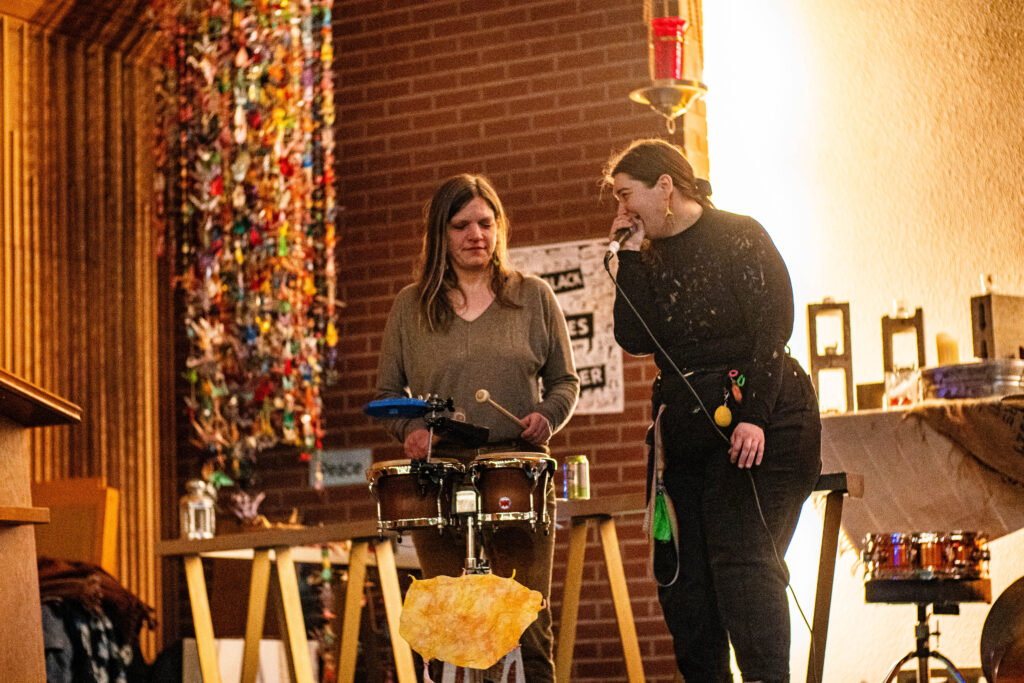
Image by KJ Kim
Now more than ever, we think it’s important that public events like NogginFest Brain Fair invite everyone to participate, contribute and experience science for themselves. Supporting free access to research will help restore science and both excite and include the next generation.
Video by KJ Kim