Post and illustrations by Janani Romero, an undergraduate currently pursuing a Bachelor’s of Science in Psychology and the pre-professional Physicians Assistant program track, along with a minor in Interdisciplinary Neuroscience at Portland State University.

Where it all started…

It happened at a neuroscience outreach event at Benson High School. A student raised their hand and asked: “Can you tell if someone’s a psychopath just by looking at their brain?”
At that moment, my true crime-loving, psych major heart lit up. As someone who’s watched every minute of The Ted Bundy Tapes, The Night Stalker, and the Netflix series YOU, I’ve always been intrigued by people who do unspeakable things while appearing, at least on the surface, totally normal. But this question made me wonder: can neuroscience really uncover the truth behind that kind of mind?

So, I started digging.
What even is psychopathy?

Psychopathy isn’t a formal diagnosis in the Diagnostic and Statistical Manual of Disorders (DSM-5), but it overlaps heavily with Antisocial Personality Disorder. It’s usually defined by a constellation of traits, including a lack of empathy or remorse, shallow affect, manipulativeness, impulsive behavior, superficial charm, and a blunted emotional response.

While psychopathy isn’t formally in the DSM, it is still often measured using the Psychopathy Checklist, Revised (PCL, R), a scale developed by psychologist Dr. Robert Hare.
The PCL, R is a 20-item scale that psychologists use during interviews and file reviews to assess how closely someone matches key traits of psychopathy. It includes assessment of items like superficial charm, lack of remorse, manipulativeness, and impulsivity.
The Psychopathy Checklist breaks psychopathy into two main factors.

Factor 1 looks at personality traits, like emotional detachment, egocentricity, and callousness. Factor 2 is more about behavior, like breaking rules, impulsivity, and having an unstable lifestyle. Scores range from 0 to 40, and someone who scores 30 or above is often considered highly psychopathic in research or forensic settings. The PCL, R has been shown to be reliable and consistent across different groups, including prison and psychiatric populations – but even its creator has concerns about its use.
TRY IT YOURSELF: Do you show signs of psychopathy?
LEARN MORE: Psychopathy Checklist—Revised
LEARN MORE: THE SUPER-ORDINATE NATURE OF THE PSYCHOPATHY CHECKLIST-REVISED
LEARN MORE: Creator Of Psychopathy Test Worries About Its Use
LEARN MORE: Psychopathy: Developmental Perspectives and their Implications for Treatment
LEARN MORE: Epidemiology, Comorbidity, and Behavioral Genetics of Antisocial Personality Disorder and Psychopathy
LEARN MORE: Antisocial Personality Disorder: Often Overlooked and Untreated
LEARN MORE: Antisocial Personality Disorder
Psychopathy lives at the unsettling intersection of “I know what I’m doing is wrong” and “I just don’t care.” That disconnect between knowledge and empathy is where the brain comes in, and for me, it’s where things get fascinating.

Inside the Psychopathic Brain
Recent studies have revealed several brain regions that function differently in individuals with psychopathic traits. These differences might help explain the emotional disconnect, impulsivity, and lack of empathy often observed.
Amygdala: The Emotional Alarm System
The amygdala plays a major role in processing fear and emotional reactions.
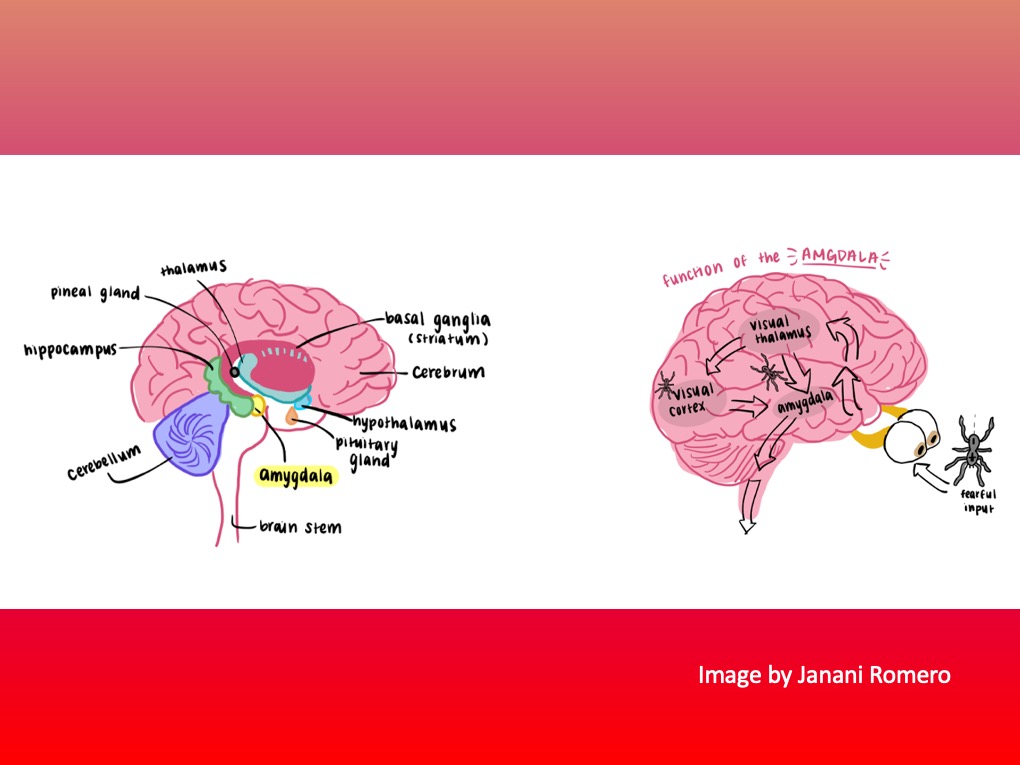
In psychopaths, while there is debate, some studies find that this region is smaller or less active, potentially making it harder for individuals to feel fear, or perhaps understand it in others. According to neuroscientist Dr. Octavio Choi, now at Stanford University, the amygdala in a psychopath is like a “yappy little chihuahua on a dimmer switch.” Emotions exist, but perhaps they’re dialed down.
LEARN MORE: Psychopathy & brains
LEARN MORE: Psychopathy: cognitive and neural dysfunction
LEARN MORE: Localization of Deformations Within the Amygdala in Individuals With Psychopathy
LEARN MORE: Fine cuts of empathy and the amygdala: Dissociable deficits in psychopathy and autism
LEARN MORE: How reliable are amygdala findings in psychopathy?
Ventromedial prefrontal cortex (vmPFC): Where morality lives?
It helps if you know something is wrong – and can also feel, viscerally, why it’s wrong.

In psychopathic individuals, the connections between the vmPFC and other brain regions like the amygdala and the striatum are often weak. The striatum plays a big role in our motivation, goal-directed behavior, and how we respond to rewards like money, power, or pleasure. In people with psychopathic traits, an overactive striatum might make them more driven by reward-seeking and thrill-seeking, even when it involves risky or harmful behavior. When the vmPFC, which helps regulate emotion and weigh consequences, isn’t communicating well with the striatum, it could lead to poor impulse control and a tendency to pursue rewards without guilt or fear of consequences.
One example of this disruption involves the anterior cingulate cortex, or ACC.

IMAGE SOURCE: The role of prefrontal cortex in psychopathy
The ACC is part of the prefrontal cortex and helps regulate both emotion and decision making. It acts as a sort of bridge between the emotional and “logical” areas of the brain, helping to monitor conflict and adjust behavior. When it’s underactive, as seen in some people with psychopathic traits, it may result in more impulsive and emotionally detached decisions. In fact, one study found that inmates with lower ACC activity were 2.6 times more likely to be rearrested after release from prison.
LEARN MORE: Reduced Prefrontal Connectivity in Psychopathy
LEARN MORE: The amygdala and ventromedial prefrontal cortex: functional contributions and dysfunction in psychopathy
Knowing versus Feeling
When talking about brain regions involved in psychopathy, it’s helpful to understand the difference between the ventromedial prefrontal cortex (vmPFC) and the dorsomedial prefrontal cortex (dmPFC). Both are part of the medial frontal lobe, but they play different roles.
The vmPFC is important for emotional decision making, empathy, and processing moral situations. It helps us connect actions to feelings, like knowing something is wrong and also feeling why it’s wrong.
The dmPFC, on the other hand, is more involved in cognitive empathy, understanding what others are thinking or feeling without necessarily sharing or appreciating those emotions.
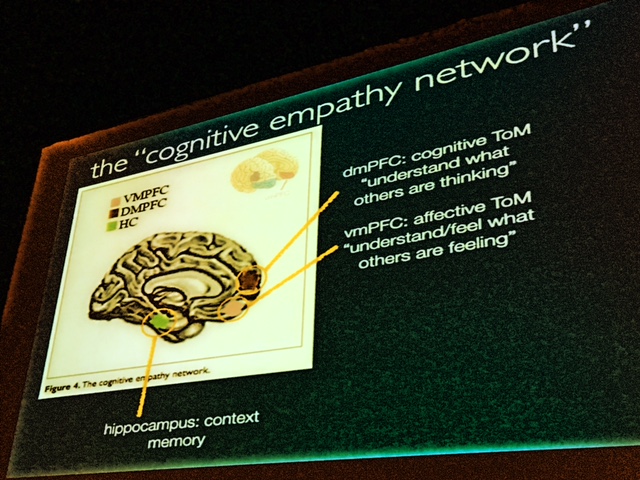
IMAGE SOURCE: ToM means Theory of Mind
In people with psychopathic traits, the dmPFC may still function well, which means they can recognize someone else’s emotions and predict their behavior. However, perhaps due to vmPFC dysfunction, they may not actually feel or care about what the other person feels. This disconnect between knowing and caring is a key feature in how psychopathy shows up in the brain.

Although many studies referenced here have reported differences in brain activity or structure among people with psychopathic traits, more recent research has raised concerns about how consistent (or inconsistent) these findings actually are.
A 2024 systematic review found that most studies examining the medial frontal cortex did not show strong or consistent relationships with psychopathy. While certain brain patterns may appear in some individuals, the results aren’t always reproducible. These inconsistencies highlight the need for larger and more rigorous studies, and remind us that attempts to link complex human behavior like psychopathy to specific brain regions or activity isn’t always straightforward.

LEARN MORE: Psychopathy and medial frontal cortex: A systematic review reveals predominantly null relationships
LEARN MORE: Functional neural correlates of psychopathy: a meta-analysis of MRI data
LEARN MORE: Psychopathic traits and social brain responses during moral evaluation in adolescence
LEARN MORE: Mapping the Psychopathic Brain: Divergent Neuroimaging Findings converge onto a Common Brain Network
Mirror Neuron System: “I Feel What You Feel”
Mirror neurons in the inferior frontal gyrus and insular cortex help us empathize by letting us “mirror” other people’s emotions. These neurons fire when we make a move or map some aspect of our body in our brain – and also when we observe someone else move or express emotion.
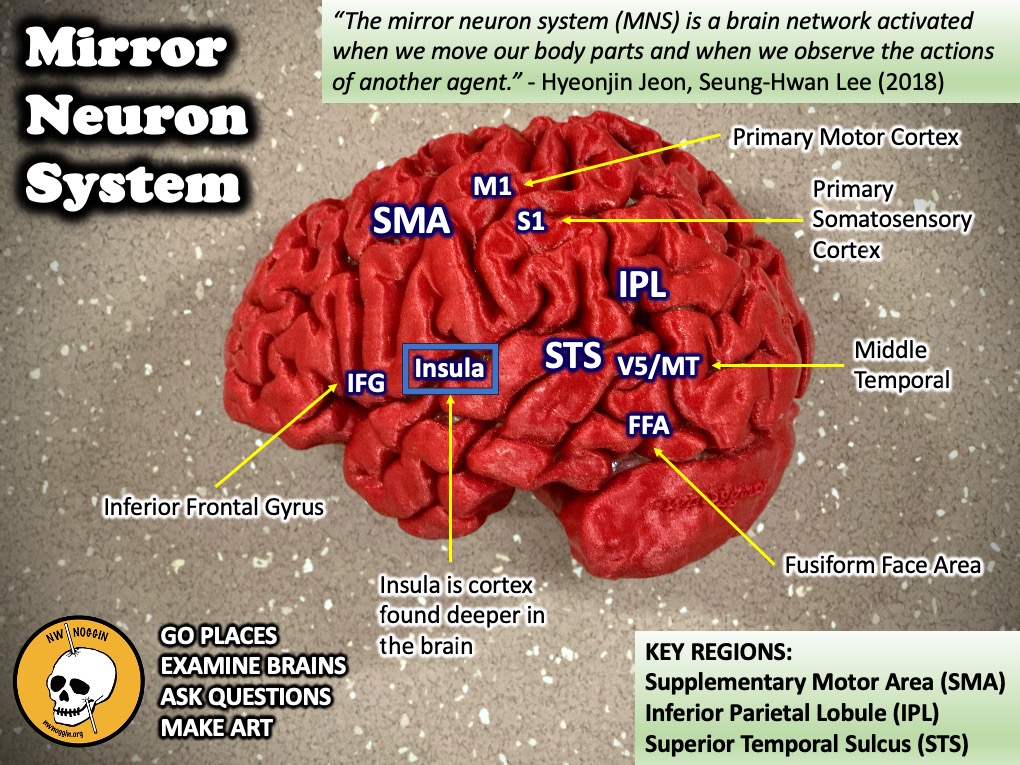
In psychopaths, mirror neuron systems are often underactive.
That means they can potentially observe someone in distress and feel…perhaps nothing. A good metaphor for this would be a fogged-up mirror: the reflection is still there, but it’s blurry and distant. Their brain registers the scene, but the emotional signal doesn’t come through clearly.

LEARN MORE: Mirror neuron system
LEARN MORE: Mirror neurons and empathy-related regions in psychopathy
LEARN MORE: Mirror neuron system: basic findings and clinical applications
LEARN MORE: Psychopathy and the mirror neuron system
Joe Goldberg: Fictional Heartthrob or Case Study?
Netflix’s YOU introduces us to Joe Goldberg, a charming bookstore manager with a soft voice, intelligent insights, and a deadly obsession with controlling the people he claims to love. I really liked this show!

At first glance, Joe doesn’t “look like” a psychopath. He’s calm, articulate, and even caring. But beneath the surface, he’s cold, calculating, and capable of violence, traits that line up almost perfectly with clinical reports of psychopathy.
Let’s compare…

Joe seems to have intact cognitive empathy (he knows what others are feeling) but lacks emotional empathy (he doesn’t feel it). This reflects the same pattern found in many brain imaging studies, an active dorsomedial PFC, but reduced vmPFC function.
Trying to connect brain structure and function to complex human behaviors like psychopathy is, once again, not only scientifically tricky, but it also raises important ethical questions. If we say someone’s brain “made them do it,” does that reduce their responsibility? Could this kind of research lead to labeling or misjudging people based on brain scans alone?
While neuroscience provides helpful tools to explore the biological roots of behavior, it’s not a perfect map. People are complicated, and human decision-making involves genetics, environment, trauma, and social factors too. So, while brain imaging can offer insight, it shouldn’t be used to define or diagnose someone without considering the full picture.
LEARN MORE: Joe Goldberg Character Profile – YOU Wiki
Real-Life Monsters
Long before brain scans, killers like Ted Bundy forced psychiatry to reckon with actions that were hard to explain. In 1885, a British doctor documented a man known as W.B., who was polite, educated, and emotionally articulate, but who confessed to killing animals and planning to assault his stepmother. He wasn’t hallucinating. He wasn’t manic. He was fully aware.
Doctors called it moral insanity at the time, a concept inspired by psychiatrist Philippe Pinel, who described it as a type of evil that couldn’t be explained by madness.

In 1941, psychiatrist Hervey Cleckley gave this type of person a name: the psychopath. His book The Mask of Sanity painted a chilling picture, a person who could mimic humanity but felt nothing beneath the surface. “Goodness, evil, love, horror, and humor have no actual meaning,” Cleckley wrote. He called psychopathy a kind of emotional aphasia: they know the words, but not the music.
Ted Bundy embodied Cleckley’s description. Bundy was charming, intelligent, and terrifyingly calculating. He confessed to killing over 30 women, and experts believe that there were many more. He is often cited as the textbook example of a psychopath, someone with no remorse, no fear, and no emotional connection to the devastation he caused.
Modern neuroscience at least partly supports what Cleckley suspected: psychopaths often show disrupted connections between their vmPFC, amygdala, and reward systems, making it harder for them to feel regret, fear, or moral tension.

LEARN MORE: The Man Who Invented the “Psychopath”
LEARN MORE: Philippe Pinel’s “Memoir on Madness” of December 11, 1794: a fundamental text of modern psychiatry
LEARN MORE: Hervey Cleckley (1903-1984): Contributions to the study of psychopathy
LEARN MORE: Moral insanity and psychological disorder: the hybrid roots of psychiatry
LEARN MORE: Psychopathy – An Evolving and Controversial Construct
LEARN MORE: Using Neuroscience to Make Sense of Psychopathy
LEARN MORE: Cleckley’s psychopaths: Revisited
Can we actually spot a psychopath with a brain scan?

With modern neuroscience, we’ve started to reveal patterns: structural and functional differences in the amygdala, vmPFC, mirror neuron system, and reward circuits all show up more frequently in people diagnosed with psychopathy.
But here’s the catch: these findings reflect group differences, not individual predictions. And not all studies have been successfully replicated. You can’t actually diagnose someone as a psychopath based solely on how their brain looks. There’s too much variability between people.

What you can do is better understand how and why certain traits show up. For example, one study showed that inmates with lower anterior cingulate activation (involved in planning and emotional regulation) were 2.6x more likely to be rearrested after release.
Wearing the mask
Whether it’s Joe Goldberg on our screens or Ted Bundy in history books, psychopathy fascinates us because it reveals how someone who looks normal can potentially act in ways that feel utterly inhuman. Neuroscience doesn’t provide a perfect answer, but it’s helping us see behind the mask.
And that original question from Benson High?

“Can you spot a psychopath just by looking at their brain?”
Not quite. But the brain might whisper the truth.