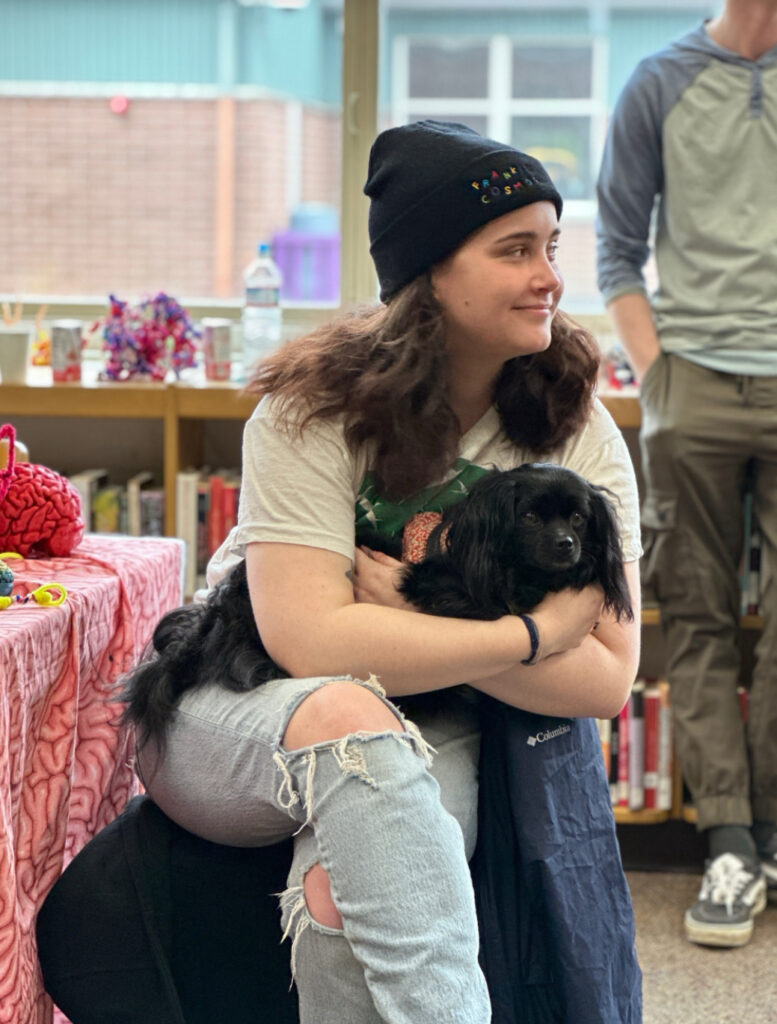
Post by Josie Borden, Senior in the University Honors College at Portland State University, majoring in Psychology with minors in both Interdisciplinary Neuroscience and Spanish Language.
The Rosenbaum Service Leadership Scholars Program
In my third year at PSU, I joined a cohort of students in the University Honors College in the Rosenbaum Service Leadership Scholars program. Launched in 2020 and generously funded by the Rosenbaum family, the nine-month-long program brings together students in the Honors College who are interested in interning with a local nonprofit organization. During these nine months, the cohort meets often with an Honors College professor to discuss how their respective internships are going and consider any challenges or triumphs they may have experienced. Students in this program receive a 2,000 dollar scholarship, 8 Honors internship credits, and tuition remission for those credits. This scholarship program aims to get young people interested in and educated about nonprofits and how they work and succeed. The financial support offered by the scholarship allows for a more diverse array of students to participate in nonprofit work than those who might typically do so.
Due to their lack of, well, profit, internships and volunteer positions at nonprofit organizations are not always accessible to lower-middle and working class individuals, who don’t have much spare time (or energy) to give to something that isn’t helping pay their bills. For me and many other Rosenbaum Scholars, the funding for this program allowed for us to experience the world of nonprofits in a way that we might not have otherwise, and gain valuable experience while doing it.
LEARN MORE: Honors College – Rosenbaum Service Leadership Scholars
The importance of this program lies not only in the individual students it helps, but also in the future of nonprofits. Getting more young people interested in and educated about the structure, function, and impact of nonprofits creates passionate and well-equipped future board members, volunteers, promoters, and fundraisers for nonprofit organizations of all kinds, hopefully resulting in more efficient and impactful nonprofit work.
Two neurons in a synapse
The work that NW Noggin does is not dissimilar.
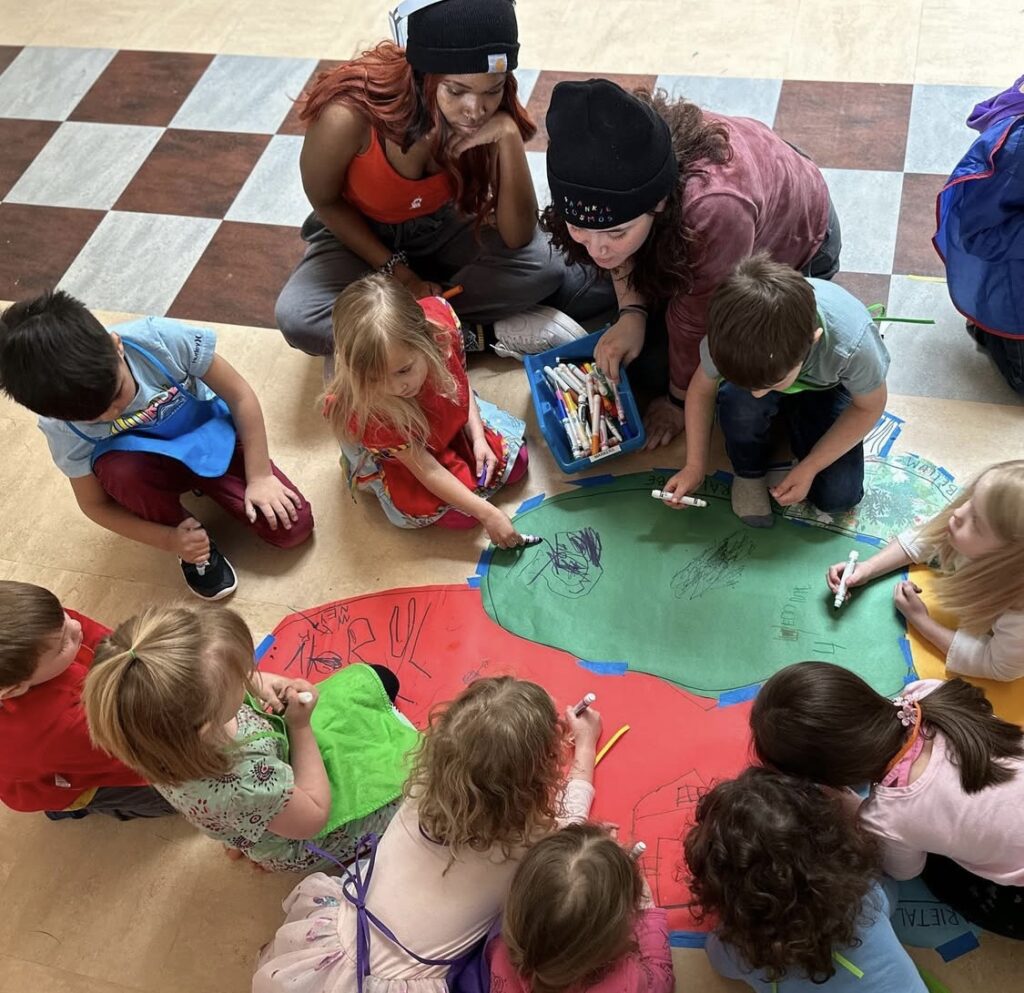
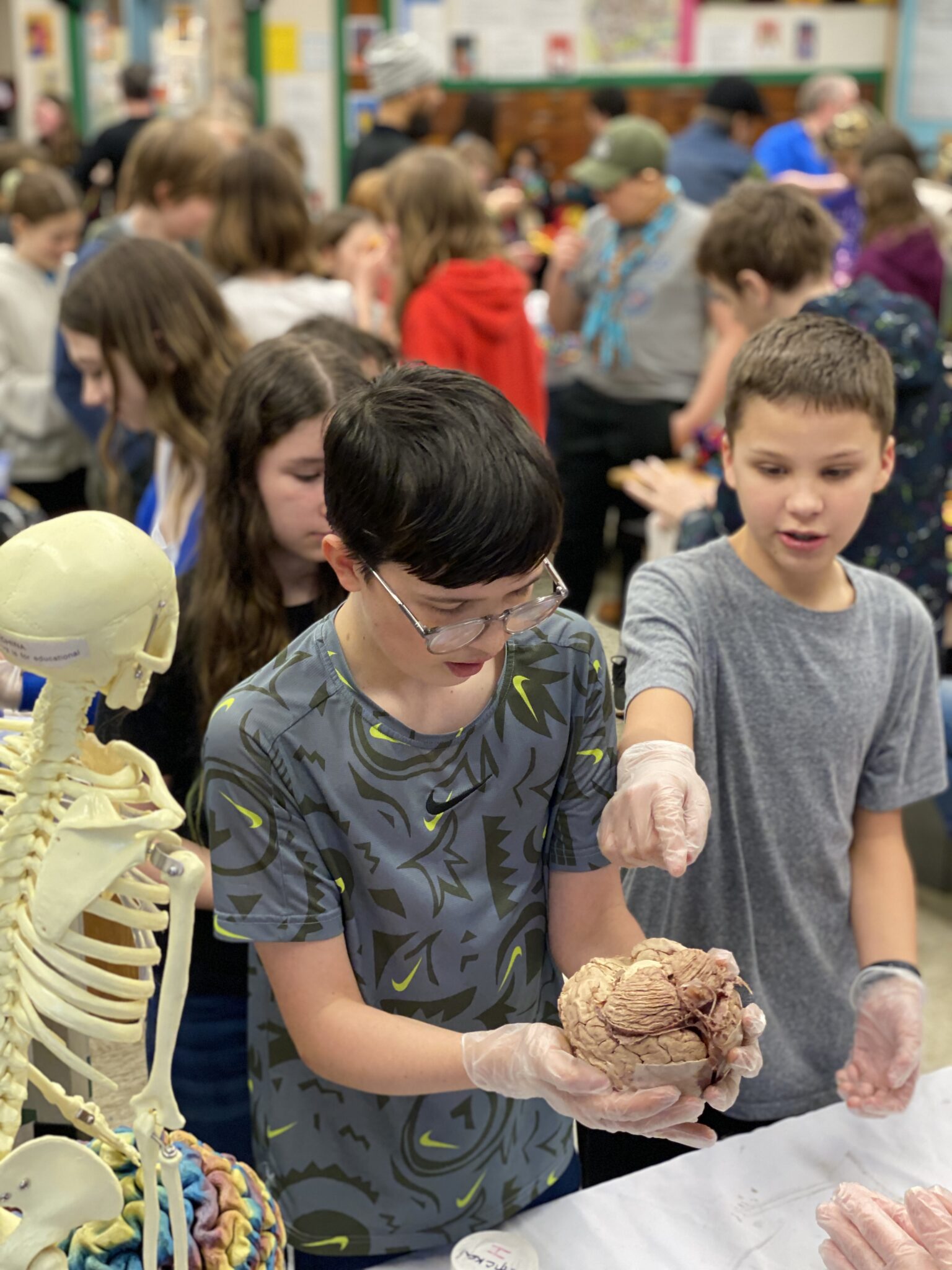
Not only are the students and schools we visit benefitting individually, but the future of science, medicine, and technology are benefitting as well.
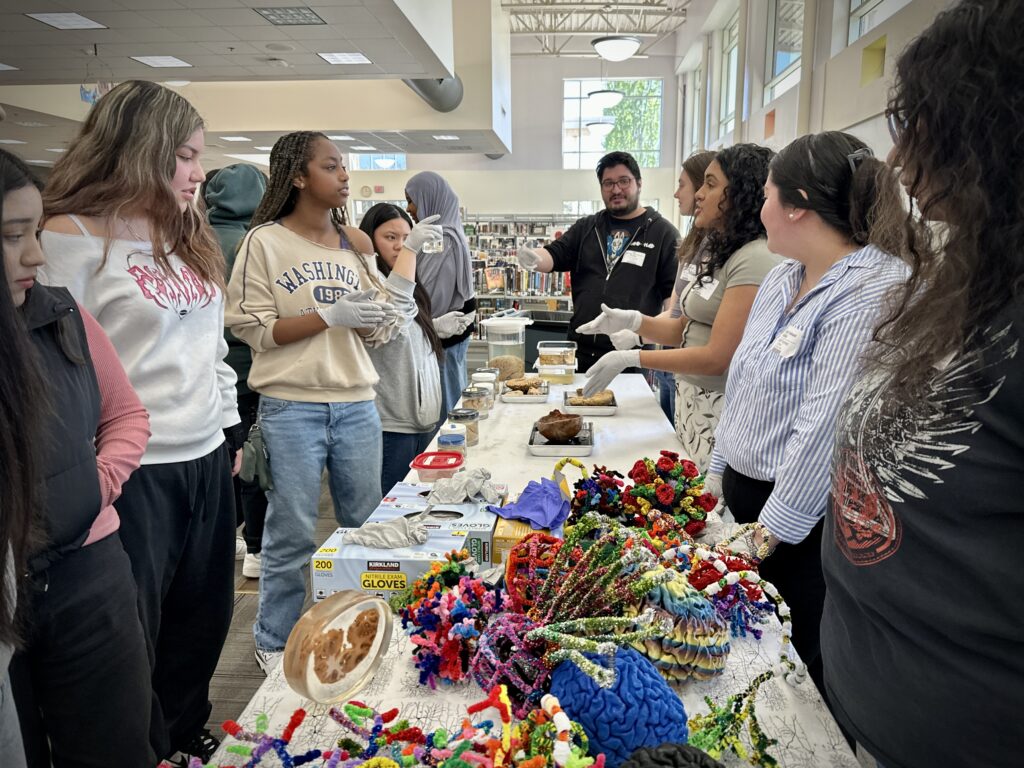
A 2017 study that surveyed nearly three thousand middle schoolers across Western Pennsylvania and Northern California found that having an affinity for and fascination with science were strong predictors of students desiring and setting specific goals related to pursuing careers in STEM and health/medicine: “A unit increase in science career affinity increases the likelihood of students desiring a STEM career vs. other (non-STEM/non-health) careers by about 160% and increases the likelihood of students desiring a health career vs. other career by about 144%.”
Similar to the Rosenbaum scholarship program, NW Noggin is often providing this opportunity to young people who may not otherwise have been able to experience it due to socioeconomic constraints, as many outreach visits are to Title I-A schools, meaning that they have a high percentage of students living in poverty.
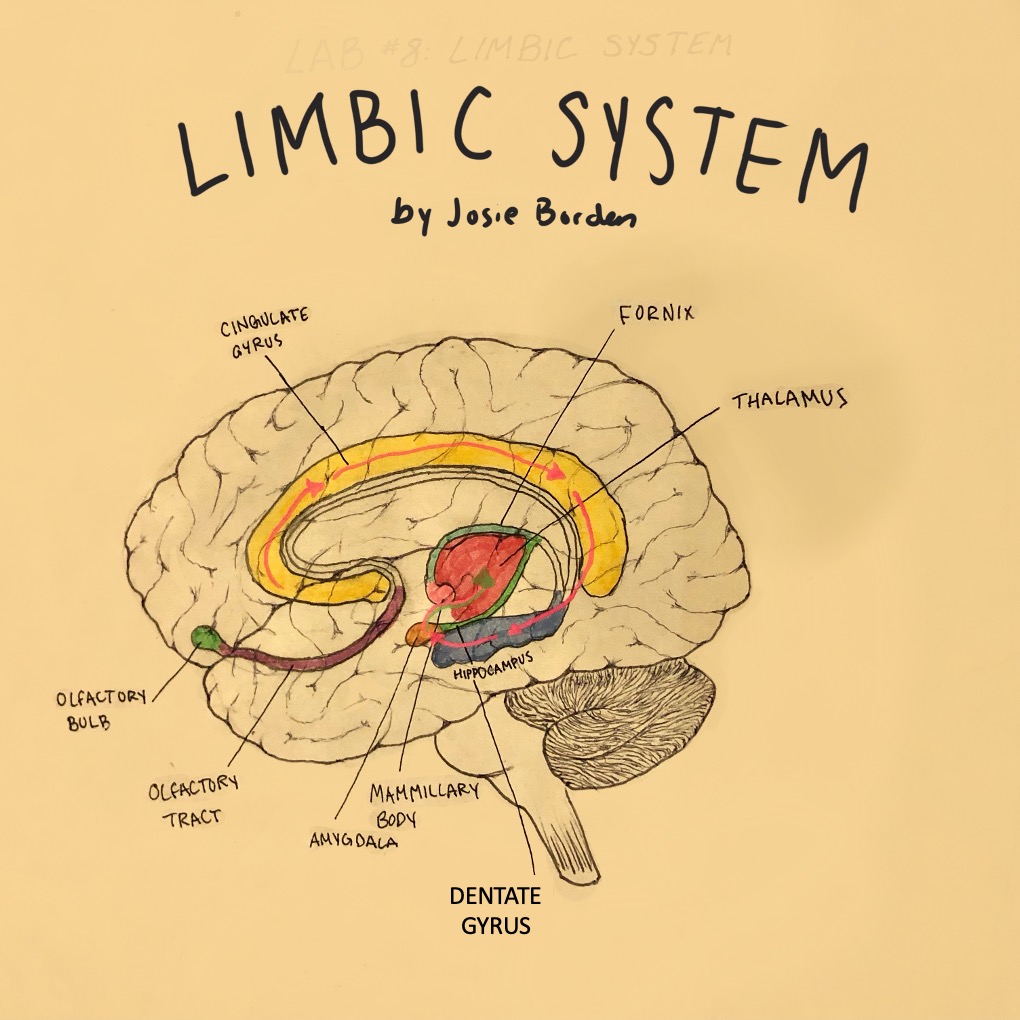
Childhood poverty, socioeconomic disadvantage, and unmet needs have been linked to overactive amygdalas, the part of the brain which is largely responsible for processing emotions like anxiety, fear, and aggression.
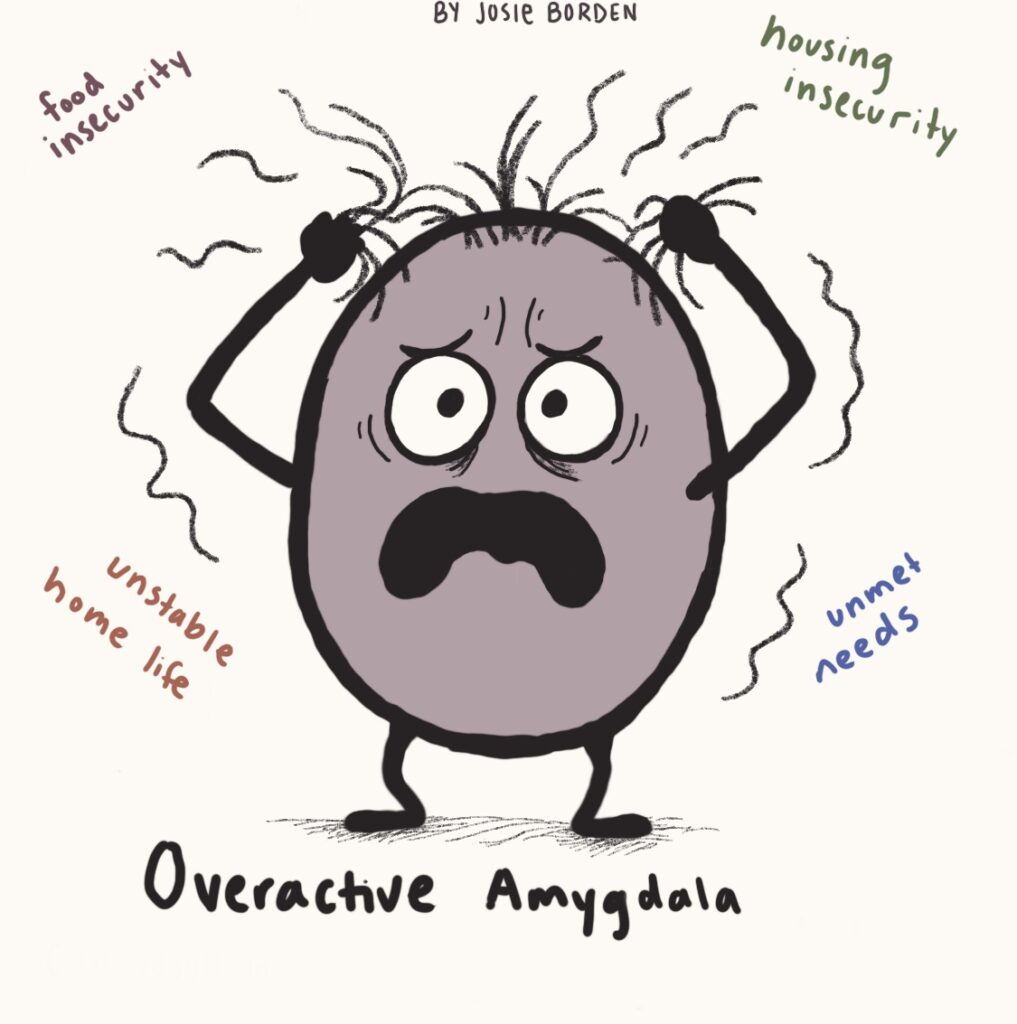
An overactive amygdala could lead to exaggerated fight or flight responses, emotional reactivity, social difficulties, depression, and even diminished decision-making abilities, making neuroscience education all the more vital in helping youth understand their brains and work with them, rather than against them.

LEARN MORE: When I grow up: the relationship of science learning activation to STEM career preferences
LEARN MORE: Socioeconomic Status, Amygdala Volume, and Internalizing Symptoms in Children and Adolescents
LEARN MORE: How developmental neuroscience can help address the problem of child poverty
LEARN MORE: Portland Public Schools: Title 1A Schools & Information
LEARN MORE: Poverty and the Developing Brain
LEARN MORE: Amygdala Hijack: Contemporary Insights into Causes, Correlates, and CausesLEARN MORE: Science and representation: examining the role of supplementary STEM education in elementary school student science identity
For my internship, I was told to pick three nonprofits, and that I would get matched with one.
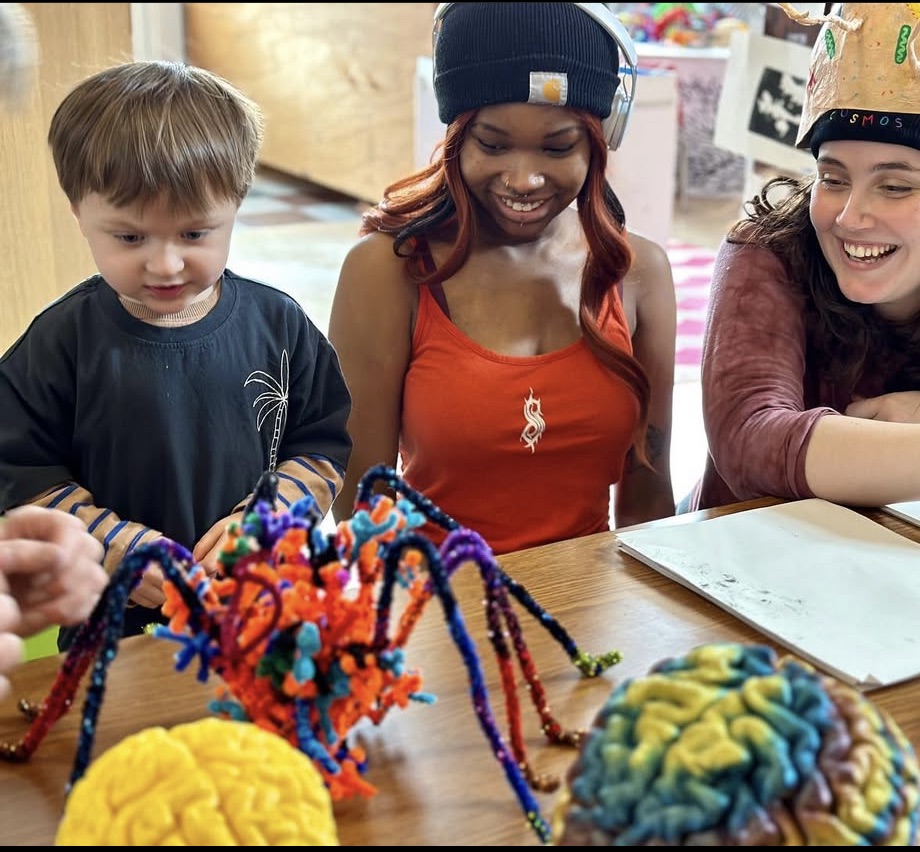
I matched with (obviously) NW Noggin!
This had been my top choice, as I was already minoring in interdisciplinary neuroscience and enjoyed the instructor’s classes and passion for neuroscience so much. I also knew I wanted to work with NW Noggin, as I had previous experience in childcare and education, and was excited by the possibility of interacting with so many different demographics of children and teens about a topic I loved, but never learned about in school.
I was also excited to learn more about how a smaller, regional nonprofit organization like NW Noggin functions, especially how they found and maintained funding without a consistent benefactor, like the Rosenbaum family, to support them.
Neural Networks and Nonprofit Boards
Despite having benefited from many nonprofit-based services throughout my life, I still didn’t really know how they worked, or how they differed from a business or fully government-funded organization in their structure and protocol. I quickly learned that nonprofits were operated by boards (also sometimes known as councils), usually consisting of a mix of community members with nonprofit experience, experienced professionals in the industry or discipline in which the nonprofit is based (mainly education, art, and neuroscience, in NW Noggin’s case), and assorted benefactors/people with fundraising connections and experience. All nonprofit board members are volunteers, and are elected to their position by a vote of existing board members. A functioning board (or council) not only governs the organization, but also ensures proper use of funding, adherence to any legal requirements they may be subject to, and, ideally, a more diverse voice leading the organization’s future direction (rather than just one president or CEO making all the decisions).
LEARN MORE: Who Really Owns a Nonprofit?
LEARN MORE: A Nonprofit’s Board of Directors – What is a Board?
Larger nonprofits, like the Society for Neuroscience or the Brain Research Foundation will usually also have a variety of paid employees at an administrative or executive level who hold positions that are more specific to a department of the organization, like finance, development, research, or outreach. These higher level positions, and their salaries and responsibilities, are often approved by the board before hiring, another responsibility that a board member can have, depending on the size and structure of their organization.
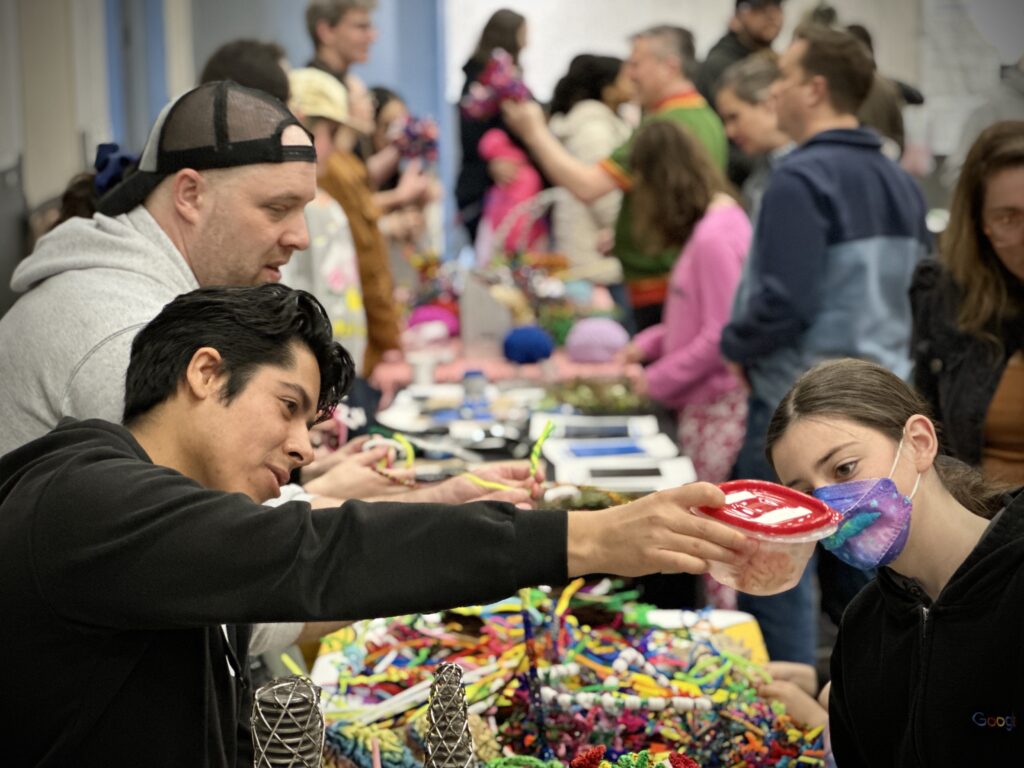
Because NW Noggin is smaller and regional, they are run entirely by a volunteer “Brain Board,” and a volunteer Resource Council, relying entirely on the fierce dedication of people who care so deeply about the mission that they are willing to give their valuable time and energy to further it.
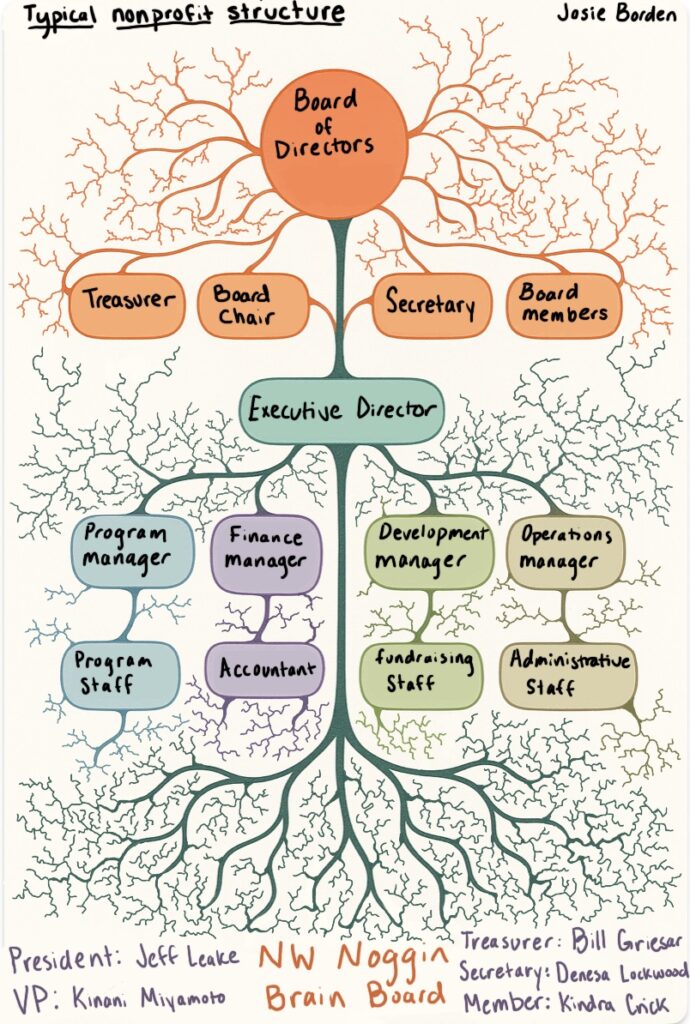
LEARN MORE: Brain Board
LEARN MORE: Resource Council
LEARN MORE: Nonprofit Noggins!
LEARN MORE: Nonprofit capacity and social performance: mapping the field and future directions
Dollars and Dendrites, Assets and Axons
Lastly, I learned about where the money comes from that allows the all volunteer NW Noggin, and other smaller nonprofits like it, to do the outreach that they do.
Nonprofit grants, or fundraising grants, are financial donations that are usually given by corporations, foundations, government agencies, or private trusts, and they are the main source of funding for nonprofits. Grants are not randomly nor automatically given out to organizations; most of the time the recipient is determined via applications (also known as grant proposals) that the nonprofits have submitted themselves. These grant applications are not dissimilar to a small business loan application, often requiring some combination of a cover letter giving a history of the organization, a statement of need, a budget, and a detailed description of what the grant funds will be used for. Some grants have stipulations about how, where, and for what the money can and can’t be used, which is important to take into account during both the application process and the utilization of the funds.
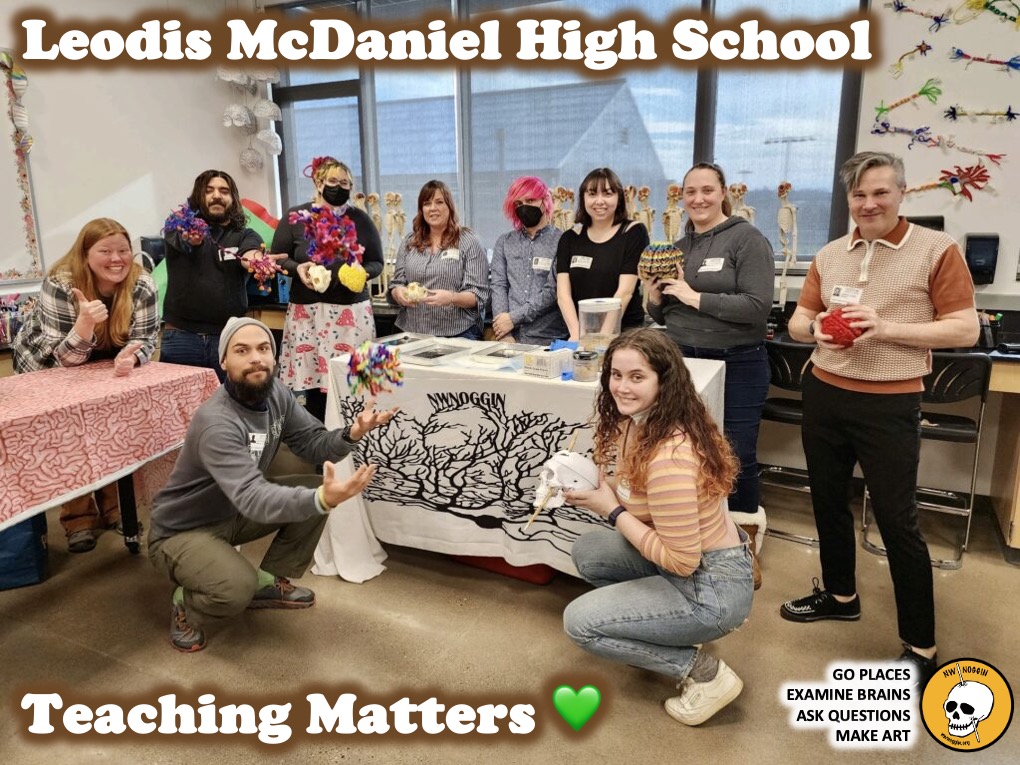
Without grants and donations from organizations like the Dana Foundation, American Brain Coalition, Society for Neuroscience, Roundhouse Foundation, and the Spirit Mountain Community Fund, NW Noggin would not be able to take overnight outreach trips to more rural areas like Siletz or Sisters, or to out-of-state events, like the Society for Neuroscience conferences.
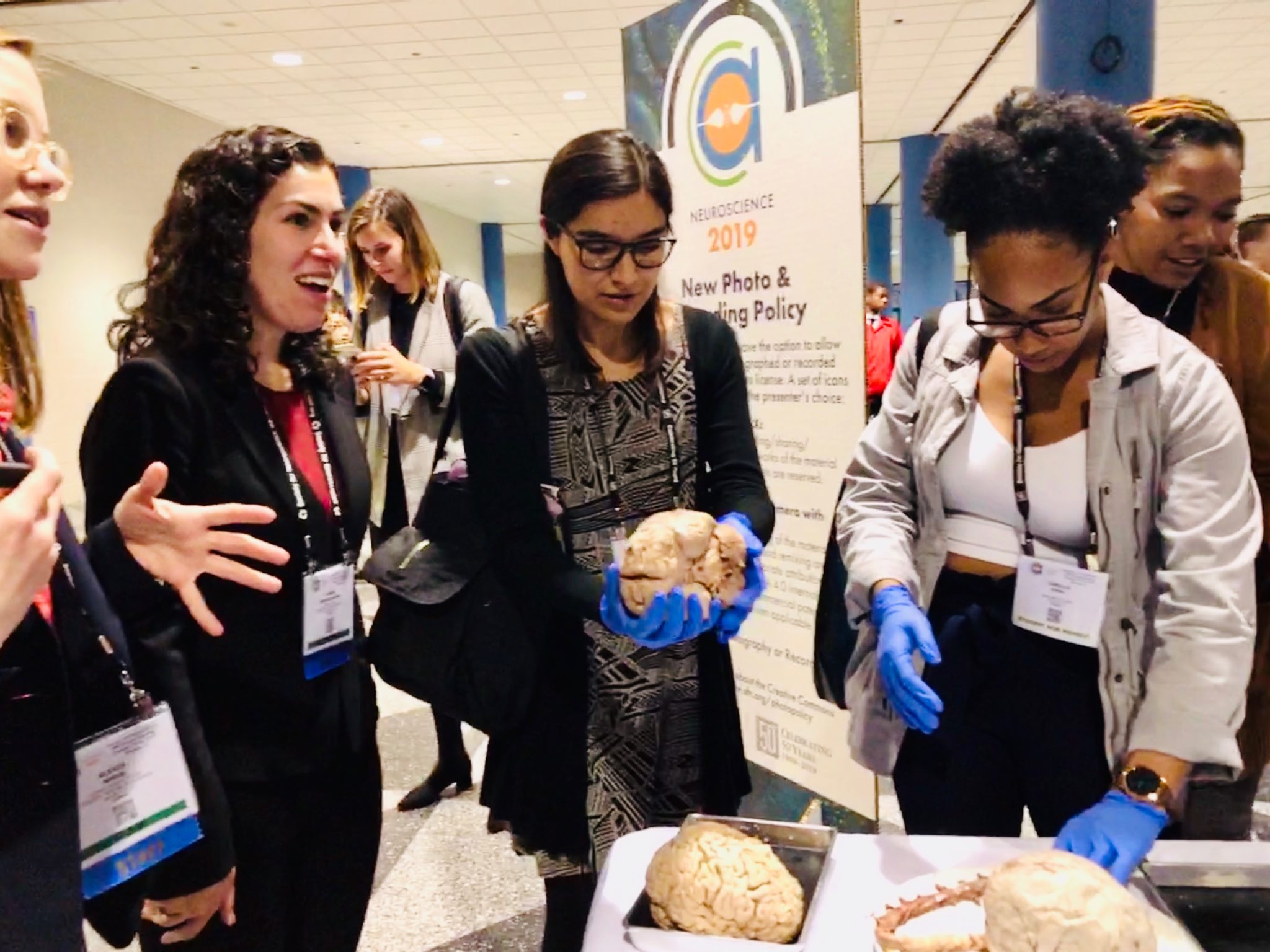
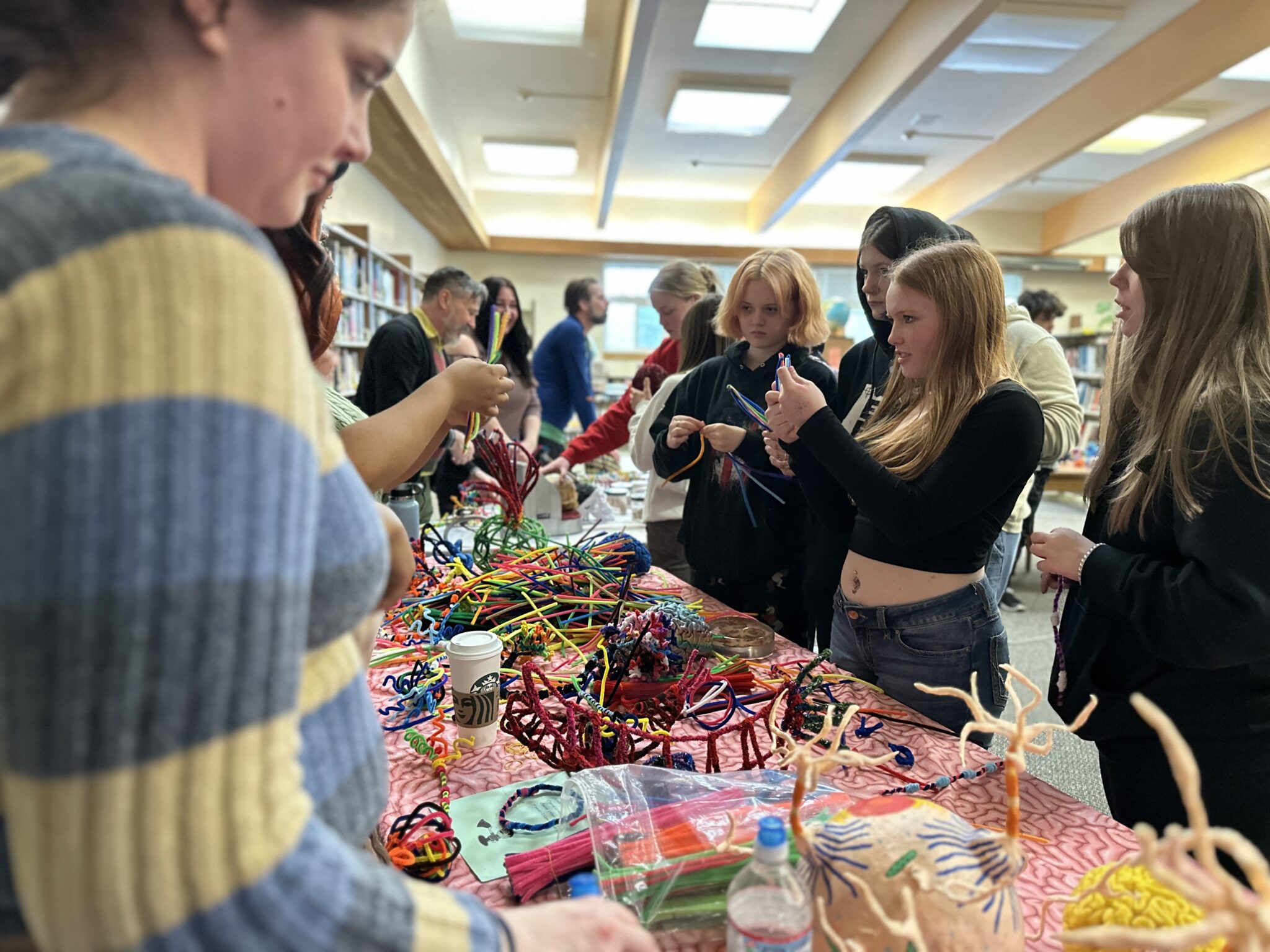
Without these supporters, they would not have the various brains that they are able to take on outreach visits, or the art supplies to make projects with, both of which are huge parts of how outreach volunteers are able to get kids interested in brains and the topic of neuroscience. After all, tactile learning activates our proprioception and helps us to develop new neural pathways!

LEARN MORE: Synaptic Community Connections
LEARN MORE: Synapses and Seconds in Sisters
LEARN MORE: Long skinny lightning in Siletz
LEARN MORE: NW Noggin awarded Dana Foundation Brain Awareness Grant!
LEARN MORE: STEAM Art Projects
LEARN MORE: Science Through Art: The Impact of Art Projects on Depth of Knowledge of Science Topics
LEARN MORE: Proprioception for Children in School
My Experience
It is difficult to put into words the experiences and knowledge I gained throughout the course of my internship, and even more difficult to separate the experience of the internship from that of my journey from a college freshman who was averse to hard sciences of any kind, to an almost-graduate who relishes discussions about neuroscience and can’t stop seeing neuronic structures in the world around her. I am deeply grateful to the Rosenbaum family, to the Honors College, and, of course, to Bill Griesar and Jeff Leake, for the encouragement and opportunity to immerse myself in the worlds of neuroscience and nonprofits. Prior to this experience, I honestly had never given much thought to who worked behind the scenes at a non-profit (not personally doing the outreach or service work), and just assumed that it was more of a position in name only. Working with NW Noggin as a Rosenbaum Service Leadership intern showed me the crucial and rarely easy work that is done by board members, council members, and directors. I have a newfound appreciation and a deepened respect for those who volunteer their time in this way, and aren’t often recognized for it, as they don’t have public-facing positions.