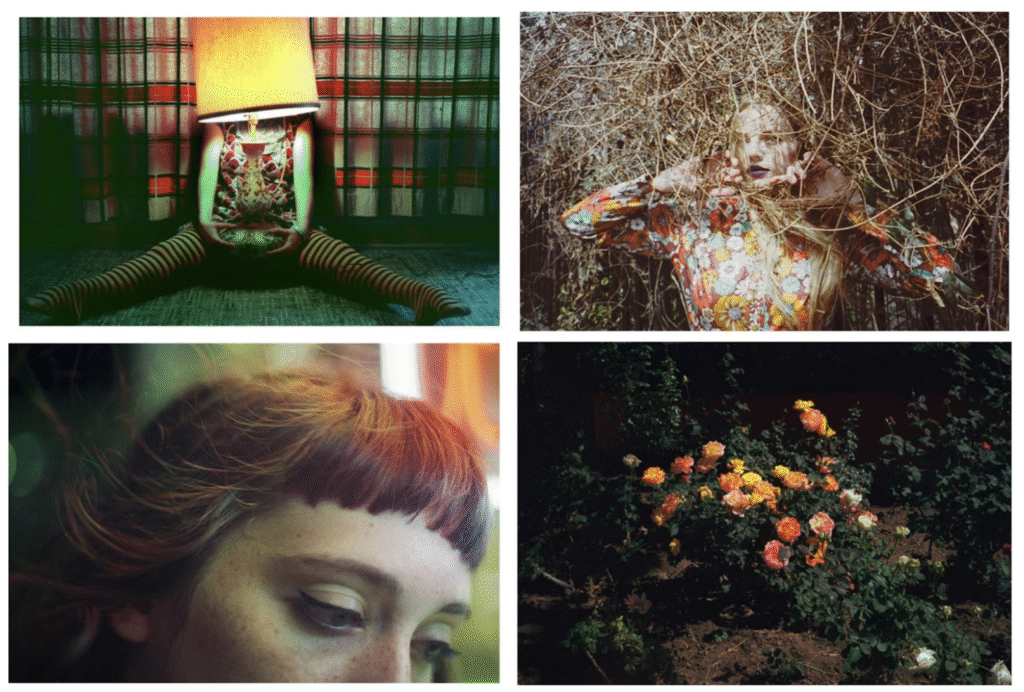
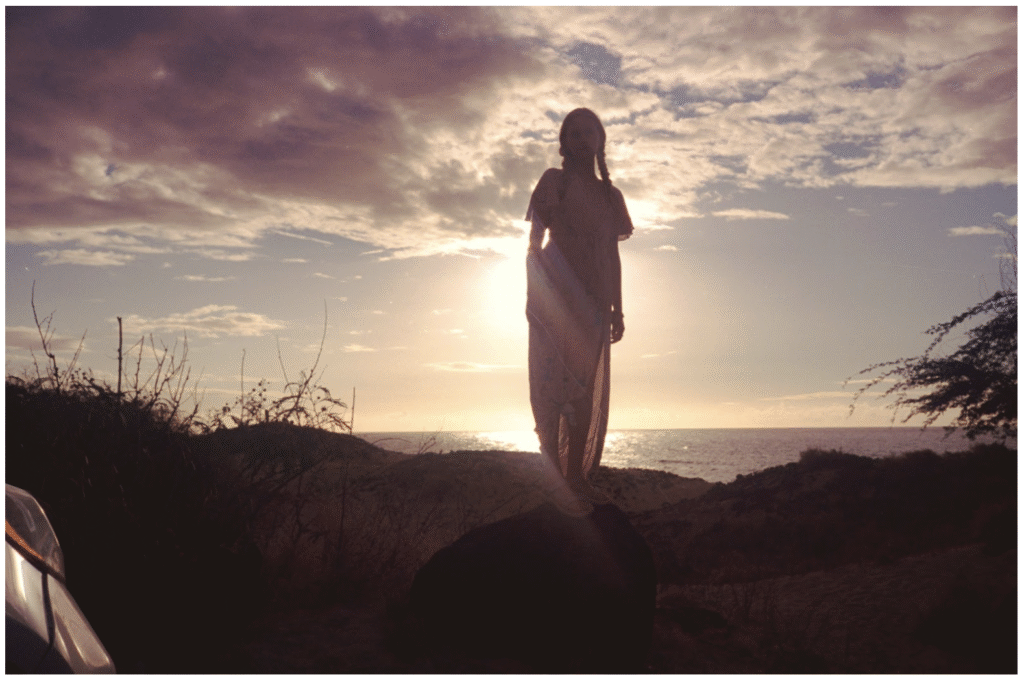
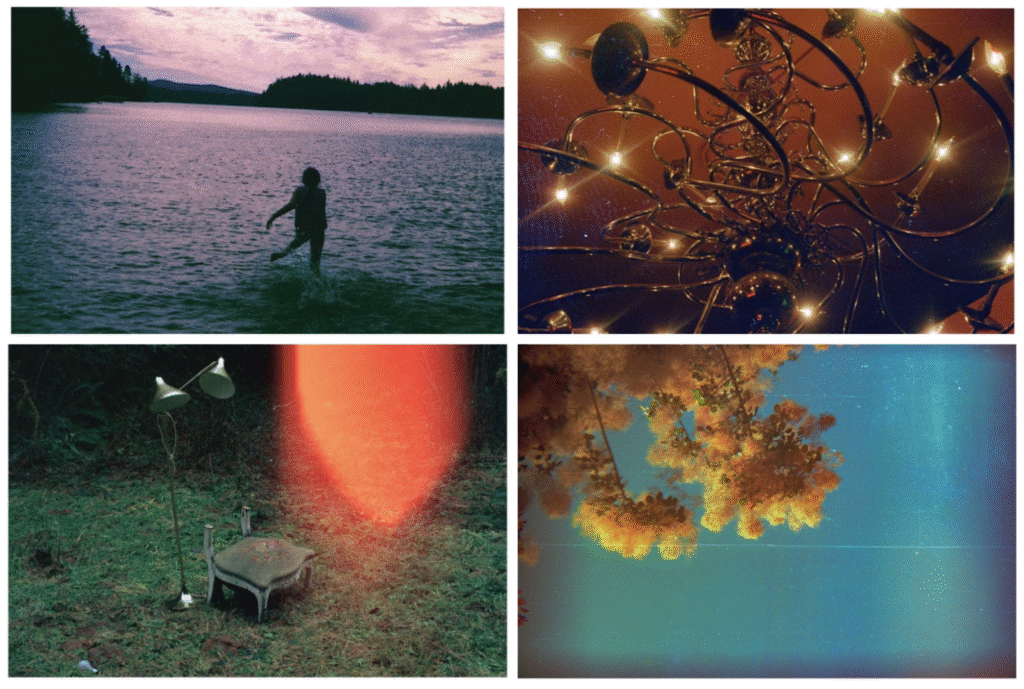
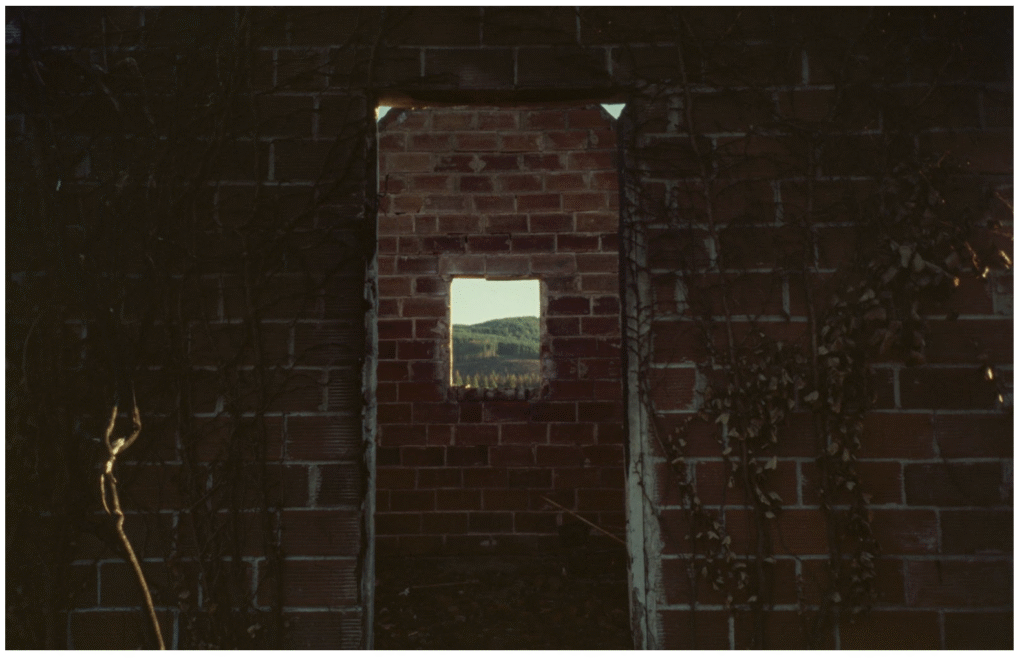
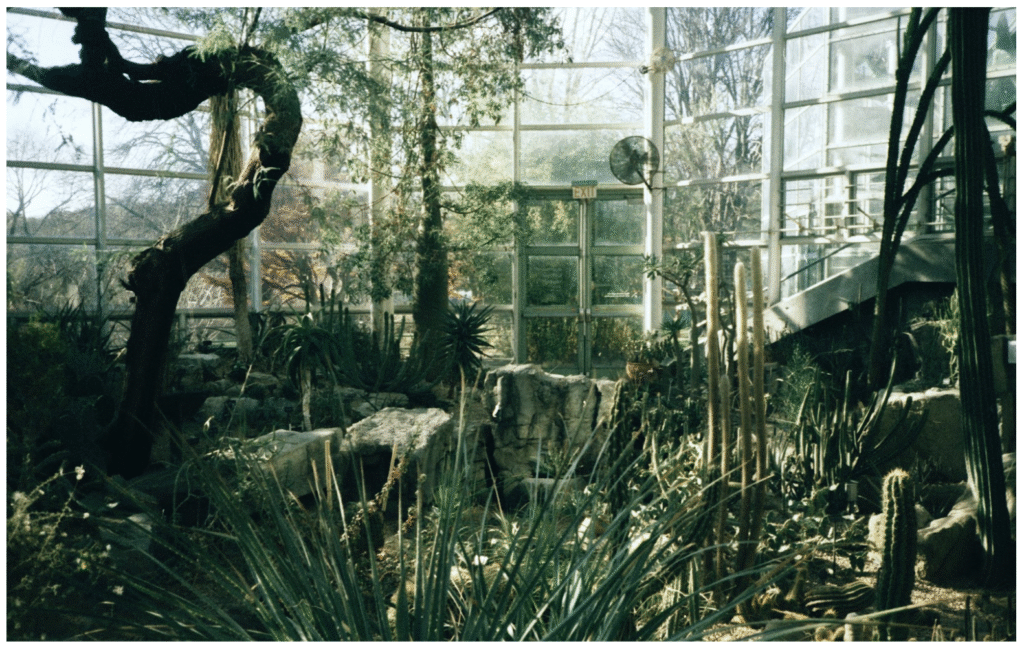
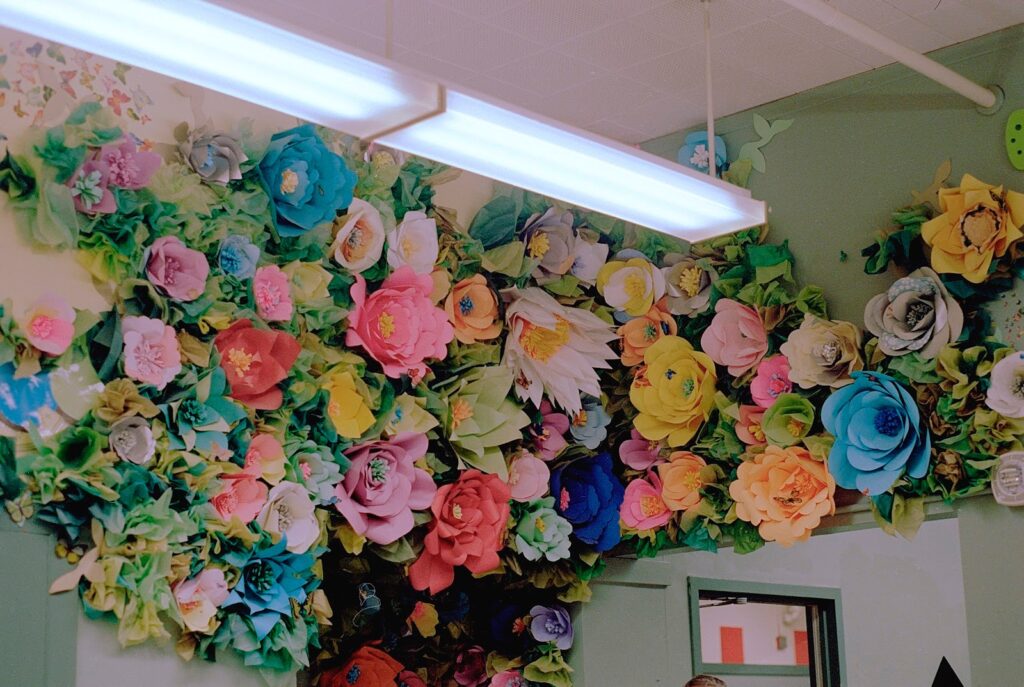
I have a lot of big questions about the visual system, perception, reality and where vision intersects, as I’m an artist with my background in film photography and theatre arts.
My interest in neuroscience is fueled by my concern for social psychology and mental health as we continue to (inevitably?) assimilate into digital/virtual/AI image-based societies. My post explores vision science, perception, image consumption, mental health, and some thoughts for the future.
“Everything we see hides another thing. We always want to see what is hidden by what we see.” –René Magritte
Part 1: Eye of the Beholder
“Photography takes an instant out of time, altering life by holding it still.” –Dorothea Lange
How my camera shaped my brain (and vice versa).
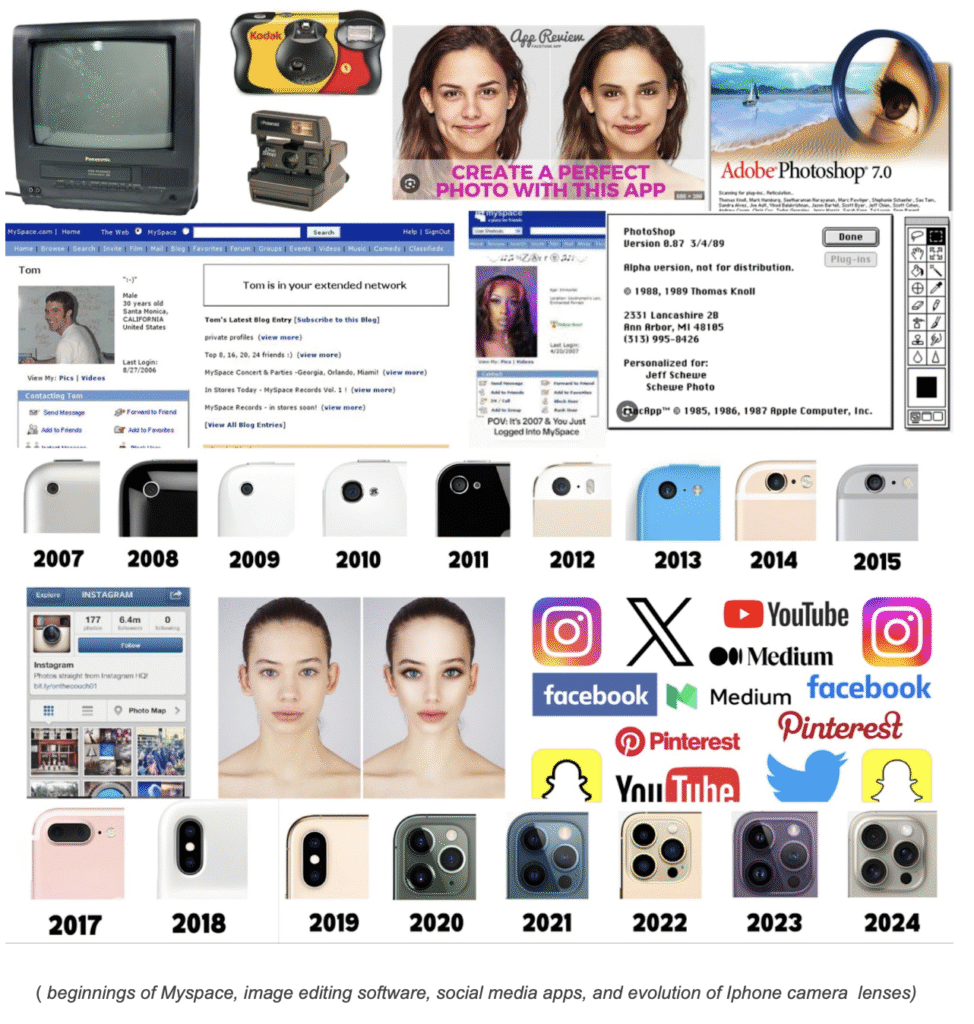
Photography has been a coping mechanism for me as a kid who grew up without high-speed internet in rural Oregon. Born in 1990 I saw a lot of interesting and rapid changes in technology, commercial photography images, and the start of personal image “customization” (i.e., low-quality photoshop edits to refined Facetune apps).
From a disposable camera childhood to a myspace teen profile world, I witnessed early 2000s selfie angles transform into millionaire Influencer careers on social media apps, and how our memories got stored depending on what pictures we snapped.
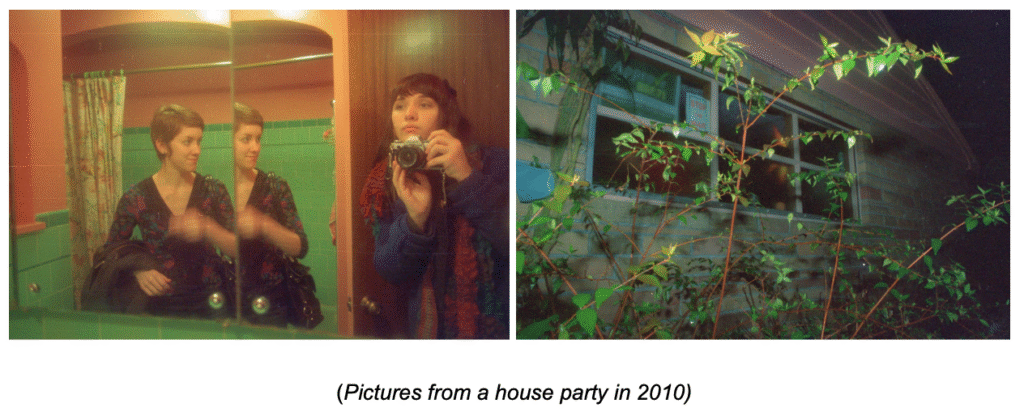
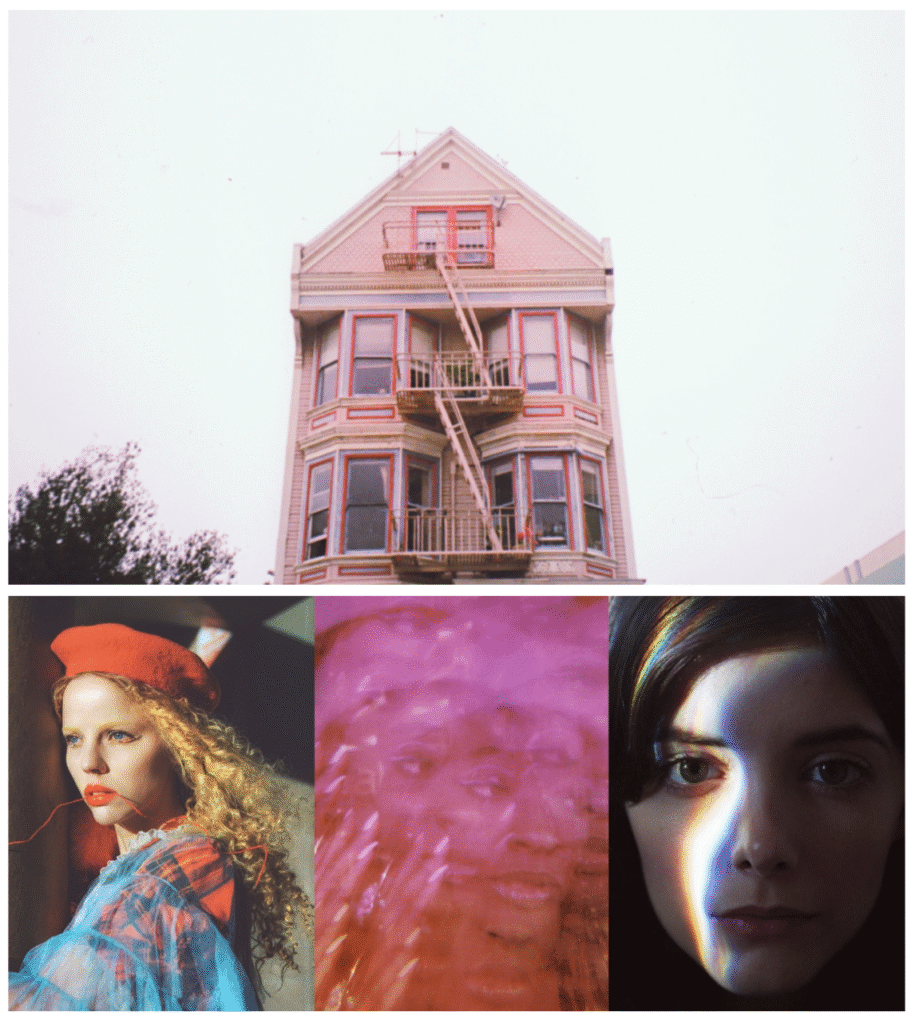
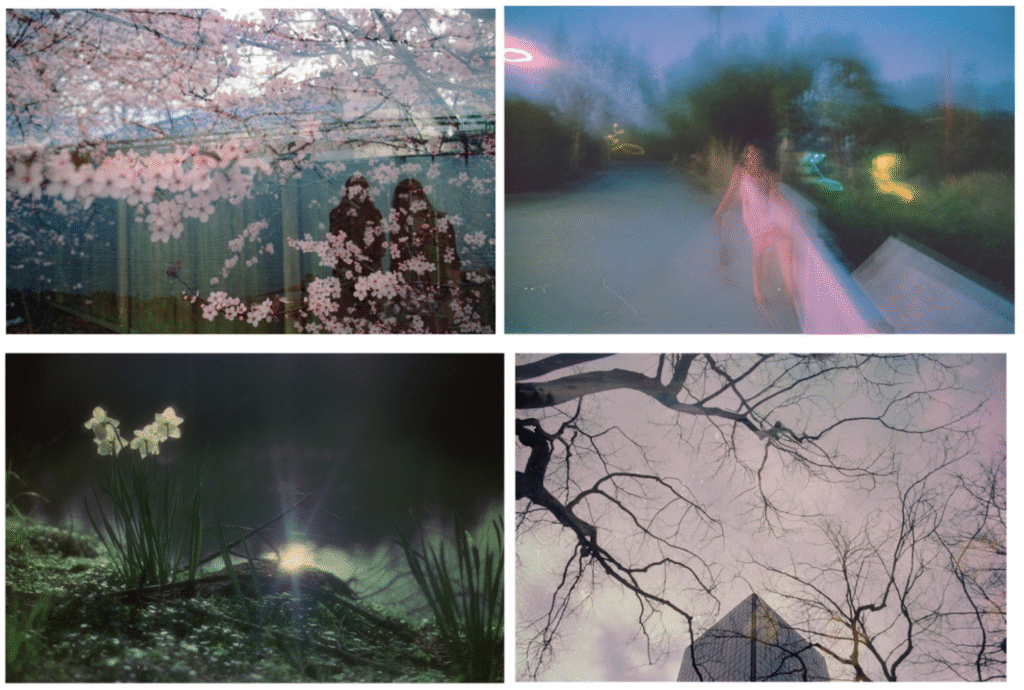
As society rushed into digital photography and excitedly shared photos of daily life online (I certainly did), I noticed how the quality of light and the color tone affected how much I remembered, and I wondered how and why that might be. Out of high school in 2008 I continued to notice the difference between “dreamy” lighting in film images as TV screens became focused on “high definition,” and how the quality had an effect on my emotional experience. I never thought about the neuroscience behind photography and hadn’t taken a basic photography class to understand light design until much later.
“We become what we behold. We shape our tools and thereafter our tools shape us.” –Marshall McLuhan
[Noting when I write “image” I’m referring to photographs/videos of daily life shared or advertised online—not drawings, illustrations, or other art mediums…]
Around the start of the 2020 Covid-19 pandemic, I realized there was more to social media than meets the eye. Watching how our world warped into virtual realities and communities (often summarized by an icon photo or digital avatar) made me aware we are interconnected and only going to continue to grow closer in networks represented and informed by images.
As one of the last “analog” kids who grew up with VHS tapes and dial up internet sounds, I’m very intrigued by the transition into different visual technologies and social communications between 1980-2025. I think vision and images are important areas of research because they offer emotional connection, purpose and social reinforcement. I believe images can shape identity, memory and even mental health. Images aren’t passive but active as they change how our brains feel, bond, and remember.
With this many images in existence, I am personally interested in how the “realistic” versus “dreamy” quality of images changes how people empathetically feel towards each other, how visual cognitive bias works in the brain, and how we can prevent future generations’ visual systems (and brains!) from being manipulated only to sell clicks/things for capital.
I became interested in the vision system specifically around the time A.I. generators began mimicking human photography, a sort of “digital” painting that doesn’t record light but imitates it well enough that my brain believed it. This led me to wonder what is real about seeing, anyways?
After taking a neuroscience of perception class at Portland State University and learning how the visual system actually works (from the infrastructure of the eye to how light becomes neural signals in the cortex), I realized how much I take my ability to instantaneouslyintake visual stimuli for granted.
I was awestruck by the intricate and sophisticated layered sequence required to process patterns of electromagnetic energy (in a narrow spectrum known as visible light) into the meaningful visual world I experienced every day. If your eyes are reading this text…
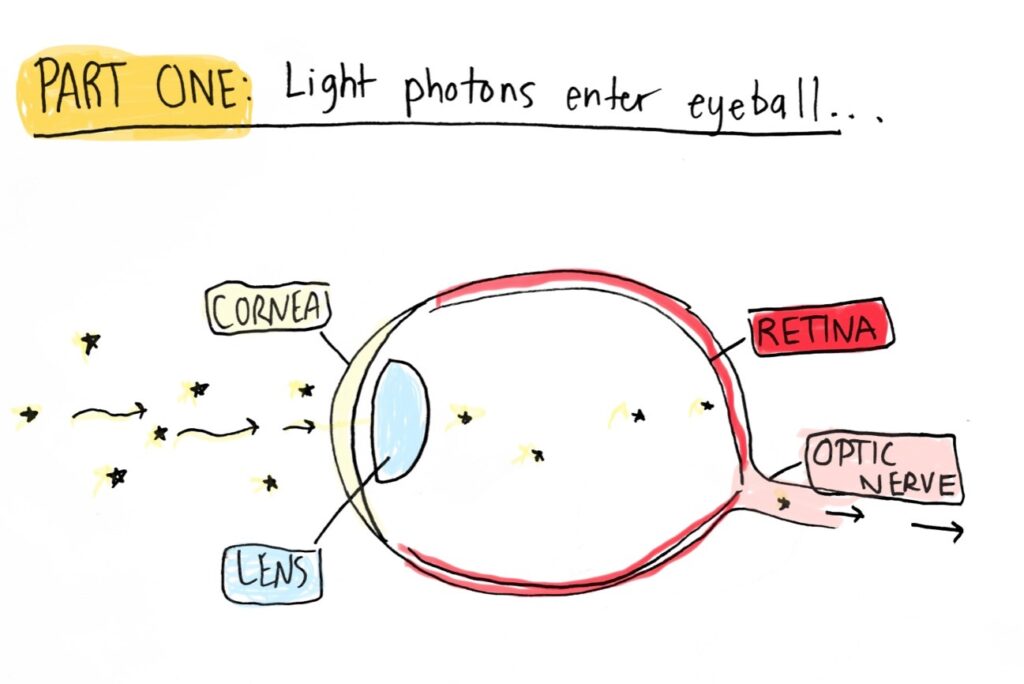
Part One: Light photons enter the eye though the cornea and are pulled into focus by the lens towards the back of the eye. This focusing creates an inverted image on the retina.
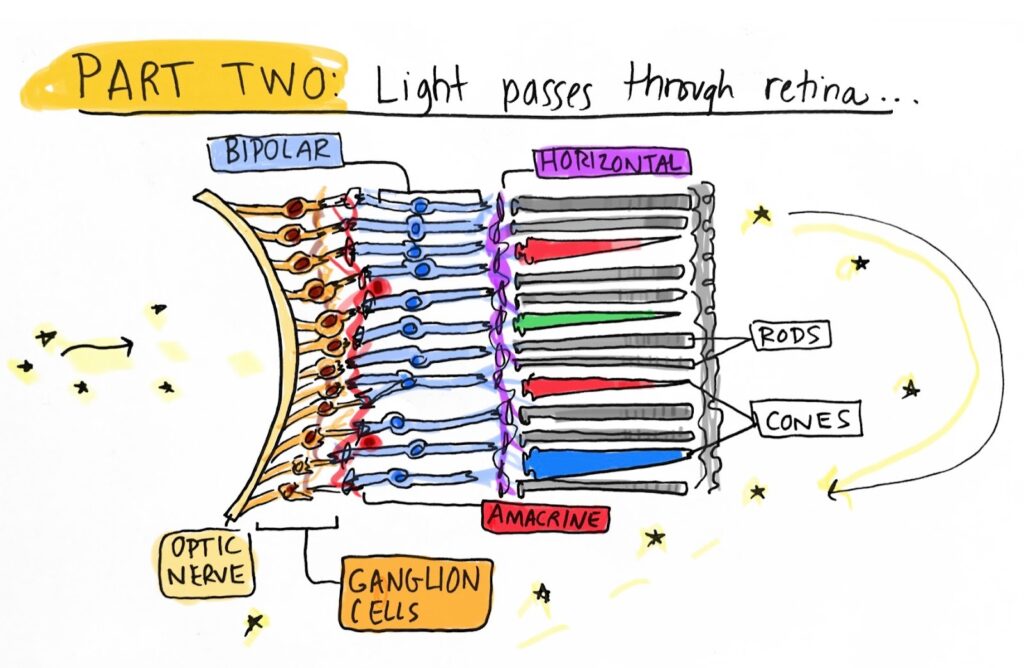
Part Two: The same light photons travel through layers of interconnected neurons (ganglion, amacrine, bipolar, and horizontal cells) before reaching the actual photoreceptor layer of rods and cones (located at the very back of the retina!). These photoreceptors convert light into an electrical response that is then refined and processed within the retina itself, backwards through the bipolar, horizontal and amacrine cells, ultimately converging onto the ganglion cells.
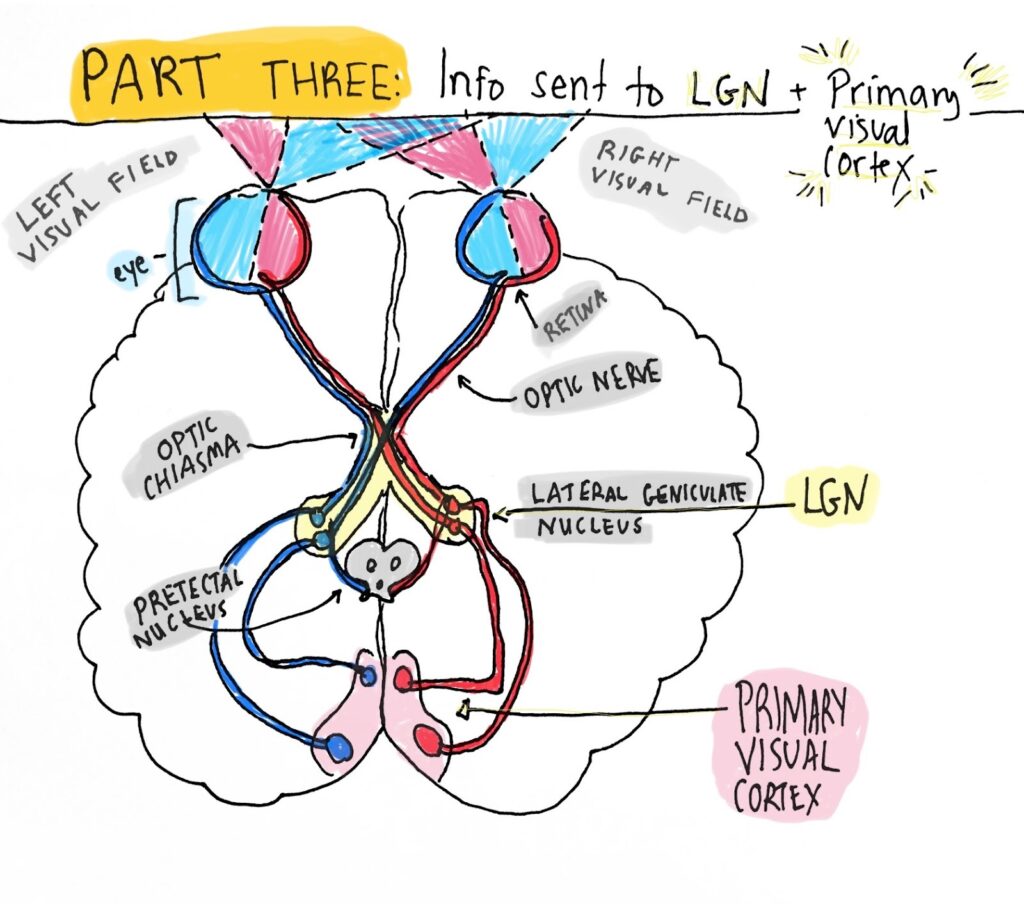
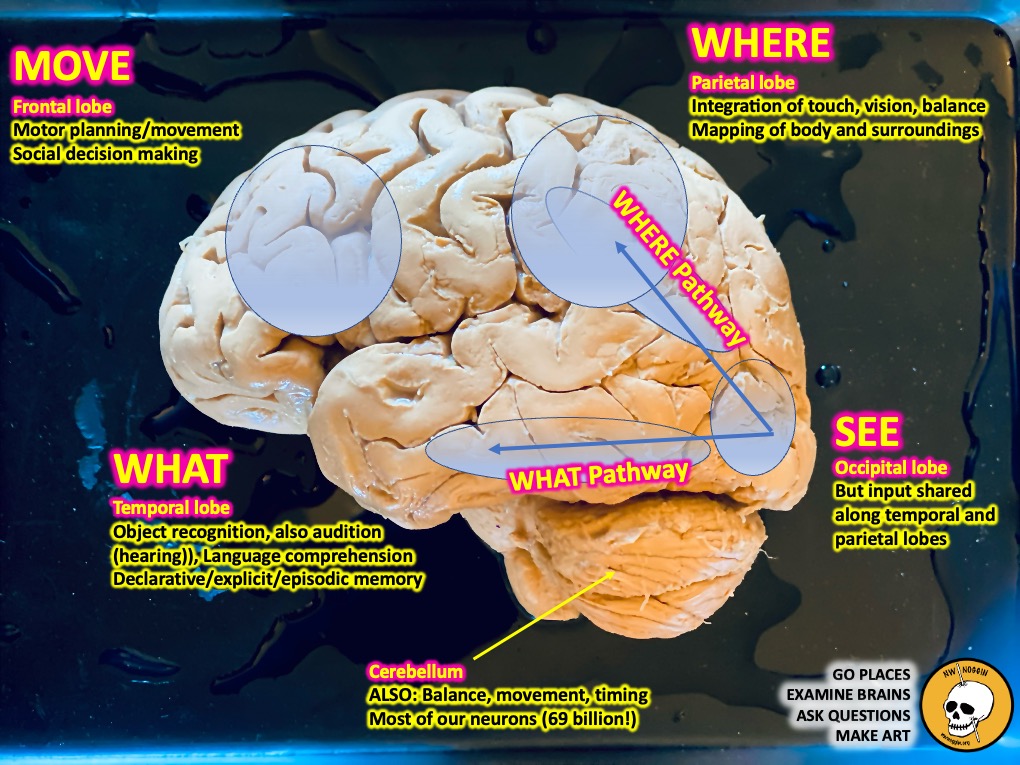
Part Three: The electrical signals are then sent to the optic nerve (via ganglion cell axons) to the thalamus (LGN), then to the primary visual cortex in the occipital lobe. From here, information splits into two major pathways: 1. “What?” Ventral Stream for object identification and 2. “Where/how?” Dorsal Stream for spatial location and action.
Essentially your brain biases what you’re seeing (before “you” do) with this “What” and “Where” information pathway system. This visual decision making happens before conscious awareness, meaning that the brain decides what you are seeing through prediction, pattern recognition, and past experiences before your conscious mind has time to catch up.
Learning this has been mind-bending for me as visual perception has always felt immediate and obvious, but under the hood (or eyelid?) I realize it’s more like an interpretive construction of my own reality.
“Your brain is constantly guessing what’s going to happen next. You see what you expect to see.” –Lisa Feldman Barrett
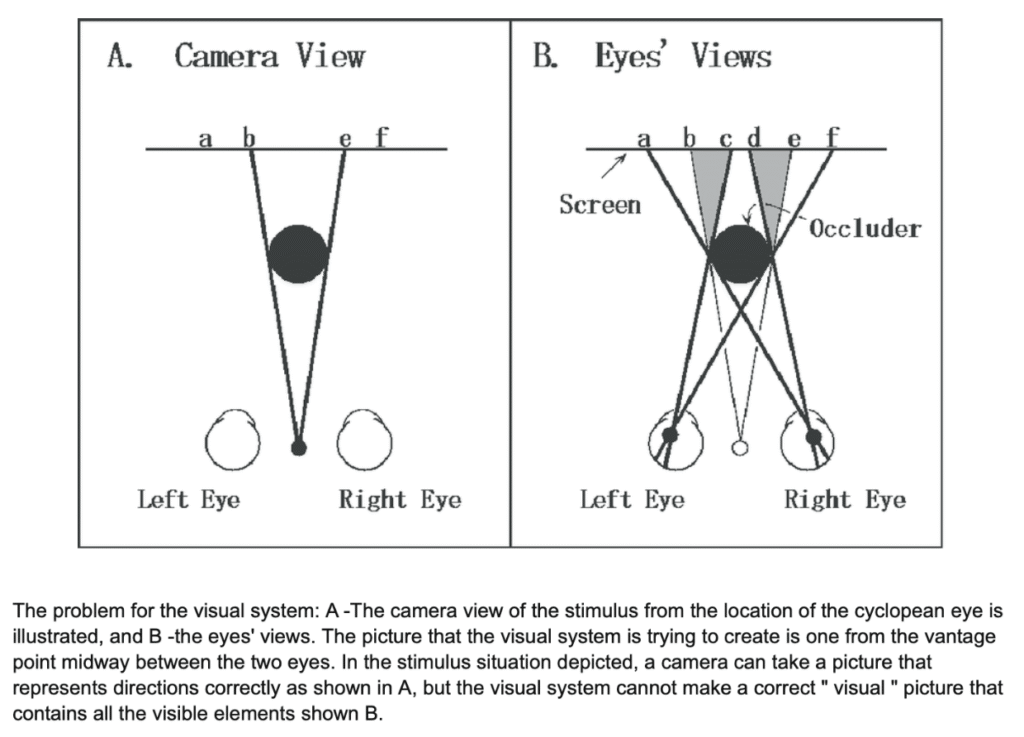
It’s important to know how human visual perception is not the same thing as a camera-like recording of reality, but more of a subjective construction in the brain.
An example of this is the human eye’s blind spot (image reference above), a region in each retina with no photoreceptors. Although there’s no visual input there, you don’t see a hole in your vision because your brain automatically fills in the missing information based on surrounding context.
I found a similar concept of perceptual filling in with something called the predictive coding model. Rather than passively receiving visual information, this model proposes that the brain is constantly guessing/making assumptions about the world, using past experiences to generate predictions about what it expects to see. Incoming sensory data (like photons activating the photoreceptors) is rapidly compared against the predictions and the brain updates its model only when the guess is wrong (example: you flinch when you think you see a spider crawling on your wrist but relax when you realize it’s just a piece of your sweater’s loose string). It’s important to have fast and efficient guesses but also to remember how our brain’s guesses are vulnerable to subjective experiences and bias.
“The eye sees only what the mind is prepared to comprehend.” –Henri-Louis Bergson
When we combine our natural vision system with modern digital environments (doom-scrolling emotionally charged content for instance) our perceptual machinery is pushed into overdrive where each swipe delivers new stimuli that triggers novelty-seeking circuits and dopamine release, training the brain to expect constant stimulus change in exchange for reward.
If our brains evolved for a world of steady and continuous perception (not like the thousands of compressed micro-experiences delivered for us to perceive each day) I wonder how much of a gap there is between what the eye receives and what the brain constructs, and how that gap becomes wider the faster the images come. If the brain leans into shortcuts and predictions naturally and fills in meaning before the conscious mind has time to analyze what it’s seeing, I think it’s important that we learn how to slow down to be present with what we’re looking at.
“What we see depends mainly on what we look for.” –John Lubbock
“We are not just passive recipients of sensory input, we are active creators of our perceptual world.” –V.S. Ramachandran
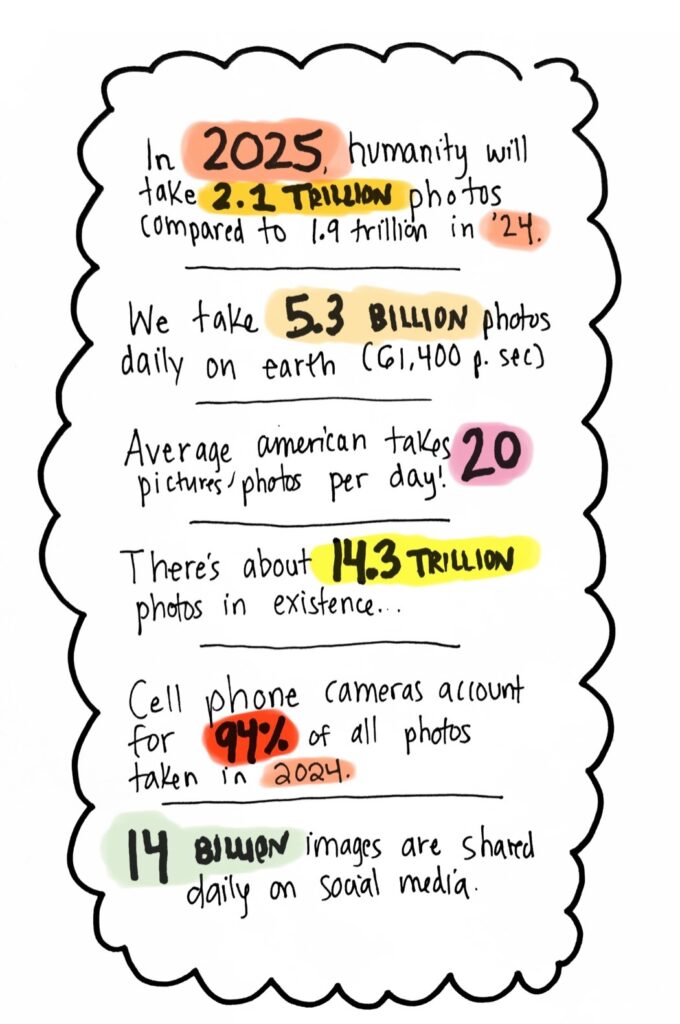
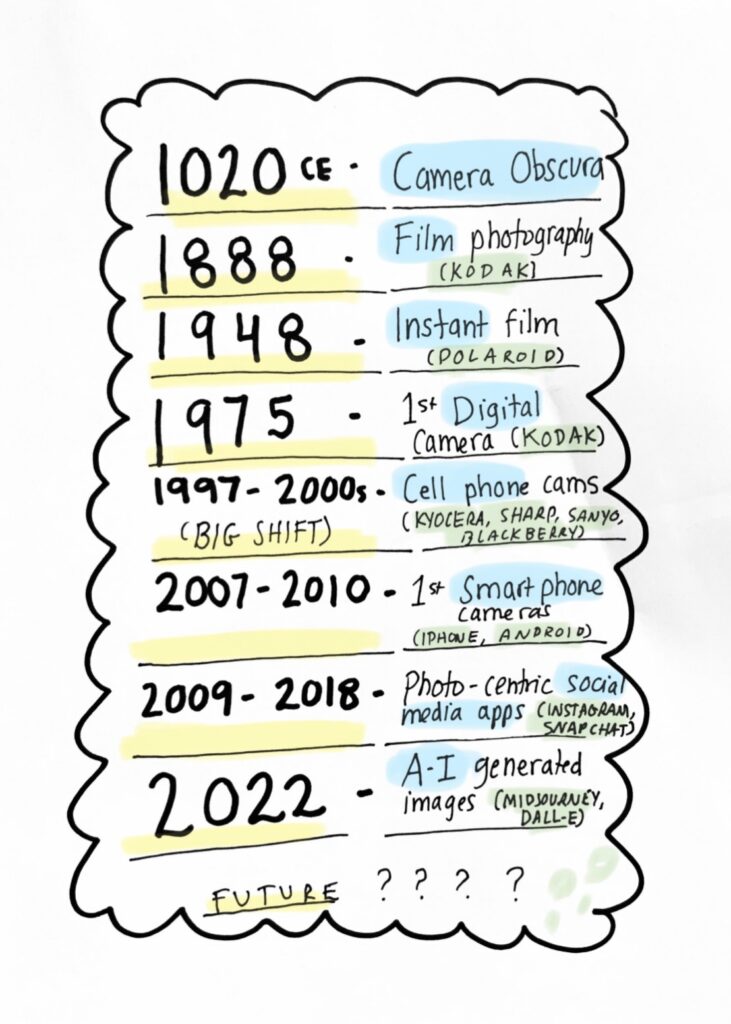
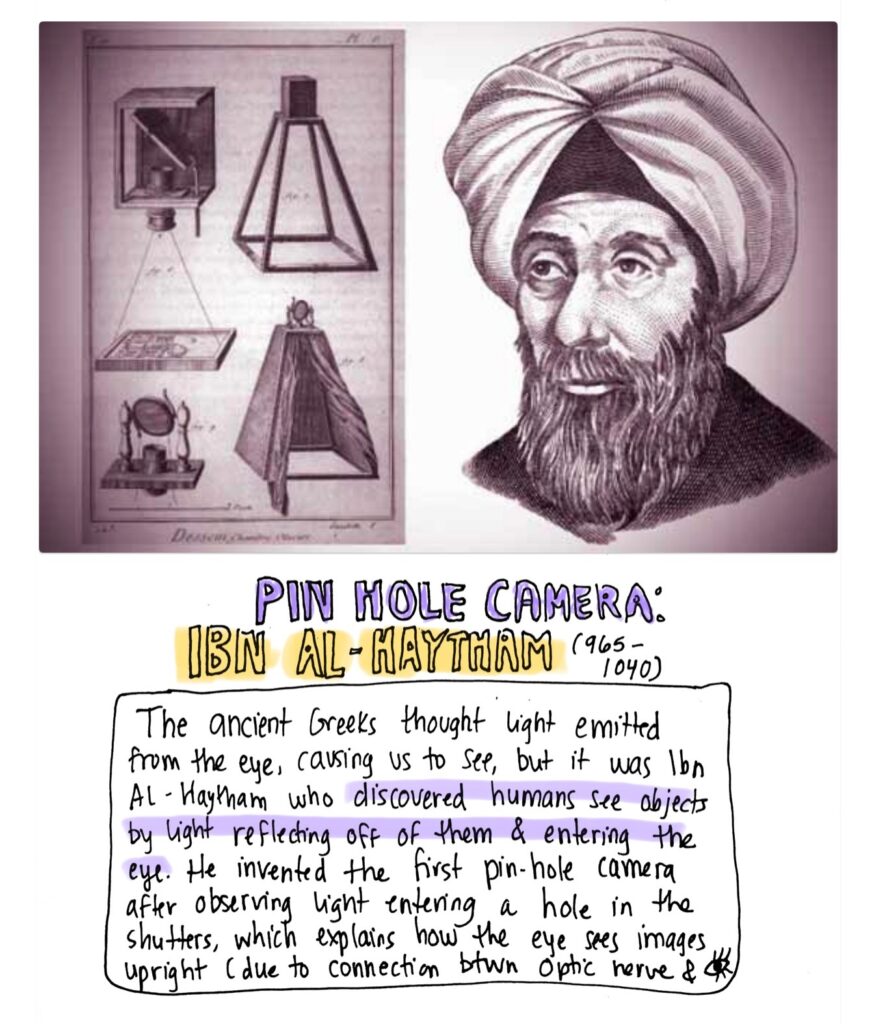
The history of cameras helps explain how we’ve reached a moment where we encounter thousands of images daily. The evolution of camera obscura, early film and even home film photography through the 1990s severely limited how many images you could shoot per day.
Photography once required a lot more time, preparation and intention.
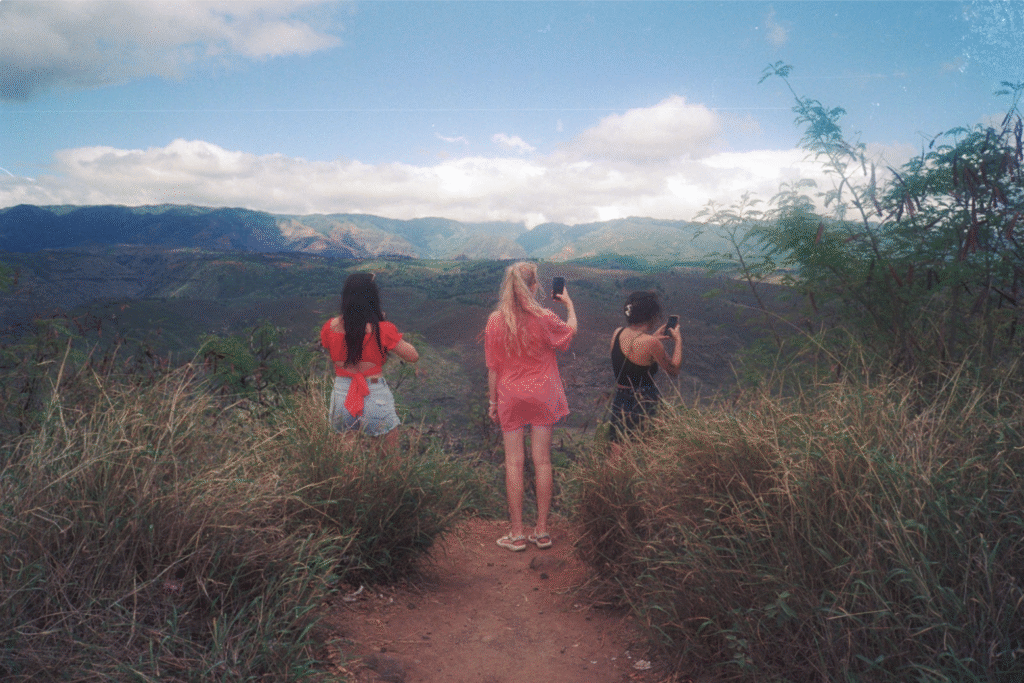
Digital cameras and smart phones significantly changed the distribution of everything, paired with the internet and being social creatures — by the time TikTok arrived, video cameras seemed to always be on, and quick-moving imagery became the primary language of online communication.
“Photographs open doors into the past, but they also allow a look into the future.” –Sally Mann
“In the age of screens, the eye is constantly invited into other people’s lives.” –John Berger
Modern technology devices connect us but they also expose us to an explosion of visual information. We’ve shifted from slower word-based interactions to instant-image communication.
Today I believe our screens (via cellphones, tablets, and laptops) operate more as visual “portals” into gateways of emotional, social and sensory environments that directly engage with our nervous system. Despite being virtually displayed, I wonder how the images we consume can affect our health in the long run and what our cultural “blind spot” might be on this recent communication transformation. For example, what happens when we rely on rapid image sharing/communicating instead of deliberate language over time?
I also wonder: if images are portals,where are you going? Where would you bring someone? Now that so many of us are equipped with cameras, I think it’s important to take these questions more seriously.
“We never actually see the world, we see our own expectations of it.” –Richard Zakia
“We’re all hallucinating all the time. When we agree on our hallucinations, we call it reality.” –Anil Seth
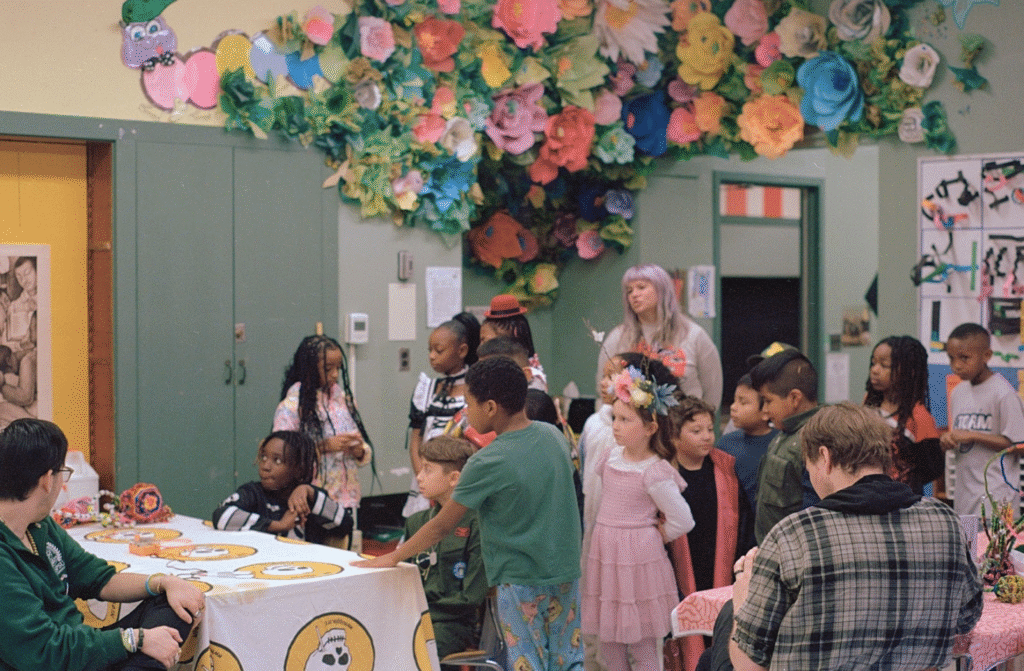
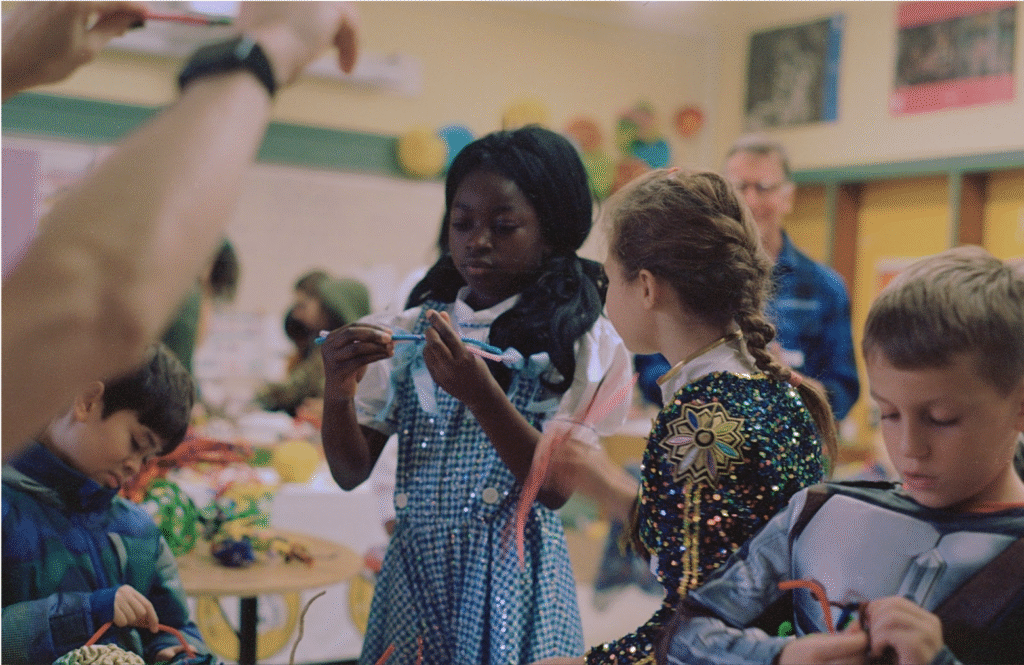
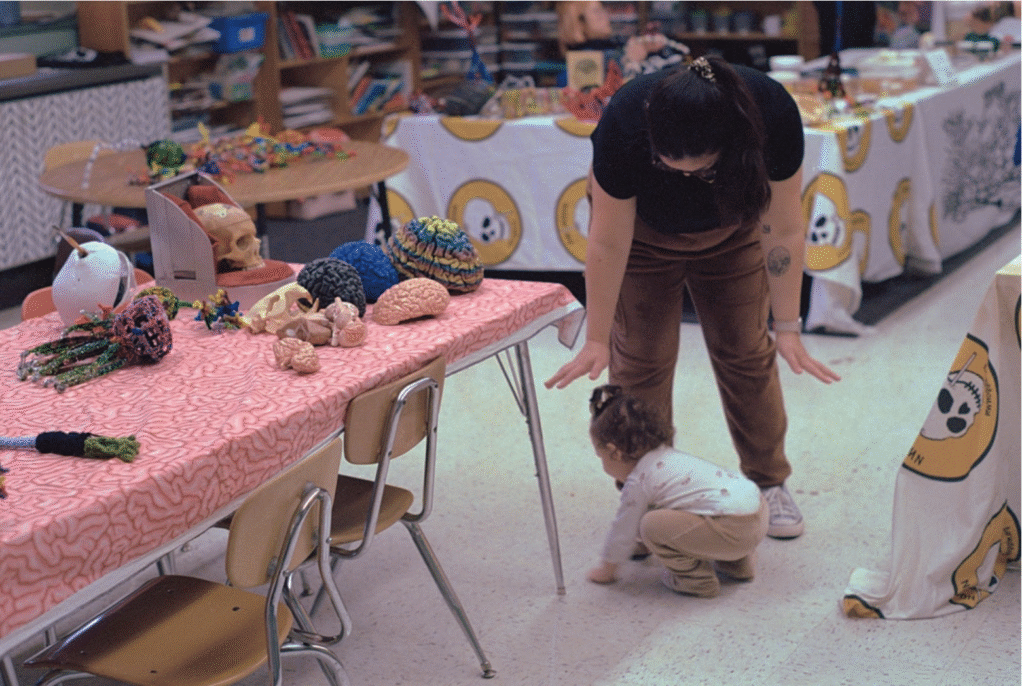
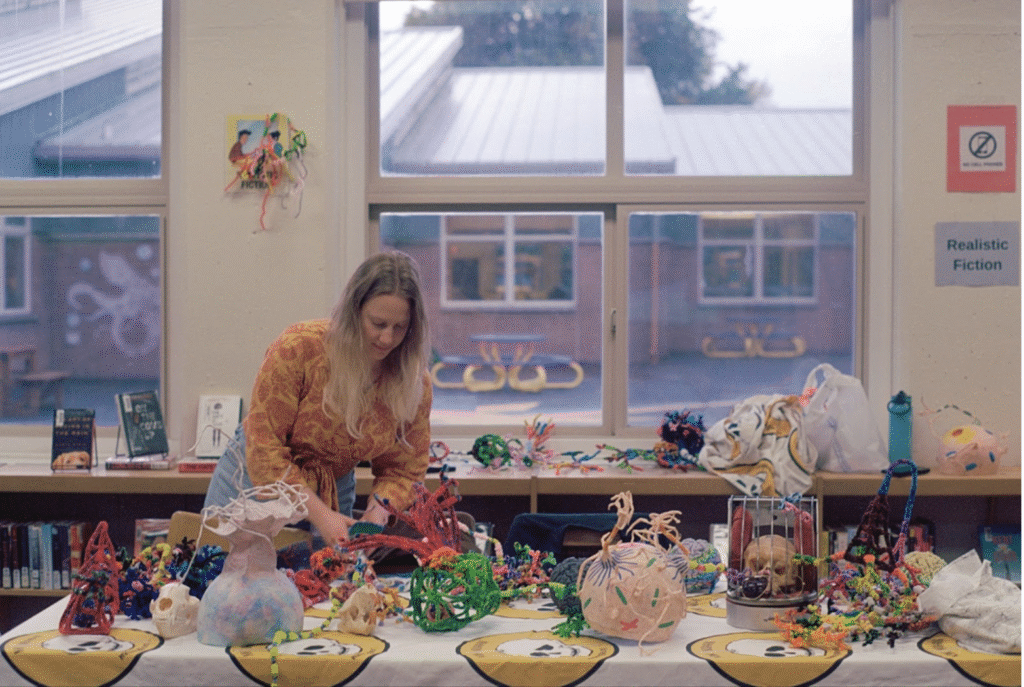
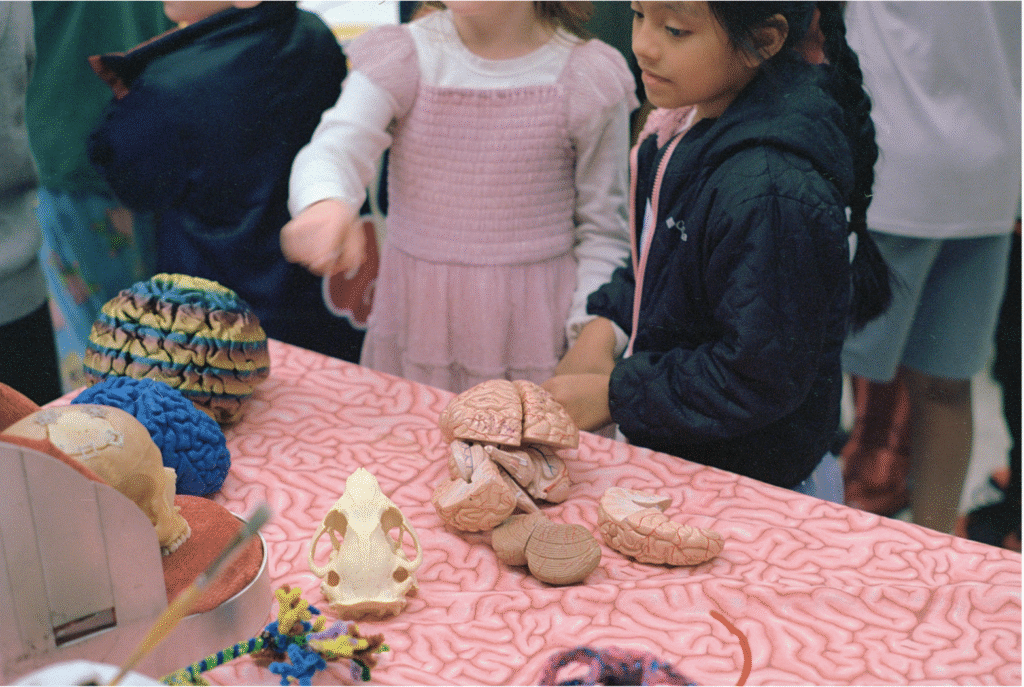
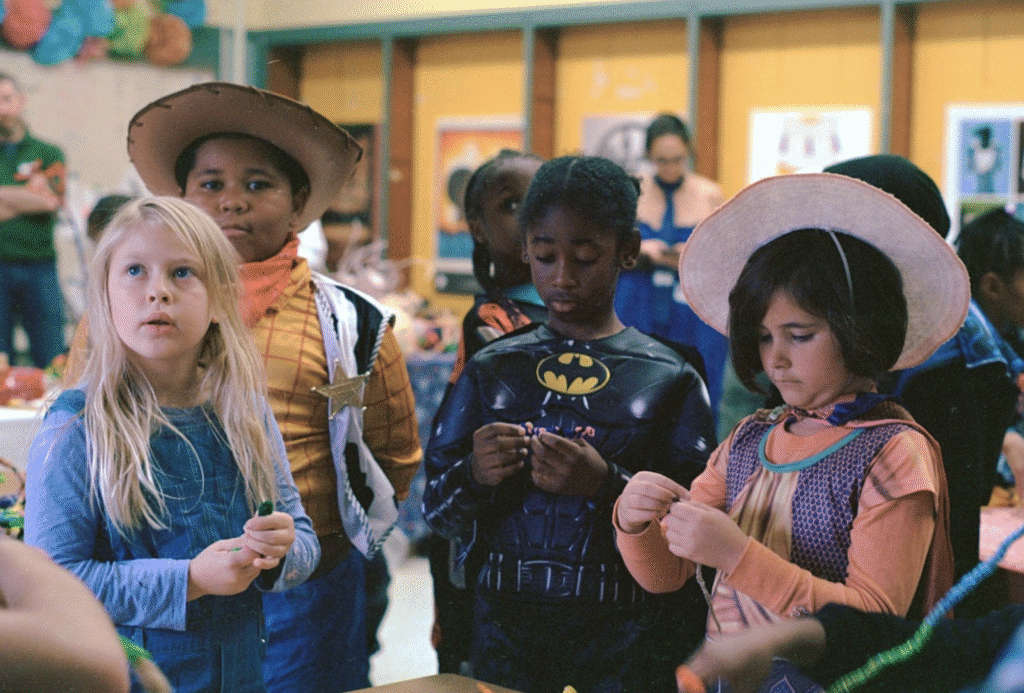
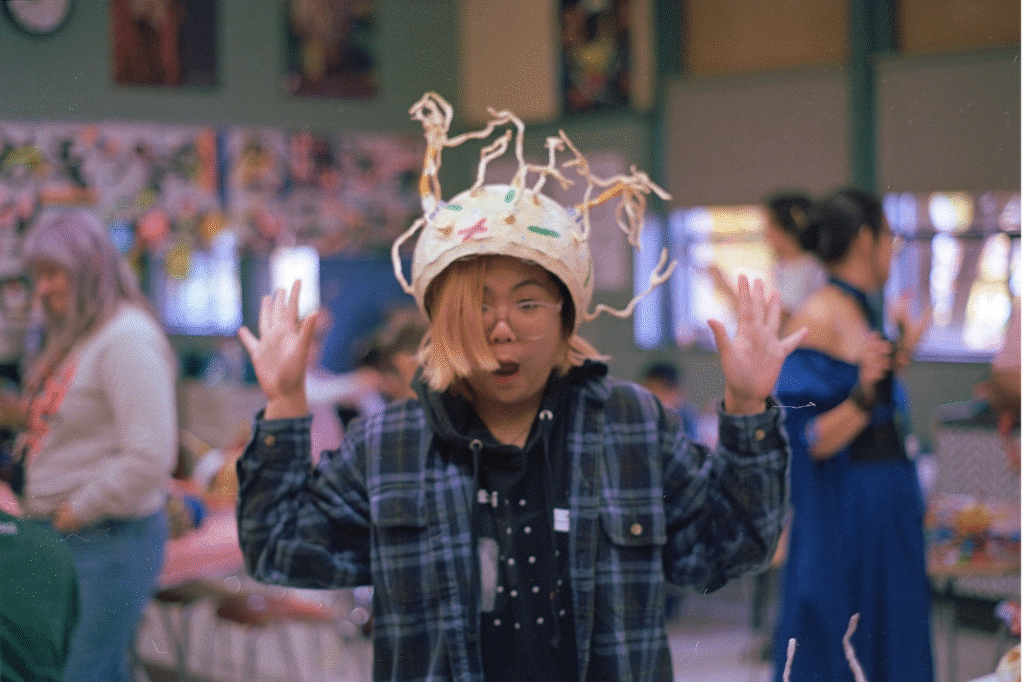
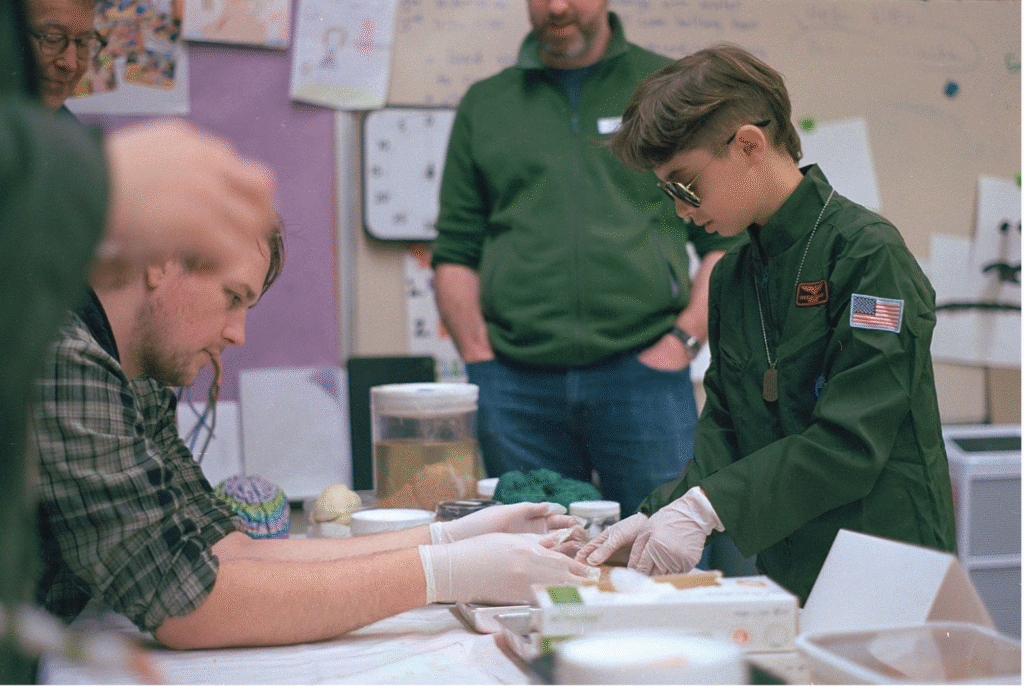
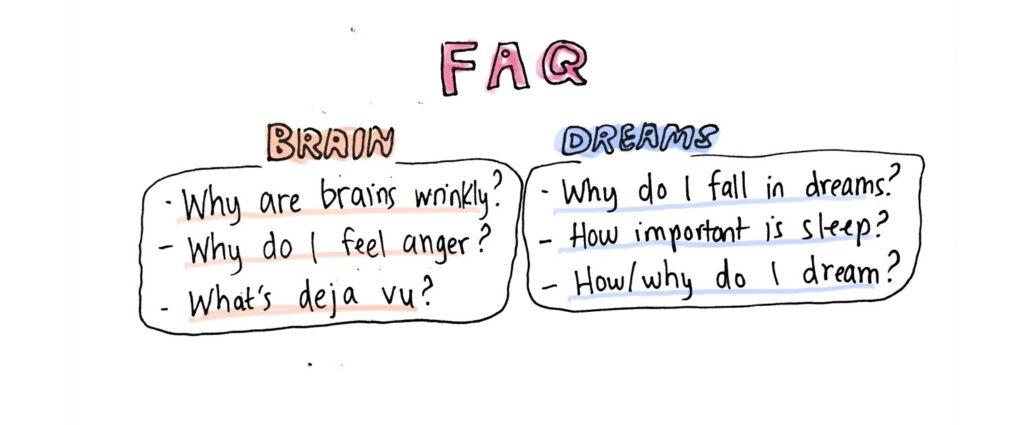
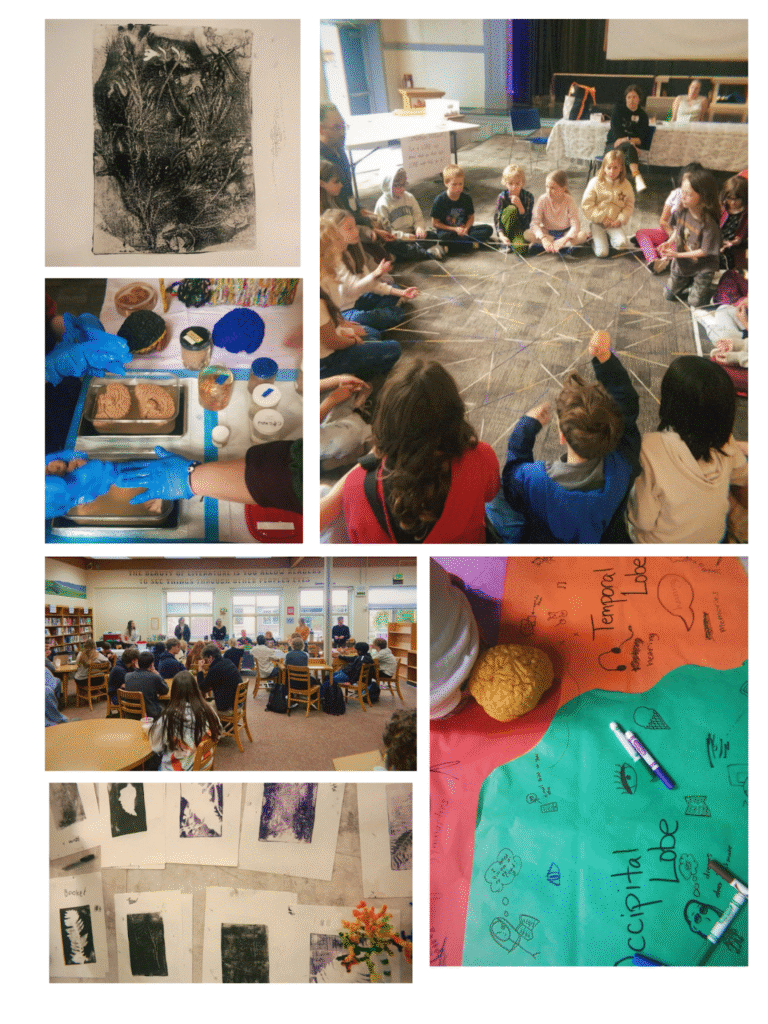
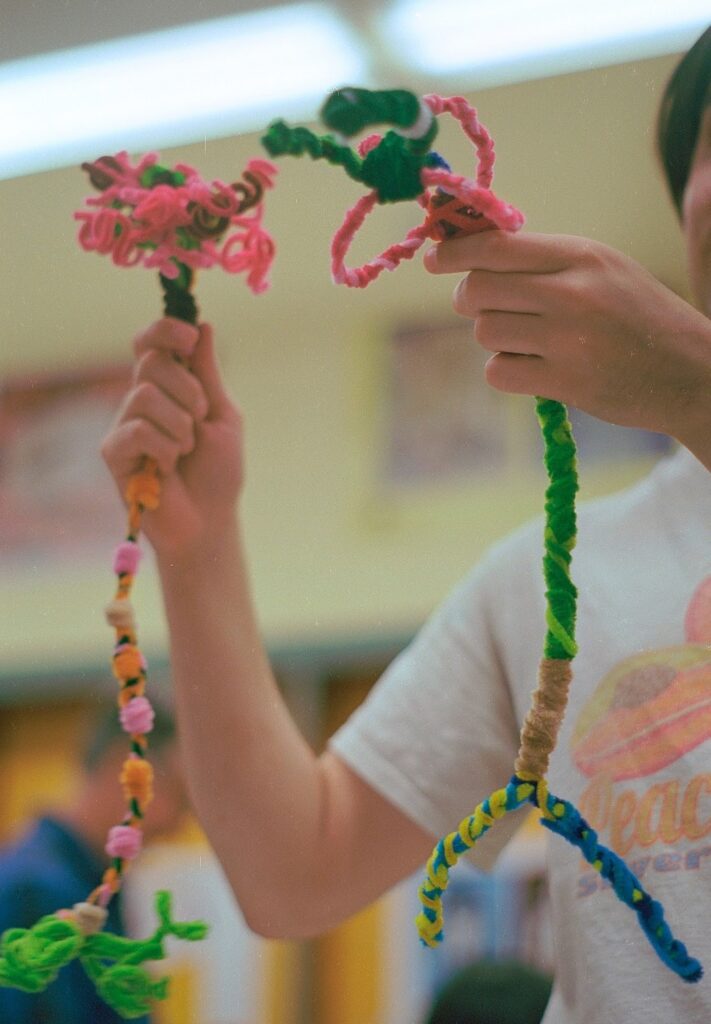
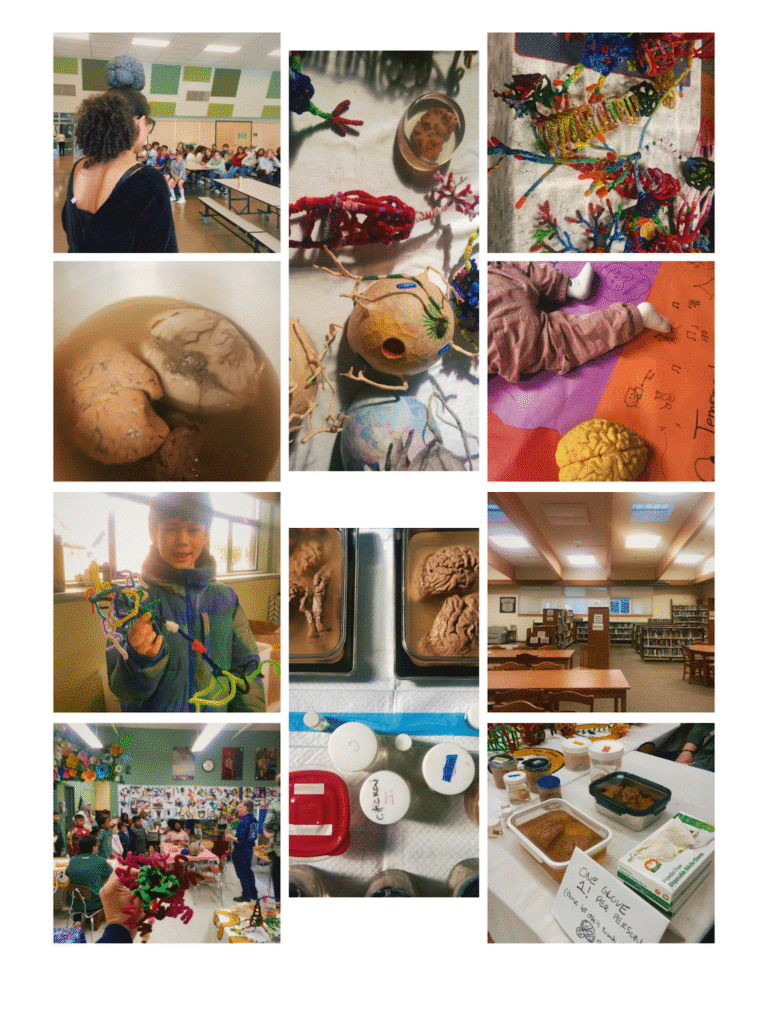
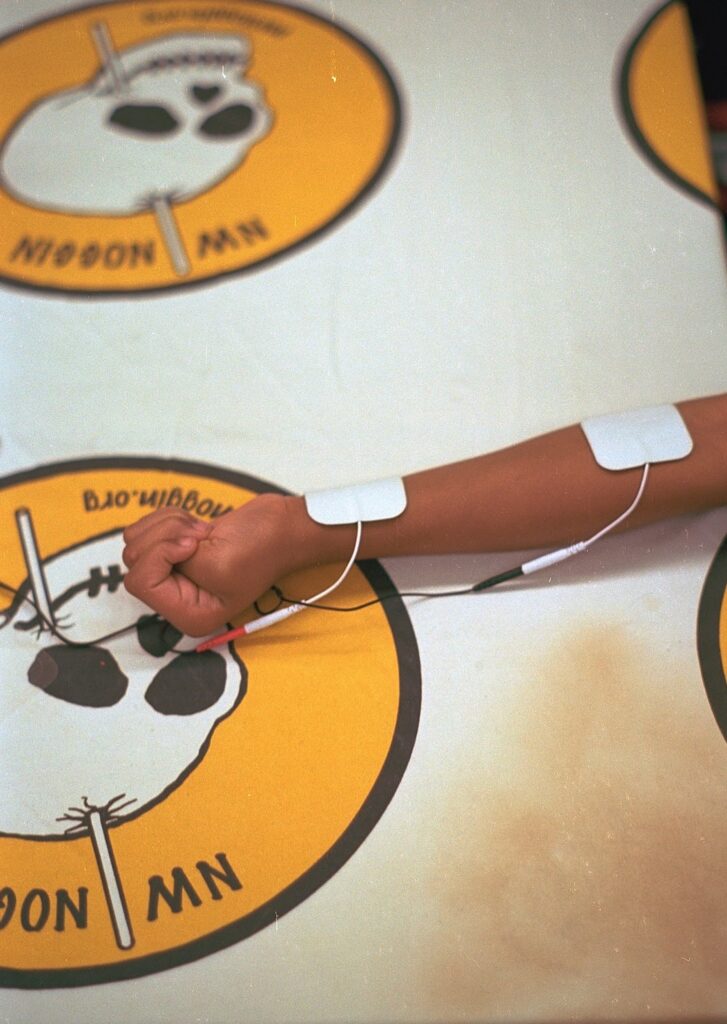
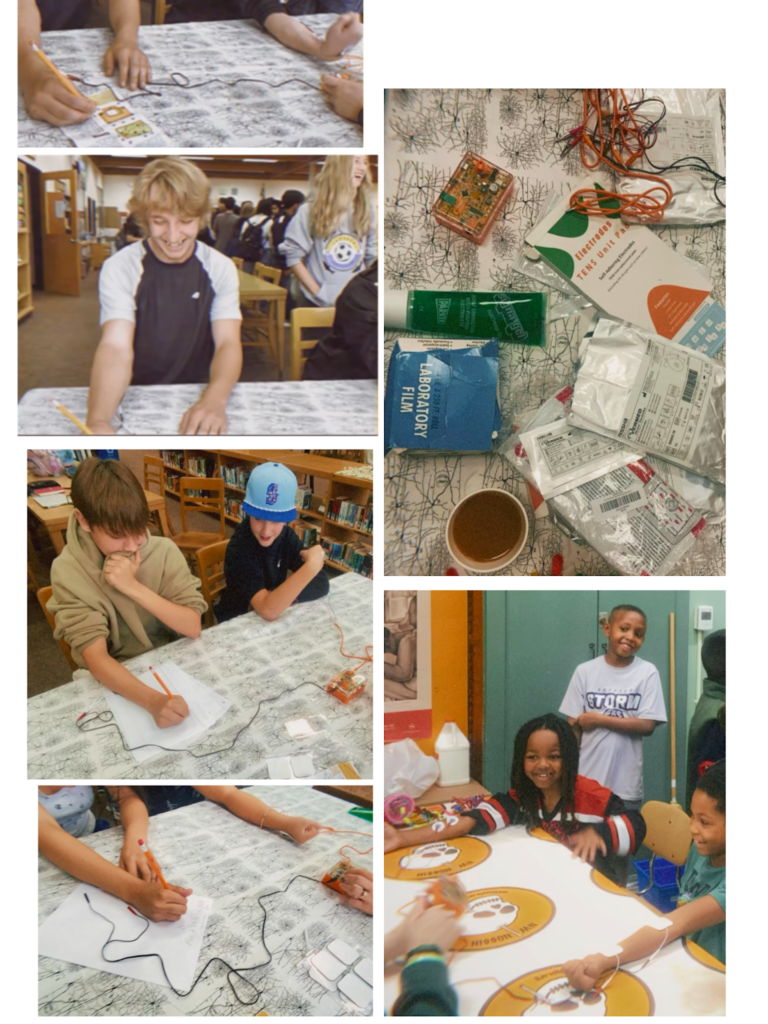
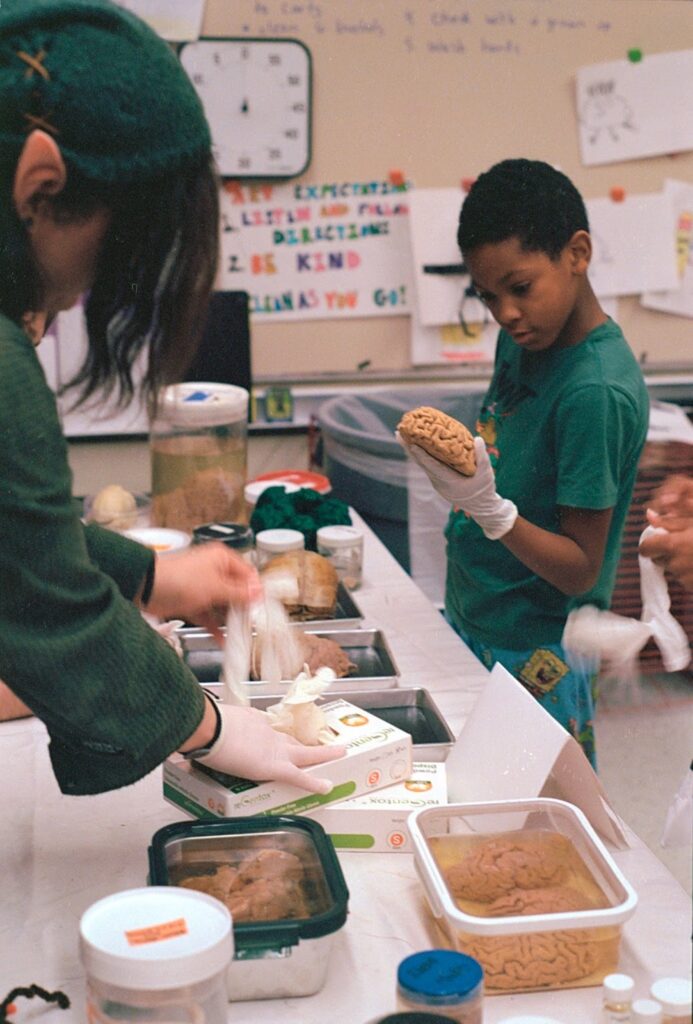
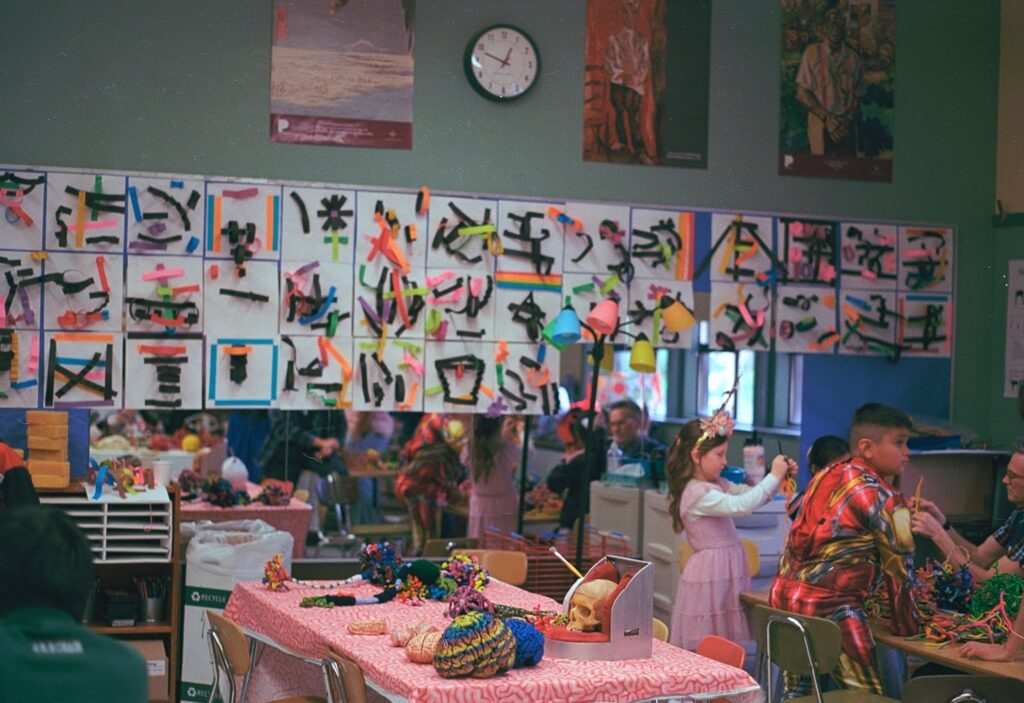
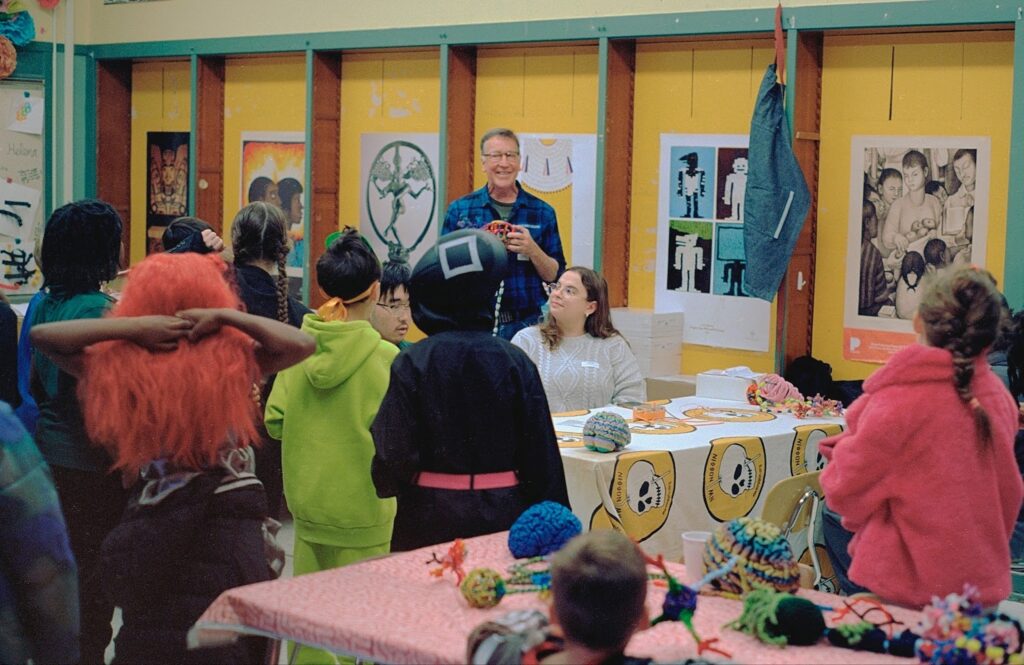
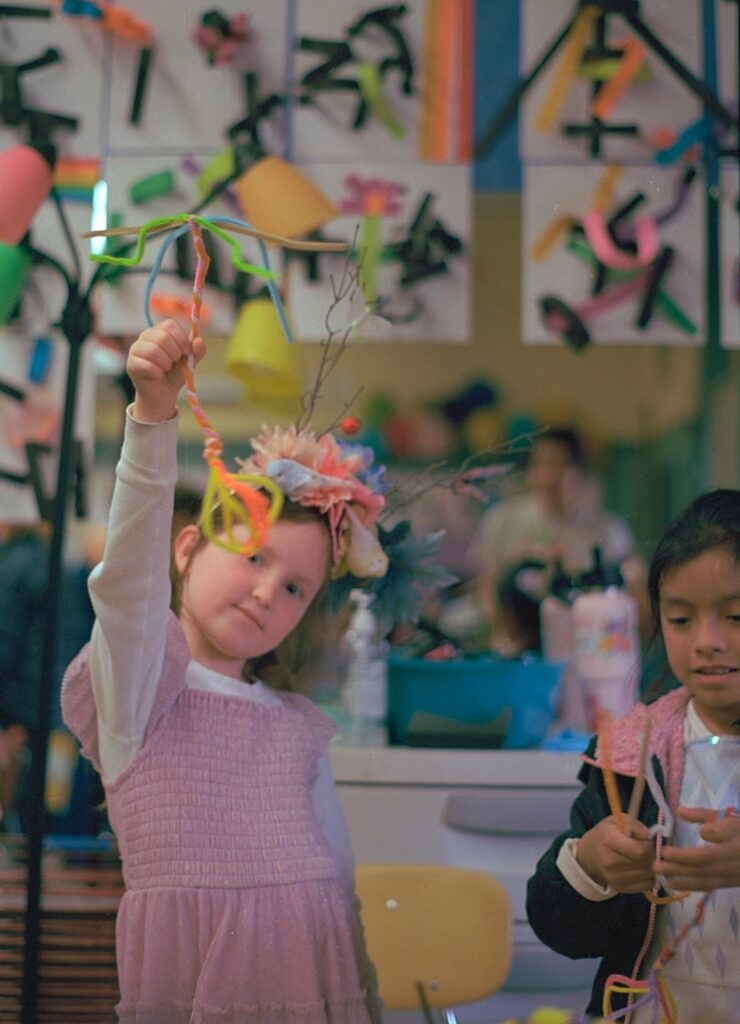
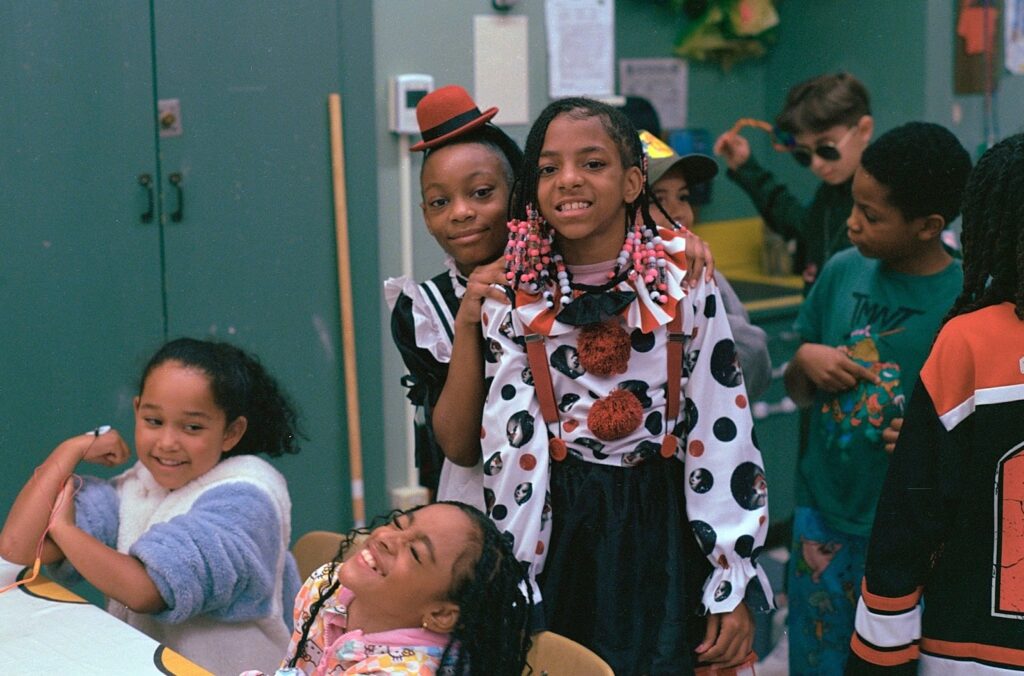
I went into classrooms prepared to talk about the cortex, neurons, glia and mechanisms of rods and cones. What I found interesting is how so many kids wanted to talk about why do we dream?
This frequently asked question collided with my interest in why I prefer “dreamy” quality over hyperrealism, and why I study psychology in general (for example, research on the subconscious/collective consciousness and how dream symbolism relates).
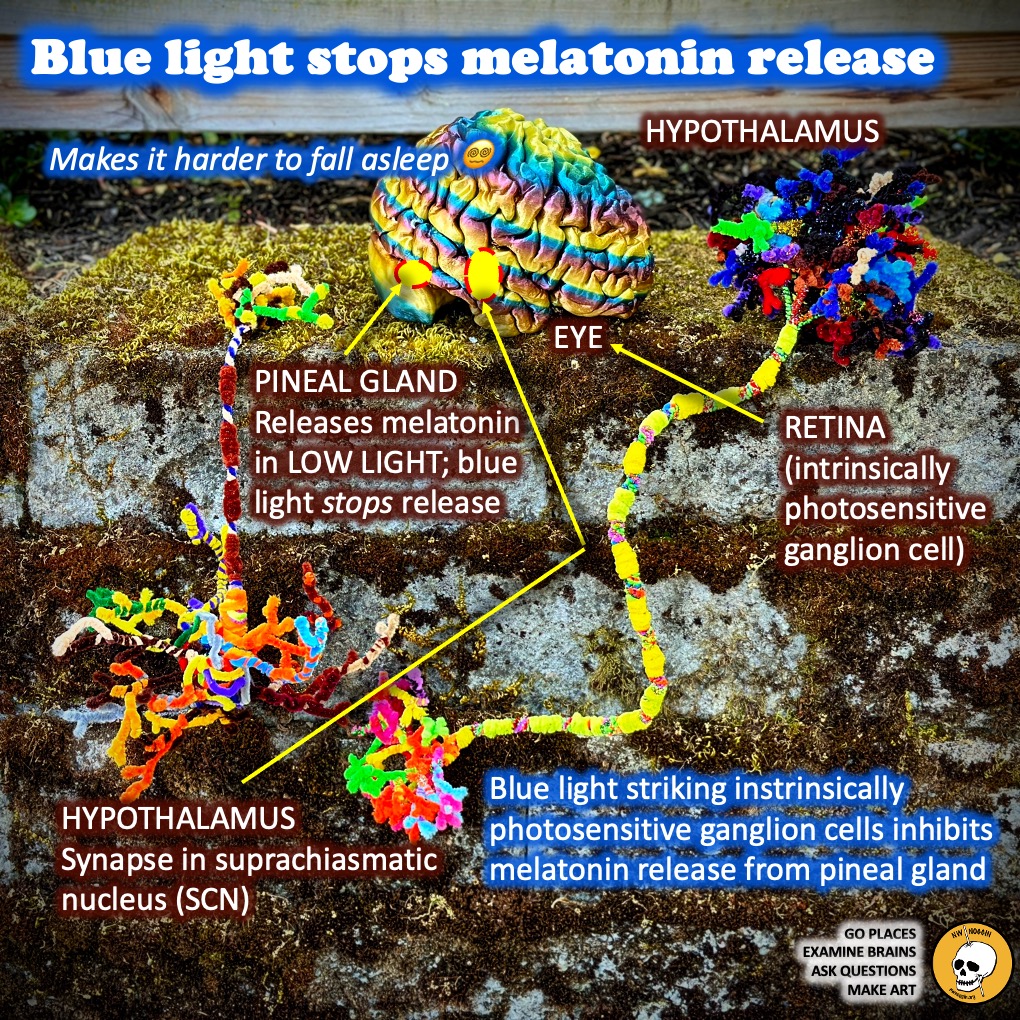
Kids also asked about sleep paralysis, which made me wonder whether kids were unable to sleep due to stress from over saturation of visual stimuli. K-12 teachers had questions about the role of light exposure, eye health, sleep cycles and cognitive attention. Students had questions about what was worse for their brain: TV or their phone? Their questions had me wondering how I could incorporate dreams into my vision studies as it relates to the occipital lobe/primary visual cortex.
“Our autonomic nervous system is always listening for cues of safety or danger. Connection is a biological imperative.” –Deb Dana
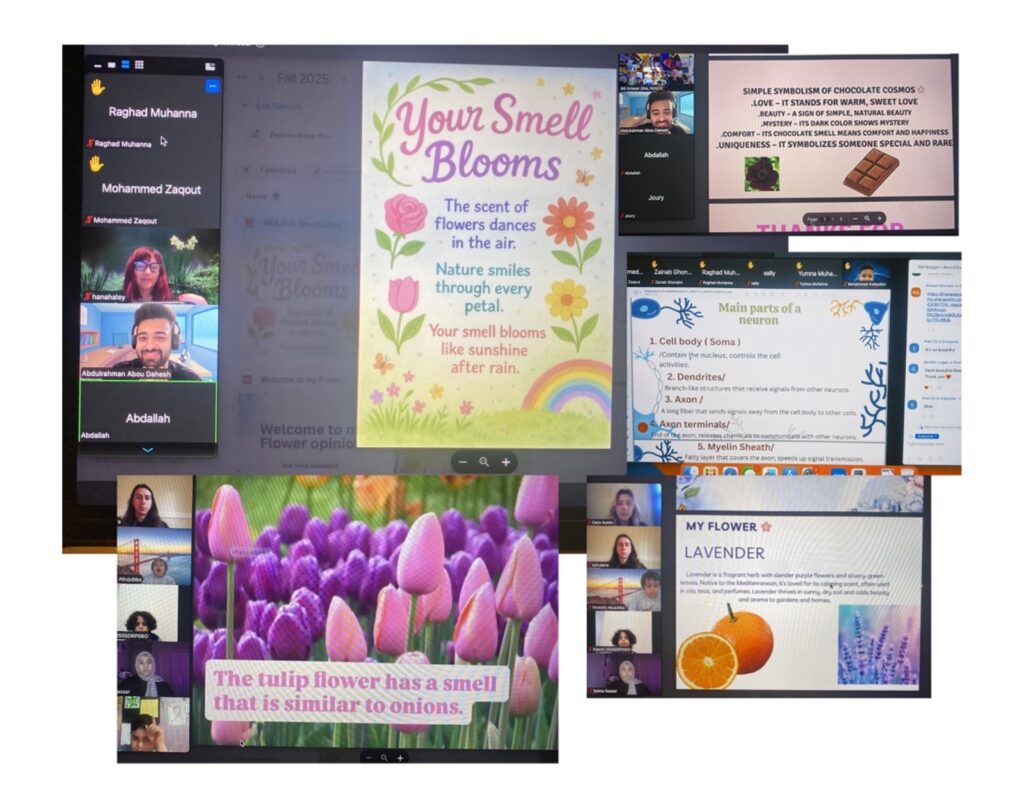
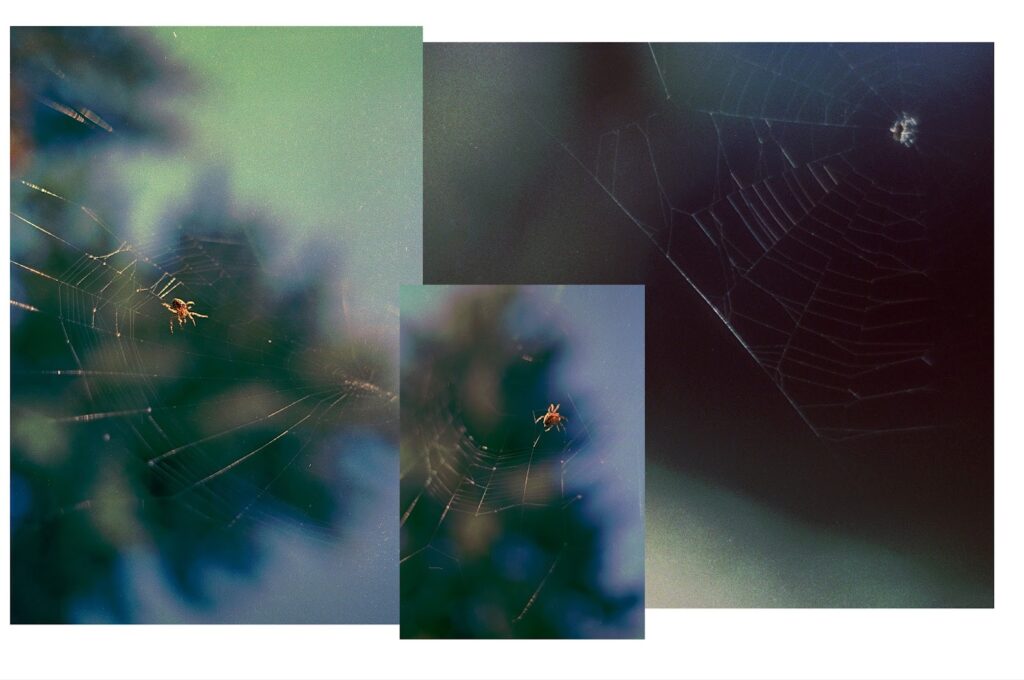
My final two outreach experiences with the British International School in Gaza and p:ear reminds me of the networks and webs we can create by communicating from a place of safety. It’s important to think about what we’re looking at not just with our eyes but more carefully with our nervous systems.
We build brains out of what we look at, so I think it’s crucial we help teach kids how to weave/wire into this new digital image world.
Visiting schools in 2025 reminds me how important it is to teach mindful media use, protect eye/lens health and sleep, and encourage real-world connection and curiosity for more organic sensory experiences around us. Mental health as it connects to eye health/brain health is very important as we move forward with screens, social media, algorithms, and visual noise. There is no single solution or answer but a collective inquiry we are in globally. It’s important to zoom out and get perspective on where we are with the technologies, the ways we consume stimuli, and how we are teaching future generations to take in images mindfully rather than reacting to what an algorithm serves up.
“Safety is not the absence of threat, it is the presence of connection.” –Stephen Porges
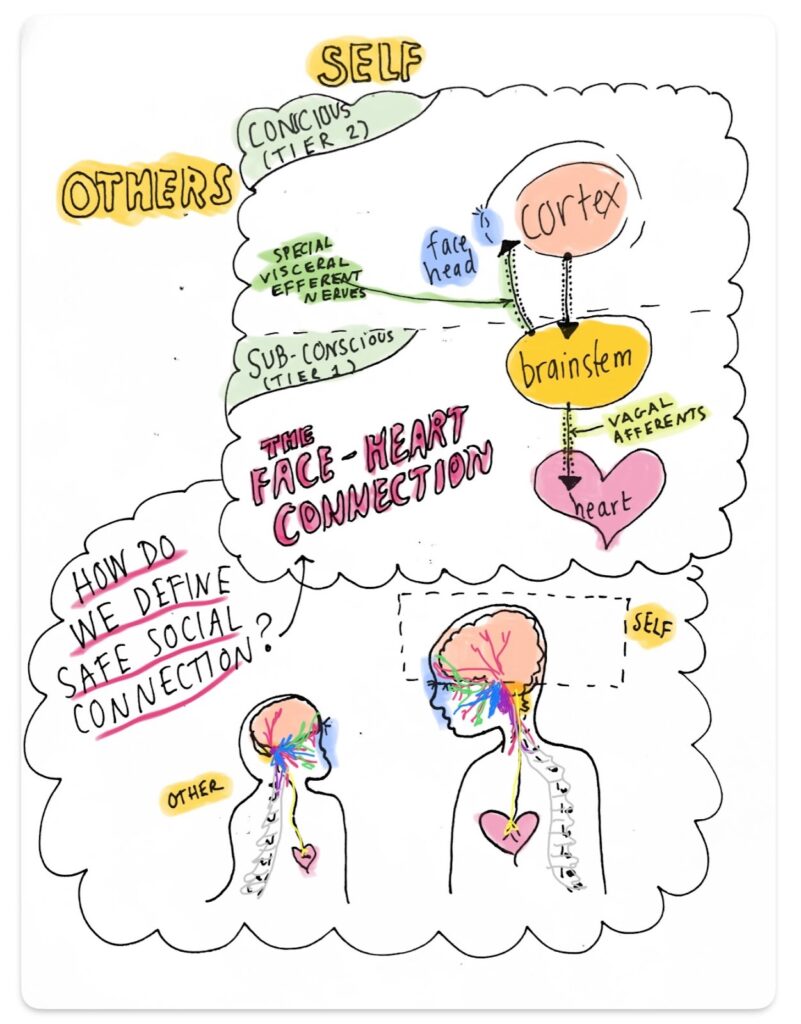
Throughout my psychology studies I’ve learned about Stephen Porges’ Polyvagal Theory and how it relates to social connection and co-regulation. One concept that stands out to me is the Face–Heart Connection, which describes how face-to-face cues can inhibit fight-or-flight reactivity and support emotional regulation. This effect is theorized to involve branches of the vagus nerve that link facial expression, vocal tone, breath, and heart rhythms. In-person social engagement provides multiple regulatory cues like eye contact, prosody, mutual facial expression, and tiny synchronized micro-movements that help signal safety to the nervous system (but only when the cues feel safe).
This connects to my question of vision in the sense that visual processing is one of the fastest ways the autonomic nervous system evaluates safety and threat.“Doom-scrolling” becomes more than just a habit but a stressor with rapid presentations of unpredictable, even traumatic imagery while removing the in-person cues that might regulate our vagal state. There is no mutual gaze, no shared rhythm, no reciprocal feedback, just a rollercoaster of arousing content and jumpy edits.
The result is micro-activations of fight-or-flight with no opportunity for co-regulation. This has led me to wonder if intentional photography becomes a tool for re-engaging the social engagement system? If doom-scrolling dysregulates through visual overload and isolation, perhaps photography (especially practices involving movement, reciprocity, and gaze) could do the opposite.
Photography (along with other forms of intentional art making) has the potential to create moments of attunement, slow looking, curiosity, and embodied presence. It may offer a pathway back to self-soothing and connection, using the same sensory channels that screens often hijack.
The outreach experience was a highlight of my time at Portland State, and I look forward to expanding on my curiosity and engagement with youth and community in neuroscience research.Thank you Bill and Jeff for arranging such awesome interdisciplinary learning experiences and all my fellow volunteers who came together to make these events a success.Lastly, thank you to the schools, teachers, and local communities that supported our visits – and a special shout out to the Y Dormitory in Astoria and my outreach housemates for tending to me when I got sick.