


Post by Dasha Gernega, an undergraduate pursuing a bachelor’s degree in Psychology and an Interdisciplinary Neuroscience minor at Portland State University.
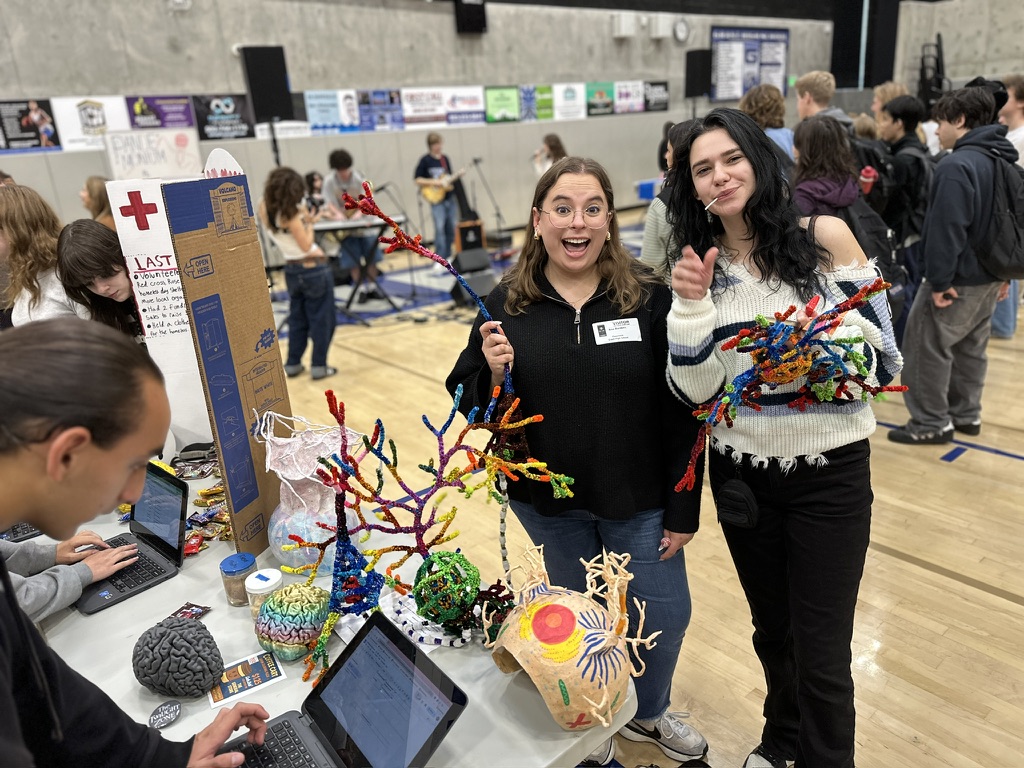
I’ve been at PSU for about four years now so I’m a senior getting ready to graduate. I feel like I’ve consumed an extensive amount of knowledge on development and how our brains function.
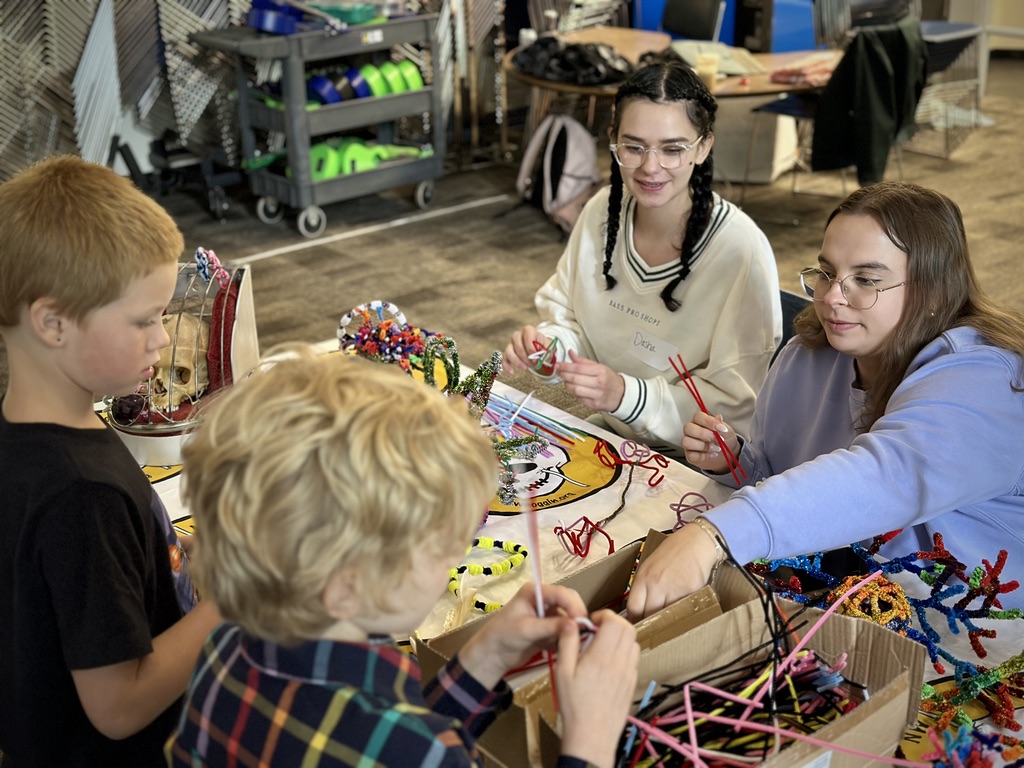
Something that really interested me about outreach was getting out of the classroom and into my community to explore, learn, grow, and see new people and places. This experience made me question quite a few things about my/our environment.
For one we need more greenery.
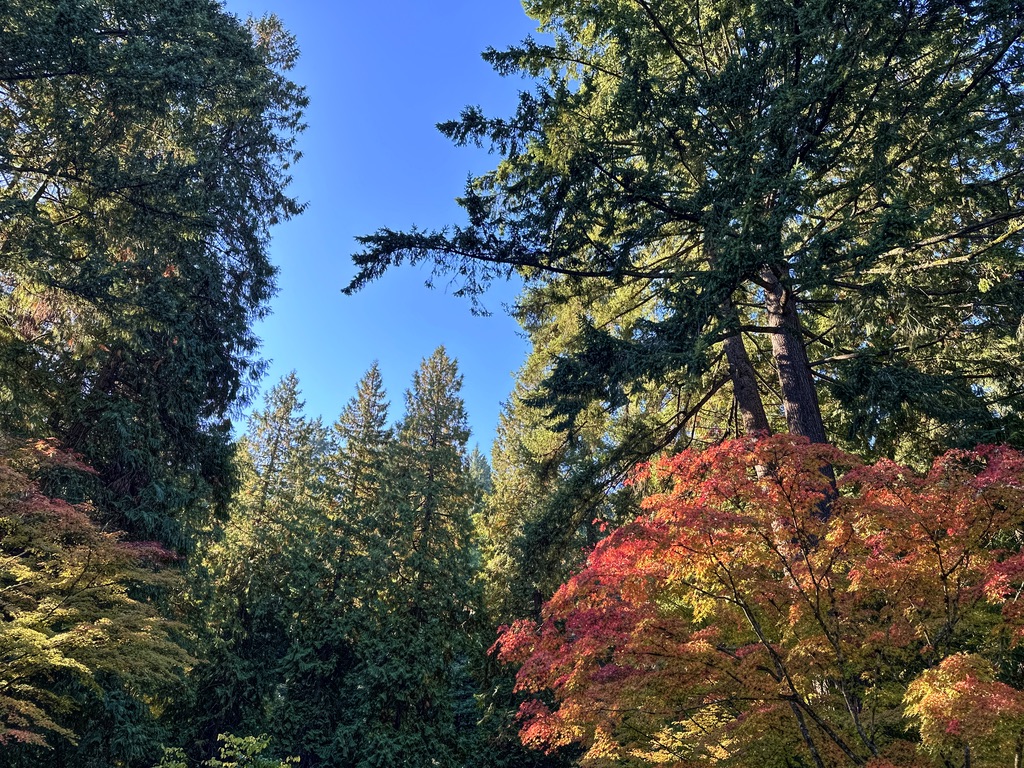
How ridiculous does that sound, for I live in western Oregon, with trees all around me, but I feel that they are slowly dwindling away. In the city I feel that many are getting replaced with high-rise buildings.
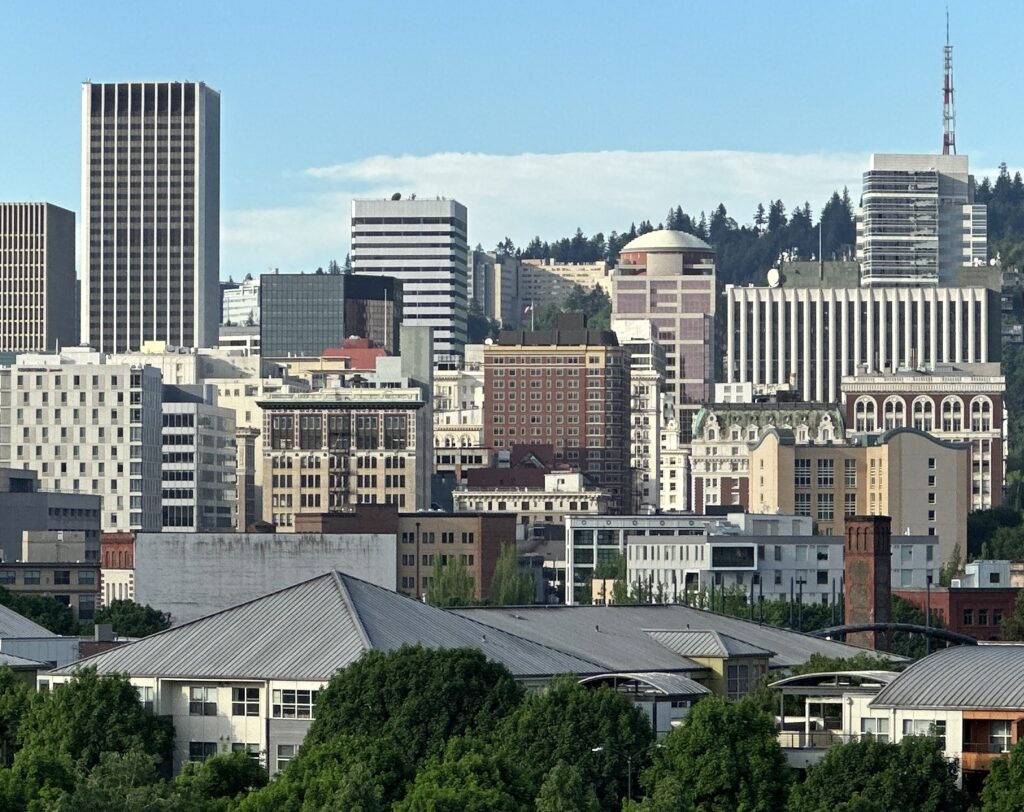
As a first time parent I wonder about the impact of less space for children to get out and explore nature and play outside with friends. I worry that more children will be cooped up in small high-rise apartments, with less access to greenery. Does this actually produce negative effects on children and parents?
LEARN MORE: Portland, Oregon’s Inequitable Tree Canopy
LEARN MORE: PP&R study shows Portland’s urban forest is in decline since 2015
LEARN MORE: The politics of urban trees: Tree planting is associated with gentrification in Portland, Oregon
LEARN MORE: Significant mortality of old trees across a dry forest landscape, Oregon, USA
LEARN MORE: Over half of western United States’ most abundant tree species in decline
Are high rises endangering your health?
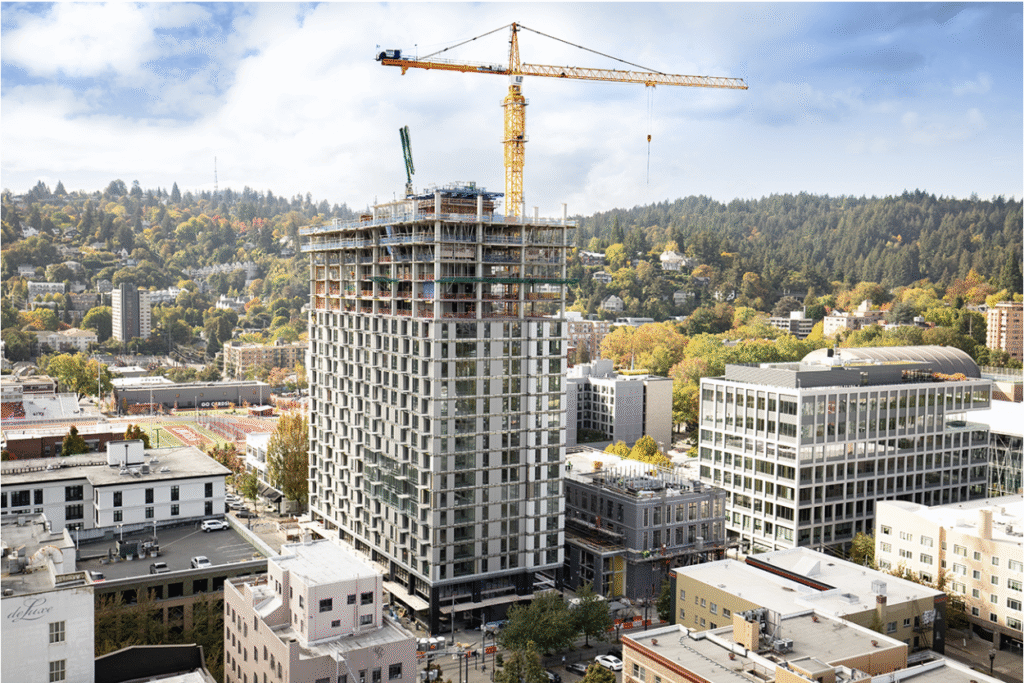
Your perception and mood are all influenced by your surroundings and day to day life.
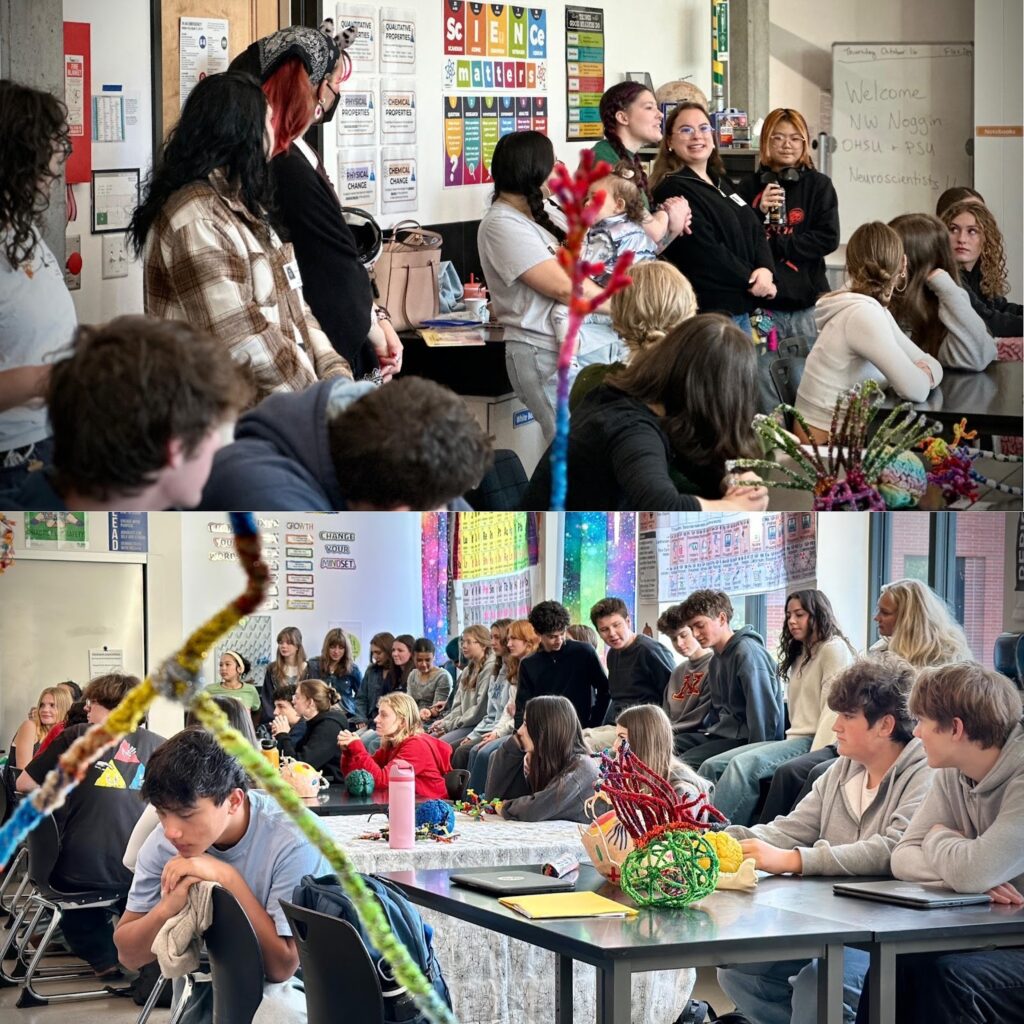
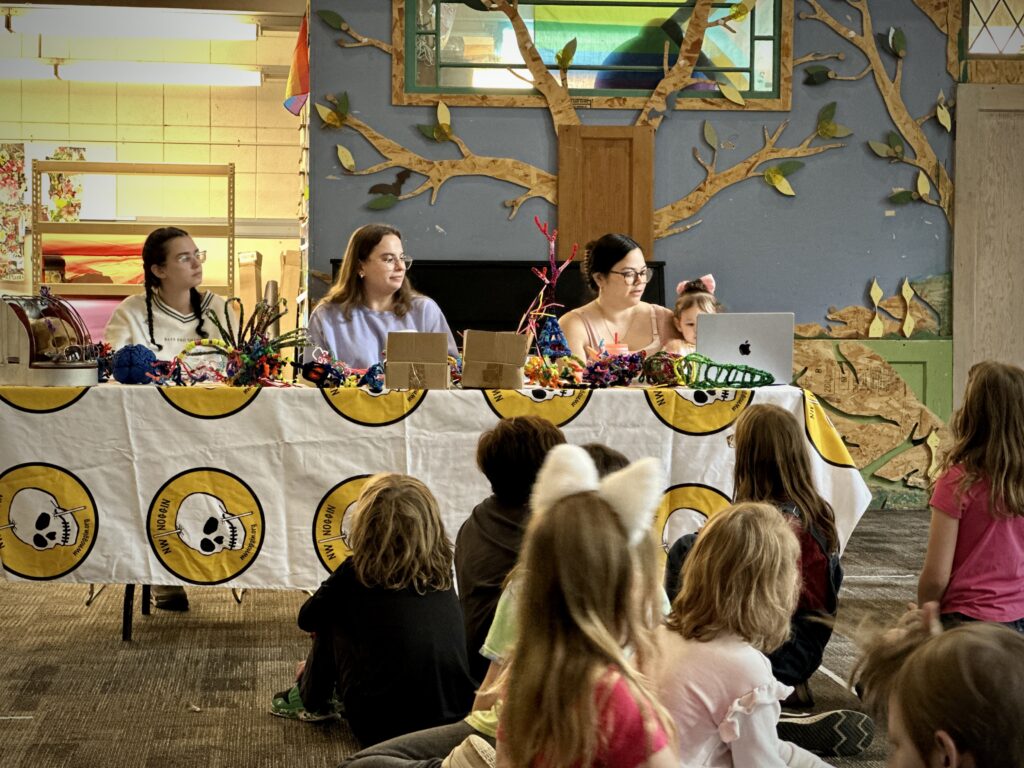
At Portland’s Grant High School, one of the students asked me a very relevant question: “how would living in a small city apartment with a large family affect your mental health.”
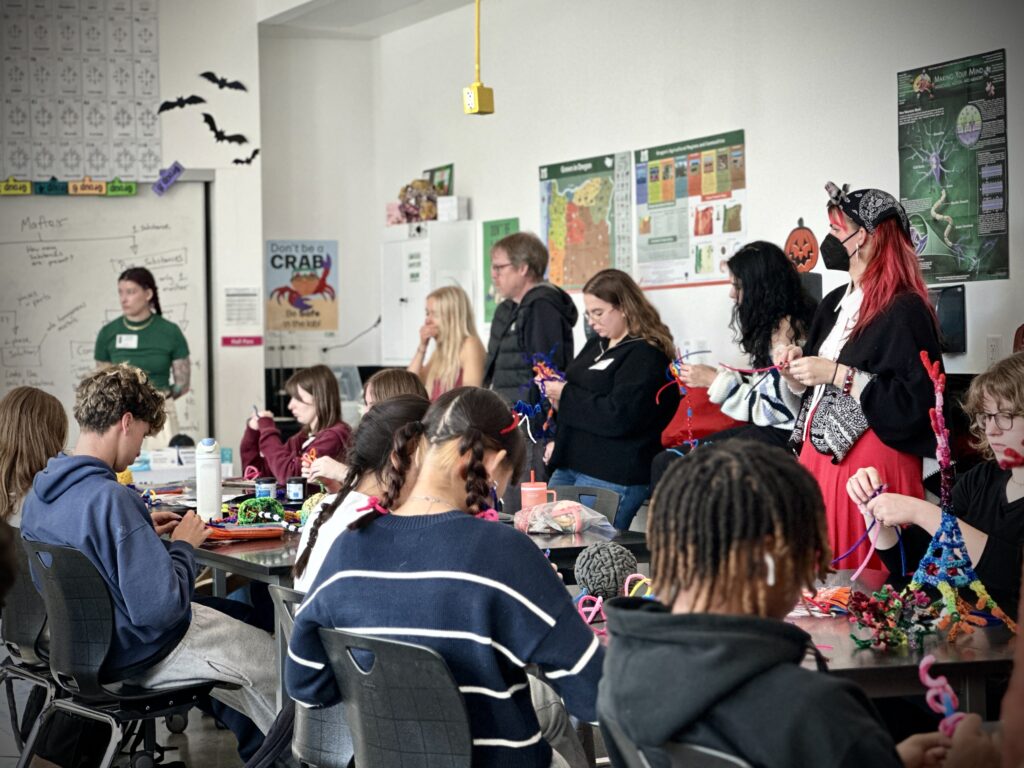
This question got me thinking because I recently moved to downtown Portland into a high rise building and I have noticed some changes in my own mood and behaviors.
I noticed that I wasn’t as motivated to leave my apartment as I had been at ground level, not because I didn’t want to (there’s plenty to do in the city) but because going out alone concerned me. It’s a long elevator ride down. Everything is so expensive. All this made me want to just observe the city from my window. I felt more isolated and I noticed my mood declining. It eventually got better but still took more mental and physical effort just to go outside.
I also bought black out curtains because the skyline is brighter than you think when you’re trying to sleep. Some days I would just keep the curtains closed and over time I noticed how down I was getting because of the lack of light. Some high rise apartments like mine are also tightly sealed, making them stuffy. Every time I did manage to get outside it was like the air was crisper.
LEARN MORE: Let it Shine!
LEARN MORE: Light exposure behaviors predict mood, memory and sleep quality
LEARN MORE: What can I do to protect indoor air quality if I live in an apartment?
Most of us in the Pacific Northwest know about the coming Cascadia earthquake that will heavily impact Portland and surrounding areas. How should people in high rise apartments prepare?
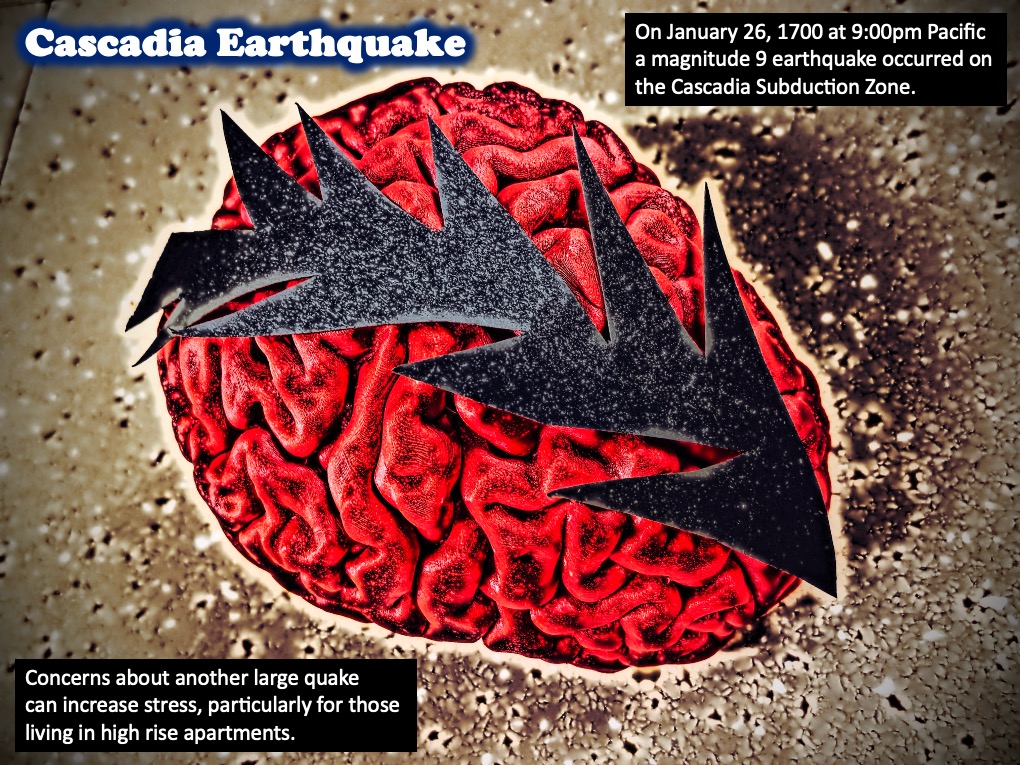
For families with young children and pets, knowing how to safely and effectively evacuate is crucial. Not having a plan can also add additional stress on adolescent children as they understand the significance of natural disasters but rely on parents for preparation measures.
LEARN MORE: How Oregonians and state agencies are preparing for the next ‘Big One’
LEARN MORE: Advances in Seismic Design for High-Rise Buildings
LEARN MORE: Cascadia Region Earthquake Science Center
Research finds that high rise apartment buildings often feel secluded, and may lack a strong sense of community, contributing to social isolation. The constant elevator rides up and down to get in and out of your apartment can be tiring and inconvenient. Rising temperatures, exacerbated by climate change, can make the higher level apartments almost unbearable without air conditioning, which most apartments in Oregon don’t offer. These factors can all increase stress, and can be particularly impactful for children.
LEARN MORE: The unprecedented Pacific Northwest heatwave of June 2021
LEARN MORE: How is Pacific Northwest Climate Projected to Change?
There are upsides to living in a tall building. The views are incredible and being higher up you’re further away from noise pollution coming from the street. Better design choices can potentially help with isolation. Higher altitude often comes with better outside air quality as well.
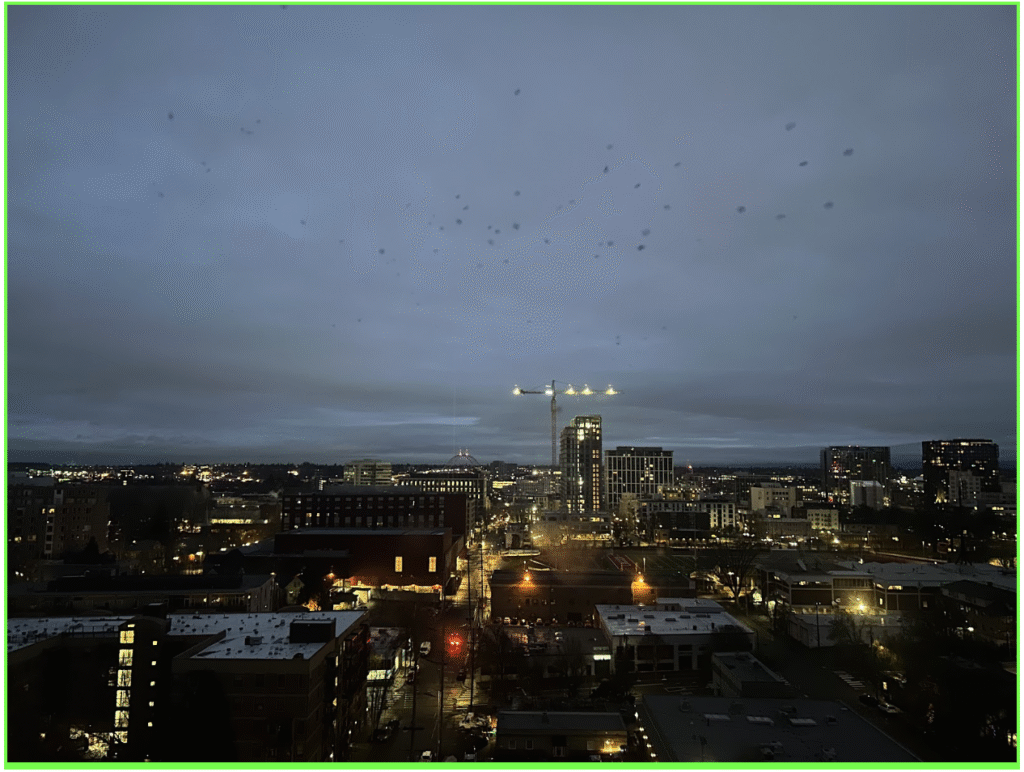
“…The overview suggests that certain negative psychological and social impacts have been consistently associated with high-rise environments, particularly for lower-income populations. At the same time, however, the literature provides evidence that many of these impacts can be reduced or eliminated through responsible design innovation…”
–Psychological and social impacts of high-rise buildings
LEARN MORE: The Consequences of Living in High-Rise Buildings
LEARN MORE: Is Living in a High-Rise Building Bad for Your Self-Rated Health?
Does high rise living impact child development?
Children and adolescents who live in urban environments may experience different developmental pathways compared to those who grow up in more rural settings.
Research finds tremendous diversity in experience and outcomes depending on multiple factors, including income, family and community dynamics, and access to food and health care. Small secluded apartments are becoming more prevalent but this can be difficult for families who face socioeconomic insecurities, with larger families squeezing into smaller living spaces because of location or necessity.
Cities might offer sensory overstimulation, including crowds of people and diverse neighborhoods, but for some, particularly those living in high rise buildings, there might be greater isolation due to safety concerns. More air pollution or poor indoor air circulation can impact asthma rates. Children in urban environments experience higher levels of food insecurity. In rural areas children might have greater independence and increased exposure to nature but limited numbers of doctors and hospitals.
LEARN MORE: Rural/Urban Differences in Children’s Health
LEARN MORE: Diminishing benefits of urban living for children and adolescents’ growth and development
LEARN MORE: Urban-Rural Disparities in Food Insecurity and Weight Status among Children in the United States
LEARN MORE: Deakin study evaluates impact of high-rise parenting on children’s health
LEARN MORE: Urban-rural differences in children’s earliest memories
LEARN MORE: Rural urbanisation and the effect on mental health
LEARN MORE: Are urban children really healthier? Evidence from 47 developing countries
LEARN MORE: Safety in Portland
LEARN MORE: Is Portland, Oregon Safe to Visit in 2025?
LEARN MORE: Downtown Portland Clean & Safe
LEARN MORE: Making cities mental health friendly for adolescents and young adults
LEARN MORE: Does Growing up in Urban Compared to Rural Areas Shape Primary Emotional Traits?
More Green!
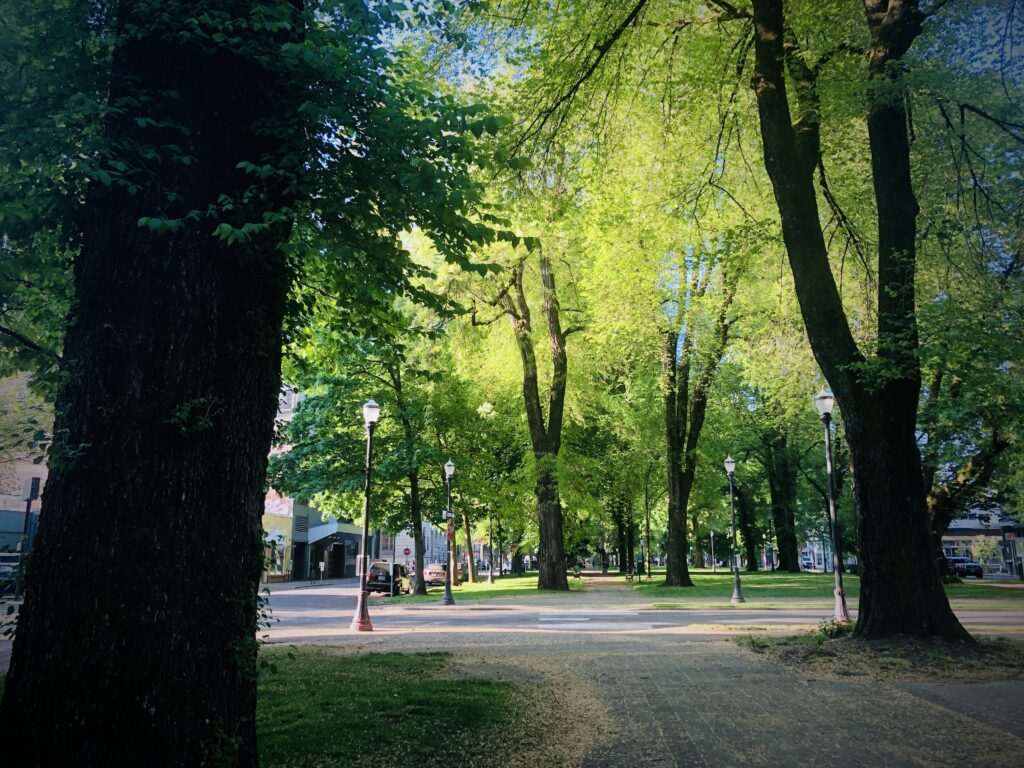
Luckily we live in Oregon and, despite development, we remain surrounded by trees and greenery.
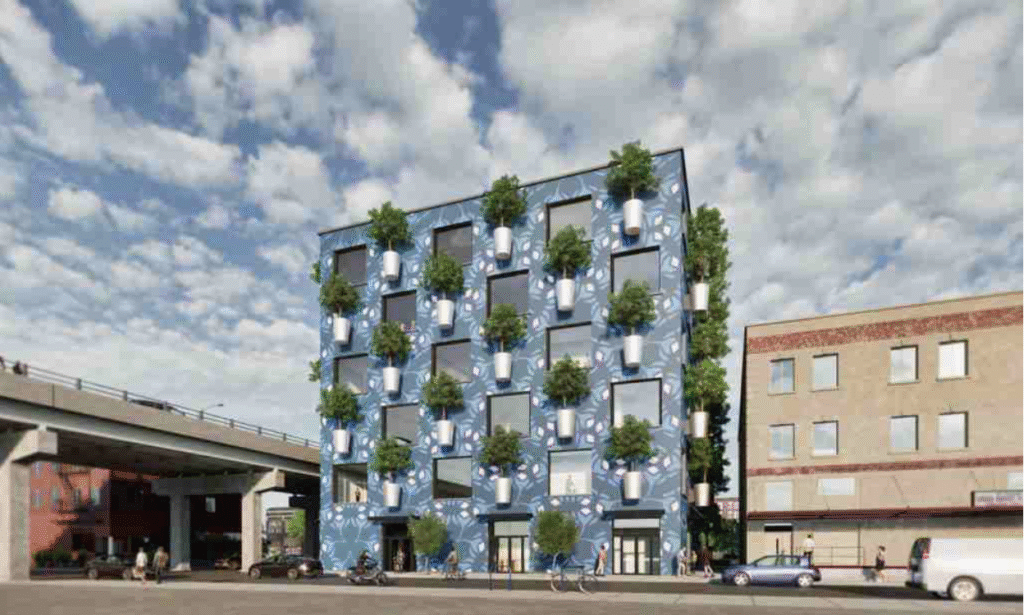
LEARN MORE: The City’s Most Daring Developer Is Growing Trees on the Side of His New Building
Studies show that many high rise buildings feel more like stressful offices, and adding greenery or plants to your home can help. Plants are extremely essential as they remove toxins from the air, and add ‘color therapy’ by bringing in natural life. Leaving your apartment and spending more time in green, natural areas, a practice known as “forest bathing,” also improves mental health.
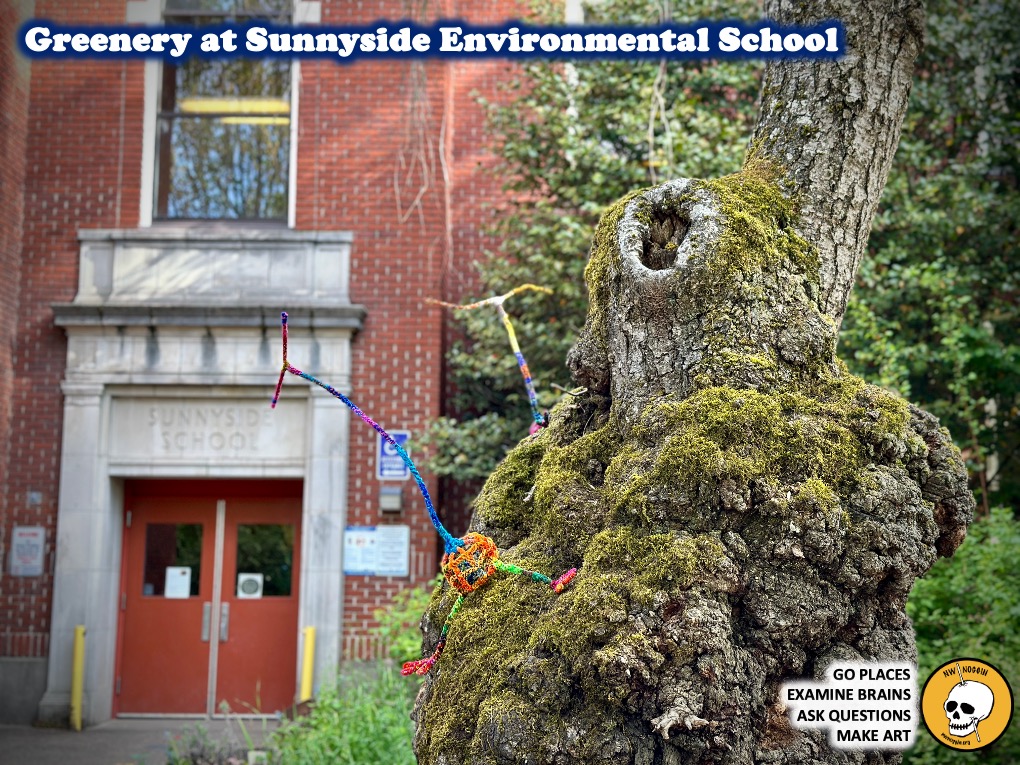
Even viewing landscape art can help!
“Results showed that viewing nature, but not urban, pictures significantly improved executive attention in both older and young adults…”
-LEARN MORE: Not just scenery: Viewing nature pictures improves executive attention
LEARN MORE: Bathing your brain @ Velo
LEARN MORE: Green space: A natural high
LEARN MORE: How Houseplants Can Enhance Apartment Living | AMLI Residential
LEARN MORE: Effects of Indoor Plants on Human Functions: A Systematic Review with Meta-Analyses
LEARN MORE: The basic roles of indoor plants in human health and comfort
LEARN MORE: Evidence for the effects of viewing visual artworks on stress outcomes: a scoping review
LEARN MORE: Effect of forest bathing trips on human immune function
LEARN MORE: Forest bathing enhances human natural killer activity and expression of anti-cancer proteins
LEARN MORE: A generalized relationship between dose of greenness and mental health response
I found that living in a high rise isn’t all bad but it definitely has its downsides. But thankfully research suggests steps we can take to make the experience healthier and less stressful.
Now, whenever I’m in a bad mood, I try to get outside and connect with nature. When I feel down, I go for hikes or park walks. Sometimes I’ll just sit on a bench and people watch. Smelling the fresh air clears my mind. Also a little bit of retail therapy, I don’t have a green thumb but somehow I always come home with a plant. Whether it’s real or fake, the look of plants in my apartment just brightens up my mood.
It’s also important to be mindful and learn the risks associated with where I live. Being prepared with go bags, evacuation routes, pepper spray for yourself and your children, and helping them understand their surroundings, is all helpful. Having a plan for emergencies, risks, or environmental impacts can ease one’s mind in the long run knowing that there’s something we can do when situations occur.