


The Neuroscience of Multigenerational Networks
Ginger Lee Owens, is a new mom and Portland State University Honors College undergraduate studying Biology and Interdisciplinary Neuroscience. Her passion for child development grew more profound the moment she learned she was expecting. Determined to nurture her daughter’s brain development “from gestation to graduation,” she carried her through each trimester, concurrent with three academic terms – and still brings her along to classes, events, and adventures, embracing every opportunity to learn together.
Yarn, a Ball, and a Baby
This year the 4th grade teachers at Portland’s Sunnyside Environmental School are focusing on building community and developing student social skills – and they asked us Northwest Noggin volunteers to share ideas or art/neuro projects for exploring how community and a sense of belonging can support brain health.
LEARN MORE: NW Noggin NEURO ART PROJECTS
Our brain cells link together in networks, and I was up late – as new mothers tend to be – mulling over some potential real-world examples that could represent and communicate the concept of such a neural network best, as well as what kind of test or measurement might demonstrate its strength.
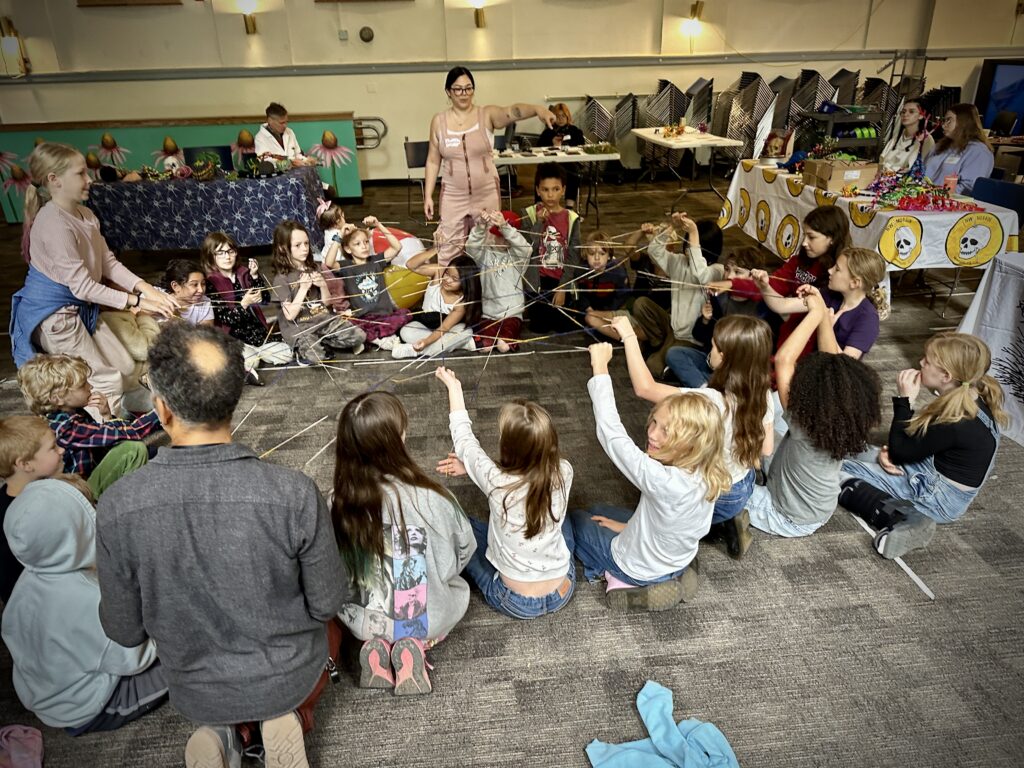
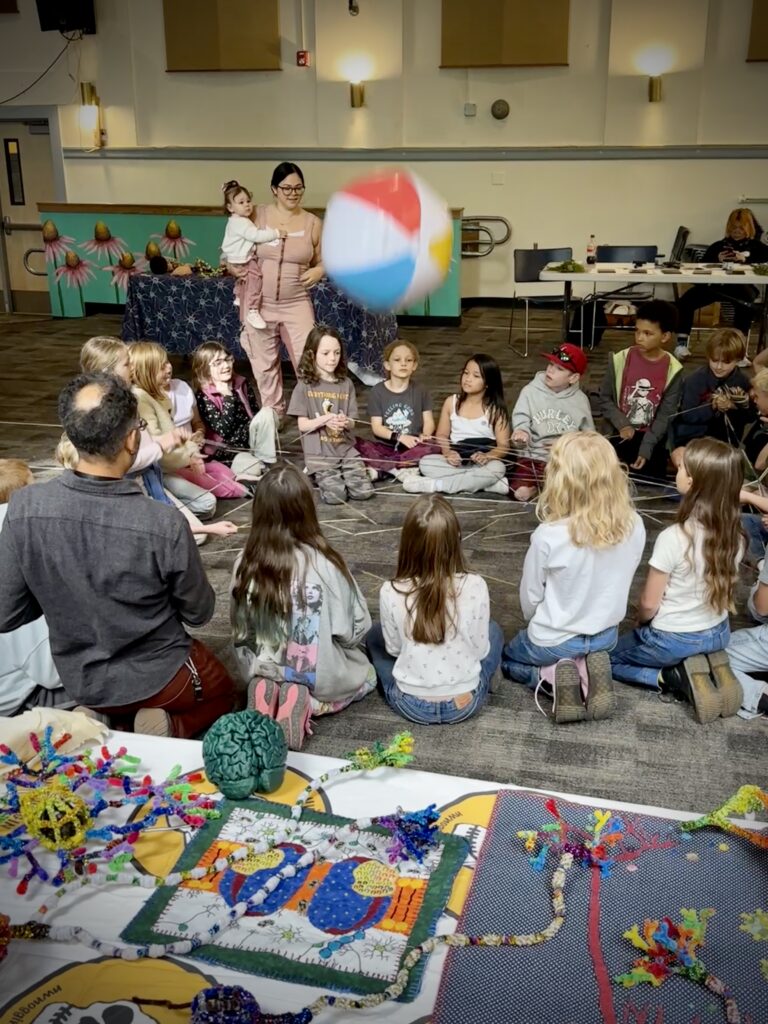
Then, as if neurons for each concept in my brain suddenly fired together, it came to me. The simplest example of a network is…a NET! So, I reasoned, we could use string (yarn?) to build a net together in a classroom and then toss something lightweight into the net’s center to see if it would hold…like a bright, colorful beach ball!
The rest of the metaphor quickly fell into place.
Each child would represent a neuron, and the act of creating the network itself would represent the firing of each neuron, making connections with other neurons. The beach ball would represent a shared goal to help directly tie in the value of creating networks.
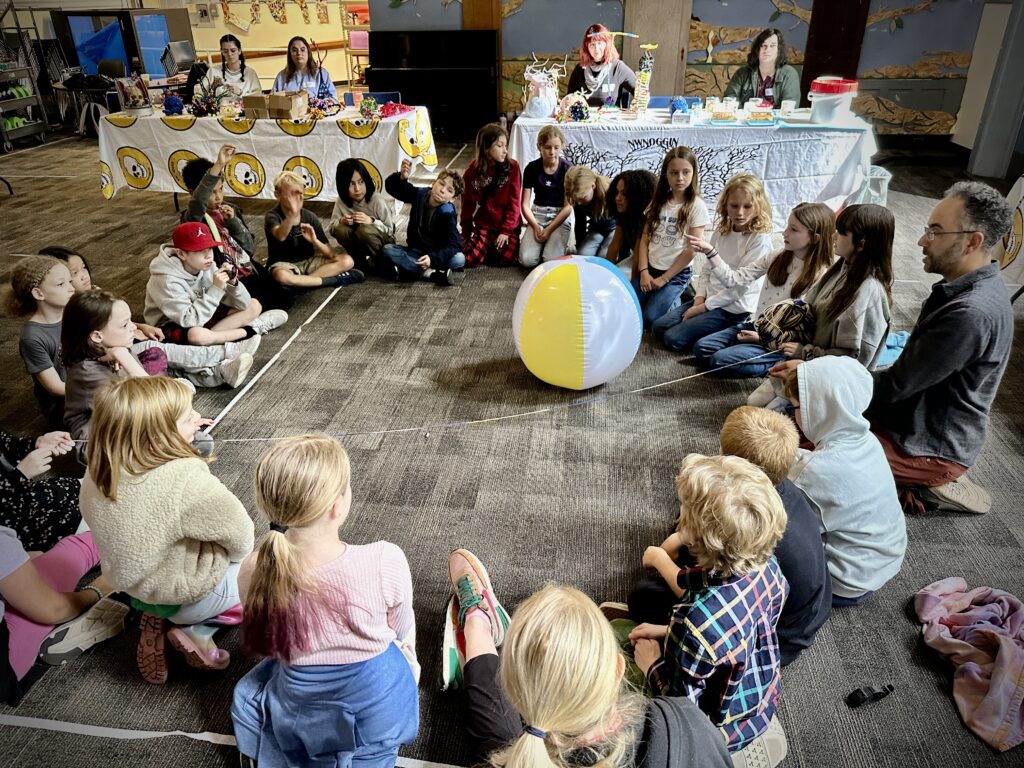
While there may be little pragmatic reason to prevent the ball from touching the floor, the aim was to demonstrate that the path to achieving any goal can be more effective with a stronger network. Working together and sharing ideas to achieve the goal of building a net strong enough to keep the beach ball from touching the floor served as the perfect metaphor for the value of building strong connections in the brain AND in the community.
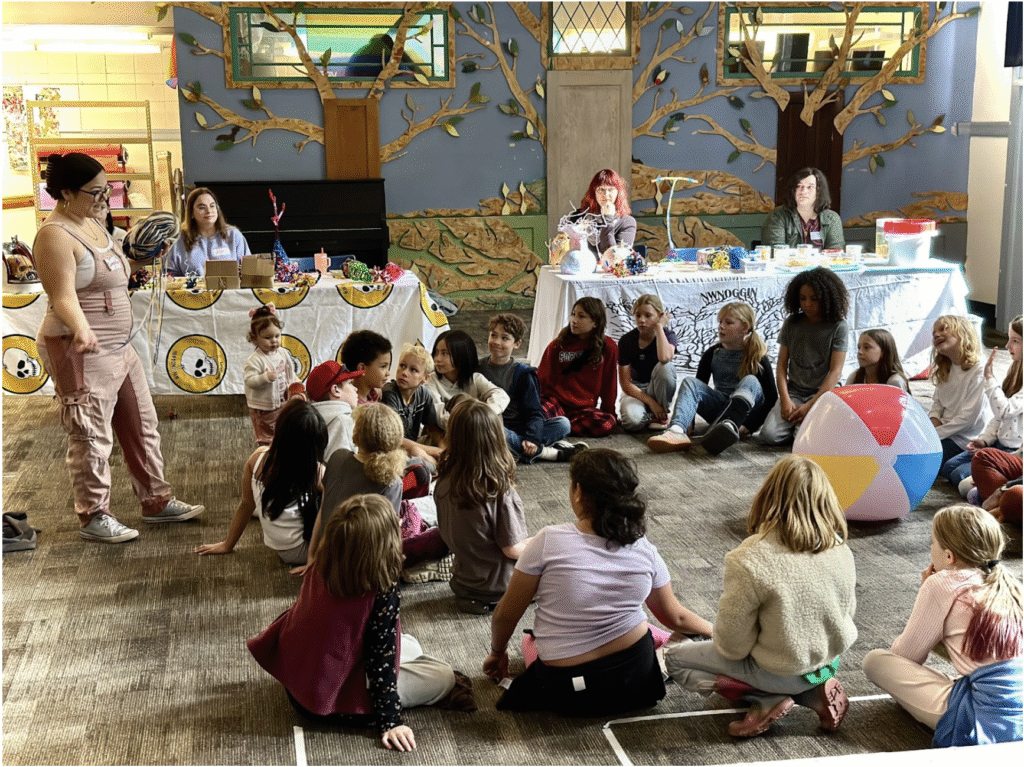
Completely new to working with large groups of children, much less leading them in an activity, I was a bit intimidated by the task of keeping them all engaged. But, eager to see how the activity panned out, I jumped right into explaining the exercise as we settled everyone into a big circle.
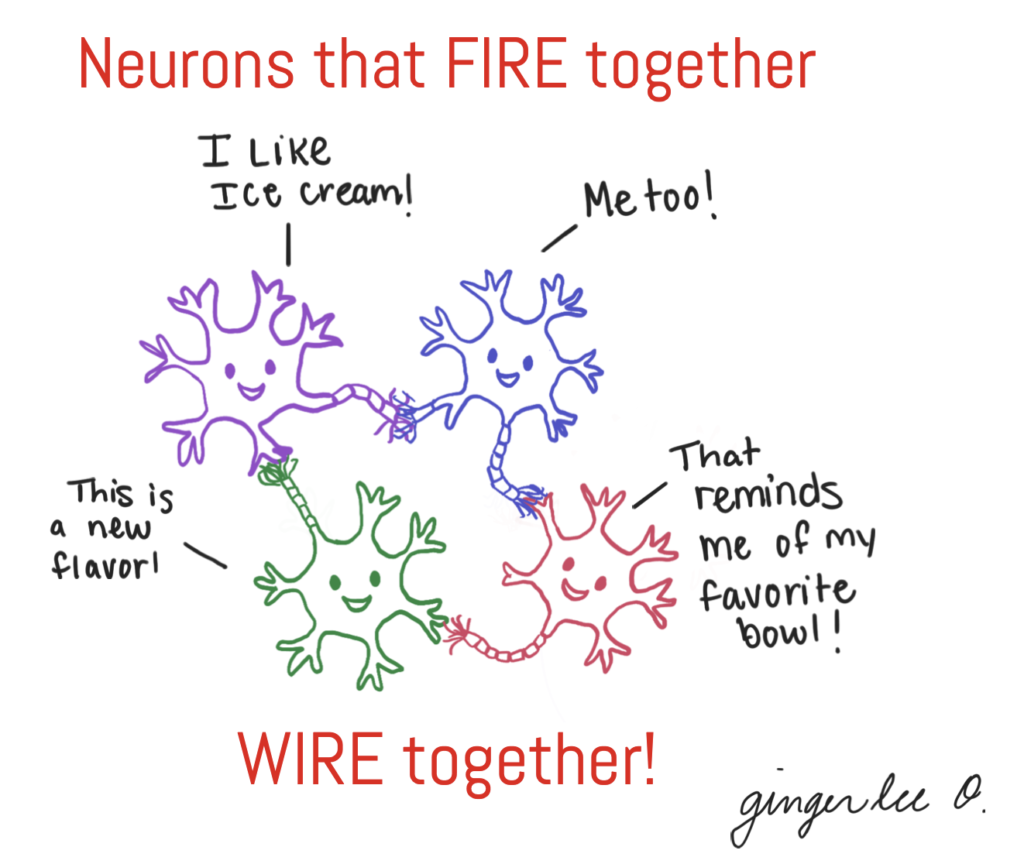
I primed their minds for net-building by introducing them to my favorite neuroscience axiom, “neurons that fire together, wire together.”
I explained that we were going to be representing neurons firing and wiring together to create a network of neurons. I also asked what other words “network” reminded them of, and if they could guess what we were going to be building today?
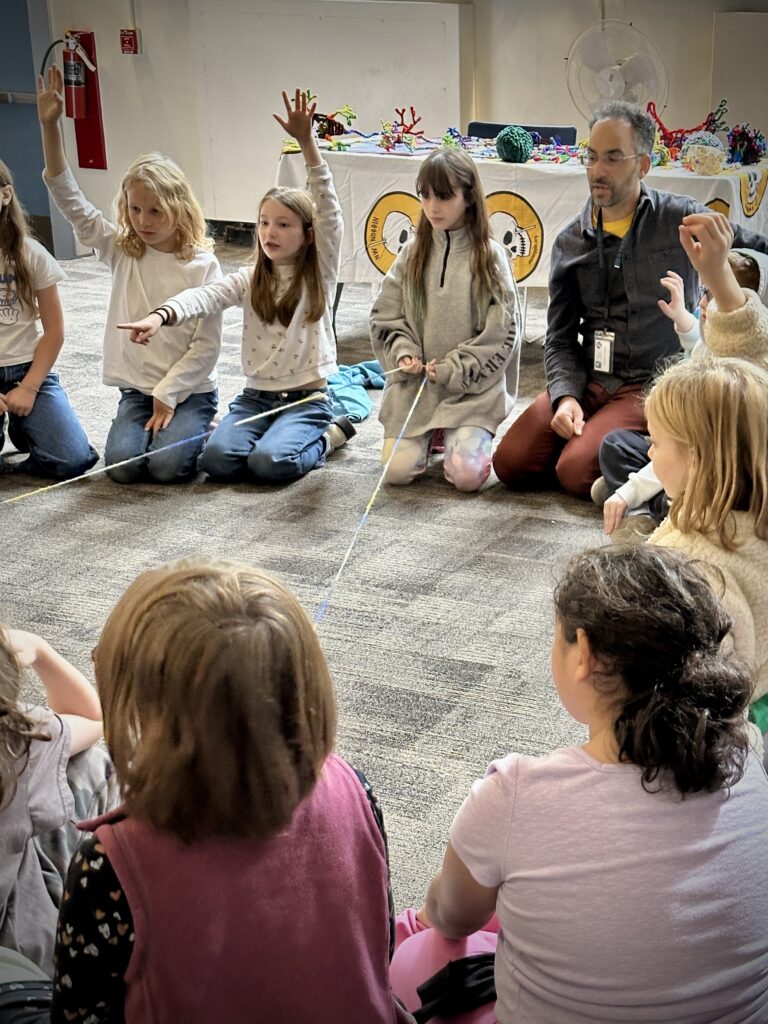
Sharp as nails, they instantly made the association from the yarn to “a net!”
LEARN MORE: Synaptic Signaling in Learning and Memory
LEARN MORE: Brains cells born together wire and fire together for life
Students immediately began discussing and planning amongst themselves about who could start us off, where they should pass the yarn to shore up gaps, instructing other students who seemed unsure of the task-level mechanics required to create the net, and even redirecting distracted students’ focus back to the shared goal.
What appeared to be a minor disruption to engaging in the activity turned out to be a perfect demonstration of the process that the activity represents. Interpreting instructions, digesting the purpose of the model, and executing the practical aspects of building the symbolic network out of yarn all exercised the strength and ability of the pre-existing social network between all of the participants, students and instructors alike, and reinforcing it in the process.
TRY THIS ACTIVITY YOURSELF!
I wrote this project up, and you can find a link to the free lesson plan below.
Thoroughly elated with the outcome and full of pride, I was left with a lingering question: “What more can we glean from interacting with children?” I always understood the aphorism that “adults can learn a lot from children” as a profound acknowledgement that knowledge can come from anywhere, and that adults (often in pursuit of other things) can forget some simple truths.
But while observing the students at Sunnyside problem-solving in real time, I began to see more application to that sentiment: a more tangible, observable, and measurable case for the value of multi-generational networks.
Why is our society so heavily segregated by age?
To fully grasp the draw of a more enriching, age-integrated social structure, it must be framed in reference to what is currently established. In other words, why are we a society of compartmentalized generations?
It surprised me to learn that we weren’t always so separated, but for many historical, social, and economic reasons, the U.S. has become far more stratified by age.
Some scholars point to the Industrial Revolution as a prominent factor for age-based cohorts of students and workers, grounding it in schools of thought about major life events, transitional stages, and gender differences. Some argue that these conditions also act as barriers to accessing higher education.
For instance, paths that prioritize occupational careers (as opposed to pursuing education for personal development or leisure) are primarily structured to prepare younger students to enter the workforce and often fail to accommodate those experiencing key life events, including pregnancy. In addition, schools of thought that contribute to the restriction of women to the sphere of domesticity also inform the structure of higher education and other institutions.
This inherent, rigid characteristic of higher education (and the workforce) constrains women’s access during important life events and transitions as they are not designed with the flexibility required to accommodate women with children, or those who plan to have children.
Some scholars propose fostering a more even distribution of labor and childcare in the home as a solution to this barrier, emphasizing the need to place more value on women’s contributions to higher education and the workplace. I propose that prioritizing multigenerational spaces is a necessary first-step toward encouraging a social transition towards that end.
Making the experience of an individual’s key life events more visible to others provides opportunities to share in the celebration of those life events, making their value more apparent and therefore more meaningful and familiar for everyone involved.
LEARN MORE: The U.S. Isn’t Just Getting Older. It’s Getting More Segregated by Age.
LEARN MORE: Educational Experiences Throughout Adult Life: New Hopes or No Hope for Life-Course Flexibility?
LEARN MORE: A PHENOMENOLOGICAL PERSPECTIVE OF INTERGENERATIONAL ENGAGEMENT, SOCIAL ISOLATION, AND AGE SEGREGATION
LEARN MORE: Changing Age Segregation in the US: 1990 to 2010
Envision the Possibilities
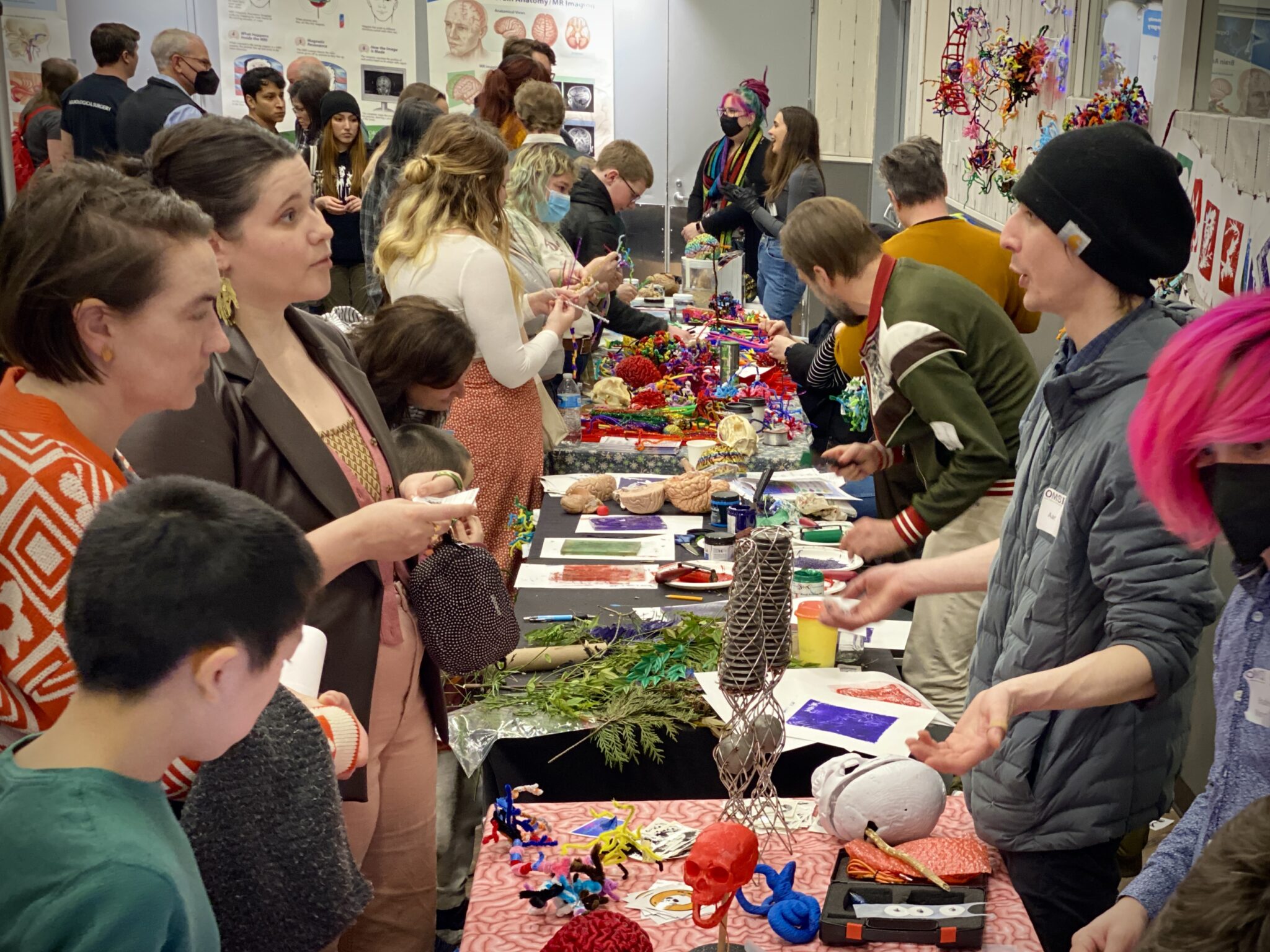
Imagine for a moment, a space in which young children, teenagers, young adults, adults and the elderly could see and celebrate the birth of a child, the transition from teen to young adult, the completion of an undergraduate degree, the union of newlyweds, a couple’s first home, an adult’s promotion, a teen’s acceptance letter to their first choice university, or someone landing the job of their dreams.
Or perhaps, more importantly, we could connect with an individual struggling with financial challenges, a parent overcoming postpartum depression, a couple learning conflict resolution, the reconciliation of estranged family members and friends, and the resilience of trying, failing, and continuing to pursue a job, a grade, a driver’s test, or the creation of a small business.
Now, imagine that this public space was not only where these life events are celebrated, but where they begin and develop, where they pivot or transition, and where help, resources, and mentors were found. Imagine that this space has existed for generations, and the mentors here have been exposed to the various manifestations of these life events for different individuals as a child and throughout their life. Consider that these mentors will develop stronger neural networks of experience each time they observe, contribute to, and celebrate another person’s key life events for the whole of their lives and not just when they have these experiences themselves.
How would these mentors differ from those whose perspectives are limited to their own age-, gender-, and occupational-based experiences? How would the value of their mentorship change for their community? Would life outside of their personal pursuits become more meaningful? How might our perception of the value that elders offer in our community change?
I present to you a society that reimagines life and its many stages as valuable opportunities to learn and grow alongside each other. A multi-generational vision that moves and inspires us to learn more about the real (and potential) outcomes of a more age-integrated society.
LEARN MORE: Expert Gets Us Talking About the Generations
LEARN MORE: Age segregation of adolescents in and out of school
LEARN MORE: Intergenerational learning in higher education: Making the case for multigenerational classrooms
LEARN MORE: Promoting Intergenerational Engagement Within the College Classroom
My Experience Informs My Desire for a Village
When I first began writing this post, I summed up why I couldn’t bring my daughter Maessa to some events due to scheduling conflicts to explain why I had extra time to survey my fellow volunteers. But I feel it necessary to be vulnerable and admit that the real reasons lie in the totality of my experience as an older student and first-time mom pursuing higher education in STEM at an out-of-state university.
The institutional structure of higher education, the financial and social barriers to childcare, and the lack of a readily available village all constrain how flexible my schedule can ever be.
The truth is that I could have brought Maessa with me, but outside the hours of 9am to 5pm, Monday through Friday (when I’m usually at school or outreach), I don’t have an adequate system for balancing childcare responsibilities and schoolwork — never mind the household duties. I meticulously plan out my weekly schedule to maximize the hours I can steal for assignments between drop-off, pick-up, commuting to and attending in-person classes, outreach events, meeting routine nap times and meal times, grocery shopping, household duties, basic self-care, and sleep.
While pursuing the fastest route to my degree (as a full-time student), I lack the time and resources to reach my highest capacity as a student, a mom, and a partner – even without the burden of a full or part-time job – leaving my performance significantly impacted by financial, physical, and emotional strain.
By adding this context, I am by no means expressing any discontent with motherhood, student life, or partnership. Instead, I am attempting to highlight the experience that I, and so many others, have accepted as inevitable challenges in our pursuit of higher education, and validating (at least anecdotally) the assertion that these challenges are byproducts of the segregation of age and gender we experience in society.
With that said, I did have the opportunity to inquire if my fellow volunteers had observed any differences my daughter’s presence made at these outreach events, and gather some hypotheses for the benefits of multigenerational learning. Or as a STEM major might refer to it: a place to start.
Observation and Hypothesis walk into a bar…
And Evidence asks, “How can I support you?”
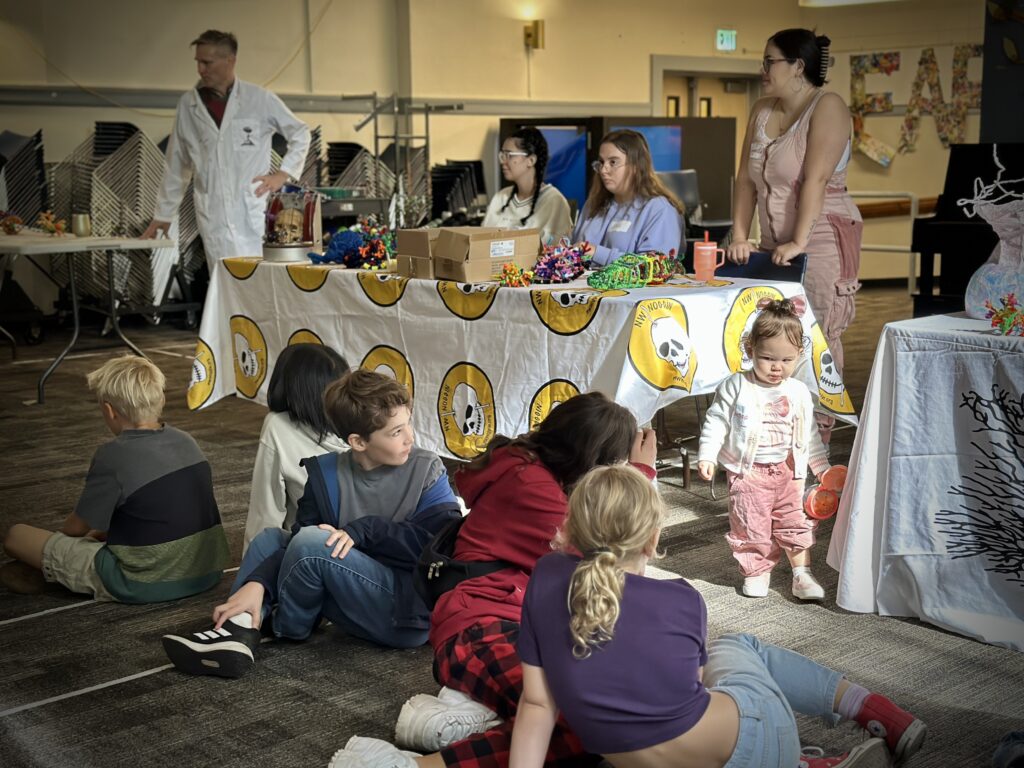
One volunteer stated that they felt the kids were more excited and engaged when they noticed Maesaa in the room with us, noting that she was like a living, interactive “model.”
When asked about some potential benefits of multigenerational spaces and classrooms, some volunteers hypothesized benefits like learning values including trust, respect, manners, and other pro-social behaviors, while others mentioned developing real-world skills, storytelling, passing on traditions, and establishing a sort of continuity of historical context. I decided to categorize and explore each of these potential benefits to see what evidence exists to support our hypotheses.
Whole, Wild, Worldview
As a child, I always thought the expression was “whole, wild, world” and that it referred to all the wondrous things to explore in the world rather than the general breadth of a big, big planet. My father encouraged this belief, fostering a sense of courage and wonder that would fuel my future perspective. Naturally, my first thought as I pondered the potential benefits of multigenerational spaces was the chance to develop a wider, wilder, and denser worldview; a more cohesive understanding of the world through experiences that connect moments to internal feelings, and feelings to thoughts about the world and about one’s self, and to connect those thoughts to other people and their experiences; to understand ourselves and others through fuller, and richer context.
Exposure to more experiences means more varied connections in the brain, and more connections from diverse experiences means fewer gaps in the neural networks that inform our worldview.
A space that fosters connection and shared experiences between its members across age, ethnicity, or gender might change what we assume is true about who is capable of what, and what is developmentally age- or gender-appropriate. It can change the way we see ourselves in relation to others, how we see others’ potential at different life stages, and how we see and understand each other’s behavior.
LEARN MORE: Culture Wires the Brain: A Cognitive Neuroscience Perspective
Interactive Modeling
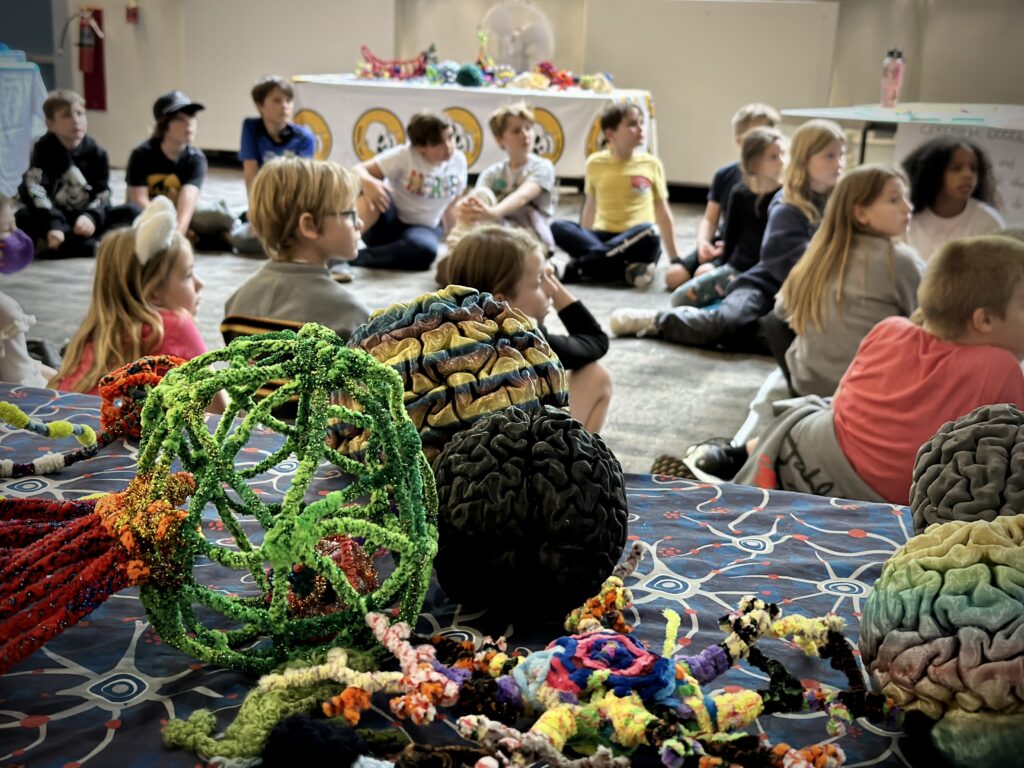
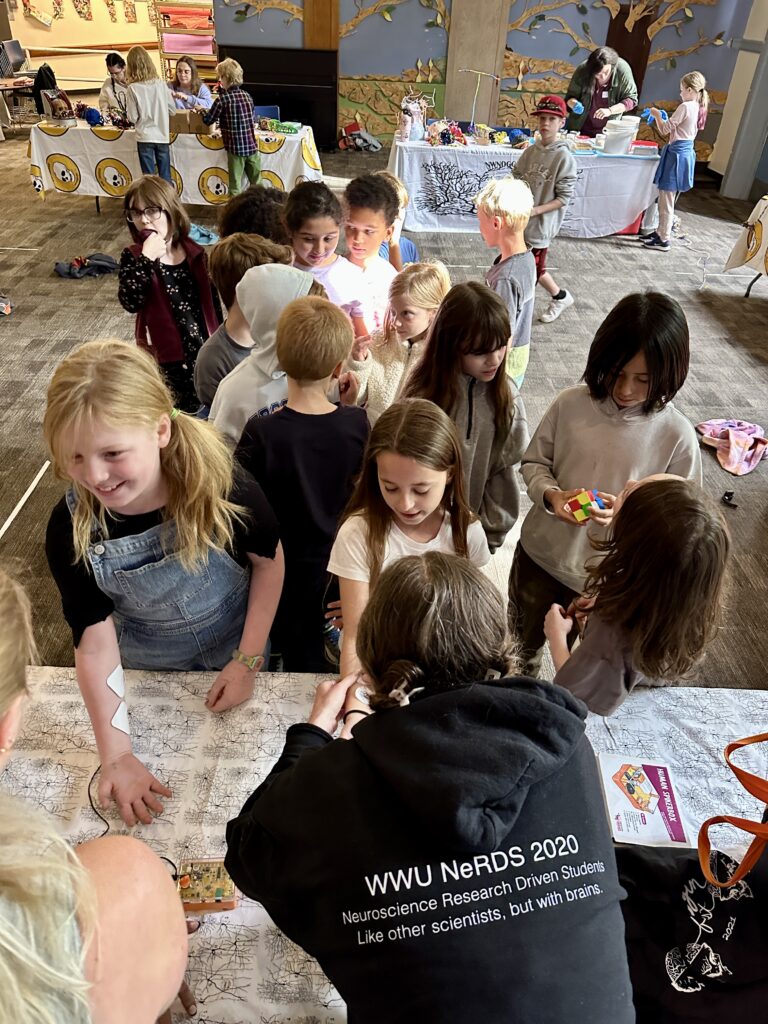
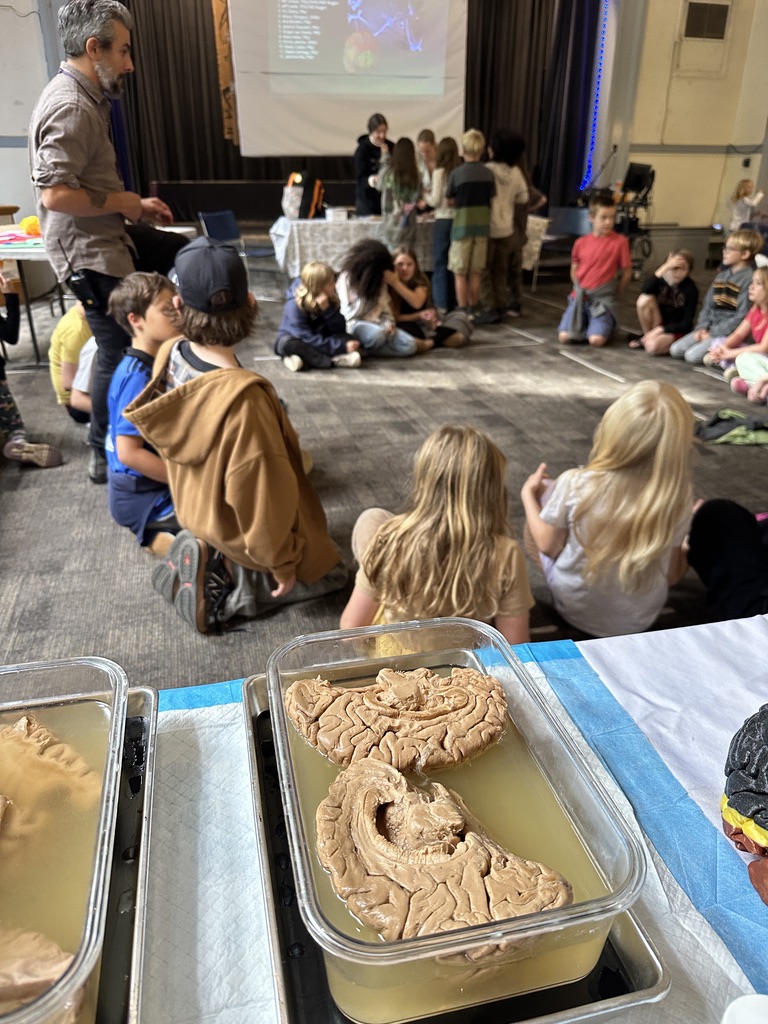
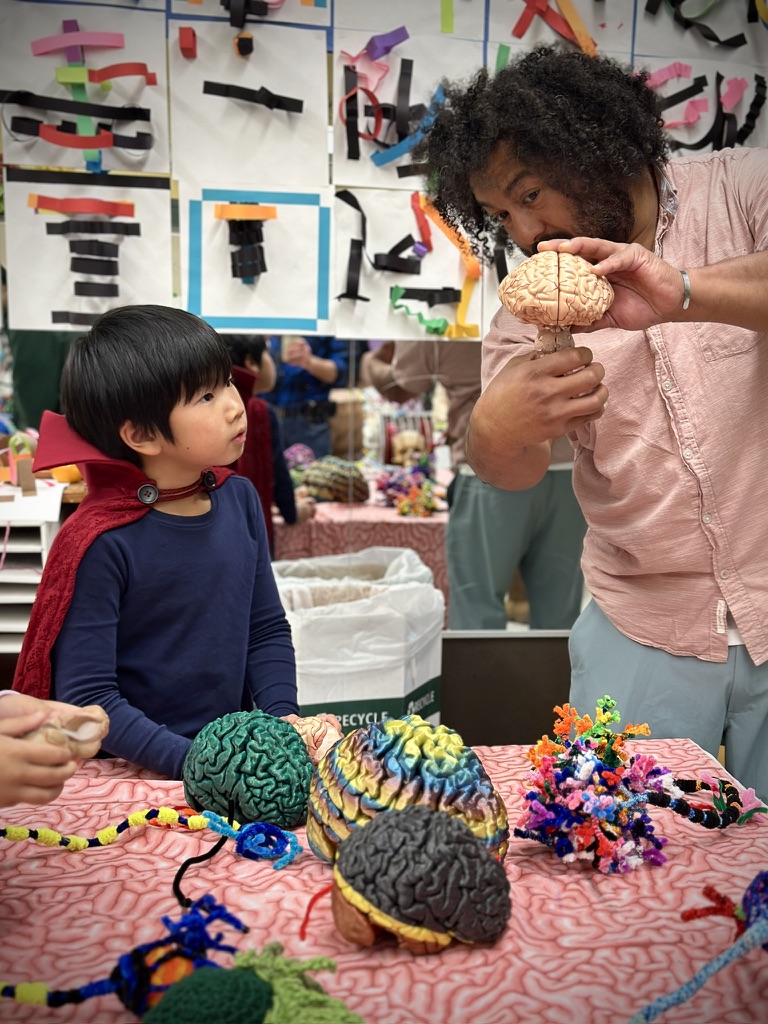
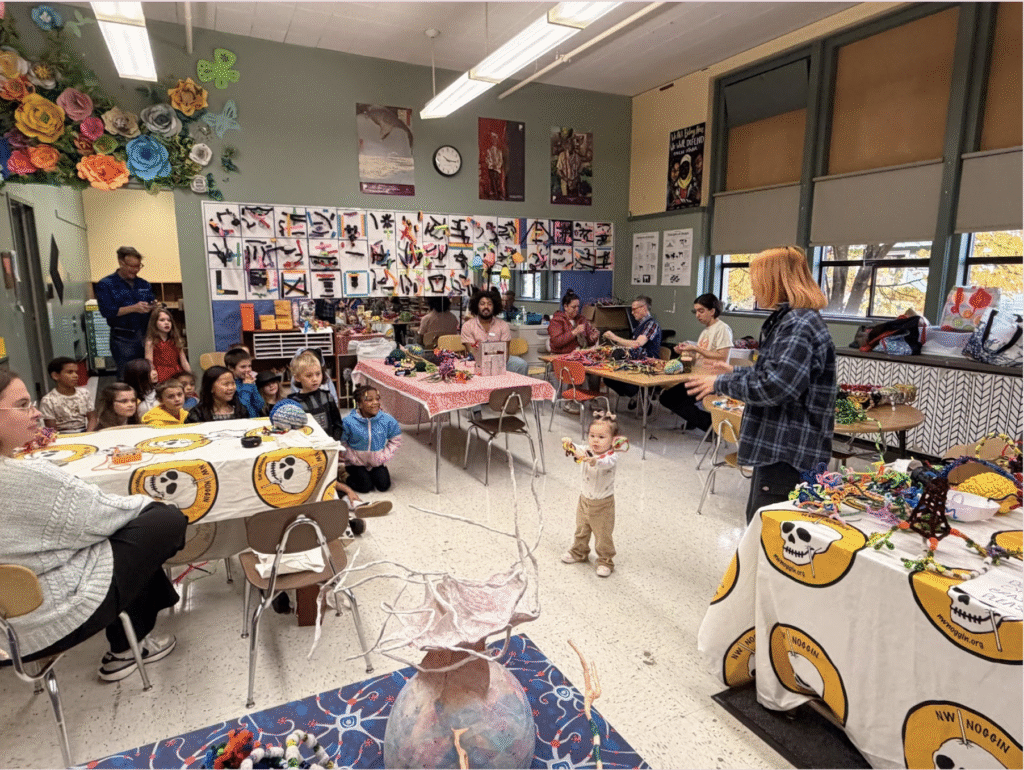
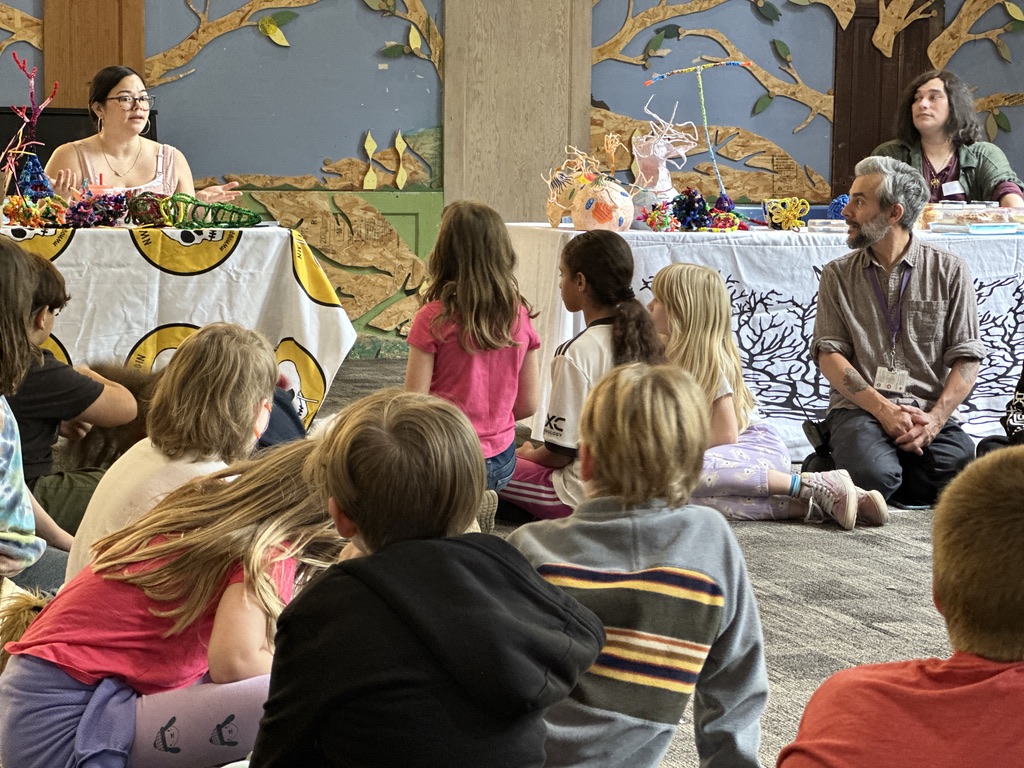
Aside from her volunteer work as a model of a developing neural network (!), Maesaa spent most of her time taking in new information. She learned through play and interactive experiences, which reflects the philosophy behind all the hands-on activities that NW Noggin brings to the classroom. Incorporating engaging, interactive stations for observing real brain specimens, the Human-to-Human Interface exercise, creating networks with yarn, and drawing or crafting neurons with pipe cleaners and other materials makes learning about the brain a memorable experience with staying power.
While it’s entirely possible for primary educators to facilitate activities like these on their own, it’s much more practical to share the load (and the experience) by inviting NW Noggin and its volunteers of various ages and backgrounds to bring the experience to them. Similarly, it’s more practical for a society to have common spaces where individuals from every stage of life can contribute to the process of learning through interactive modeling, creativity, and play.
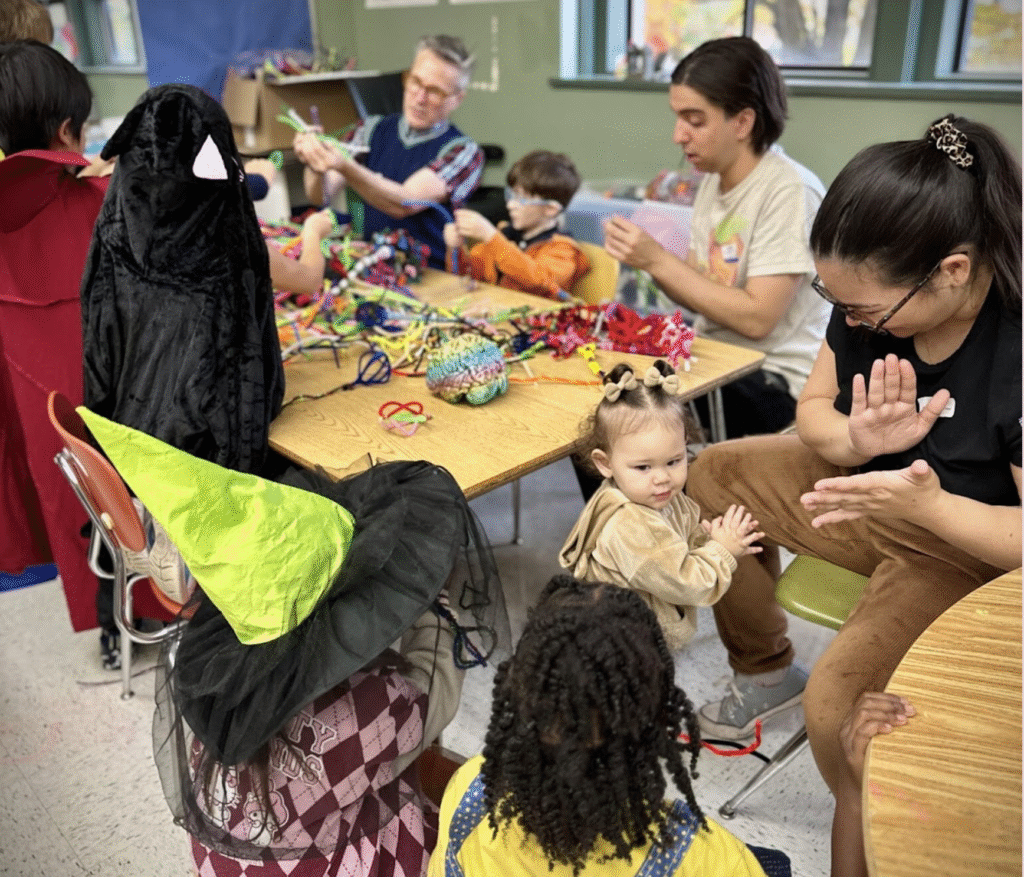
By bringing Maesaa with me to these events, I not only modeled patience through parenting, but also modeled age-appropriate play to help the children who wanted to meaningfully engage with her. I used these interactive moments to explain some of the neuroscience behind why certain types of play get her attention, what she’s learning by playing, and why play is so important to a child’s development.
LEARN MORE: The neuroscience of active learning and direct instruction
LEARN MORE: Play Helps Children Build Better Brains. Here Are Some Ways to Get Kids Learning
LEARN MORE: A Brain Motivated to Play: Insights into the Neurobiology of Playfulness
Pro-social Behavior and Awareness
In many cultures, there exists some version of the “golden rule” meant to instill moral principles in children. One key sentiment is that we should treat others as we would like to be treated. While variations of this expression are similar in word choice and interpretation, the cultural and social norms that emerge as nuanced extensions of this principle can be worlds apart. For instance, removing one’s shoes before entering someone’s home is a basic sign of respect in many cultures, but is not an expectation in every culture. For children, learning the intricacies of prosocial behavior and cultural expectations in shared, multicultural spaces like the classroom or playground can be a tall order. In fact, I chose this example because my parents still tell the funny story of how confusing it was for me to learn why I take my shoes off at home, and why I shouldn’t remove them at school. That’s a lot of nuance for a child!
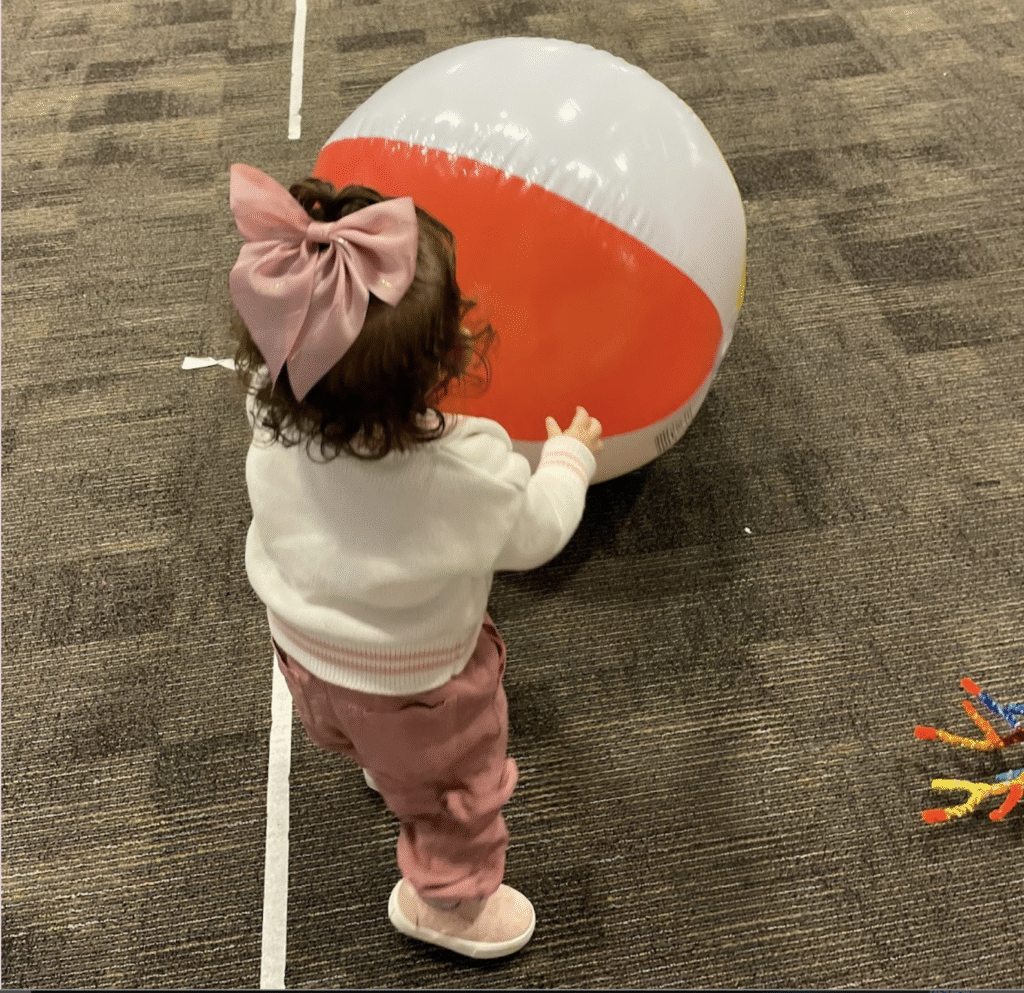
The idiom “look with your eyes, not with your hands” is another early expectation of children meant to teach them how to be respectful of objects that don’t belong to them or are fragile or valuable, but why we should be respectful is something that is learned through exposure to social situations that require that skill. Despite the simplicity of the instruction, the concept of appreciating things with our eyes and thoughts is quite complex in terms of child development. While children as young as 2 or 3 years can understand the instruction, they may not form the understanding of what a “rule” is until around 3 or 4, and it may not be until the age of 5-7 that they begin to understand the contextual reasoning behind the rule, and later still until they are fully into their concrete operational stage around age 7-11, where they will be capable of articulating why, and applying this rule in new or novel situations.
LEARN MORE: Children’s early helping in action
LEARN MORE: Cognitive Development
As a mom who loves all things Montessori and the philosophy of providing an environment that allows children freedom (with limits), I appreciate that these outreach events offered the opportunity to practice looking without touching to exercise her impulse control. I modeled this skill with her by perusing with my hands behind my back and making dramatic expressions of being deep in thought such as furrowed brows and loud “hmm” sounds. I have no doubt that she is building the schema for respectful behavior, but that’s just the first step for an 18-month old!
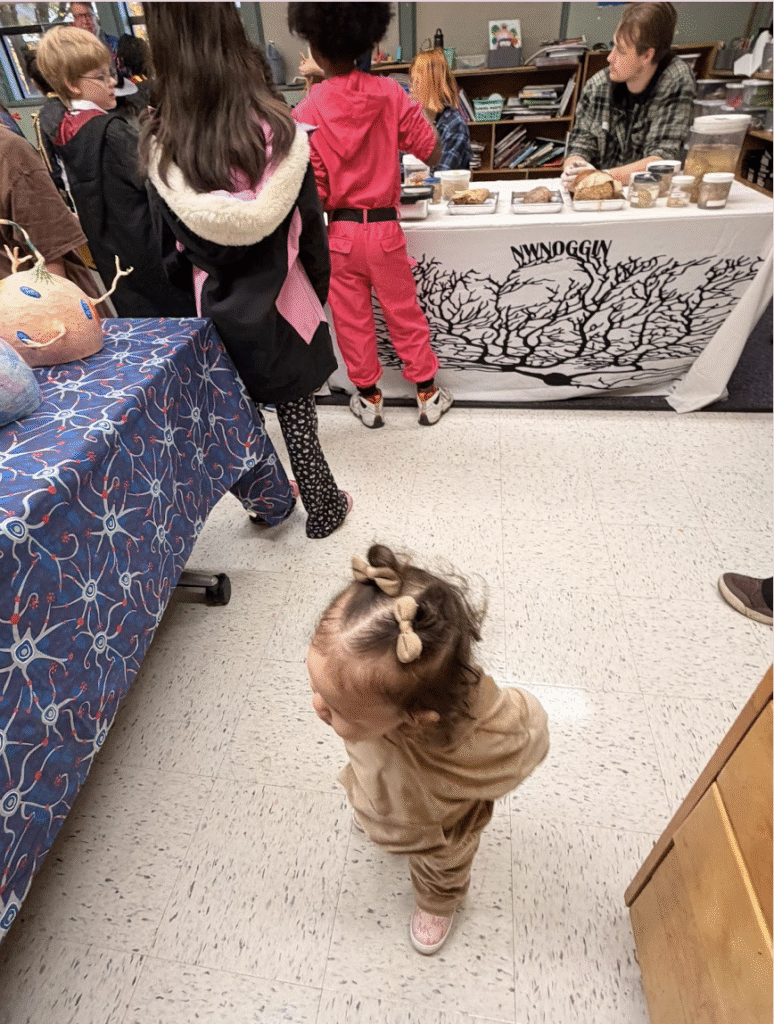
LEARN MORE: Pre-school behaviors – in the brain!
In multigenerational, multicultural shared environments, children are exposed to more opportunities for socialization, modeling of pro-social behaviors, and internalizing cultural and social norms.
In other words, they build interpersonal relationships and observe norms and values like hand-holding, sharing, and helping, which promotes an internal motivation for reciprocity. Interacting with and watching others interact with people of various ages creates an awareness of one’s self and our surroundings. This awareness provides a strong, experience-based foundation for understanding and navigating social expectations like building trust, respecting others, or sharing, giving, and helping others. These social interactions help shape the internal value system that is being built one experience at a time.
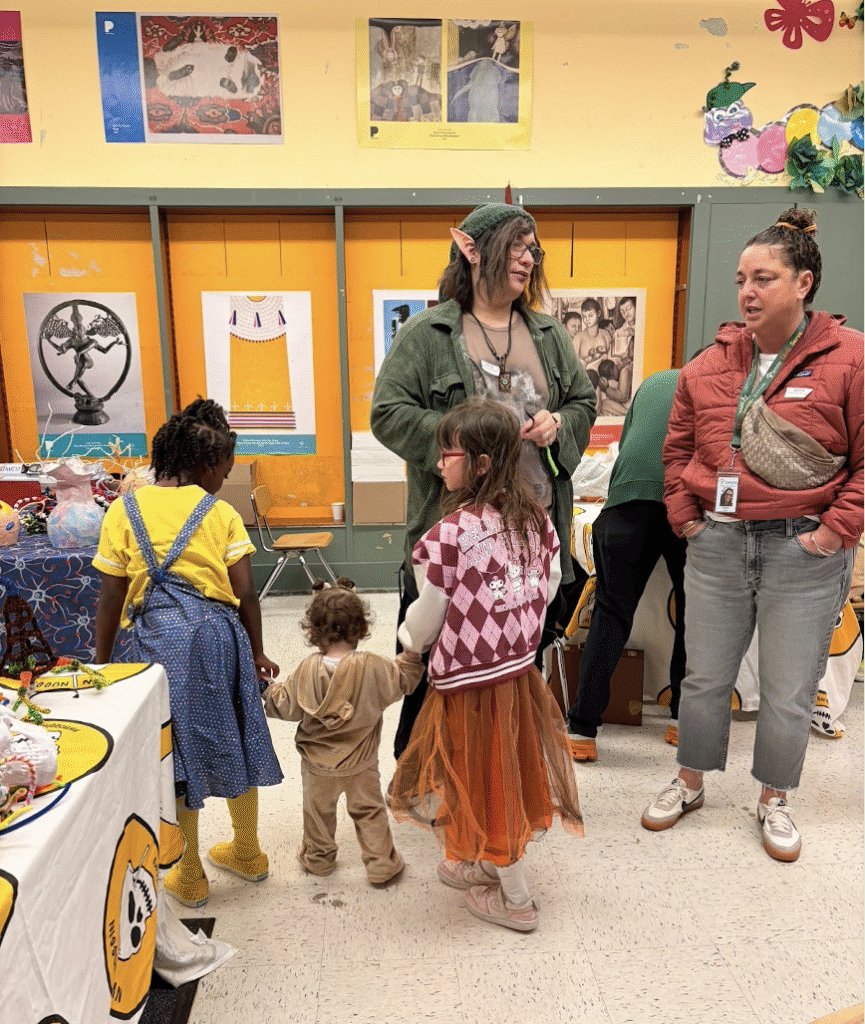
LEARN MORE: Early Development of Prosocial Behavior: Current Perspectives
LEARN MORE: Dissecting neural mechanisms of prosocial behaviors
LEARN MORE: Piaget Stages and Theory of Cognitive Development
Personal Value and Meaning
As we build the framework for our worldview, we are also forming an internal value system for what we hold as important or meaningful. In spending consistent, quality time with friends and family of all ages, we actively build neural connections that inform how we value these relationships and what we learned from them, even when the specific individuals are no longer present in our daily lives.
LEARN MORE: It takes a village: A multi-brain approach to studying multigenerational family communication
Continuity and Storytelling
While there are many schools of thought on child development, according to Piaget children do not transition from an egocentric, “pre-operational stage” into the “concrete operational stage” (when the ability to consider other perspectives begins developing) until around age 7 or 8. This means that up to a certain age, children perceive everything in relation to themselves. They rarely question what life was like before they existed, or who their parents were before they became parents. By the time curiosity begins to surface, it’s important to have relationships with others who can ground it in reality through story-telling, historical context, and tradition. These individuals become the de facto narrators of the child’s understanding of history, providing some cultural and perceptual continuity across generations.
LEARN MORE: Concrete Operational Stage: Definition & Examples
LEARN MORE: The Art and Neuroscience of Narrative
LEARN MORE: Until the story takes shape
Experience and Exposure
Every neural network change starts with an experience…
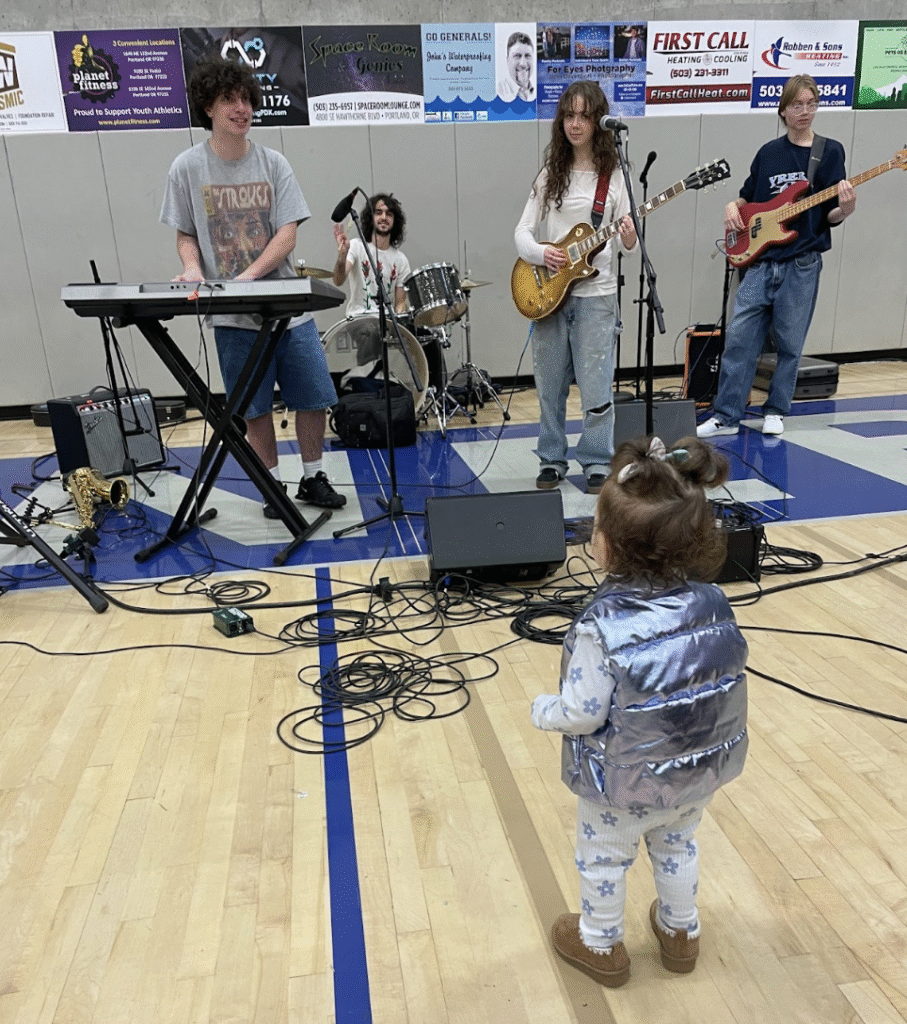
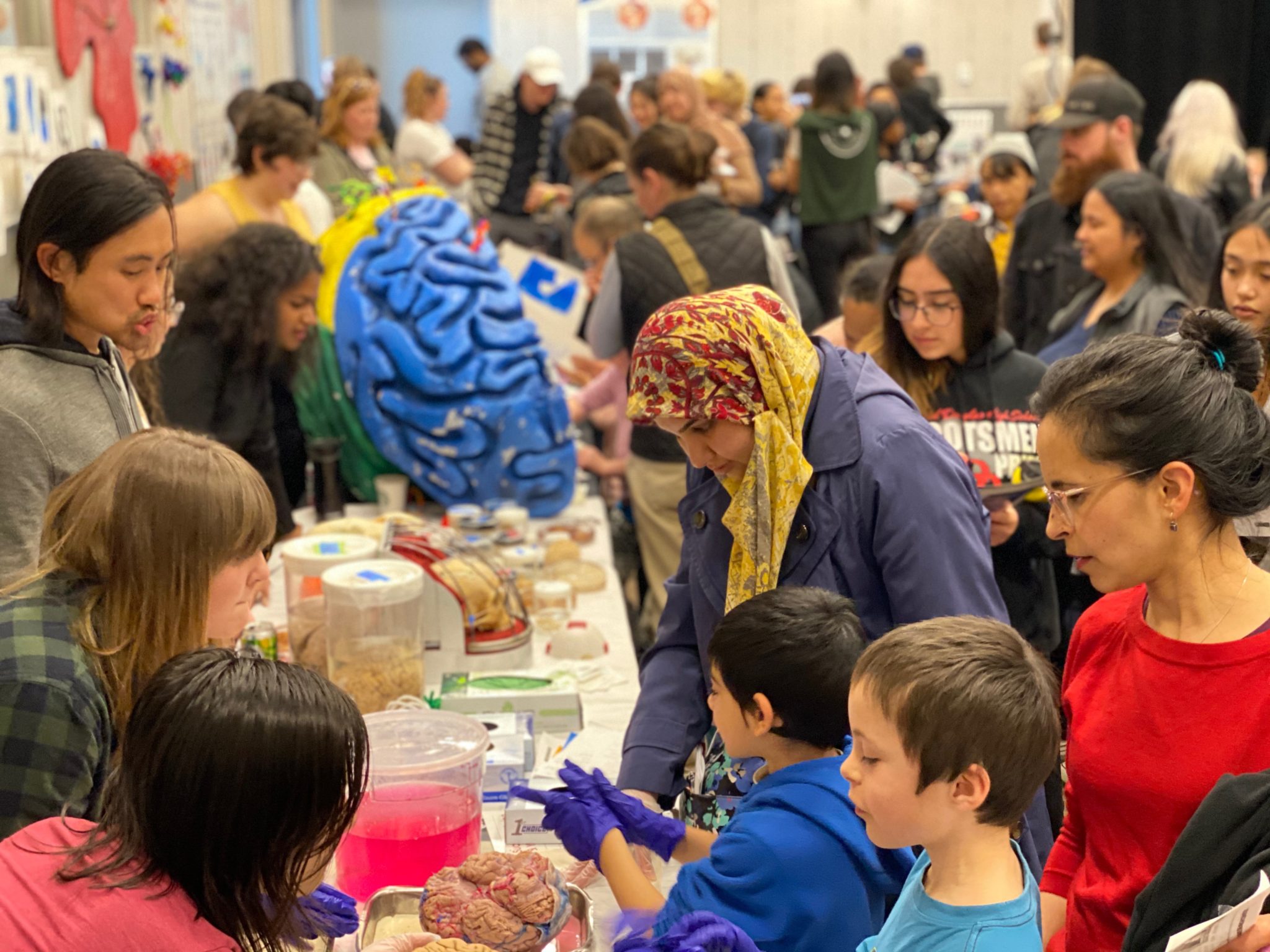
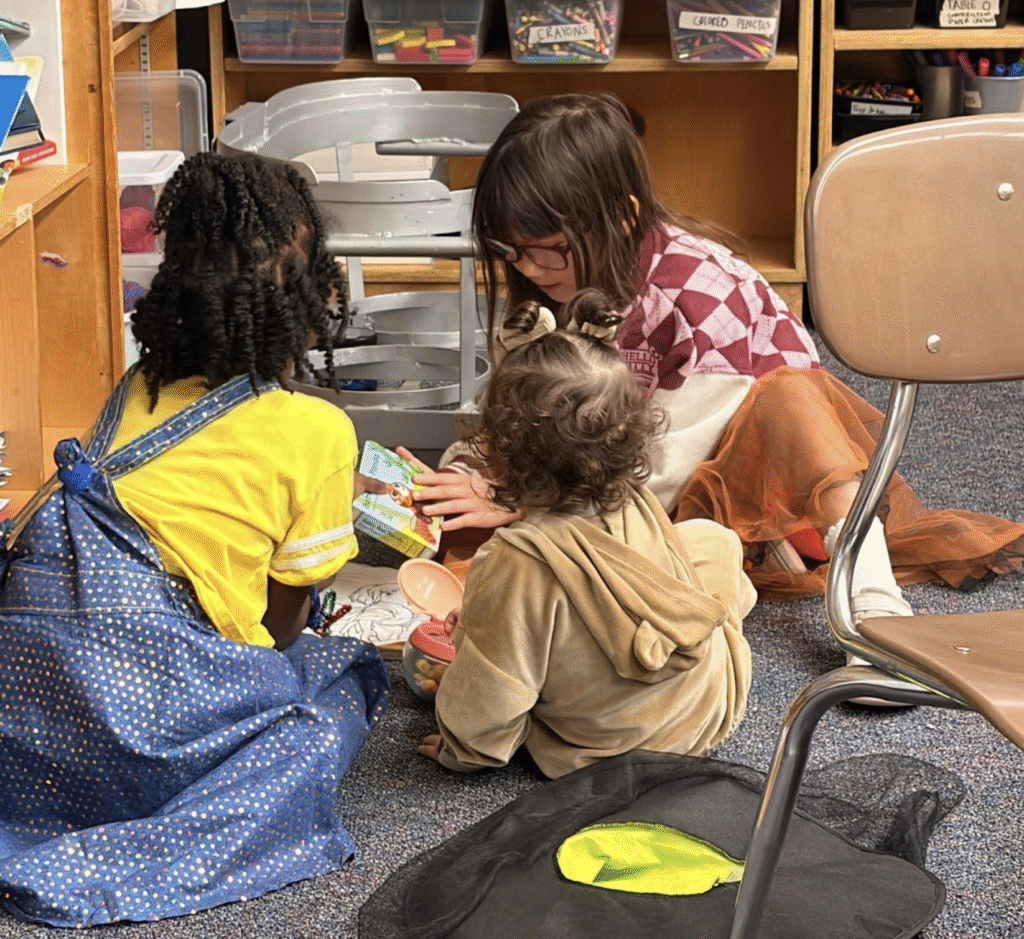
On a regular day, Maesaa spends most of her time with mommy, daddy, her teachers, and other children her age. I can say that the same is true for myself, except that the age range for students and faculty at a university varies much more than her preschool. But, by participating in NW Noggin’s outreach program, we were able to spend time interacting with people of all ages ranging from 1st-5th graders, to middle and high school students, to Gen Z, Zillennials, Millennials, and Generation X.
While informally surveying my fellow volunteers, one of them asked me if I have any thoughts or observations about what my daughter is learning from these experiences.

While I can’t say I have observed any specific changes that couldn’t be explained by her developmental milestones simply overlapping with the timeline of the outreach program, I can say that she has grown more confident and more engaged in high-stimulus environments and pays closer attention when a classroom is quiet, or when someone is speaking versus when many people are speaking and engaging at the same time.
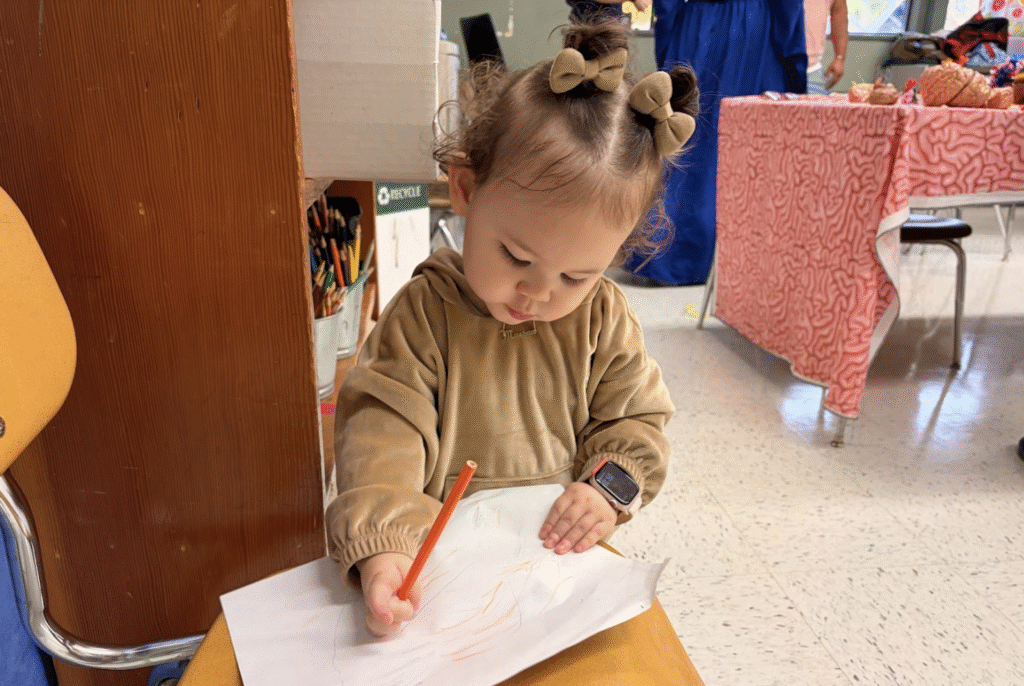
Some milestones Maesaa completed or began to approach during this time include the development of fine motor skills, such as transferring pencils from one cup to another; gross motor skills like learning to jump off the ground with both feet and tiptoeing around the house; and cognitive skills like bursts in language and speech and experimenting with singing. She just used her first four-word phrase! After vocalizing her babydoll’s pretend cries, she lifted her to her shoulder and said, “I got you, baby.”
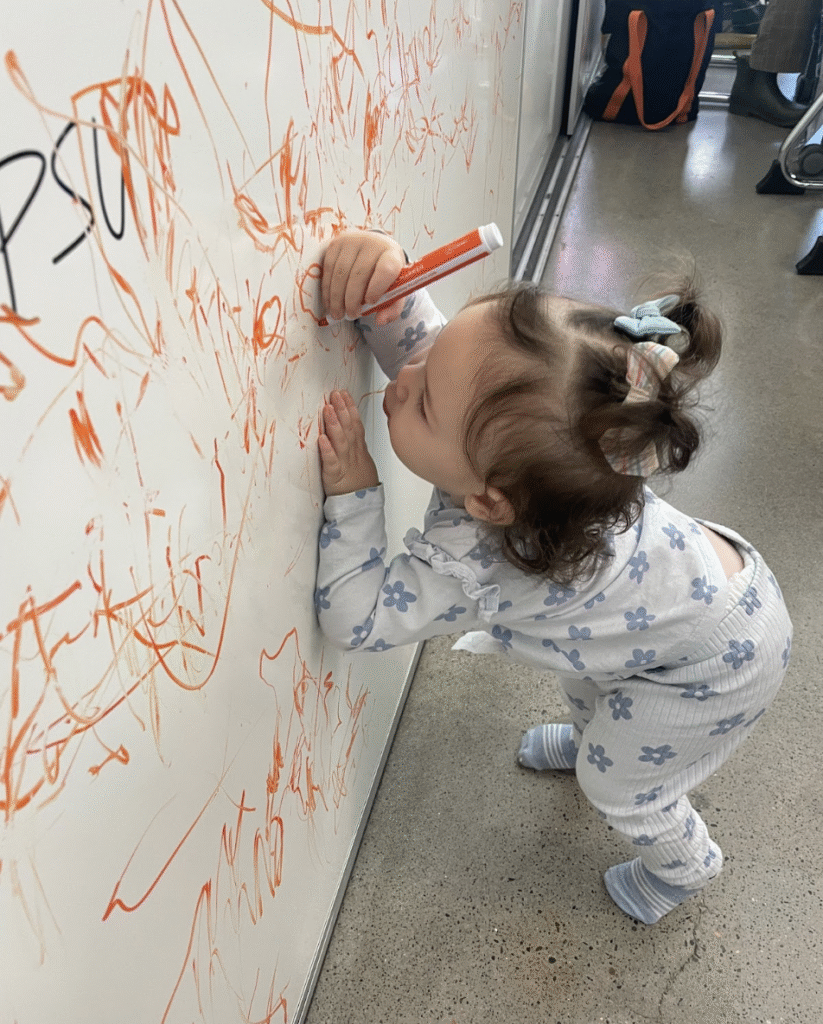
Along with exposure to new and exciting experiences, she also encountered challenges that we problem-solved together and were able to model for others. Routines – especially sleep – are incredibly important to child development, there is no denying that life is sometimes unpredictable and spontaneous. So even though some events coincided with her nap time, I still felt the benefits outweighed the cost, and that meant that we both had to adapt to missing a few naps.
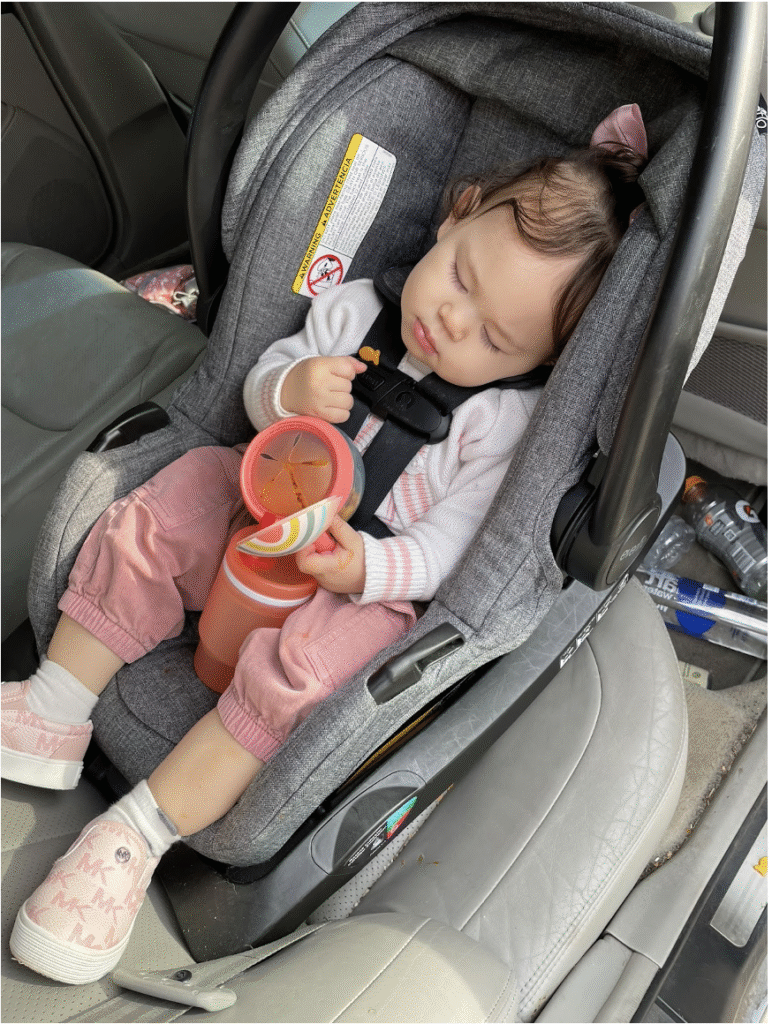
This usually resulted in her being overtired and crashing the instant we got in the car.
LEARN MORE: Children’s sleep linked to brain development
LEARN MORE: Childhood sleep: physical, cognitive, and behavioral consequences and implications
These events are not just opportunities for Maesaa to learn and grow in a new environment, but for us to learn together. Structured outreach and classrooms tend to have their own challenges. As a direct result of attending these events, I have developed a better understanding of how to better support her in these environments and learned to incorporate more frequent breaks to co-regulate with her when she starts showing signs of being over or under-stimulated. By doing more frequent check-ins, we were able to withstand longer exposure to high-stimulating activities and avoided a lot of meltdowns.
The Neuroscience of Learning
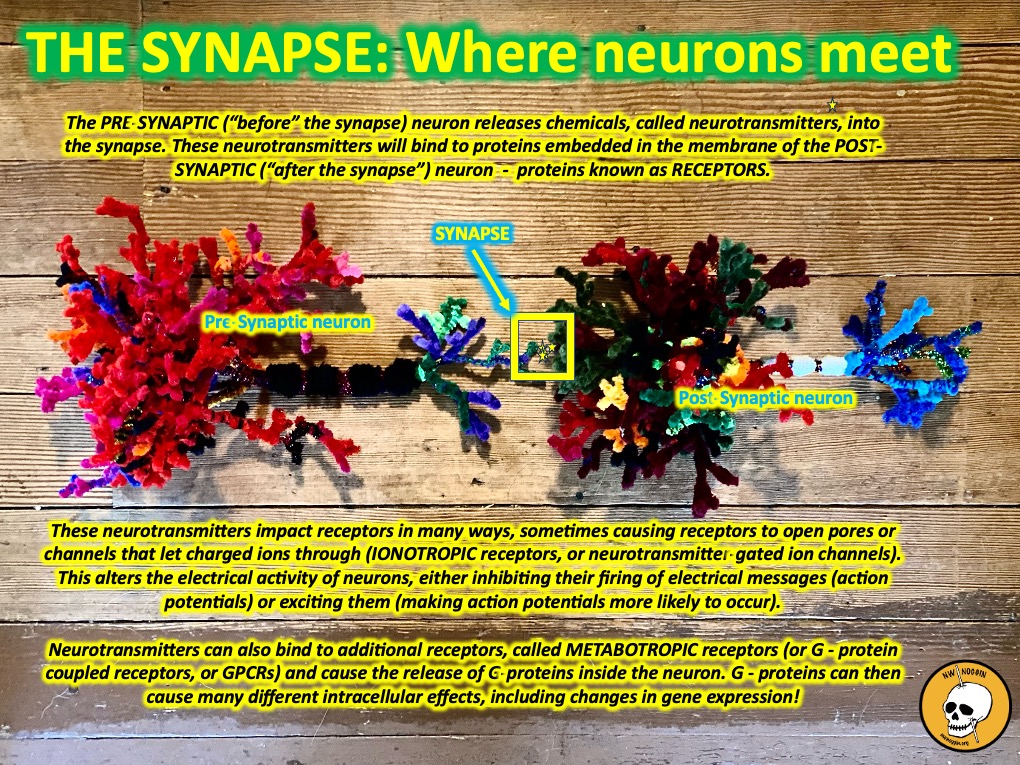
The ability to learn, store, and recall information or build skills hinges upon the connections (synapses) between neurons that make up our neural networks in our brains.
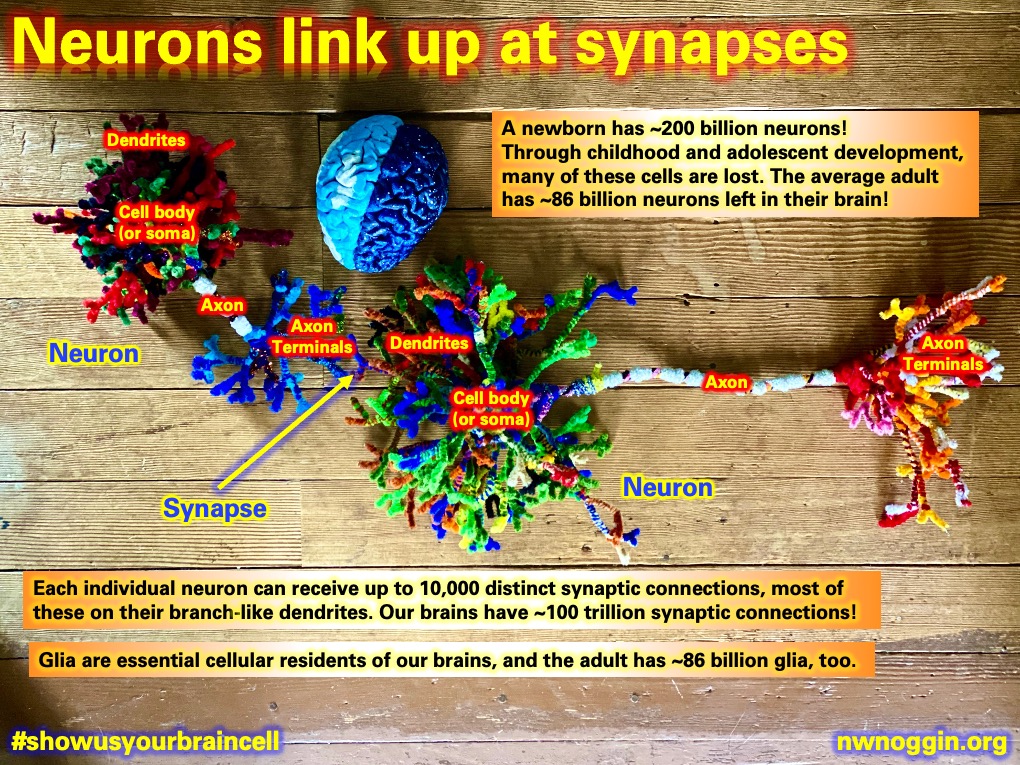
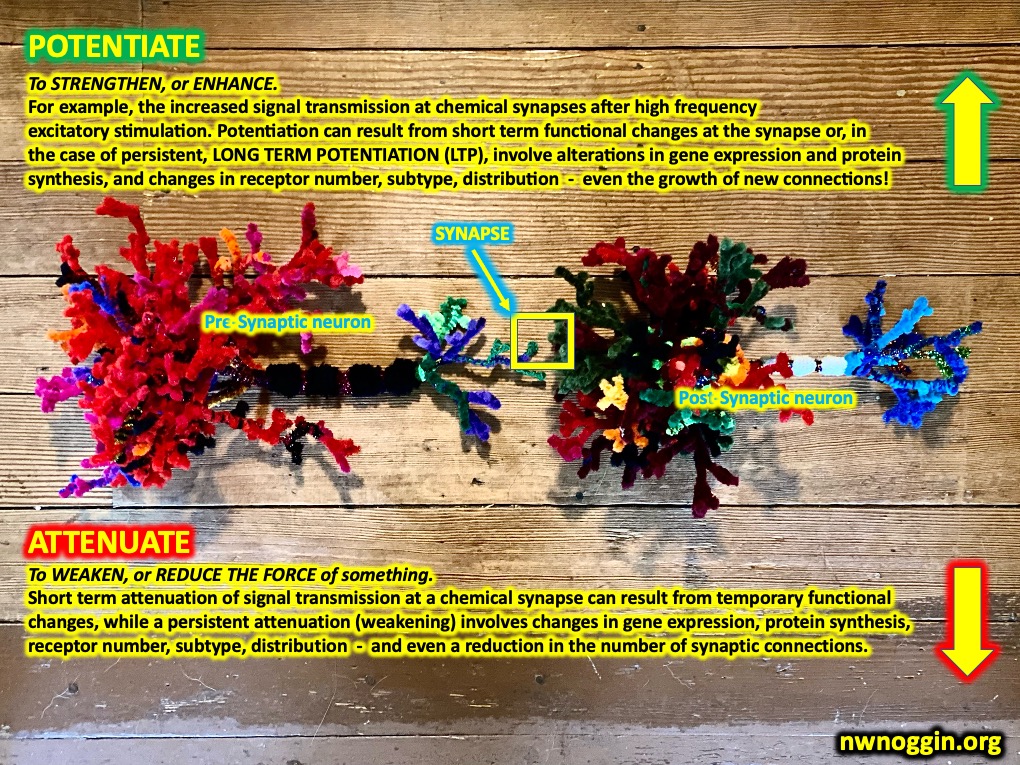
Each experience we encounter sparks neural activity (communication between neurons), and the repetition of neural activity reinforces these neural pathways. One mechanism is known as long-term potentiation (LTP), and is the concept behind the axiom “neurons that fire together, wire together.”
Alternatively, the axiom “use it or lose it” could describe long-term depression (LTD), one mechanism for weakening or refining inefficient or little-used pathways. This strengthening and weakening of synaptic connections is called synaptic plasticity and is the means by which the brain is able to change its structure and function – also known as neural plasticity.
The critical need for infants and children to rapidly learn and grow means that they require (and have) significantly more neuroplasticity than adults. This creates a prime developmental window for learning, and shaping the foundation for their neural networks.
Multigenerational environments maximize the potential of neural plasticity by providing spaces that enrich our exposure to unique experiences and interactions to reinforce learning at every age. Shared spaces help increase the diversity and depth of connections in the community, and in the brain.
LEARN MORE: Long-Term Potentiation and Depression as Putative Mechanisms for Memory Formation
LEARN MORE: Exploring the Role of Neuroplasticity in Development, Aging, and Neurodegeneration
LEARN MORE: Long-term potentiation and long-term depression: a clinical perspective
Final Thoughts
Like the network we created at Sunnyside to keep the beach ball off the floor, building a network is a process that happens over time. Some ideas cannot emerge until prior connections are made.
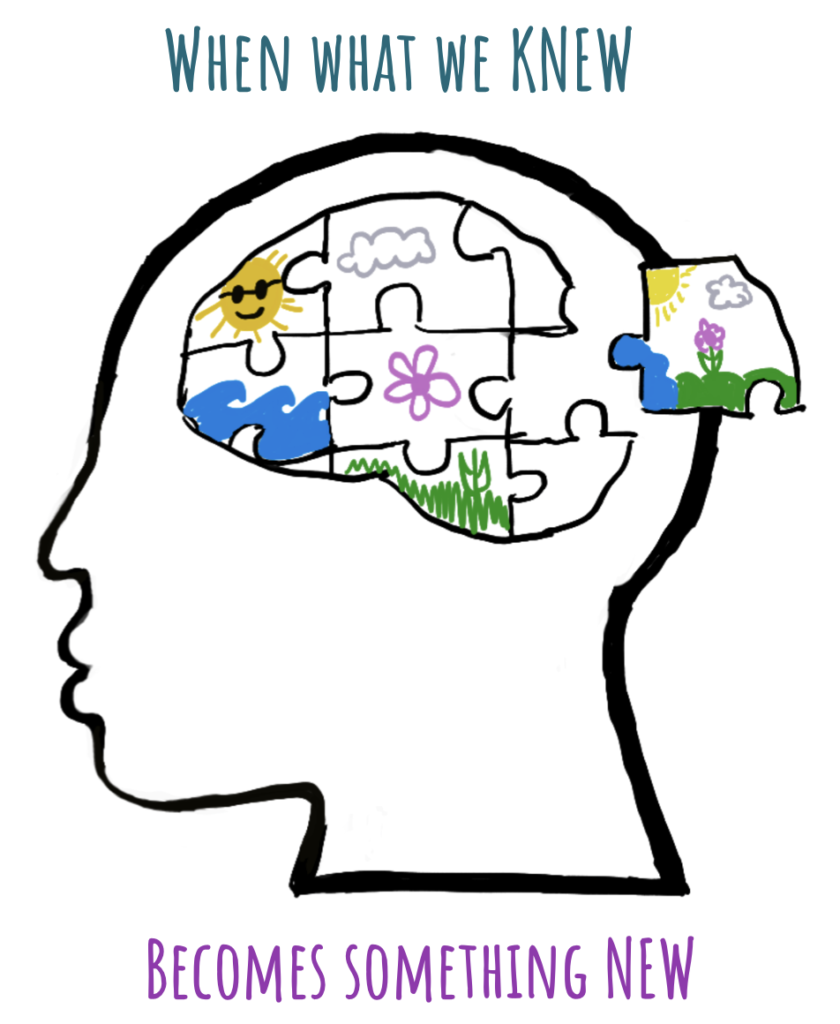
I want to illustrate this concept as a puzzle. Some pieces are easier to connect than others, and when you find enough for a recognizable image to emerge, you have completed a portion of the puzzle which correlates to an idea. Connecting ideas are how bigger ideas are built. In this analogy, the puzzle in its entirety (but never finished) can be thought of as the whole of someone’s worldview.
Our own neural networks (and thus our perceptual, social and cognitive understanding of the world) can change, and something we already “knew” can become something “new” to us as new puzzle pieces (new perspectives, biases, reactions) are brought to our attention in a multi-generational setting. Exposure to a larger community helps us expand our worldview, and better include us all.
Even if society is slow to adopt structural change, I hope that you are inspired to incorporate more multigenerational socialization into your family culture and impress upon your friends and family that spending time with each other is not just important for maintaining relationships, but for learning at every age, and developing a rich culture for future generations to thrive in.