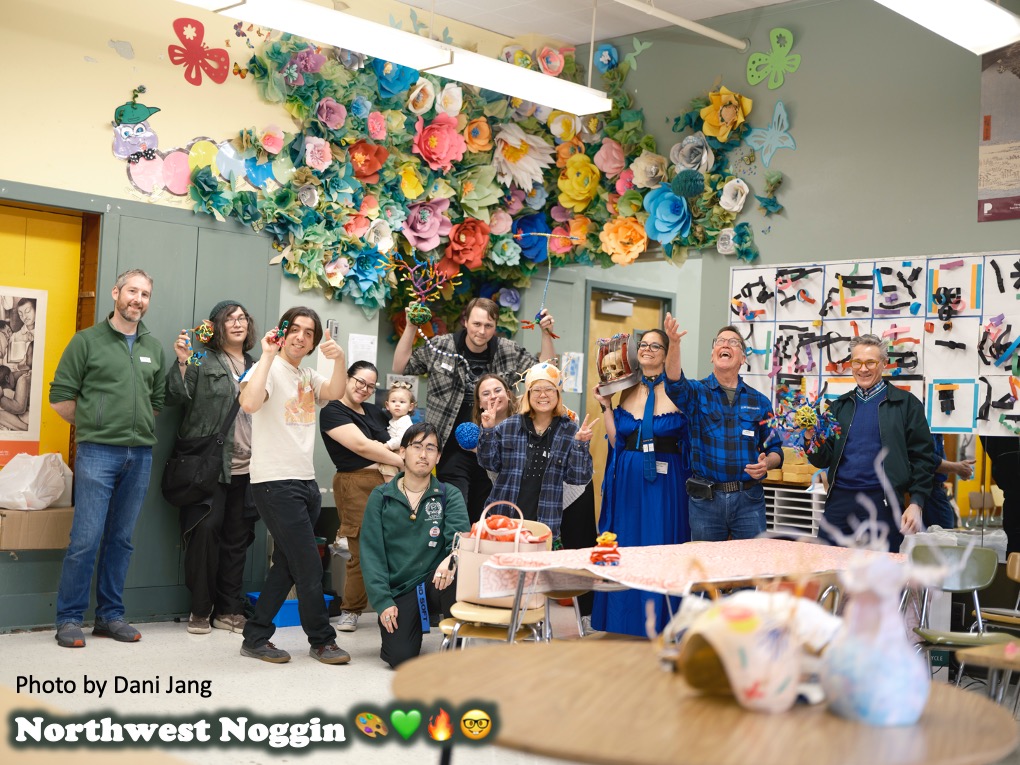
Post by Jessica Vilaysanh, undergraduate at Portland State University, who graduates this December with a Bachelor’s of Science in Psychology, Social Science, and Liberal Studies. They are also triple minoring in Women’s Studies, Interdisciplinary Neuroscience, and Civic Leadership. After their gap year, where they hopefully get their Yu-Gi-Oh Worlds Championship invite, they plan to enroll in a graduate school for a Master’s in Public Policy.
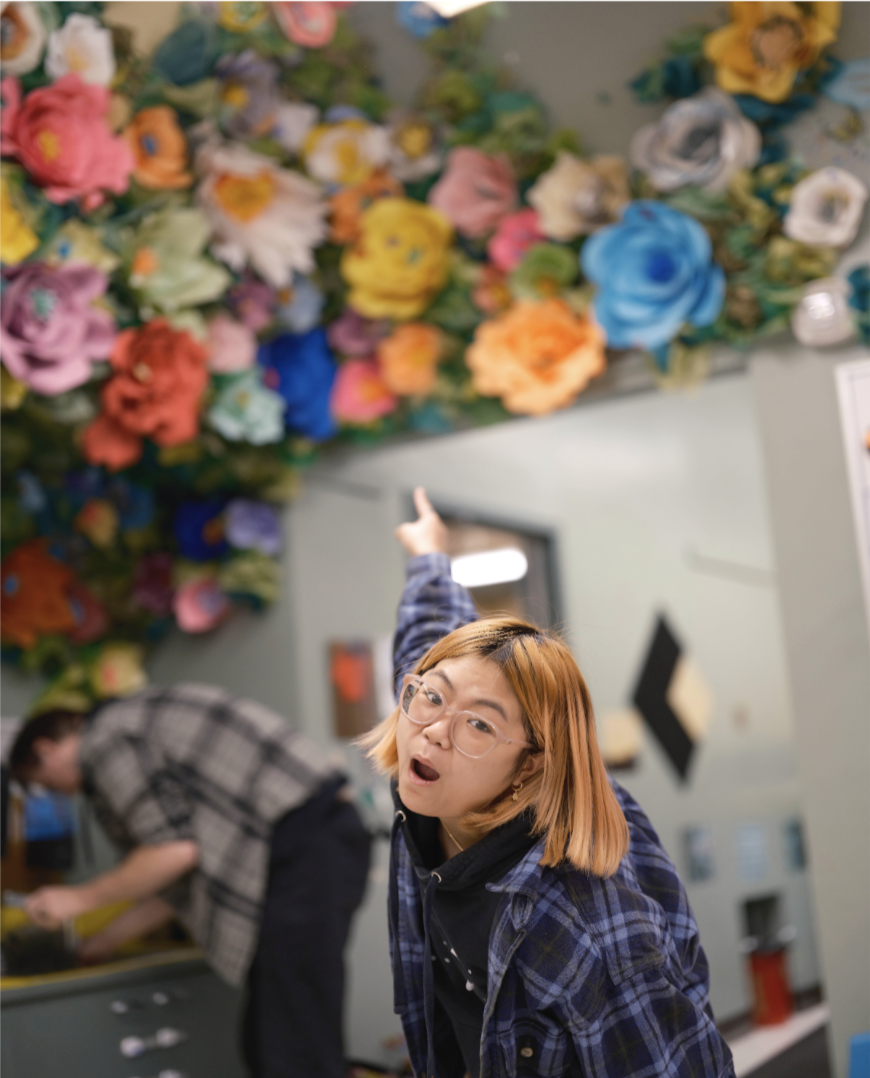
Personally, I am not a fan of public schools.
I attended public school as a first-generation Asian American, queer, trans, and neurodivergent individual in Vancouver, Washington. The different schools I attended all had varied infrastructure and levels of funding. My elementary school was so overcrowded that it broke fire codes with its portables. My middle school had buildings that were practically ancient. My high school was fancy and big, but still so overcrowded that I had to sit on the floor during lunch.
I do not like public school. I stopped attending high school for the last two years due to bullying and instead started attending Clark College through a dual enrollment program in Washington called Running Start. Ever since then, I have harbored a deep-seated hatred for public schools.
LEARN MORE: Underfunded and unsustainable: School funding crisis in Washington state
LEARN MORE: LGBTQ bullying: a qualitative investigation of student and school health professional perspectives
LEARN MORE: Bullying of LGBTQ+ children and adolescents in schools
LEARN MORE: Empowering LGBTQIA+ Students Through Inclusive Education
LEARN MORE: Promoting School Safety for LGBTQ and All Students
However, since starting to volunteer with Northwest Noggin as an adult, my perspective on public schools has undergone a significant shift.
Back to School
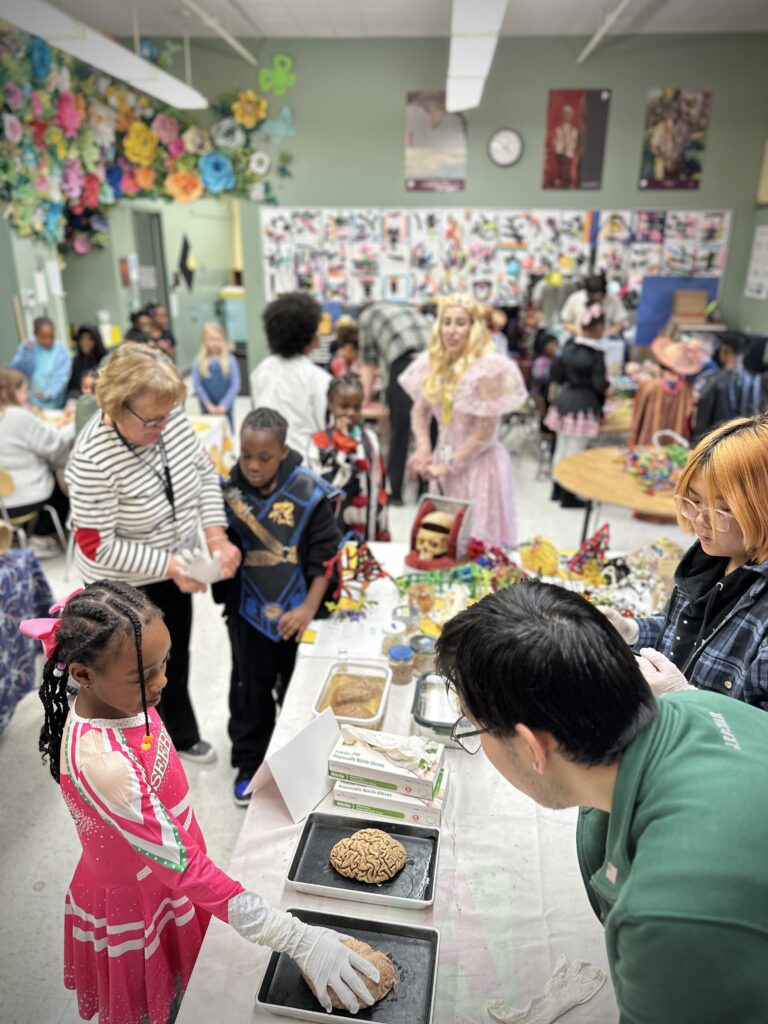
Volunteering with NW Noggin has better informed me about what public K-12 classrooms are like today. Noggin has taken me to many different schools, including MLK Elementary and Sunnyside Environmental School in the Portland, Oregon area; however, what really opened my eyes to the differences in school experience was the NW Noggin trip to rural Knappa and Astoria in Clatsop County.
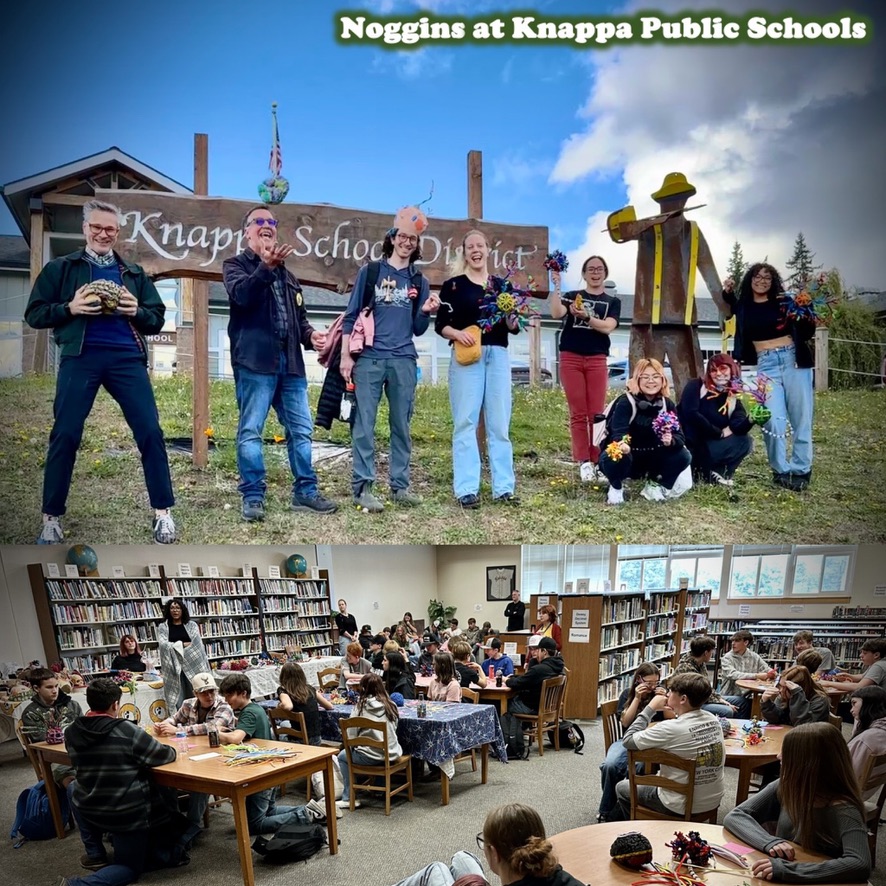
The difference in the quality and size of buildings, classrooms, class sizes, and how space is allocated between Knappa schools and Astoria schools was particularly noticeable to me. These infrastructural differences probably stem from the size, age and income of the electorate, voter turnout, and the general health of the state and national economy.
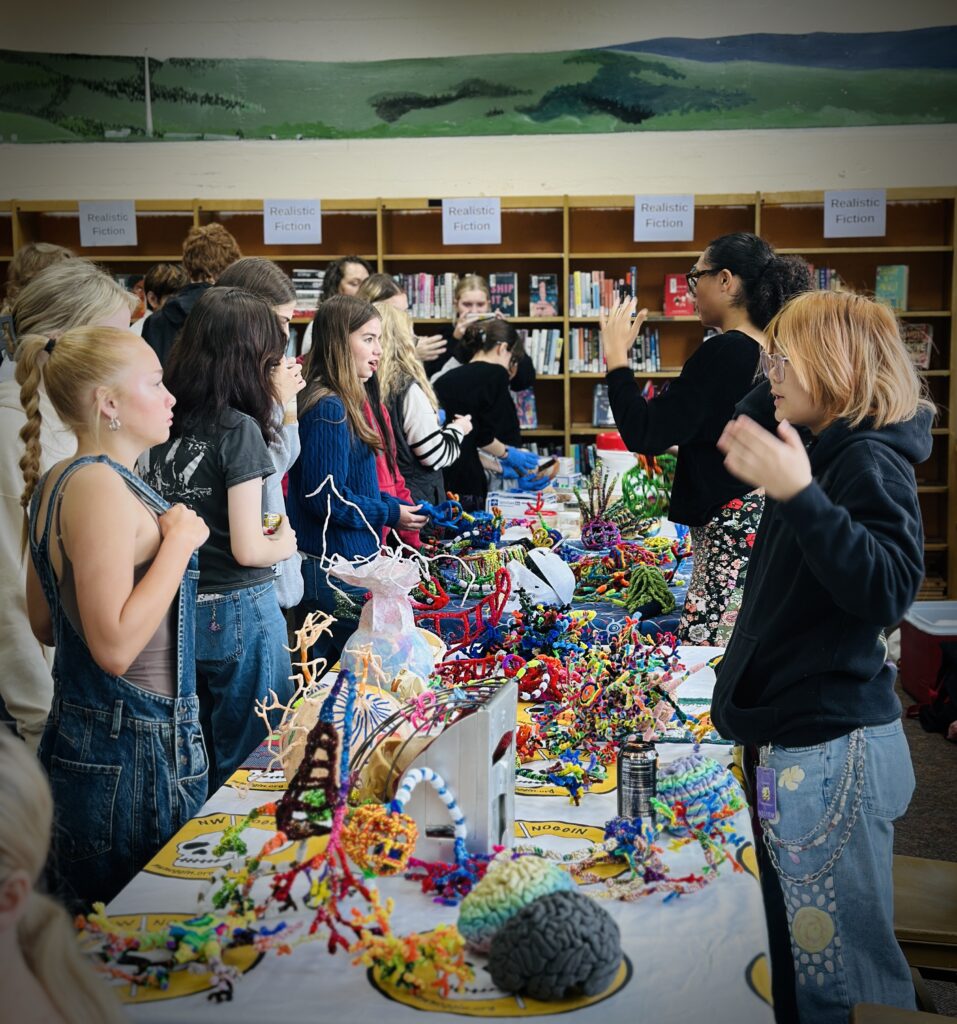
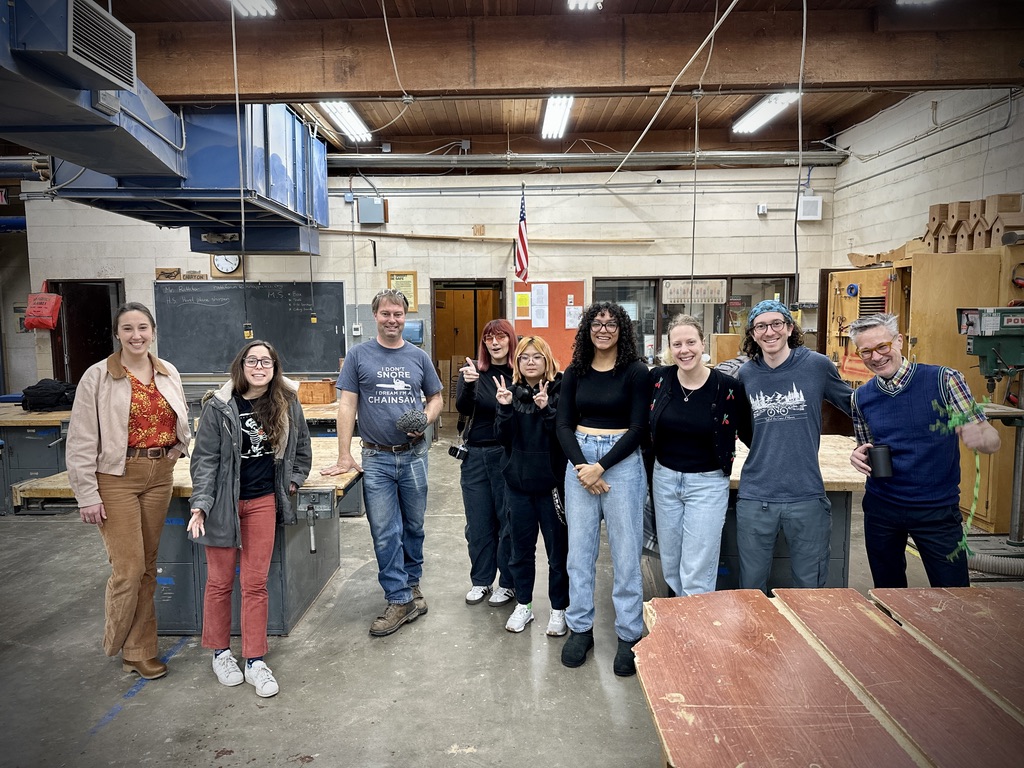
Astoria is a lot bigger than Knappa. Knappa schools had smaller class sizes. Knappa also had older buildings, while the Astoria middle and high schools had been renovated. I also noticed a difference in the spaces allocated for different kinds of learning, such as the impressive wood and metal shop at Knappa and Astoria’s fish hatchery on campus (which I didn’t get to see, but that’s okay).
LEARN MORE: Welded together
LEARN MORE: Noggins in ASTORIA!
LEARN MORE: Oregon’s under-resourced school districts continue to struggle to pass bonds
Letting knowledge serve
Being both hands-on and off-campus for academic purposes is quite uncommon in higher education. Being in the community informs you in ways that you just don’t experience in a classroom setting.
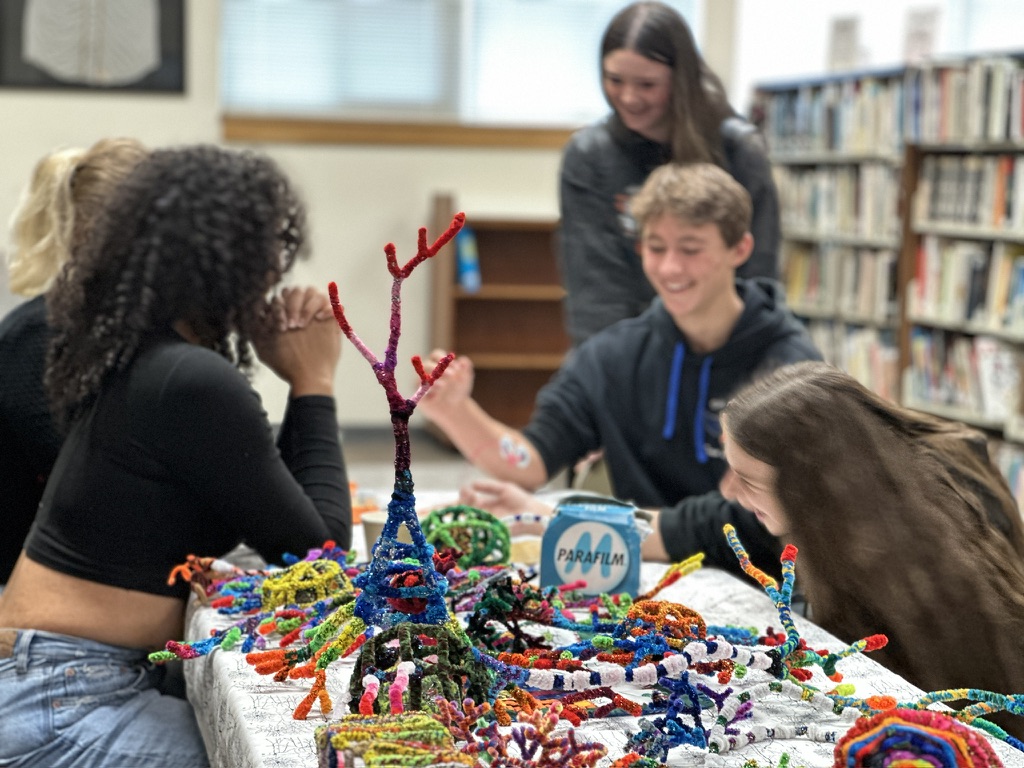
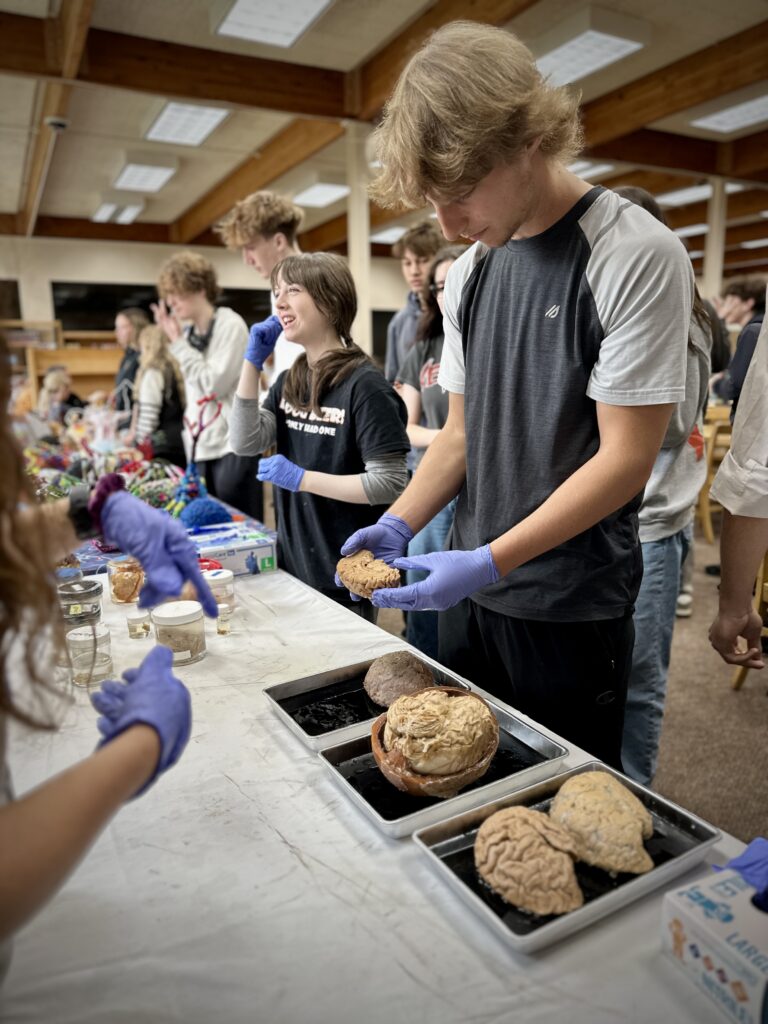
Taking the time to be with the kids, to talk with them, to answer their questions, and to explore the brain with art and specimens really changed how I act academically, professionally, and personally.
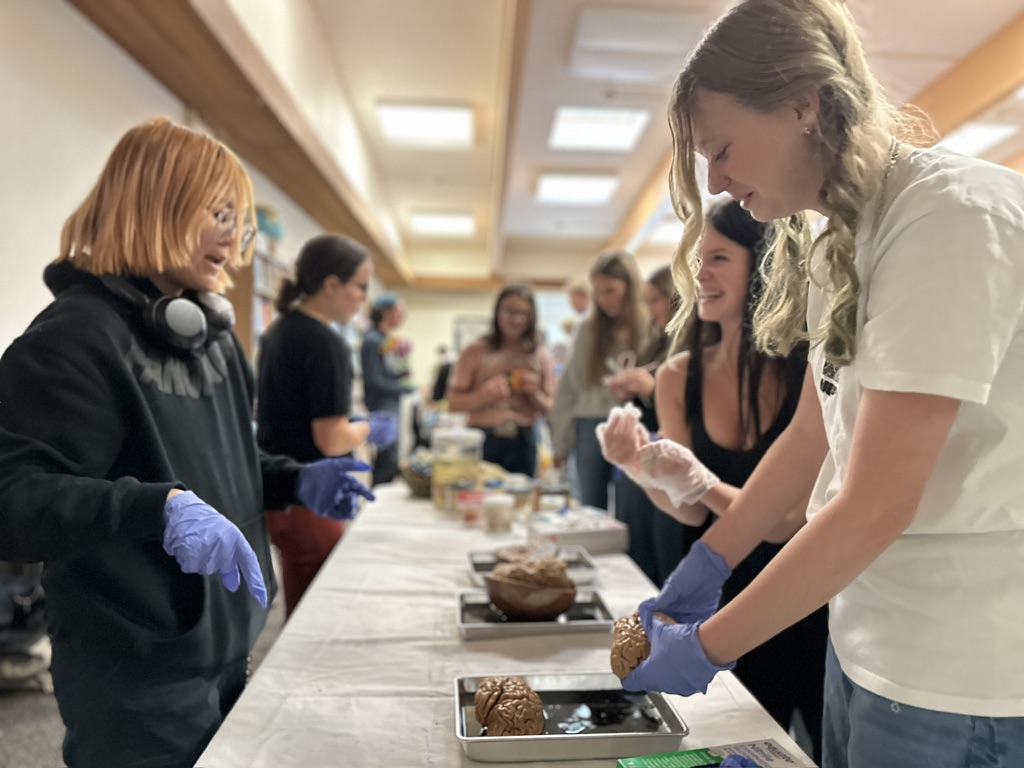
Portland State University prides itself on “letting knowledge serve.”
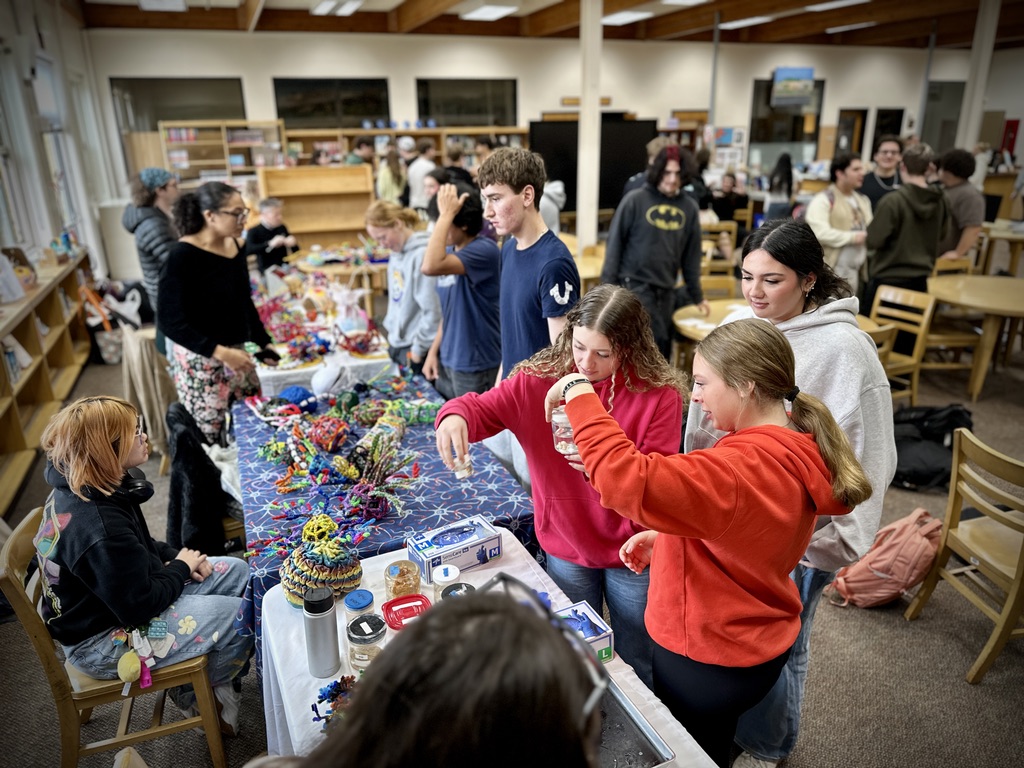
However, the majority of my classes at Portland State University didn’t make me engage with local communities for learning. The community-based learning (CBL) teaching method has been shown to be effective in developing teaching, communication and engagement skills, as students are able to synthesize classroom information during real-life community problem-solving.
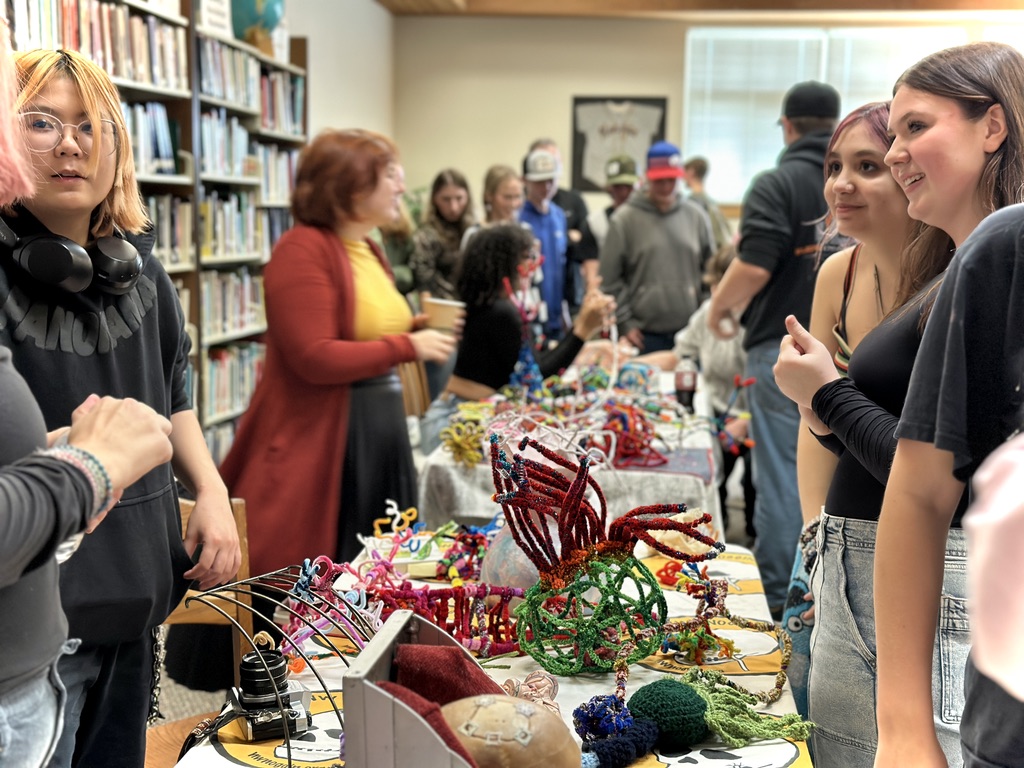
Through this CBL approach, students developed the necessary skills to effectively translate study findings into language that can be understood by non-scientists, skills retained long after completion of the course. However, this method is not commonly practiced in STEM classroom settings, which is a disservice to students and their long term learning.
LEARN MORE: Long-Term Learning Gains in Students Using Community Based Learning
Being able to speak with academic authority over children can be intimidating, scary, and overwhelming. But it’s also very valuable. I feel that there is not enough time given to students in public higher education to experience learning like this outside of the classroom.
During my time with NW Noggin, we sometimes had to cram to get students to each learning station. For example, during our afternoon at Astoria Middle School, we had only thirty minutes per large classroom, and couldn’t always get all of the students to learn about the brain effectively.
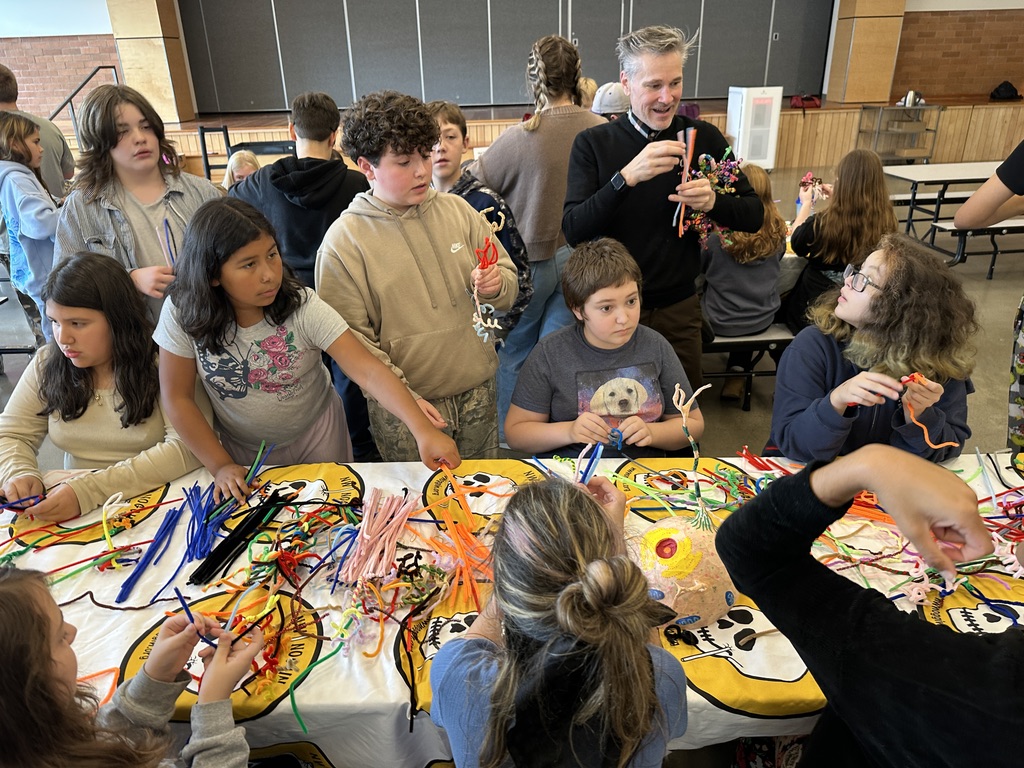
Teaching effectively is something that I think is really important, which is why…
I don’t want to become a Teacher
From the get-go, I dislike children, adolescents, and teenagers.
I am extremely biased and think that kids are prone to annoying me and stressing me out with their varied attitudes of sass and unpredictability. This is because children are still developing and learning things such as social boundaries and what is and isn’t okay. Usually by five years of age, they start building social skills in school, such as giving praise and apologizing for unintentional mistakes. Meanwhile, older children, aged nine to ten years old, start to gain more responsibility in chores and begin prioritizing friendships over family.
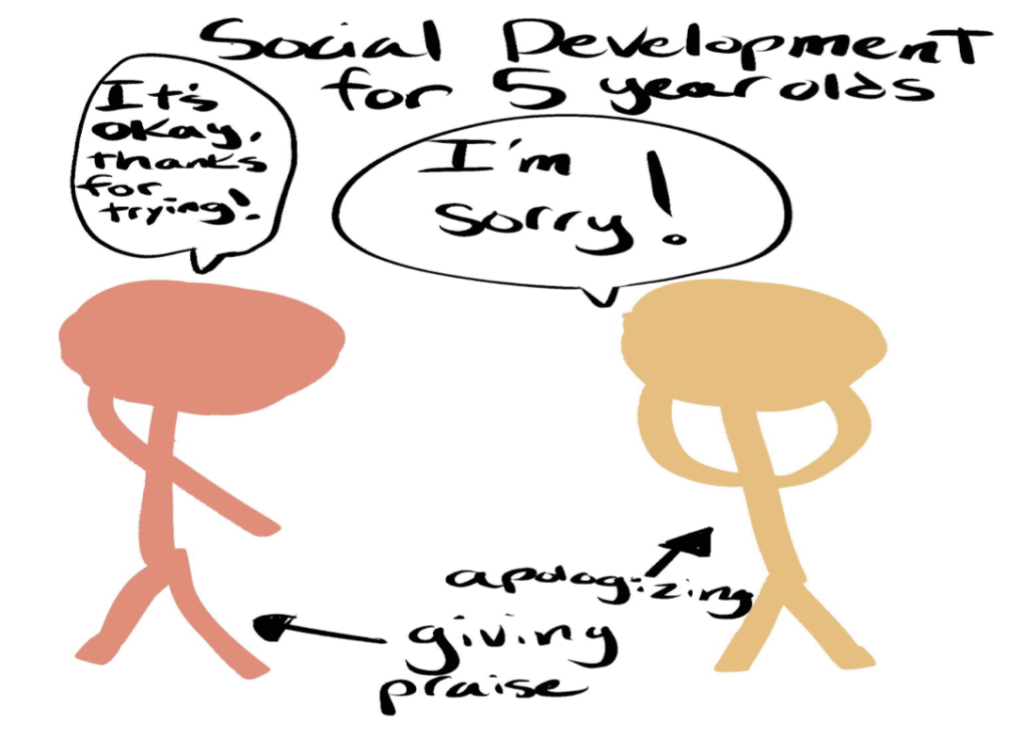
LEARN MORE: Developmental Stages of Social Emotional Development in Children
LEARN MORE: The Neurobiology of Childhood Structural Brain Development
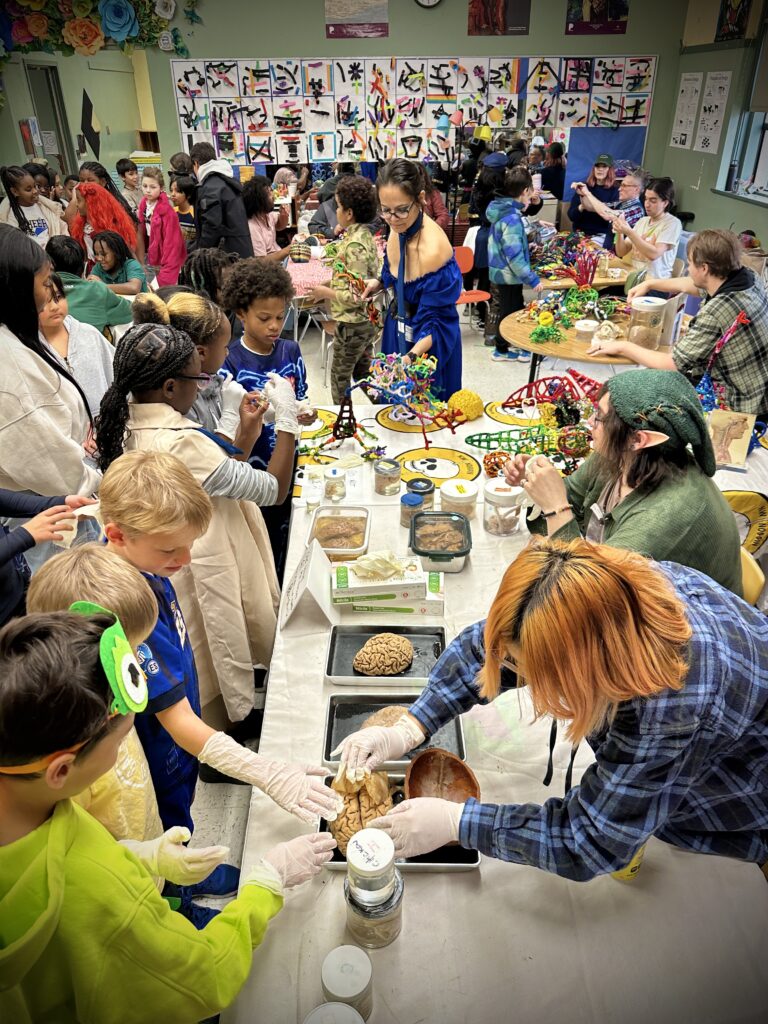
NW Noggin has definitely amplified these sentiments by surrounding me with LOTS of children and making me talk and interact with them. With lots of children comes lots of stimuli.
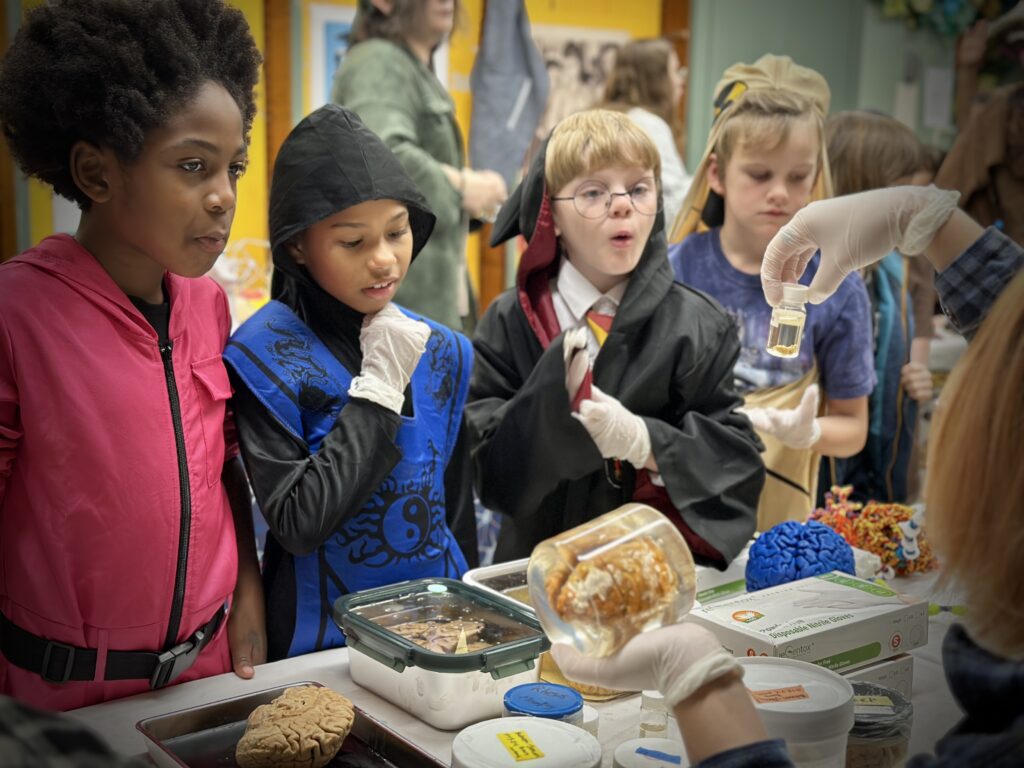
So much talking, sticky hands, whispers about the brain specimens smelling bad, fidgeting, and SO MANY undeveloped frontal lobe moments. Kids don’t always make very good decisions. One elementary school kid tried to open our sheep brain specimen, and I felt my soul leave my body as he unscrewed the jar. This kind of behavior stems from a still-developing frontal lobe, responsible for personality and decision-making – and inhibiting inappropriate social choices.
LEARN MORE: When Does the Prefrontal Cortex Fully Develop?
LEARN MORE: Frontal and motor cortex contributions to response inhibition
LEARN MORE: Inhibition of Action, Thought, and Emotion: A Selective Neurobiological Review
Maintaining random events like this as a teacher, with over 25+ kids? I would be the most overwhelmed, stressed out, emotionally drained, and overstimulated teacher if I ever tried.
LEARN MORE: OREGON CLASS SIZE REPORT FEBRUARY 2025
LEARN MORE: State of Oregon Class Size Report
There are some other aspects of being a teacher that I am not fond of, such as the working conditions of teaching as a profession. Time, workload, and inadequate staffing levels are conditions of the profession that need attention. Just 39% of teacher respondents in a survey agreed that the non-instructional time provided for teachers is sufficient, according to a report from the Oregon Statewide Educator Survey.
LEARN MORE: 2023 OREGON STATEWIDE EDUCATOR SURVEY
LEARN MORE: Oregon’s Teacher Workforce
Besides too little time, funding for teachers’ school supplies is also lacking. Teachers typically pay $500-$750 out of pocket for school supplies for their classes, which usually include items such as stationery, tissues, and even hand soap for the bathrooms. I personally would like to keep $500 of my own money for other expenses, such as groceries and anime girl figurines, which have been affected by inflation, just like school supply costs.
LEARN MORE: Why Are Educators Still Buying Their Own School Supplies?
LEARN MORE: Most Teachers Spend Their Own Money on School Supplies. Should They?
LEARN MORE: Teachers Are Spending More and More on School Supplies. Here’s Why.
LEARN MORE: Why Scale Figure Prices Have Doubled Over the Last Six Years?
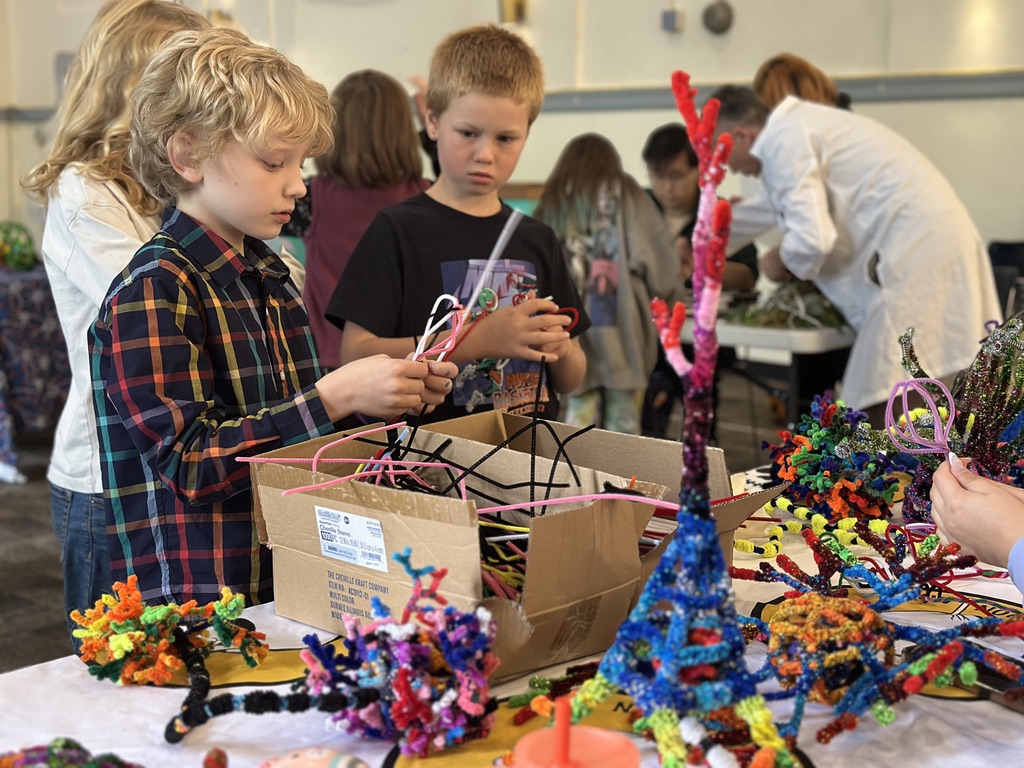
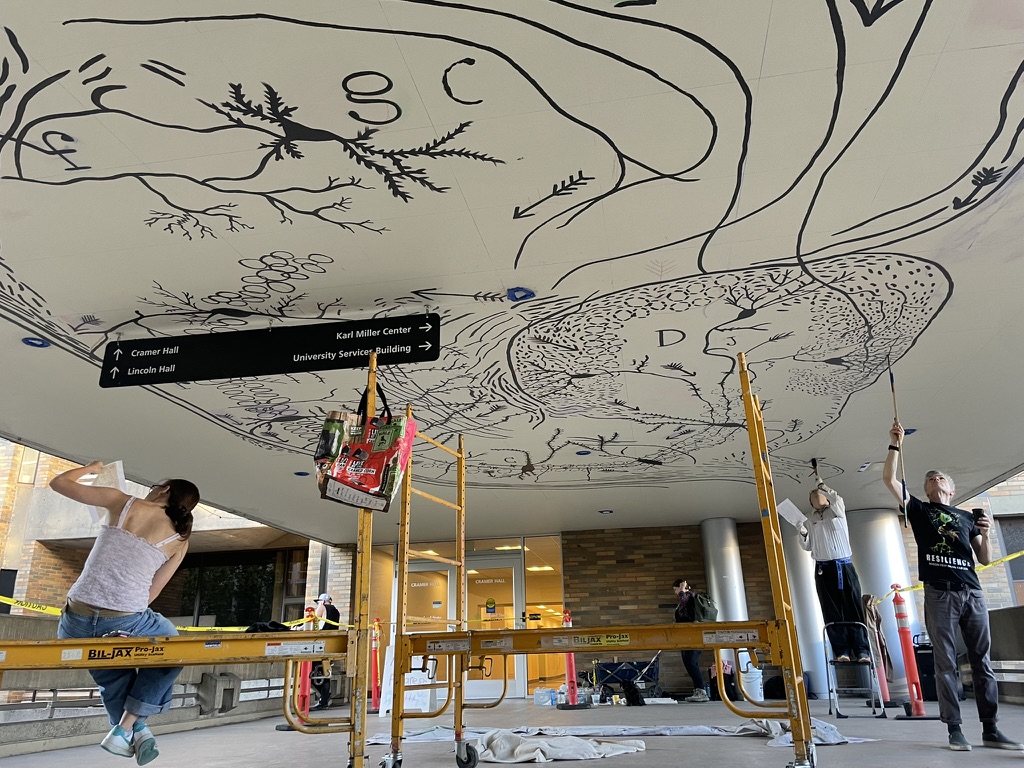
After speaking with Bill Griesar and Jeff Leake during the NW Noggin trip in Astoria about some struggles with funding community educational projects, such as the new hippocampus mural at Portland State University, it became clear that many large institutions can be stingy and poorly organized in their approach to funding genuine public education. Personally, I am donating pipe cleaners to NW Noggin because any effort to reduce costs helps the entirely volunteer-driven NW Noggin move forward.
LEARN MORE: Placemaking @ Portland State
LEARN MORE: Identifying systemic inequity in higher education and opportunities for improvement
STEM Programs and STEM Mentorship
Something I’ve noticed about STEM programs and outreach in public schools is scarcity.
There is always a need for additional funding, materials, and a shortage of personnel to support organizational efforts. This scarcity sucks! I’m a former FIRST Robotics kiddo, and attending competitions was one of the most enjoyable experiences I had during my short time in high school.
LEARN MORE: Visualizing Inequities: A Step Toward Equitable Student Outcomes
I use to hate the classroom setting.
Learning outside of the classroom and developing a love for learning outside the classroom are truly life-changing experiences for young people and help them learn so much more effectively. This is true for me as a volunteer with NW Noggin. Without Noggin, I wouldn’t have met such wonderful people and had such an amazing time learning about neuroscience.
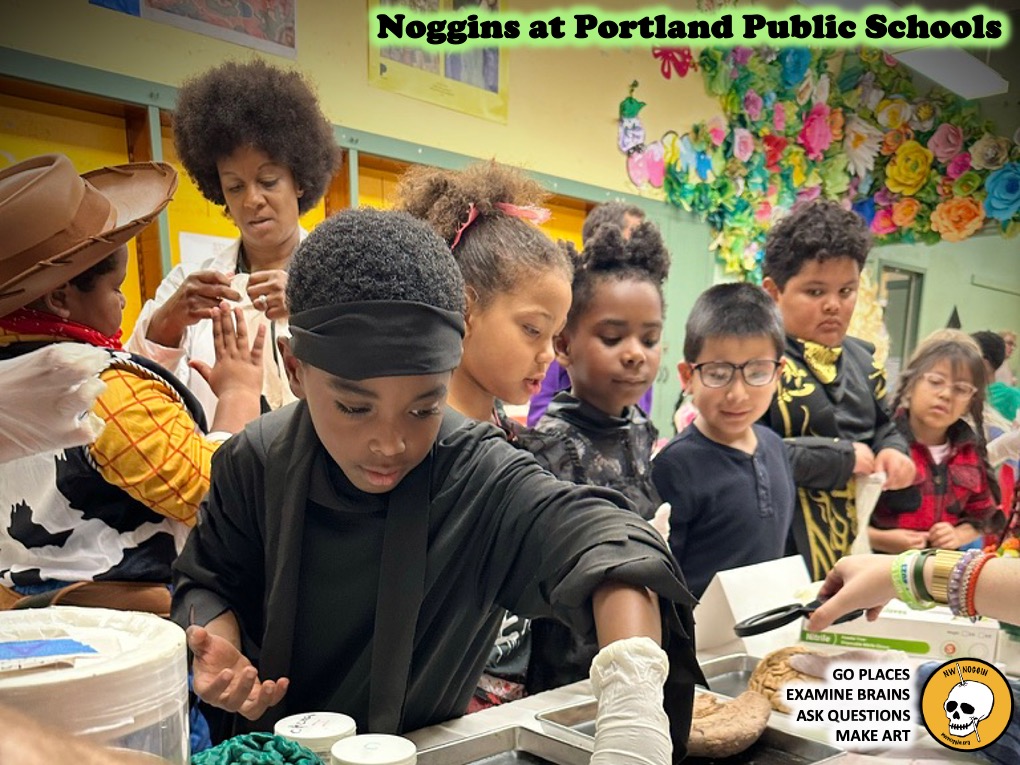
This scarcity in funding for these programs means significantly less funding for STEM mentorship for children. As a former participant in STEM programs, such as FIRST Robotics (Go Stormbots!), mentors were a huge part of my development, not just academically, but professionally.
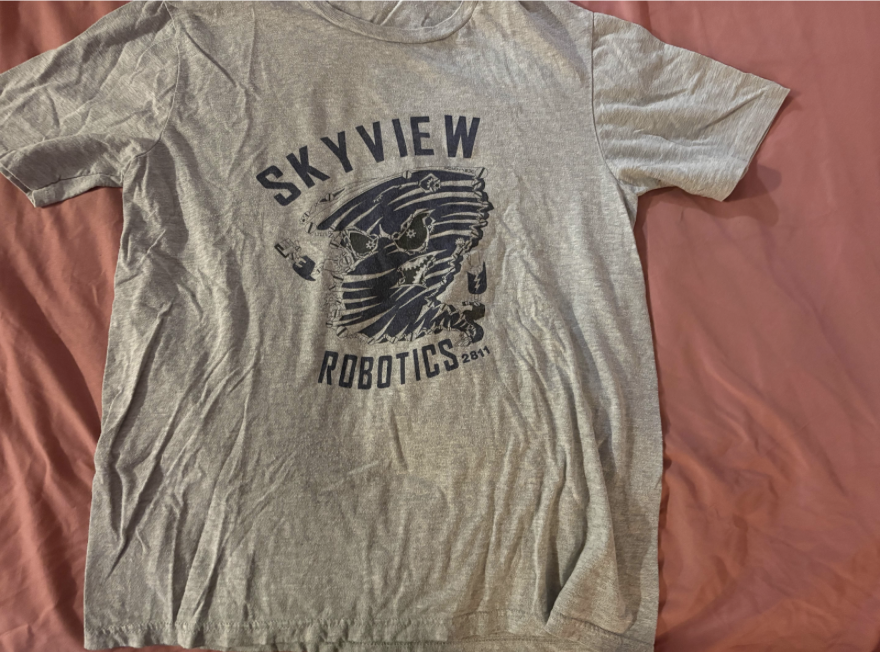
My personal experience as a STEM mentor brings me back to Astoria High School, where I saw a kid wearing a Riverbots Robotics team hoodie. It just so happened that I had judged their team for the FIRST Clackamas 2025 competition, and she recognized my voice. She kept telling me how smart I was and how she wanted to be as smart as I was. I kept telling her she definitely could (despite all the flattery).
LEARN MORE: FIRST Robotics Competition
LEARN MORE: Skyview Stormbots
LEARN MORE: Astoria Riverbots
Where’s the brain in public education?
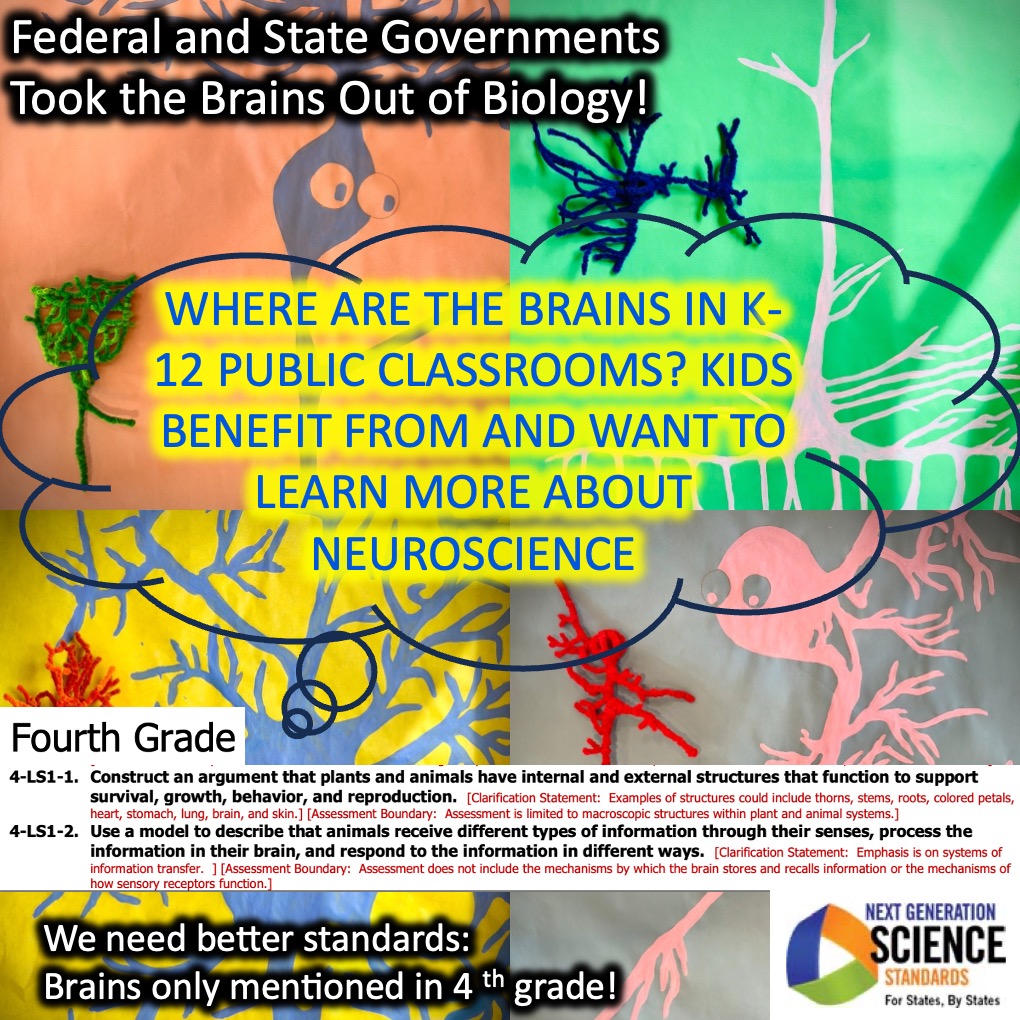
Neuroscience education in Oregon’s public schools can be described as lacking.
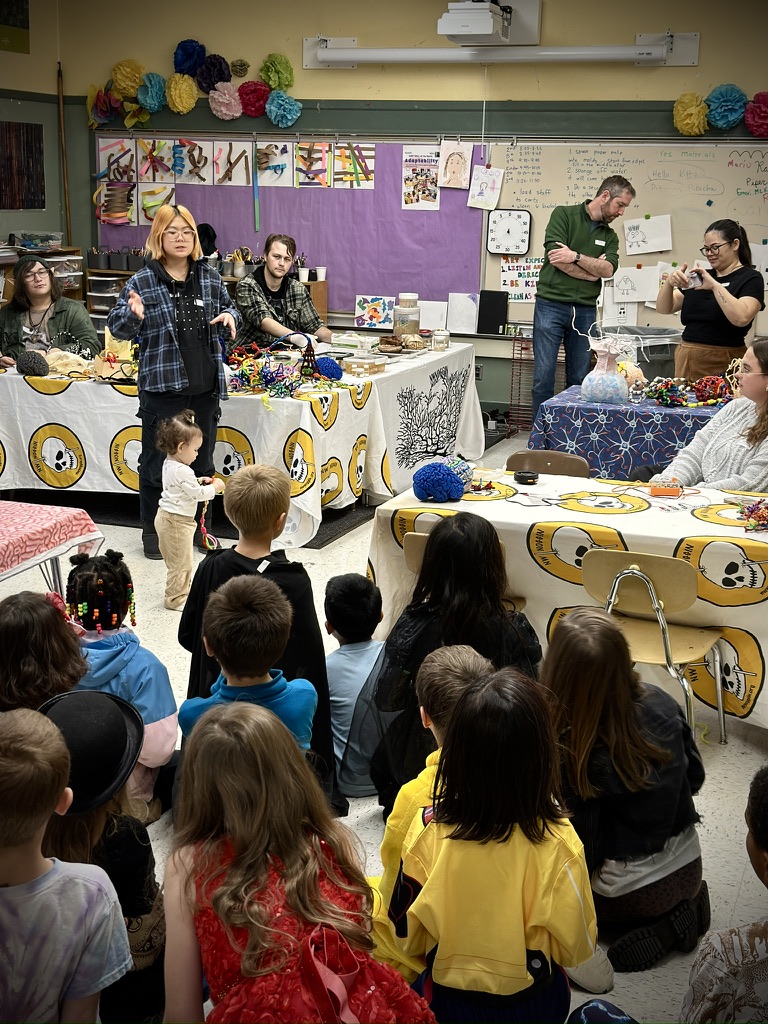
There are only two modules about the brain for middle schoolers (grades 3 – 5) in both state and federal Next Generation Science Standards. This is interesting to me because the brain is what makes us, us! This is a disservice to youth because there is so much potential in brain research and questions.
LEARN MORE: Read the Standards
LEARN MORE: It’s Not Me, It’s My Amygdala!
LEARN MORE: Putting brains back in biology
In higher education, outreach opportunities often present themselves as study abroad programs. Many study abroad programs are out of the price range of most students. I’ve never done a study abroad; the closest intercultural, interdisciplinary, community based thing I’ve done is volunteering at NW Noggin.
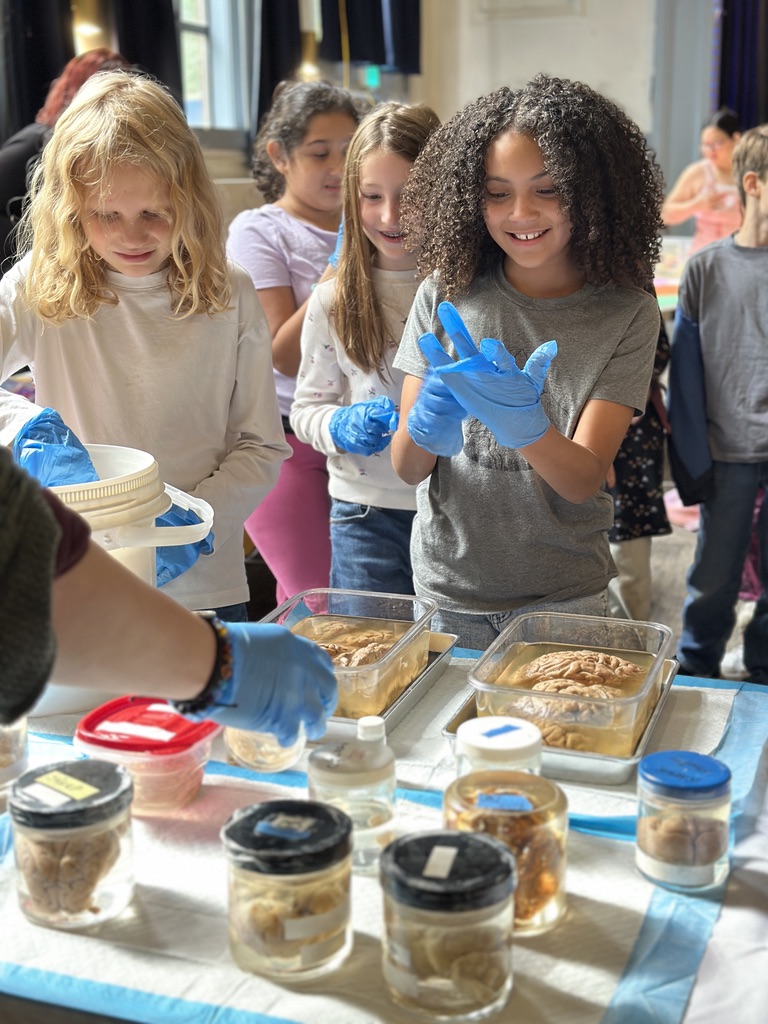
NW Noggin is the only outreach experience for credit I’ve ever had during my entire time at Portland State University. This is the only time I’ve been taken out of the classroom for learning in higher education, and it has been AWESOME!
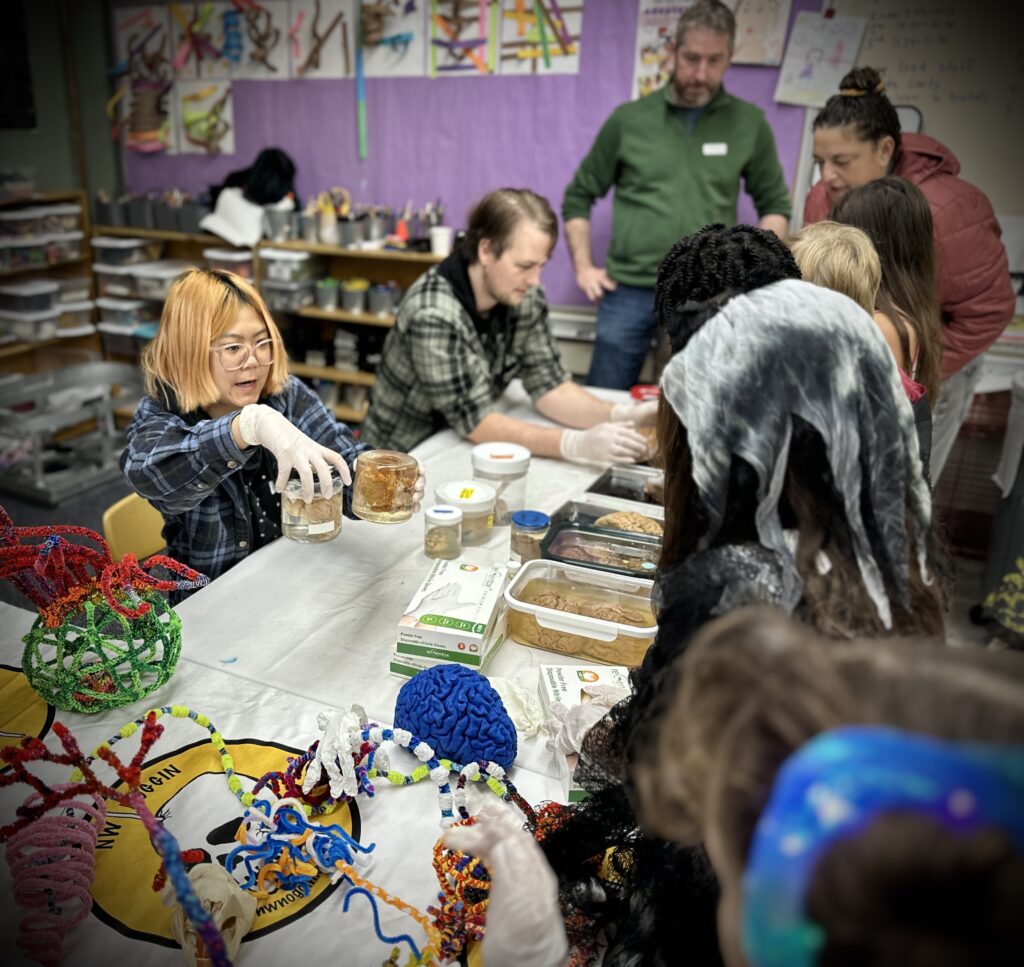
NW Noggin, which is entirely volunteer, has taught me a lot about neuroscience education. It has taught me that procuring funding and materials through organizations is tedious and arduous for outreach.
MY Future Career Prospects and Education Policy
As I mentioned earlier, after taking a gap year following my graduation from PSU, I plan to enroll in a master’s program in Public Policy. The policies I aim to implement will focus on improving people’s lives, and I intend to prioritize DEI-focused initiatives. Some policy work that has inspired me is that of APANO (Asian Pacific American Network of Oregon) and their efforts to implement ethnic studies into the Portland Public School curriculum.
LEARN MORE: Diversity, equity, and inclusion in a polarized world
LEARN MORE: Increasing Diversity, Equity, and Inclusion in Health and Health Services Research
LEARN MORE: WE WON! ALLY wins Ethnic Studies at Portland Public Schools!
With this in mind, here are some things I would like to implement or further promote in education policy to improve the teaching profession.
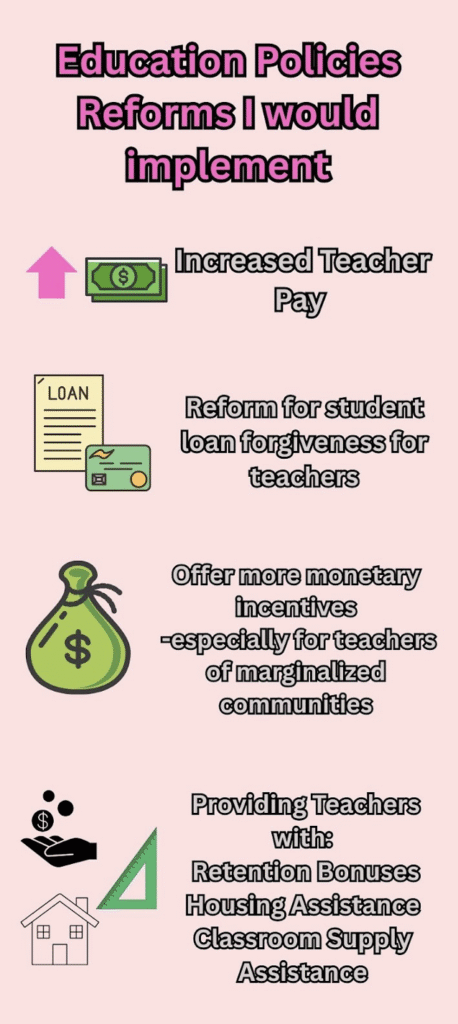
I would encourage policies that increase teacher pay, which differs from state to state. I would also support reform for student loan forgiveness for teachers, to provide additional support for educators and offer more monetary incentives, especially for teachers in more marginalized communities. I also believe that we should support our teachers by providing them with retention bonuses, housing assistance, and classroom supply assistance.
I would also support federal legislative efforts such as the American Teacher Act and the Teacher Health and Wellness Act, which are aimed at improving teachers’ work and life conditions.
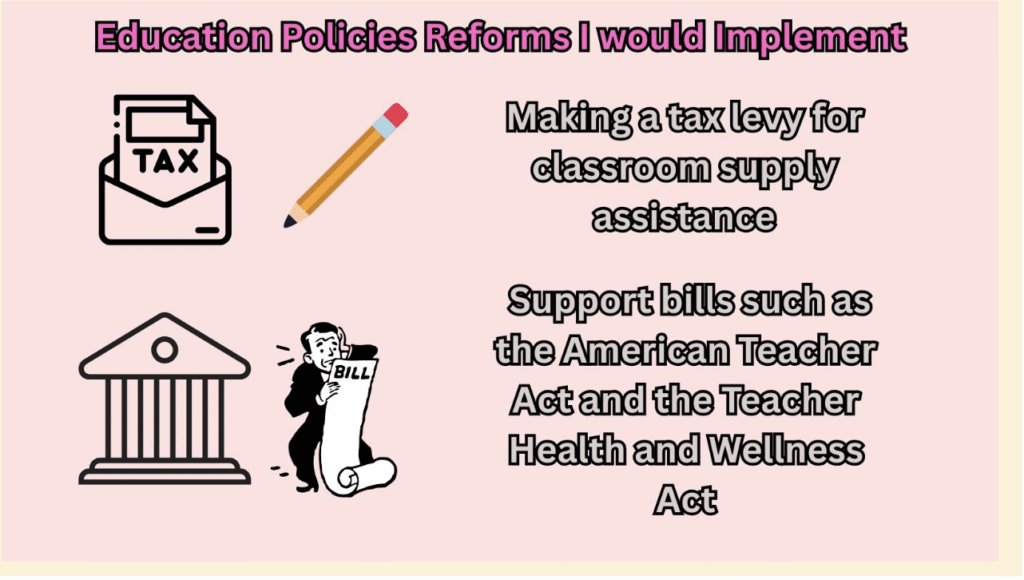
LEARN MORE: H.R.882 – American Teacher Act.
LEARN MORE: H.R.3727 – Teacher Health and Wellness Act.
LEARN MORE: Teachers Are Among Most Educated, Yet Their Pay Lags
LEARN MORE: Larger Pay Increases and Adequate Benefits Could Improve Teacher Retention
LEARN MORE: With rising rents, some school districts are trying to find teachers affordable housing
So…maybe I would become a teacher?
If all these policies were implemented, perhaps I would consider becoming a teacher.
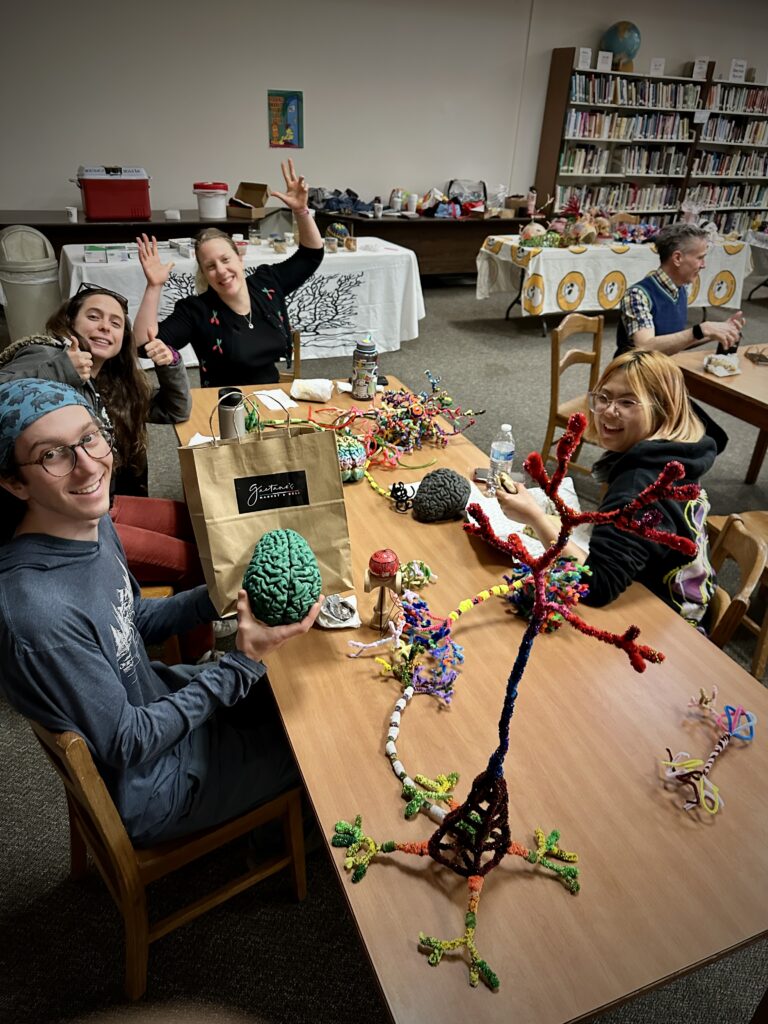
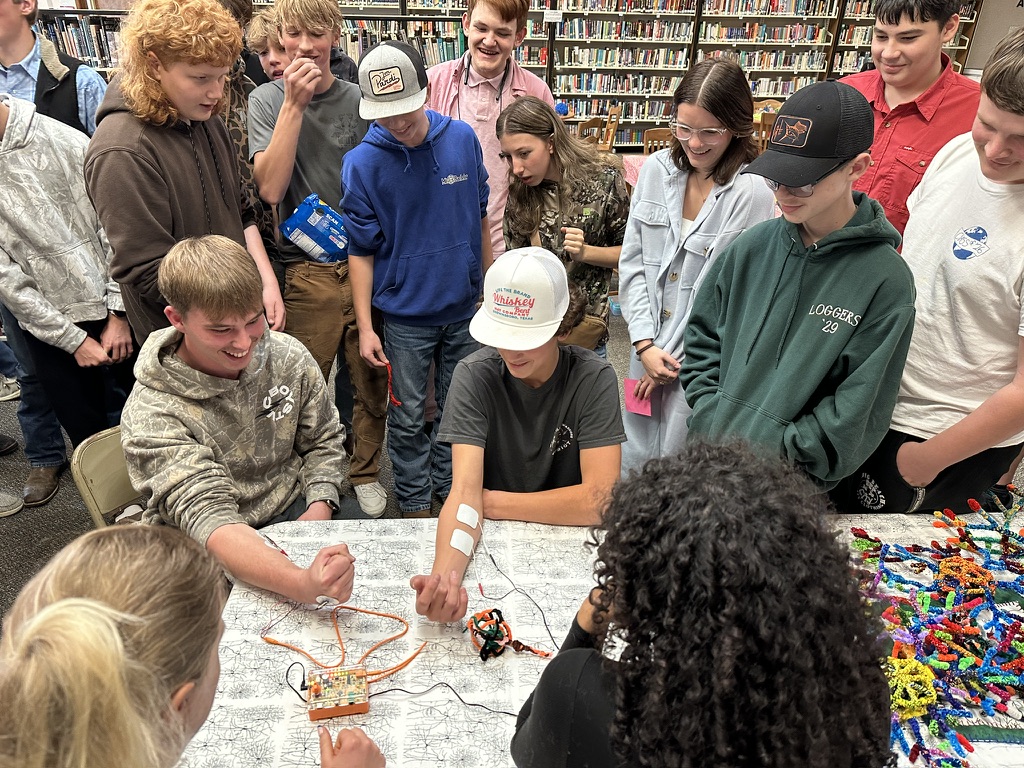
I am passionate about the brain, and teaching kids through outreach has really emphasized my love and passion for it. Invigorating youth with neuroscience knowledge and curiosity inspires hope within me and for the future of neuroscience. However, if the working conditions of teaching as a profession do not undergo reform soon, my potential to become a teacher will lessen. As an aspiring future policymaker, I hope to make teaching a sustainable profession.