STAY TUNED: We’ll return to Chile for another art and neuroscience program in June and July of 2027 (~15 students max)! Participation meets the outreach requirement for the Interdisciplinary Neuroscience minor at Portland State University.
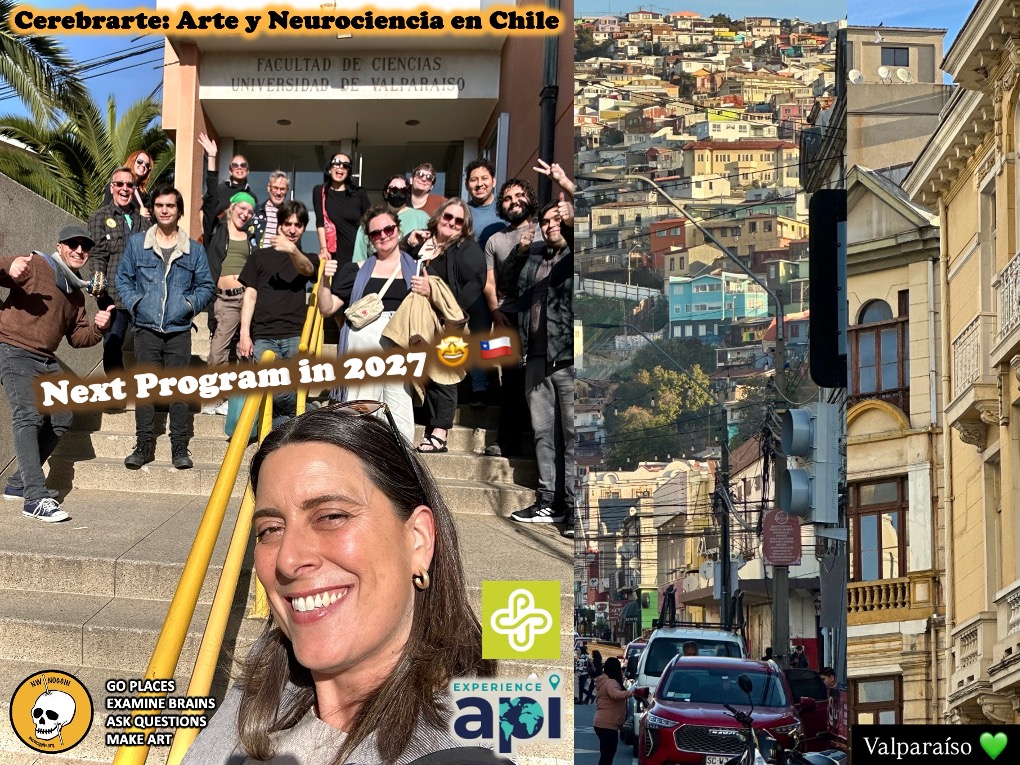
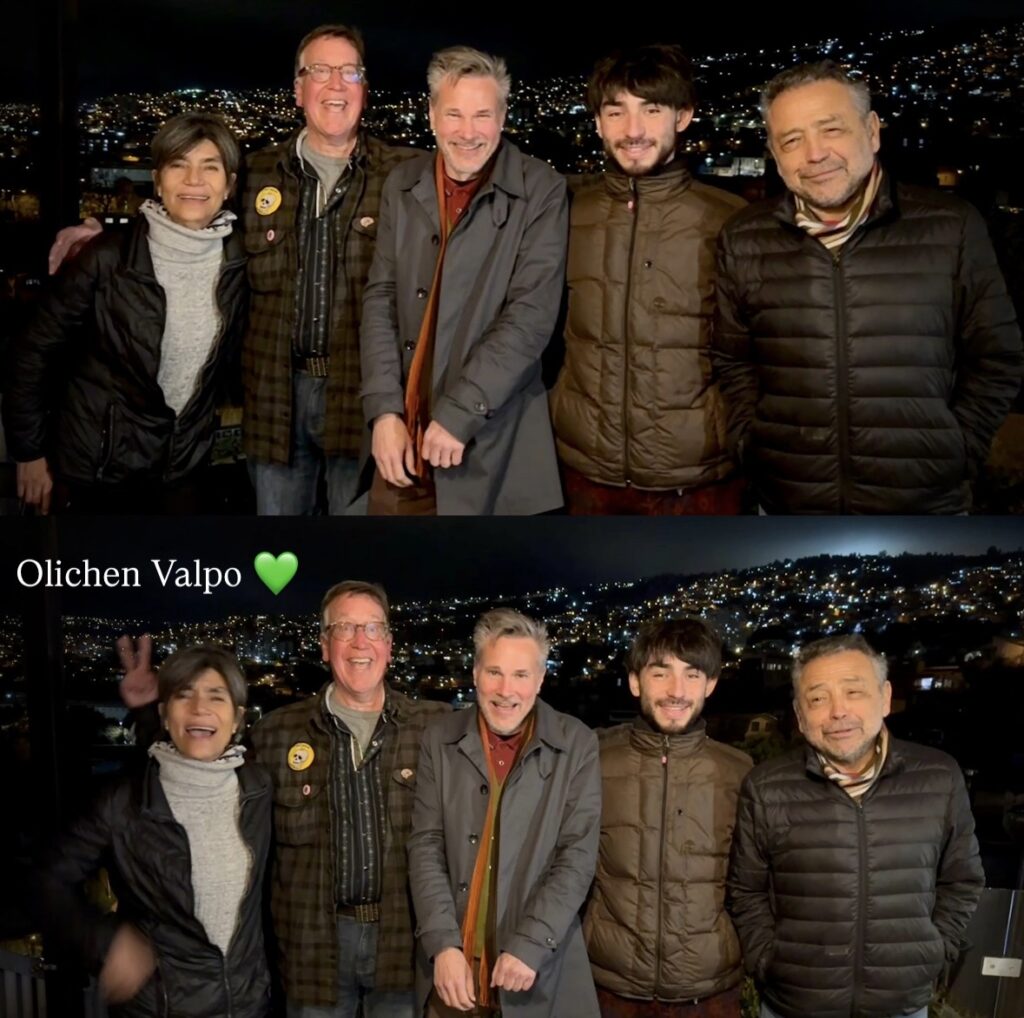
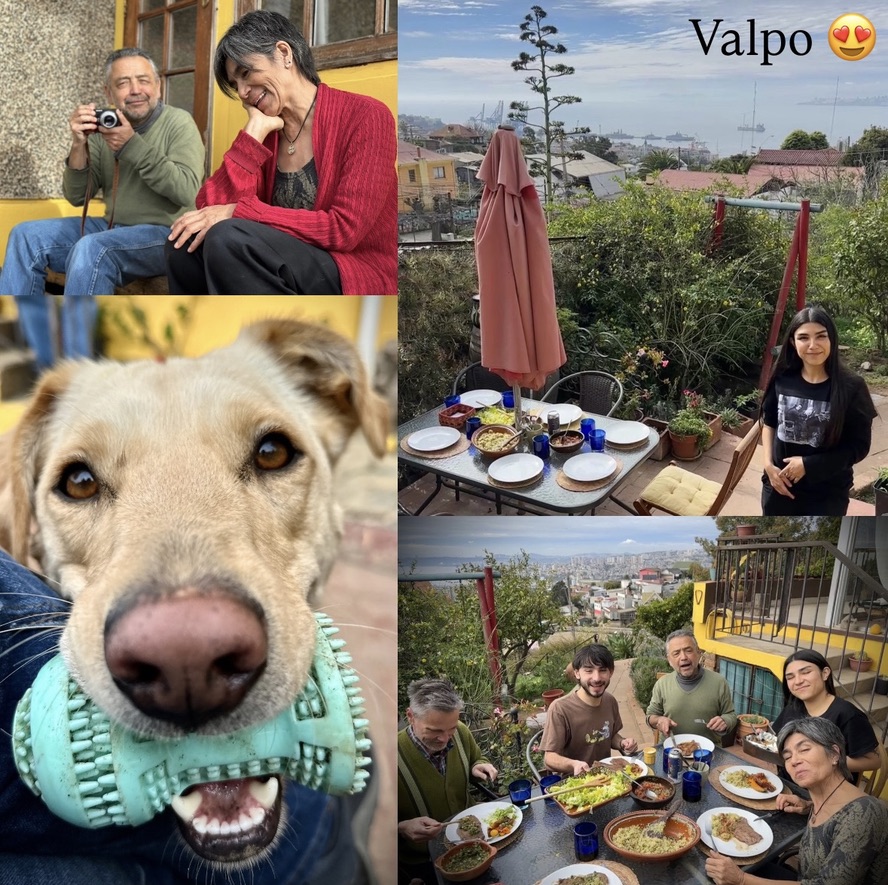
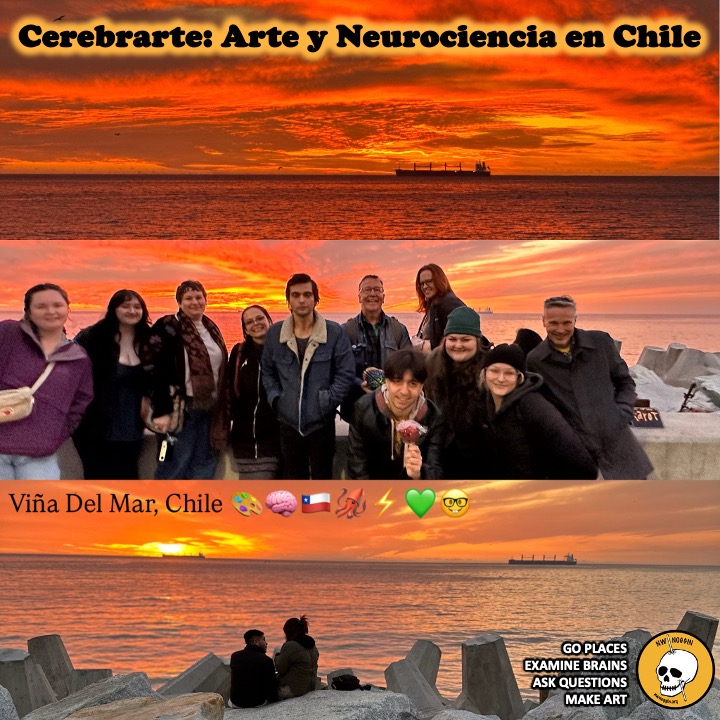
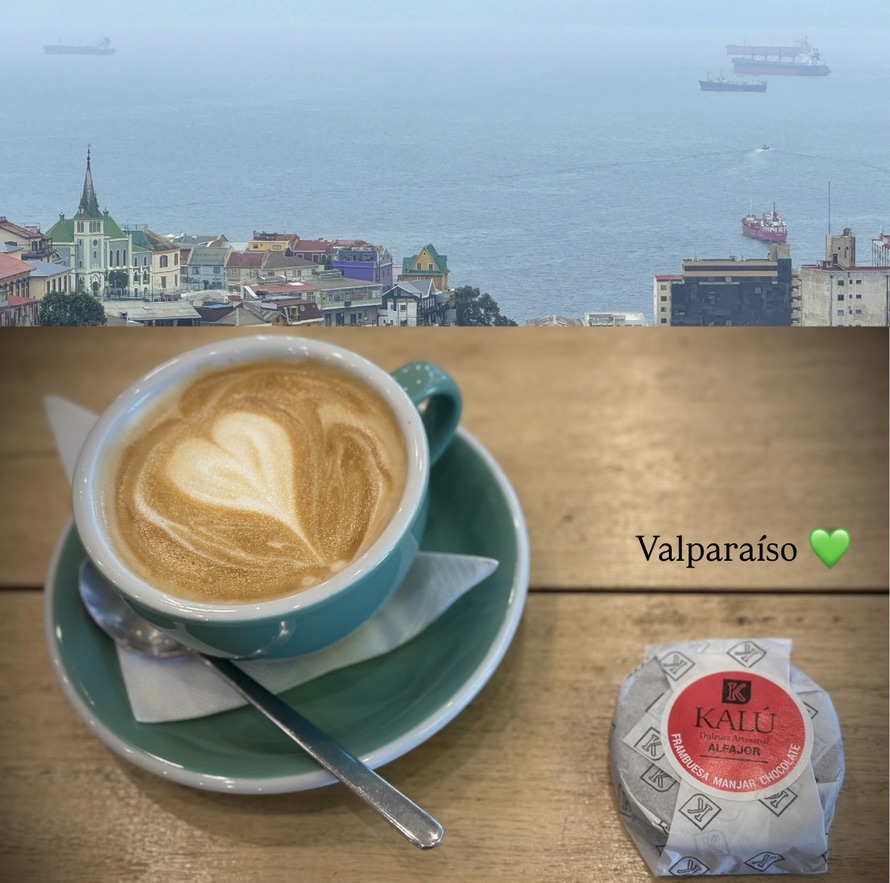
In 2025 we returned south, as weones del norte, to the gorgeous, compelling, art and brain research hub of Chile. Cerebrarte, our collaborative program with Portland State University and Academic Programs International, was on again in Valparaíso and Viña del Mar!
LEARN MORE: Las neuronas son bacánes!
LEARN MORE: Arte y Cerebros en Chile
LEARN MORE: Arts and Brains in Chile
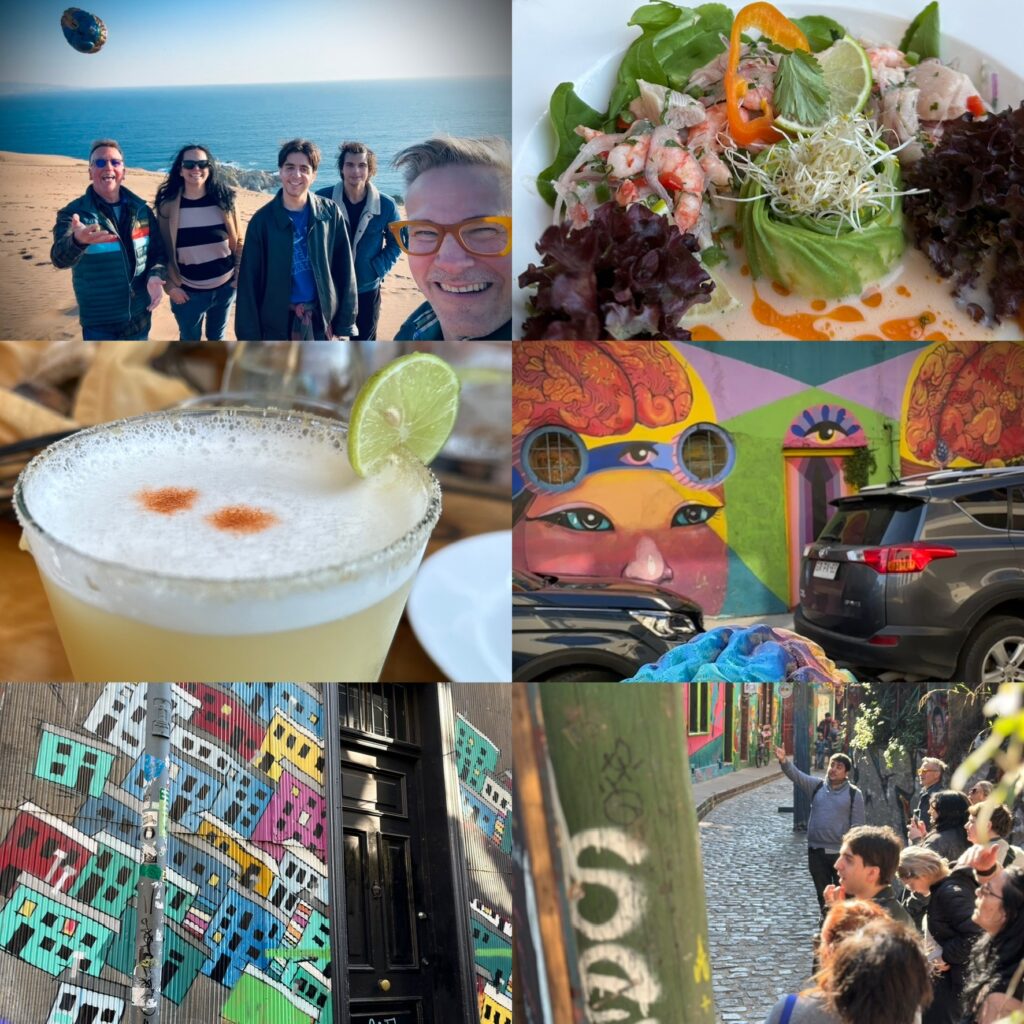
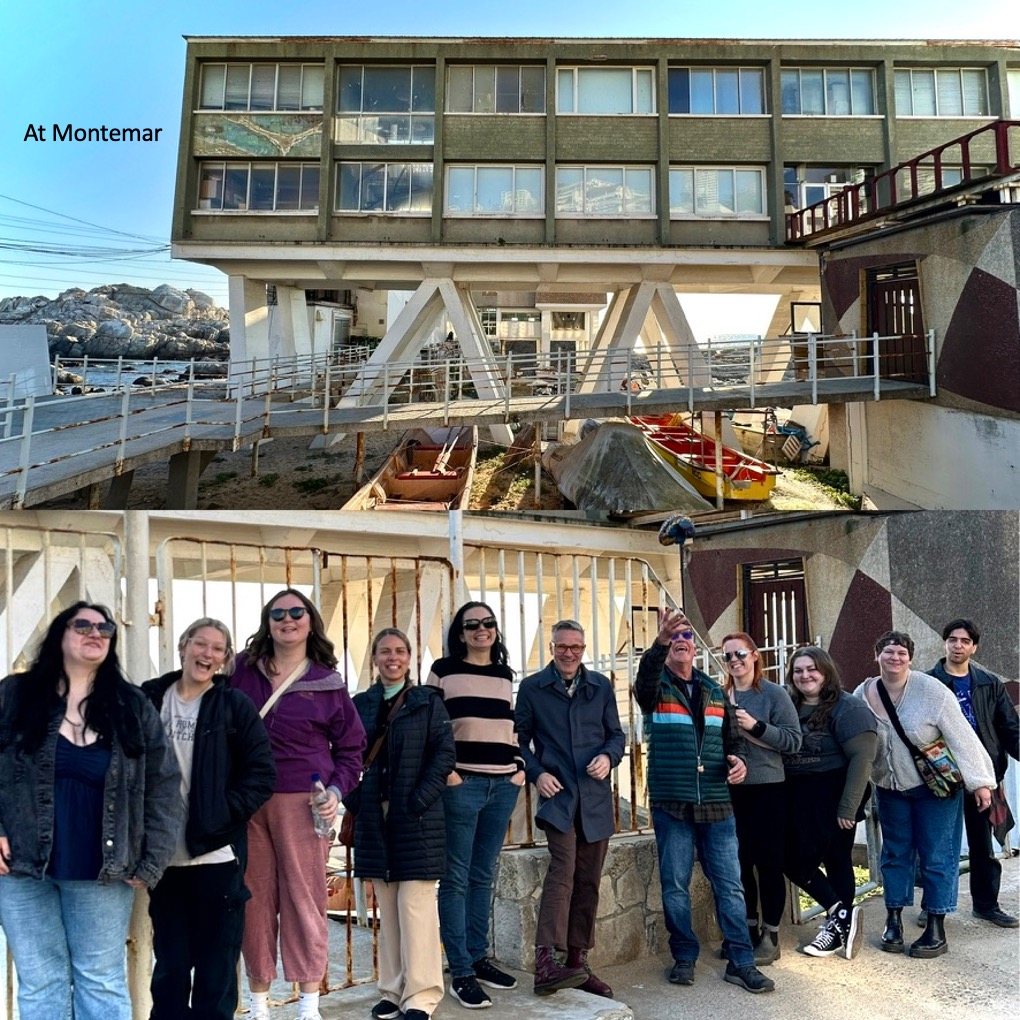
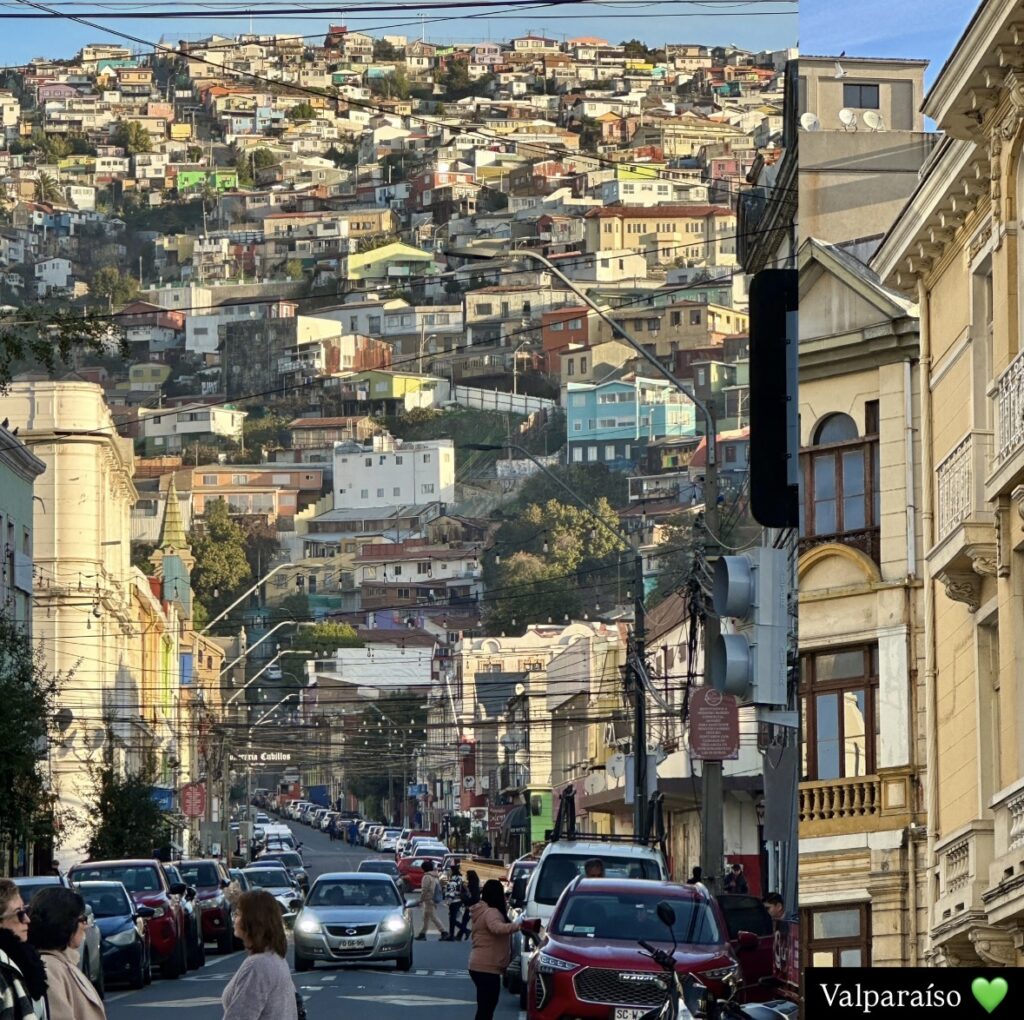
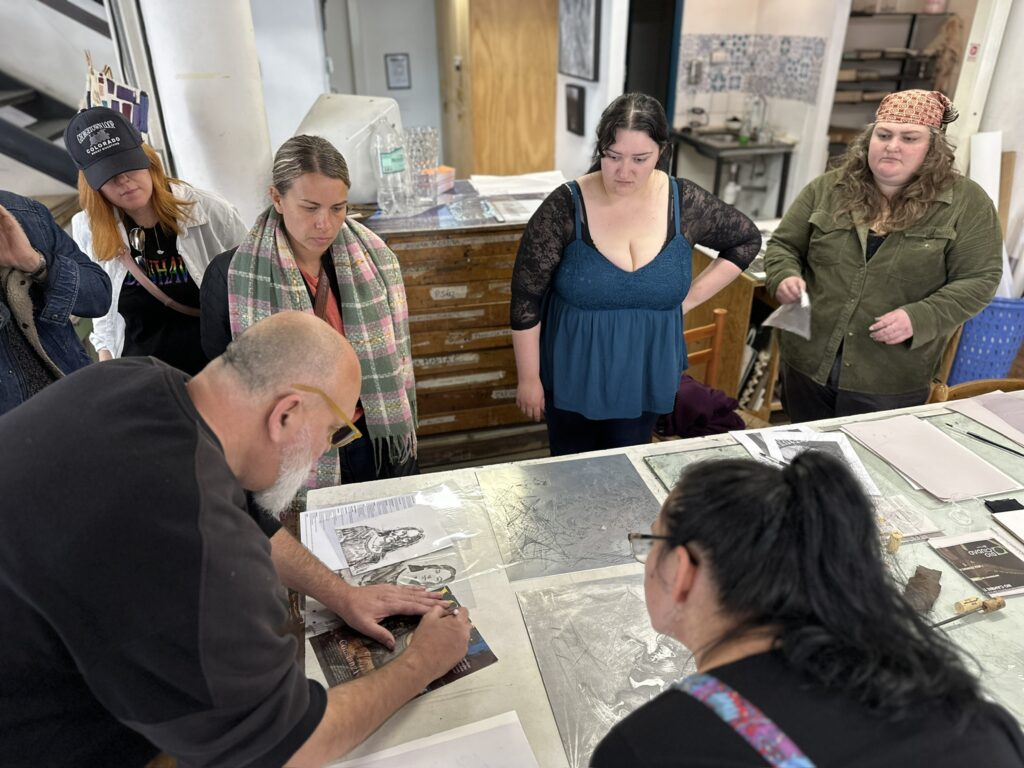
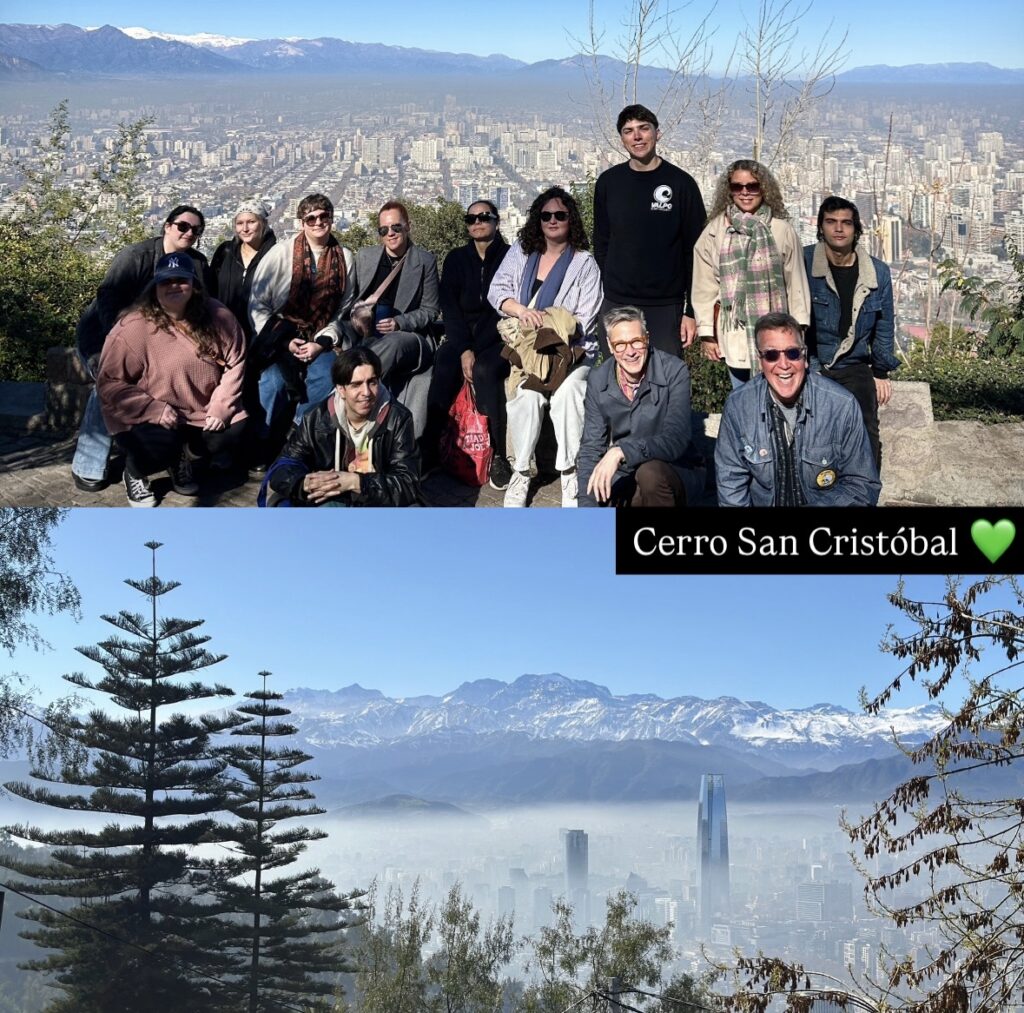
We hiked the stunning cerros, rode century old acensores, visited active research laboratories, explored art galleries and museums, created engravings and arpilleras, spent weekends in bustling Santiago, and strolled along the Pacific, watching sea lions lounge, dolphins leap and pelicans soar.
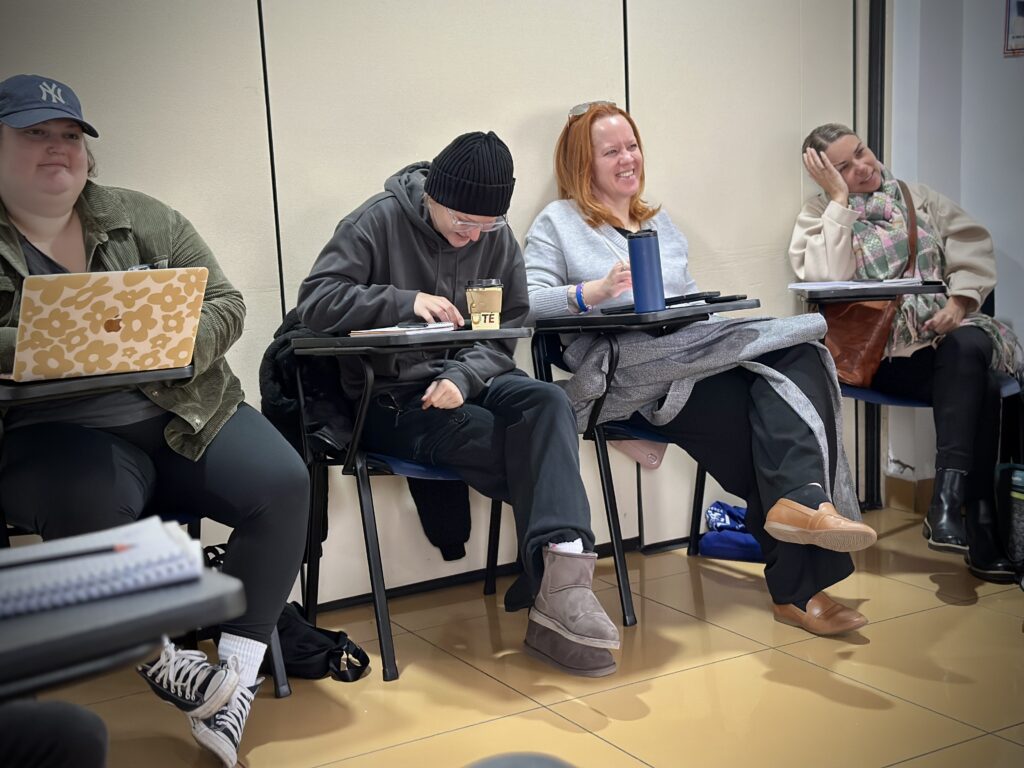
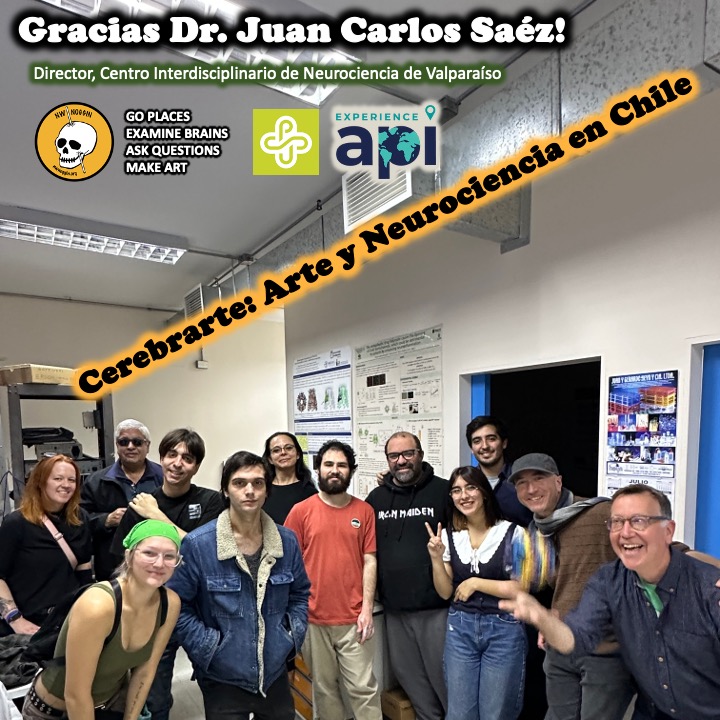
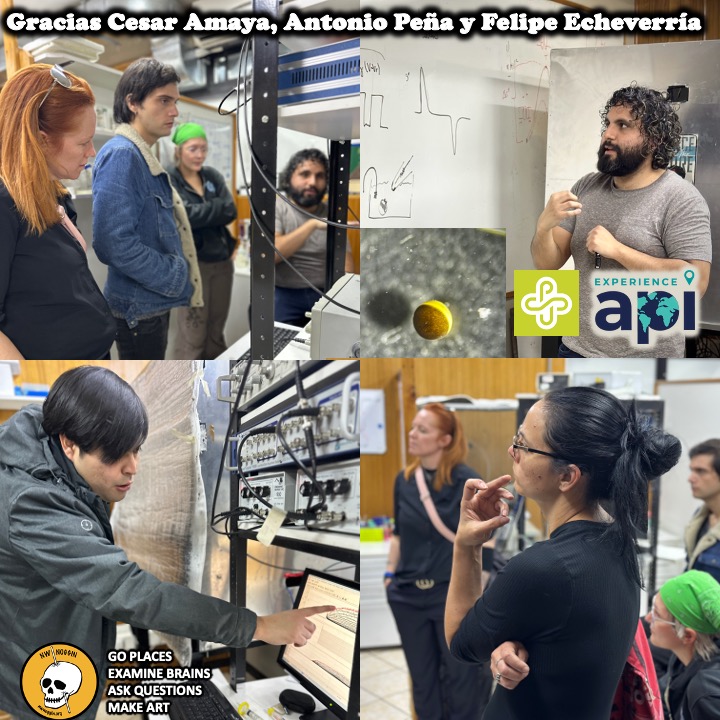
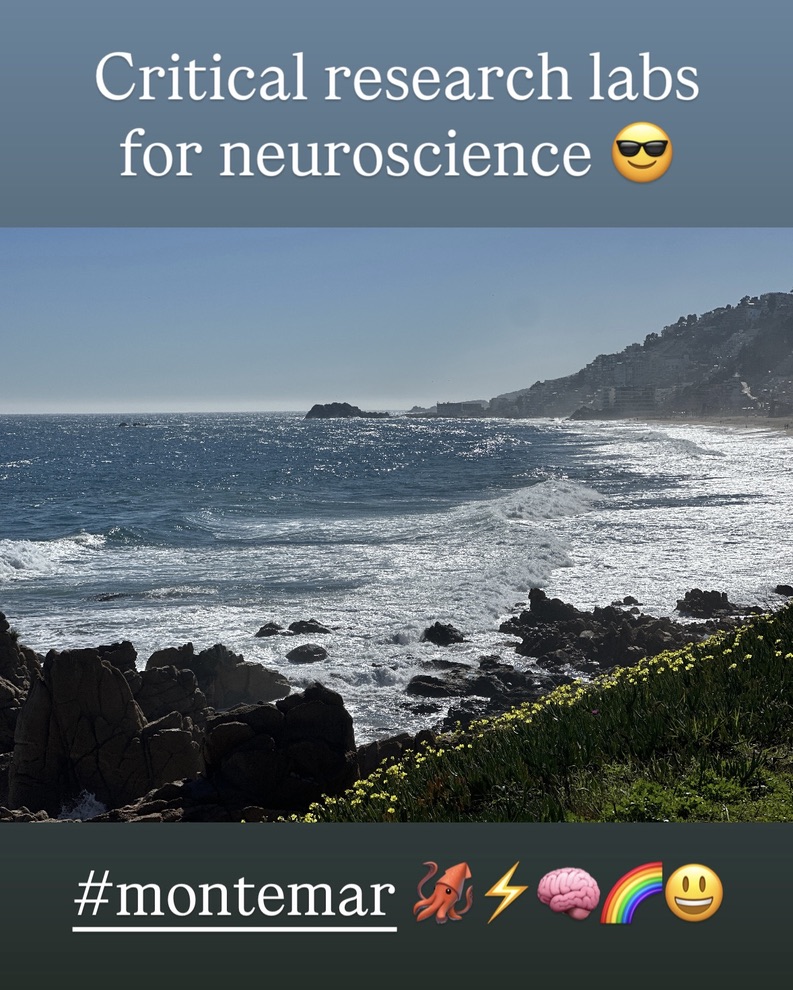
Studying the brain through research and art
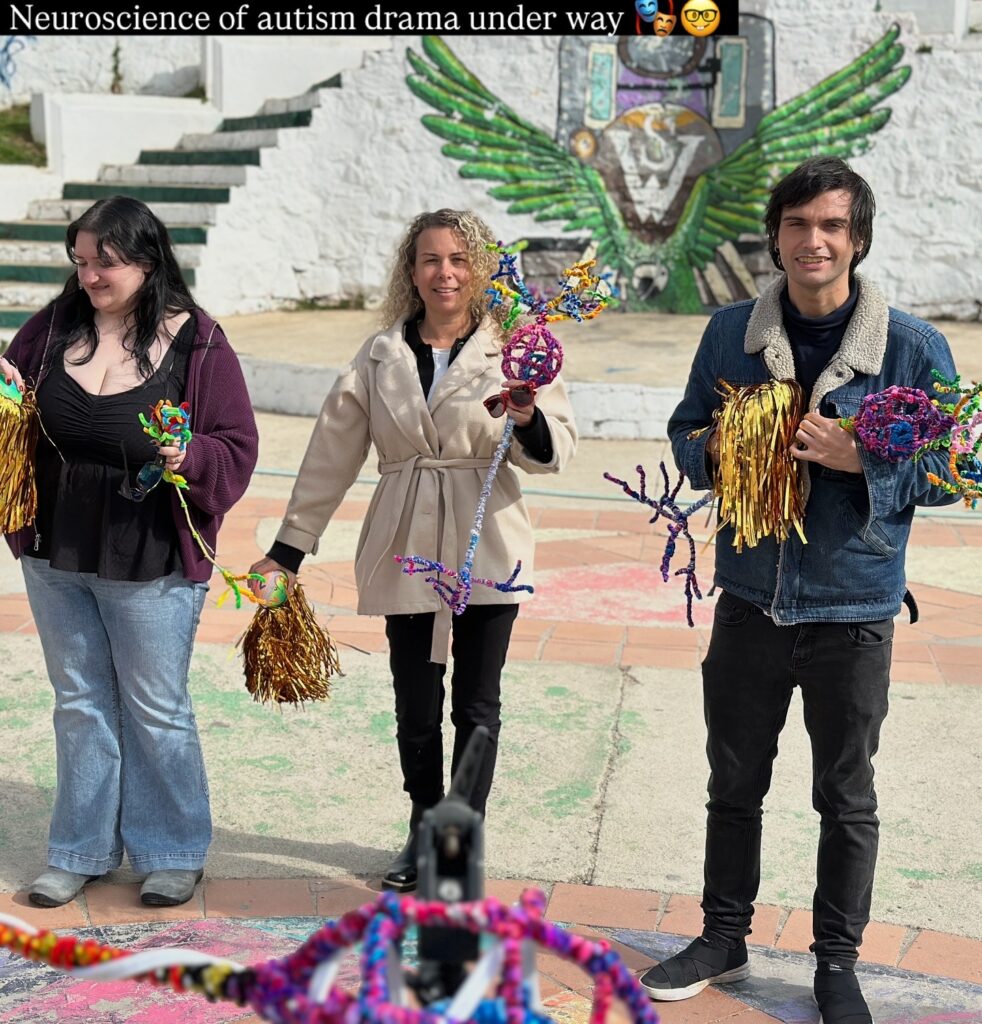
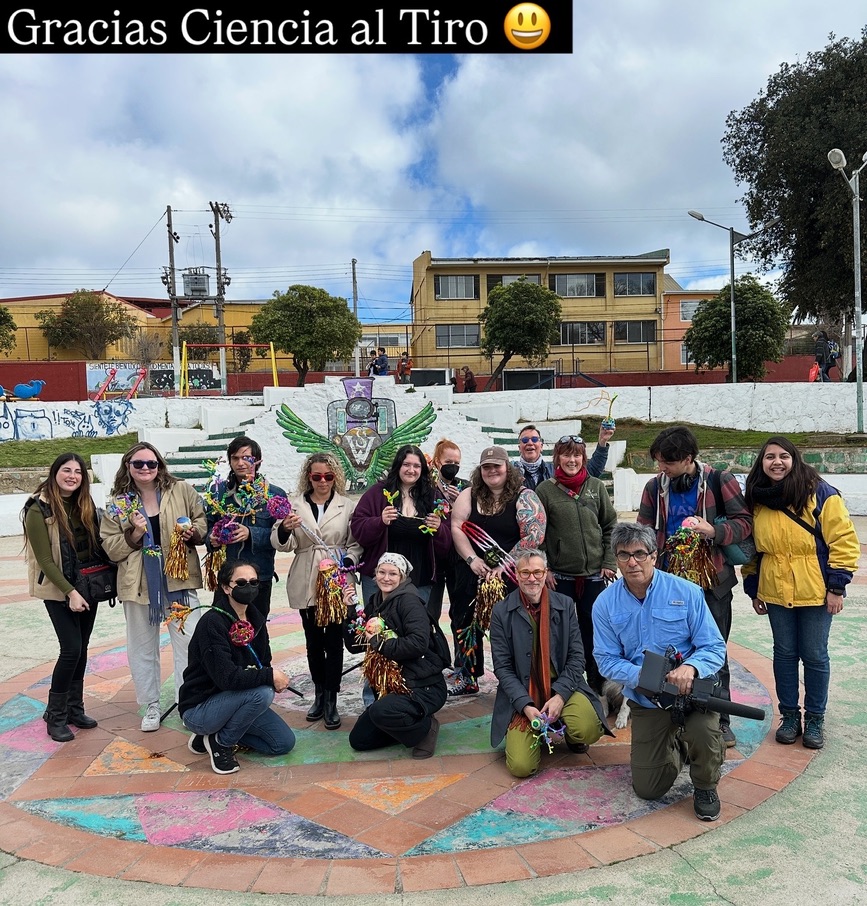
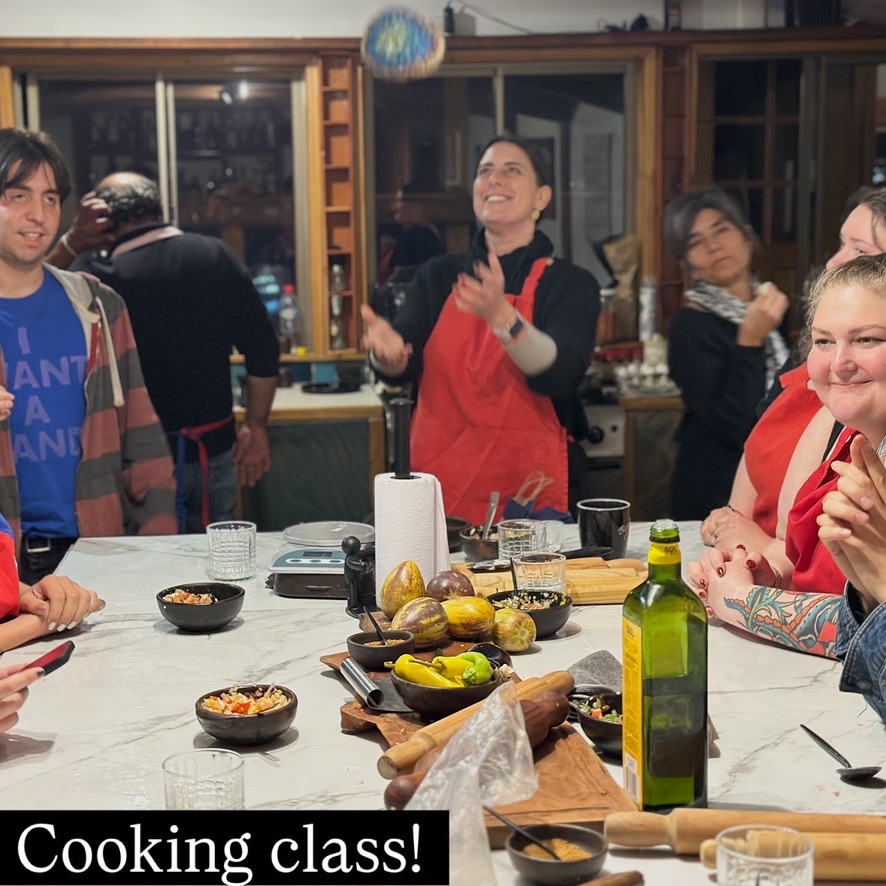
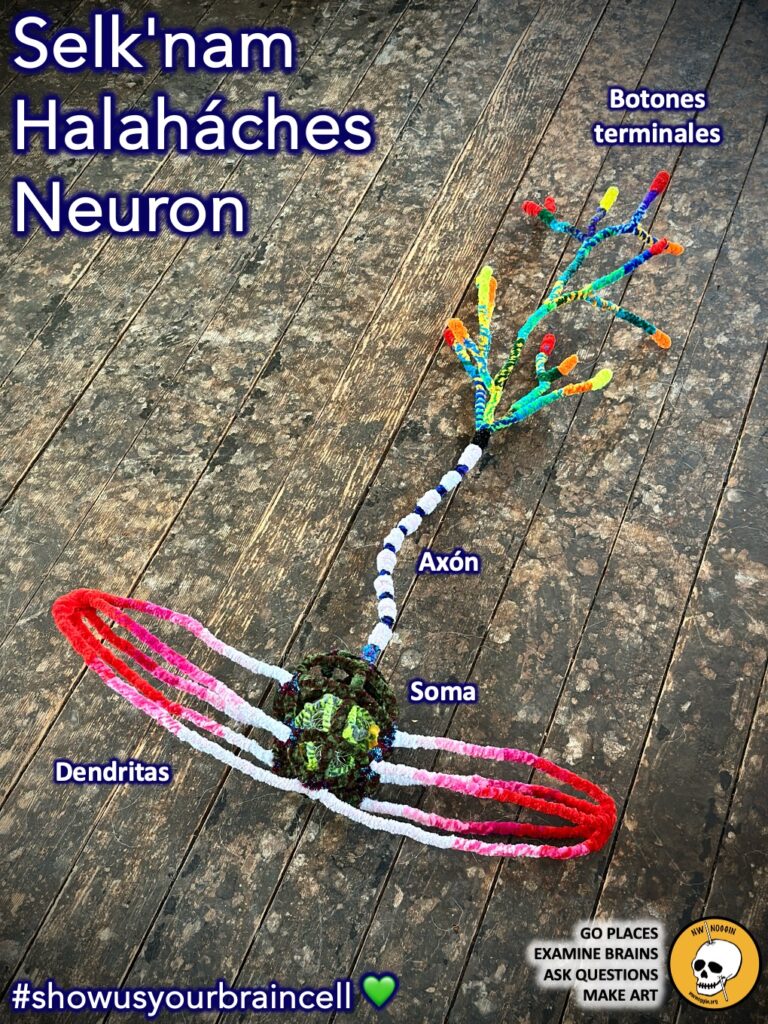
We were there to learn about the brain, through art making and direct engagement with neuroscientists, artists, and community members. We lived with host families, acquired skill in Chilean Spanish, learned to make empanadas, pebre and charquicán, gained balance on the racing microbuses, and joined Ciencia al Tiro, an innovative art and science outreach organization, for the first public performance of a play (complete with pipe cleaner neuron props!) about autism and the brain.
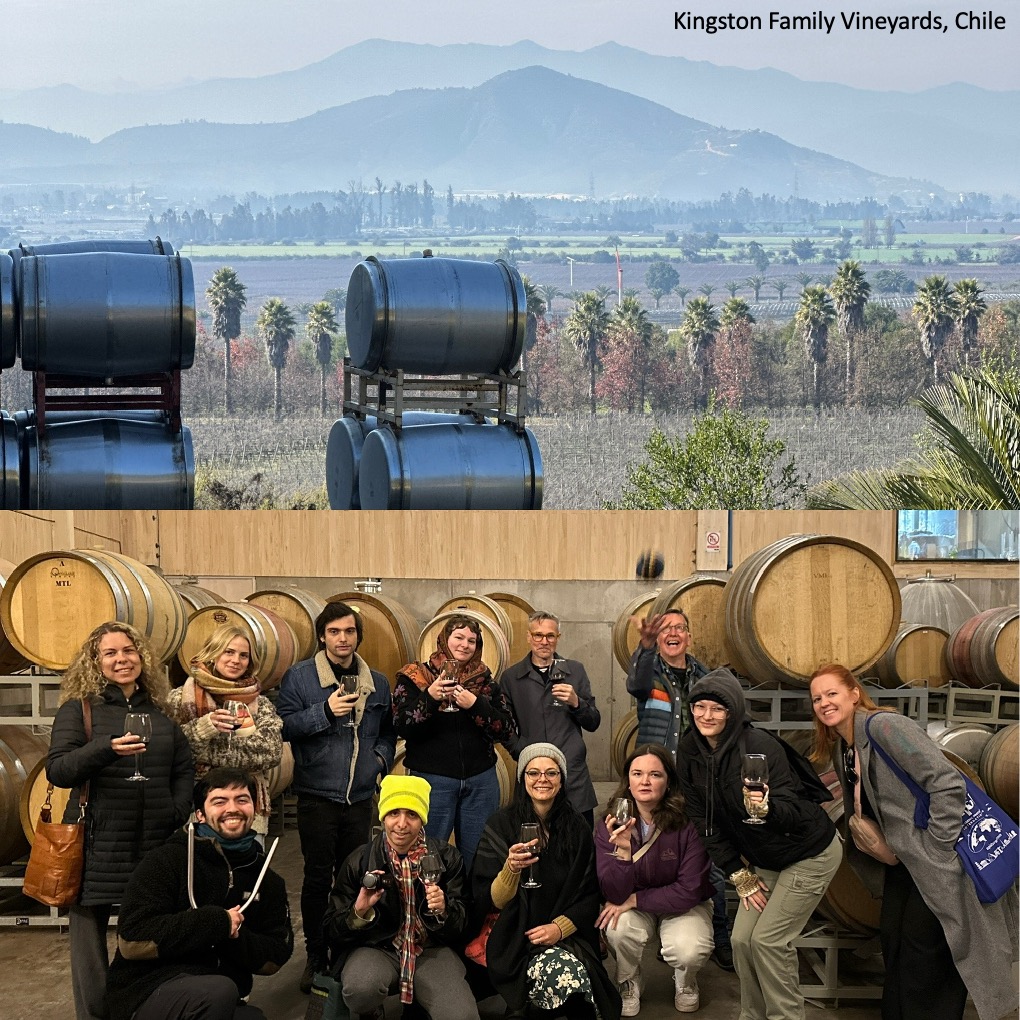
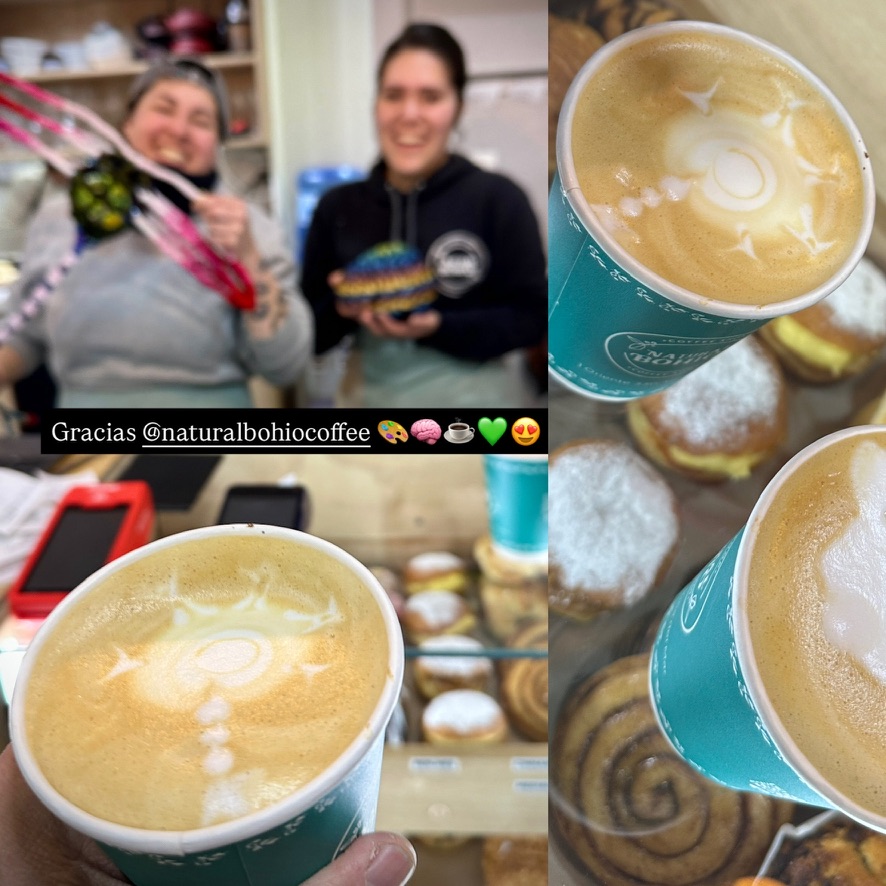
We directly examined how our own brains changed during our time abroad, and what was happening to neural networks involved in perception, decision making, memory, language and our sense of self.
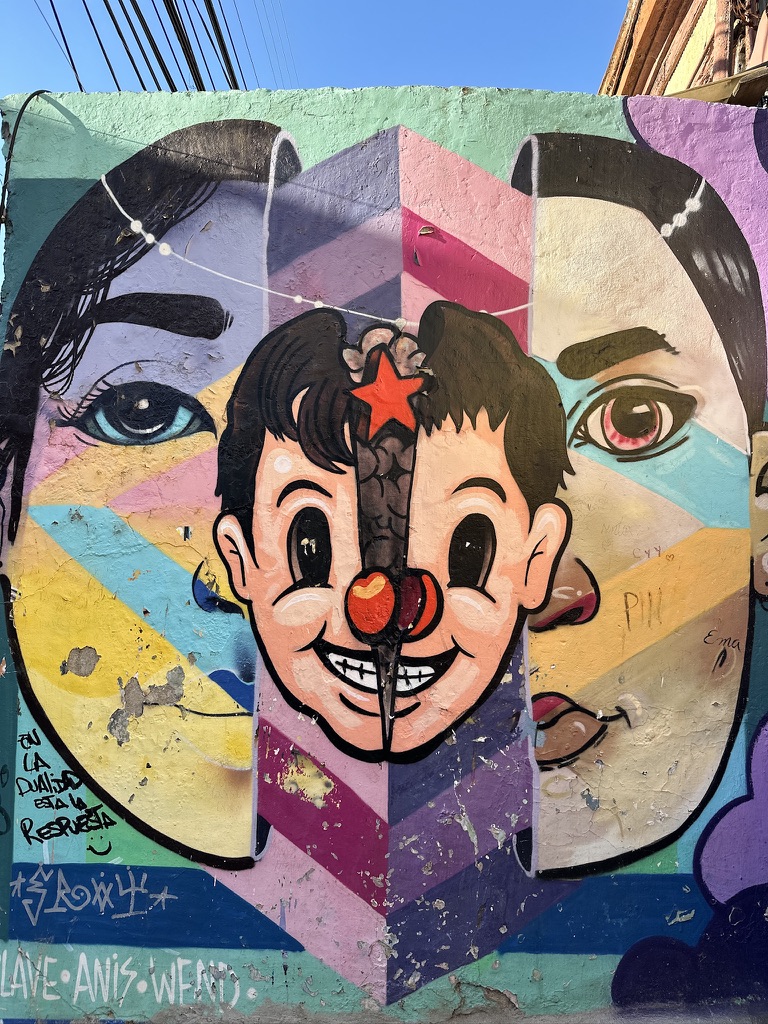
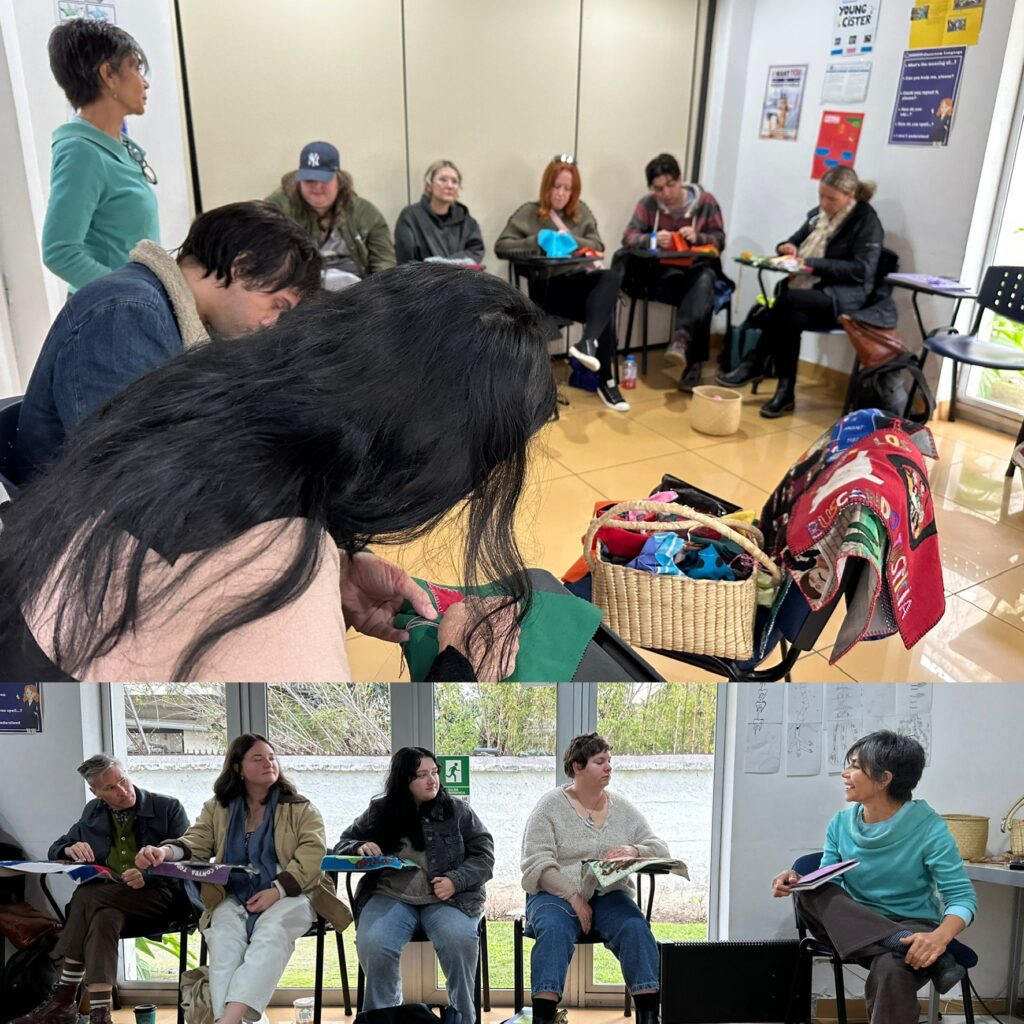
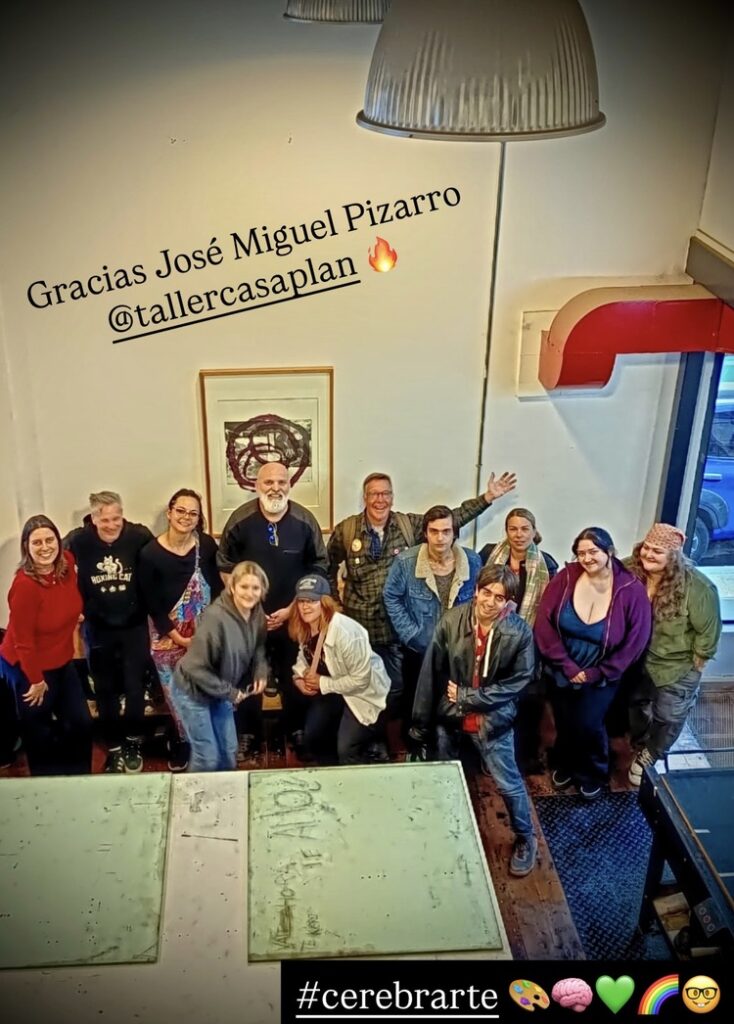
Memory, trauma, stress and resilience
We also delved into memory, trauma, stress, resilience, and the recent history of Chile.
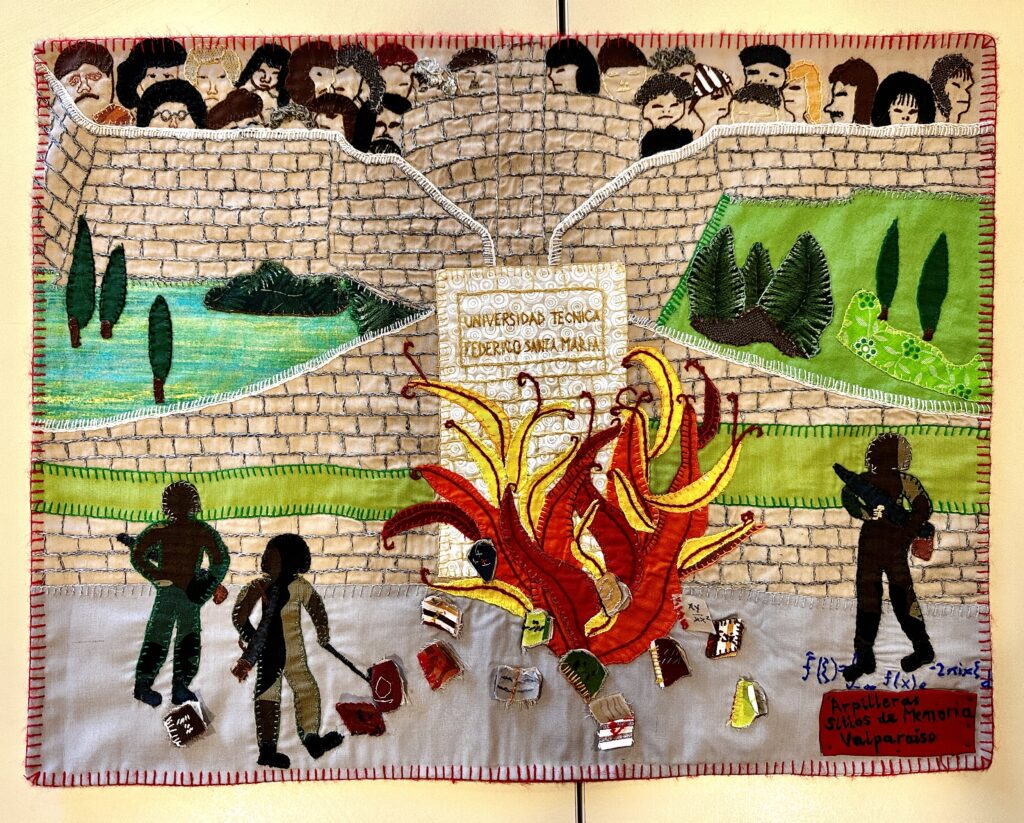
Arpillera: Book burning by the Catholic Universidad Tecnica Federico Santa Maria, by Cecilia Araneda
LEARN MORE: When the past meets the present: The role of memory sites in time of crisis in Chile
LEARN MORE: Book Burnings in Chile
Half a century ago, the United States government was deeply involved in the violent overthrow of a democratically elected President, Salvador Allende, and the subsequent disappearance and murder of Chilean citizens. The brutal loss of democracy through a fascist takeover – and the direct involvement of wealthy corporations and religious leaders – eerily echoed our own current experience with what billionaires, Republicans, the Heritage Foundation and ICE are doing to the United States.
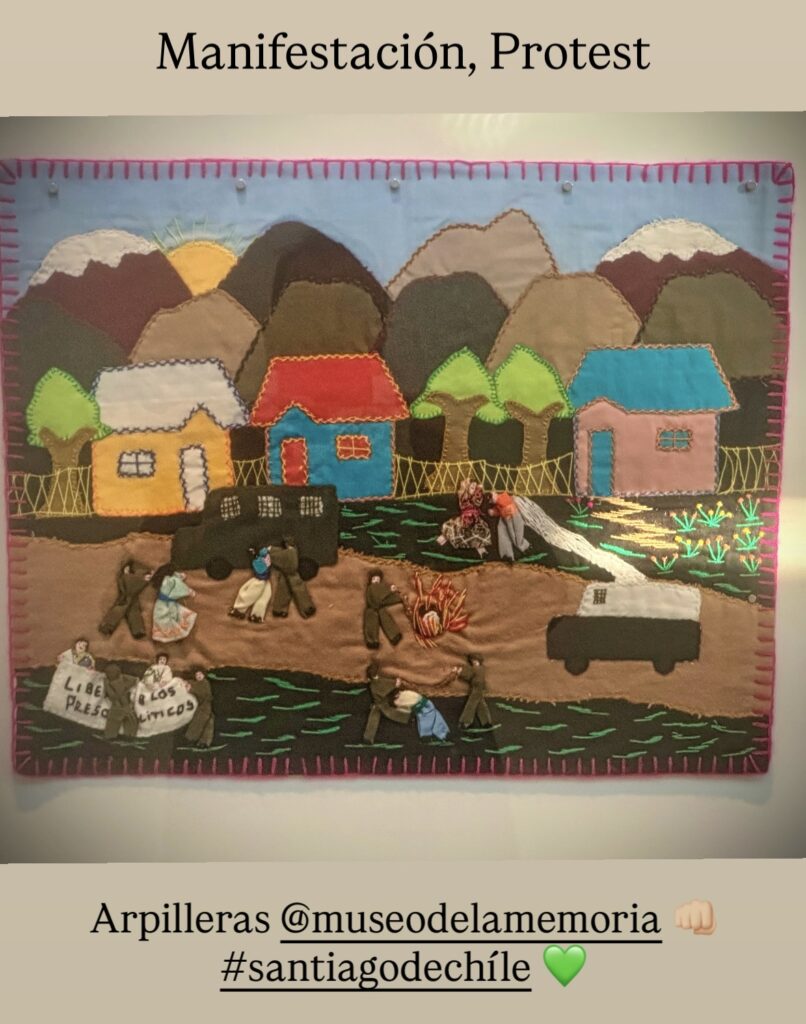
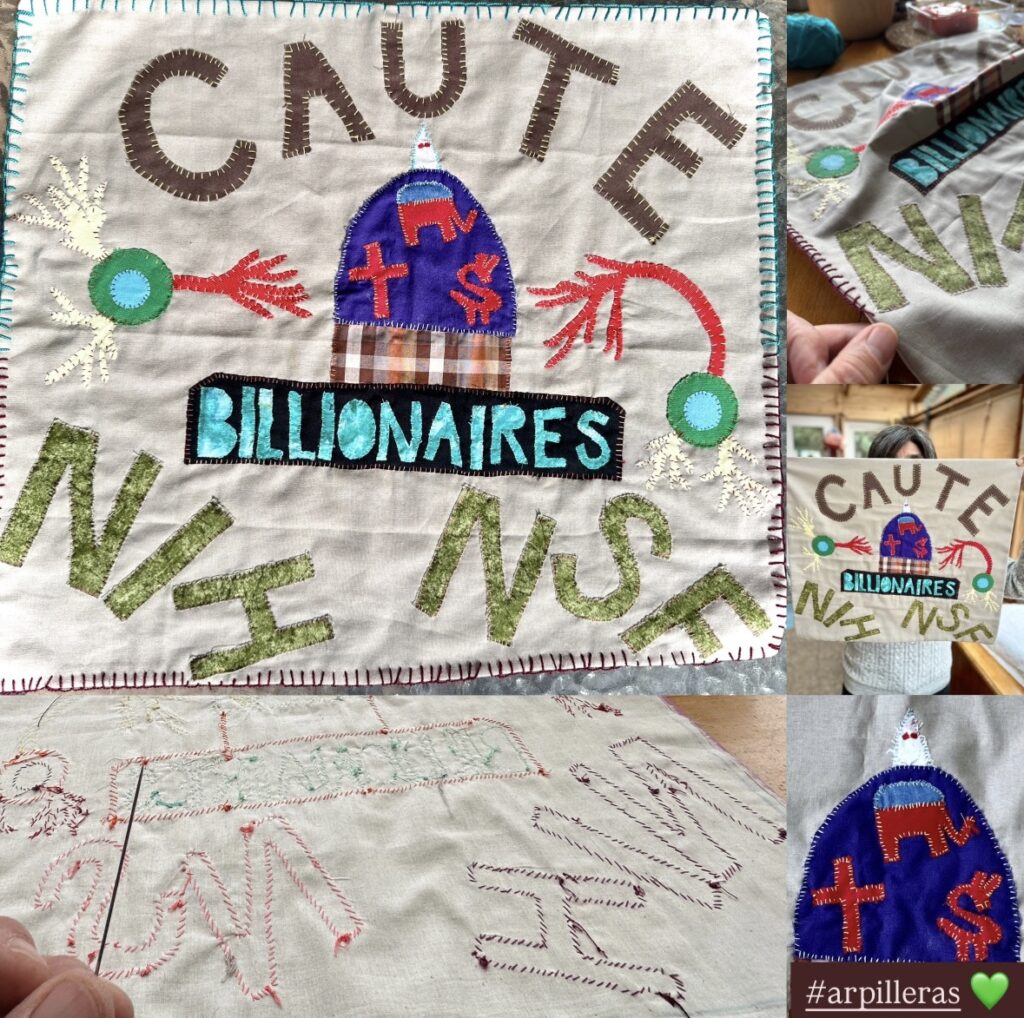
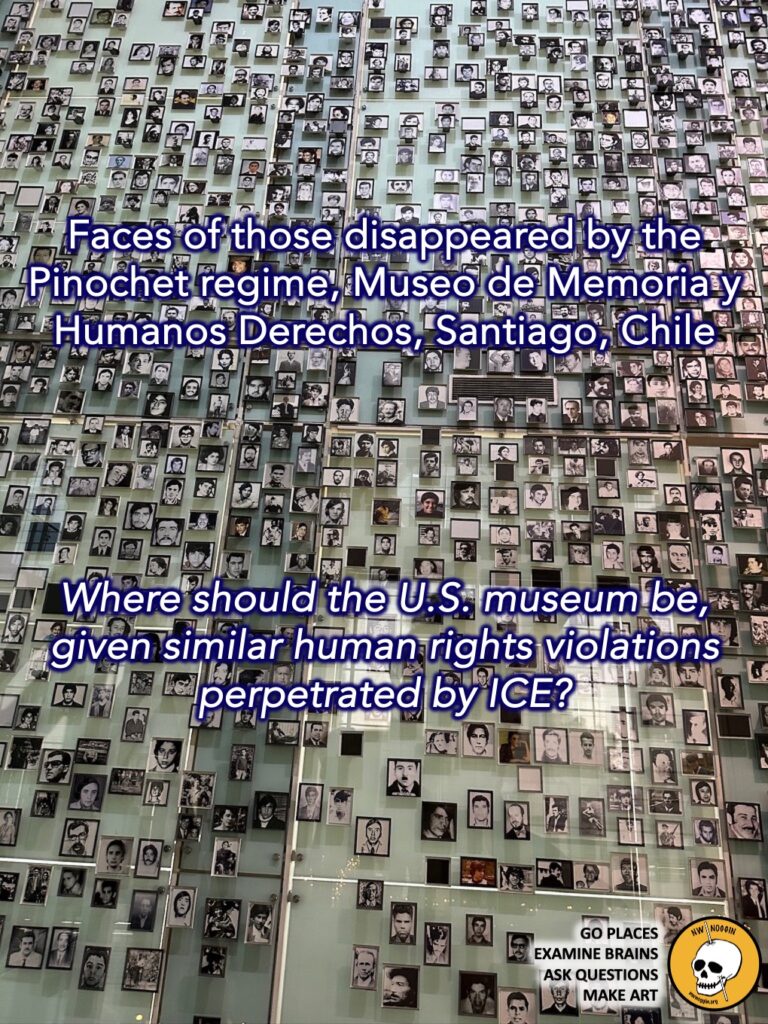
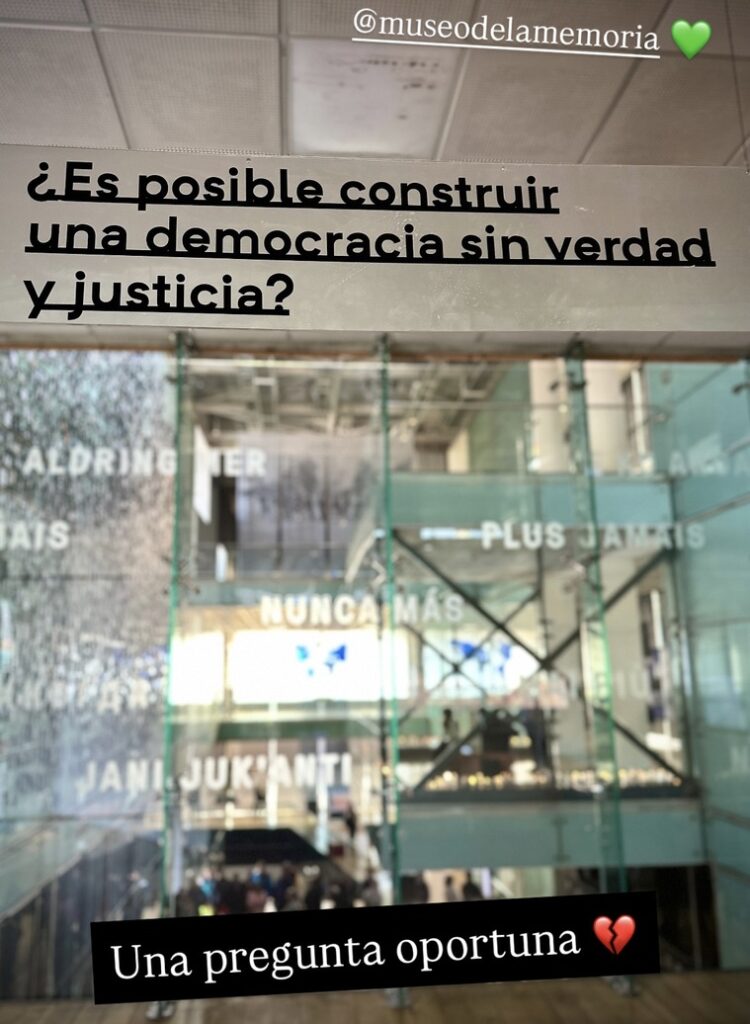
LEARN MORE: Museo de Memoria y Humanos Derechos
LEARN MORE: The Allende Years and the Pinochet Coup
LEARN MORE: Allende Wins a Close Election in Chile
LEARN MORE: The U.S. set the stage for a coup in Chile. It had unintended consequences at home
LEARN MORE: The Overthrow of Democracy in Chile — A Timeline
LEARN MORE: The Authoritarian Playbook in Action: What Global Cases Tell Us About Trump’s 2025 Military Deployments
LEARN MORE: Is Trump Executing a Self-Coup?
LEARN MORE: The October Story That Outlined Exactly What the Trump Administration Would Do to the Federal Bureaucracy
LEARN MORE: After running on a working-class message, Trump fills his government with billionaires
LEARN MORE: Now That They’re Free
LEARN MORE: Trump order aims to politicize decisions on federal science grants
LEARN MORE: How Trump 2.0 is slashing NIH-backed research
The importance of art
During this program we explored how art making is a powerful method of addressing trauma.
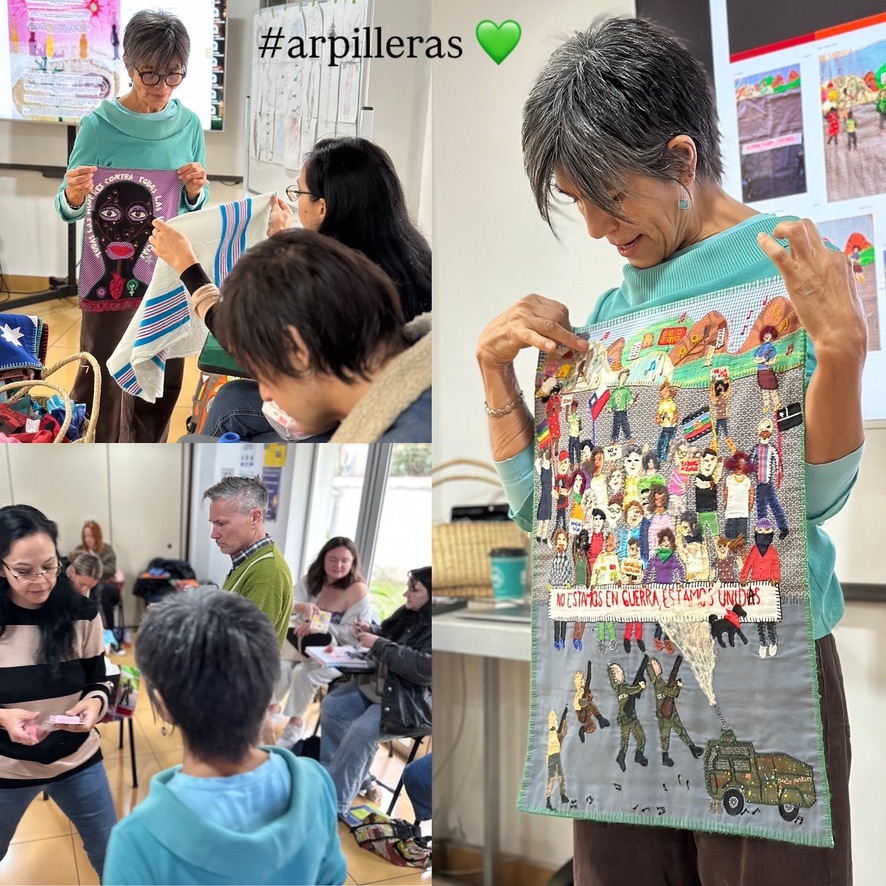
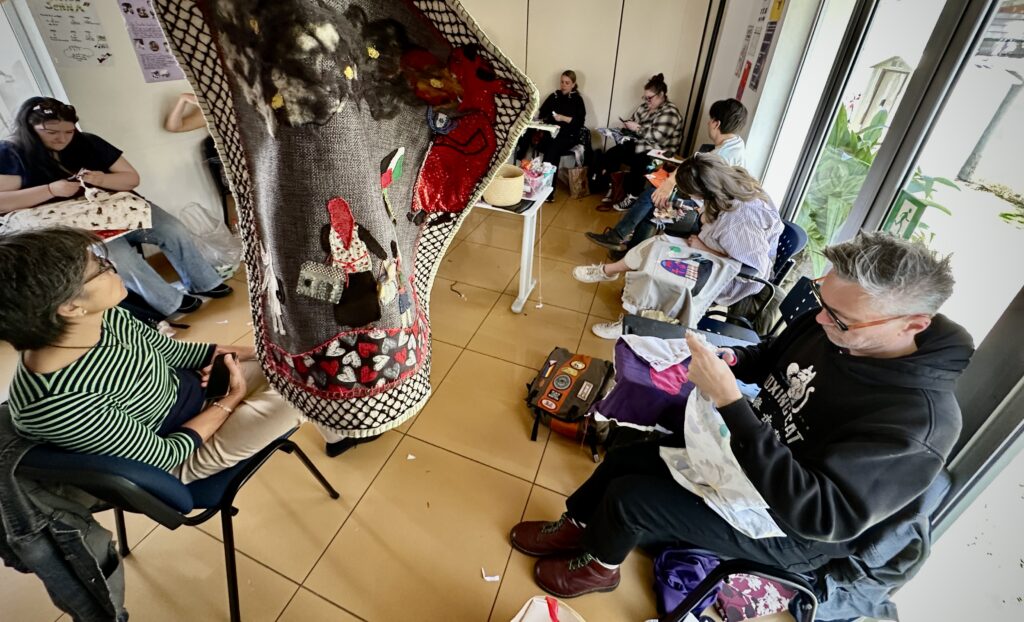
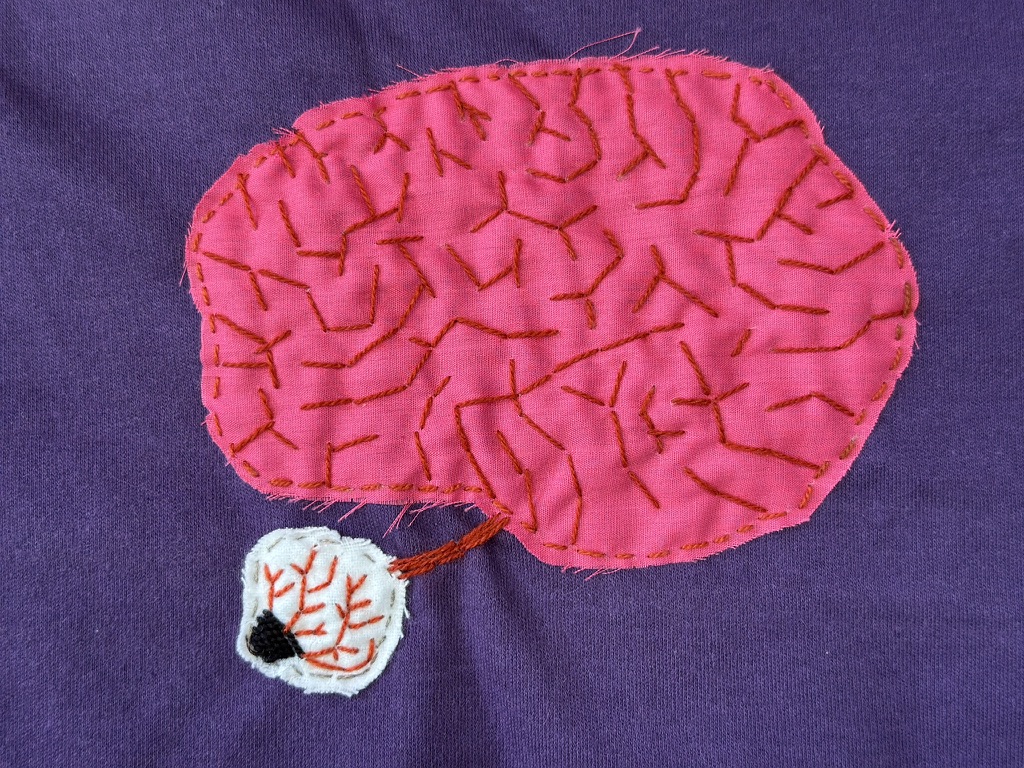
It’s also important for memory, and can preserve recollection of events and actions that fascist authorities might like you to forget. These works, including arpilleras – woven depictions of experiences, often sewn with the clothing of those the government brutalized and disappeared – served as effective evidence of crimes in Chile, allowing for efforts at accountability. Clearly we need art now, in the U.S.
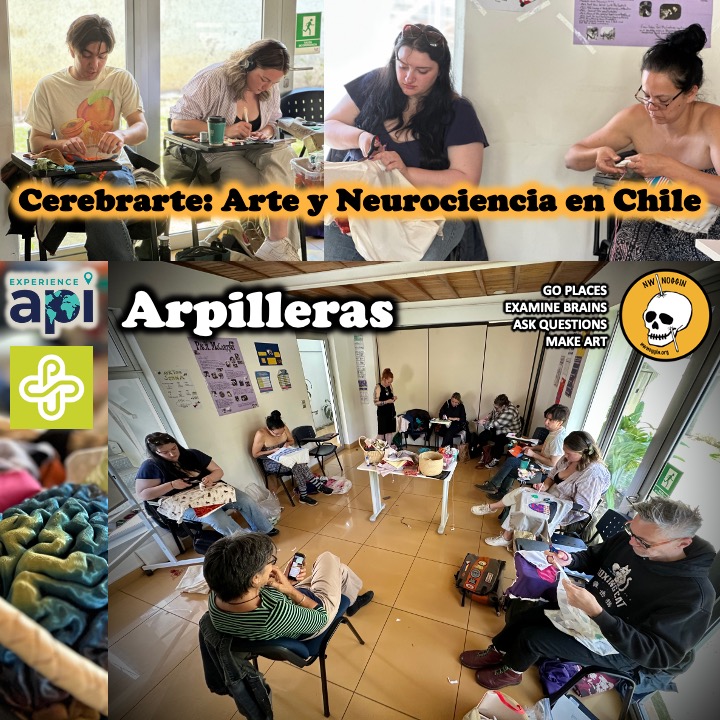
LEARN MORE: Cecilia Araneda
LEARN MORE: Sewing Memories, & Brains
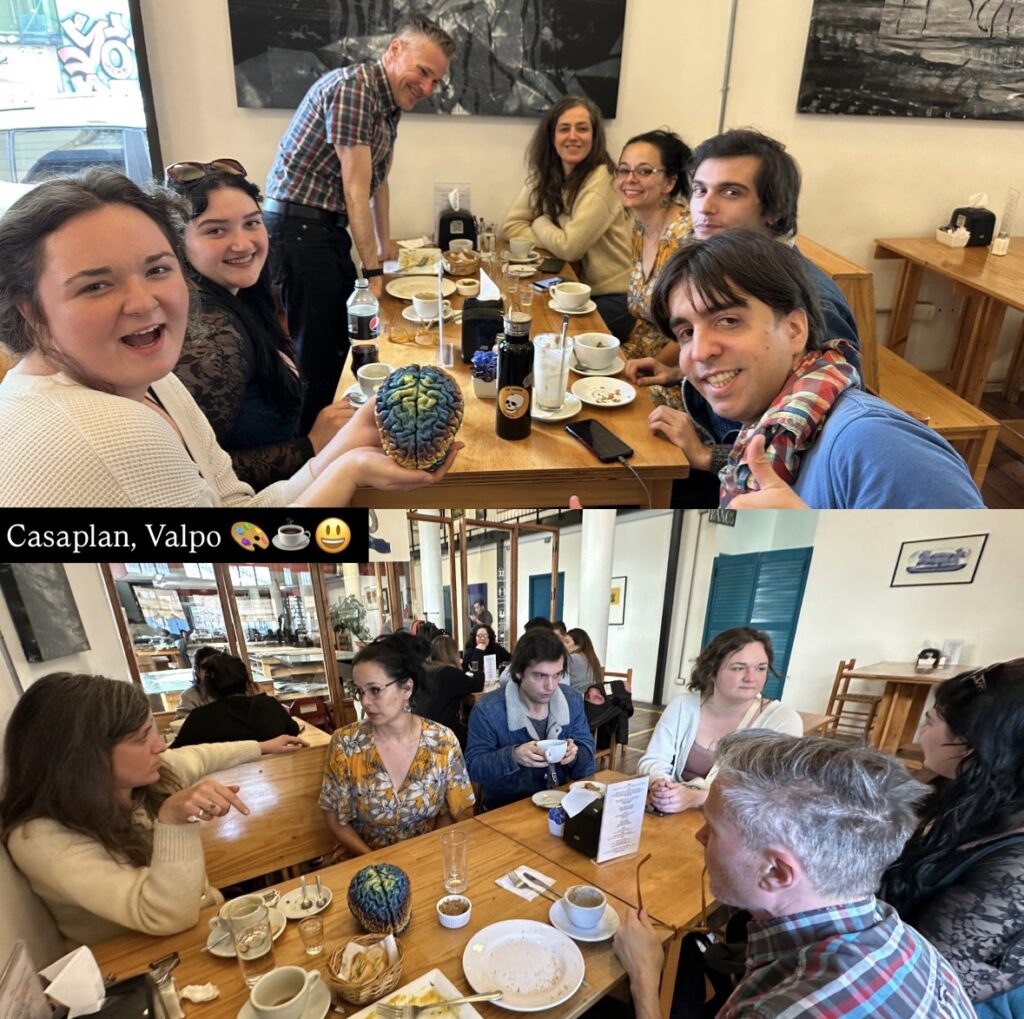
LEARN MORE: CasaPlan Valparaíso
Danielle Brunow, PSU
Within even my first few hours in Chile I realized that my routines, emotional management tools, and ability to prioritize my needs were all beginning to be challenged.
The magnitude of this pressure against what I had assumed was a necessary foundation for me increased as the first week went by. I found myself living with a host family; sharing space, meals, discussions, and having to act as a guest in someone’s home. After many years living alone this presented an unexpectedly significant emotional challenge.
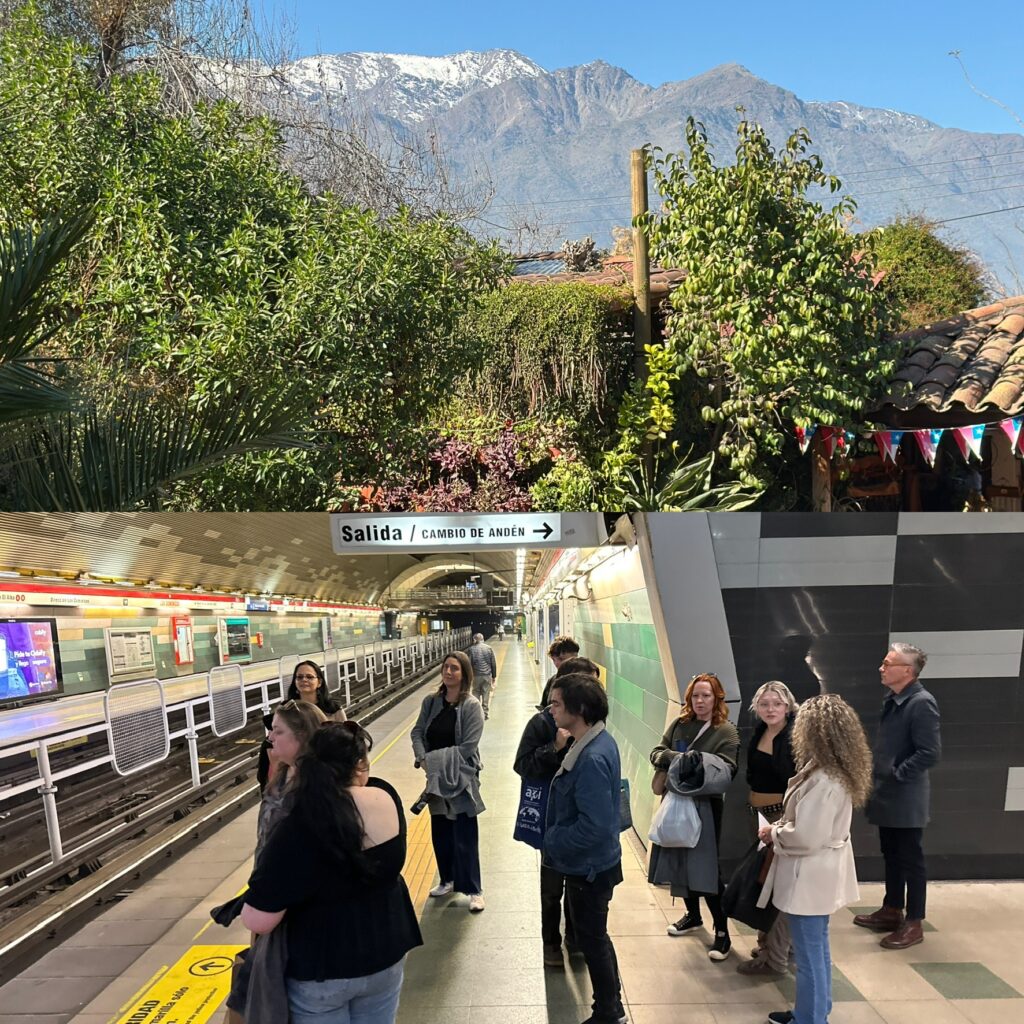
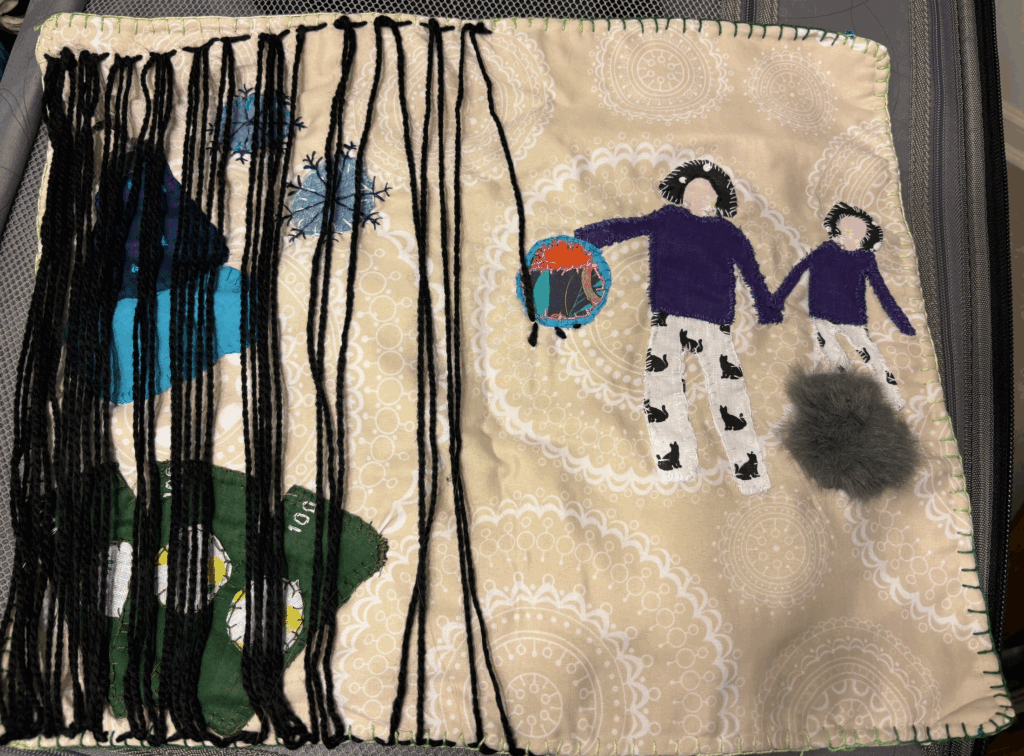
Simultaneously it began to unravel some of my unhealthy coping mechanisms (e.g., using money to fix any problem I encounter) and forced me to find other ways to accept/cope with surroundings I didn’t control. As time progressed the shared home with my family, including their willingness to help me grow my Spanish skills, became a source of comfort.
LEARN MORE: Spending as Social and Affective Coping
LEARN MORE: How stress affects saving, spending habits
This part of my experience became the inspiration for my arpillera.
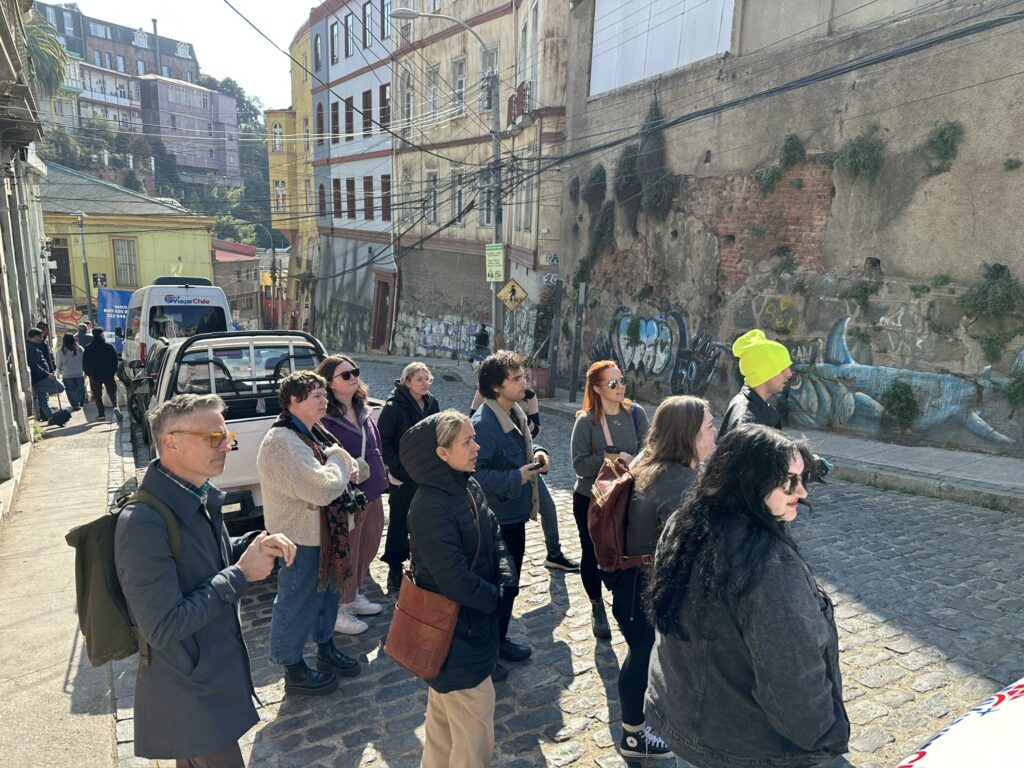
While that undercurrent of basic daily existence was acting in the background we began to engage in the local neuroscience and art communities; visiting the labs of various brilliant minds, touring local political graffiti, and experiencing multiple museums in Santiago and Valparaiso.
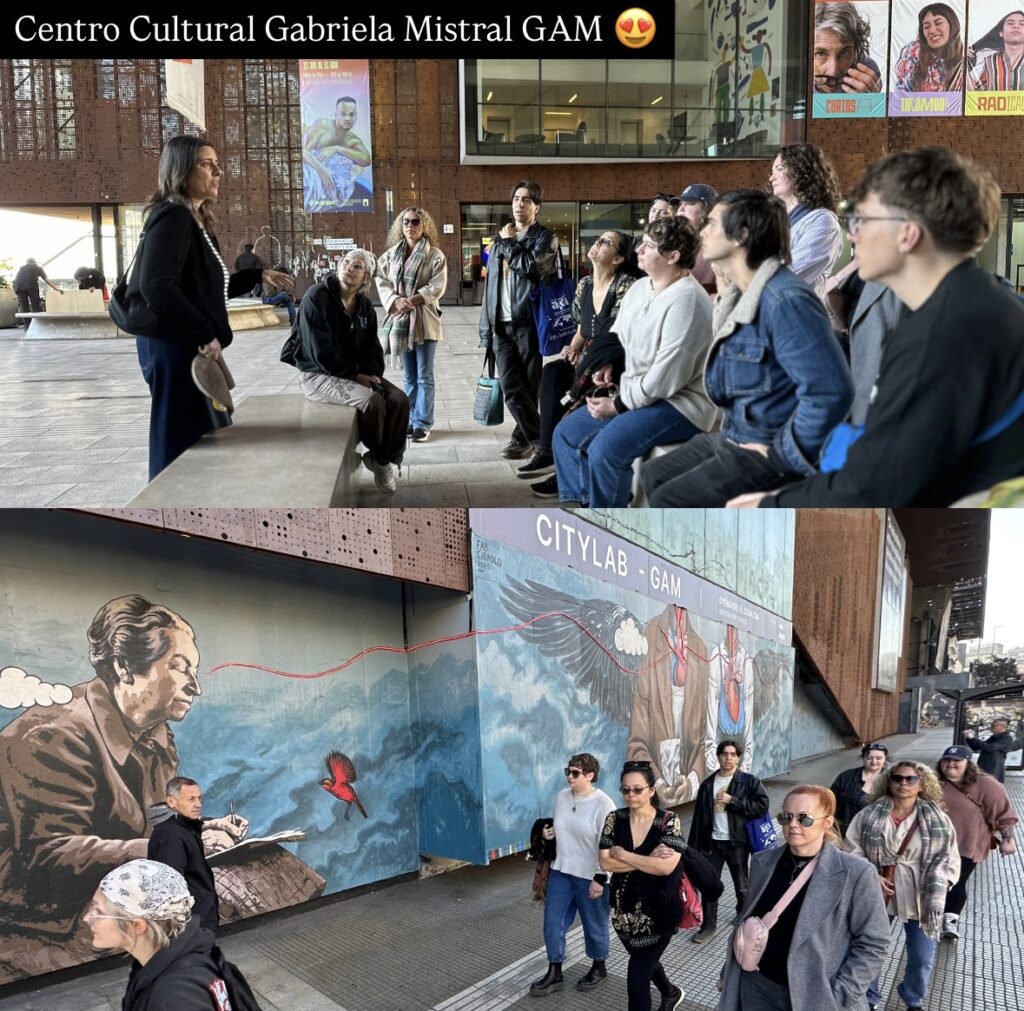
LEARN MORE: Gabriela Mistral Cultural Centre
The connection I felt with these seemingly disparate things was significant. The art was the first to grab my heart, making me realize how very much these cities had to say. Inside galleries I found myself overcome by the sheer quantity of beautiful works.
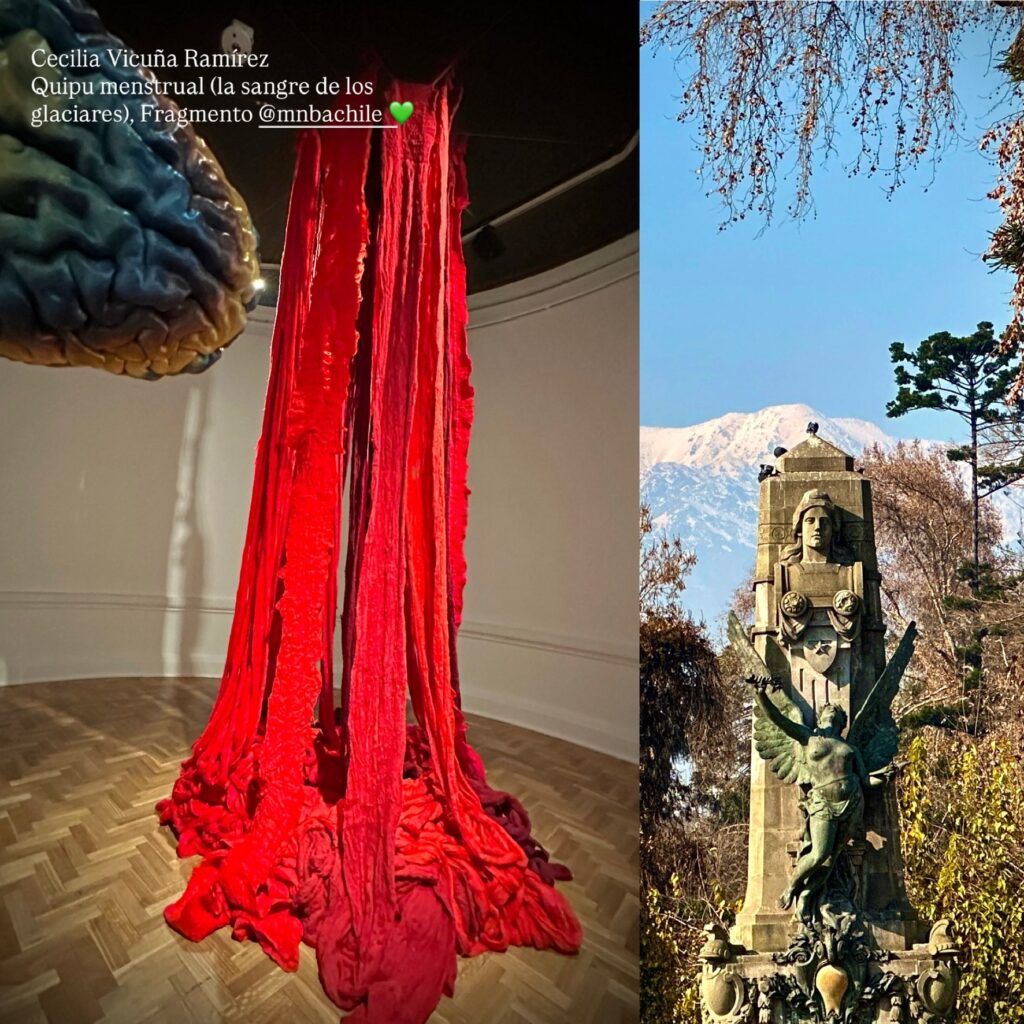
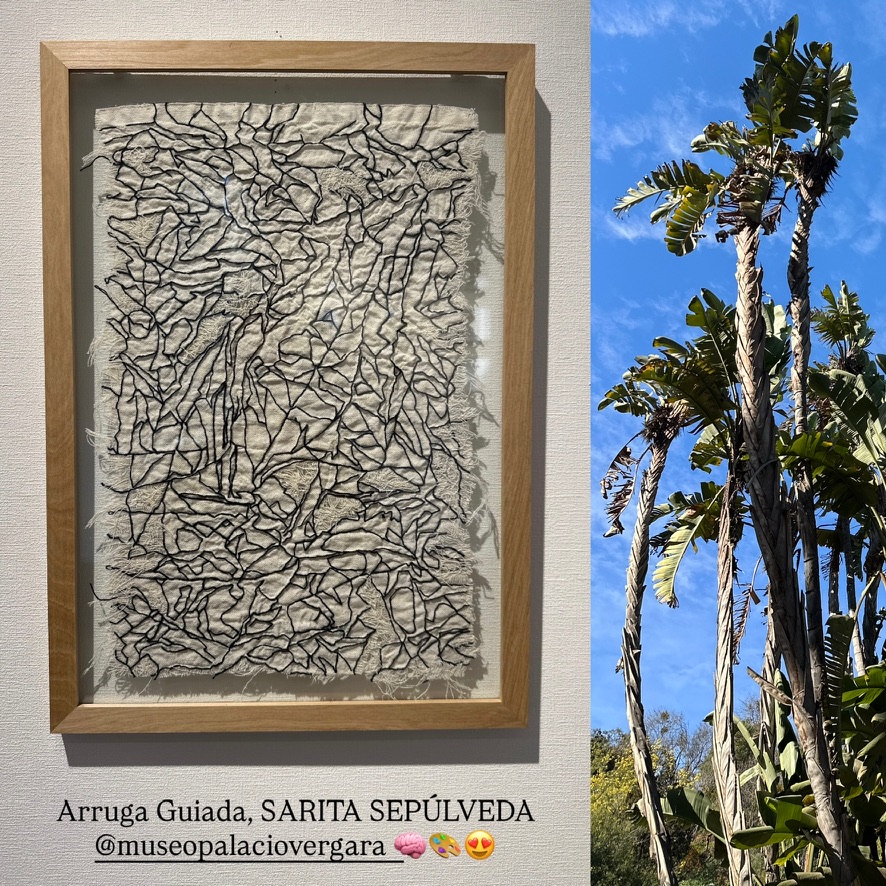
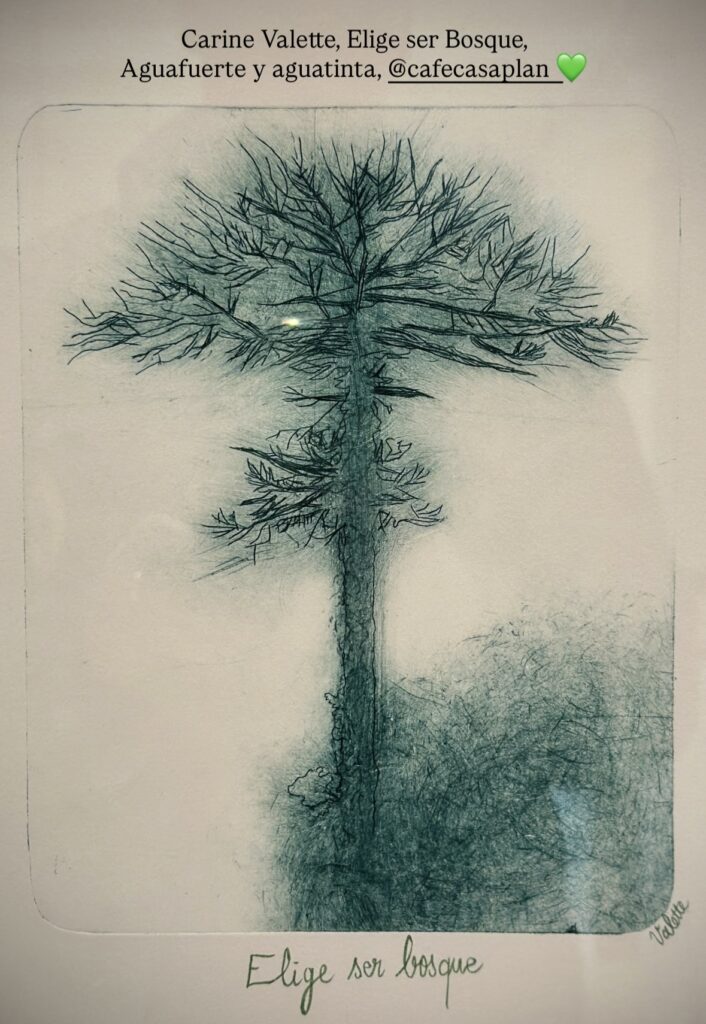
LEARN MORE: Museo Nacional de Bellas Artes
LEARN MORE: Museo Palacio Vergara
LEARN MORE: Carine Valette
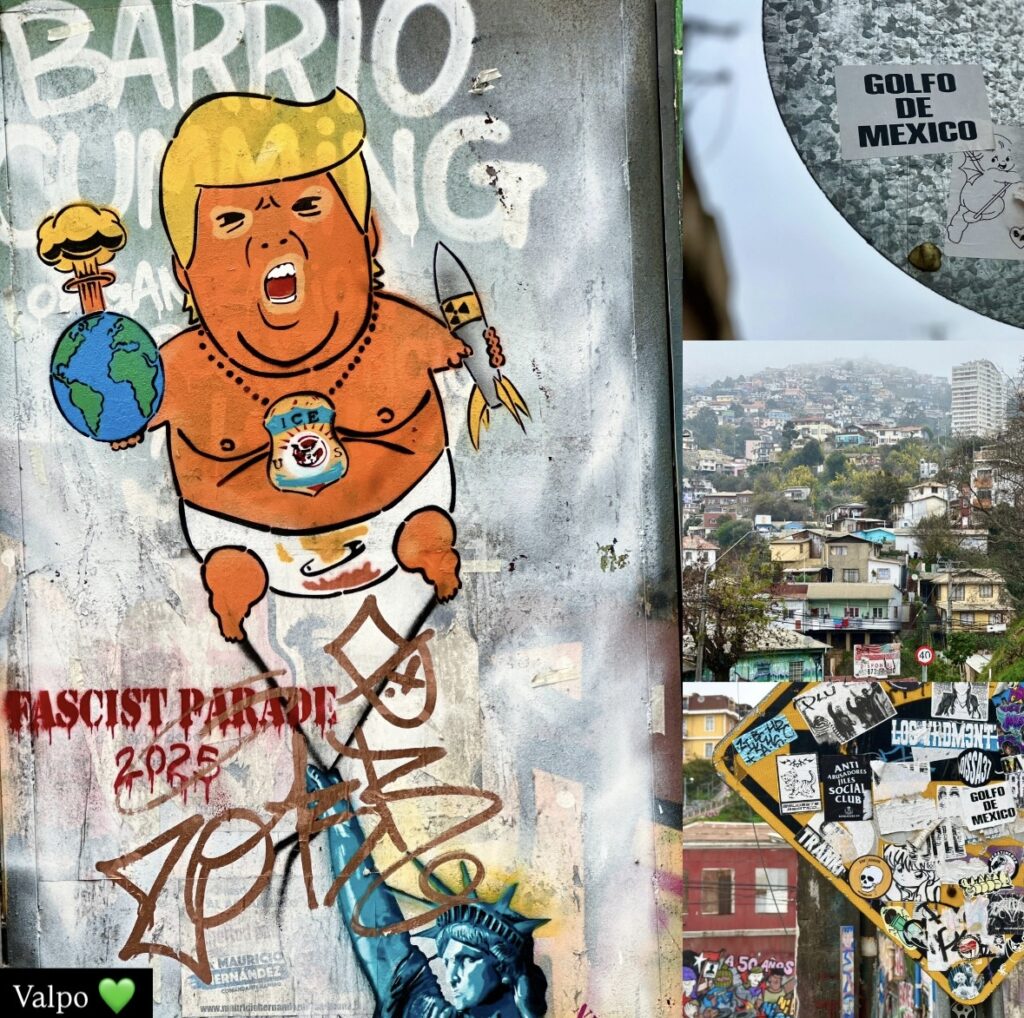
The streets were no different; between each gallery I experienced hundreds of works scattered across free wall space.
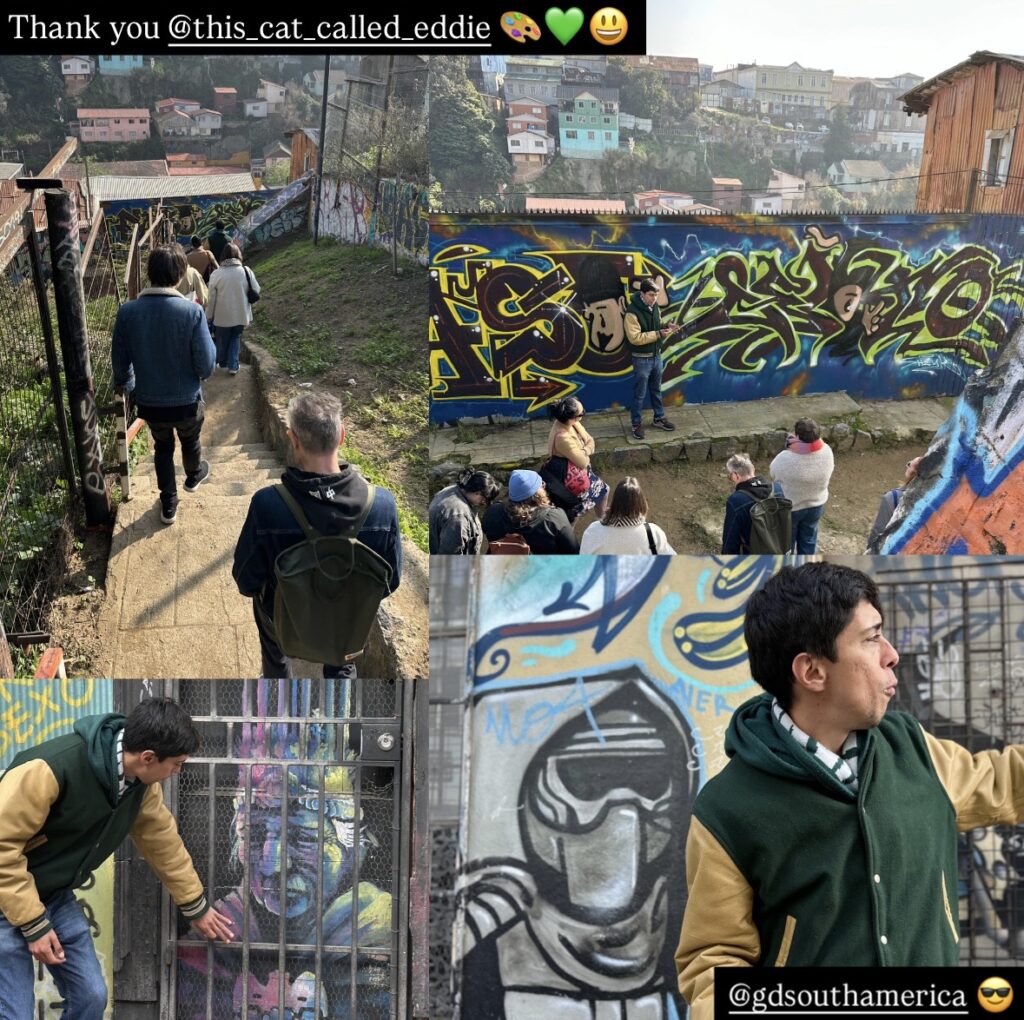
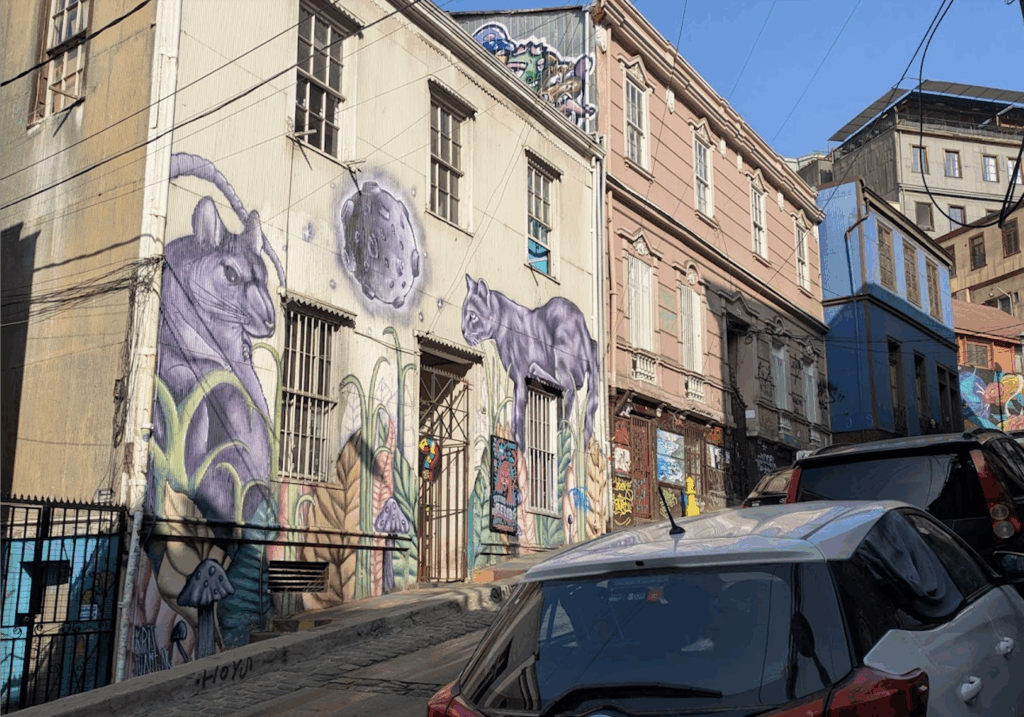
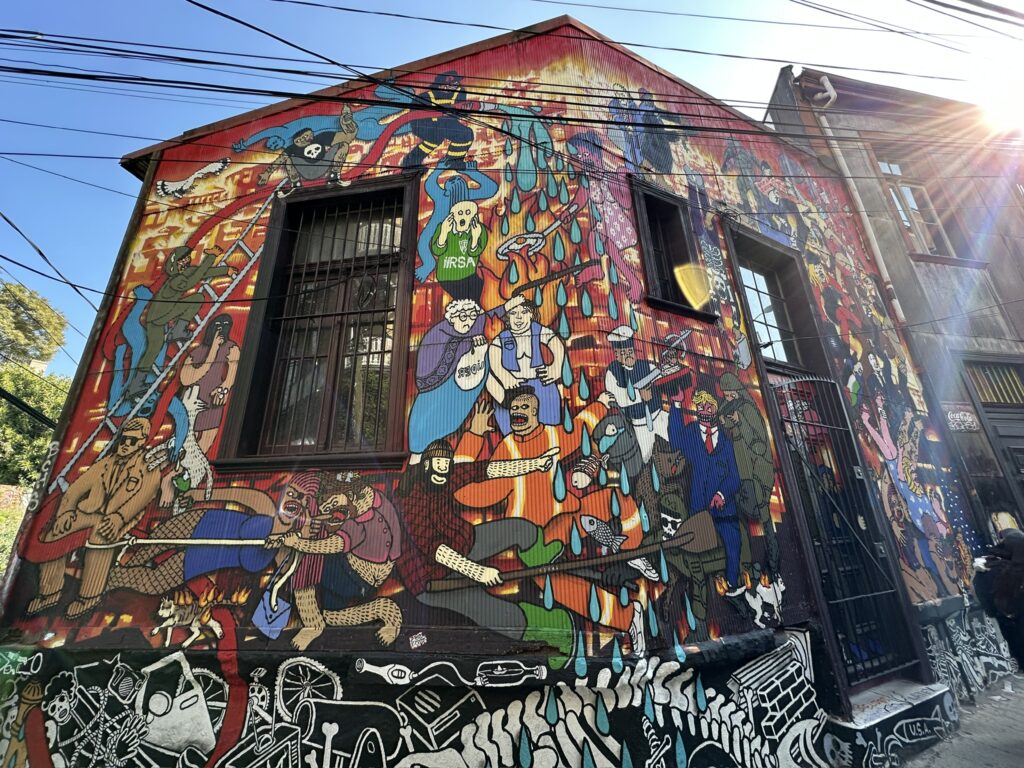
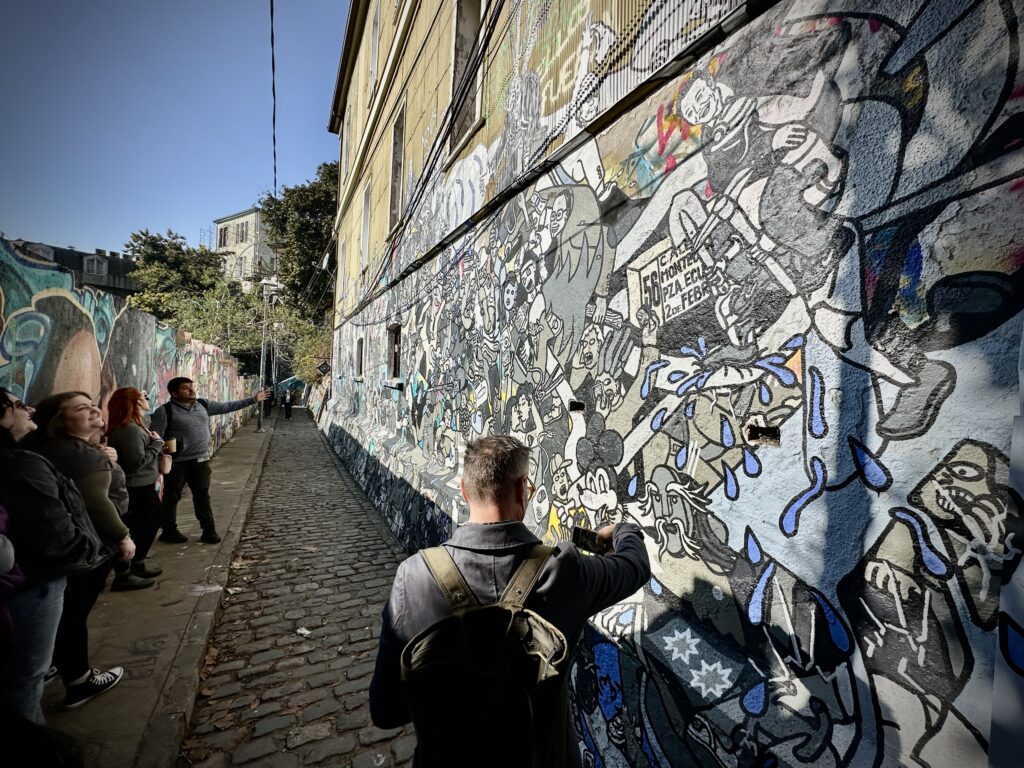
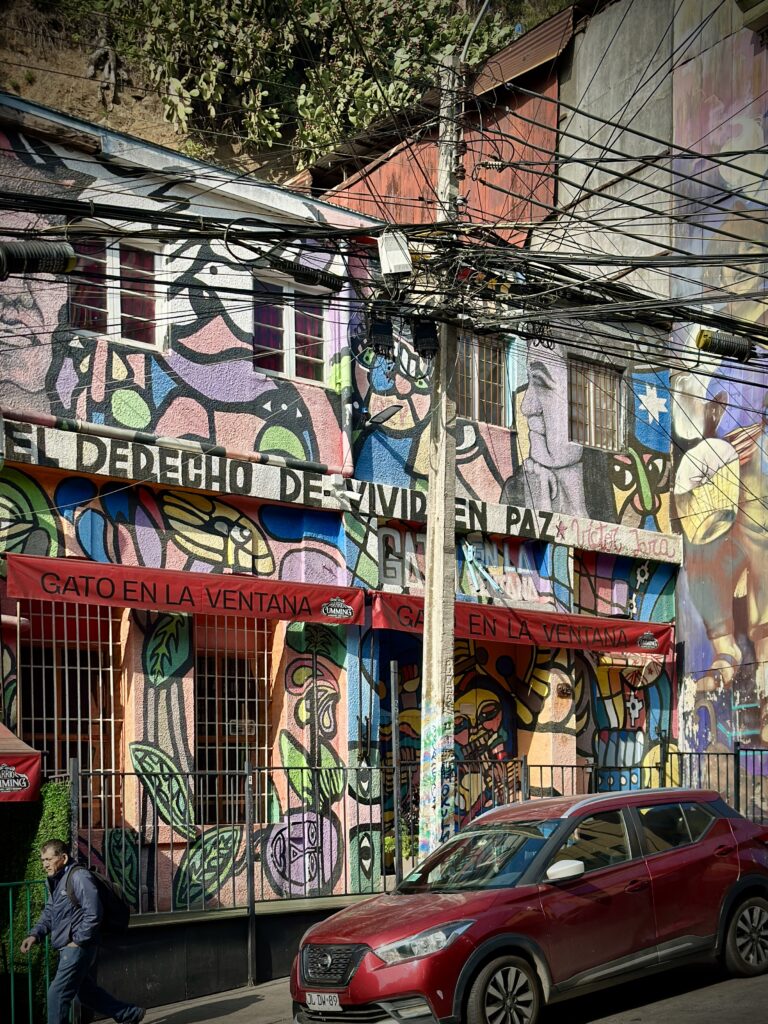
The neuroscience labs were an experience all their own. Each one felt like the personal home of the scientists working within; driven, filled with personality, and all exceptionally welcoming. Much like what I experienced with Chilean art, it seemed that these scientists had such intensity and passion for what they did that you couldn’t help but to be drawn in by it.
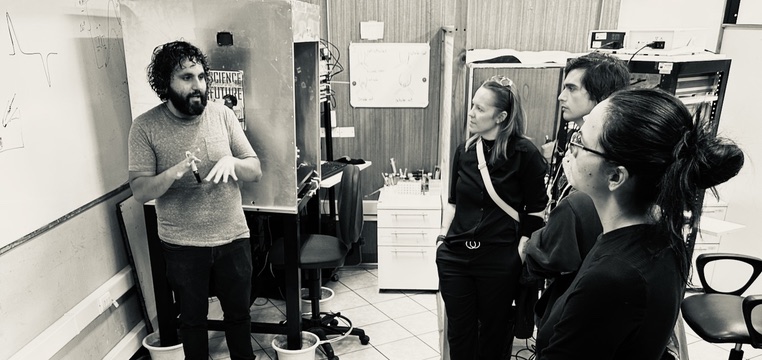
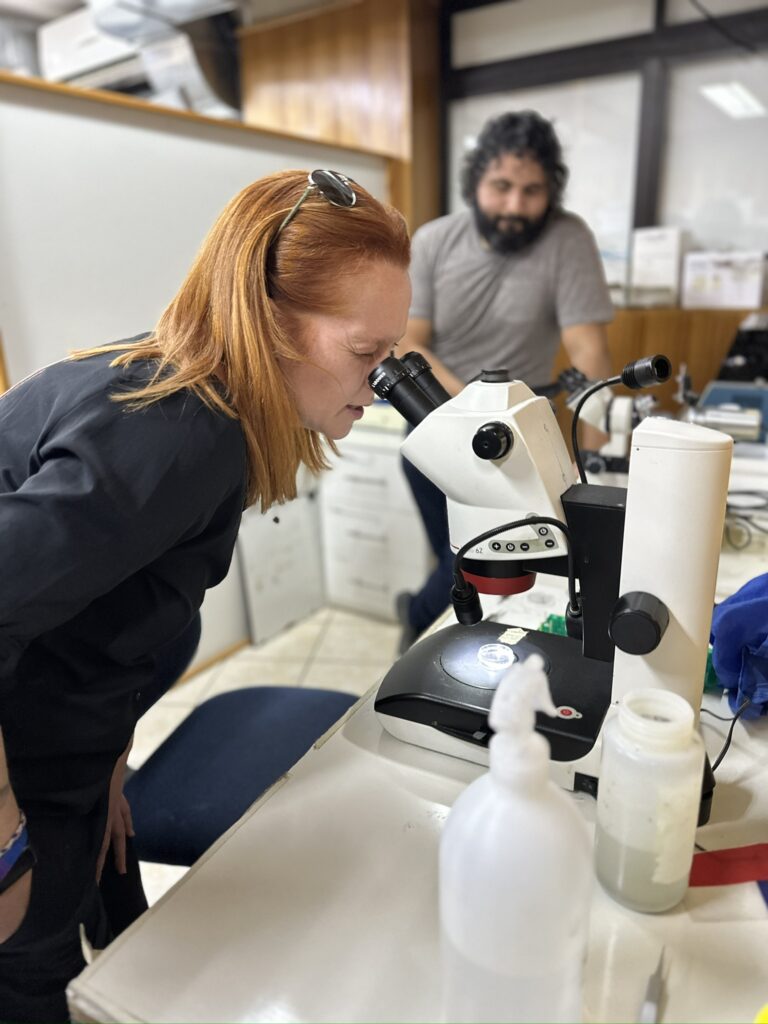
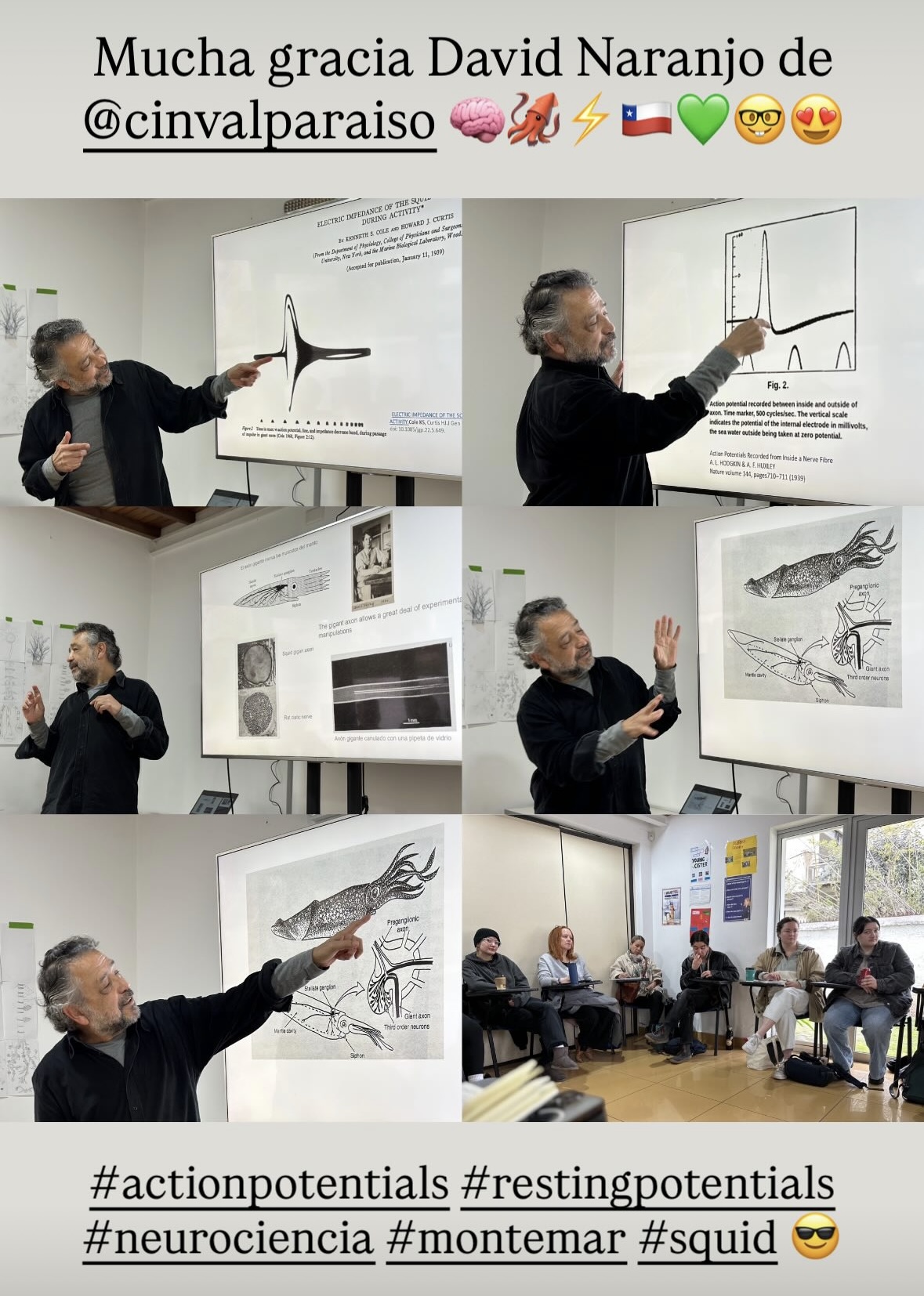
As David spoke about his voltage-gated potassium channels, as Kate spoke about her work with autism-inclusive environmental adjustments, as Saez spoke about hemichannels and boldo tea – every single lab left me thirsty for just a few more months with these incredible humans.
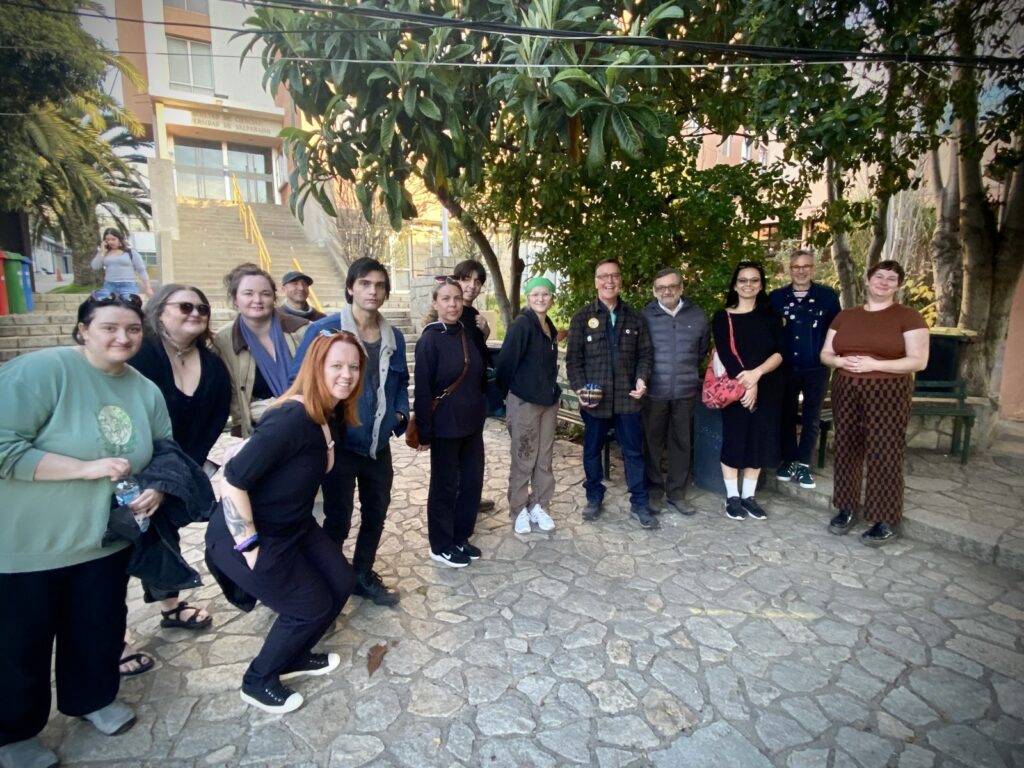
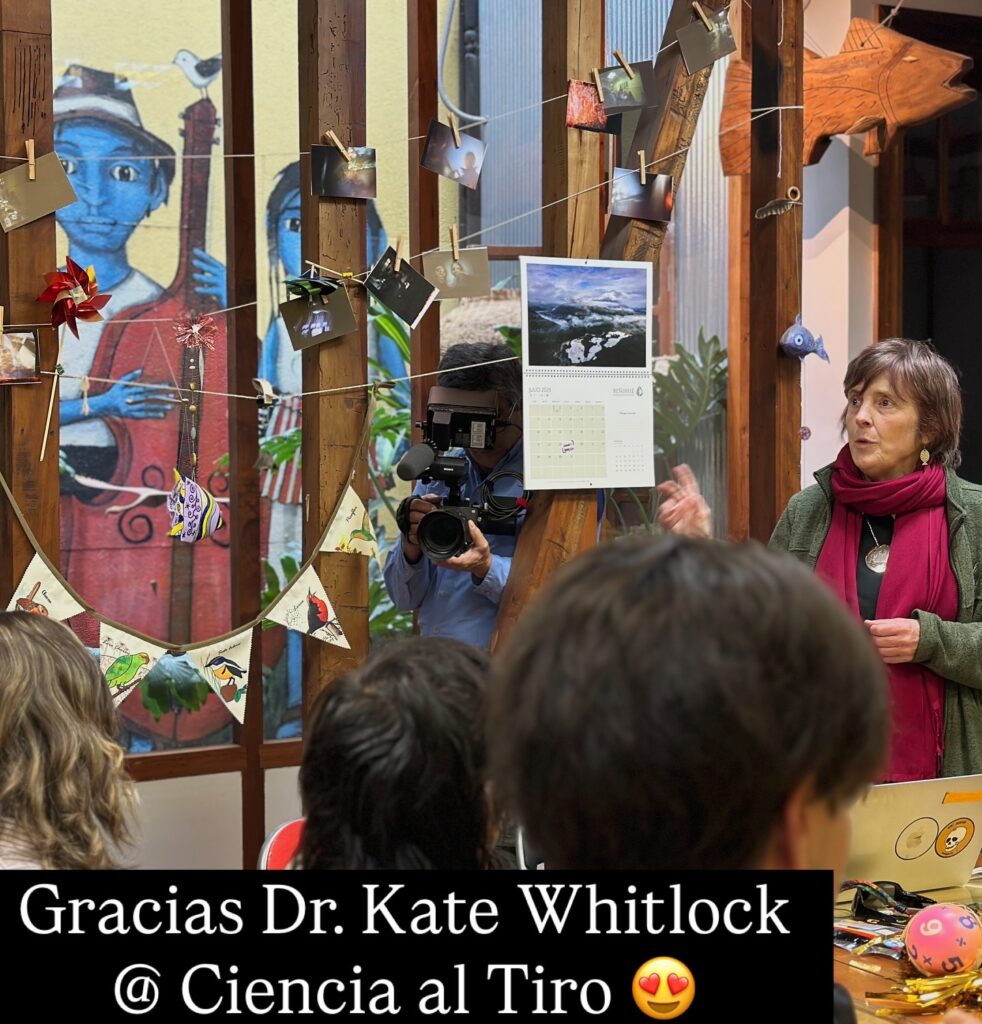
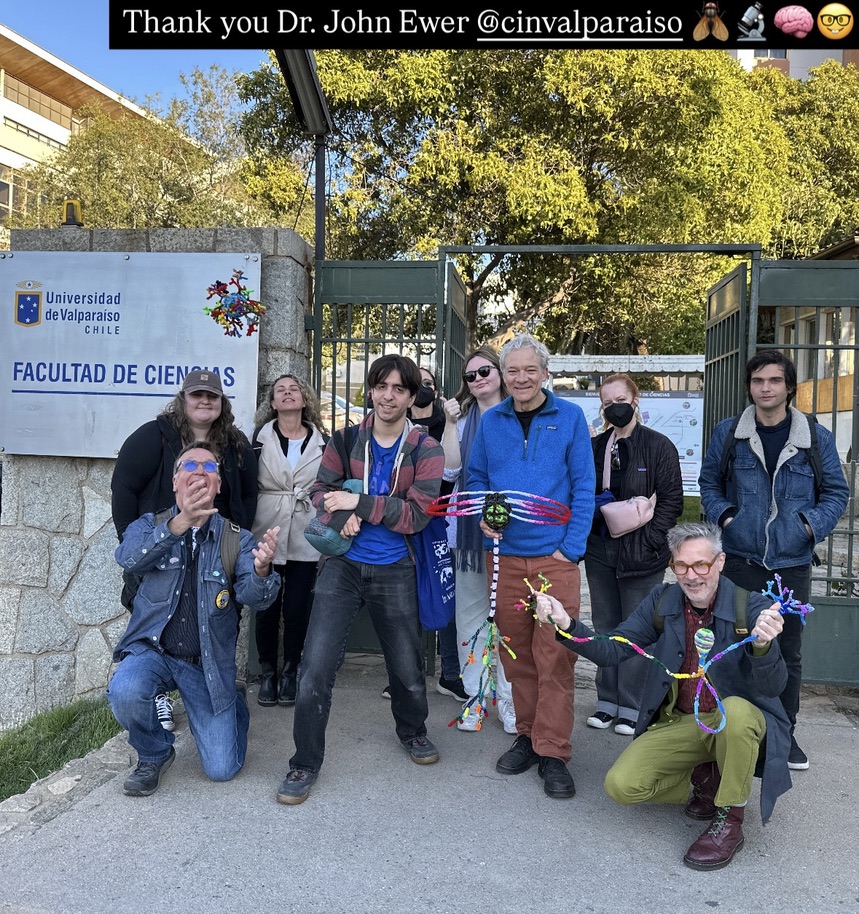
LEARN MORE: Centro Interdisciplinario Neurociencia de Valparaíso (CINV)
In every experience (walking with/through/by art or touring the lab where the next big breakthrough would be discovered) I caught myself shocked at how much could be done with so little.
I noticed that every brush stroke and every lab setup felt just a bit more intense than any I had experienced in the States; almost concentrating the heart of Chile into the tiniest of droplets. With every single Chilean I met (and many of the permanent transplants) I witnessed people doing the very best they could with what they have available. It is a place of grit, of generosity, and of strong human connection. I’m honored to have shared in a little slice of delight of this special place.
Becky Callos, PSU
In preparation for our trip, I tried to go in without expectations.
This was my first time in Chile, and I wanted to limit my perceptual bias — to be open to possibility. When the trip inevitably came up, I would sequester the thought, intentionally creating a sort of mental fog. This is not to be confused with a mental block. What I needed was a space to allow for reflection, an opportunity to process past experiences. This was an open fog.
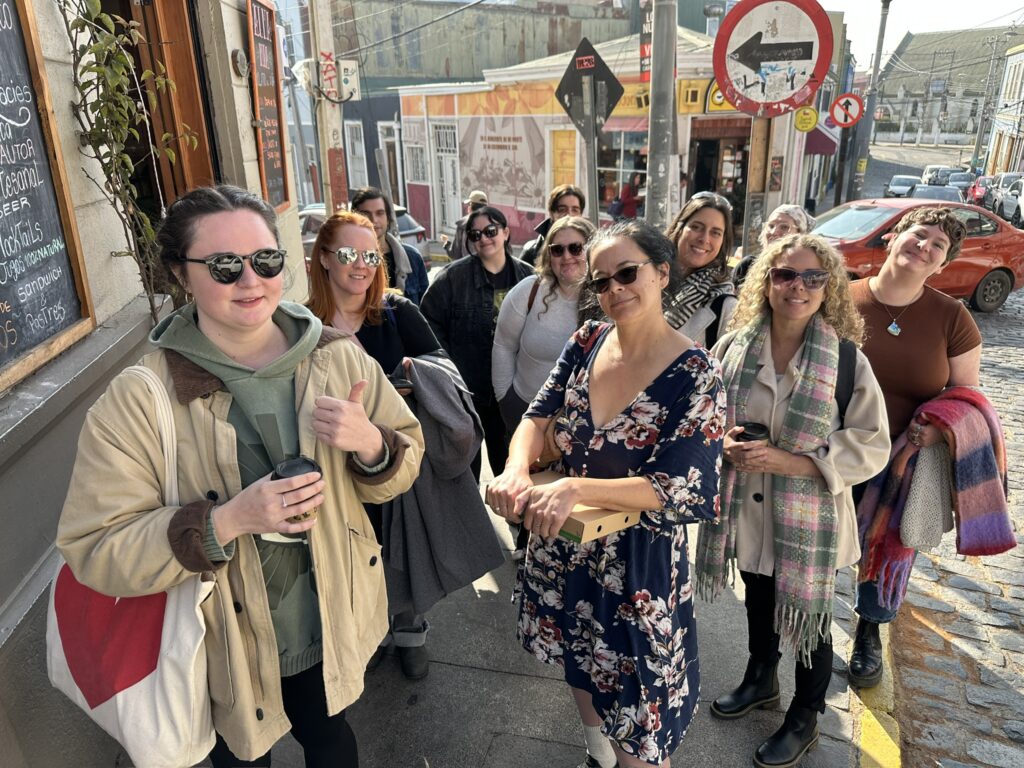
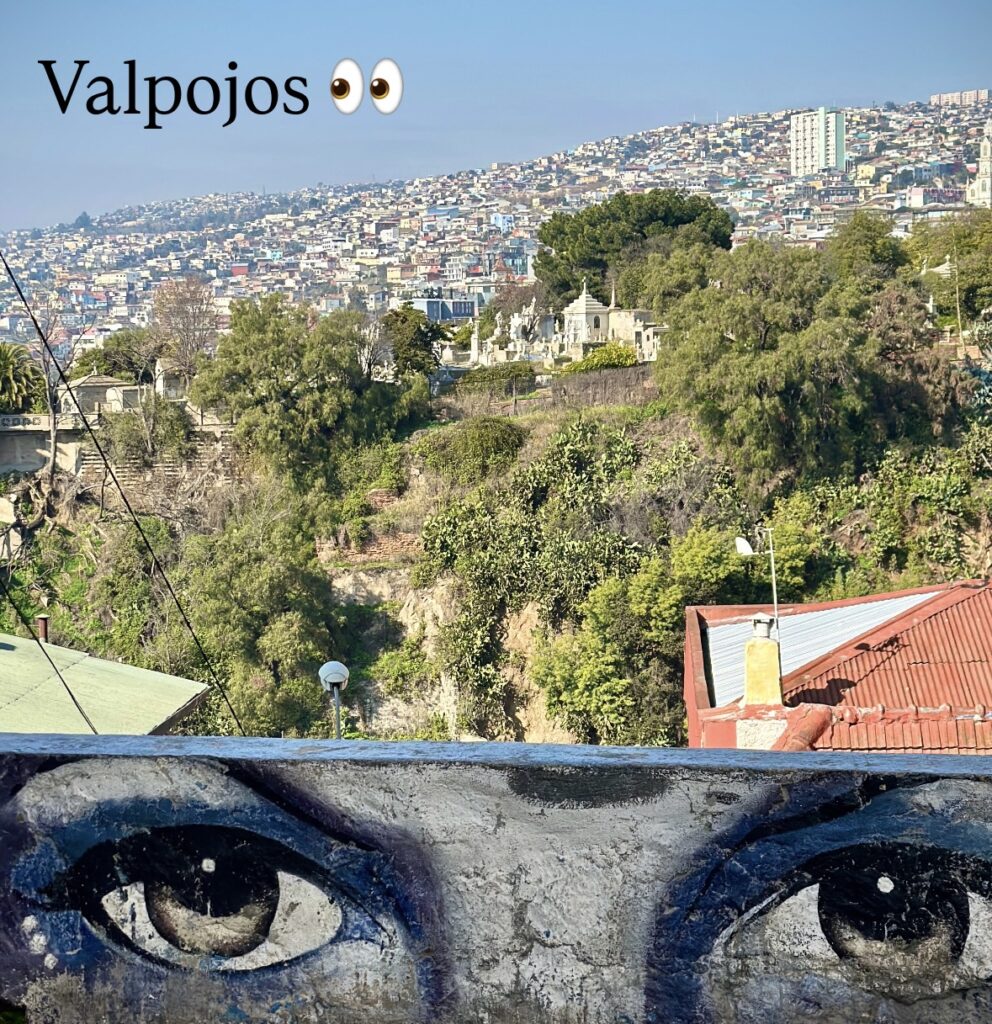
During one of our first days, we took a street art walking tour through the hills of Valparaíso.
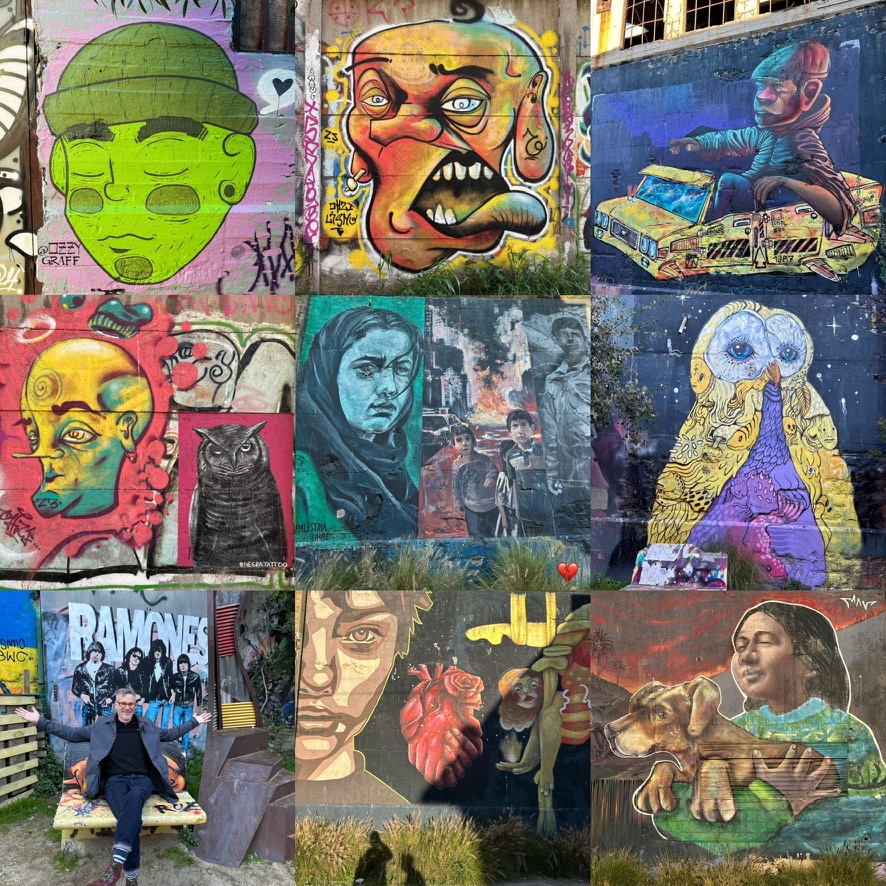
Along the way, I came across a mural bearing the phrase “Sin Miedo” (“fearless”). This piece seemed to speak directly to me. Though I came with an open mind, I still carried a quiet hesitation—an uncertainty about beginning the inner work I sensed this experience would demand. In that moment, it felt as if the city itself were offering me permission to step into the unknown, to move gently through the open fog.
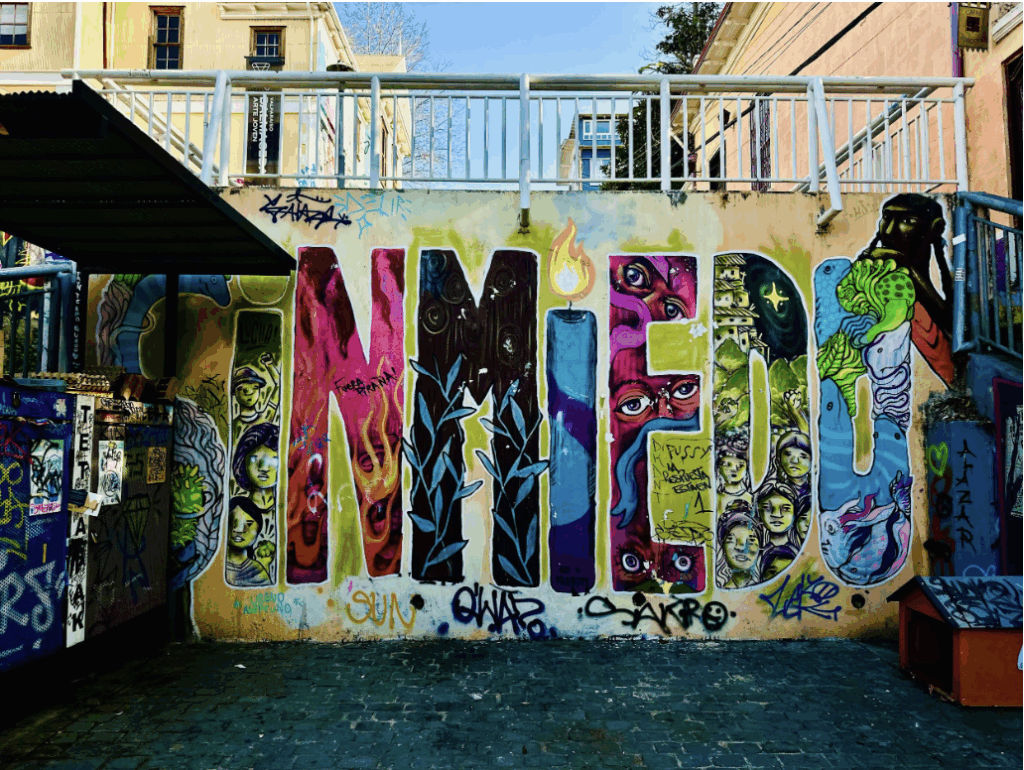
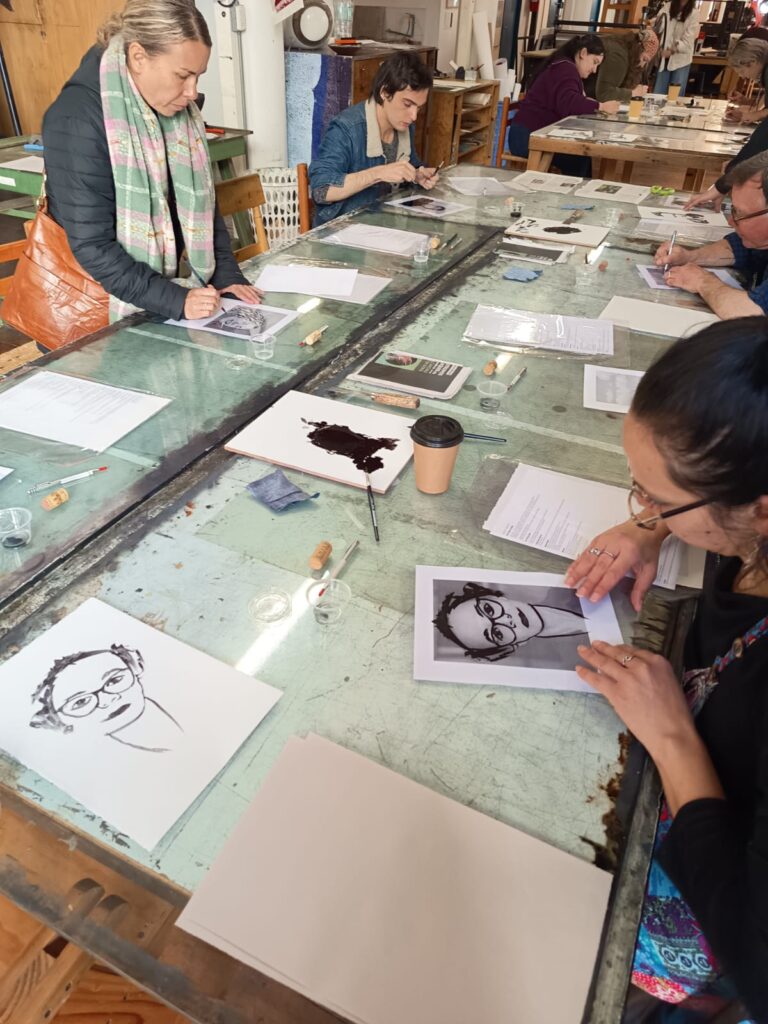
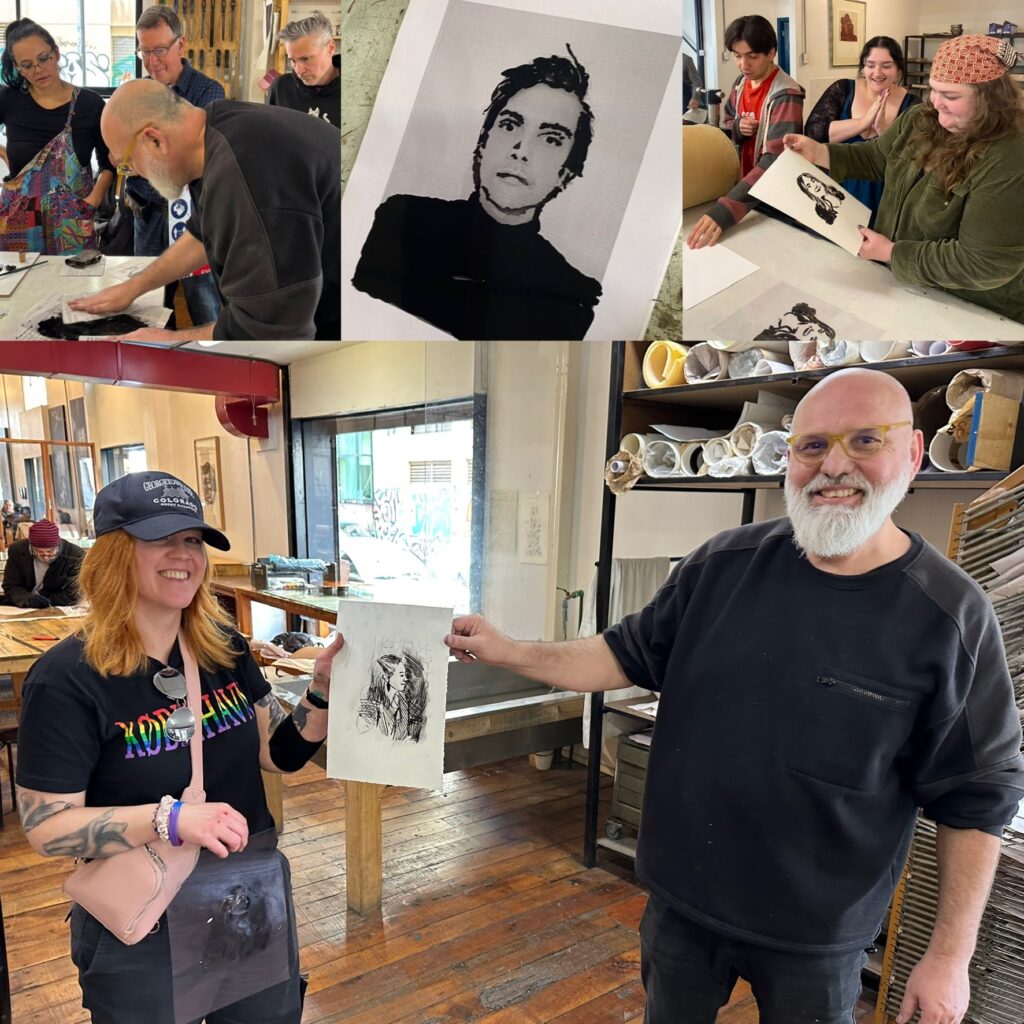
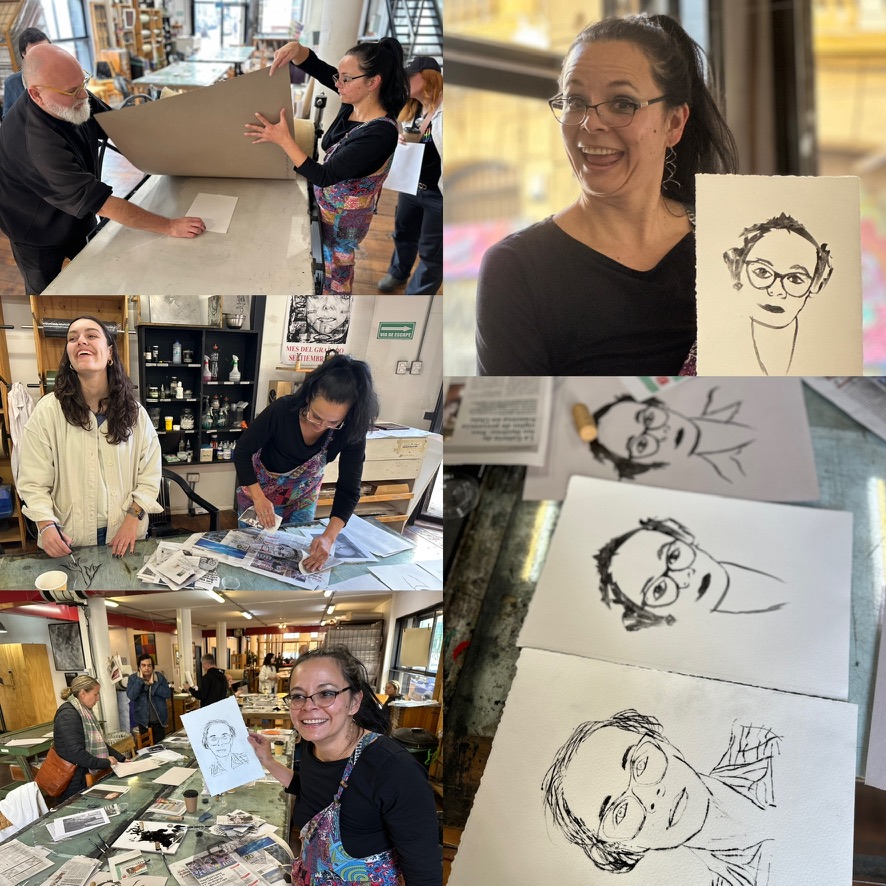
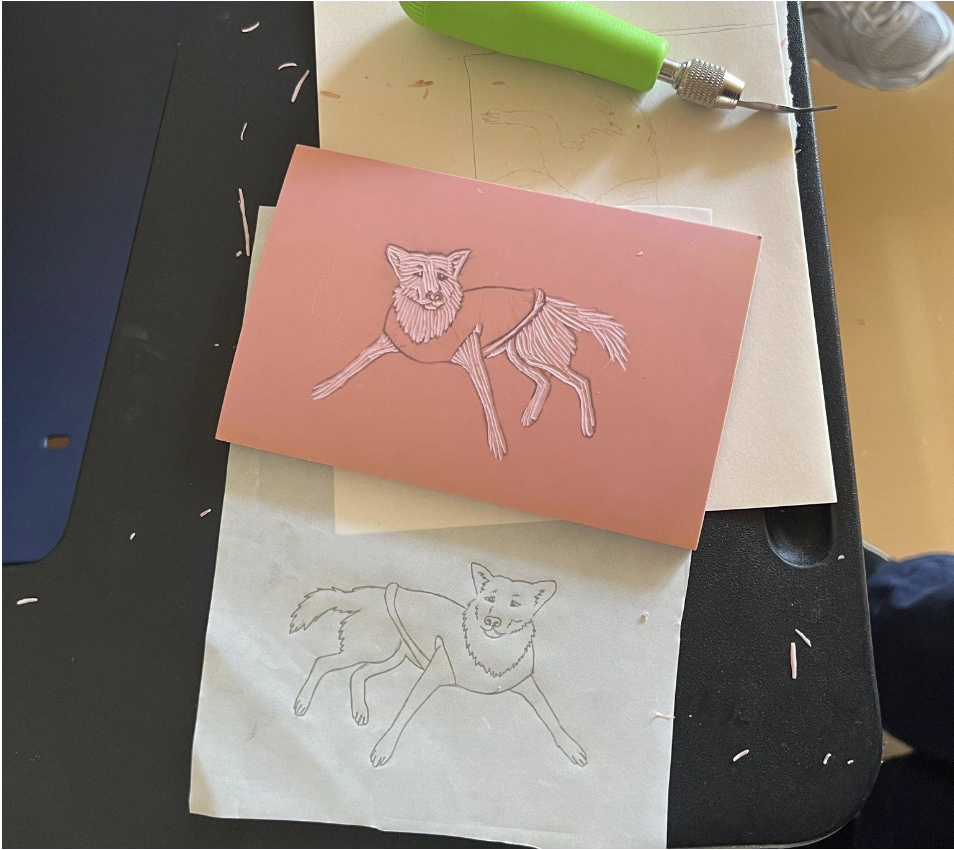
I returned to that mural in my thoughts often, and it became my inspiration for one of our projects: creating block print portraits of change.
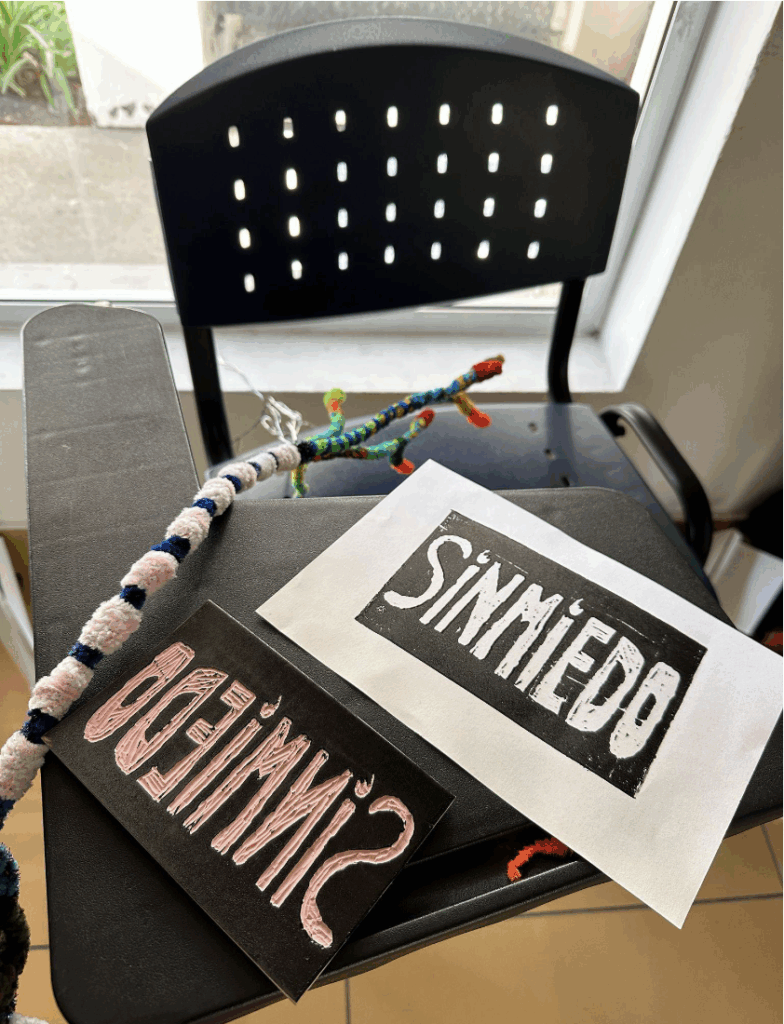
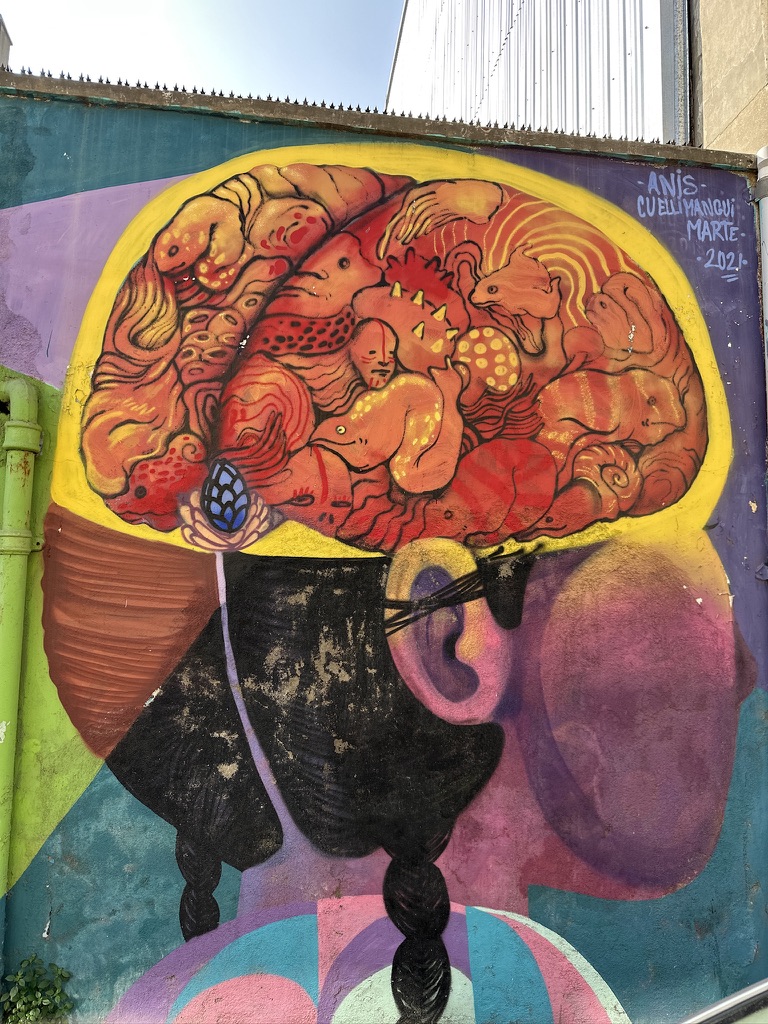
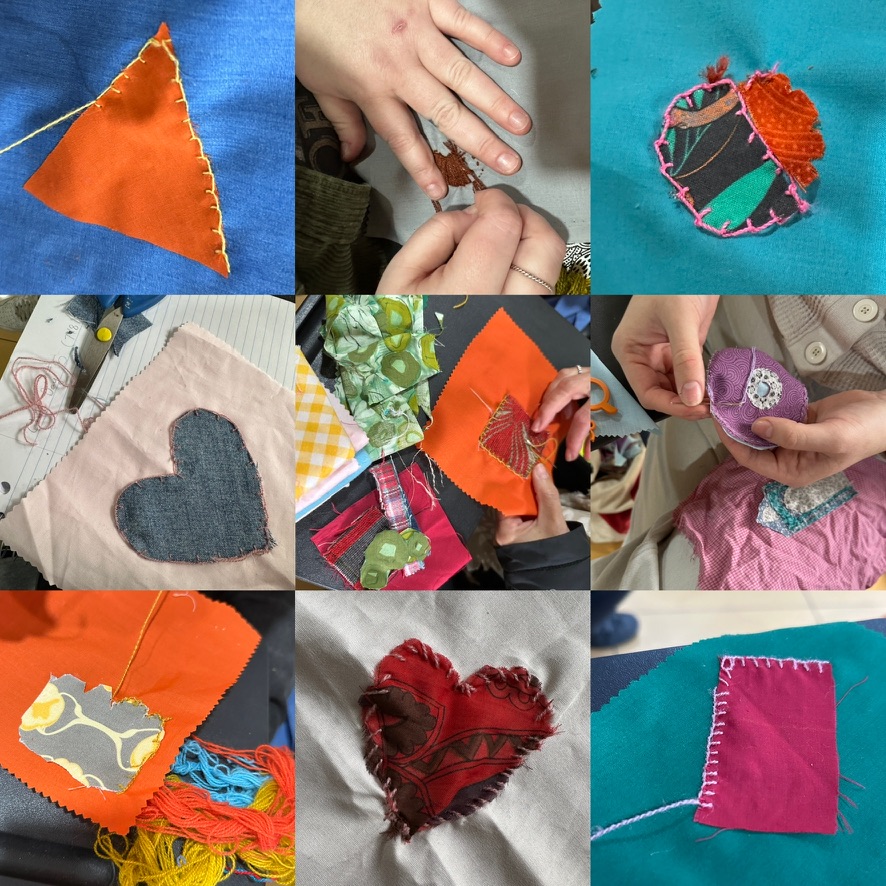
Then came the creation of arpilleras: personal woven art pieces that hold memory and address individual trauma. In anticipation of this project, I brought two fabric pieces that hold deep meaning for me—a baby blanket and a ribbon. These pieces had been stored away in boxes since 2014 and 2015. Boxes I had struggled to open since the day they were packed. Boxes that held more than physical items—for they contained the only tangible pieces I took home from the hospital on the days my children were stillborn.
Until now, I had managed to compartmentalize their contents—both on the shelf and inside my mind—avoiding the processing of my infant losses by offering excuses: a lack of time, a lack of energy, a lack of readiness. These pieces represented years spent wandering in a storm, unable to see an ending. They are part of the narrative I have struggled to rewrite.
Creating this piece, Pedacitos de Mi Corazón (“Little Pieces of My Heart”), while learning about the neuroscience of stress, gave every stitch purpose. It brought together the quiet grief of internal rumination with the steady focus of intentional creation—intertwining the default mode network with the task-positive network, and, in doing so, gently bringing calm after years of emotional turbulence.
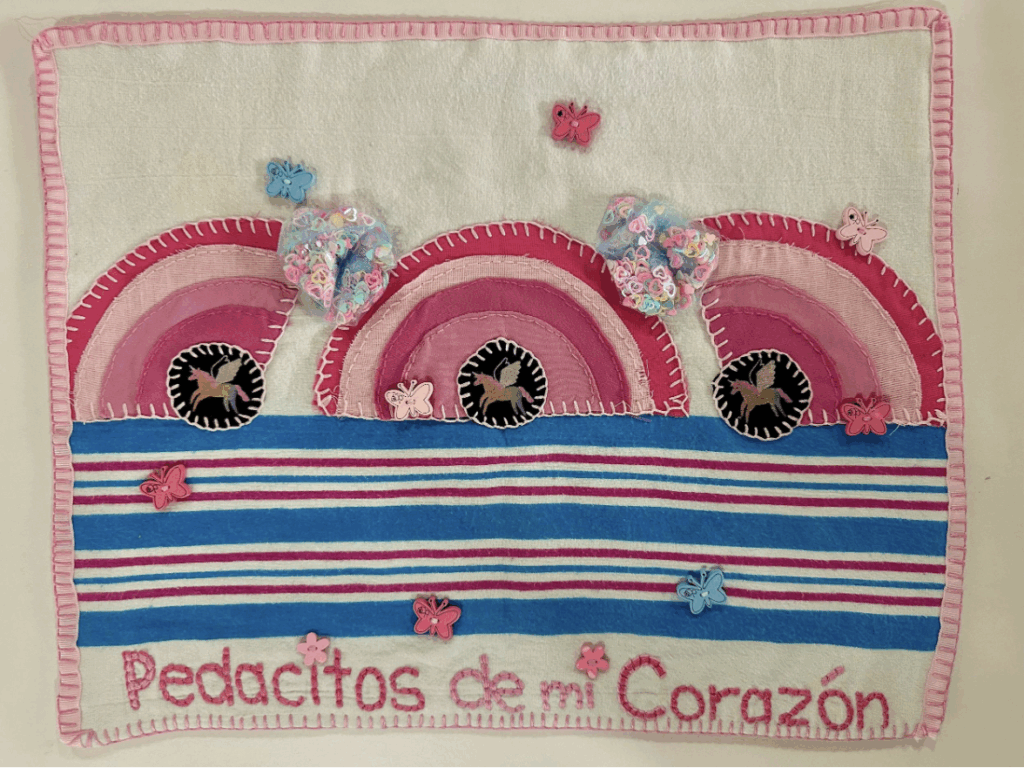
This arpillera has transformed the memory of despair into one of resilience and hope. It serves as a reminder of the storm, my rainbow, and the ever-unfolding journey out into the open fog.
LEARN MORE: A Comprehensive Overview on Stress Neurobiology
LEARN MORE: To Bend and Not Break: The Neurobiology of Stress, Resilience, and Recovery
Alexa Castillo
This month in Chile has been a powerful mix of the unfamiliar and the deeply personal. I came in as a ceramic artist, grounded in materials and process, and left with a new understanding of how art, neuroscience, and lived experience connect.
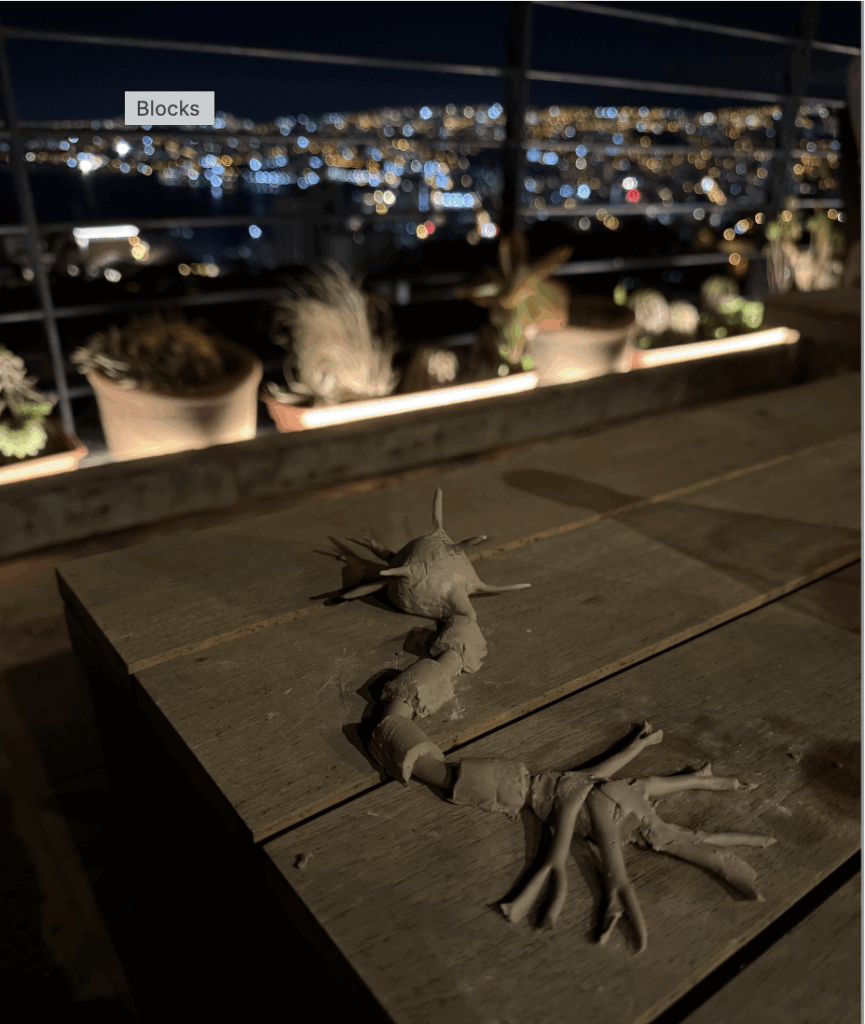
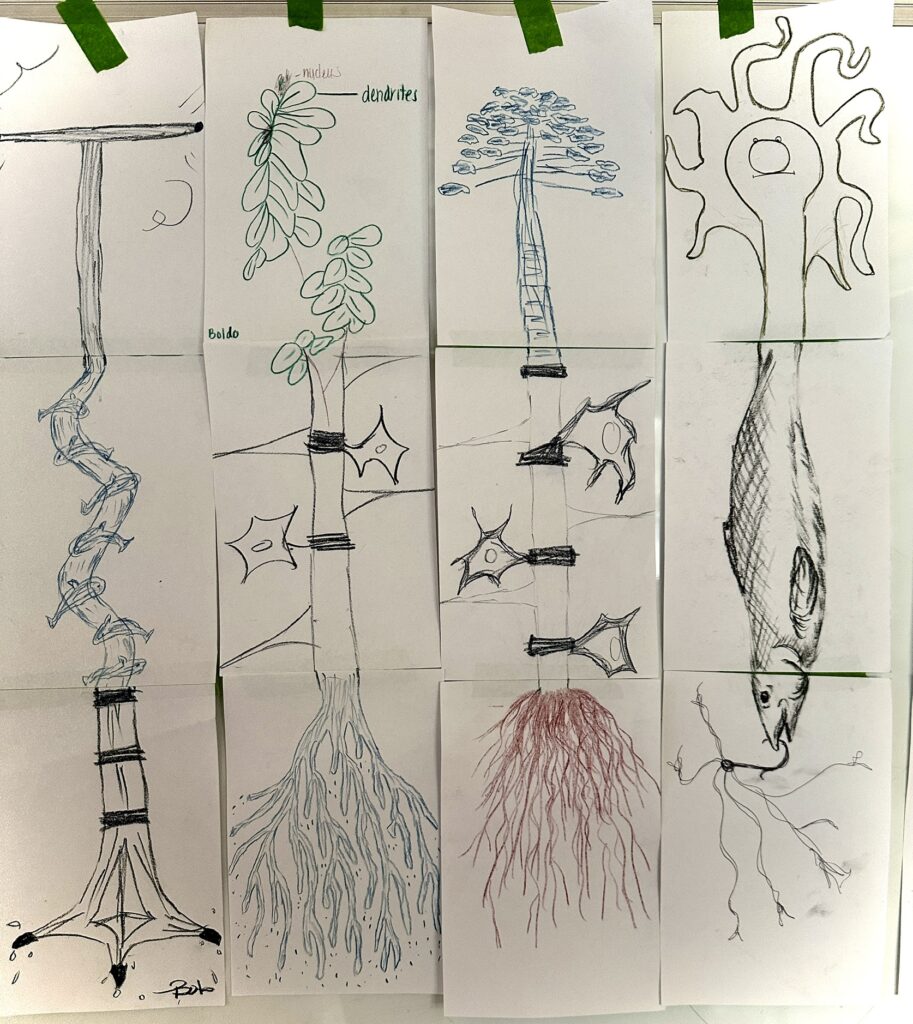
In one of our early projects, I sculpted a neuron using air-dry clay, a medium that felt like home. Through shaping its parts and labeling them digitally, I didn’t just learn what a neuron is. I felt what it does. I began to understand how stress impacts the brain, how neuroplasticity allows for growth, and how tactile learning strengthens memory. The fusion of clay and science helped me internalize something that, before this trip, felt out of reach.
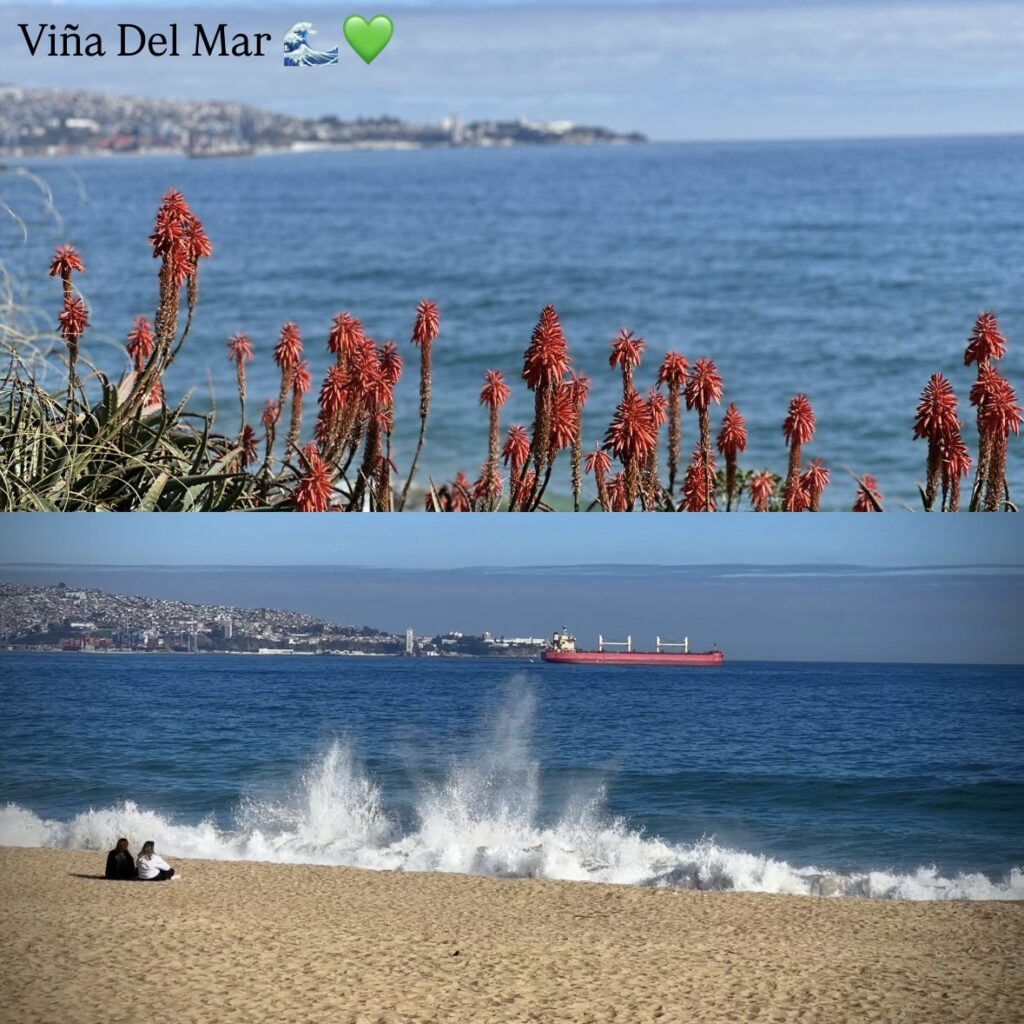
Later, I created a block print of myself sitting alone at the beach.
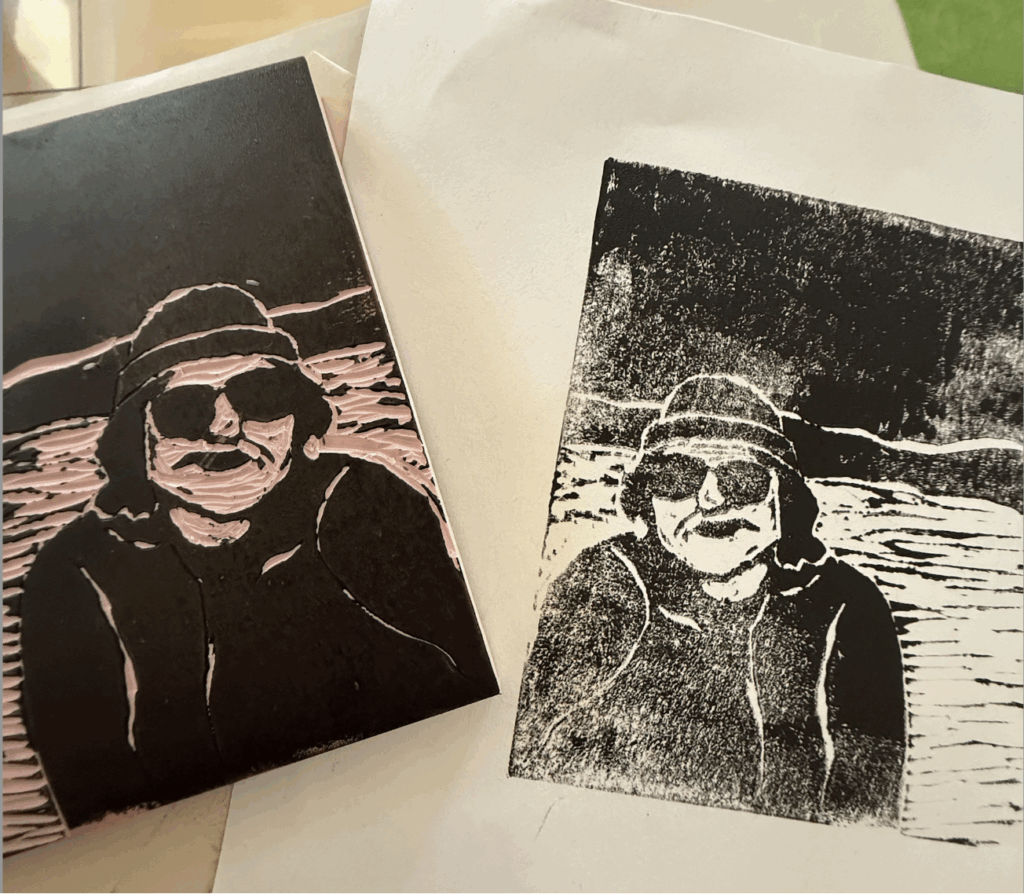
This image represents a major shift I felt while in Chile: learning to be fully present. I came here with a restless mind, always thinking ahead or turned inward. But somewhere between the ocean air and the rhythm of daily life, I found space. This print captures that moment of stillness, where I realized I am enough as I am and that peace is something I can carry within me no matter what surrounds me.
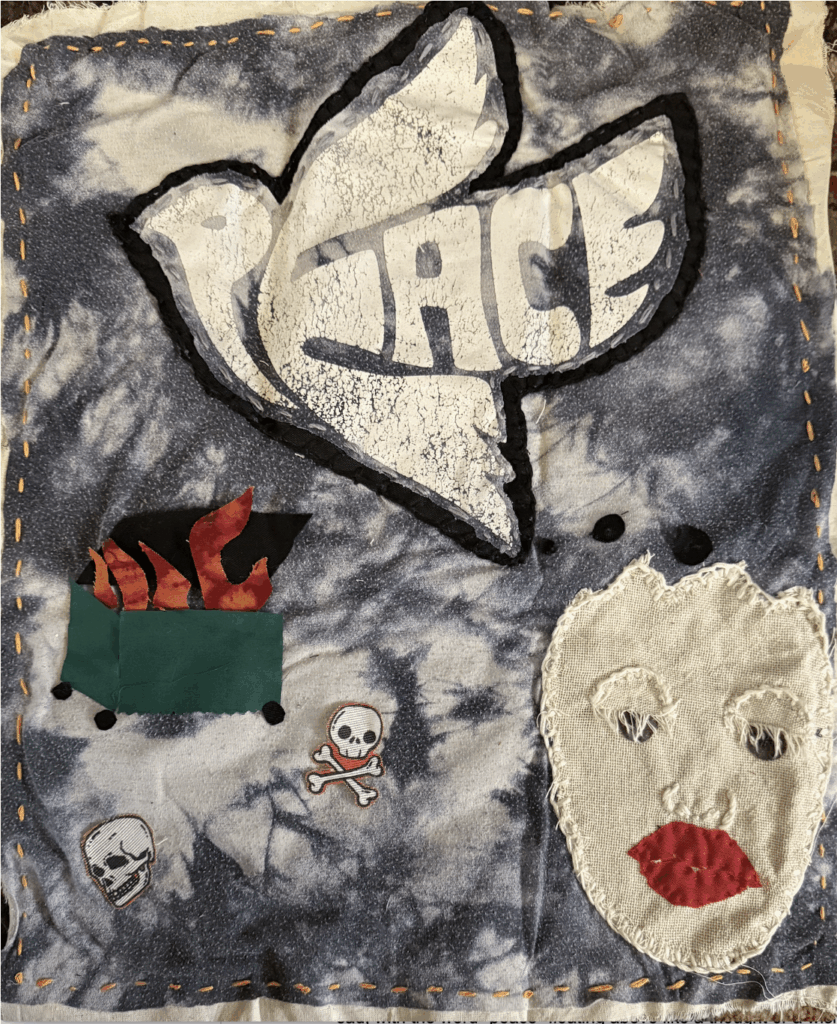
My final piece, an arpillera, brought everything full circle. It shows a face, quiet and somewhat sad, with the word “peace” floating above like a thought or a wish. Around it swirls chaos: skulls, fire, uncertainty. But the person stays steady. That is how I have felt here. Even in the noise of life, I found a way to remain grounded. Stitching this image was emotional and therapeutic. Neuroscience tells us that sensory experiences help anchor memories. Now, every texture and color in this fabric holds meaning for me.
What I didn’t know before I came to Chile was how much the brain and art are connected, not just in theory but in how we live. I didn’t know how much making something with my hands could help me process stress, culture shock, and even joy. I learned that being human means navigating both fire and stillness, and that growth happens in the in-between.
Joanna Downes, PSU
Before leaving for Chile, I would always be asked the same question when I’d say what we’d be studying: “What do art and neuroscience have to do with each other?”
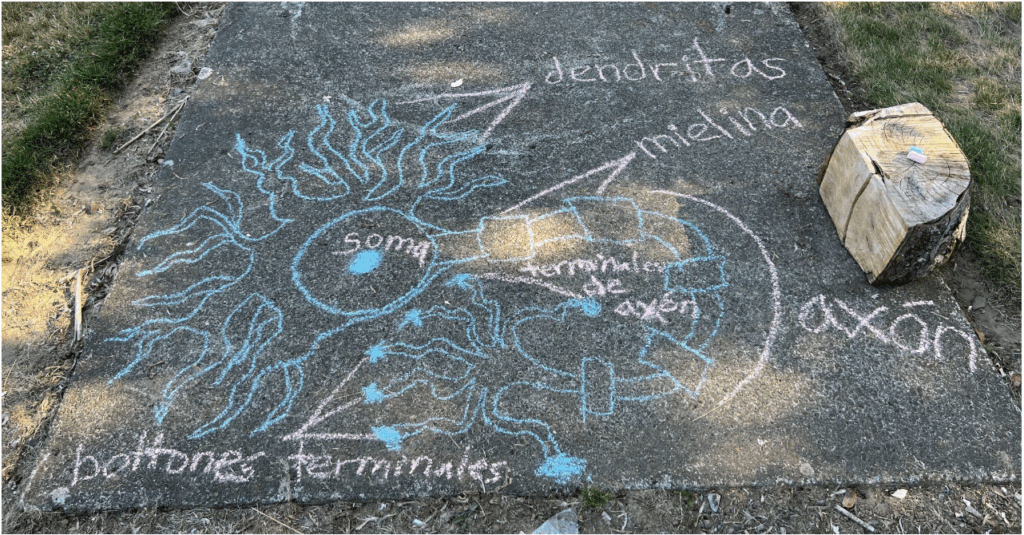
As a result, it is a question I’ve had at the forefront of my mind throughout this last month. While many people don’t immediately see the connection, this experience has highlighted for me how the two disciplines go hand in hand. It is both art and neuroscience that lead to drawing neurons on the foggy windows of the bus, or the streets with spray paint and sidewalk chalk. Understanding how the brain works allows us insight into why we like art and why we want to create it.
Our brains are how we’re able to create and analyze art, while art is something that helps our brains to heal and grow. Gestalt principles like ‘figure-ground’ and ‘closure’ explain how our minds interact with art, and can help to explain why we are drawn to certain pieces more than others.
Additionally, the act of creating and viewing art has many research-backed benefits. Viewing art helps to expand a mind that may be overfitted to a particular set of stimuli. Creating art provides an outlet to process our feelings and experiences. Many people reach a state of full immersion when doing art, known as a flow state, which has been shown to have a positive impact on mood and wellbeing. Learning the rich history of Valparaíso’s connection to both neuroscience research and art has given me a greater appreciation for how the two disciplines interact and influence one another.
LEARN MORE: Art and brain: insights from neuropsychology, biology and evolution
LEARN MORE: The brain in flow: A systematic review on the neural basis of the flow state
LEARN MORE: Gestalt theory in 20th-century history
Liam Hosse McKenna
I was told there would be culture shock.
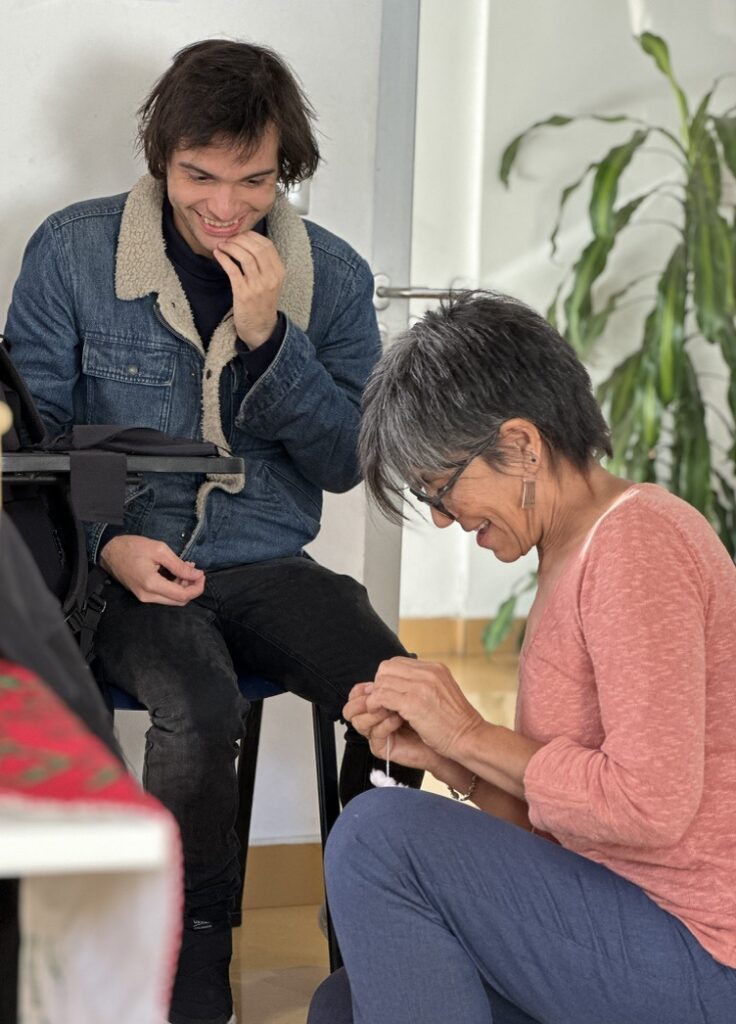
The thing about culture shock is it comes from unexpected sources.
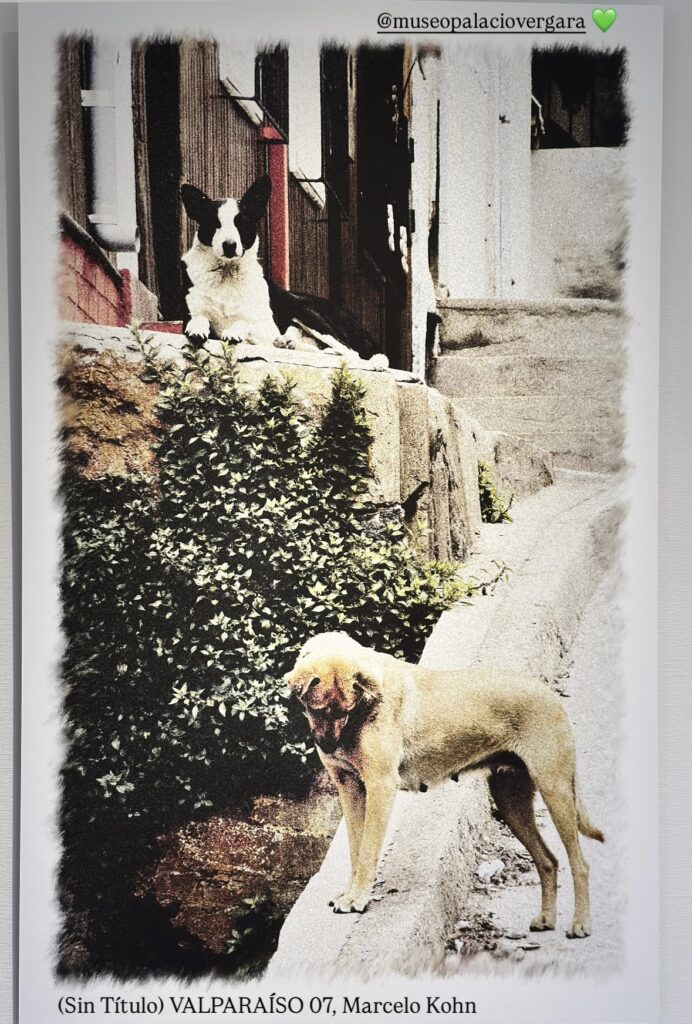
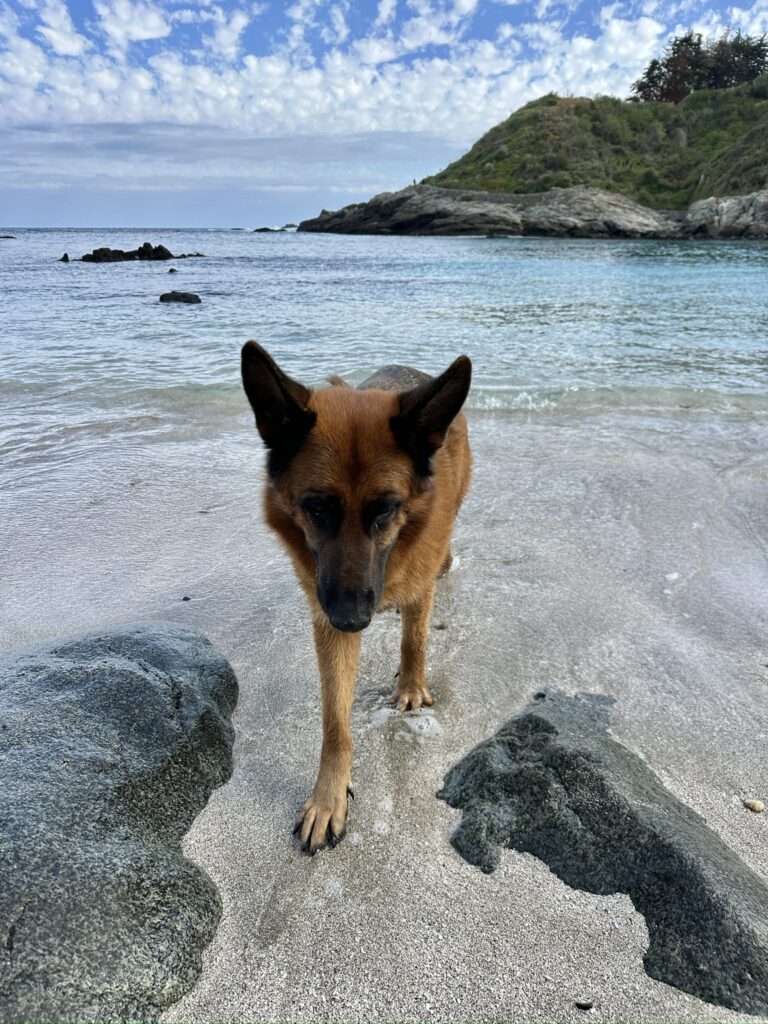
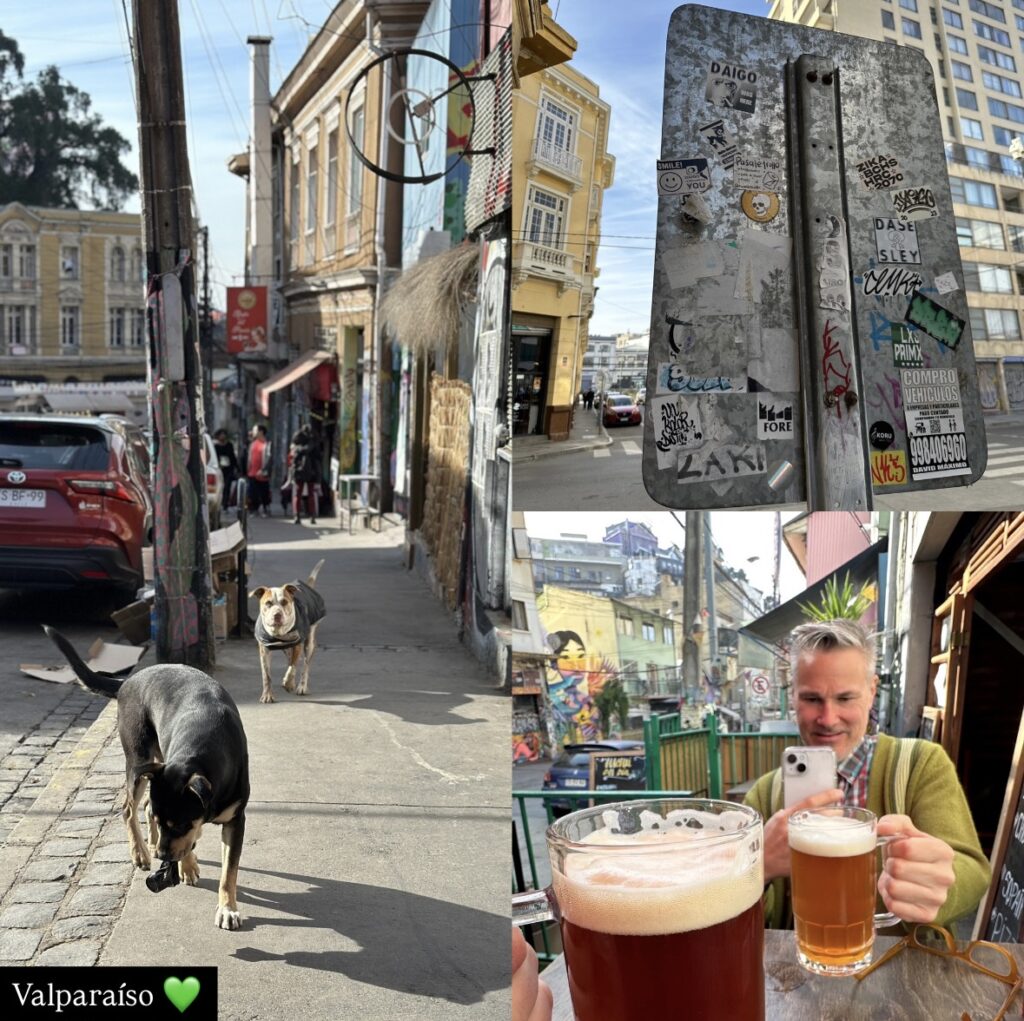
Outside of pigeons, stray animals just aren’t much of a reality here in the United States. They aren’t something I really think about. When I see a dog loose alone, I tend to presume it is lost, not stray. Even then, rarely do I even encounter loose dogs. But in Valpo, stray dogs are everywhere!
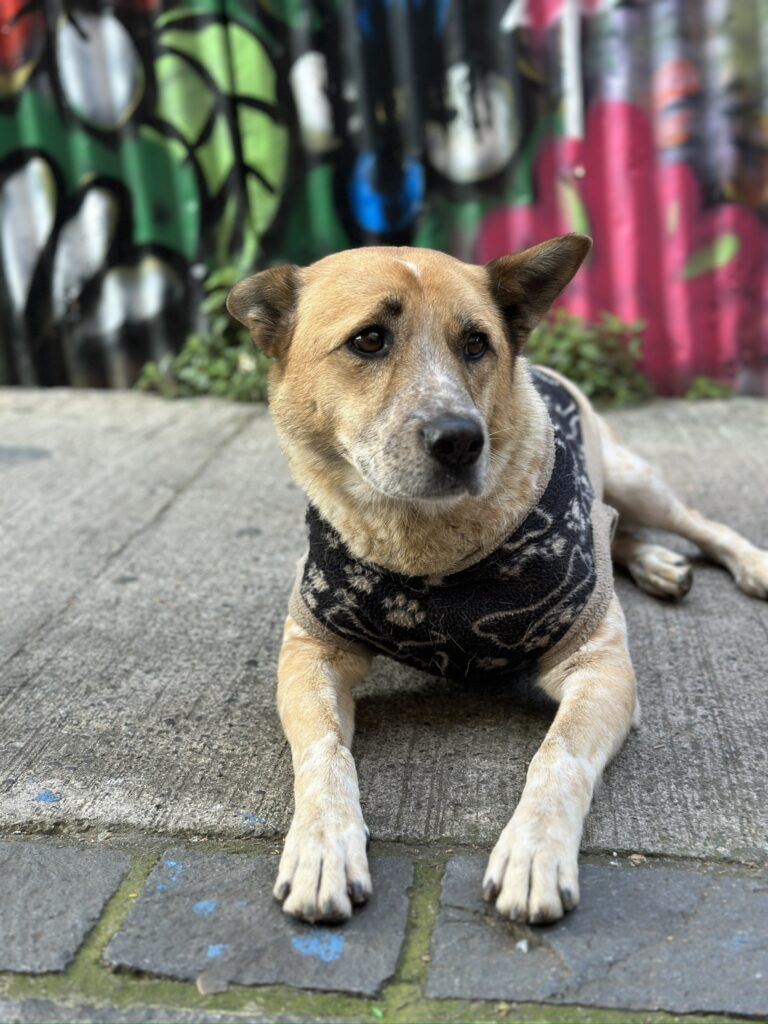
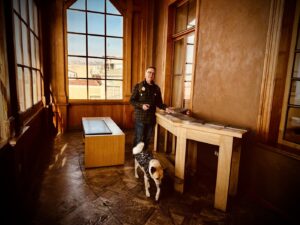
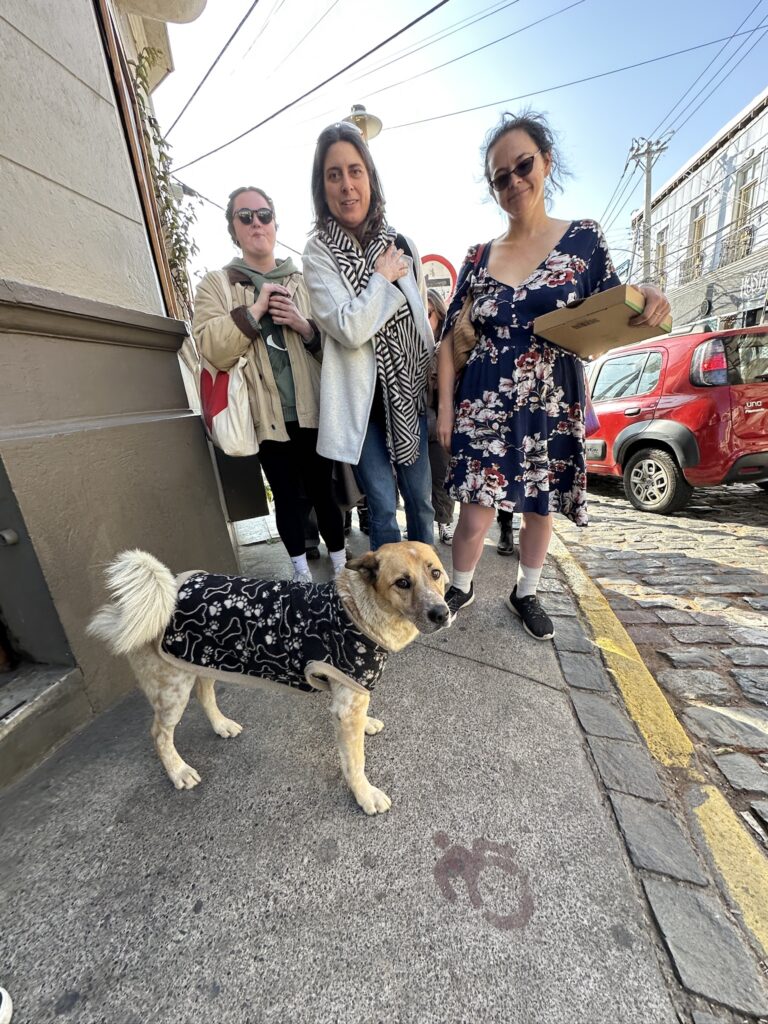
Stray dog our group befriended
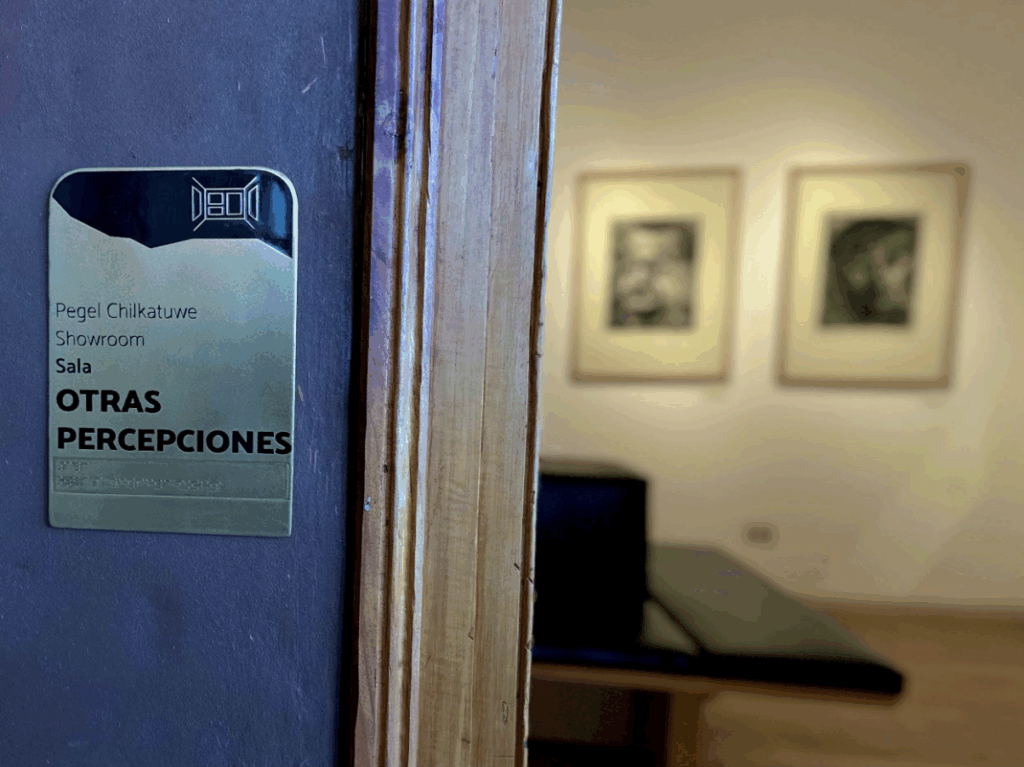
Despite being stray, I would not describe all the dogs as uncared for. Most appeared fed. A lot of them had clothing that was likely given by the locals. They feel integrated into the community. One stray dog that followed our group through Valparaíso was allowed into various stores, art galleries and a pizzeria, but was (unfortunately) ultimately kicked out of the Museo Universitario del Grabado (MUG).
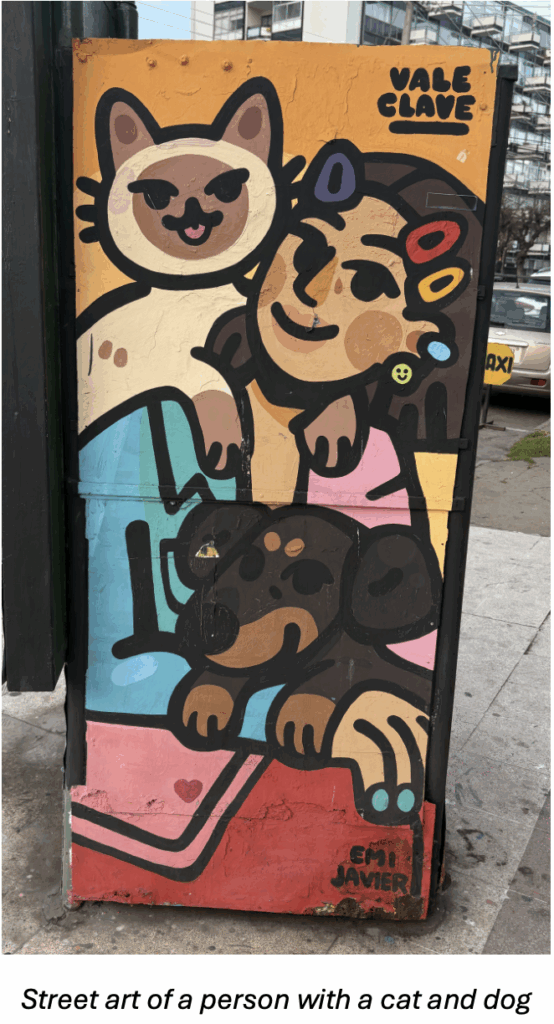
I was shocked by how well behaved these stray dogs were too. It was slightly intimidating when you bump into a pack of stray dogs in the street alone, but the dogs were friendly. Occasionally I witnessed dogs get territorial with each other. I did notice one group of dogs bark at another dog wandering by.
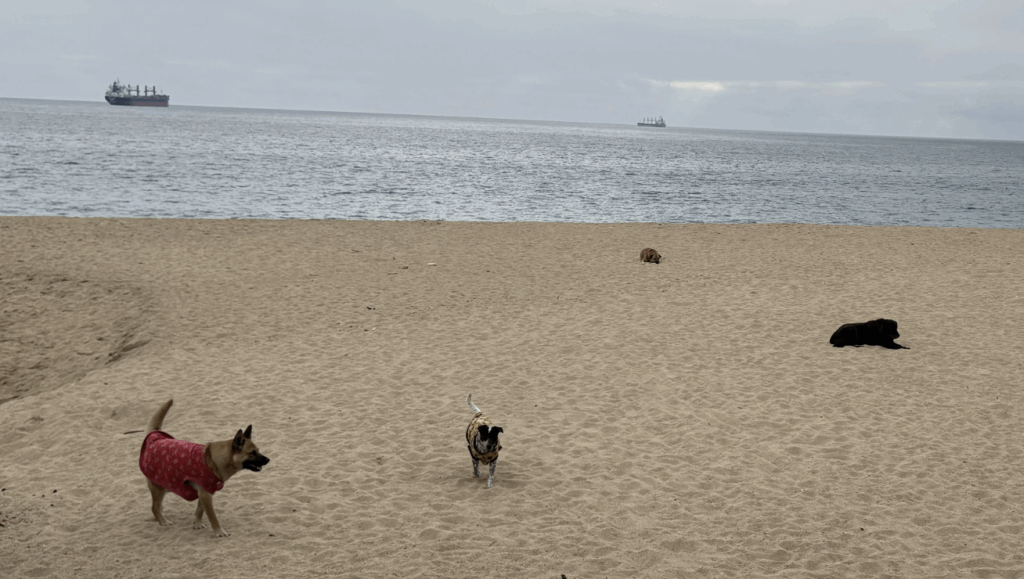
The most dodgy aspect of stray dogs has got to be the reality of stray dog feces.
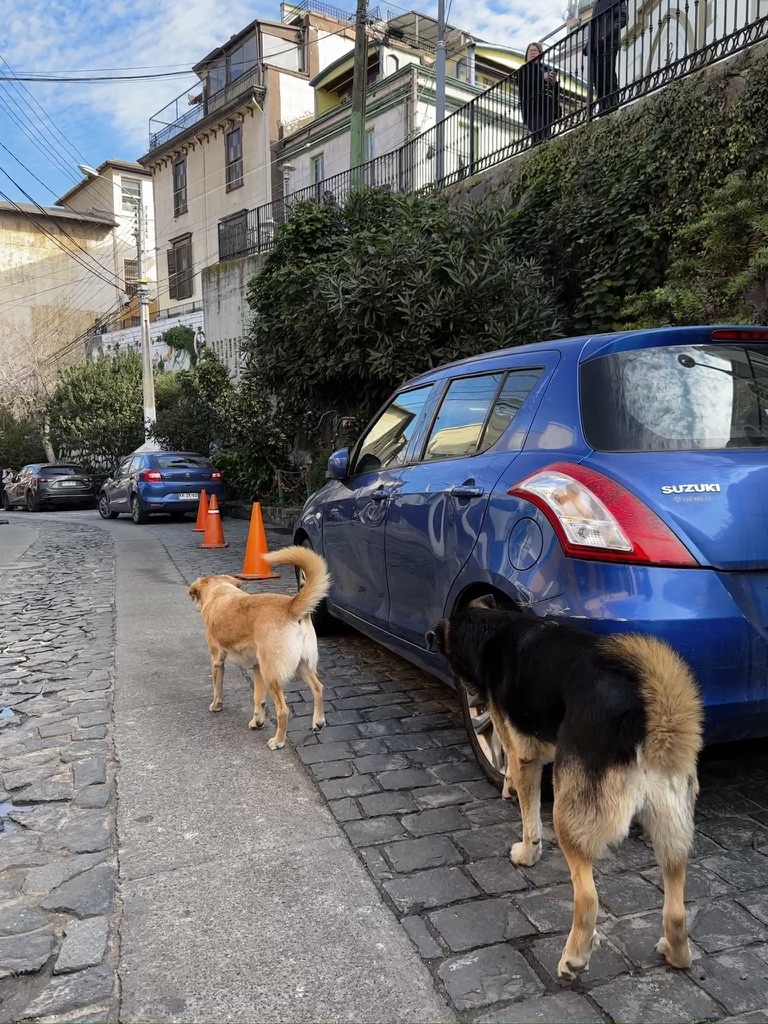
There is no way to put this mildly: dog poo is pretty common in the streets of Valparaíso. I’d estimate there is maybe one dog dropping per every three city blocks. Stepping in dog poop is common enough that local Porteños playfully call it a sign of ‘good luck.’ I was mindful of this, and knew to be prepared, but I still stepped in dog poo on three different occasions during the month I spent in Chile, twice in the port city of Valparaiso, and once in the resort town of Concón.
To contrast this with a city most readers of NW Noggin are familiar with, I have lived in Portland, Oregon for ten years; I walk around a lot and have only stepped in dog poo on two occasions.
This is not to call out Chile as ‘dirty.’ Overall, trash and litter struck me as appearing as common as it does in Portland. From my experience both cities in the United States and Chile have their problems, and both places can be improved. I also can’t say that I encountered any discarded hypodermic needles in Valpo. They are a frequent sight in Portland and present much more of a biological risk than poo.
LEARN MORE: The Stray Dogs Of Valparaiso
LEARN MORE: Visiting Chile? Don’t Miss Valparaiso’s Most Interesting Creatures
LEARN MORE: Abandonment of dogs in Latin America: Strategies and ideas
LEARN MORE: Chilean Street Dogs
Andrea Beil, PSU
The moment my flight landed in Chile and I was off to meet my group I knew that this was going to be a once in a lifetime experience. I was aware that I would meet challenges head on and take risks. As I had already faced barriers leaving home (for one thing, my flight arrived a day late) the stress was already there.
Additional barriers including requesting time off from work, navigating care at home for my children with special mental and behavioral health needs, and limited family support as a single mom with no parents to help or brothers or sisters. There were also financial considerations, and just organizing a trip abroad presented many challenges. Arriving in Chile I was a foreigner with a lack of Spanish language skills, which created many moments of miscommunication! However, I quickly became aware that I could use other skills such as body language, and I learned to adapt to the words a bit quicker than I expected.
These experiences taught me to pause when listening, and I could feel my brain sorting through each word and even mimicking facial expressions to help with pronunciation, gradually developing better language proficiency. It was difficult, but I made real progress on certain days.
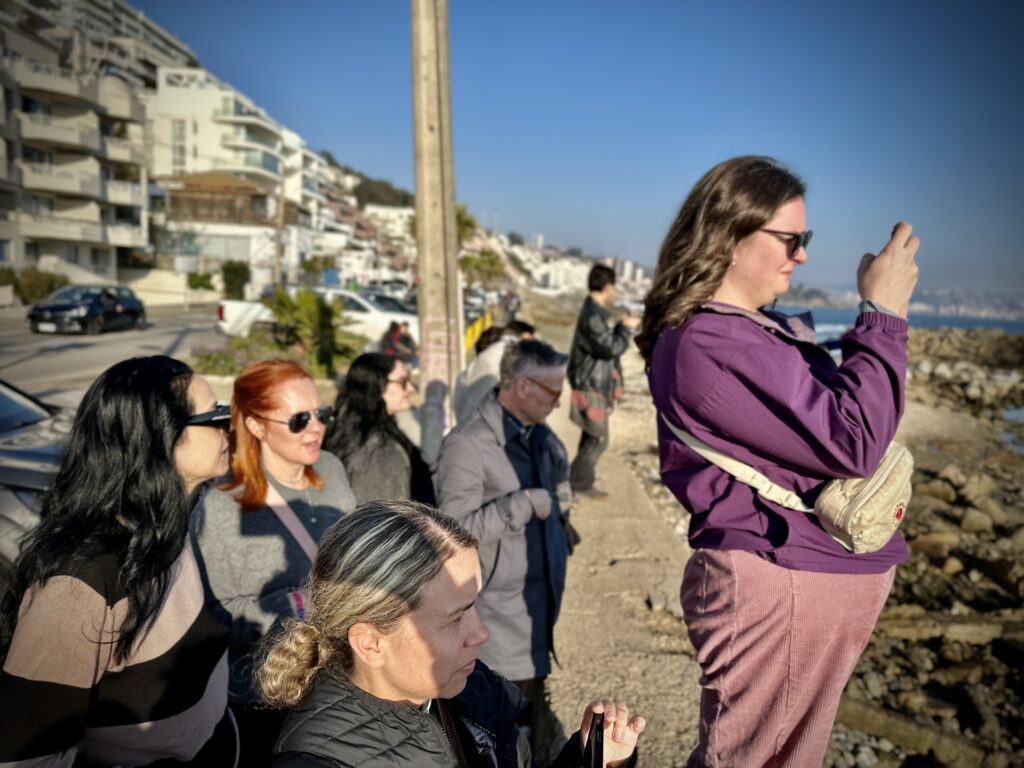
The opportunity to study neuroscience for the first time intertwined with art and psychology helped me better understand human behavior and myself in a more intricate way. The experience was hands-on and I was suddenly immersed in a new culture and place. Meeting everyone in our Cerebrarte group, most of us new to each other, led to strong friendships and experiences that I think I’ll remember for a lifetime.
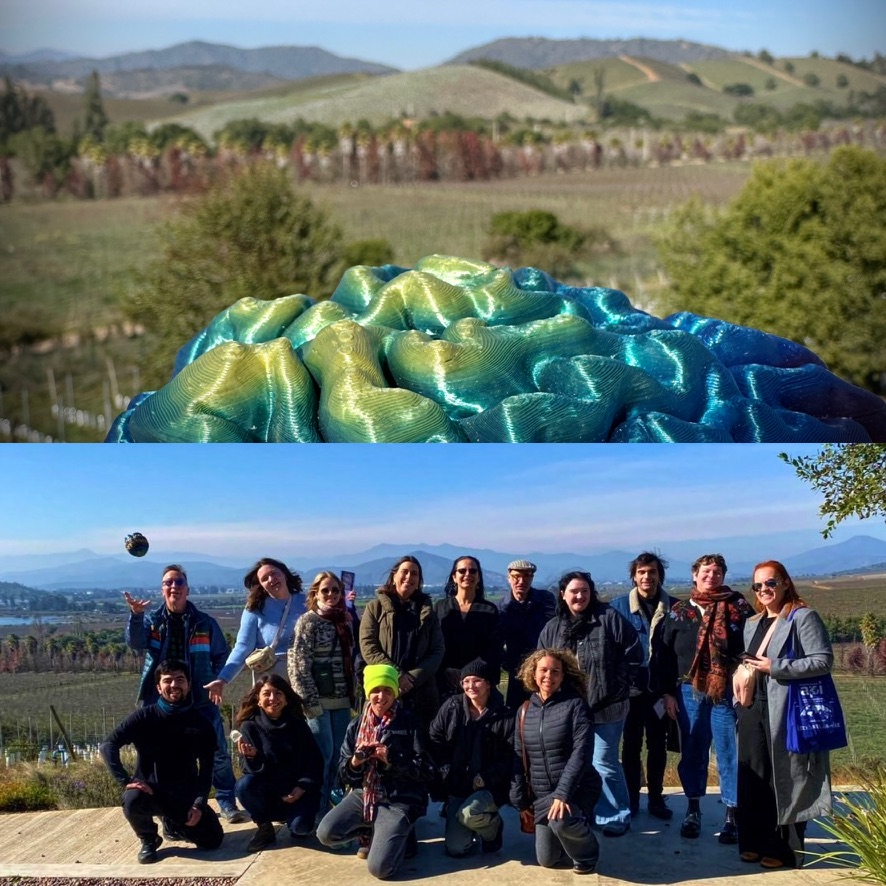
My time in Chile spent with my host family was a big part of my integration to the culture and language barriers I faced each day. I’m grateful that I was able to form new connections with a family that took me in as their own and showed me their day to day life.
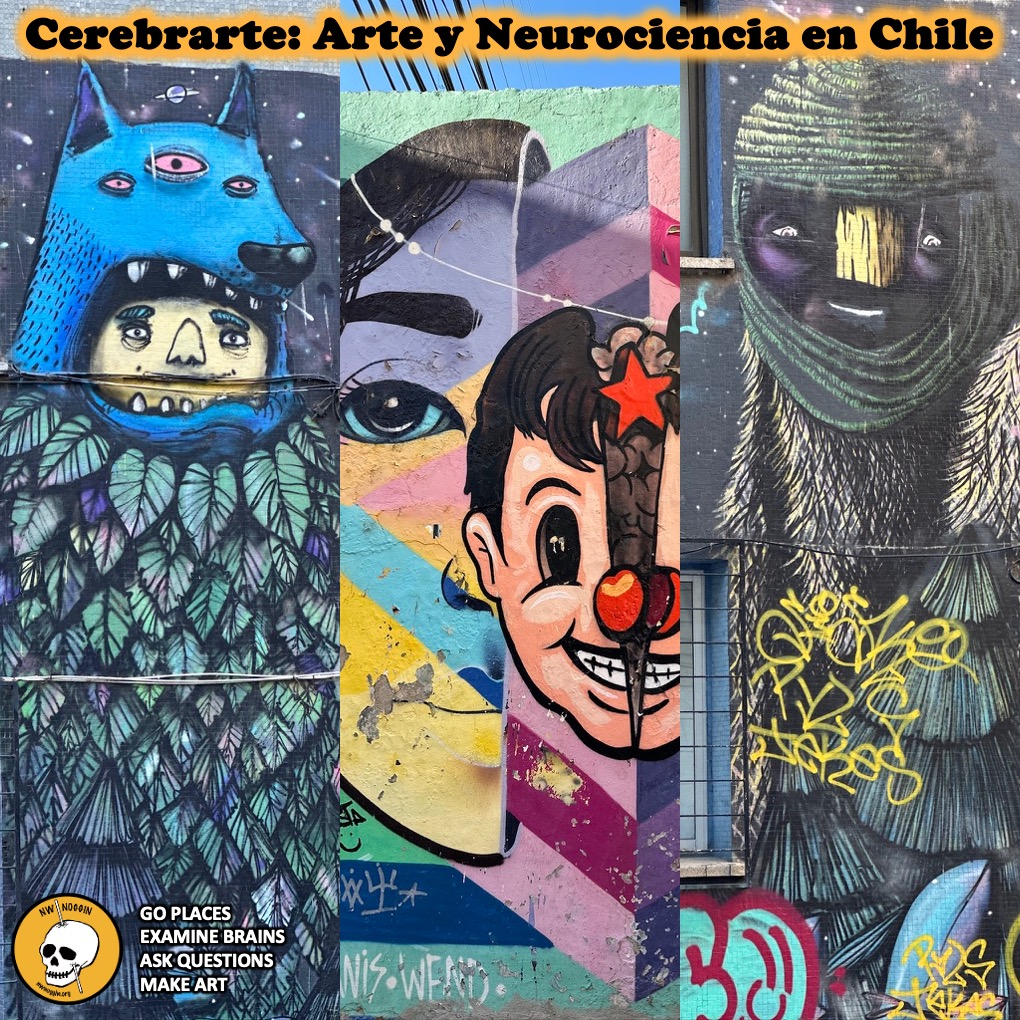
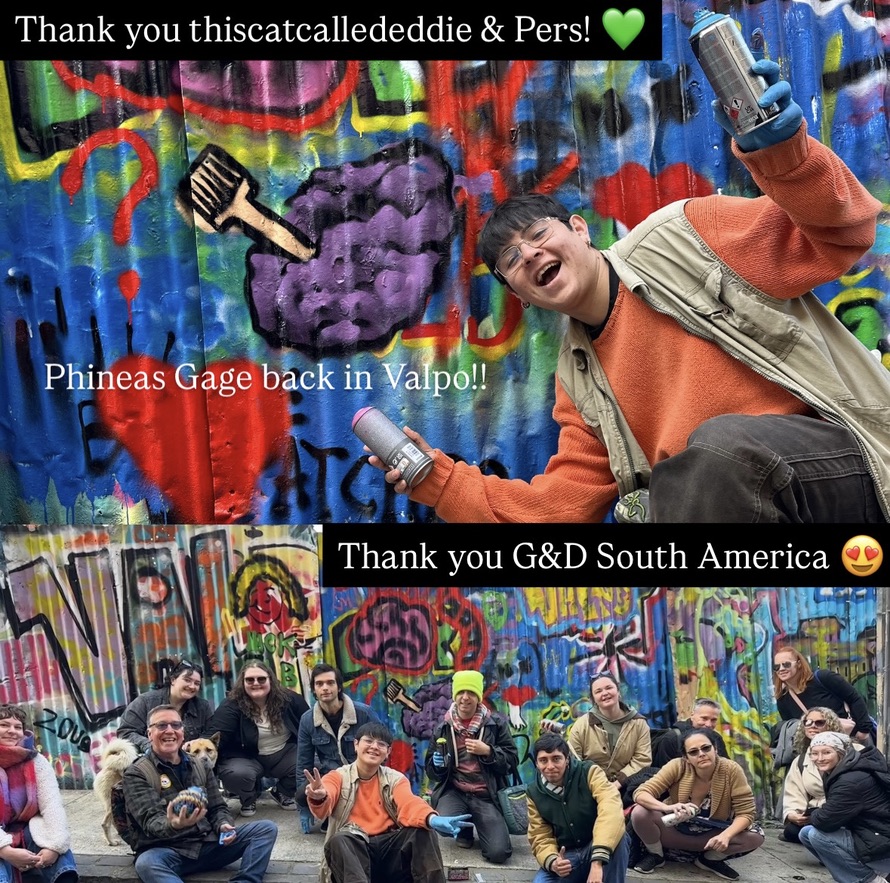
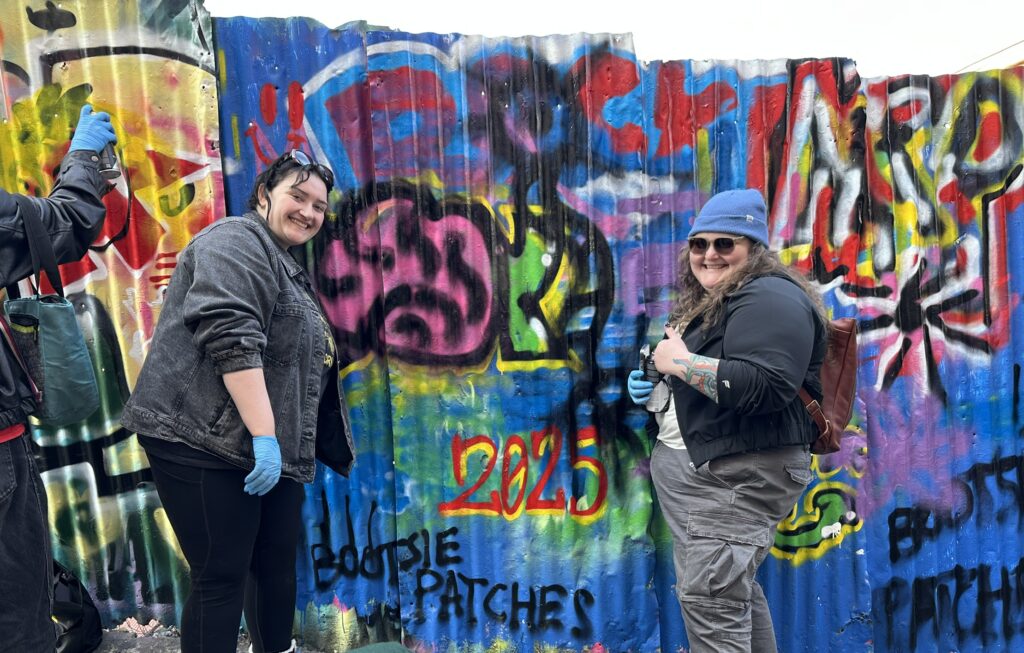
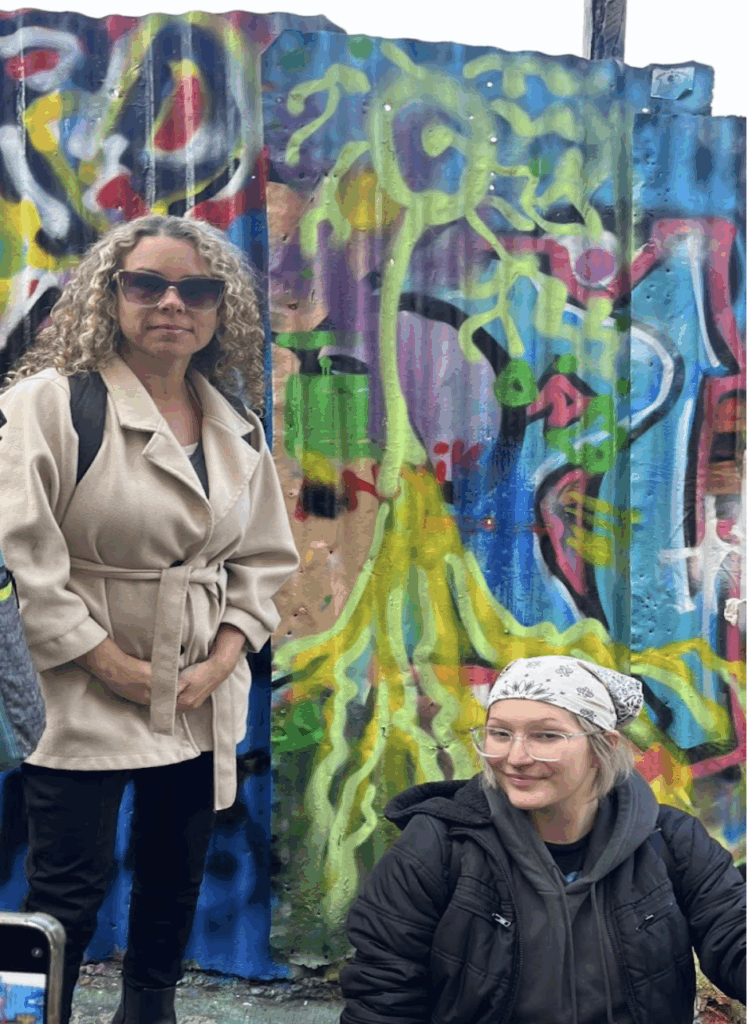
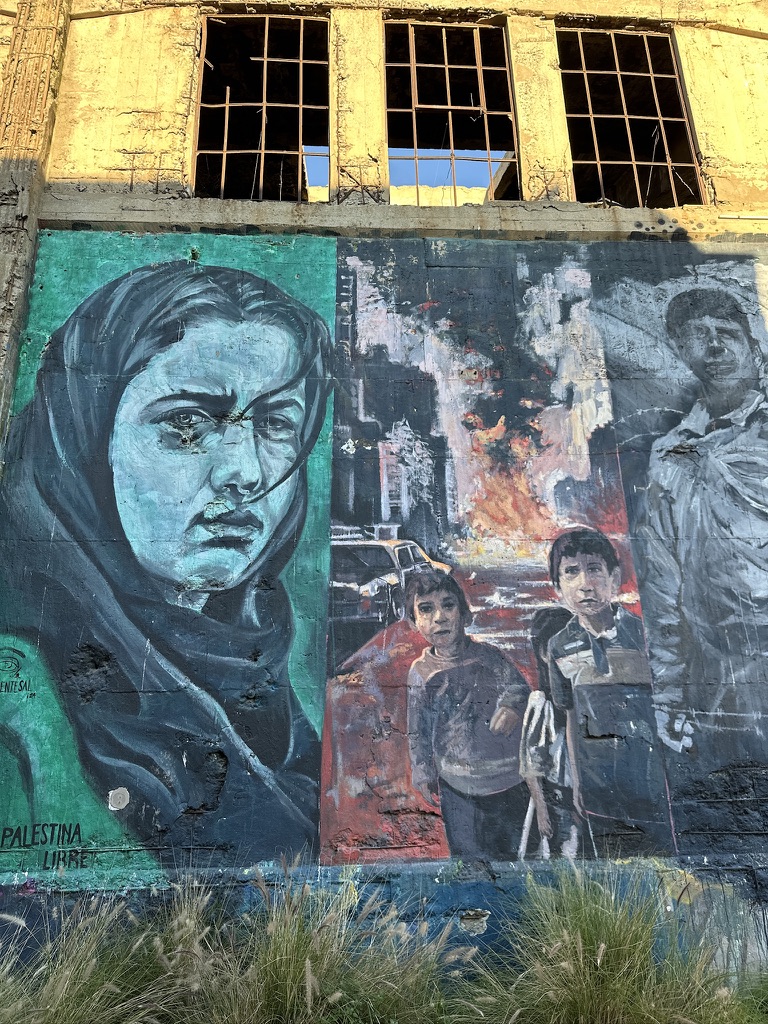
What I did not know was that Valparaiso, Chile is such a beautiful artsy community with murals on buildings all over. I was amazed by each art mural as we walked through the city. Our group was able to collaborate and paint our own graffiti art on a wall (check out our neuron!).
I also learned that my own previous traumas could be healed as I began making my arpillera.
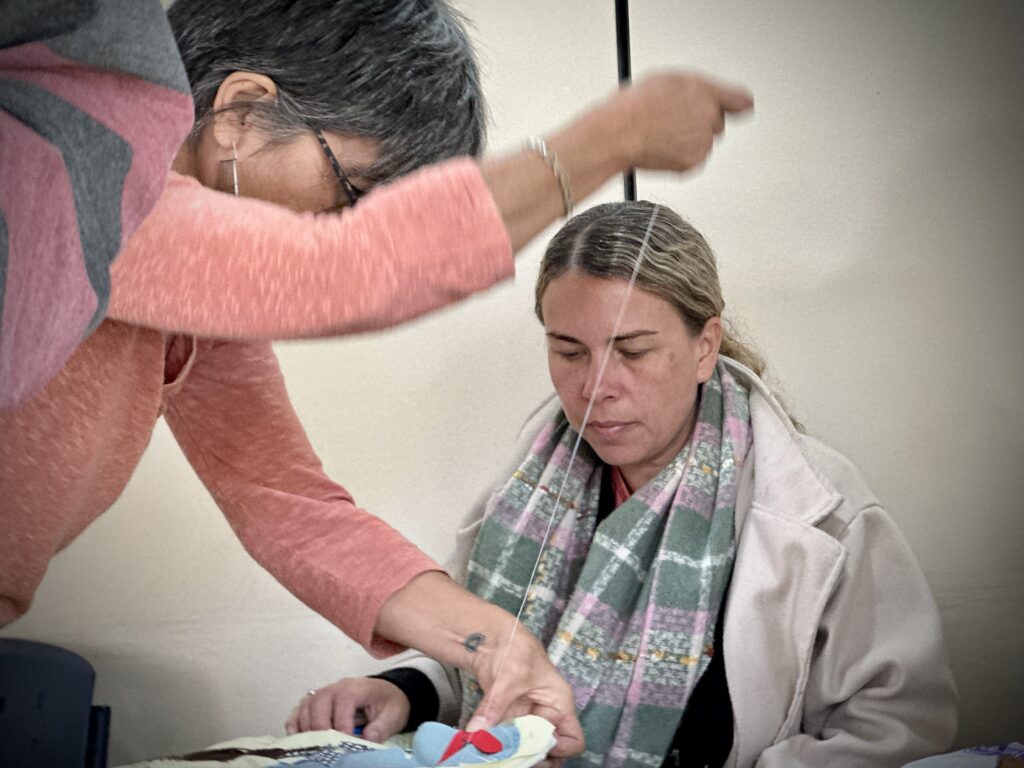
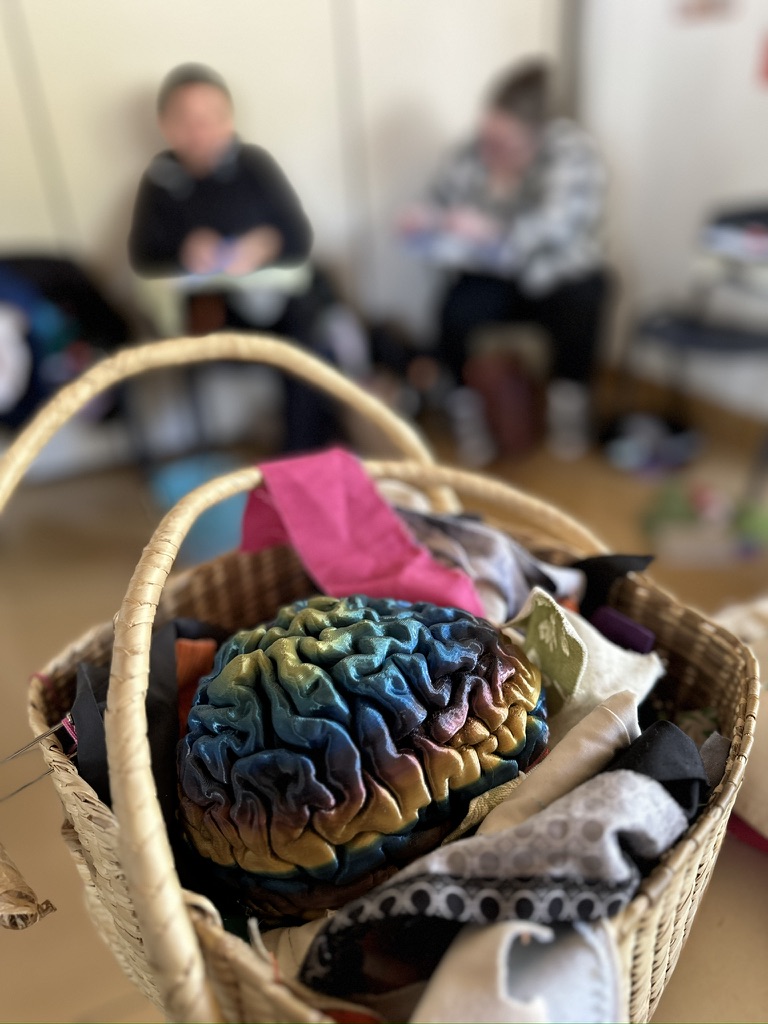
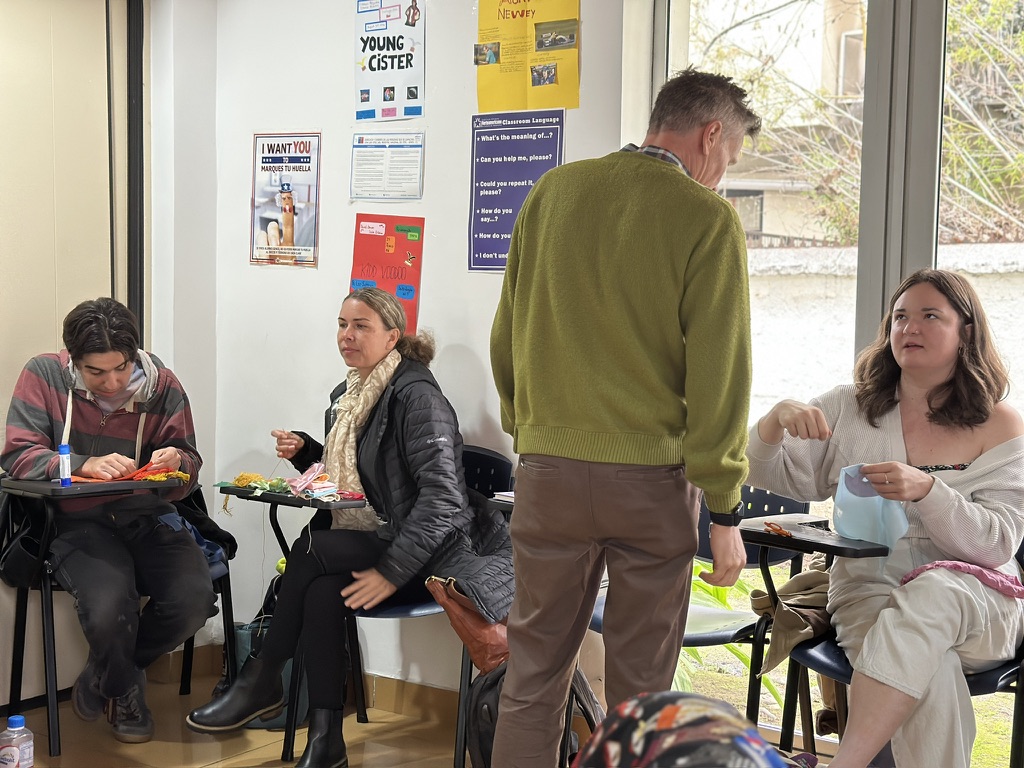
The process of learning to sew again and create a small piece of art with many swatches of recycled fabrics while discussing the upheavals of Chilean history made me realize the traumas that my own brain has held on to for many years. My arpillera made me feel vulnerable, particularly while making and sharing my piece with the group.
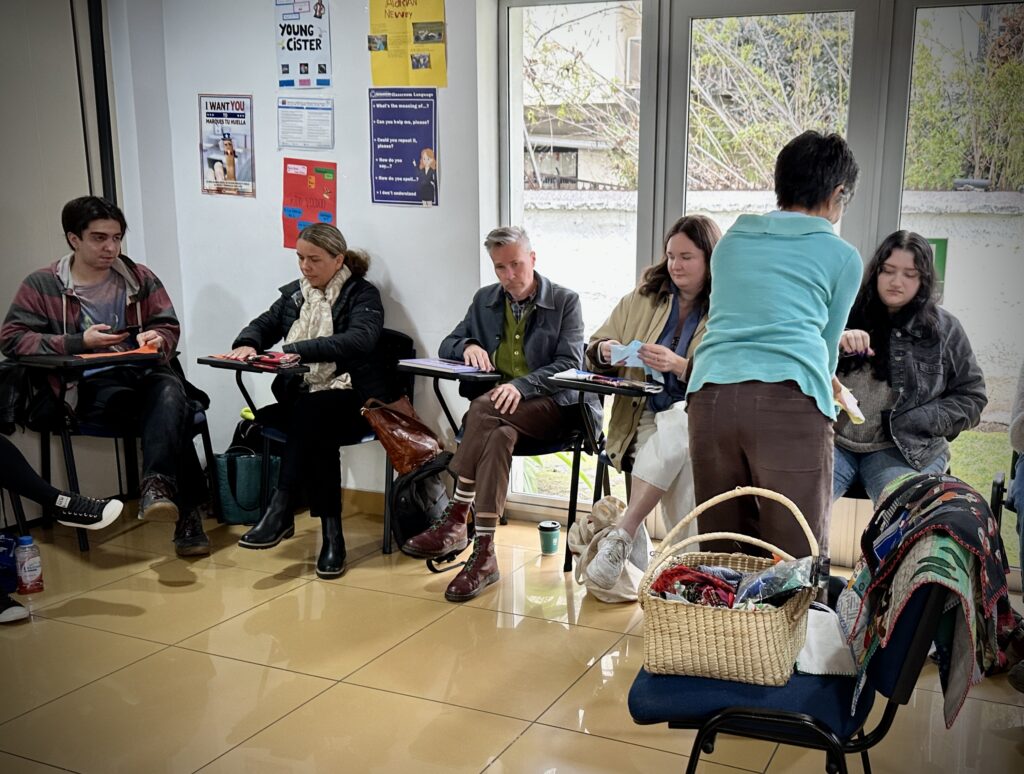
My arpillera focused on my own experiences, involving incarceration, systemic oppression, and how it all relates to the long-term effects of stress on the brain for all involved.
I feel that incarceration can potentially lead to positive outcomes for behavior and accountability; however some experiences of incarceration can cause more long term trauma for the victims of crimes, their families, children, and society as a whole.
Incarceration can lead to accountability by, for example, demonstrating that there are consequences for criminal acts. Incarceration also takes violent offenders and repeat offenders out of the environment; but this is better long term if people receive treatment and education, and have a desire for rehabilitation.
I think both poverty and racism impact who actually gets incarcerated, as prisons are disproportionally home to a greater percentage of BIPOC individuals than the population at large. The amount of isolation, violence, lack of medical care and loss of family can all lead an individual to endure stresses that impact the brain. Depression, suicide, and behaviors such as drug use, gang affiliation, and violent offenses can continually re-traumatize. After an individual is released there is still a disconnect from society, and reintegration is made difficult due to continued poverty and their experiences of trauma.
LEARN MORE: Noggin @ Correctional Facilities
LEARN MORE: Incarceration and trauma: A challenge for the mental health care delivery system
LEARN MORE: Mass Incarceration and Racial Inequality
LEARN MORE: Mass Incarceration, Race Inequality, and Health
LEARN MORE: Incarceration and Relative Poverty in Cross-National Perspective
Using art to tell stories is a powerful way to communicate the needs of individuals, to process our traumatic experiences, to preserve and organize our memories and get our messages out.
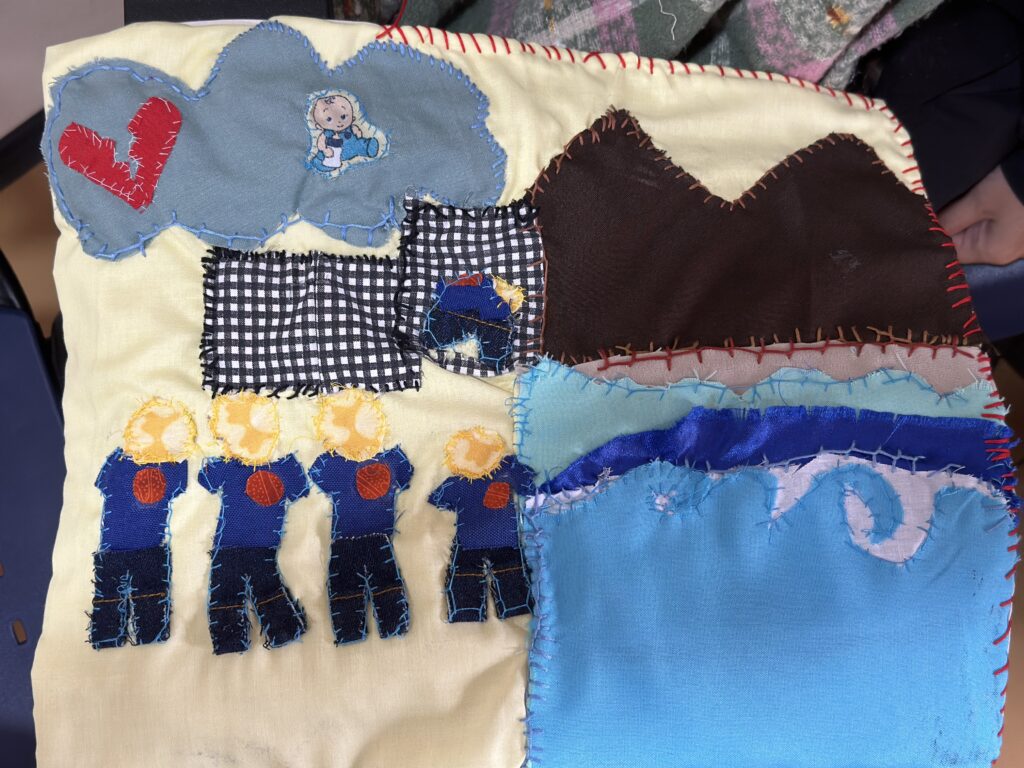
In my arpillera the people are incarcerated and the orange dots on the blue shirts represent the Department of Corrections. I chose specifically to add yellow circular brains without hair or faces or color to represent how all of us have noggins. The crouched person on the right is clearly sad, showing shame and guilt and possibly could be “in the hole” (or in other words, lockdown), left without socialization from the rest of the prison population. The cloud or thought bubble above shows a heart that is broken. The baby represents the children separated from their parents.
The other half of my arpillera represents the country of Chile helping heal through the gorgeous cordillera of the Andes mountains, and the sand and ocean representing different environments that can genuinely open your senses and create new neural pathways (and new neurons!) to aid recovery.
LEARN MORE: Bathing your brain
LEARN MORE: Levels of Nature and Stress Response
LEARN MORE: The effect of exposure to the natural environment on stress reduction
LEARN MORE: Associations between Nature Exposure and Health: A Review of the Evidence
LEARN MORE: Factors that influence adult neurogenesis as potential therapy
LEARN MORE: Effectiveness of trauma-focused art therapy (TFAT) for psychological trauma
LEARN MORE: On the Effectiveness of Visual Arts Therapy for Traumatic Experiences
Gracias!!
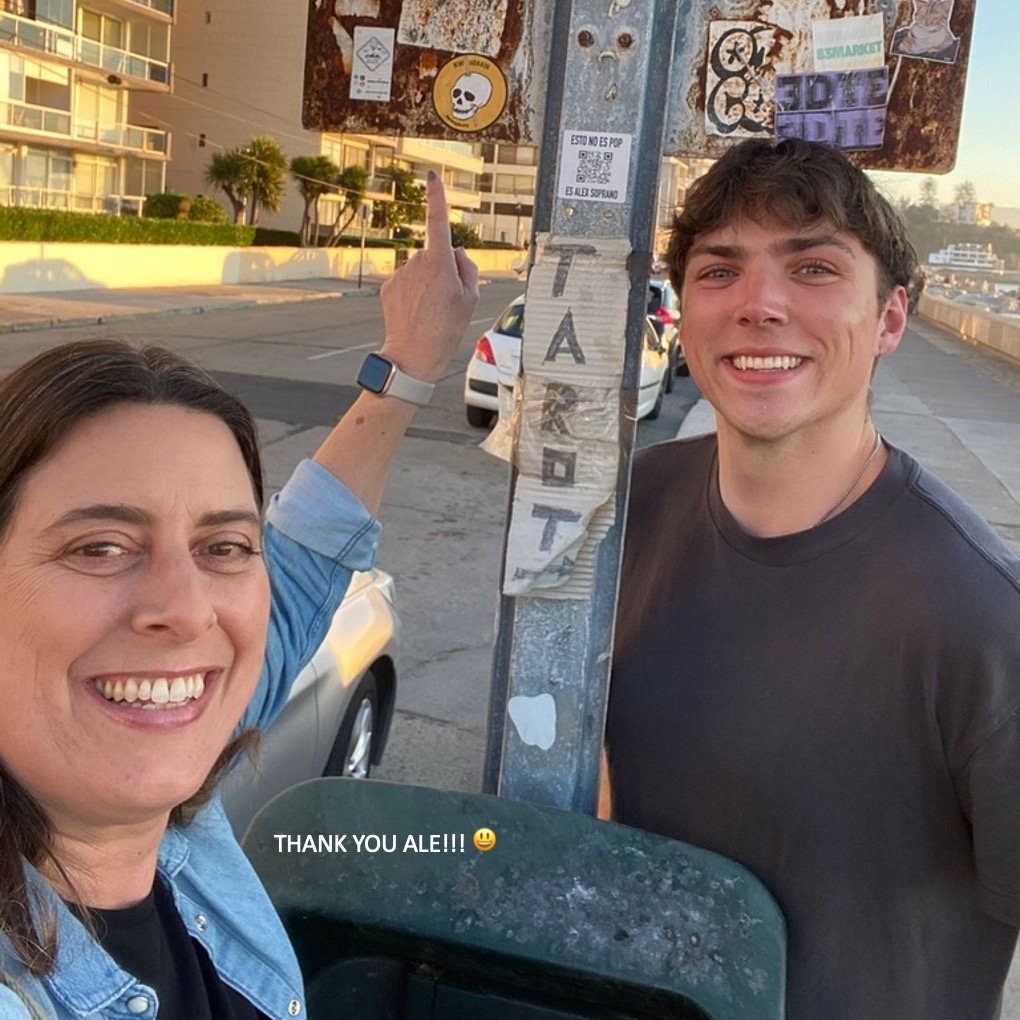
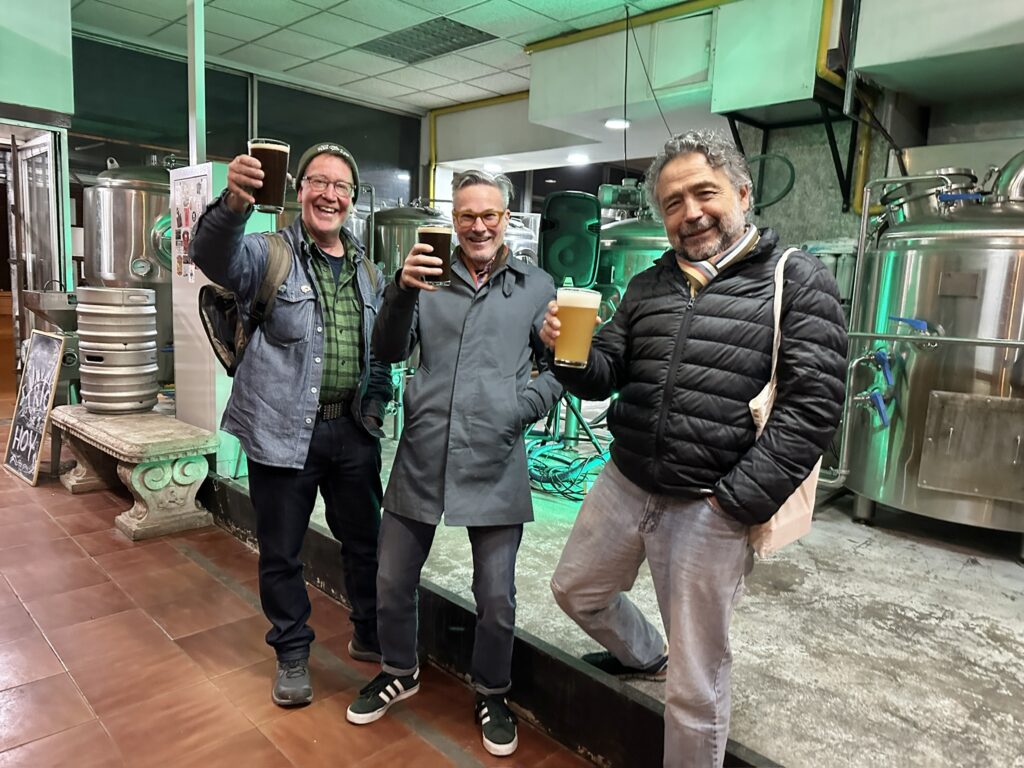
This program would not work without a network of AMAZING supportive people. Our HUGE thanks to Cecilia Araneda (and family!), Ale Rojas and Monica Taylor at Academic Programs International, Dr. David Naranjo, Dr. Kate Whitlock, Dr. John Ewer, Dr. Juan Carlos Saéz, Dr. Jesus Olivares, Dr. Ramón La Torre, Dr. Cesar Amaya, Dr. Antonio Peña and Dr. Felipe Echeverría at CINV, and Rachel Landers at Portland State University for an exciting and informative educational adventure!
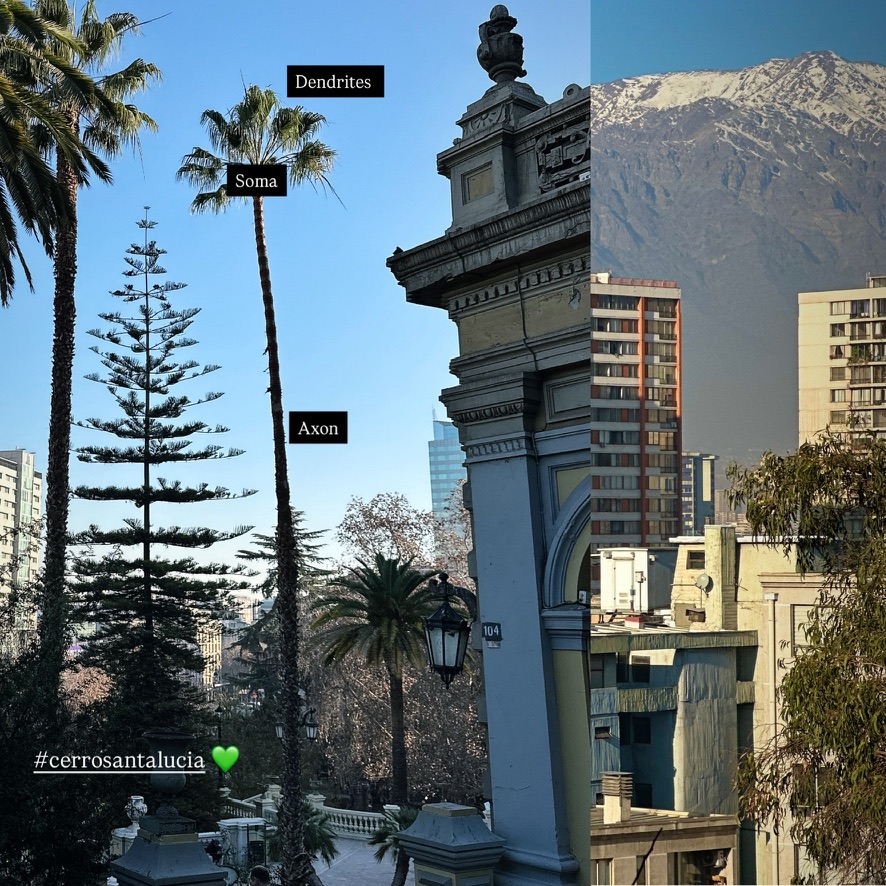
Nosotros somos Porteños y Viñamarinos en nuestros corazones y cerebros 🧠💚🤓