


Bayler Brundage is an undergraduate at Portland State University, majoring in Psychology with a minor in Interdisciplinary Neuroscience and a certificate in Communication Sciences and Disorders. She is a Research Assistant in the RAICES Lab, directed by Dr. Susana Beltrán-Grimm. Bayler plays golf for the Portland State Women’s Golf Team and enjoys spending time with friends and family.

Raíces in Spanish is translated to ‘roots’ in English.

Research was initially a scary topic for me, because there were so many unknowns, and I was unsure how to get started. I looked into a few programs and labs around Portland, but Dr. Susana Beltrán-Grimm’s RAICES lab fell right into my lap, and I couldn’t help but apply.
Winter term of my junior year, I took a course called Early Childhood Development and Schooling. I found that I enjoyed the field of developmental psychology, and learning how children respond to our educational system, and how that later impacts their adult lives.
LEARN MORE: Psychology at Portland State University
Dr. Susana Beltrán-Grimm’s class not only gave me new topics to explore, but she also introduced her RAICES lab and opportunities to join her lab as a research assistant. I honestly thought I had no chance to get accepted, but I had genuine curiosity, not only in research, but about her work exploring how culture impacts early childhood development.
I also began considering the idea of preparing for graduate school, and finding topics that I truly am interested in and inspired to contribute to and learn more about.
Our current federal government is reducing research funding for many programs. Federal agencies are being cut, and so are university research programs. With bans on Diversity, Equity, and Inclusion, I worry about the lives of minorities and people of color. The cutting of research prevents us from learning about each other and gaining knowledge about other cultures and communities. Bans on DEI prevent us from being more inclusive, and serve to maintain a long streak of white privilege and oppression. Despite these challenges, I plan to continue research on minority groups who are not always recognized.
LEARN MORE: Scientists sound alarm on Trump administration’s dismantling of research funding
LEARN MORE: The Importance of Diversity, Equity, and Inclusion for Effective, Ethical Leadership
LEARN MORE: The Science and Value of Diversity: Closing the Gaps in Our Understanding of Inclusion and Diversity
The RAICES Lab @ PSU
The RAICES lab is a developmental psychology research lab run by Dr. Susana Beltran-Grimm at Portland State University. RAICES stands for Research-Based Approaches to Improving Children’s Educational Outcomes.

LEARN MORE: RAICES Lab
LEARN MORE: Dr. Susana Beltran-Grimm
The goal of the RAICES lab is to look at Latine families and their culture and find ways to support both children and parents in their learning development. The lab focuses on using research as a way to enhance learning in math and technology related areas.
We want to foster a learning environment that not only accommodates Latine culture but also recognizes their culture in research, education and the community. The goal is to use research to incorporate Latine culture into child learning and development within STEM (Science, Technology, Engineering, Math).
LEARN MORE: Latina Mothers’ Cultural Experiences, Beliefs, and Attitudes May Influence Children’s Math Learning
LEARN MORE: Evidence-based designs for physically active and playful math learning
When you think of scientific research, you may think of a “wet” science lab.

These typically include specialized equipment such as microscopes, sinks, beakers, goggles, and harmful chemicals. Our psychology lab is still scientific in terms of our use of technology, math, and exploration into human behavior and development, but there are no harmful chemicals or “wet” materials.
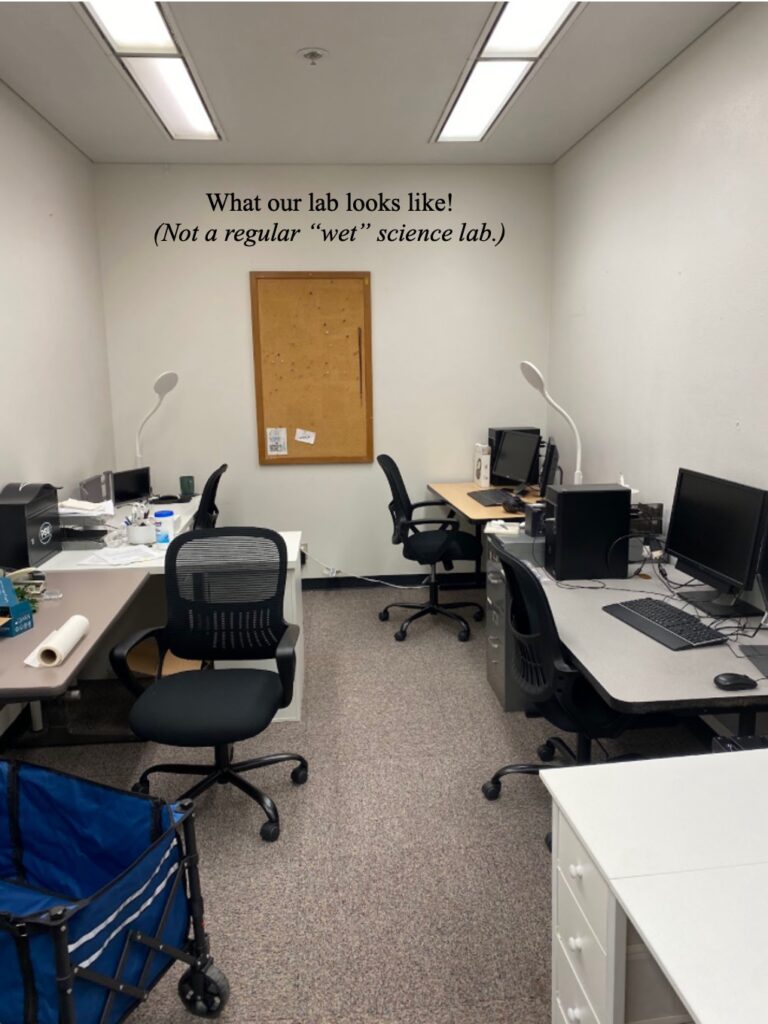
When it comes to social science research, there are things to take into consideration that may not be accounted for in a wet science lab. For instance, in social sciences we have to explicitly consider culture, diversity, and social aspects of human behavior. When conducting interviews and gathering data, we must acknowledge differences in experiences and backgrounds.
With so many variables concerning social behavior, there are rules and protocols surrounding cultural awareness, human ethics, and other trainings researchers must undergo and become aware of regarding social complexity. One may argue that diversity, equity, and inclusion requires more awareness in social science research, due to the diverse populations and studies surrounding human behavior. However, there is still significant underrepresentation of minorities in all scientific research.
LEARN MORE: A New Look at an Old Problem: Improving Diversity, Equity, and Inclusion in Research
LEARN MORE: Barriers to Representation of Underrepresented and Excluded Populations in Clinical Research
LEARN MORE: Understanding Developmental Psychology
LEARN MORE: A Dry Lab Vs a Wet Lab
Why integrate culture?
Culture is all around us.
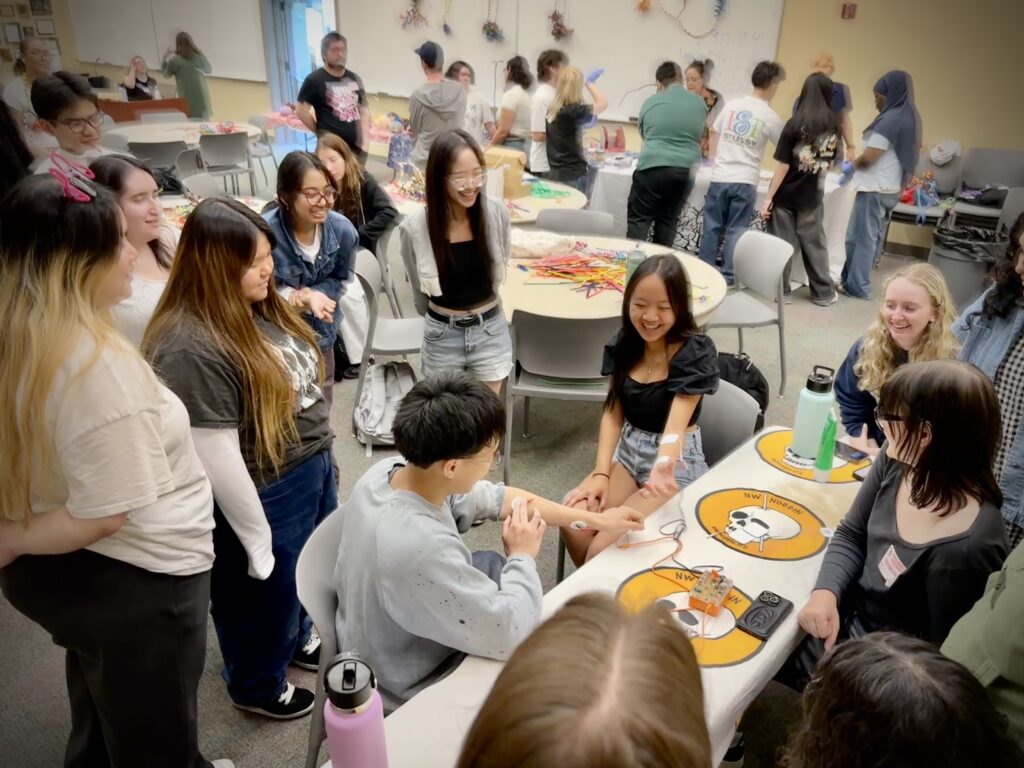
Culture is defined by the National Center for Cultural Competence as “an integrated pattern of human behavior that includes thoughts, communications, languages, practices, beliefs, values, customs, courtesies, rituals, manners of interacting, roles, relationships, and expected behaviors of a racial, ethnic, religious or social group; the ability to transmit the above to succeeding generations; is dynamic in nature.”
LEARN MORE: National Center for Cultural Competence
We all participate in culture and contribute to it as well.
Whether it be fashion trends, slang, foods, or other activities we participate in, we express our culture. Much of our society in the United States prioritizes westernized culture, and Latine culture is sometimes hindered or forgotten. Especially in education, recognizing diversity and cultural difference is important for children to understand their own history, and the more complex and dynamic society we have.
What might be an example of Latin culture?

Foods like burritos and tacos are a staple in Latin culture. We even see it implemented in our own American culture. We eat “Mexican cuisine” from food trucks and restaurants all over.

Many may know artist Frida Kahlo. From Mexico, Frida Kahlo created a lot of her art based on Latin, or more specifically, Hispanic culture. What the woman is wearing, her appearance, and family representation are all examples of Hispanic culture within her art.
Understanding cultural aspects like art, food, and language can better connect researchers to the communities they study. When we think of culture we may not think of such things like art, food, and language and how they are connected to STEM or our learning. However, they can all be connected!
LEARN MORE: Frida Kahlo
LEARN MORE: Latino Culture
LEARN MORE: Hispanic Culture
LEARN MORE: Hispanic and Latino Heritage and History in the United States
Education for all
Education is extremely important to our development, and we spend much of our time surrounded by teachers, classmates, and friends. The people who surround us have impact, as does the language we speak and the curriculum we learn.
Again, here in the United States, western European culture often dominates other cultures and prevents them from being widely shared, explored and enjoyed.
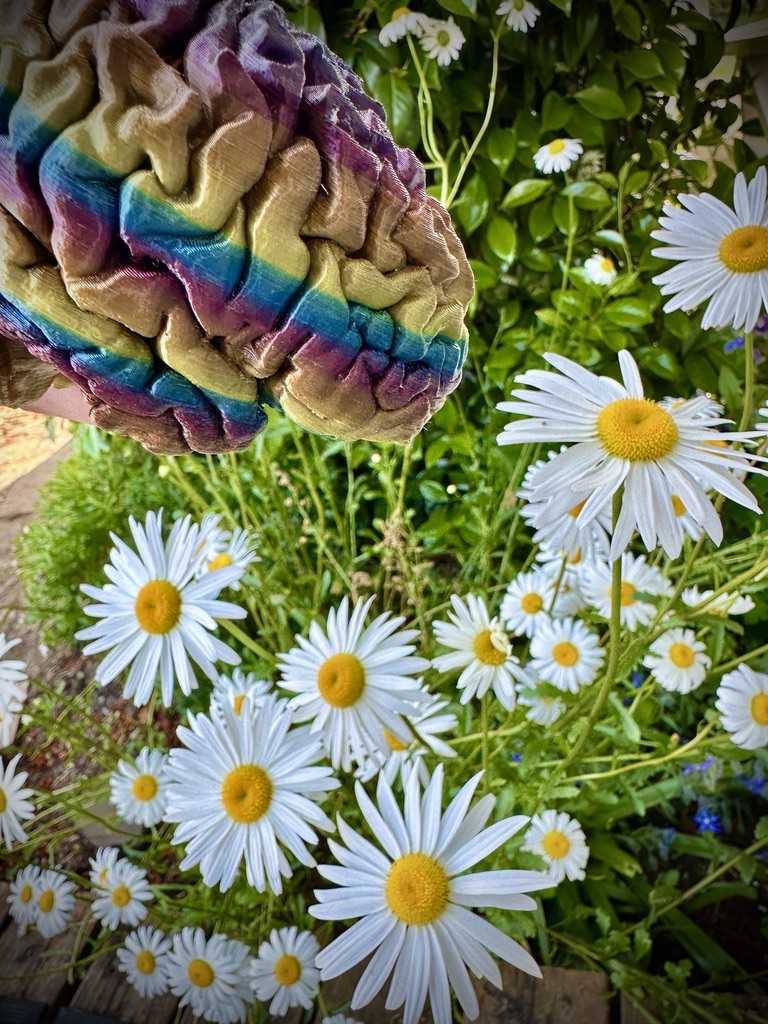
“The child becomes largely what it is taught; hence we must watch what we teach it, and how we live before it.” – Jane Addams
There is a worry in child education about the lack of diversity and cultural competence from teachers and required curriculum. Children are not always learning about their own culture and backgrounds, and are not appreciating diversity and understanding that people are different.
Research has found that many early education programs avoid immigrants and their cultures, contributing to a less inclusive, and potentially more prejudiced and dangerous environment.
LEARN MORE: The unexamined Whiteness of teaching: how White teachers maintain and enact dominant racial ideologies
LEARN MORE: Deculturalization and the Struggle for Equality
LEARN MORE: The Diverse Immigrant Student Experience: What Does it Mean for Teaching?
LEARN MORE: America’s racial framework of superiority and Americanness embedded in natural language
LEARN MORE: Acknowledging and Supplanting White Supremacy Culture in Science Communication and STEM
We can use already researched models and theories to understand minority experiences in education, and how that may impact them. Dr. Suárez-Orozco’s ‘Risk and Resilience Model for Understanding the Adaptation of Immigrant-Origin Children and Youth’ is a great example.
Immigrants and children of immigrants, for example, have experiences that foster resiliency when it comes to learning and developing. However, there is also risk because of discrimination and inequality.
How did I get into research?
With the goal of eventually moving onto a doctoral program, research motivated me not only for the experience, but to become a part of something bigger. Dr. Susana Beltrán-Grimm offered me an amazing opportunity to be a research assistant while also serving as a mentor and guide to help me figure out my own interests and direction.

Susie was my professor in the Early Childhood Development and Schooling course when she spoke about her research. Her passion, experience in early childhood development, and my own desire to be involved in research led me to apply for an available position as a research assistant. In class is where I learned about these opportunities. I applied through a link she provided, and was introduced to the lab team. Hearing Susie’s excitement about lab projects and her expectations for our research is where I began to see a future with the RAICES lab, and started developing my own research questions.
Again, research is not always pursued in a wet lab! In psychology, we can do research on education, behavior, beliefs, and actions. In scientific research, you can explore your own interests, and combine topics such as psychology, math, and neuroscience.
Growing up in a predominantly white town, I never experienced diverse cultures or much access to other cultural perspectives. College opened my eyes to cultural diversity, and I want to expand my knowledge as much as possible on other cultural and minority experiences. Education for young children is also extremely essential for teaching culture, empathy, and a better understanding of our world.
LEARN MORE: Why education is important
What is Developmental Psychology?
According to the American Psychological Association (APA), developmental psychology is defined as: “Developmental psychologists focus on human growth and changes across the lifespan, including physical, cognitive, social, intellectual, perceptual, personality and emotional growth.”

In terms of our own lab, we are focusing our attention on early childhood development, specifically children in pre-school settings. Using research techniques, we can look at how education plays a role in childhood development. We focus on different educational approaches, and whether or not the absence or presence of culture plays a role in successful educational development.
What do current projects look like?
In our research lab, Susie has her primary lab project that everyone contributes to, while there are also individual research projects we conduct ourselves, with the Susie’s guidance.
Our main lab project looks at Math Language Ethnography. This study’s purpose is to explore how culture plays a role in mathematics learning in the home and classroom, including the language, stories, and activities through which young children are learning math. Again, we look at how culture is involved in mathematic learning in early childhood, and how educational approaches and the involvement of culture plays a role in child development.
LEARN MORE: Ethnomathematics
LEARN MORE: Culture in Education and Development
Each project has its own unique topic and research question, but the work of the RAICES lab is all related to child developmental psychology, and specifically focuses on education for Latine families.
My own research project is just beginning, but I’m interested in anxiety in bilingual parents when reading to their children. My question asks: how does the primary language spoken at home influence parents’ reading anxiety when reading to their children?

My hypothesis is that bilingual parents when reading in a second or unknown language will feel anxiety when doing so, causing a reluctance to learn and speak multiple languages. Some research has already been conducted on the topic.
LEARN MORE: How does first language achievement impact second language anxiety?
LEARN MORE: Foreign language reading anxiety
Some roles I have taken on as a research assistant include:
- Analyzing second data to be able to present a poster at the Southern California Undergraduate Research Conference!
- Being mentored to learn Stata, which is a quantitive analytical software. I’m learning not only how to write code, but using applied statistics to clean real life data and eventually create an analysis.
- Contributing to reviewing grant abstracts (which sometimes a foundation requires before invited you to submit a full proposal) and pre-prosal for grants.
- Supporting our PhD student for her manuscripts and conference presentations (This is important for co-authorship, which I can add to my CV for eventually applying to a PhD program!)
- Reading and analyzing other research papers to learn more about our topic
Reading Anxiety and Bilingual Education
Here in the United States, bilingual education is not generally emphasized.
While there are programs that emphasize learning multiple languages in early ages, the later school years do not require students to learn other languages. Even if multiple languages are taught in school, there is still an emphasis on English learning and adopting “American” culture.
“American” culture usually includes individualism, directness, freedom, fame, and innovation. When many think of American culture, they think of a white, English speaking individual who talks loudly about freedom and individuality. Many take pride in their American culture. However we often forget to celebrate other cultures, languages, and backgrounds.
LEARN MORE: U.S. Culture
LEARN MORE: American Cultural Patterns: A Cross-Cultural Perspective
“Despite the use of Spanish in teaching in bilingual education programs, and the teaching of Spanish as a heritage language, US schools have not shown much interest in maintaining and developing the English Spanish bilingualism of US Latino students.”
LEARN MORE: Teaching Spanish and Spanish in Teaching in the USA: Integrating Bilingual Perspectives
LEARN MORE: Bilingual Education in the United States
Even ESL (English as a Second Language) programs, classes that are made for teaching non-English speaking students could be considered a form of segregation. In her book, Learning and Not Learning English, Dr. Guadelupe Valdes calls ESL programs “ESL ghettos.” Students in these classes are isolated from the rest of the student population (typically White and English speaking), with limited resources and lack of support. These classes are also often offered at the same time as other crucial curriculum.
LEARN MORE: Learning and Not Learning English: Latino Students in American Schools
With such disconnection and disinterest in emphasizing bilingual education and diversity, there is potential for significant anxiety when it comes to reading, writing, or learning math. Not having essential language skills or the ability to speak confidently may hinder a child’s development and their future participation in social settings.
LEARN MORE: Mindsets and family language pressure: language or anxiety transmission across generations?
LEARN MORE: The relationship among home language use, parental beliefs, and Spanish-speaking children’s vocabulary

Yet there are also tremendous, documented brain benefits to multilingualism!
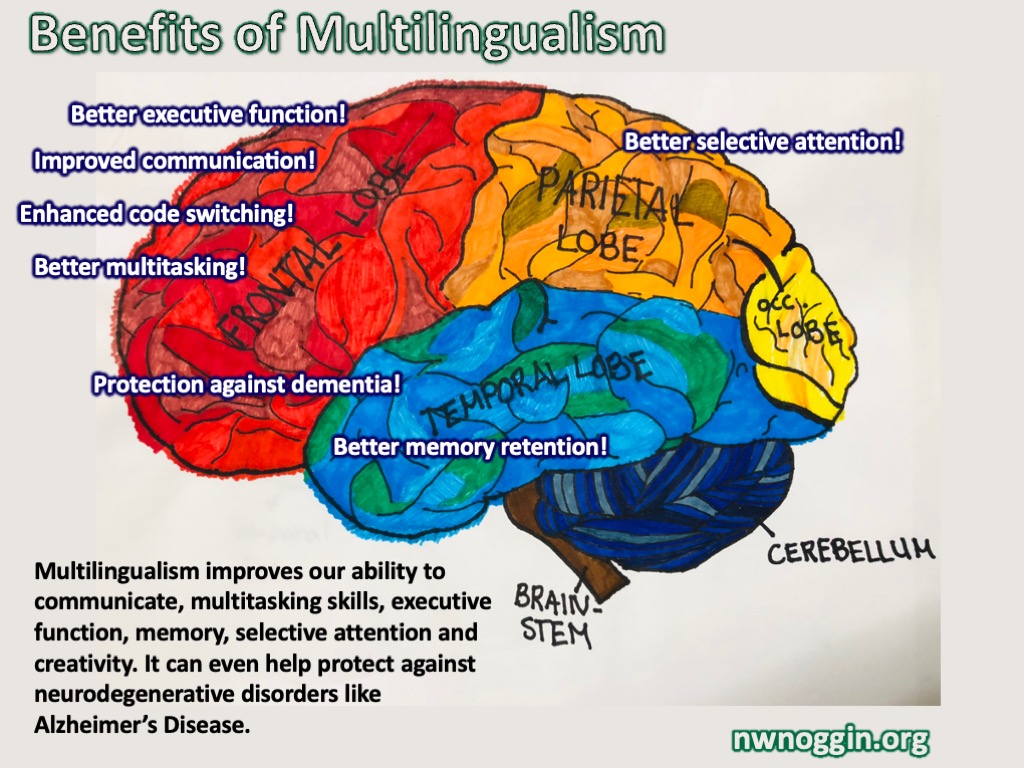
Research has shown that multilingualism leads to benefits in many cognitive areas. While some educators and government administrations may limit exposure to other cultures, the evidence clearly suggests that we should be acknowledging the benefits of multilingualism!
LEARN MORE: Multilingual Brains!
LEARN MORE: The Benefits of Multilingualism
This is why it’s so important research how education is affected by societal factors and culture. We should ask ourselves, how can we improve child development, support all students and create more diverse learning spaces?
The impact of current events
“We need to help students and parents cherish and preserve the ethnic and cultural diversity that nourishes and strengthens this community — and this nation.” – Cesar Chavez
I believe that at this point in history we need to be informed and on the lookout for racism and discrimination not only towards Latine individuals, but minorities in general. The current administration is capitalizing on previous racism, and they are also cutting research and opportunities to learn about each other, and to learn about the reality of our historical and racial practices. With immigrants being treated unfairly, severe cuts in research and the elimination of diverse perspectives in classrooms, I feel that we are watching efforts to eliminate minority cultures and practices.
America is diverse, and it’s important that we remember how education empowers us and invites the uniqueness of culture. How we treat others and appreciate our differences matters.
Research into diverse minority groups helps bring awareness to these communities, and include them in a society that has long oppressed them. Through the RAICES lab, we focus on bilingual speakers and Spanish cultures that often experience discrimination and marginalization.
Research into how we can more effectively learn and teach together is important for us all.
LEARN MORE: Cesar Chavez
LEARN MORE: Latinos and Racism in the Trump Era
LEARN MORE: Can NIH-funded research on racism and health survive Trump’s cuts?
LEARN MORE: Deep Divisions in Americans’ Views of Nation’s Racial History – and How To Address It