


Post by Ana Borders, undergraduate in Speech and Hearing Sciences, who is pursuing an Interdisciplinary Neuroscience minor at Portland State University.

Can you imagine being able to control somebody else’s movements directly with your brain…where they lose all control of their own arm, and control is instead handed to you? What if we told you that this can not only happen but is much more accessible than you probably think?
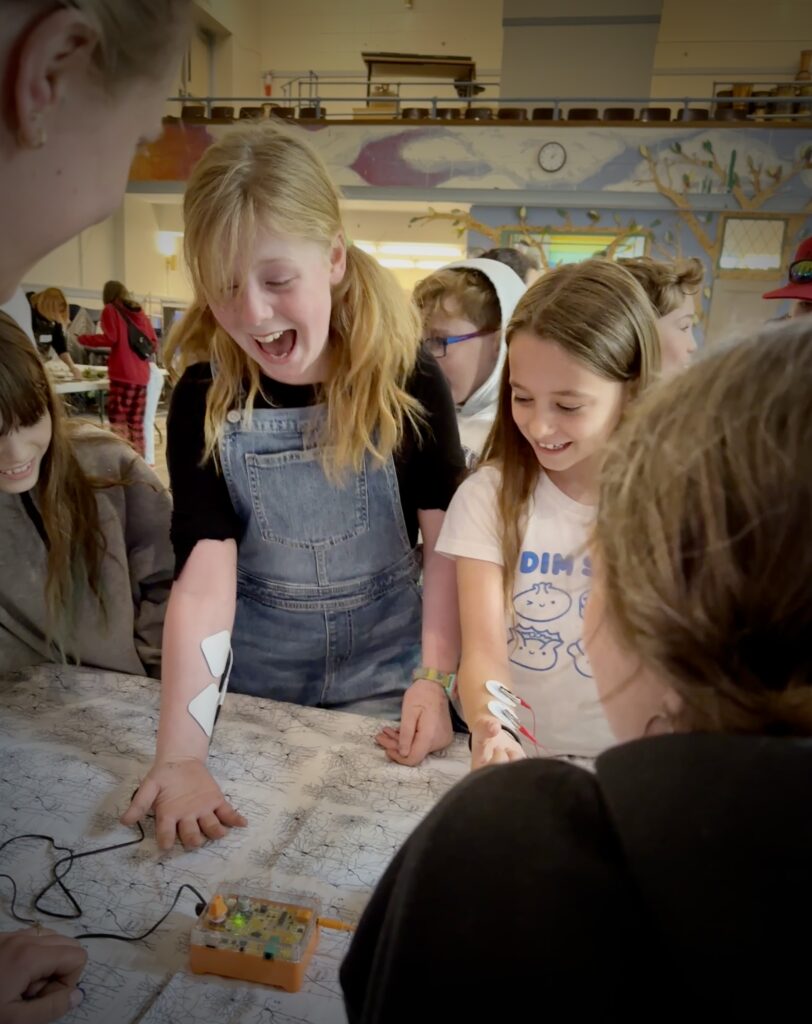
This experience is made possible through the Human-Human Interface, an experimental device that allows one person’s brain signals to move another’s muscle movements. During my experience at NW Noggin, I got to see and help demonstrate how this contraption actually works.
LEARN MORE: Brain Hacking is Electric!
LEARN MORE: Backyard Brains
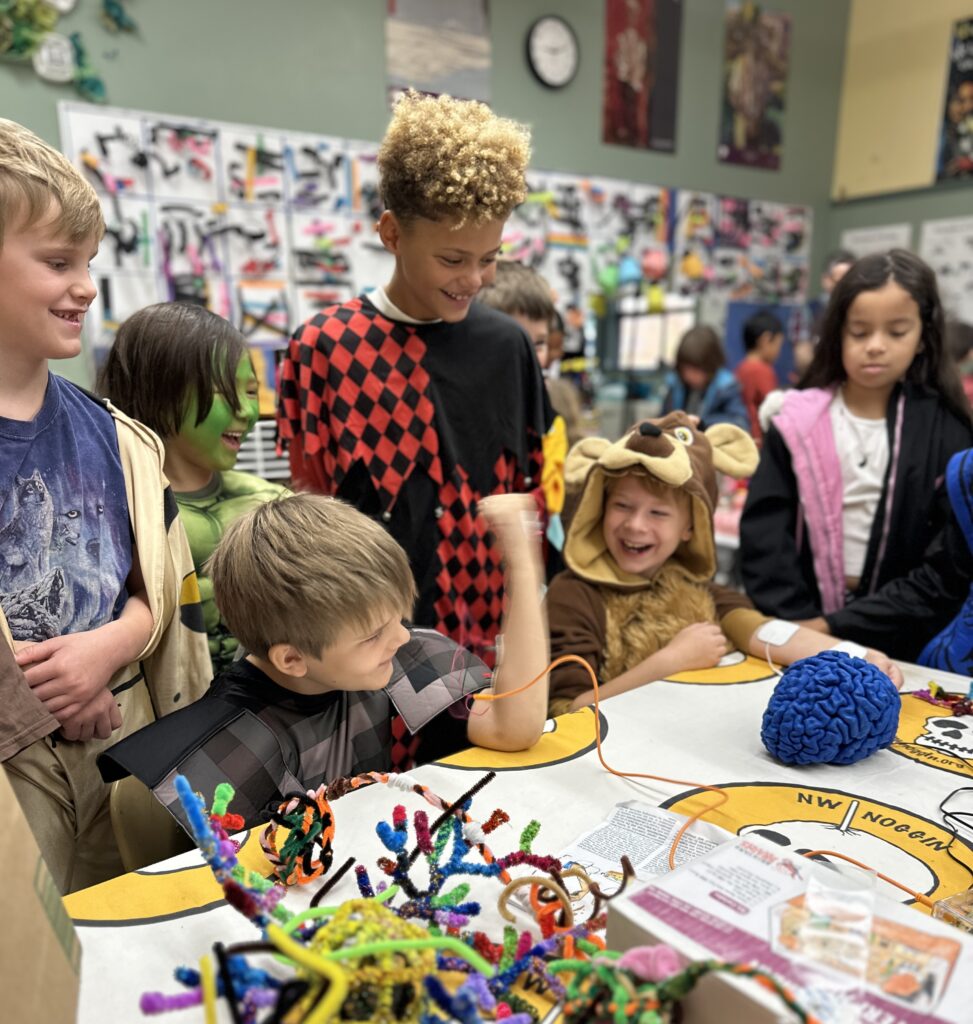
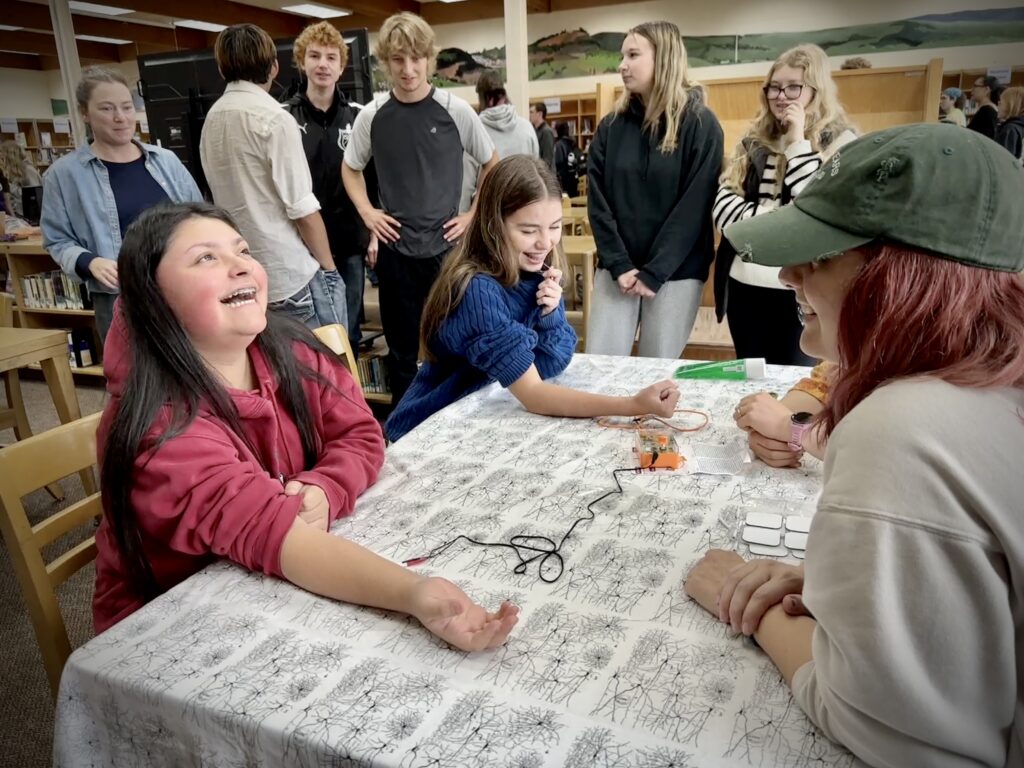
While attending multiple Noggin events, I noticed that children were especially drawn to this activity, often more than our other booths (including some real brains!). They were fascinated by the idea of what it might feel like to control someone else’s movements – or to be controlled themselves.
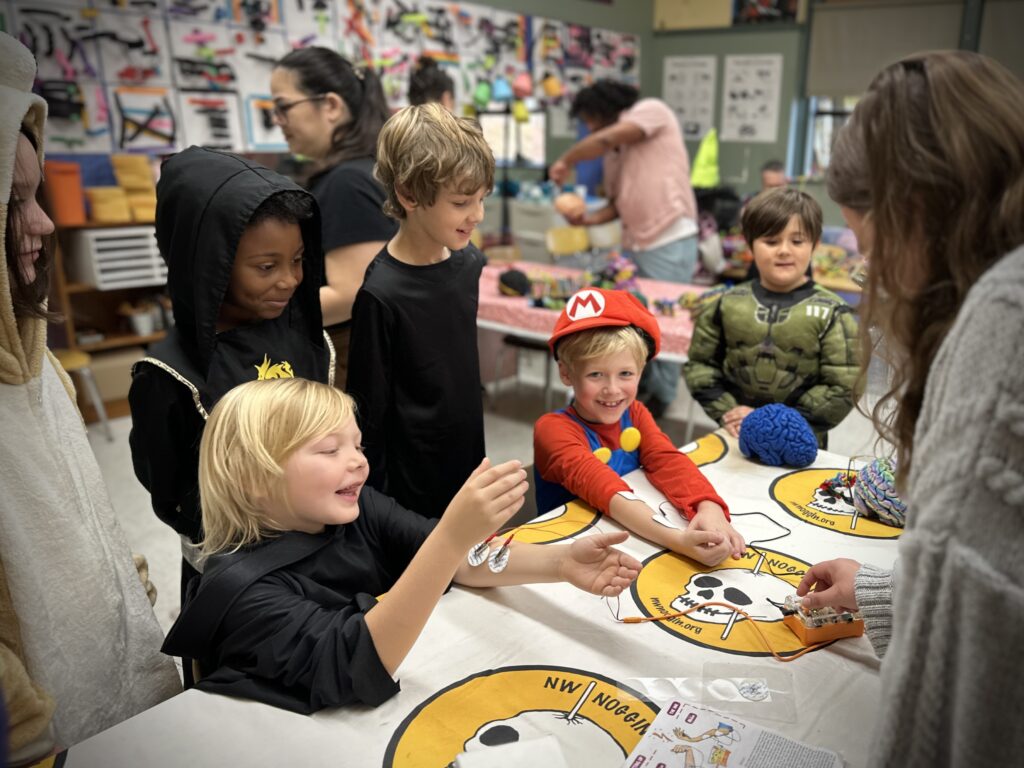
When it was my turn to run the Human-Human Interface station, many kids were curious about how the small “stickers” on their arms (the electrodes :)) could have anything to do with their brains.
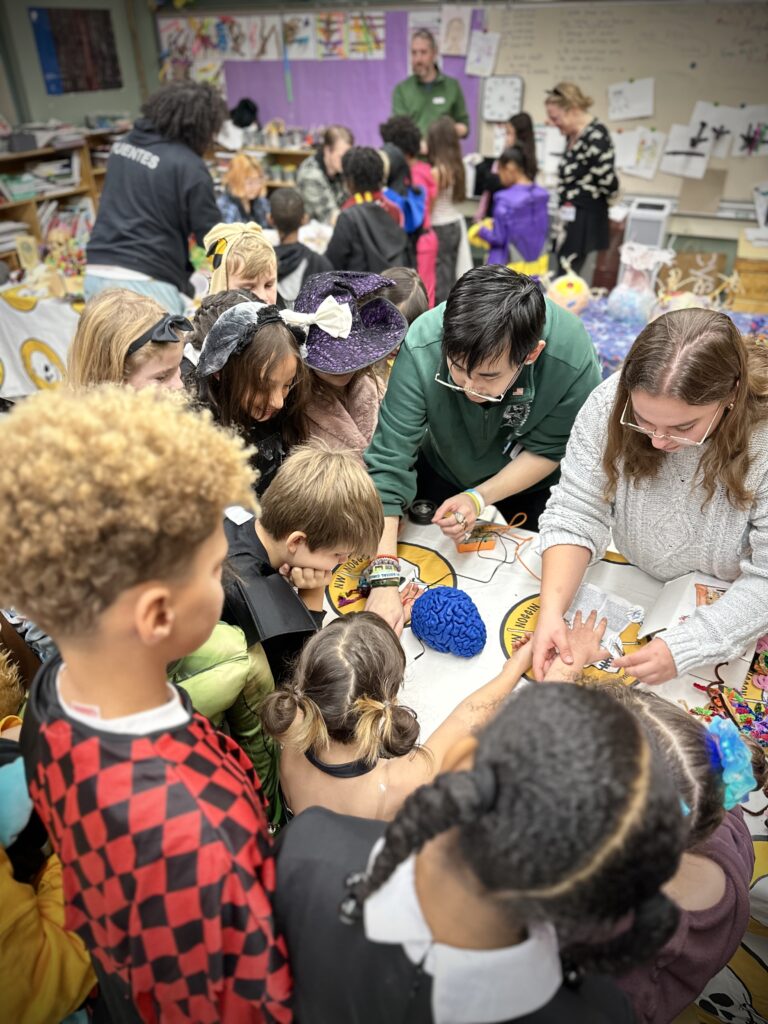
After all, nothing was being placed on their heads, and we were there to talk about neuroscience, so how could this simple setup connect to the brain?
What is the Human-Human Interface?
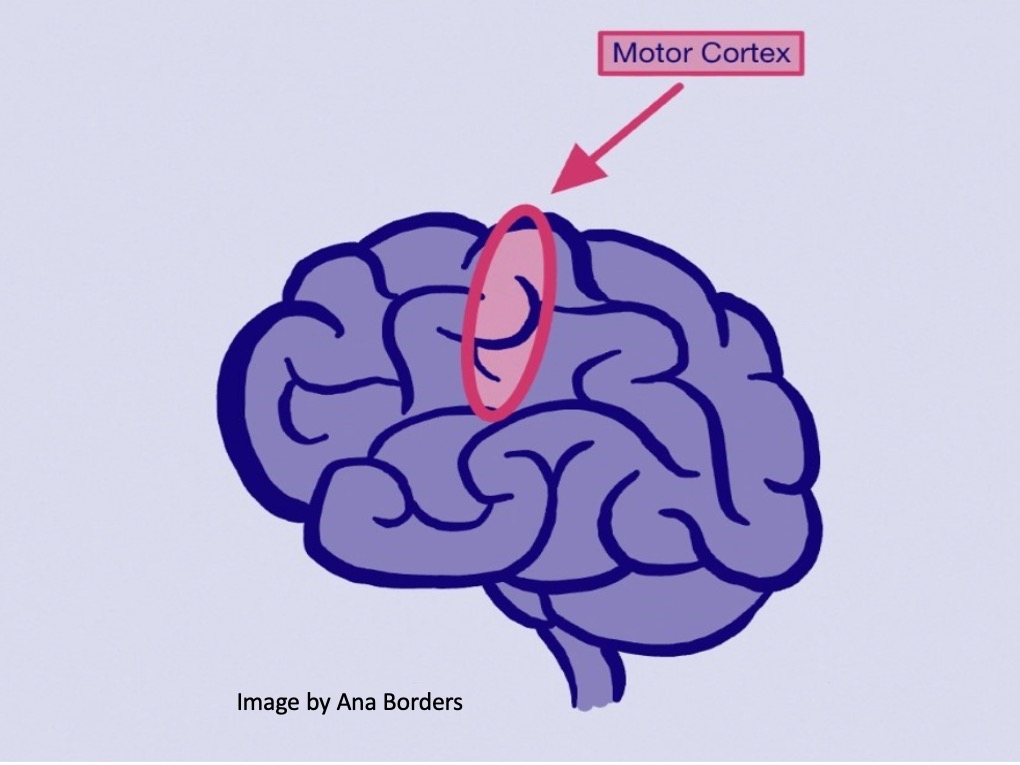
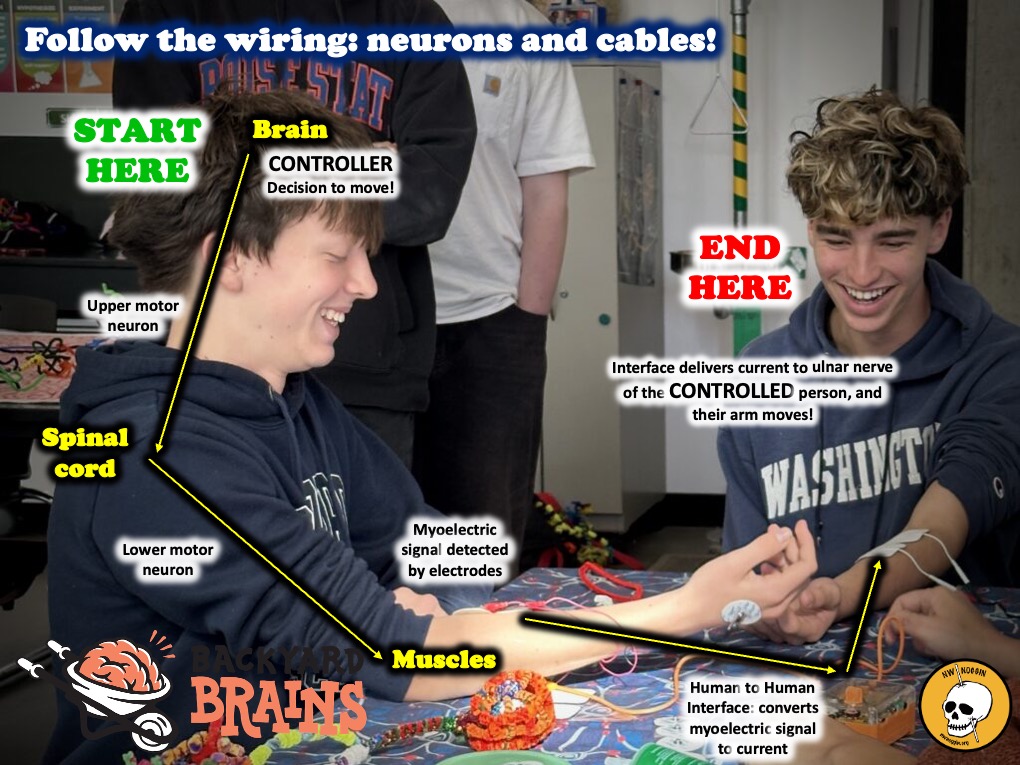
The Human-Human Interface is a device designed to show how brain activity can be translated into physical movement between two people. For example, when you move your arm, neurons in the frontal lobe of your brain, in an area known as the motor cortex, send electrical messages down to your spinal cord, where they connect with lower motor neurons that directly control the arm muscles.
The Human to Human Interface picks up on these electrical signals from the muscle activity in one person’s arm and basically transfers that detected electricity to the other person, demonstrating real-time brain-to-brain (or at least brain-to-nerves) communication.
How does it work?
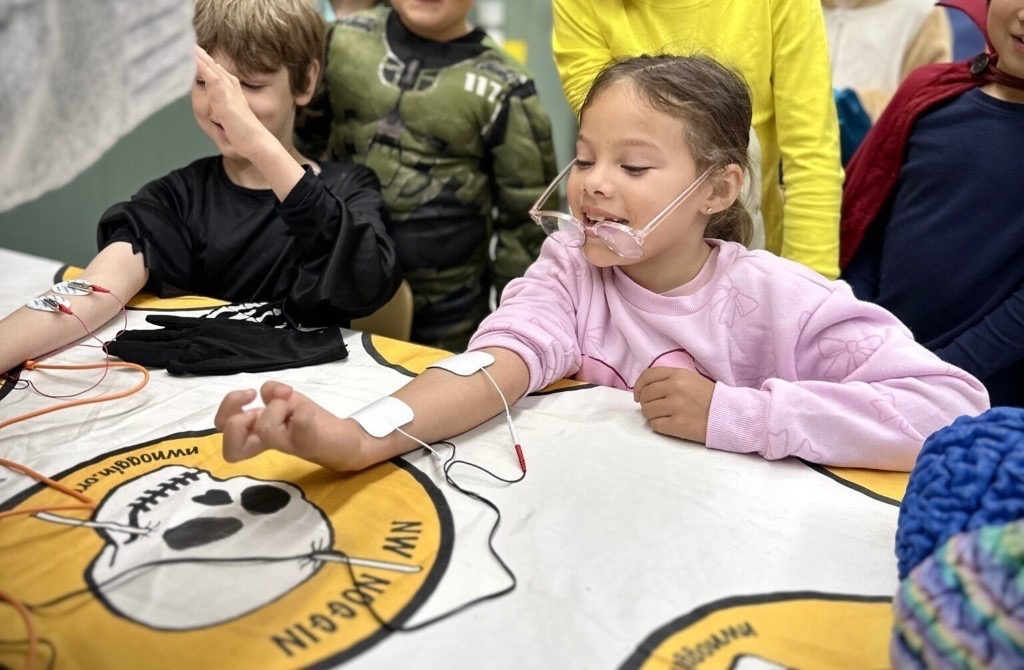
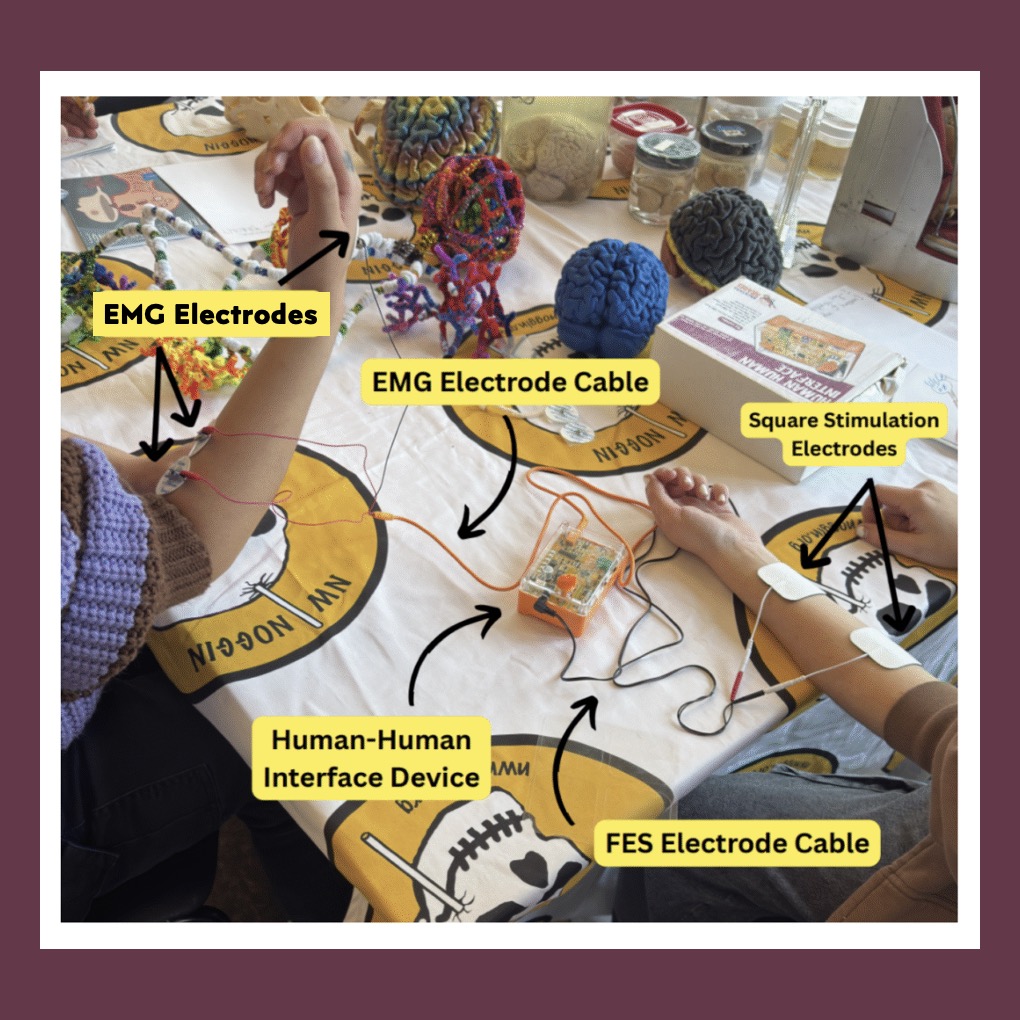
When using this setup, you place two electrodes (known as EMG electrodes) on the “sender’s” (or the “controller’s”) forearm flexor muscle and one on the back of their hand that serves as a reference. The “receiver” (or the “controlled” person) will have two stimulation electrodes placed on their arm below their elbow and close to their ulnar nerve.
LEARN MORE: Neuroprosthetics: Exploring Human-to-Human Control
LEARN MORE: Backyard Brains: Innovative products to help kids learn about neuroscience
LEARN MORE: Transcutaneous Electrical Nerve Stimulation
When the device is turned on, the two electrodes on the sender’s arm record their muscle activity by using a method called electromyography (EMG).
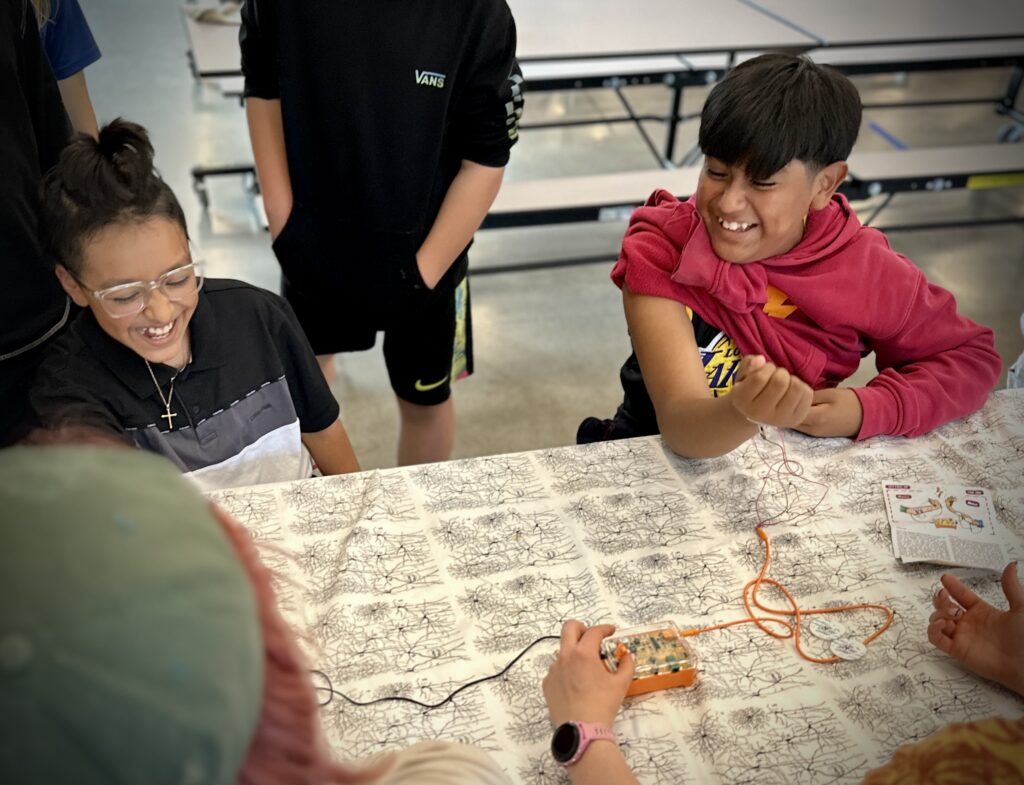
Our muscles use electricity in a way that parallels how neurons communicate. When our motor neurons fire, they release their neurotransmitter on muscle cells, allowing ions to enter our muscle fibers. This creates tiny electrical signals called myoelectric signals. The surface electrodes are known as EMG electrodes, and they detect these small voltage changes through the skin.
The single reference electrode on the back of the sender’s hand helps minimize motion artifacts, or “noise,” caused by movement of the cable that could otherwise disrupt the signal!
When the sender’s brain sends the command to move their arm, the myoelectric signals are detected by the Human-to-Human Interface and translated into electrical commands. The signals are then sent to the receiver’s arm to trigger and stimulate their own muscles through the ulnar nerve, creating movement. This is known as Functional Electrical Stimulation (FES).
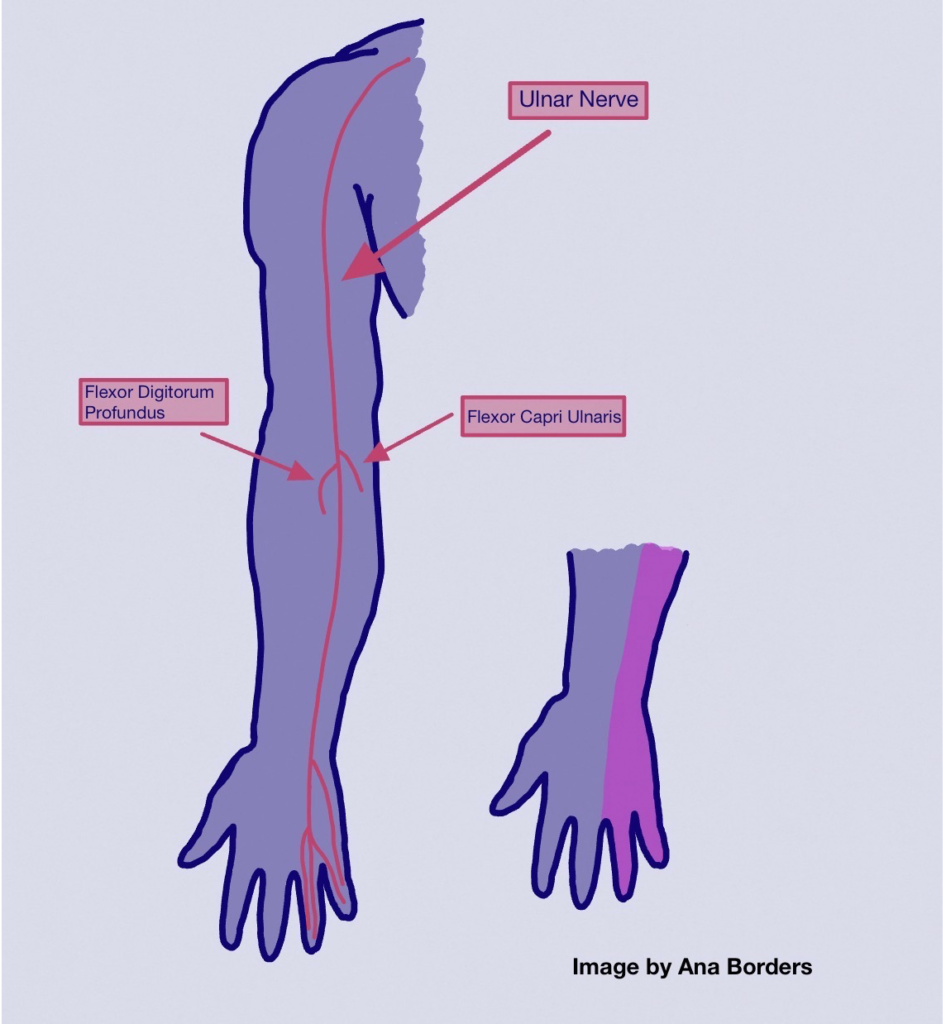
Most receivers noticed that their pinky, ring finger, and wrist curled inward. This is because the ulnar nerve controls the flexor digitorum profundus and the flexor carpi ulnaris. These muscles are responsible for bending your wrist as well as pinky and ring finger movements. So when the electrical stimulation hits this nerve, those muscles will contract first/the most, causing that curling movement.
LEARN MORE: Flex Your Muscles … and Your Brain!
LEARN MORE: A compact-sized surface EMG sensor for myoelectric hand prosthesis
LEARN MORE: How to control someone else’s arm with your brain | Greg Gage
LEARN MORE: Functional Electrical Stimulation (FES)
LEARN MORE: Electromyography (EMG)
It Feels Weird!
During my volunteer experience, I couldn’t help but try the activity for myself…and the feeling definitely catches you off guard!
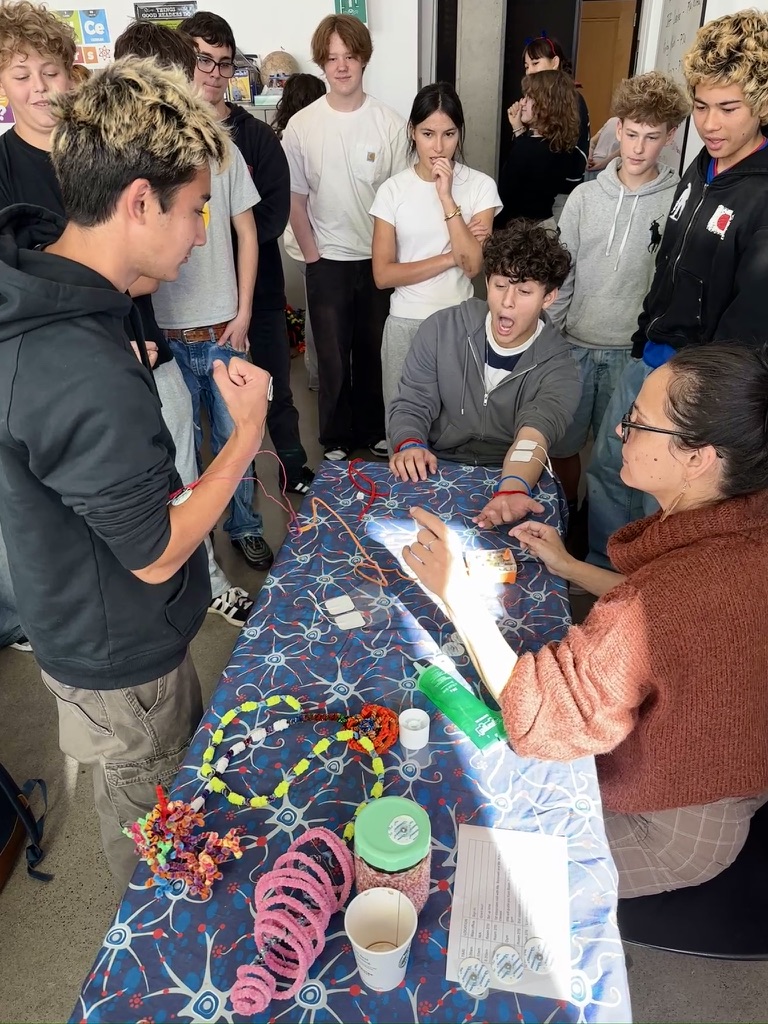
During this experience, the sender does not feel anything aside from the stickers (those EMG electrodes) on their arm. As the receiver, you get a very bizarre tingling sensation while your muscles are being stimulated, almost as if the inside of your arm is vibrating.
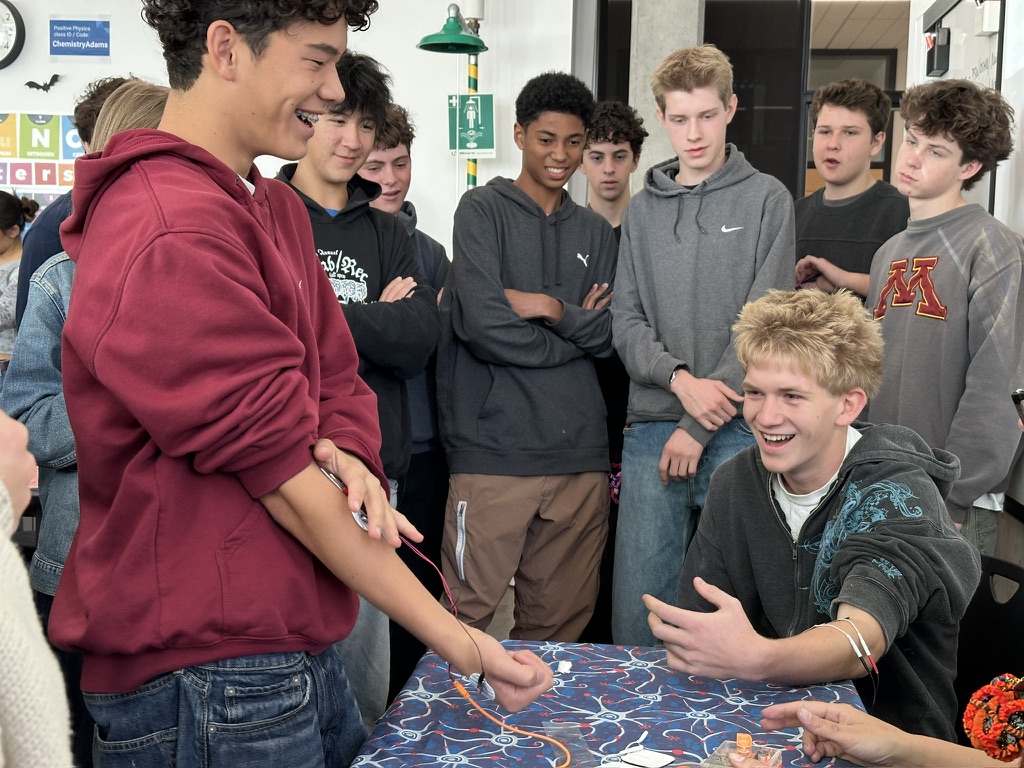
For best results, the higher the sensitivity, the more dramatic the movement, resulting in either the receiver’s arm lifting from the table or their wrist bending inward. We also noticed that the harder the controller flexed their arm, the stronger the stimulation for the receiver, resulting in different experiences for each participant. Some felt it as a shock while others jokingly comparing the feeling to a massage.
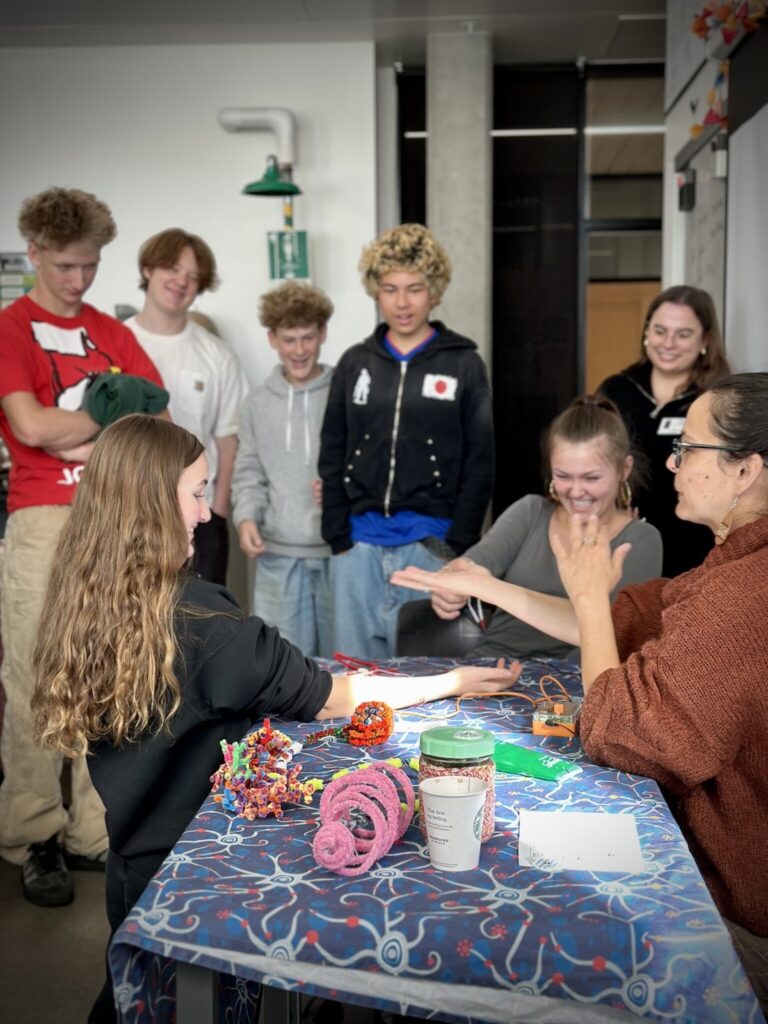
I noticed how quickly people decided if they wanted to control somebody’s arm or be the one who is controlled. Some people couldn’t help but jump at the chance to be the controller, perhaps because it felt empowering and experimental. However, others strongly preferred to be the receiver because they were curious about how it would feel to lose control of their arm movements. These quick choices most likely reflect an aspect of their natural personality, as some children and adults can be more exploratory or sensation seeking, while others prefer to observe and have more control in new situations.
LEARN MORE: Personality Neuroscience: An Emerging Field with Bright Prospects
LEARN MORE: Personality traits vary in their association with brain activity across situations
How the science behind this benefits us all
While this specific experiment is used for educational purposes, the science behind it still plays a major role in the real world. Researchers use the same principles and equipment (including EMG and electrical stimulation) for functional electrical stimulation treatment to improve neuroprosthetics for people who have lost limbs or movement from injury, and so much more.
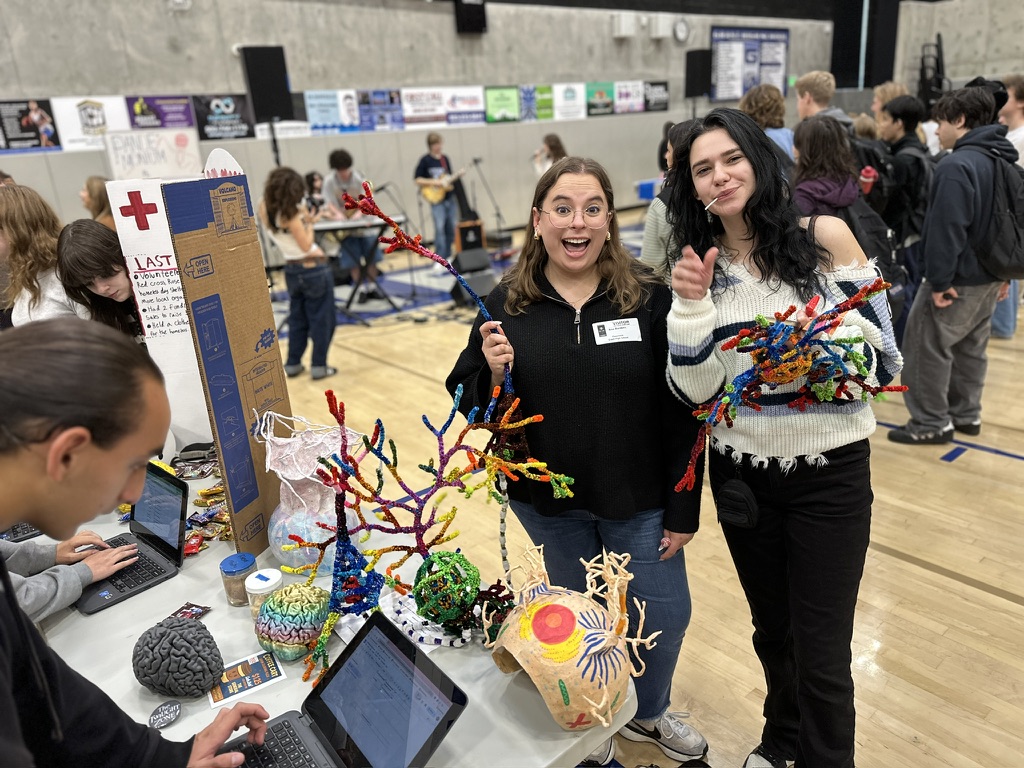
By interpreting brain signals, prosthetic arms and hands can move when the user simply thinks about movement. Similar technology is used in stroke rehabilitation and movement-restoration research, where scientists help reconnect or strengthen weakened neural pathways. The Human-Human Interface is a playful version of tools that can restore independence and mobility for many people.
LEARN MORE: Flexible circuits for bionic limbs
LEARN MORE: Functional Electrical Stimulation (FES)
LEARN MORE: Neuroprosthetics: from sensorimotor to cognitive disorders
LEARN MORE: Fine-tuned brain-computer interface makes prosthetic limbs feel more real
LEARN MORE: Comparing implantable epimysial and intramuscular electrodes for prosthetic control
Thank You NOGGIN!
Many of the experiments, crafts, and specimens at NOGGIN, including the Human-Human Interface from Backyard Brains, help make neuroscience more accessible to the public, especially young students. By experiencing how the brain works, people are able to gain a better understanding of how movement, feeling, sensation, and even communication work inside our brains and bodies.
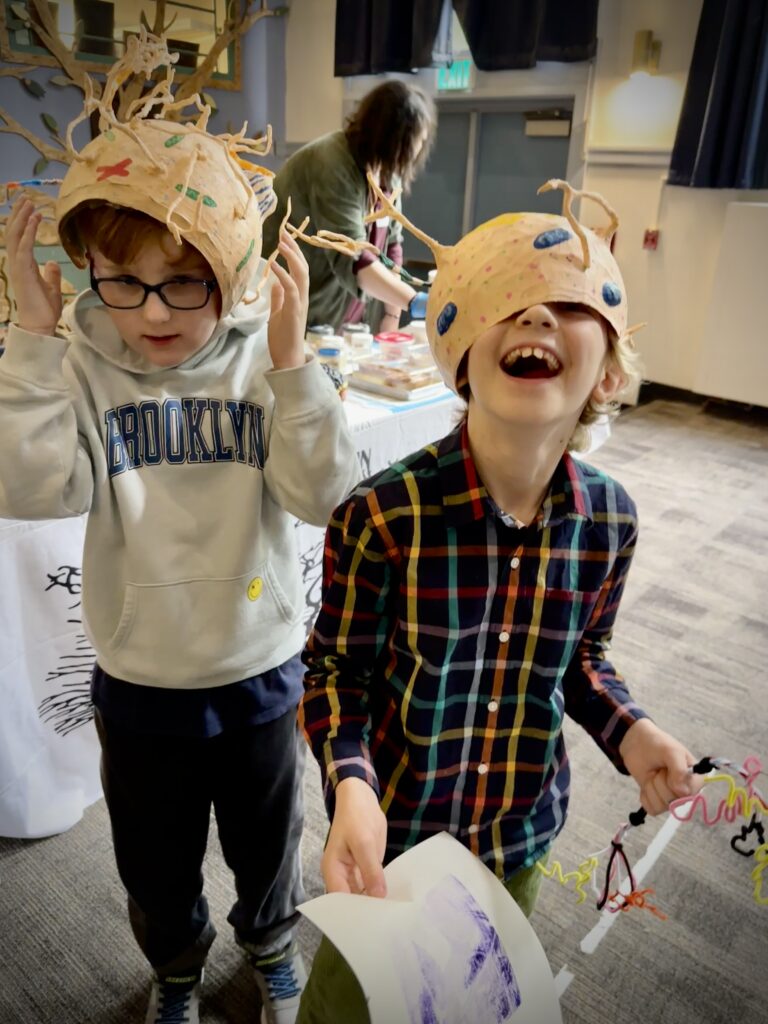
Interactive learning experiences benefit students by allowing them to build a stronger and longer-lasting understanding because they can physically see and feel the concepts with their own hands and through action, rather than only hearing about them through a lecture.
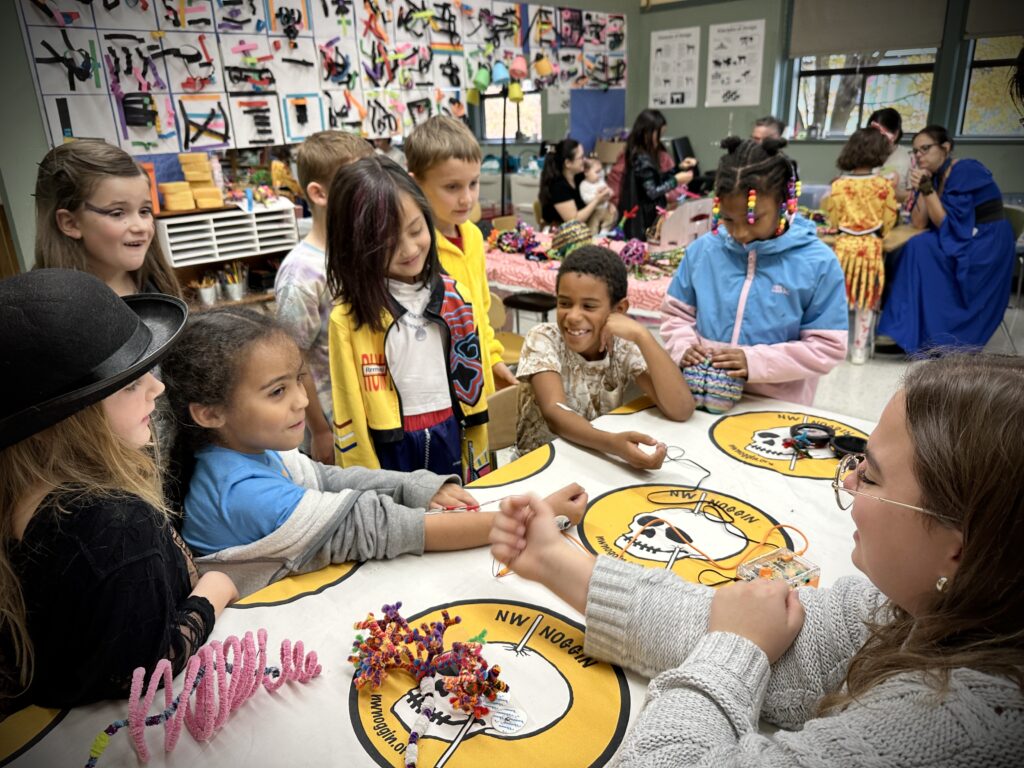
Incorporating more hands-on activities into science and overall education can help make more complex subjects, such as neuroscience, much more welcoming, memorable, and even exciting for learners. It generates excitement, curiosity, and critical thinking!
LEARN MORE: The Advantages of Interactive Learning
LEARN MORE: Investigating the contributions of active, playful learning to student interest and educational outcomes
LEARN MORE: The impacts of a high-school art-based program on academic achievements, creativity, and creative behaviors
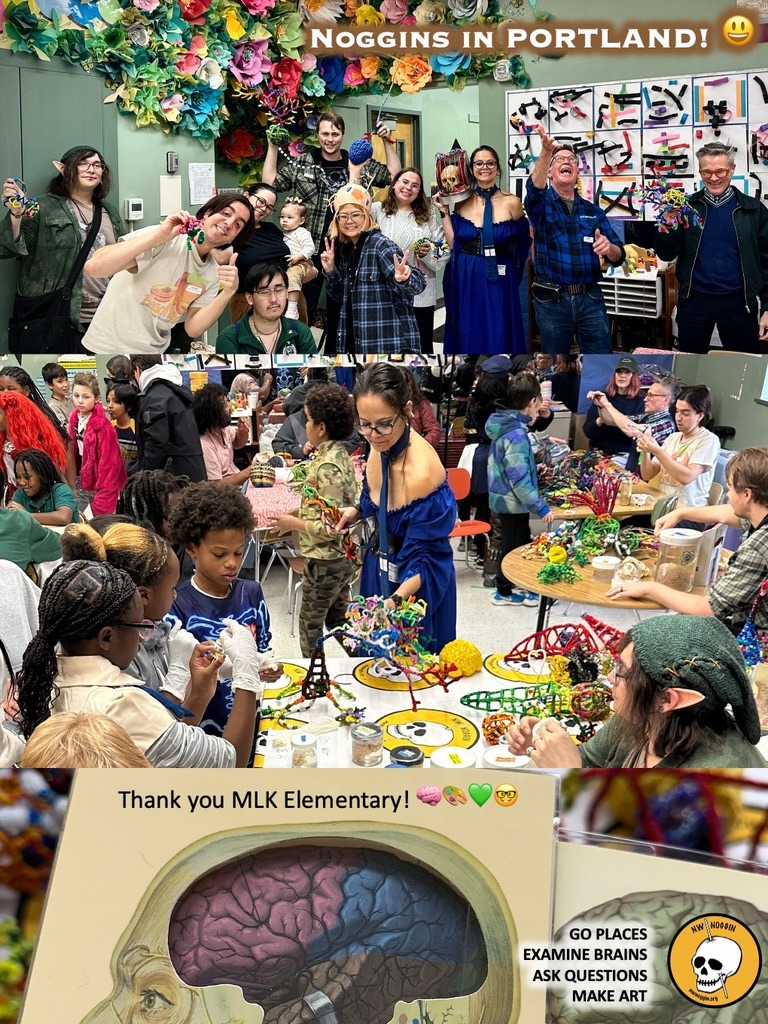
NW Noggin helps make science much more approachable and helps inspire the next generation of students who may go on to study the brain themselves. Participating in this nonprofit organization has helped remind me how powerful interactive learning truly is and how exciting it is to share neuroscience with the community!
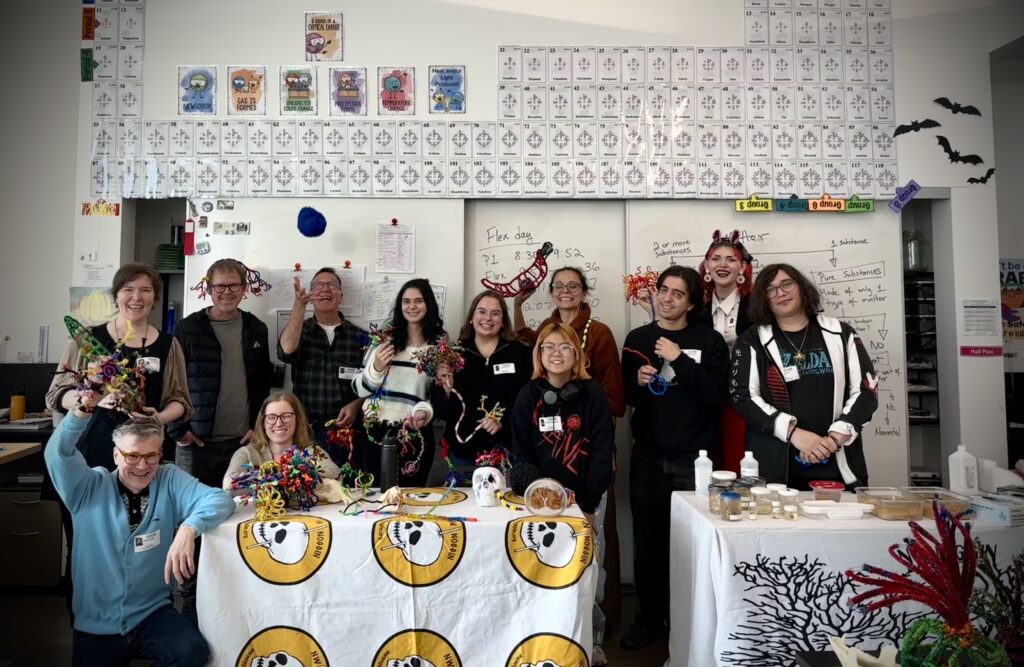
LEARN MORE: What is NW Noggin…?