


Post and illustrations by Cody Walker, a junior at Portland State University pursuing a Bachelor of Science in Psychology with a minor in Interdisciplinary Neuroscience. Cody is a member of the Portland State University Honors College and graduates in spring of 2026.

Honoring moms and mom-like figures
Today, the day I’m sitting down to write this, is May 11, 2025, and it’s Mother’s Day.

After sending my mom flowers and calling to express my gratitude for everything she’s done for me, I’m reminded of a special Northwest Noggin outreach event that I was fortunate to be a part of. The event was a Zoom call with a school in Gaza, and like other outreach events, it included art and questions about the brain.

But one little boy’s question really stuck with me. He shared that his mother always tells him, “Eating chips and drinking fizzy drinks is bad for our brain cells,”– something I remember my own mom saying, too. Then he asked, “Is it true?”
LEARN MORE: Noggins in Gaza
LEARN MORE: The History of Mother’s Day: From Global Peace to Greeting Cards
LEARN MORE: History of Mother’s Day
Food for thought
Although it makes up only about 2 percent of our body weight, the human brain consumes roughly TWENTY percent of the body’s daily energy. That’s a huge demand for such a small organ!

Most of this energy comes from glucose, a simple sugar that fuels the activity of neurons and supports critical brain functions like attention, memory, and learning. The brain is also composed of about 60% fat by dry weight, which forms the protective membranes of cells and cellular organelles (little organs), and the fatty insulation (myelin) that help neurons communicate more efficiently.
This demand for energy and fat is especially high in children, whose brains are growing rapidly and form a much larger proportion of their body weight than adults’. During childhood and adolescent development, the brain builds new connections, learns from the environment, and adapts in real time. All of this requires consistent, high-quality nutrition.

So when that student’s mom (and mine) warned about chips and soda, she may not have used neuroscience terms, but they had the right idea. What we eat really does matter for our brains.
LEARN MORE: Nutrition and brain development in early life
LEARN MORE: Nutrition in school-age children: a rationale for revisiting priorities
LEARN MORE: Synaptic Pruning by Microglia Is Necessary for Normal Brain Development
Sweet but not so simple
Glucose, a simple sugar, is important – right?

Yes, glucose is the brain’s main source of energy, but not all sugar is created equal!
In this context, “simple” sugars refer to carbohydrates made of one or two sugar molecules, such as glucose, fructose, and sucrose. These are broken down and absorbed quickly, which can lead to sharp increases in blood sugar, especially when consumed in large amounts from processed snacks and sugary drinks.

In contrast, complex carbohydrates like those found in whole grains, beans, and vegetables, are made of longer chains of sugars and take more time to digest. This slower breakdown provides a steadier supply of glucose to the brain, helping support focus, mood, and memory. Over time, diets high in added sugars can disrupt this relationship and increase the risk of cognitive decline. Eating nutrient-dense and fiber-rich foods helps keep glucose levels stable and the brain functioning at its best.
One key factor in how the brain uses glucose is insulin, a hormone best known for regulating blood sugar. Insulin is produced by beta cells in the pancreas and is then released into the bloodstream.

IMAGE SOURCE: Medical gallery of Blausen Medical 2014
Insulin helps neurons and glia absorb glucose from the bloodstream and supports synaptic activity, plasticity and cellular repair. When cells become less sensitive to insulin, a condition known as insulin resistance, these brain functions can suffer.
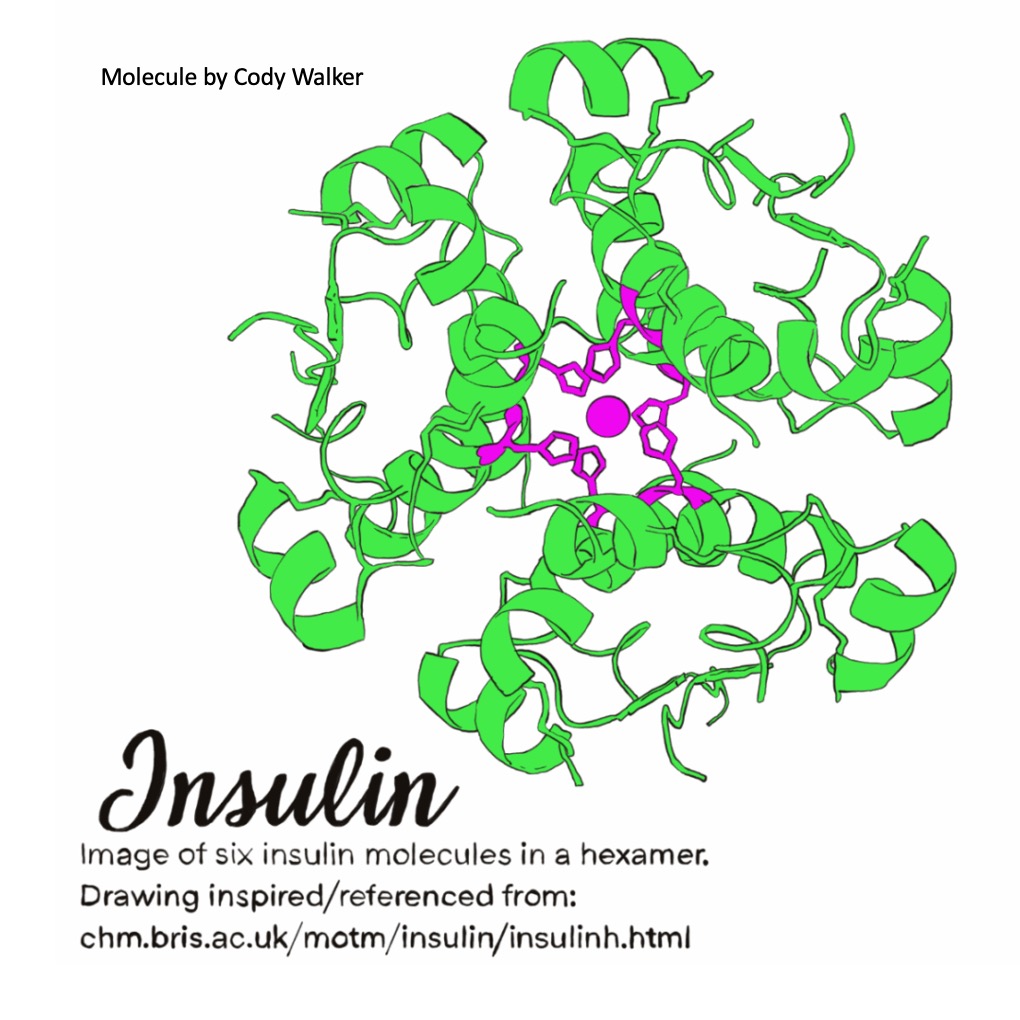
In diabetes, the body can’t properly produce or use insulin, leading to chronically high blood sugar levels that can damage blood vessels, including those in the brain.
In fact, reduced insulin signaling in the brain is associated with deficits in learning and memory and is considered a risk factor for developing Alzheimer’s disease. Alzheimer’s is now even informally referred to as “Type 3 diabetes” to emphasize the link between insulin resistance and this form of dementia.
Maintaining stable blood sugar through diet can help preserve the brain’s sensitivity to insulin and protect cognitive health over time.
This steady glucose supply is critical because the brain lacks energy stores of its own and depends on a constant flow from the bloodstream. Glucose fuels the generation of ATP (adenosine triphosphate), which powers communication between neurons and supports processes like learning, memory, and emotional regulation. When glucose is consumed in excess, especially in the form of added sugars, it can lead to metabolic stress in the brain. This may interfere with the function of neurotransmitters and increase the production of unstable molecules known as free radicals, contributing to inflammation and impairments in cognition over time.
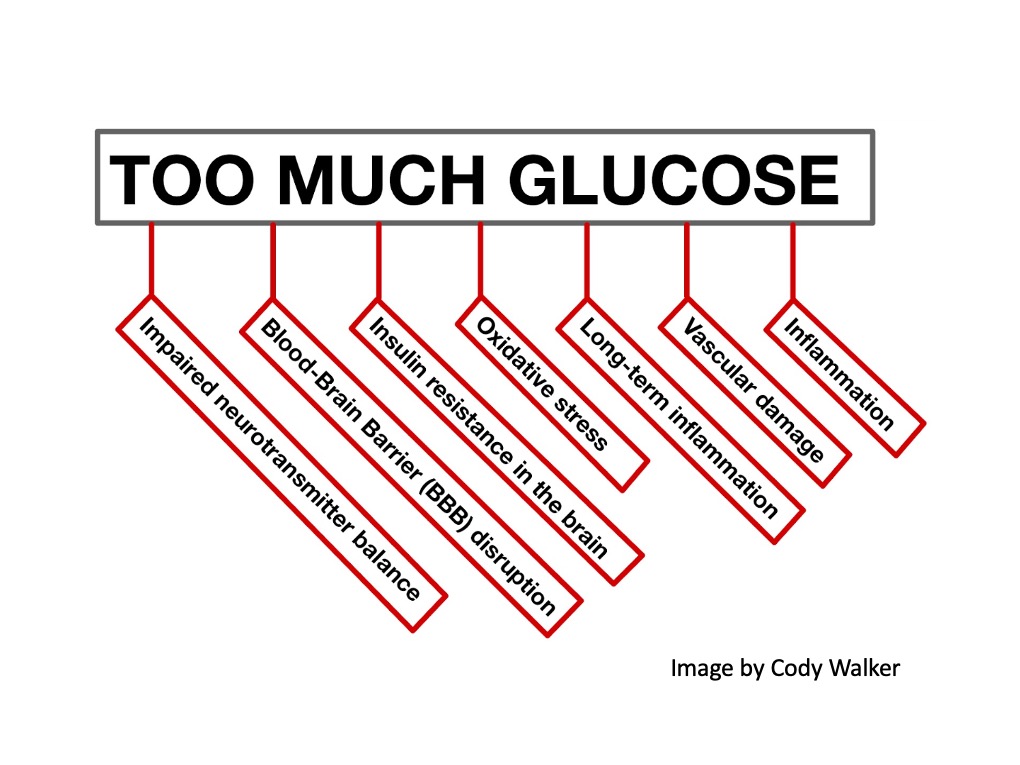
Supporting brain health isn’t just about managing sugar, though!

It also means giving the brain the other nutrients it needs to build and maintain its structure. While glucose fuels brain activity, fats form the very scaffolding of our brain cells. From membranes that protect neurons to the insulation that speeds up their signals, healthy fats play a central role in how the brain grows, adapts, and communicates. Understanding what kinds of fats support these functions is the next piece of the puzzle.
LEARN MORE: Impact of glucose metabolism on the developing brain
LEARN MORE: Glucose Requirements of the Developing Human Brain
LEARN MORE: Brain Insulin Resistance and Hippocampal Plasticity: Mechanisms and Biomarkers of Cognitive Decline
LEARN MORE: Insulin resistance and Alzheimer’s disease
LEARN MORE: Insulin Resistance & Prediabetes
LEARN MORE: Free radicals and their impact on health and antioxidant defenses: a review
Fat chance!
Despite their bad reputation, fats are essential for brain health!
About 60 percent of the brain’s dry weight is fat, much of it forming the phospholipid bilayer, which is the flexible membrane that protects brain cells, and the myelin sheath, which helps neurons send signals more rapidly and efficiently.
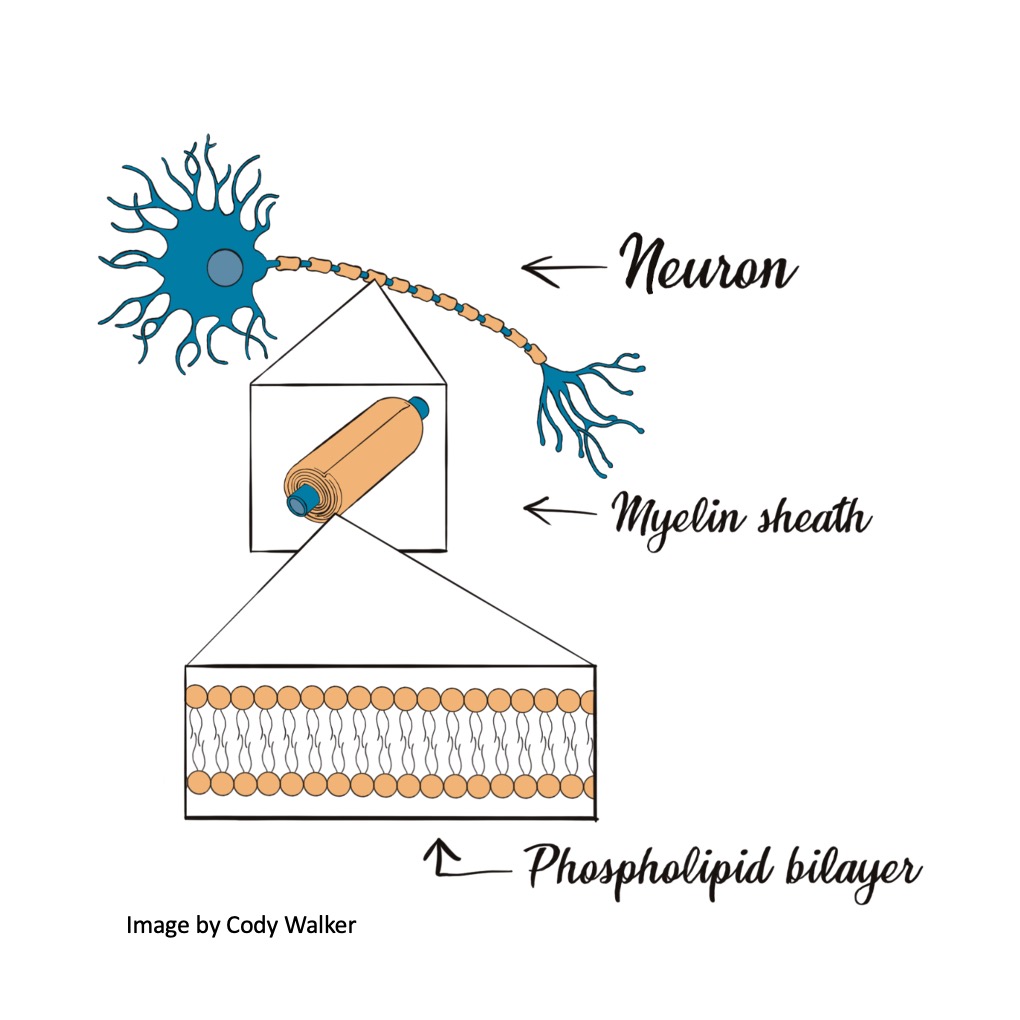
Healthy fats from foods like avocados, nuts, seeds, and fish support these structures and keep communication lines open. In contrast, trans fats and highly processed oils can damage cell membranes and trigger inflammation, raising the risk of cognitive decline. For growing brains especially, the type of fat matters far more than simply cutting out fat altogether.
In particular, omega-3 fatty acids such as DHA (docosahexaenoic acid) play a crucial role in early brain development and long-term cognitive function. DHA accumulates in high concentrations in the cerebral cortex and retina, supporting synaptic plasticity, neurogenesis, and anti-inflammatory processes. Low levels of omega-3s have been linked to attention deficits, mood disorders, and age-related memory decline. The brain cannot produce these fats on its own, so getting them through diet–especially during critical developmental windows–is essential.
On the other hand, diets high in saturated fats and trans fats have been associated with reduced synaptic flexibility and impaired signaling between neurons.
These unhealthy fats can also interfere with the blood-brain barrier, the protective layer that shields the brain from harmful substances. Emerging research suggests that long-term consumption of poor-quality fats may even alter the structure of brain regions involved in learning, memory, and spatial navigation. Choosing the right fats doesn’t just help the brain grow, it helps keep it resilient and adaptable over time.
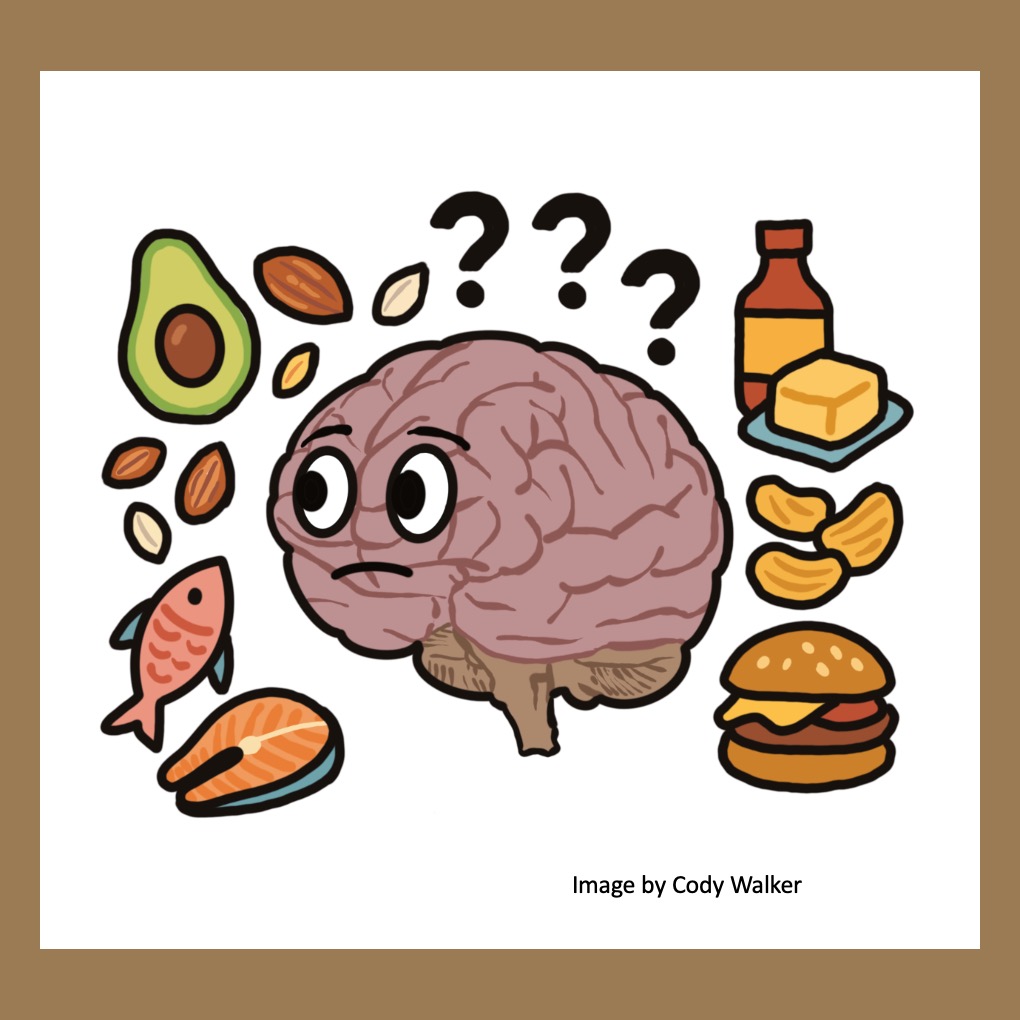
Getting the right kinds of fats is essential, but diet as a whole plays a major role in brain health. Excessive consumption of added sugars, unhealthy fats, and other poor dietary choices can each trigger inflammation and harm cognitive function. These factors often work together to create ongoing inflammation that damages the brain. By focusing on balanced, nutrient-rich foods and limiting harmful ingredients, we can reduce inflammation and support long-term brain health.
LEARN MORE: Nutrition in Brain Development and Aging: Role of Essential Fatty Acids
LEARN MORE: Lipid Transport and Metabolism at the Blood-Brain Interface
LEARN MORE: Impact of Dietary Fats on Brain Functions
LEARN MORE: Why Healthy Fats Should Be A Part Of Your Diet
LEARN MORE: Effects of Docosahexaenoic Acid on Neurotransmission
LEARN MORE: High-Fat Diet Triggers Memory Decline Within Days
LEARN MORE: High-fat, high-sugar diets impact cognitive function
LEARN MORE: Diet vs. Brain
Don’t be inflammatory!
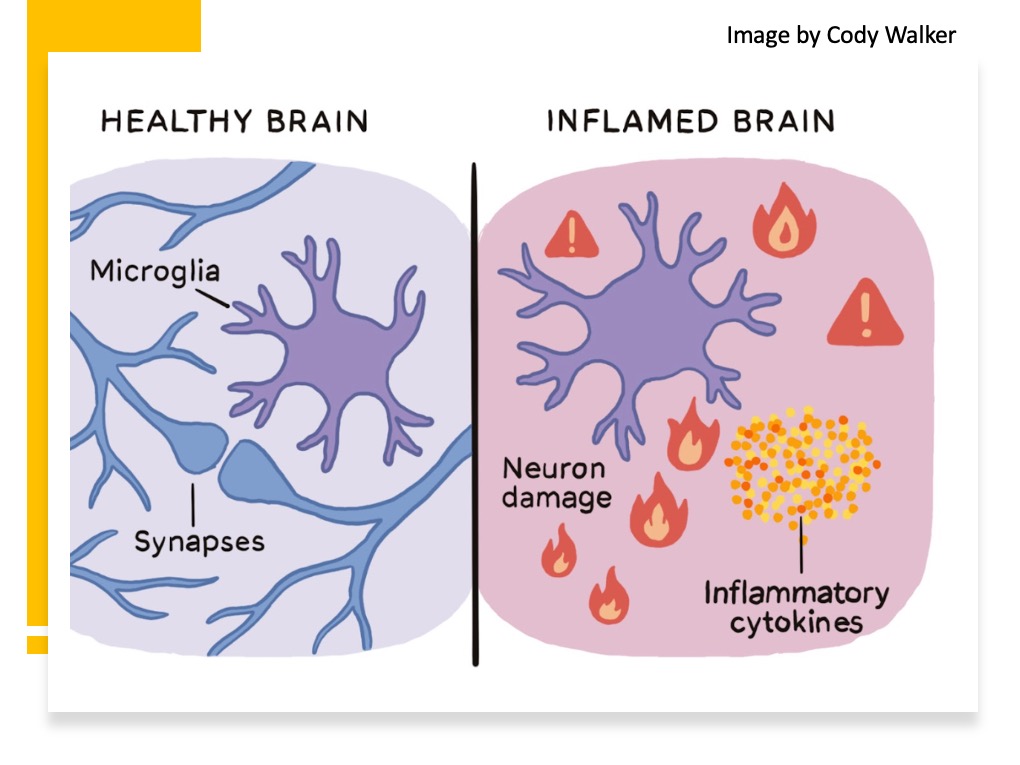
Inflammation is a natural part of the body’s defense system, but when it becomes chronic it can seriously disrupt brain function. Highly processed foods, excess sugars, unhealthy fats, and nutrient deficiencies can all contribute to a sustained inflammatory response. In the brain, this kind of inflammation activates microglia, the brain’s immune cells, which are meant to protect neurons but can become overactive and begin damaging healthy tissue. Chronic activation of microglia has been linked to reduced synaptic plasticity, impaired learning, and mood instability.
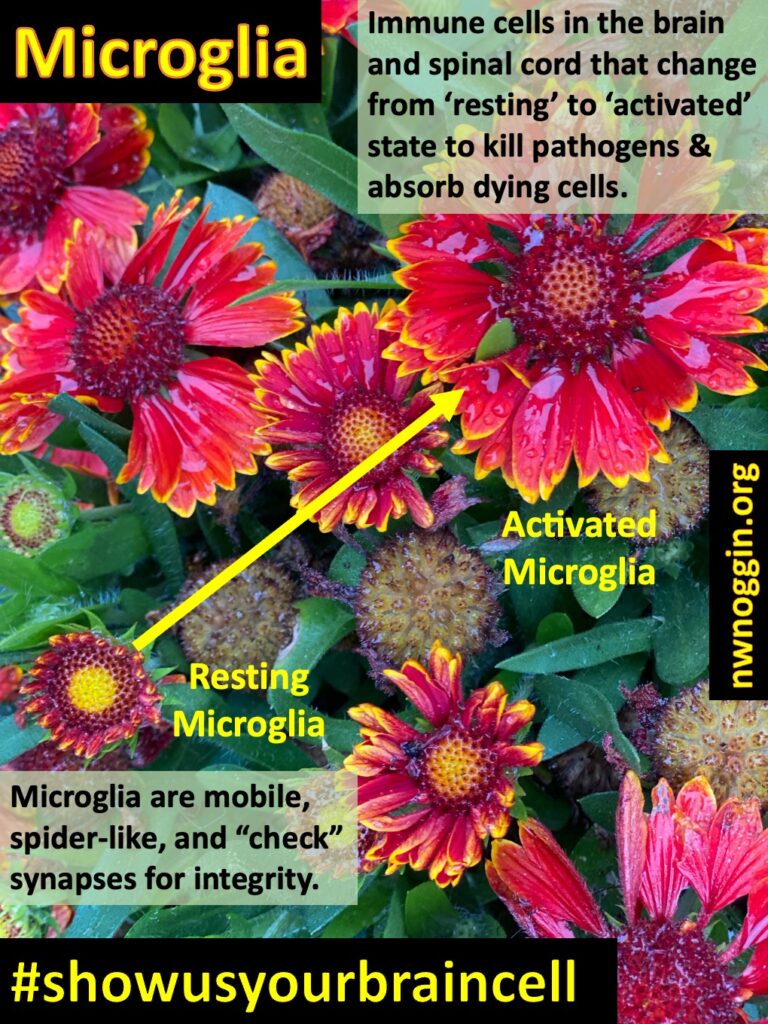
This inflammatory environment can also weaken the blood-brain barrier and allow harmful substances to enter and interfere with neural function. Inflammation often works in tandem with oxidative stress, a condition where free radicals outpace the body’s antioxidant defenses.
Together, they damage brain cells, interfere with neurotransmitter activity, and promote aging at the cellular level. Over time, this can increase the risk of neurodegenerative diseases like Alzheimer’s and Parkinson’s, where inflammation and immune system dysfunction play a major role. Some research even suggests that early life inflammation may set the stage for long-term differences in cognition, emotional regulation, and mental health.
The good news? Food can fight back!
Fruits, vegetables, nuts, whole grains, and fatty fish provide antioxidants, fiber, and omega-3 fatty acids that protect the brain and regulate immune activity. For instance, omega-3s help keep microglia in check and reduce the production of inflammatory chemicals, such as cytokines. Fiber supports a healthy gut microbiome, which plays a surprisingly powerful role in regulating inflammation through the gut-brain axis. By building meals around nutrient-dense, minimally processed ingredients, we give our brains the tools they need to stay calm, clear, and resilient.
LEARN MORE: Excessive intake of sugar: An accomplice of inflammation
LEARN MORE: Diet-Derived Fatty Acids, Brain Inflammation, and Mental Health
LEARN MORE: The Role of Diet as a Modulator of the Inflammatory Process in the Neurological Diseases
LEARN MORE: The blood-brain barrier in systemic inflammation
LEARN MORE: Inflammation and neurodegeneration in Parkinson’s disease
Nourish to flourish
We’ve explored how sugar, fat, and inflammation can shape brain health, for better or worse. But what does a brain-supportive diet actually look like, especially for kids whose minds are still growing, adapting, and learning every day? Fortunately, neuroscience offers some helpful insights!

One of the most important principles of a brain-healthy diet is nutrient density.
This means choosing foods that are rich in vitamins, minerals, healthy fats, and complex carbohydrates while minimizing added sugars, refined grains, and highly processed ingredients. For children, this is particularly important since their brains are still forming foundational networks that support attention, memory, emotional regulation, and decision-making. Nutrients aren’t just fuel, they’re the raw materials the brain needs to build, wire, and fine-tune itself!
Take iron, for example.
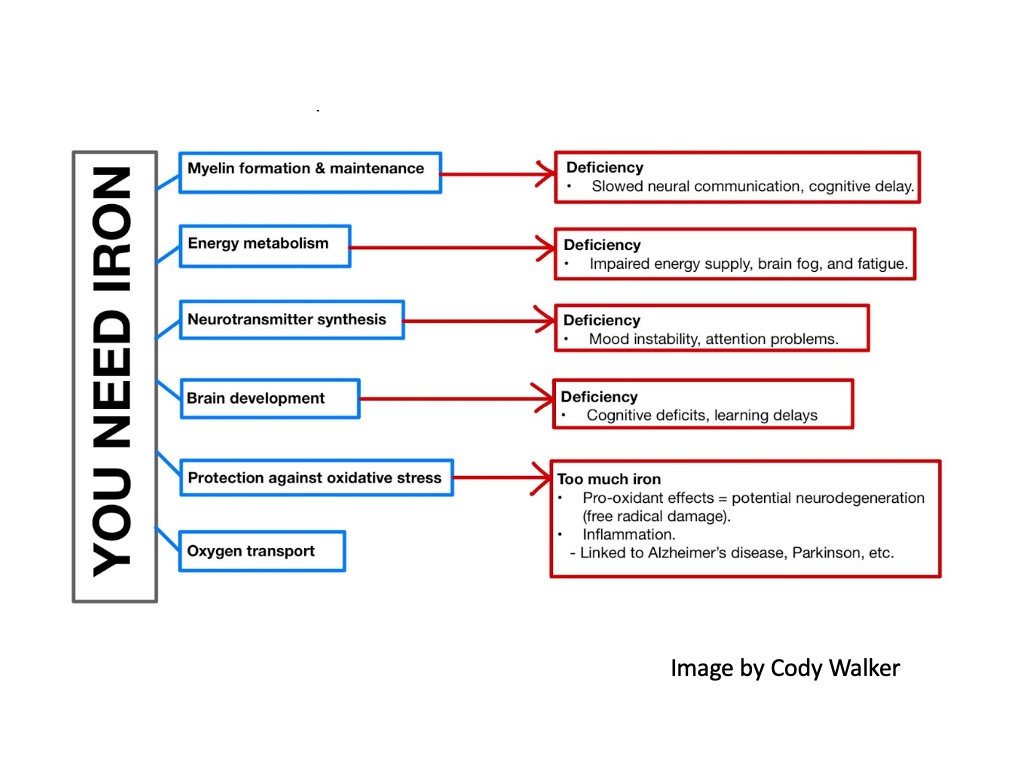
Iron supports oxygen transport and neurotransmitter production and is essential for myelination – the process of insulating neurons so they can send signals faster.
In early childhood, even mild iron deficiency can impair cognitive development, contribute to attention problems and reduce academic performance. Iron-rich foods like lean meats, beans, tofu, spinach, and iron-fortified cereals can help meet this need, especially when paired with vitamin C from citrus fruits or bell peppers, which boost iron absorption.
Other critical nutrients include zinc, magnesium, and vitamin B6.
Each plays a role in neurotransmitter production and synaptic signaling, supporting mood stability, stress regulation, and learning capacity. Deficiencies in these nutrients have been linked to irritability, trouble concentrating, and higher rates of anxiety and depression. Nuts, seeds, whole grains, bananas, and legumes are excellent sources, making it easy to meet these needs with colorful, plant-forward meals.
Choline is another nutrient gaining attention in brain research.
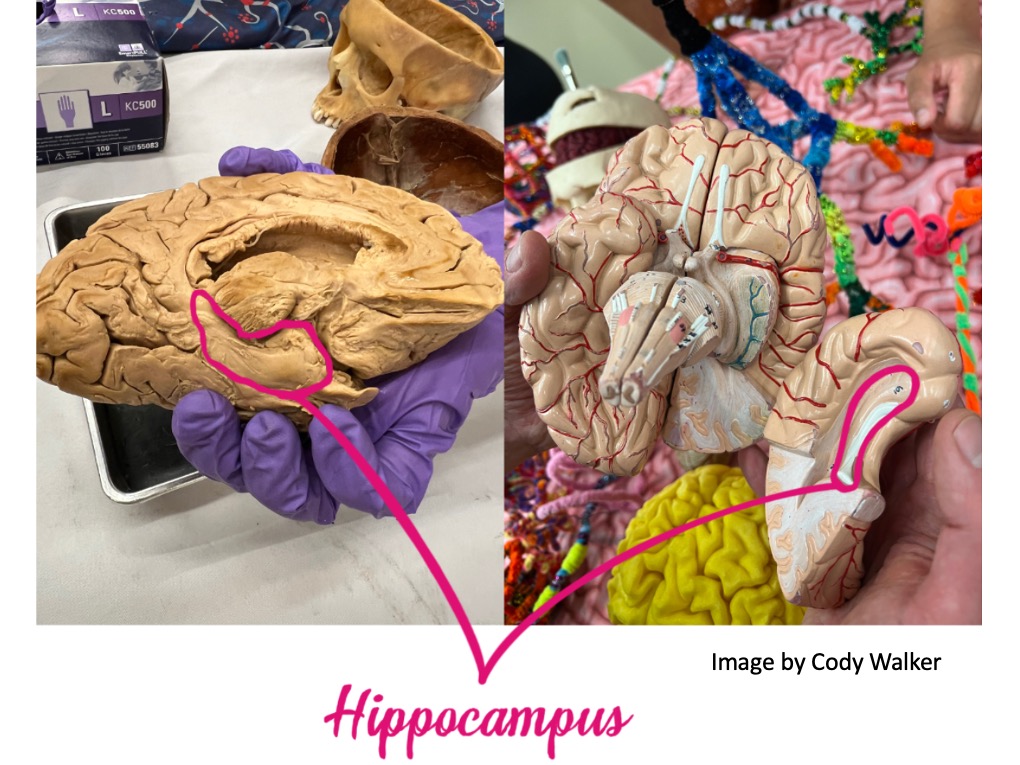
It is a precursor for acetylcholine, a neurotransmitter essential for learning and memory. During pregnancy and early childhood, choline supports the development of the hippocampus, a region critical for forming and storing memories. Eggs are one of the best sources of choline and make an ideal breakfast or snack for both kids and adults. Soybeans, Brussels sprouts, and some fortified milks can also help meet daily requirements.
While omega-3 fatty acids are essential, as discussed earlier, it’s important to see them as just one part of a larger picture. What matters most is the overall pattern of eating. A balanced diet that offers steady energy, high-quality protein, anti-inflammatory nutrients, and plenty of fiber creates the conditions the brain needs to grow, adapt, and function well. This kind of diet also supports the gut-brain axis, which researchers increasingly link to mood, attention, and immune health.
Supporting a child’s brain isn’t just about one “superfood.” It’s about the everyday choices that shape how the brain develops over time. When meals are built around whole foods like leafy greens, berries, eggs, beans, nuts, yogurt, whole grains, and fatty fish, they don’t just fuel the body. They help build minds that are clear, focused, and ready to flourish!

LEARN MORE: The Role of Dietary Patterns in Mood Disorders: Prospective Research in Youth Populations
LEARN MORE: Relationship Between Diet and Mental Health in Children and Adolescents: A Systematic Review
LEARN MORE: Is there an association between diet and depression in children and adolescents? A systematic review
LEARN MORE: Iron deficiency and cognitive functions
LEARN MORE: Iron Metabolism in Oligodendrocytes and Astrocytes, Implications for Myelination and Remyelination
LEARN MORE: Iron Deficiency, Cognitive Functions, and Neurobehavioral Disorders in Children
LEARN MORE: The Role of Vitamins and Minerals in Psychiatry
LEARN MORE: Zinc: An underappreciated modulatory factor of brain function
LEARN MORE: Magnesium and the Brain: A Focus on Neuroinflammation and Neurodegeneration
LEARN MORE: Magnesium and stress
LEARN MORE: Neuroprotective Actions of Dietary Choline
LEARN MORE: The diets of children: Overview of available data for children and adolescents
A mother’s wisdom vs war crimes
As this post–and Mother’s Day–comes to a close, I want to reflect on the universal role that mothers and caregivers play in nurturing not just bodies, but minds. The little boy’s question, “Is it true that chips and fizzy drinks are bad for our brain cells?” speaks to the quiet, daily wisdom of those who teach us how to care for ourselves. The answer is yes, those foods aren’t great for the brain.

But for many around the world, the issue is not about making better choices, it’s about survival.
Right now, Palestinians in Gaza are being denied access to food and water. Amnesty International, Human Rights Watch, and the United Nations have all recognized this as a war crime. This isn’t just a denial of basic sustenance. It’s a direct assault on the physical and neurological development of children and a brutal blow to the mothers and caregivers who know how vital nourishment is to a child’s future.

On a day meant to honor those who feed, teach, and protect us, it’s worth remembering that not all caregivers are given the means to do so. May we recognize their strength, hold space for their struggles, and work toward a world where every child can be nourished in body and mind.