


Post by Maryfer Ortiz, an undergraduate pursuing a B.S in Psychology and an Interdisciplinary Neuroscience minor at Portland State University. Maryfer spent last summer interning for PSU’s Aphasia Lab and began participating with NW Noggin this spring.

Music is one of the most important things in my life.
Growing up in a Mexican household, mornings were never quiet. It meant waking up early to speakers blasting all kinds of music to get us in the mood to clean. Whether it was my mom playing the Spanish rock she grew up with in CDMX (Ciudad de México), or my dad cranking up banda or norteñas, music was always present. If it wasn’t playing while cleaning, it was blasting during cooking or showering. It’s the reason I can never focus in a quiet library and why you’ll rarely see me without my headphones on. Honestly, I wouldn’t have it any other way.
To me, music is a universal language. It transcends barriers and brings together different cultures — it’s one thing we all have in common, or at least most of us do.

LEARN MORE: Is Music a Universal Language?
LEARN MORE: Universality and diversity in human song
LEARN MORE: Universal interpretations of vocal music
Music and the brain
Visiting high schools across Portland with NW Noggin reaffirmed this belief.

At nearly every event, music played a role — whether in student conversations, classroom playlists, or even at one school where the bell between classes was replaced by songs. That got me thinking!

Why is music so important to us? What is it about the brain that responds to it so deeply?
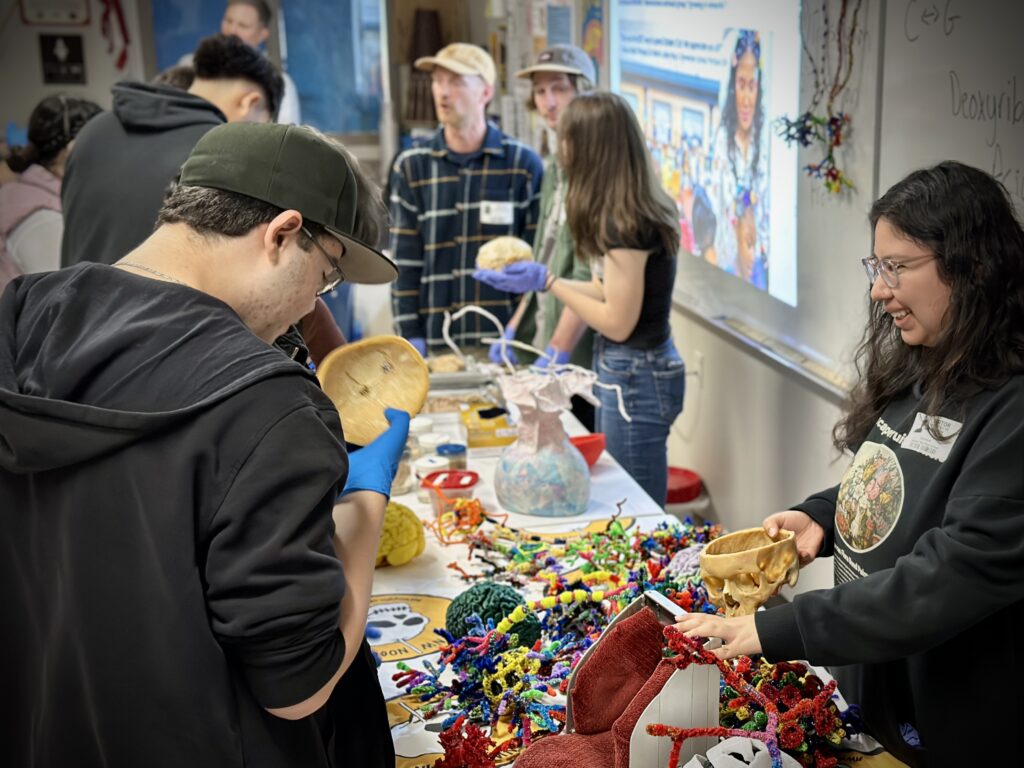
Music holds a special place in human experience because it can profoundly shape our emotional state through complex brain mechanisms. It’s not just about hearing sounds, it’s about how those sounds engage our brain’s reward and emotional circuits.
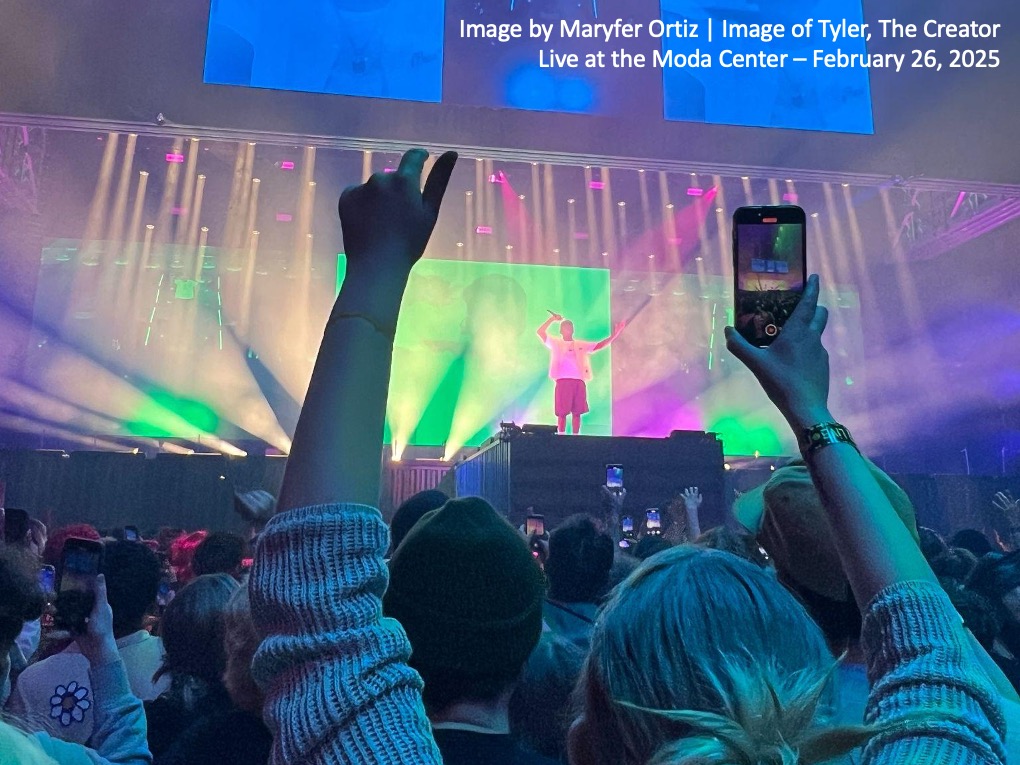
LEARN MORE: Tyler the Creator
One reason music can resonate so deeply is its ability to trigger aesthetic chills.
Schoeller and colleagues (2024) highlight that these chills are linked to activation of a specific brain network involving the ventral tegmental area (VTA) in the brainstem and its dopamine projections to the limbic system, including areas such as the nucleus accumbens and amygdala. This network is crucial for reward, motivation, and learning. When we experience chills during music, dopamine, a neurotransmitter central to pleasure and reward, is released, amplifying the emotional impact of the music.
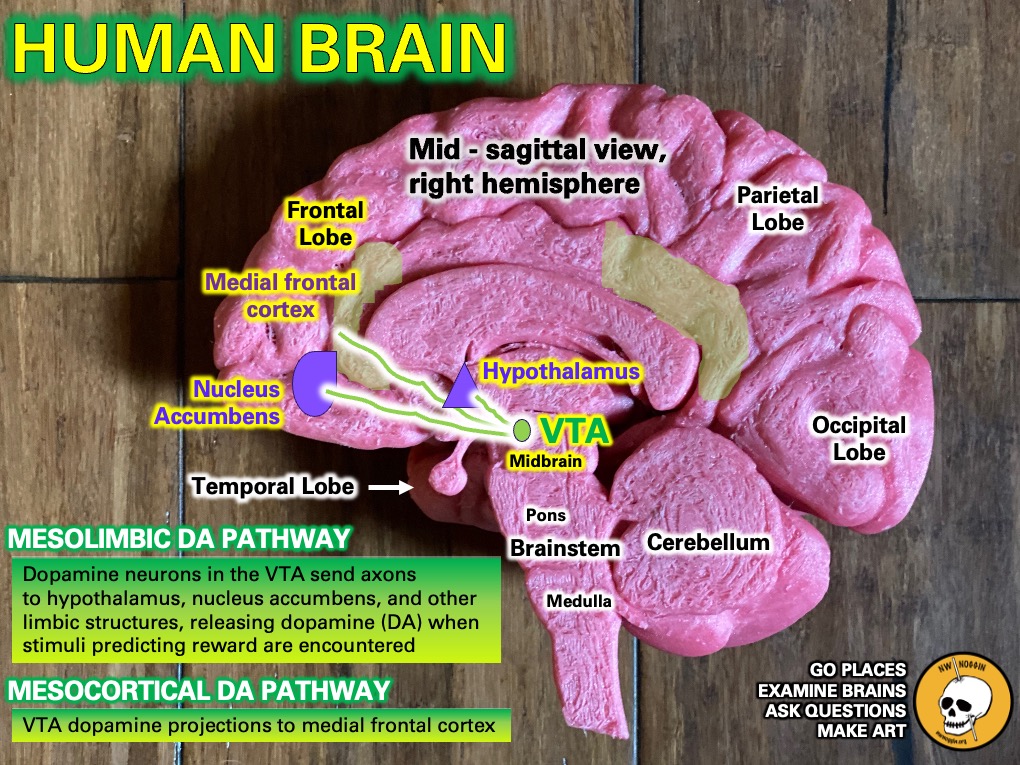
LEARN MORE: The neurobiology of aesthetic chills: How bodily sensations shape emotional experiences
LEARN MORE: Dopaminergic Neurotransmission in the Human Brain
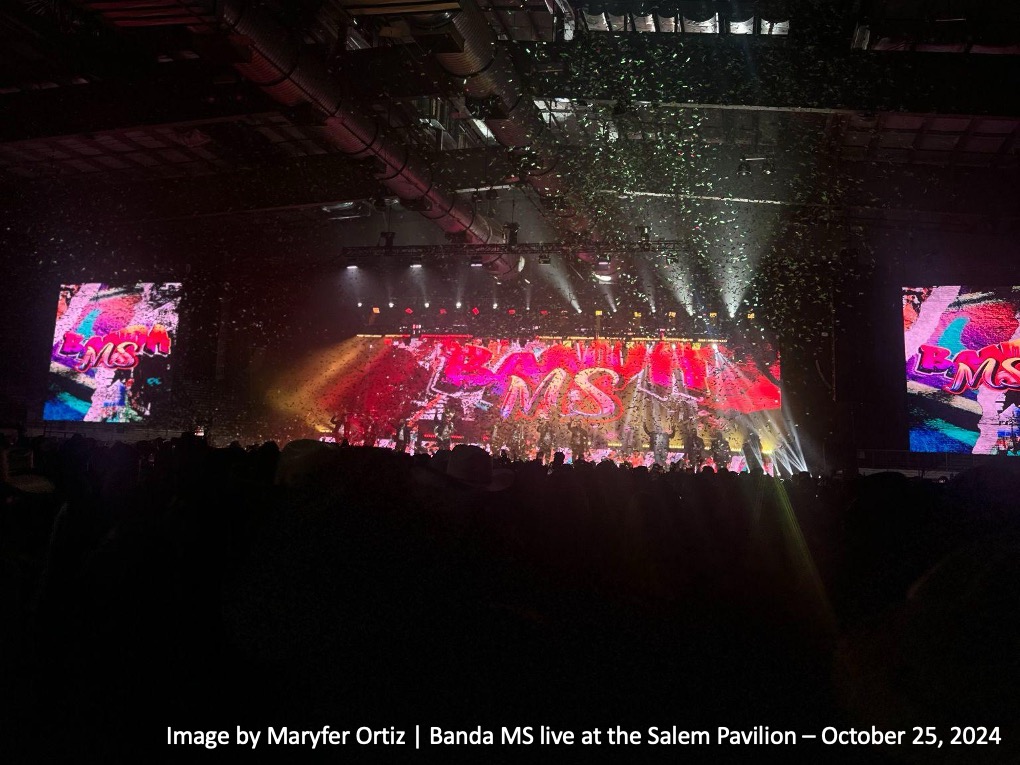
LEARN MORE: Dopamine modulates the reward experiences elicited by music
LEARN MORE: From perception to pleasure: Music and its neural substrates
LEARN MORE: Music and health
Neurotransmitters and mood
What song instantly changes your mood? Ever wondered why?

Neurons communicate chemically through the release of neurotransmitters, which are stored in tiny vesicles and released into synapses, small gaps between neurons, to send signals across the brain.
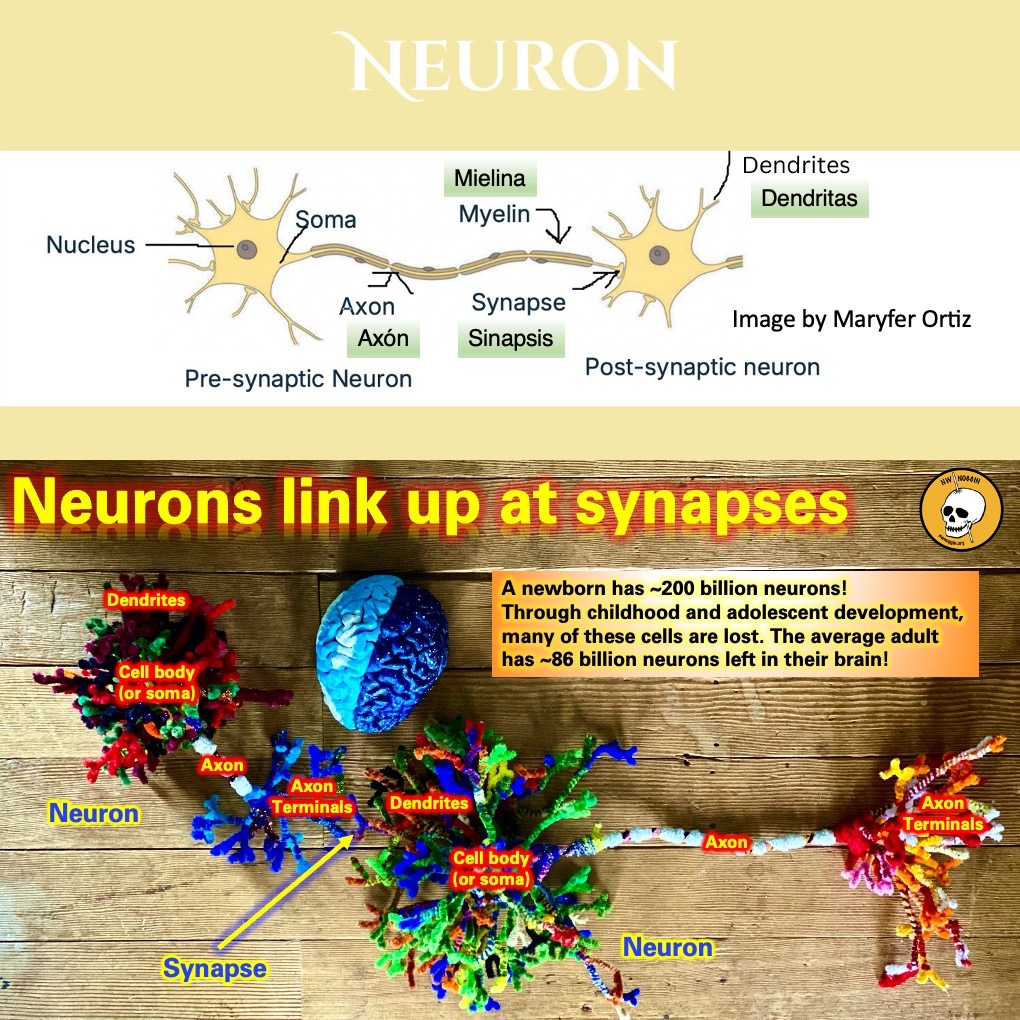
Music directly affects brain chemistry. Listening to or playing music triggers the release of dopamine, serotonin, and oxytocin — neurotransmitters involved in pleasure, mood regulation, and social bonding. These neurochemical changes explain why music can comfort us, energize us, or bring us to tears.
At one of our outreach events, a student asked a fascinating question: “Does our music taste change as we develop? Why are some of us drawn to angsty music as high schoolers?”
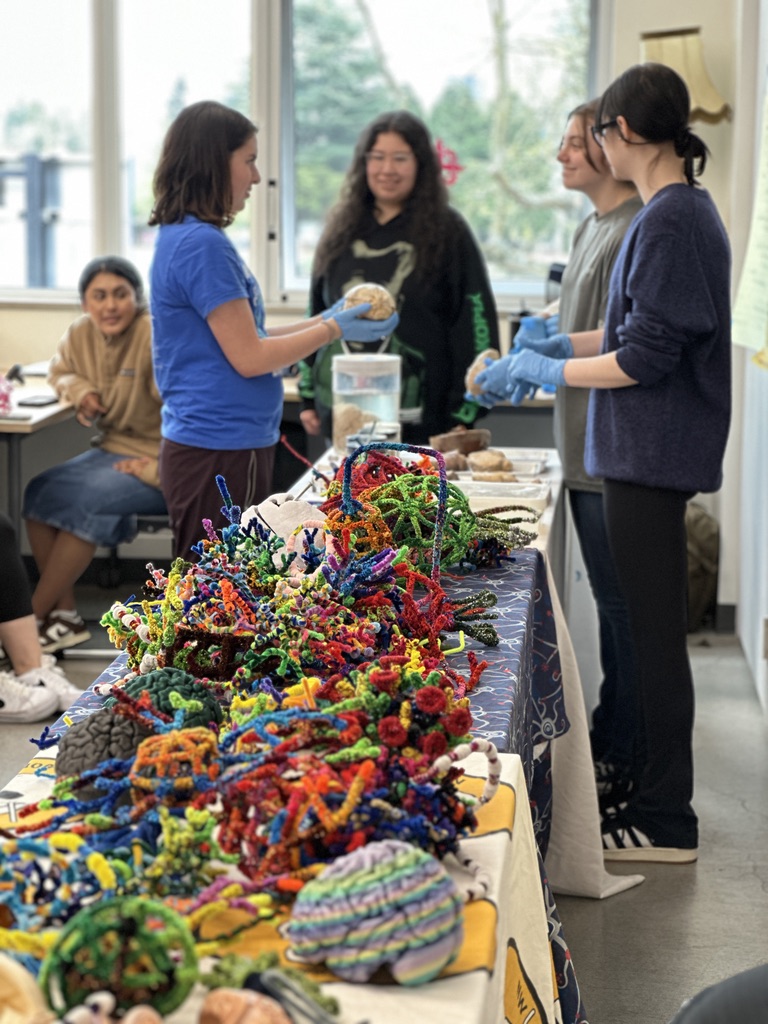
I loved this question because it touches on both psychology and neuroscience. The music we’re drawn to often reflects our internal emotional world, and adolescence is a time of intense emotional and neurological development.
The limbic system, especially the amygdala (which processes emotion), is hyperactive during the teen years, while the prefrontal cortex (which helps regulate those emotions) is still maturing.
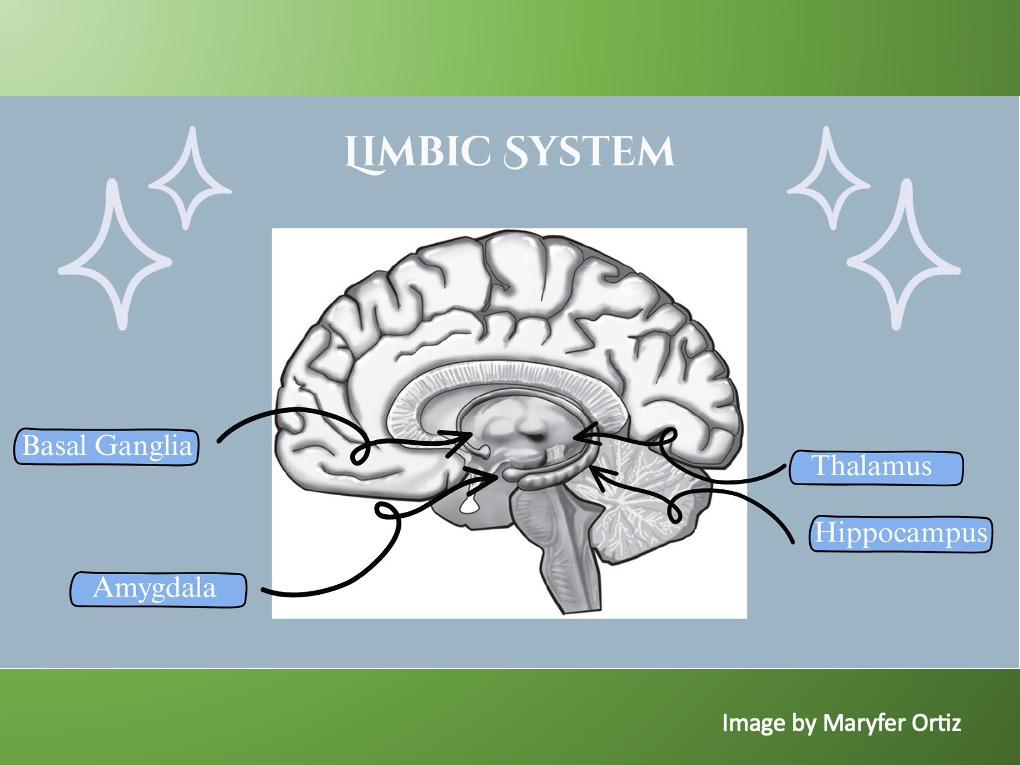
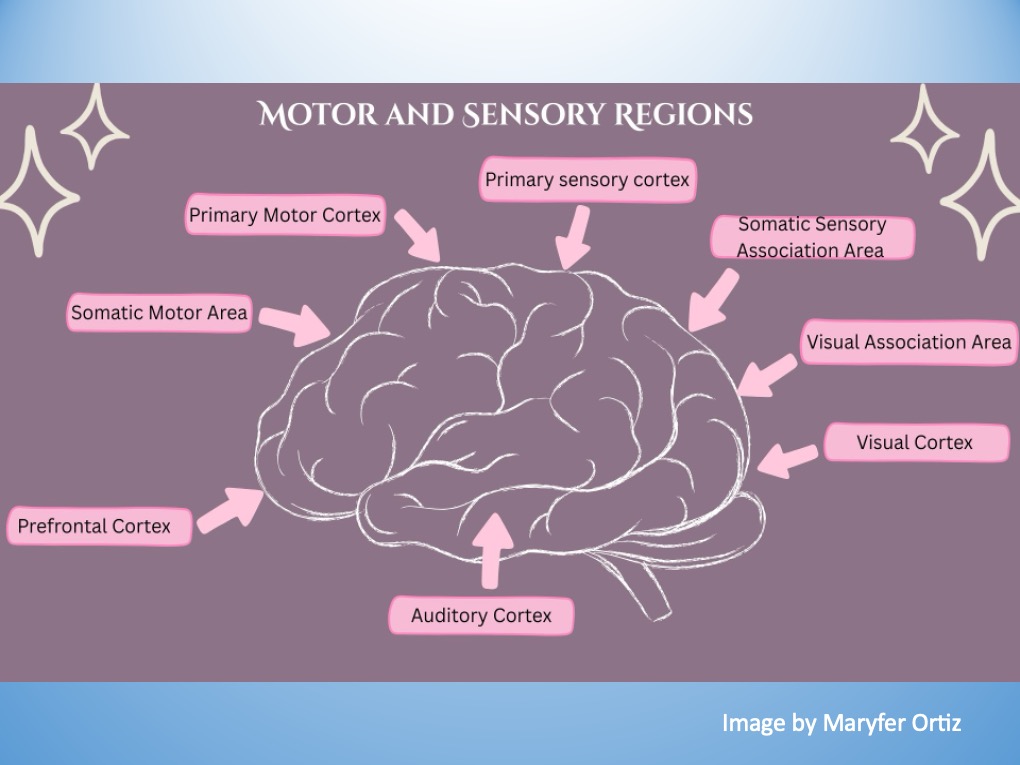
Music engages multiple neural systems at once — sensory, motor, limbic, even memory — and this integrated response might explain why it’s used across so many cultures for rituals, healing, movement, and expression.
LEARN MORE: Brain Development During Adolescence
LEARN MORE: Cognitive Crescendo: How Music Shapes the Brain’s Structure and Function
LEARN MORE: Talking music and the mind with Francis Collins and Renée Fleming
These functions are not only neurological but deeply cultural, especially in traditions like folklórico where music and movement are inseparable.

In exploring this relationship, Gabriela Mendoza-García (2018) reflects on how traditional mariachi music and dance — particularly sones and jarabes — were historically seen as one unified form of expression. She cites Santiago Miramón, a mariachi musician from the 1920s, who emphasized that sones and jarabes cannot be fully understood without the dancers.
Music alone, he suggests, is incomplete without the visual and rhythmic dialogue of movement.
LEARN MORE: Gabriela Mendoza-Garcia Ballet Folklorico
LEARN MORE: Dancing throughout Mexican History (1325-1910)
LEARN MORE: Performing nationalism: mariachi, media and the transformation of a tradition
LEARN MORE: Music as a Cultural Inheritance System
LEARN MORE: Cross-cultural perspectives on music and musicality
LEARN MORE: Ballet Folklórico: A Dance of Identity
LEARN MORE: Music of Mexico, Vol. 1: Veracruz: Sones Jarochos
LEARN MORE: Jarabe
This deep connection between music and movement in traditions like folklórico is more than cultural memory. It’s also rooted in how our brains respond to rhythm, emotion, and embodied expression. The same mechanisms that drive coordination between dancers and musicians also underlie music’s therapeutic power, especially in contexts of trauma and healing.
In fact, a review of over 30 studies by McFerran and colleagues identified four key therapeutic uses of music for trauma: Stabilization (modulating physiological stress), Entrainment (syncing music and movement), Expression (emotional release) and Performance (fostering social reconnection).
LEARN MORE: Music, Rhythm and Trauma: A Critical Interpretive Synthesis of Research Literature
These findings show how music interacts with the brain’s emotional regulation circuits, helping people process trauma and rebuild a sense of safety. And it’s not just trauma: music supports cognitive and social development across the lifespan. For example, elderly individuals with dementia showed improved attention and verbal fluency after participating in music-based programs, and children with ADHD-like symptoms displayed better inhibitory control after a 3-month orchestral experience in school.
LEARN MORE: The promise of music therapy for Alzheimer’s disease: A review
LEARN MORE: The effect of music therapy on cognitive functions in patients with Alzheimer’s disease
LEARN MORE: Short-Term Orchestral Music Training Modulates Hyperactivity and Inhibitory Control in School-Age Children
Neuroscience and lived experience come together here: it’s not only that music affects what’s happening in the brain, but also that these changes translate into real-world benefits — like feeling calmer, more connected, more focused, or more alive.
So yes — some music calms us by reducing stress hormone release, and some excites us with dopamine-driven anticipation. But music also helps us regulate, express, and even restore ourselves, neurologically and emotionally.
That’s part of why banda and norteñas mean so much to me personally. It’s not just nostalgia — it’s pattern recognition plus limbic activation plus cultural grounding, all in one.
LEARN MORE: Music as Medicine: The Science and Clinical Practice
LEARN MORE: The Impact of Music on Human Development and Well-Being
LEARN MORE: Music Therapy for Posttraumatic Stress in Adults
LEARN MORE: Music as medicine for traumatic brain injury
What music do you like?
Beyond brain chemistry, music is a social and cultural force.
One of my favorite artists is Kendrick Lamar, who has made waves not only for his lyrical talent but for his deep, conscious storytelling. In 2018, Lamar became the first non-classical, non-jazz artist to win the Pulitzer Prize for Music for his album DAMN. The Pulitzer board called it “a virtuosic song collection unified by its vernacular authenticity and rhythmic dynamism that offers affecting vignettes capturing the complexity of modern African American life.”
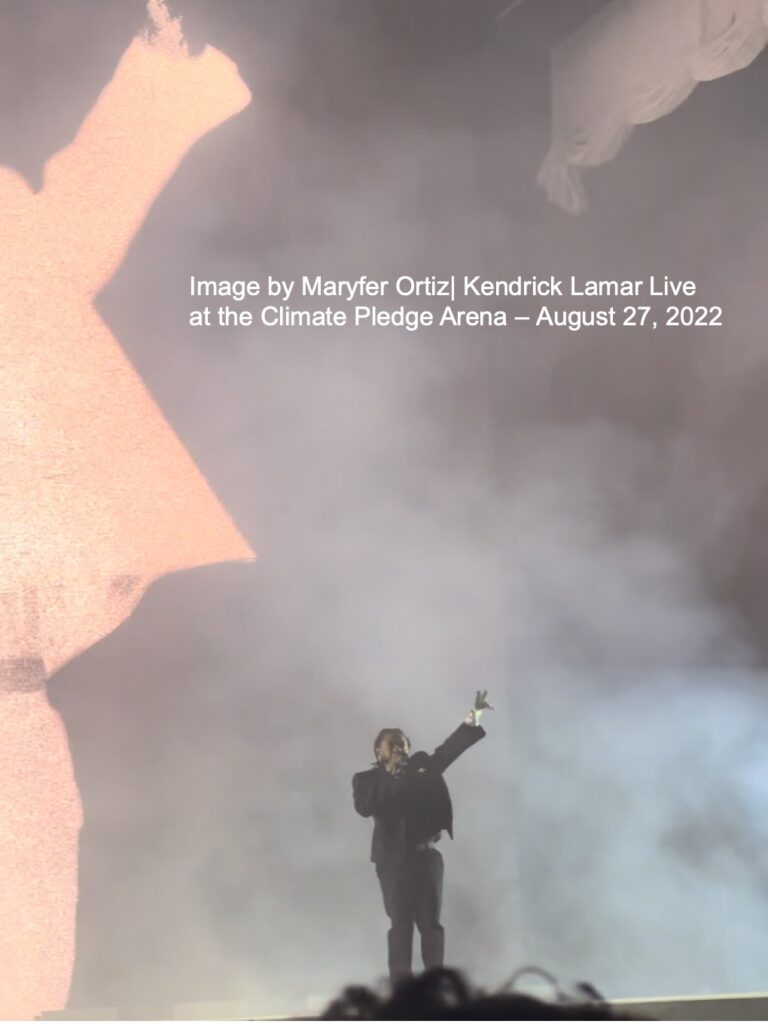
To me, that’s music at its most powerful.
Kendrick’s work doesn’t just entertain—it educates, challenges, and transforms. His lyrics confront issues like racial injustice, mental health, and generational trauma, offering raw insight into the lived experience of Black Americans. The fact that such work earned the highest recognition in American music history proves how deeply music intersects with identity, resistance, and truth.
As a listener, I’ve always been drawn to music that says something. Kendrick’s artistry reminds me that music can create emotional resonance, validate experience, and even inspire change.
LEARN MORE: Kendrick Lamar
LEARN MORE: Kendrick Lamar Earns Music Pulitzer Prize For ‘DAMN.’
So again, that student’s question: “Does our music taste change as we develop?”

Research shows that our music preferences are shaped by a mix of psychological traits, social influences, and cultural context, all of which evolve as we grow.
For example, the MUSIC model identifies five broad music preference factors that seem to remain fairly stable, but the specific genres or styles we associate with those factors can shift across generations and life stages (Rentfrow, Goldberg, & Levitin, 2011). This means that while you might be drawn to “intense” music like angsty or emotional rock in high school, that preference might take different forms as you age.
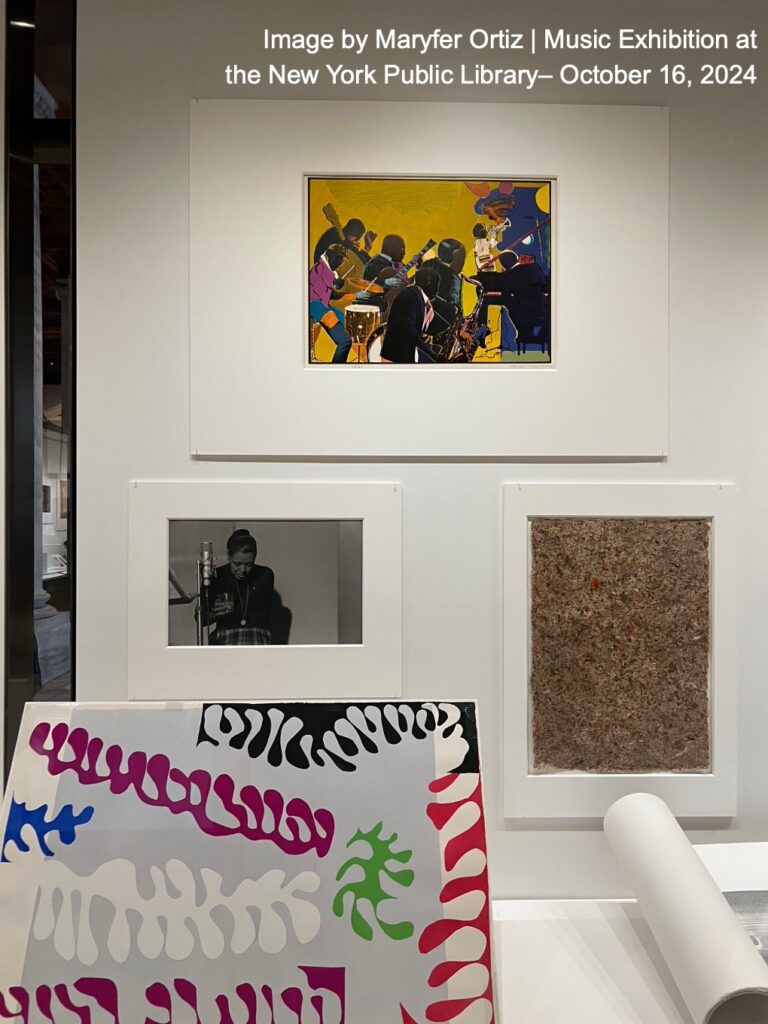
Additionally, studies show that social factors play a big role, especially in adolescence. Brain imaging research with teens found that popularity influences how they rate music — the anxiety of not fitting in can push teens to prefer music that aligns with their peer group (Berns et al., 2010). So, the angsty music many high schoolers connect with might also reflect their social environment and a desire for emotional expression and identity during this formative period. In short, music taste isn’t just about what sounds good — it’s deeply tied to who we are, where we’re at in life, and the people around us.
LEARN MORE: The Structure of Musical Preferences: A Five-Factor Model
LEARN MORE: Neural Mechanisms of the Influence of Popularity on Adolescent Ratings of Music
LEARN MORE: Musical Preference and Taste in Childhood and Adolescence
LEARN MORE: Disrupted routines anticipate musical exploration
Music training changes our brain
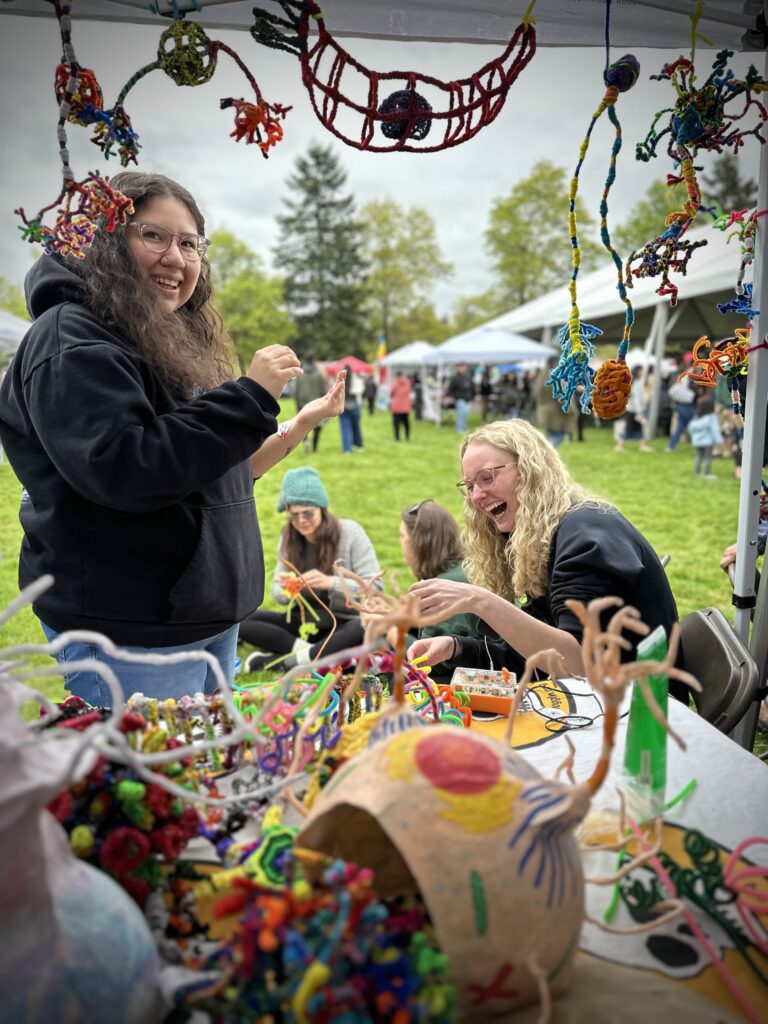
Long-term music training leads to neuroplasticity—structural changes in the brain. For example, musicians often have a larger corpus callosum, the bundle of fibers connecting the brain’s hemispheres. This enhances coordination between sensory and motor tasks. Regions like the precentral gyrus (motor control) and superior temporal gyrus (auditory processing) are also more developed in musicians due to the physical demands of playing instruments and interpreting sound.

But the benefits of music go beyond musicianship. Children with musical training often outperform their peers in language, reading, math, memory, and attention. These gains are thought to occur through transfer effects, where music strengthens broader cognitive abilities.
LEARN MORE: Cognitive Crescendo: How Music Shapes the Brain’s Structure and Function
LEARN MORE: How Musical Training Shapes the Adult Brain: Predispositions and Neuroplasticity
LEARN MORE: Musicians and music making as a model for the study of brain plasticity
LEARN MORE: Musical training, neuroplasticity and cognition
Music is my culture
Music is more than background noise in our lives — it’s a cognitive tool, a cultural tradition, and a neurological force. Growing up with music all around me didn’t just make me who I am — it shaped how my brain works.
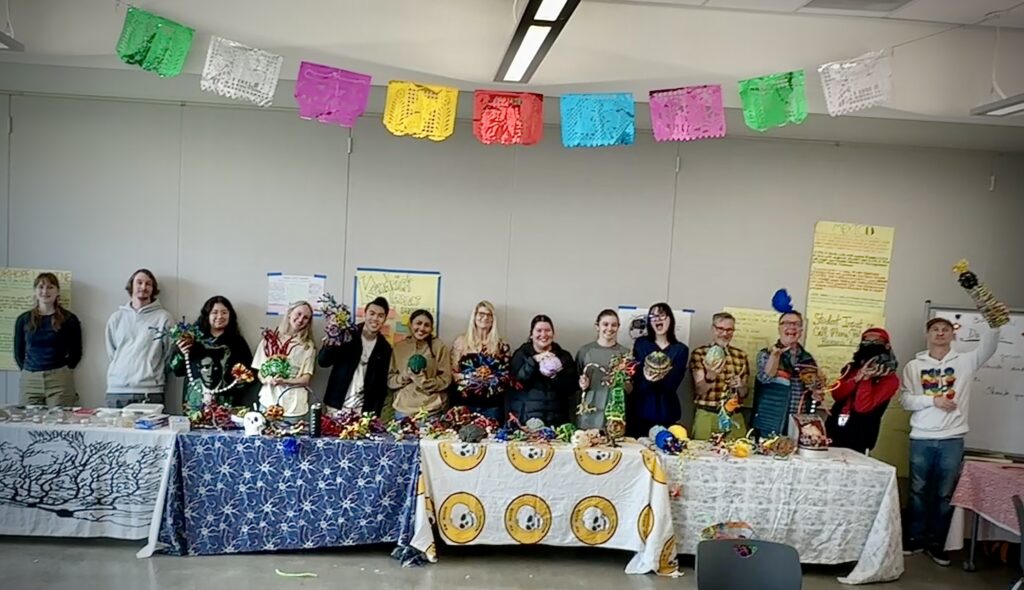
As I continue my studies in psychology and neuroscience, I’m excited to keep exploring the connections between sound, identity, and brain development. Because sometimes, the rhythms that move us say more about who we are than words ever could.
LEARN MORE: Music and the Brain
LEARN MORE: How does the brain process music?
LEARN MORE: Music and the brain: the neuroscience of music and musical appreciation
LEARN MORE: How your brain benefits from music, with Larry Sherman